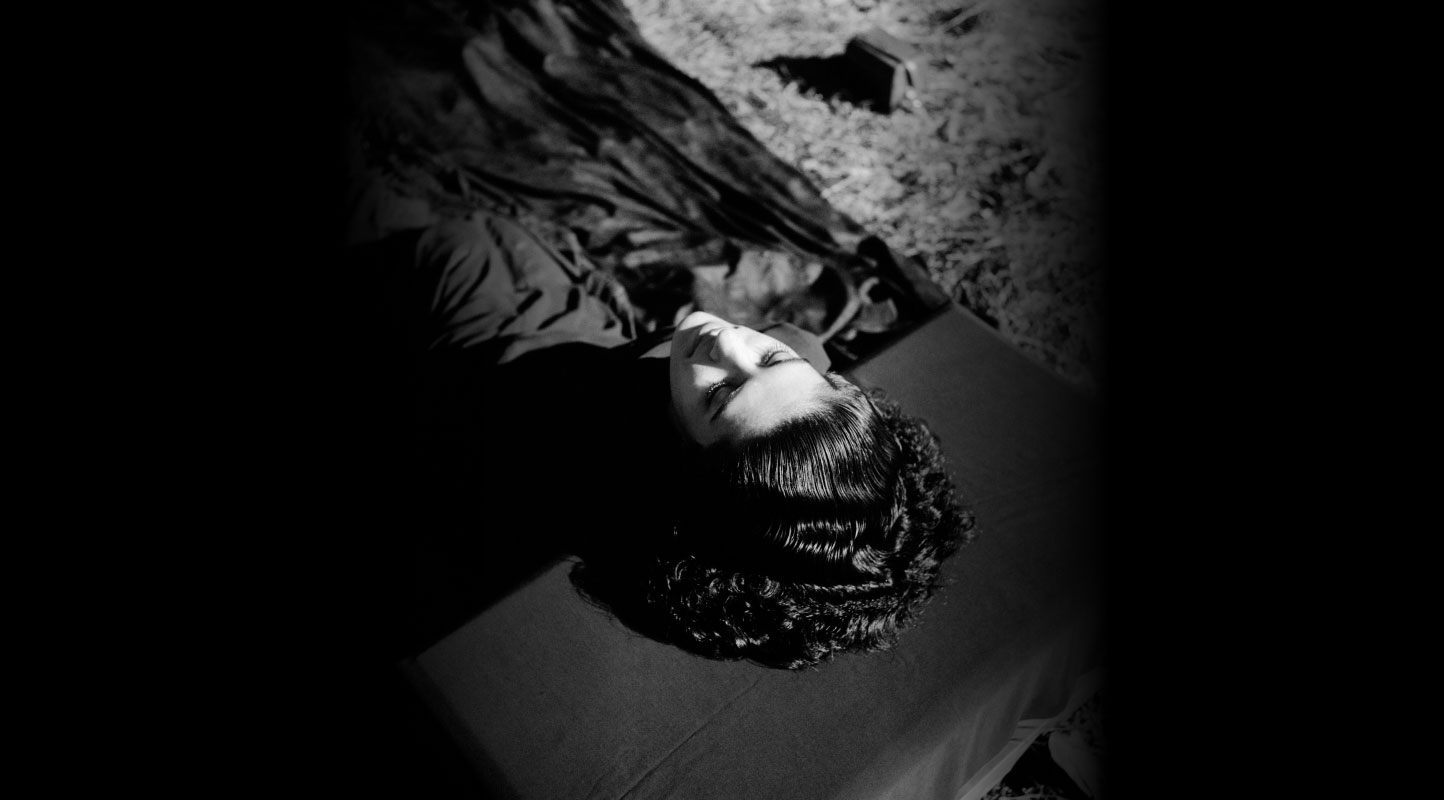


Bride Kidnapping in Nar: Lhakpa Choedon Lama’s Home is Not a Place
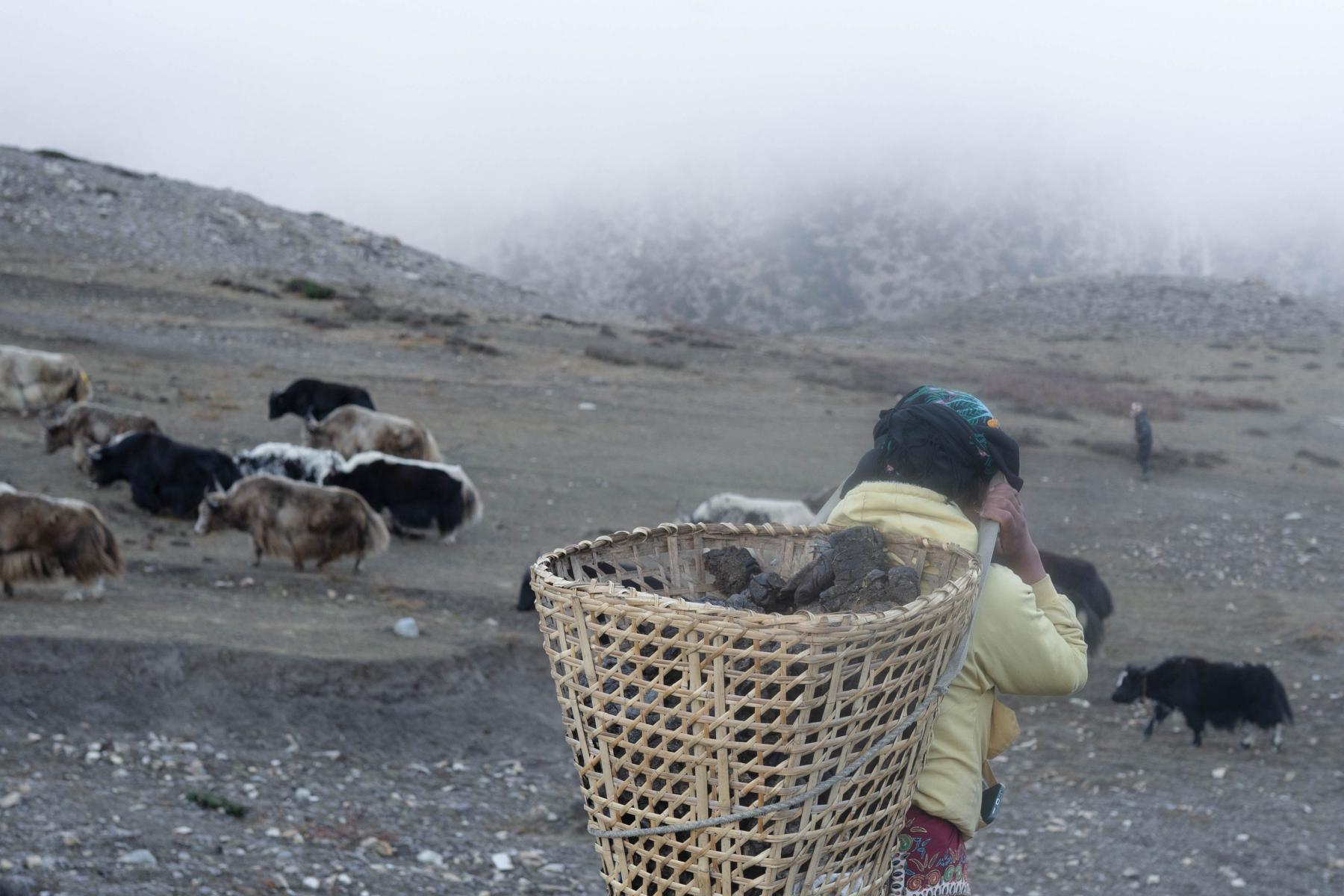
The UN (United Nations) Women report, Femicides in 2023 reveals that home can be the most volatile place for a woman; in the same year alone, 51,100 women were killed worldwide by an intimate partner or a family member, with 140 women being killed every single day. While restrictions are laid on women’s movement in the outer sphere, the domestic space in which they are pushed into in the name of “safety,” is affected by insidious forms of violence. Although taking of life is an extreme form of such violence, it also exists in many different shapes, sometimes morphing into tradition that denies autonomy and is emboldened on tactics of torture. Lhakpa Choedon Lama’s documentary Home is Not a Place, which debuted at the Nepal International Film Festival (NIFF), held from 2 to 6 April 2026, uncovers stories of one such haunting tradition—of bride kidnapping, in her native village of Nar in Manang District, western Nepal that sits 4200 meters above the sea level.
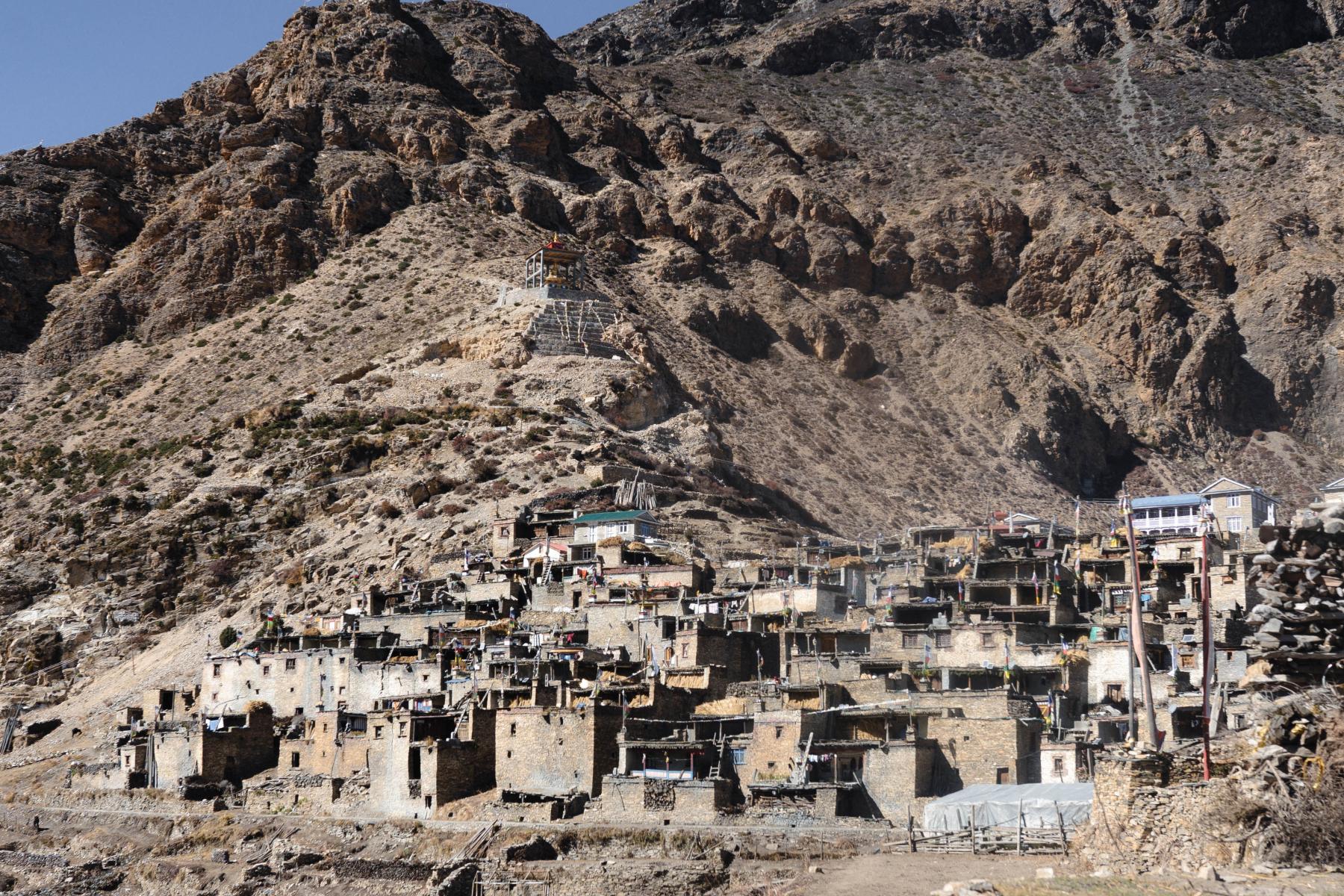
In the Nar language, there is no definite term for bride kidnapping; it is referred to as Bhojrgaye (to be taken away). A man, usually at night, enters the house of a woman, with a few other aides by his side, and rubs butter on her scalp—a symbol that she is chosen, signifying a form of engagement and possession. They then proceed to take her away. The woman and her family generally have very little say, but sometimes they protest. However, the fear of being disgraced in society forces them to eventually agree to the marriage.
Choedon Lama learnt of bride kidnapping from her phupu bajai (great aunt), who had suffered through the unfortunate event herself. Both the filmmaker and her great aunt reside in Kathmandu, far away from the practice. But they still carry the weight of its painful memories. The film opens with Choedon Lama recollecting her conversation with her great aunt that led her to learn about this tradition in her village. Nar was officially closed to outsiders until 2003, which is one of the reasons behind how Indigenous culture and language was protected and preserved. “But that’s what protection of culture does best,” she narrates in the film, “it also preserves power.”
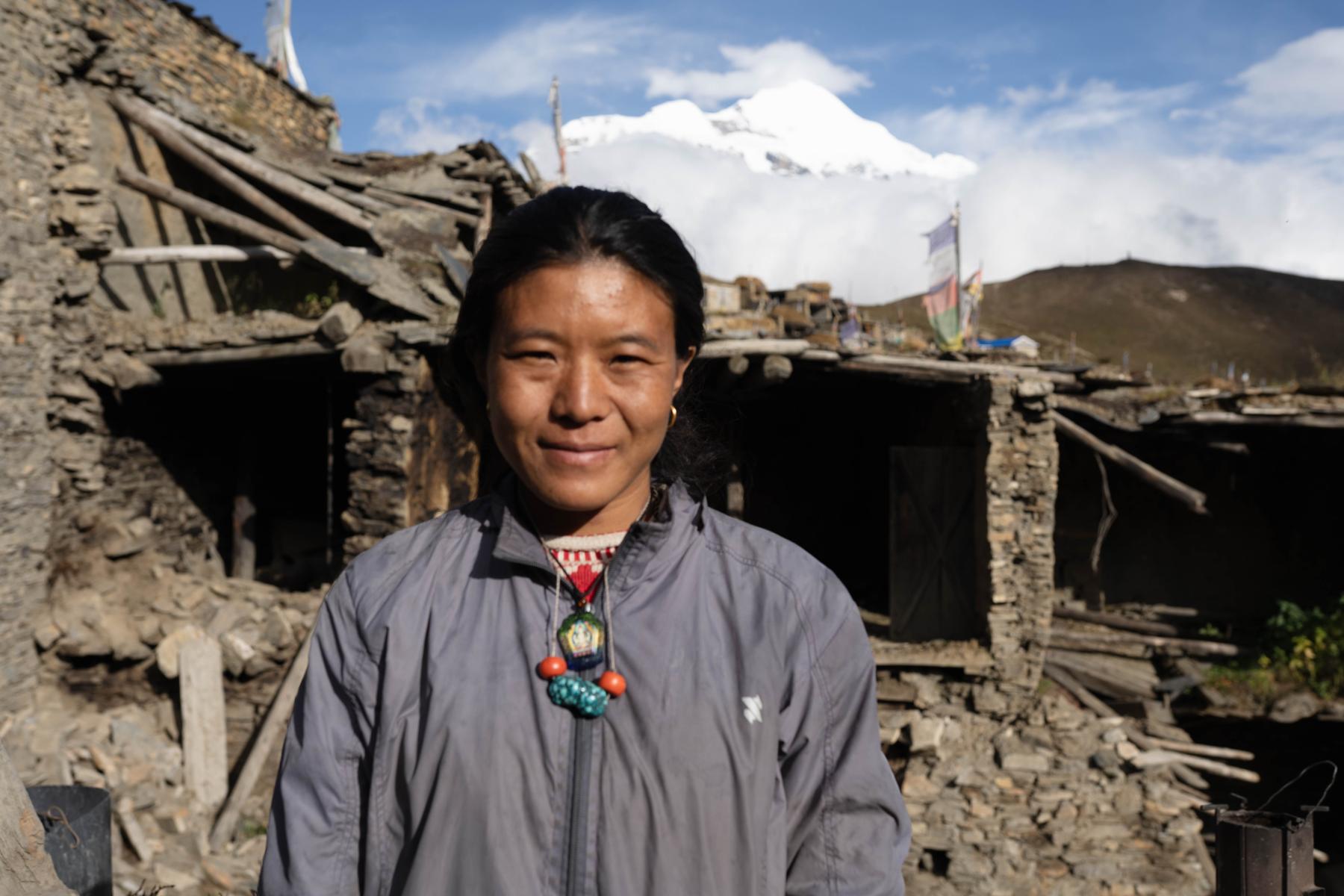
While instances of bride kidnapping have become infrequent due to law enforcement and awareness, the scars of the past linger fresh for women who bear them like the Bhuir—the turquoise necklace a bride is given as part of the marriage ritual. Choedon Lama traces the impact of this tradition across generations by including stories of women from different age groups with the most recent one being the abduction of Tsering Palzom Lama, who was twenty-two in 2018, less than a decade ago when she was abducted. “No matter how much I tried to run, I couldn’t,” Palzom Lama shares on camera about the fateful night. She adds that there is often a discussion already happening on the man’s side with the elders—on which girl would be a good choice—long before the actual act is carried out and the decision is made without asking the girl or her family. The kidnapped women are often locked inside hidden rooms called Zing, an underground storeroom that serves as a labyrinth—a room inside a room with many layers. Palzom Lama was locked for seventeen days and was followed even when she was let out to relieve herself.
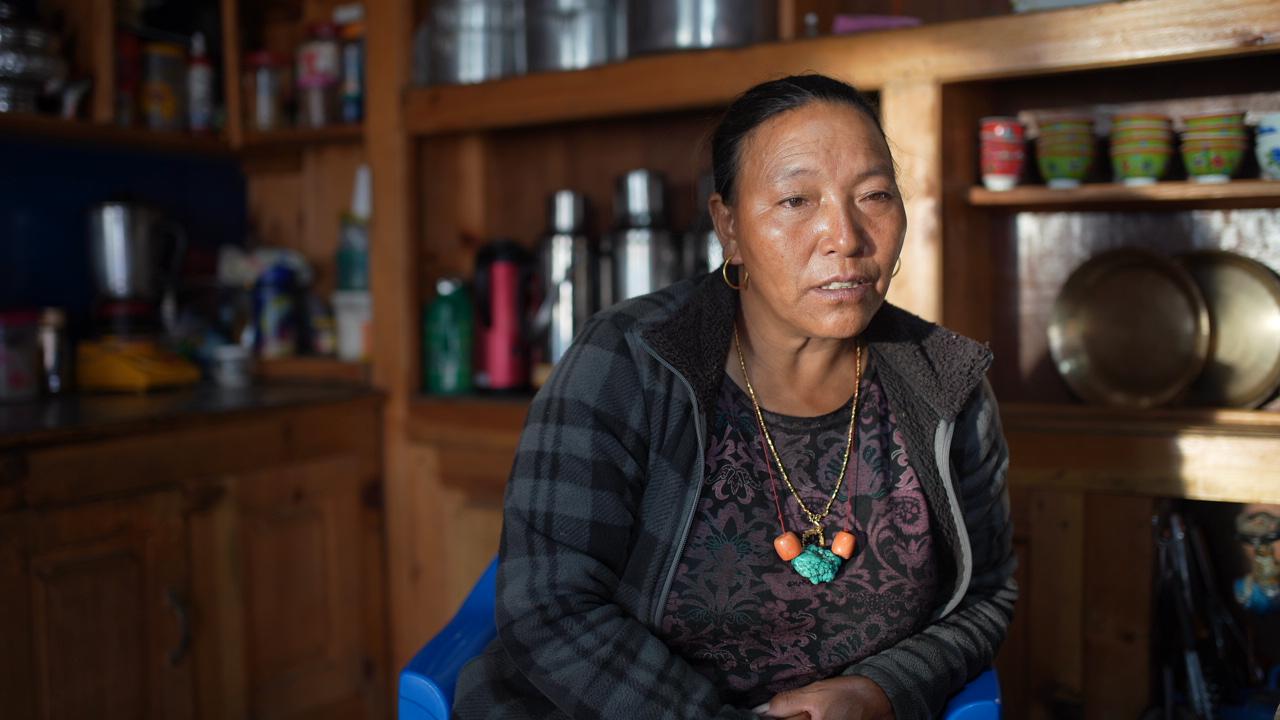
Nang Passang—fifty-four during the time of filming—was eighteen when she was abducted. “Even if you don’t stay with this man, there will be others. None of them will spare you.” These are the words she heard from her parents as she recalls the event, her eyes salty from the painful memory. Both Palzom Lama and Nang Passang’s families did not resist, and just like them, many give into pressure because of the fear of being shamed in society—where saving their “reputation” gains precedence over the consent and autonomy of their daughters.
“It was very disorienting,” says Choedon Lama while sharing the process of putting together the documentary, reflecting on how both the perpetrators and the victims of bride kidnapping exist together in her close-knit community. The “othering” of the perpetrators as someone far away, as a monstrous other, collapses in Nar due to physical proximity but also as the village continues to live together. However, even threads of resistance exist within the same tapestry.
In his essay “Appearances” (1982), John Berger writes, “Revolutionary actions are rare. Feelings of opposition to history, however, are constant, even if unarticulated. They often find their expression in what is called private life.” Choedon Lama’s exploration of her community through this documentary is a sign of private revolution that not only questions the tradition and the scars such practices inflict on women but also underscores the women’s resistance, whenever possible and however fragmentary.
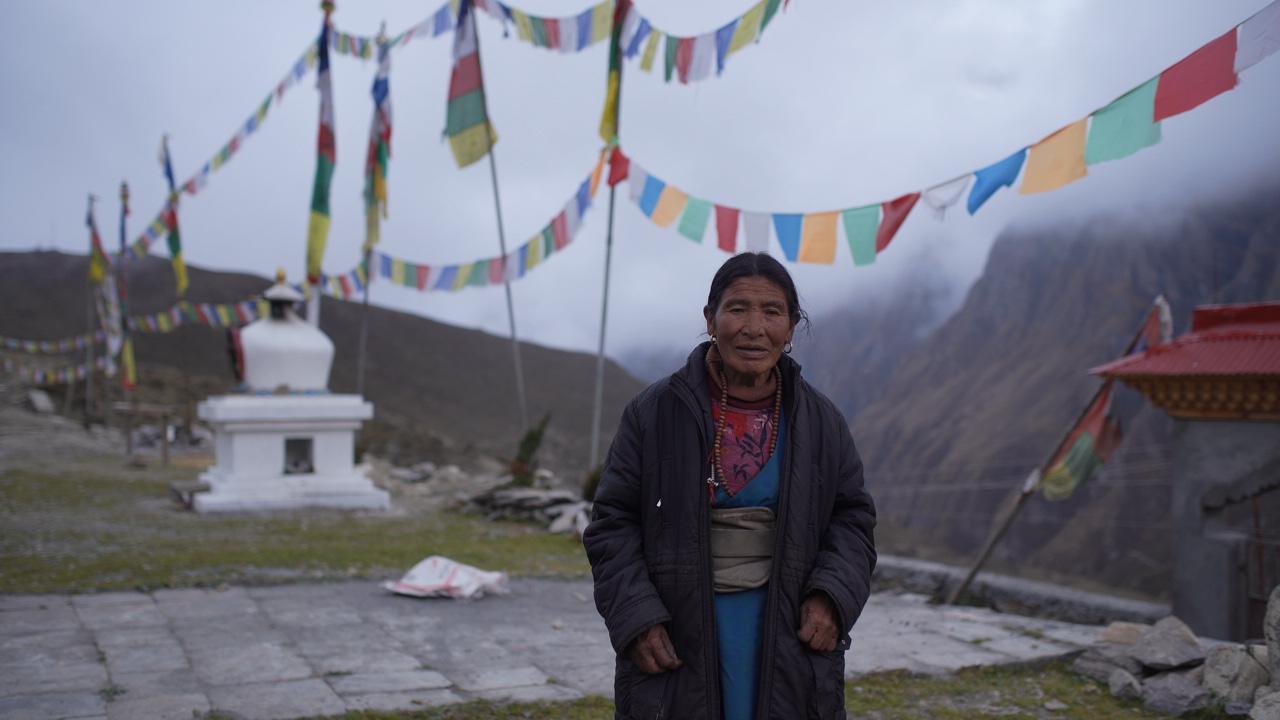
One such narrative is that of Lhakpa Choezom, who was abducted but chose not to stay with the man. Today she lives with her sister who herself never married. “Two women sharing a quiet life—maybe by choice, maybe by consequence, maybe both,” Choedon Lama remarks as the frame moves to Choezom, her missing front teeth laying bare her life’s experiences. “I never lived in his house as a bride. Years later, we parted ways,” Choezom shares on camera as the conversation becomes punctuated with occasional smiles and even a few laughs. At seventy-four, it feels as though Choezom speaks of her life events as something distant and perhaps that is how she has made peace with the past. She bore children outside of marriage but never married the man, “I told them I didn’t want to be anyone’s wife. But I had children, so I raised them,” she recounts. There is a Bhuir dangling from her neck that she brought herself—a small but symbolic act of remembering her defiance of society’s shackles and of honouring her autonomy.
Stories like these are not easy to tell; the process hangs on a delicate balance between the filmmaker’s ability to uncover the truth while also maintaining dignity of those whose raw accounts make it on screen. Speaking about how she spoke to the women in Nar, Choedon Lama says, “I didn’t want to open wounds that I could not process.” At the end of the film, Choedon Lama circles back to her own family, and herself as a daughter of the same village that she interrogates through her camera. In her wrestling with time and tradition, the private becomes public and political while she questions the binary of looking at Indigenous communities either as keepers of ancient untouched wisdom or as regressive people stuck in the past. So doing, Cheodon Lama invites viewers to share and challenge the discomfort of the world we live in.
To learn more about women’s lived experiences in Nepal, read Alfa M. Shakya’s observations on Nistha Thapa Shrestha’s photo series Subdued Song of Chaā (2024) that documents Thimi women’s efforts in making space for themselves within the community’s pottery tradition and the exhibition Daule Daule (2024) that explores the lives of Tharu women, Barsha Bhandari’s essay on the exhibition Urlado Nadisari (Like a Rising River, 2026), which traces women’s invisible labour as well as how their social roles have been shaped across generations, Birat Bijay Ojha’s reflections on the exhibition some things in the belly (2023) curated by Bunu Dhungana, and Shranup Tandukar’s reviews of Rajan Kathet and Sunir Pandey’s Dhorpatan (No Winter Holidays, 2023) and Sikuma Rai’s Come Over For A Drink, Kanchhi (2020).
To learn more about artists looking at violence and trauma faced by women, read Tanay Shrotriy’s review of Pushpa Rawat’s Nirnay (Decision, 2012), which maps the lives of young women against the backdrop of caste-discrimination and patriarchy, Dev Saraswat’s observations on Karan Tejpal’s Stolen (2023) that focuses on a tribal woman’s resilience in the face of socio-economic and gendered marginalisation, Anoushka Antonnette Mathews’ essay on Nishtha Jain's Gulabi Gang (2014), which traces the intersection of gender, caste and violence, Ria De and Koonal Duggal’s article on Payal Kapadia’s All We Imagine as Light (2024) that engages with the politics of love, caste-endogamy and migrant labour, Shankar Tripathi’s observations on Komal Mistri’s photographic work on women’s experiences of childbirth in hospitals across Gujarat, Najrin Islam’s exploration of Somaya Abdelrahman's documentation of female genital mutilation practice in Egypt and essay on Afghan Cinema and Roya Sadat’s feminist filmmaking, and Anisha Baid’s reflections on Ashfika Rahman’s photo series interrogating sexual violence in the Khagrachari hills.
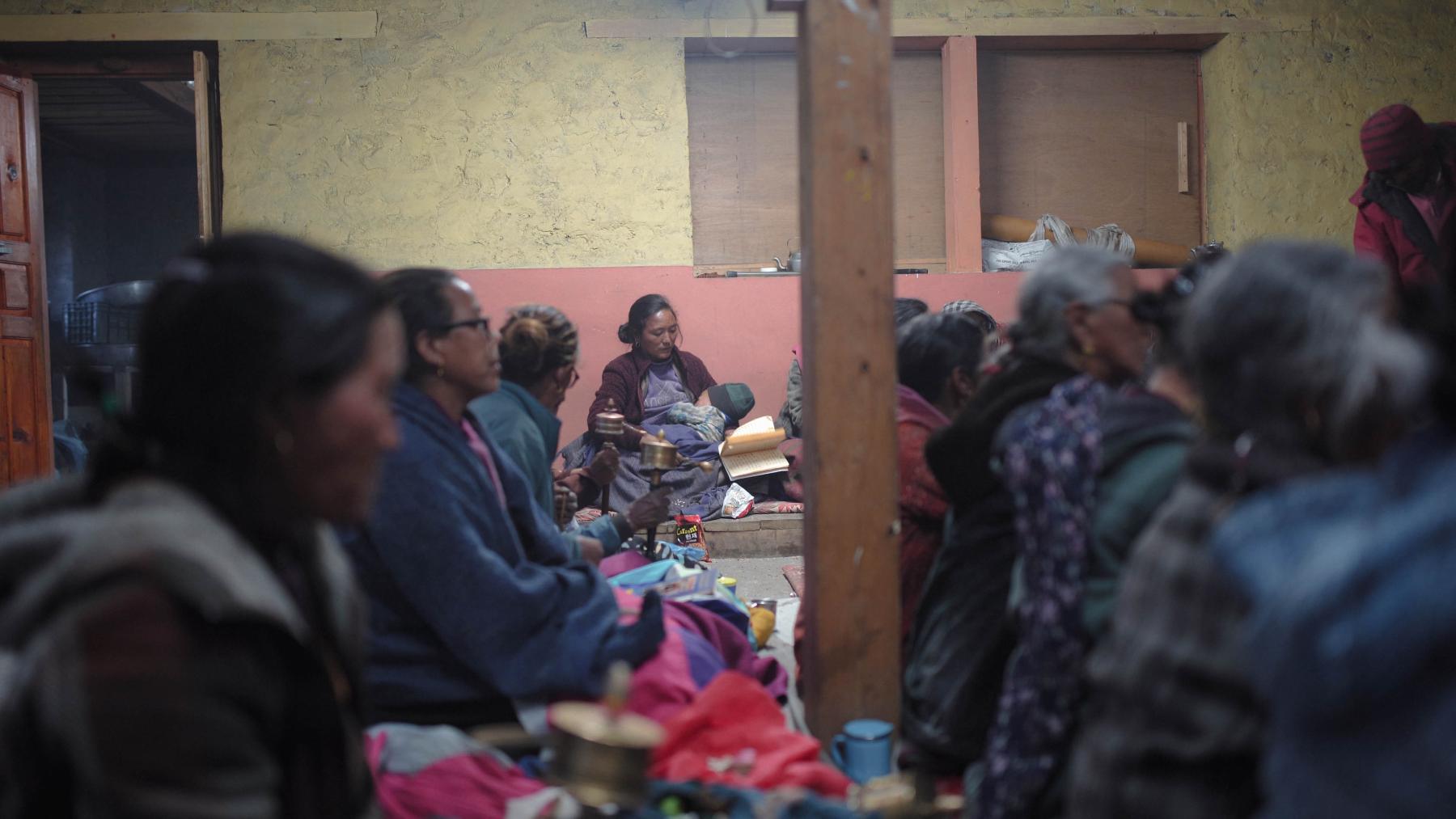
All images are stills from Home is Not a Place (2026) by Lhakpa Choedon Lama. Images courtesy of the director.