

What We're Reading
1
TJ Demos. “Populism, or, The Cultural Logic of Late Fascism.” e-flux Journal, September 2026
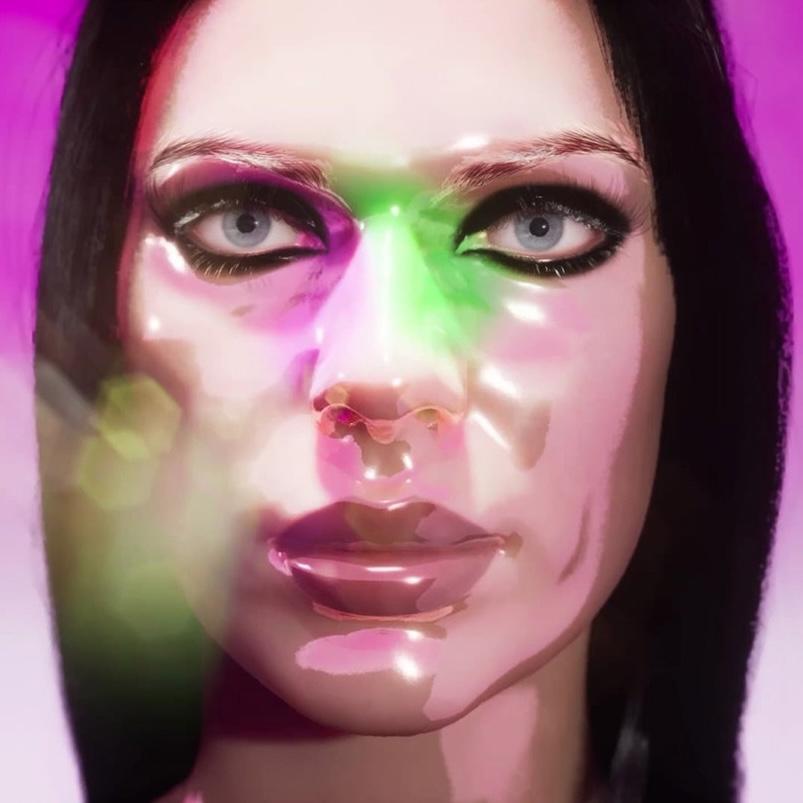
TJ Demos examines populism as a contested cultural and political terrain, asking how its contemporary forms intersect with technology, aesthetics and the rise of the far right. Beginning with the idea of techno-populism, and its competing utopian and apocalyptic visions of artificial intelligence, Demos considers how digital media shapes contemporary political imaginaries—inquiring whether a left populism might offer a different cultural and aesthetic project, rather than treating populism as inherently tied to right-wing politics.

2
Kamayani Sharma. “In Ladakh, an ancient art gallery is hiding in plain sight.” Scroll.in, 26 August 2026.
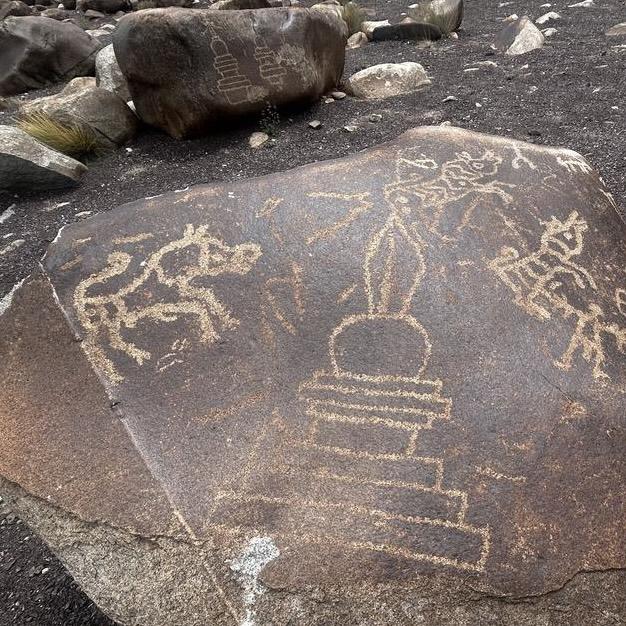
Kamayani Sharma explores Ladakh’s prehistoric petroglyphs, focusing on a field of roughly 250 boulders at Alchi bearing images of animals, architectural forms, abstractions and inscriptions. Exposed to the elements for millennia, these rock carvings offer traces of the region’s histories of trade, ritual and movement. Sharma considers the petroglyphs not as isolated archaeological objects but as part of a wider landscape in which images have accumulated over different periods, with Tibetan inscriptions pointing to the site’s continued use long after the earliest carvings.
3
Youmna M Chamieh. “I Was Trying to Photograph a Feeling: Showkat Nanda on Buried Archives, Generational Memory, and Dreaming Against Forgetting in Kashmir.” Guernica, 15 May 2026.
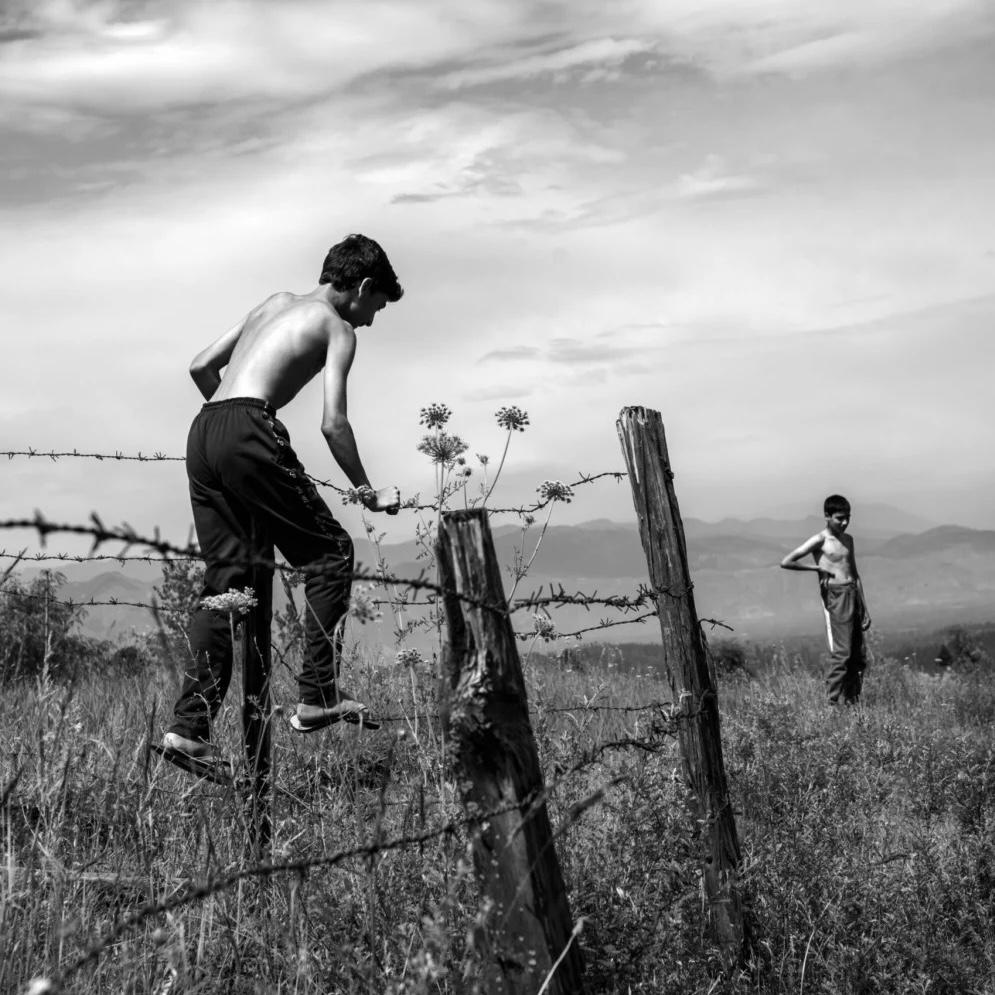
In conversation with Youmna M Chamieh, Kashmiri photographer Showkat Nanda reflects on moving from news photography towards a more layered documentary practice. Discussing buried family photographs, generational memory and the physical traces left by time and violence, Nanda considers how images can carry histories that conventional captions leave out. Describing his use of negative space, handwritten text and distorted images to register experiences that resist straightforward representation, he outlines how Kashmir’s political histories and the intimate memories shape his photographic language.
4
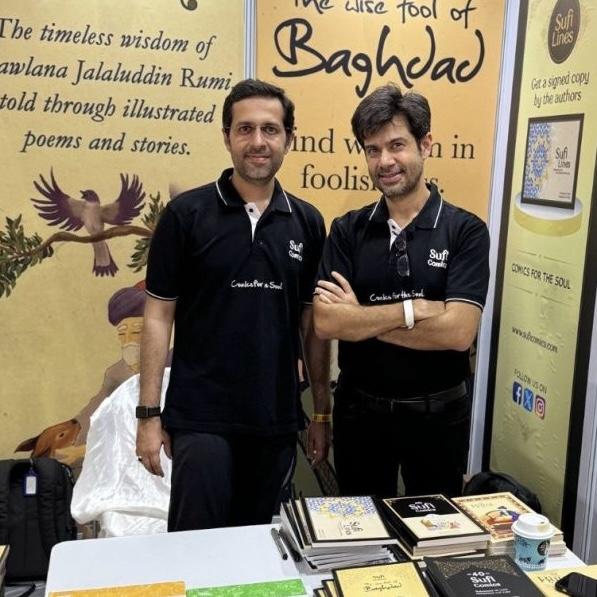
Antara Baruah. “How Sufi Comics is Changing Mainstream Mentality One Book at a Time.” The Wire, 19 September 2026.
Antara Baruah speaks with Muhammad Ali Vakil and Mohammad Arif Vakil, founders of Sufi Studio, about using comics to tell stories rooted in Muslim culture, history and spirituality. Following the wider reception of their work—from stories about Rumi to the studio’s attempts to create more varied representations of Muslim lives—the brothers discuss how their childhood encounters with Islamic storytelling and popular comics shaped their practice, and how graphic narratives can make complex ideas accessible to readers across ages.
5
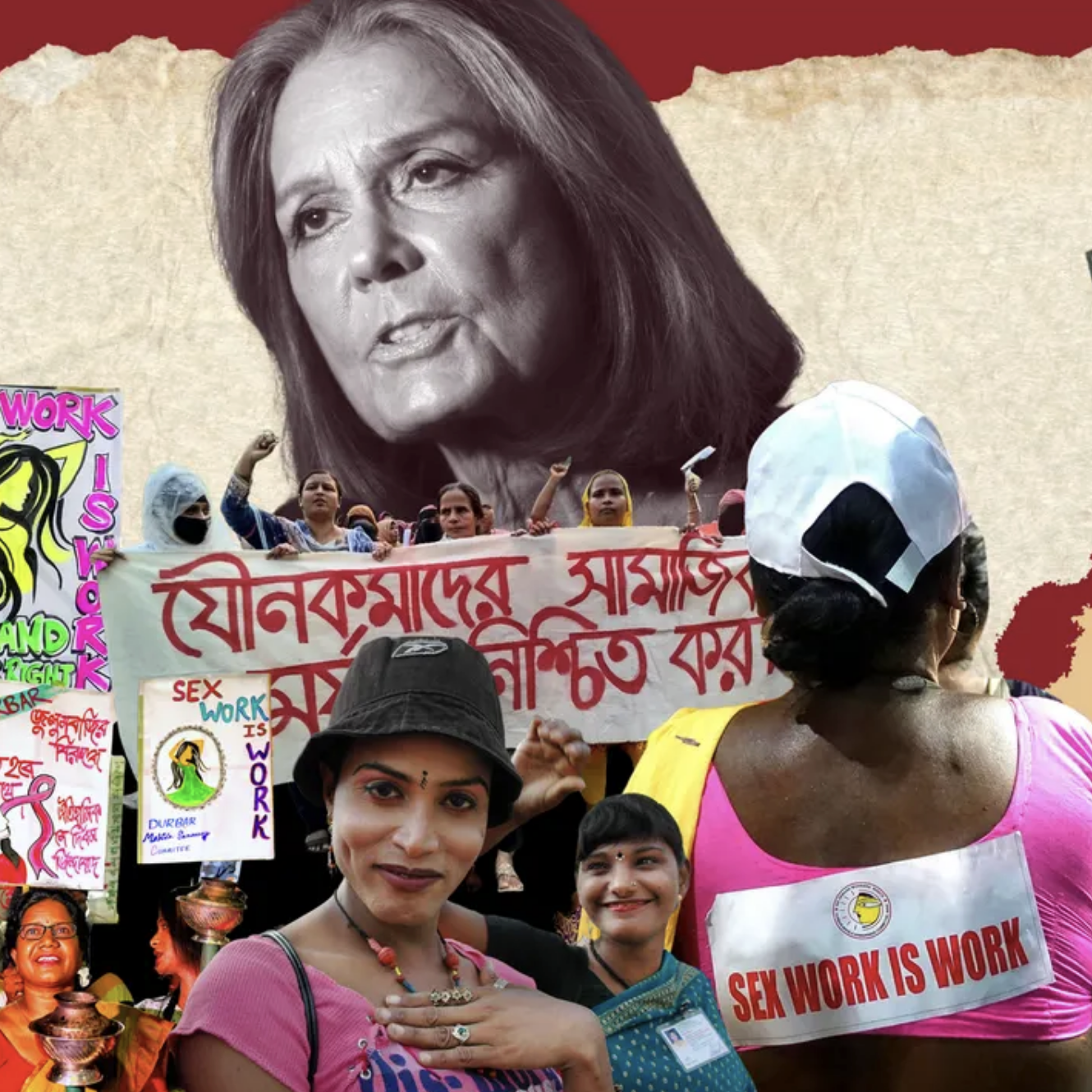
Meena Saraswathi Seshu and Laxmi Murthy. “Gloria Steinem’s crusade against sex work taints her legacy in Southasia.” Himal Southasian, 18 September 2026.
Meena Saraswathi Seshu and Laxmi Murthy revisit Gloria Steinem’s feminist legacy in Southasia through her long-standing opposition to sex work. Tracing Steinem’s visits to India and her characterisation of prostitution as a form of gendered violence, they examine how Southasian sex workers challenged this framework and organised around rights, labour and self-representation. The essay considers the tensions between feminist ideas of protection and the demands of sex-workers to be recognised as workers and citizens.
6
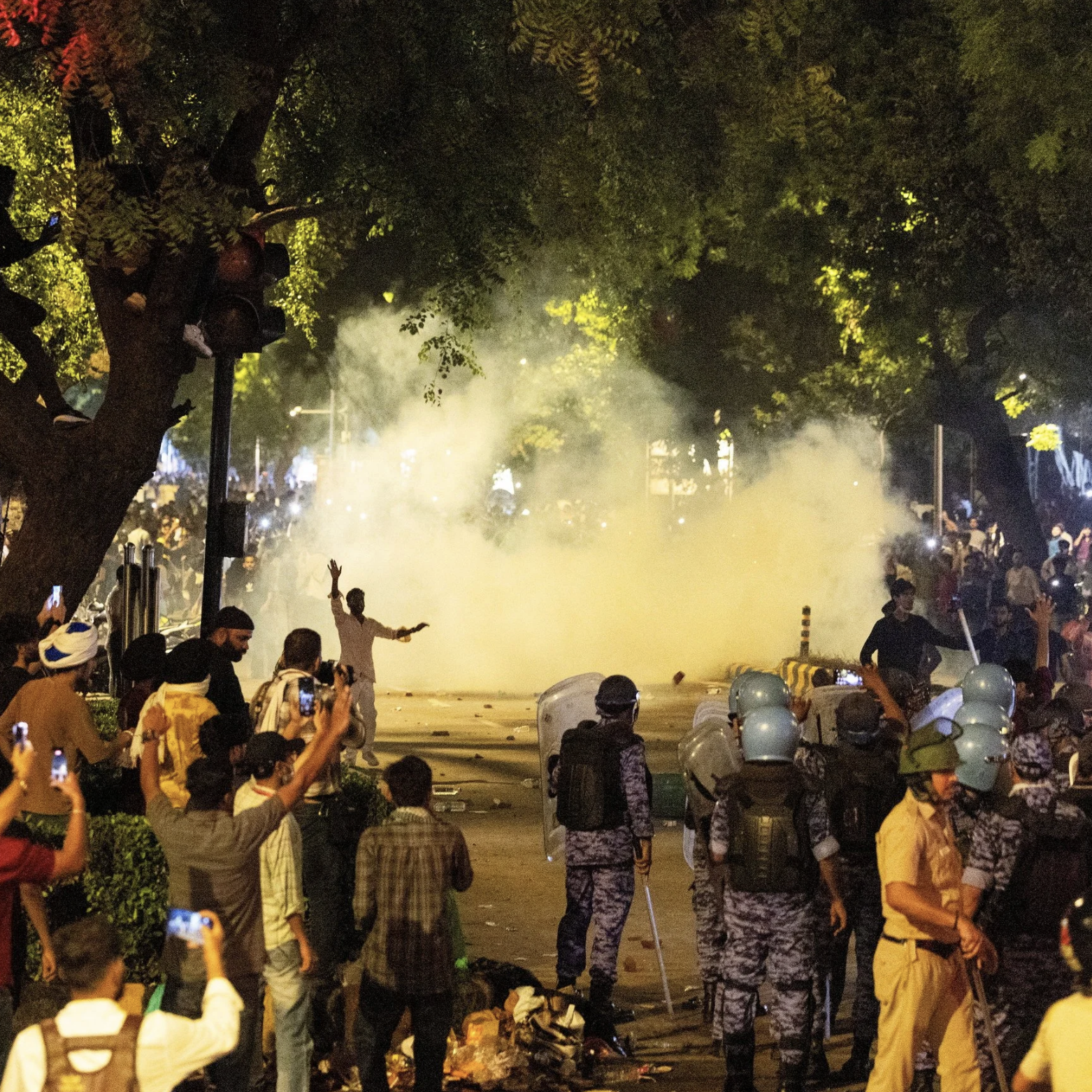
Chandni Desai. “Hum Dekhenge: Student Uprisings in the Age of Hindutva.” Jamhoor, 17 September 2026.
Chandni Desai examines the student mobilisations that filled Indian streets in July 2026, tracing the historical languages of resistance that shaped the protests. The essay considers how students drew on Faiz Ahmed Faiz, Bhagat Singh, BR Ambedkar and other anti-colonial and anti-caste traditions while confronting questions of education, inequality, caste and class. Placing these forms of political memory alongside contemporary systems of surveillance, policing and counter-insurgency, it examines the relationship between revolutionary internationalism and security infrastructures.
7
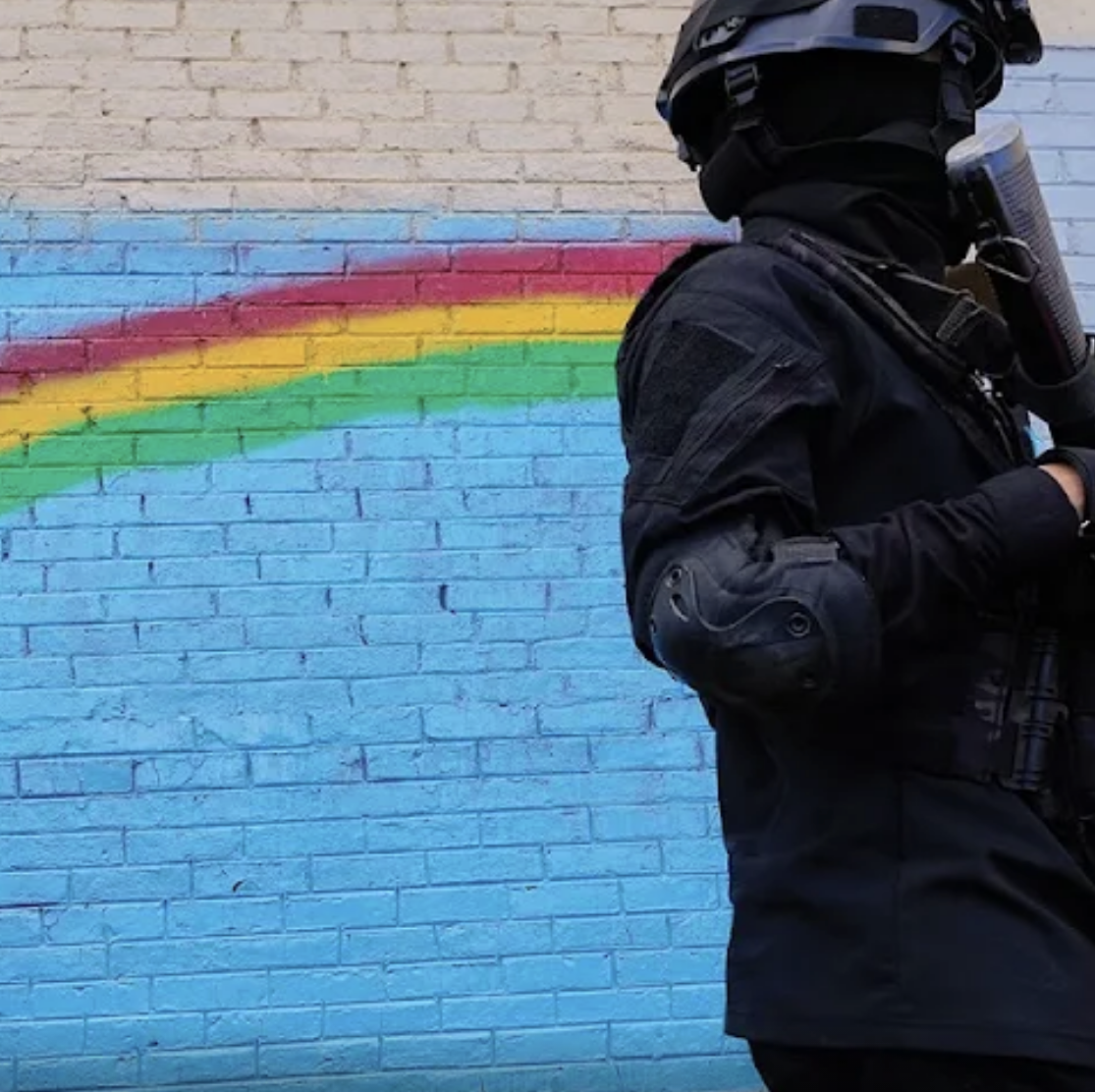
Greeshma Kuthar. “Dying on These Hills: The senseless cycle of Naga–Kuki violence in Manipur.” The Caravan, 01 September 2026.
Greeshma Kuthar writes on the continuing conflict between Naga and Kuki communities in Manipur through the experiences of people navigating territories divided by violence. Following a journey through roads controlled by armed groups and shaped by restrictions on movement, the essay traces how the conflict has transformed everyday mobility, infrastructure and relations between communities—while also considering how longer histories of insurgency, territorial claims and competing political demands in the state continue to shape life in the hills.
8
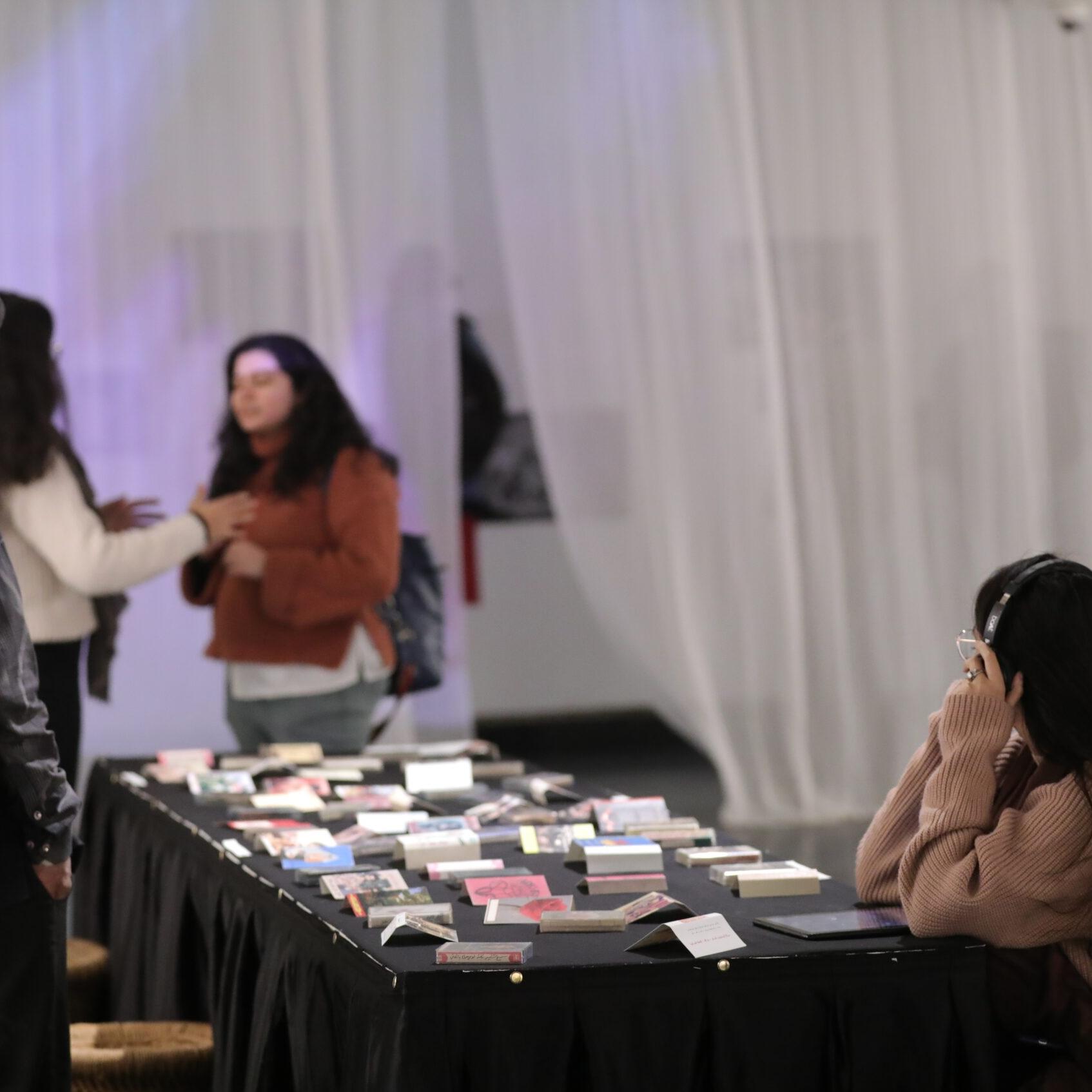
Najrin Islam. “A Note on Omission: Navigating Institutional Censorship and the Need for Repair.” Momus, 17 July 2025.
Najrin Islam reflects on the institutional censorship surrounding her exhibition, Notes on Omission (2024). Beginning with changes demanded in her curatorial text, Islam examines how references to Muslim identity, Gaza and majoritarian violence became sites of institutional negotiation. Drawing on Judith Butler’s writing on injurious speech, she interrogates the political weight carried by language and the ways cultural institutions regulate what can be said, asking what repair might look like within an art world shaped by tokenisation, appropriation and unequal power.
9
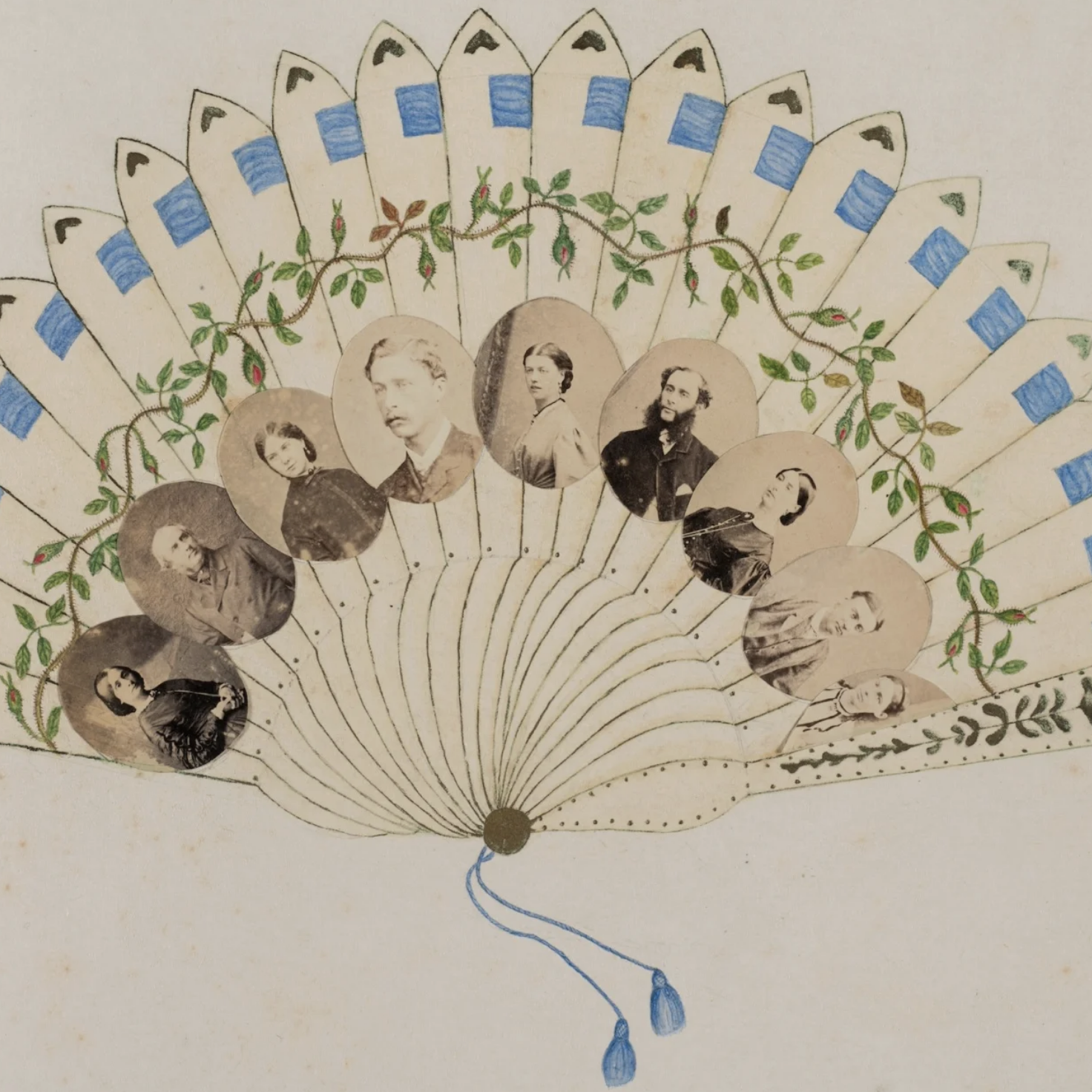
Anneka French. “The feminist possibilities of the cut image.” 1000 Words Magazine, 2 July 2026.
Anneka French reviews Fiona Rogers’ Cut Out (2026), a survey of photographic collage, photomontage and assemblage that approaches the cut not only as a technique but as a way of thinking with images. Moving across artists including Lorna Simpson, Helen Chadwick, Claude Cahun and Dora Maar, French considers how cutting and recombining photographs can disrupt the medium’s claims to authority, visibility and possession. She situates these practices within wider histories shaped by feminism, race, colonialism, climate and digital technologies.
10
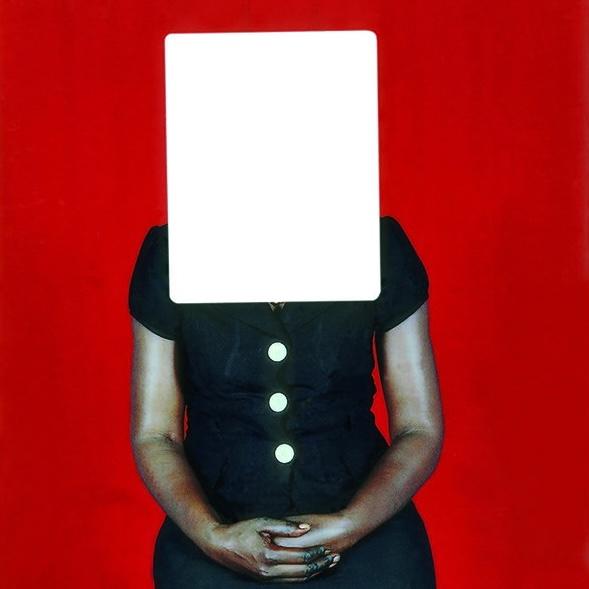
Tina M. Campt and Jace Clayton. “Listening and Writing to Images.” e-flux Journal, May 2023.
Tina M. Campt and Jace Clayton think through what it might mean to listen to images rather than approach them solely through visual analysis. Drawing on Campt’s concept of listening as an embodied and affective practice, they consider how sound, frequency, rhythm and movement can open other ways of encountering photographs and visual material. Moving towards collaborative forms of research and teaching, they speak of how working across disciplines and practices might unsettle the expectation of a single authoritative voice.
11
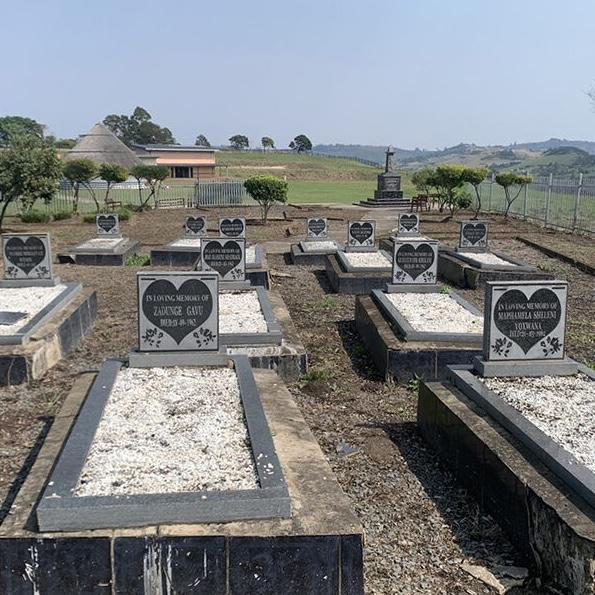
Hugo ka Canham. “Surfacing Rural Deathscapes as Sites of Black Indigenities.” The Funambulist, 16 April 2026.
Hugo ka Canham and Léopold Lambert reflect on rurality as a site of political and epistemological production, challenging its historical positioning as peripheral to the city. Focusing on Mpondoland, South Africa and its history of resistance to settler-colonial violence, they discuss the political significance of rural landscapes and the ways communities relate to their dead. The conversation also considers how these relationships might become forms of dialogue and accountability, bringing questions of land, memory, indigeneity and resistance into relation.
12
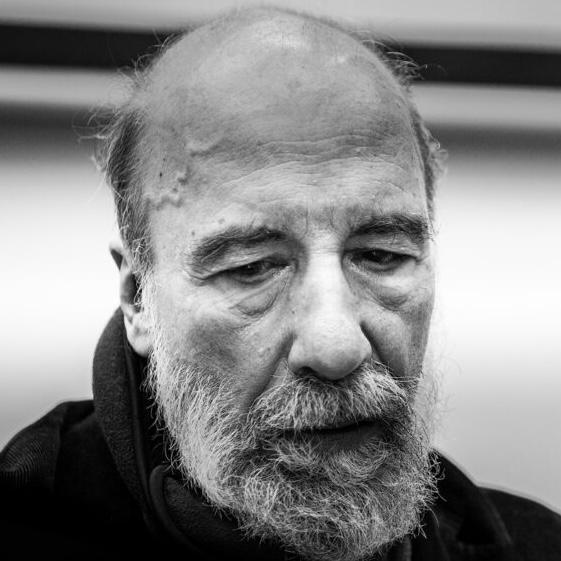
Raúl Zurita. “Raúl Zurita: The writer on what poetry can witness that no other form can.” The Yale Review, 6 May 2026.
In this interview with The Yale Review, Chilean poet Raúl Zurita ruminates on poetry’s capacity to bear witness to political violence, repression and loss. A survivor of imprisonment and torture under Pinochet, Zurita discusses his work with the revolutionary art collective CADA (Colectivo Acciones de Arte, or Art Actions Collective) and his interventions in public space, including writing poetry across the sky above New York and in Chile’s Atacama Desert. The conversation looks at the relationship between poetry and testimony, the responsibilities of the poet, and what poetic language might hold that other forms of writing cannot.