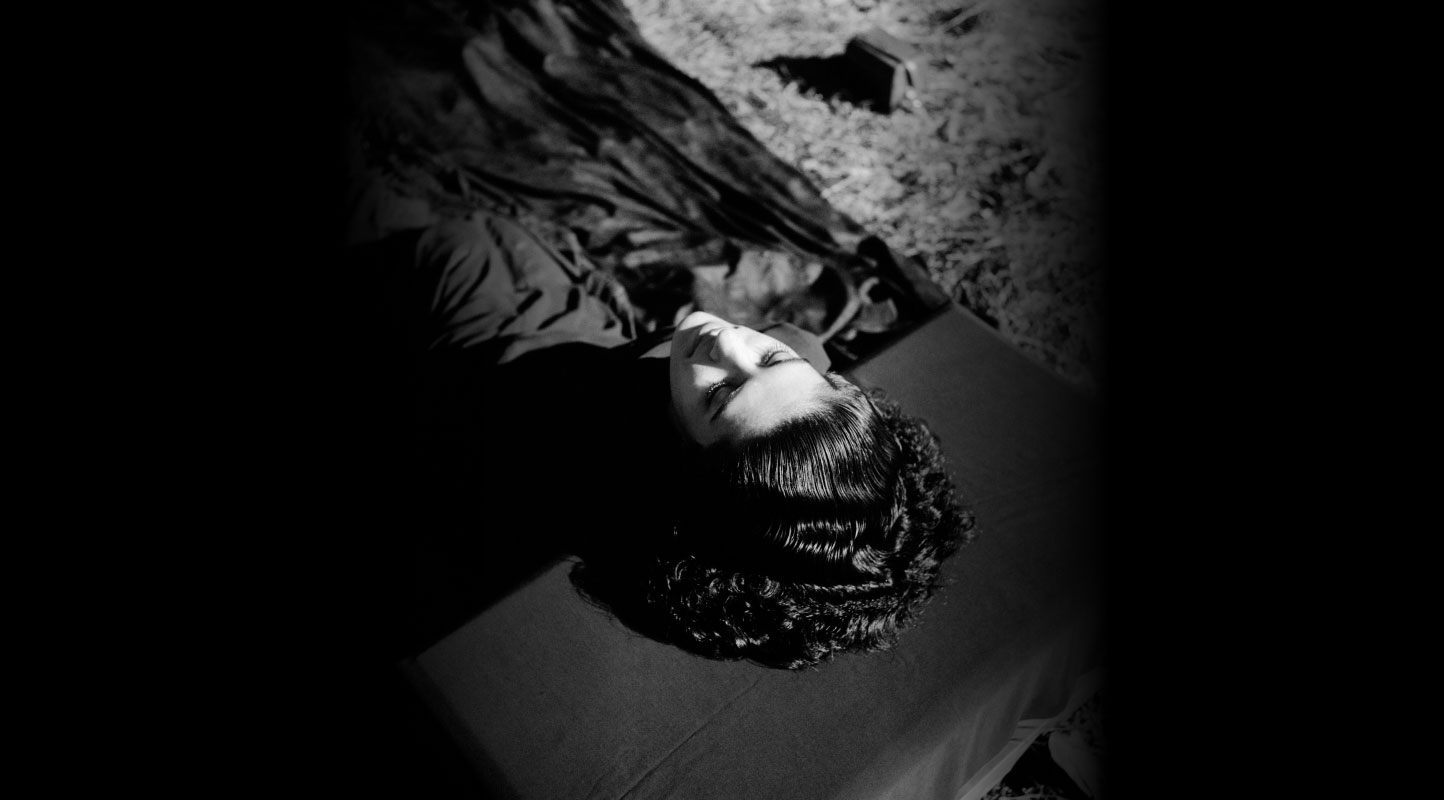


Stolen: The Road to Paranoia
In Karan Tejpal’s Stolen (2023), a chilling montage of dreadful lands, shaky violent chases, cursed livelihoods and the loud silence of law all come together to tell a disturbing tale. A small step by a character becomes a decisive point in the intertwined fate of the main characters. A one-of-a-kind thriller film in Hindi digital media, centering on a tribal woman’s physical and moral journey, Stolen subverts the traditional male-centric road movie genre to weave a contemporary intersection between multiple worlds of misfortune and systemic failure. The road symbolises a haunted path for the cursed ones, as whatever comes on the road is never easy to escape from. The resemblance of the film's visuality with the viral images of violence floating on the internet daily is not coincidental. A variety of media themes like psychogeographic space, network virality, digital spectatorship and internet justice, etc., can be used to study the film and its cartographic affect. Karan Tejpal’s Stolen appears as a significant achievement in OTT media by recreating the chilling atmosphere of our times on screen, with a nuanced political undercurrent.
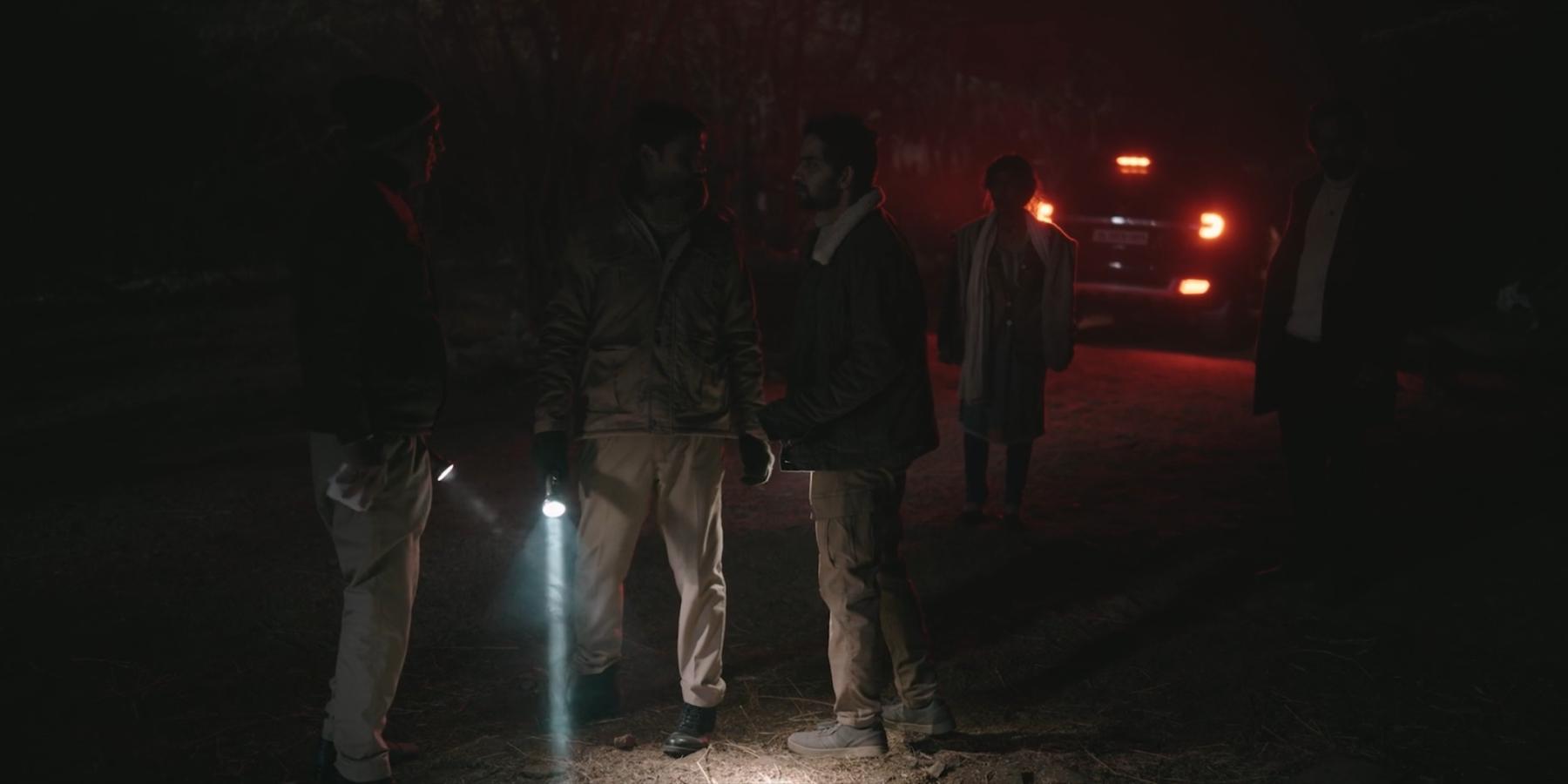
Jhumpa, a migrant labourer, is overcome with shock and anguish when her newborn daughter, Champa, gets stolen from a railway platform while sleeping. The calm night turns chaotic as Jhumpa blames Raman, a bystander, for the abduction. When Raman’s brother Gautam arrives to pick him up, both of them find themselves unknowingly embedded in the incident with no potential escape. The ugly drama escalates quickly on the platform. Raman tries to rationalise the situation by asking the police to do their job properly; on the other hand, Gautam attempts to bribe the police and Jhumpa to flee from the scene in order to go on about his business. Their calculated attempts backfire, leading to their detention till the baby is found. The police start a haphazard investigation for the baby, which seems more like a loose demonstration of authority and ego.
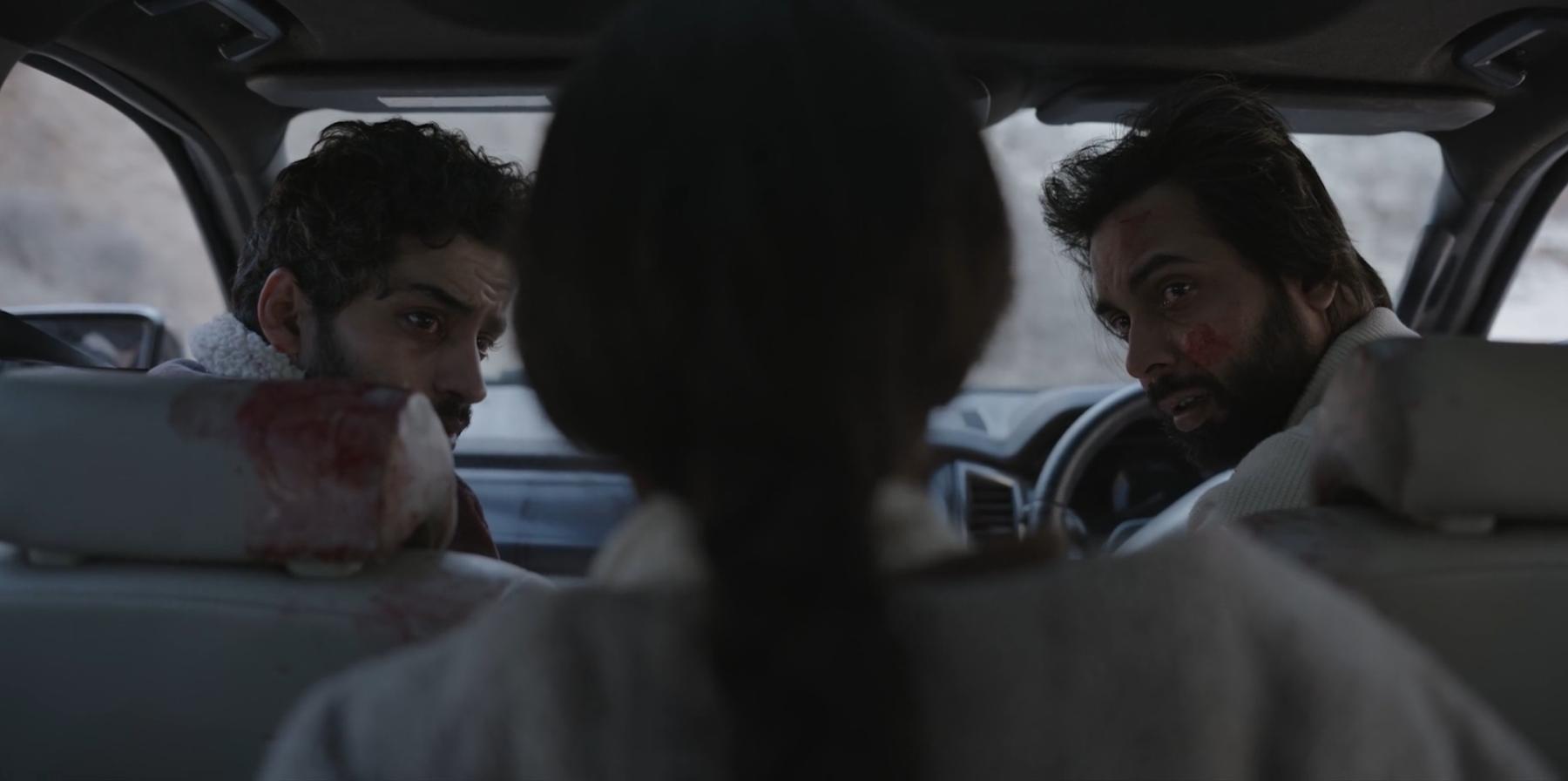
Caught in this quagmire, it is hard for Jhumpa to gain anyone’s trust, let alone get any help. In the SUV, while going to search for the baby, she is constantly interrogated by Raman and Gautam as they seek to piece together her story. When she finally chooses to show proof, it sends shivers down their spines—even the nonchalant Gautam. A line of rough operation stitches on her belly indicates recent childbirth. As a migrant labourer who is forced to move between different places, her socio-economic and gender identity land her in this tragedy. Despite being made to feel powerless, Jhumpa perseveres through the terrible circumstances with determination and sheer willpower.
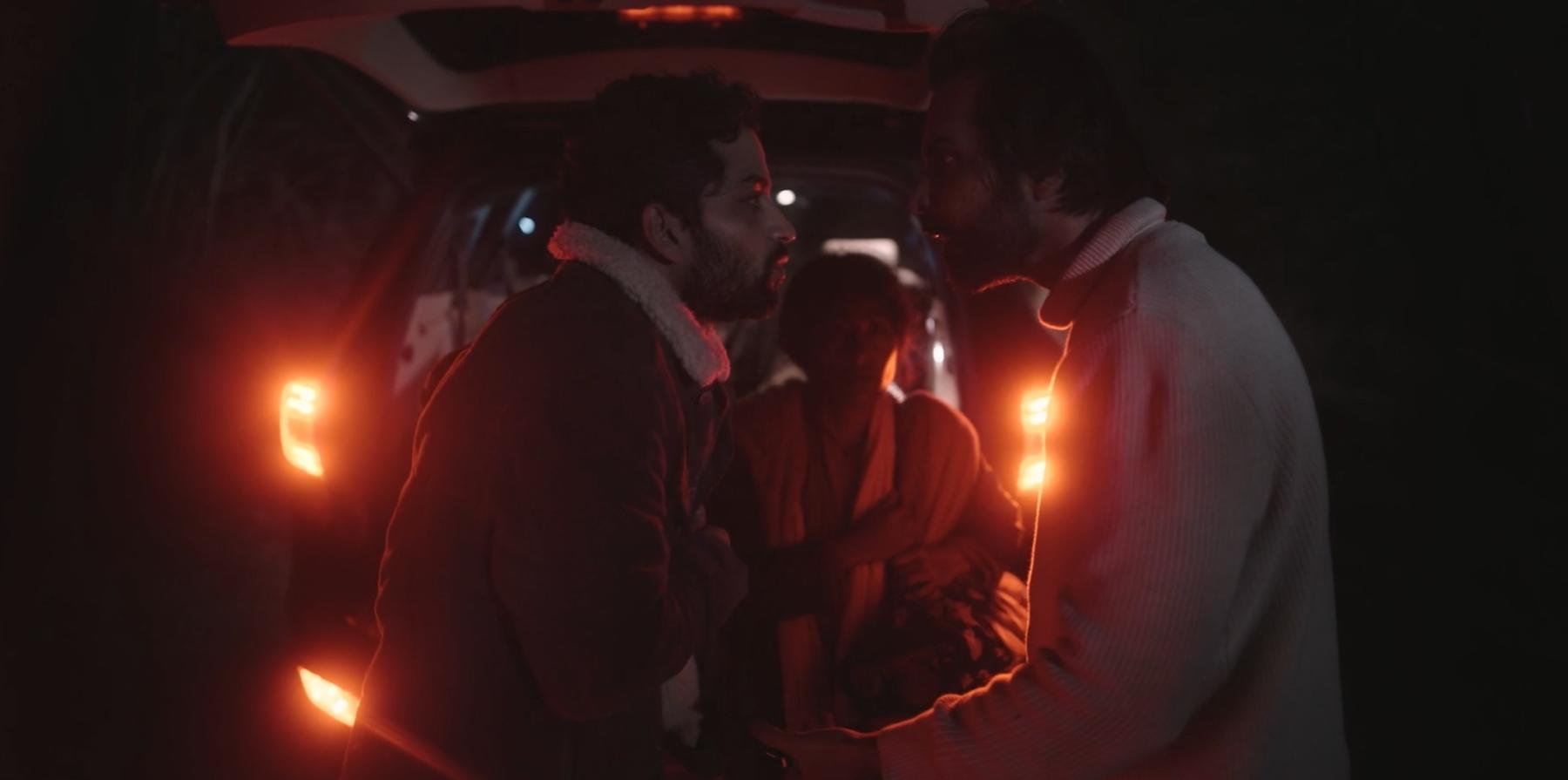
Gautam, being a Delhi businessman, has a completely indifferent take on the theft of the baby. He also accuses Jhumpa of lying, primarily due to her social identity, and keeps warning Raman to not take her too seriously. However, Raman feels a burgeoning obligation to act about the situation, even at the cost of skipping his mother’s wedding ceremony. During an argument between the brothers, we find out about Raman’s loss of his partner and general disillusionment with money as a solution to problems. He reminds Gautam, “Jeb se sochna band kar! (Stop thinking from your pocket!)" The moral conflict between the two plays on the archetypal narrative tool of two brothers and their opposing moralities. However, Raman’s choice of helping Jhumpa brings some heinous consequences for them, as he is shot in his arm by a crowd during the car chase in barren lands, and Gautam gets beaten up by a mob and spectacularly paraded across the village after being mistaken for the culprit. The flow of misinformation by media networks and the public urge towards forms of vigilante justice continue to highlight the failure of law in controlling such eruptions. The suffocating existence of finding oneself as an alien surrounded by a mad crowd comes as a rare tragedy in the lives of Gautam and Raman, but it is something which is so normal for Jhumpa.
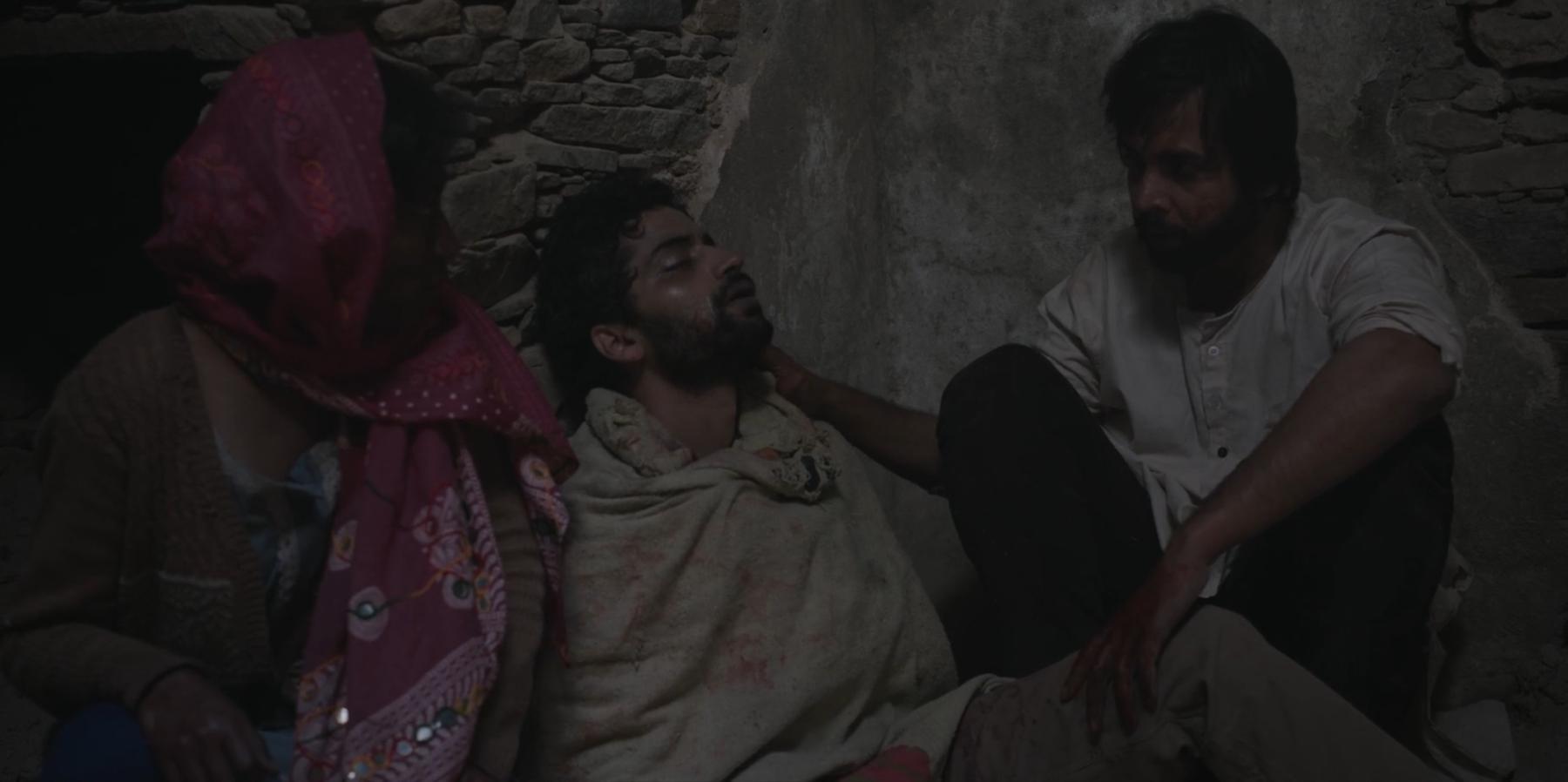
After a long journey of shock and upheaval, Jhumpa tells the truth to a police officer. She turns out to be a surrogate mother for a rich woman, and having accidentally given birth to twins, she now helplessly wants to keep the second child. At the cost of getting used as a breeding body, she longs for the accidental hope of company that god (Bonbibi in Jhumpa’s terms) sent her way in the form of an unwanted child. While the brothers remain an important part of Jhumpa’s journey, she is never shown to be dependent on them in the search for her daughter. She marches on to find Acchelaal, a suspect, with a broken leg and an axe in her hand. She carries a firm voice, but it is suppressed beneath the privileged anxieties of the two brothers and the cruel crime racket of surrogacy. Her arc of losing and regaining her motherhood has been treated with emotional complexity and a political understanding of caste and class.
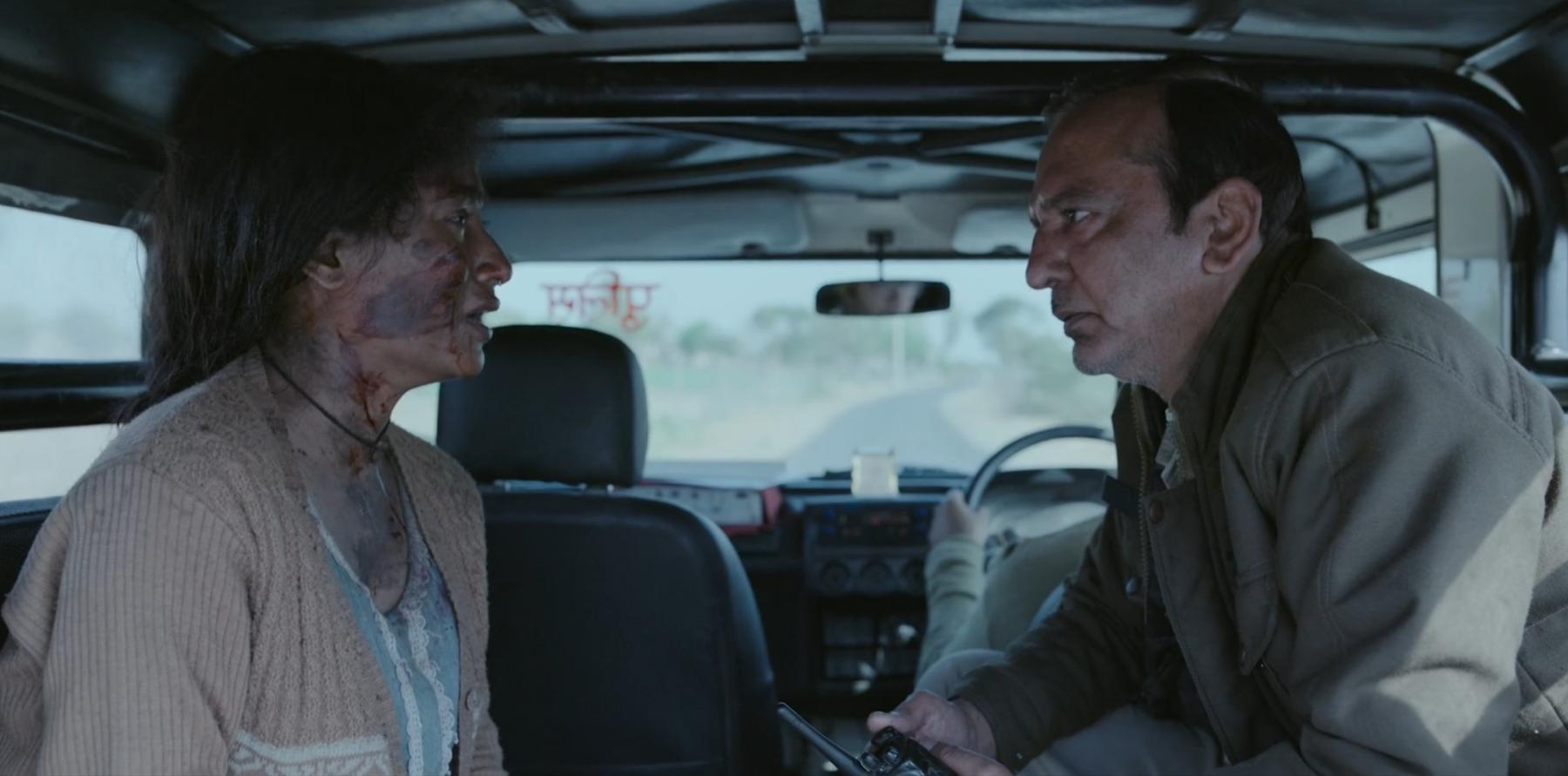
While talking about affect, geography and visuality in her book Atlas of Emotion: Journeys in Art, Architecture, and Film (2002), Giuliana Bruno argues, “The film spectator is a voyager, navigating the emotional geography of the screen. In this spatial mobilization of vision, film becomes a site of passage—a lived space that is traversed affectively.” Drawing from her formulation, the geographic and digital media landscape in the film are entangled quite closely and act as emotional spaces for the voyageurs. As the abandoned buildings, roads, vehicles and objects exert their materiality on the story, so do the immaterial objects such as the internet and viral videos. Affective ruins like Kasooni Kothi—an abandoned building where one suspect of Champa's theft is found and killed accidentally, become inscriptional markers of peripheral livelihoods and shady marginal practices unknown to the mainstream world. Rather than being just a background setting to serve the story, these forgotten spaces become a character in themselves and engage haptically with the viewer.
At dawn, when Jhumpa, Raman and Gautam stop their car at a tea shop, the crowd identifies them as a child theft gang from a viral video in which they are seen arguing with the police at the station. The viral video becomes a symbol of public surveillance and stitches the individual and the mob. Now they have to save their lives from a misled mob hellbent on delivering “justice.” In the name of infrastructural facilitation, the modern network of roads and the internet become tools of surveillance, unwarranted violence, chase and paranoia. Stolen is a voyage between spaces, roads and ruins with lingering terror and only the slight hope of finding one’s way back home.
To learn more about fiction films exploring the fraught gendered caste and class tensions in Indian society, read Sucheta Chakraborty’s essay on Jayant Somalkar’s Sthal (2023), Ria De and Koonal Duggal’s reflections on the possibilities of love within caste hindu endogamy in Payal Kapadia’s All We Image As Light (2024), Akash Sarraf’s observations on Kathal–A Jackfruit Mystery (2023) and Koyna Tomar’s two part conversation with Aranya Sahay on his film Humans in the Loop (2024).
All images are stills from Stolen (2023) by Karan Tejpal. Images courtesy of the director.