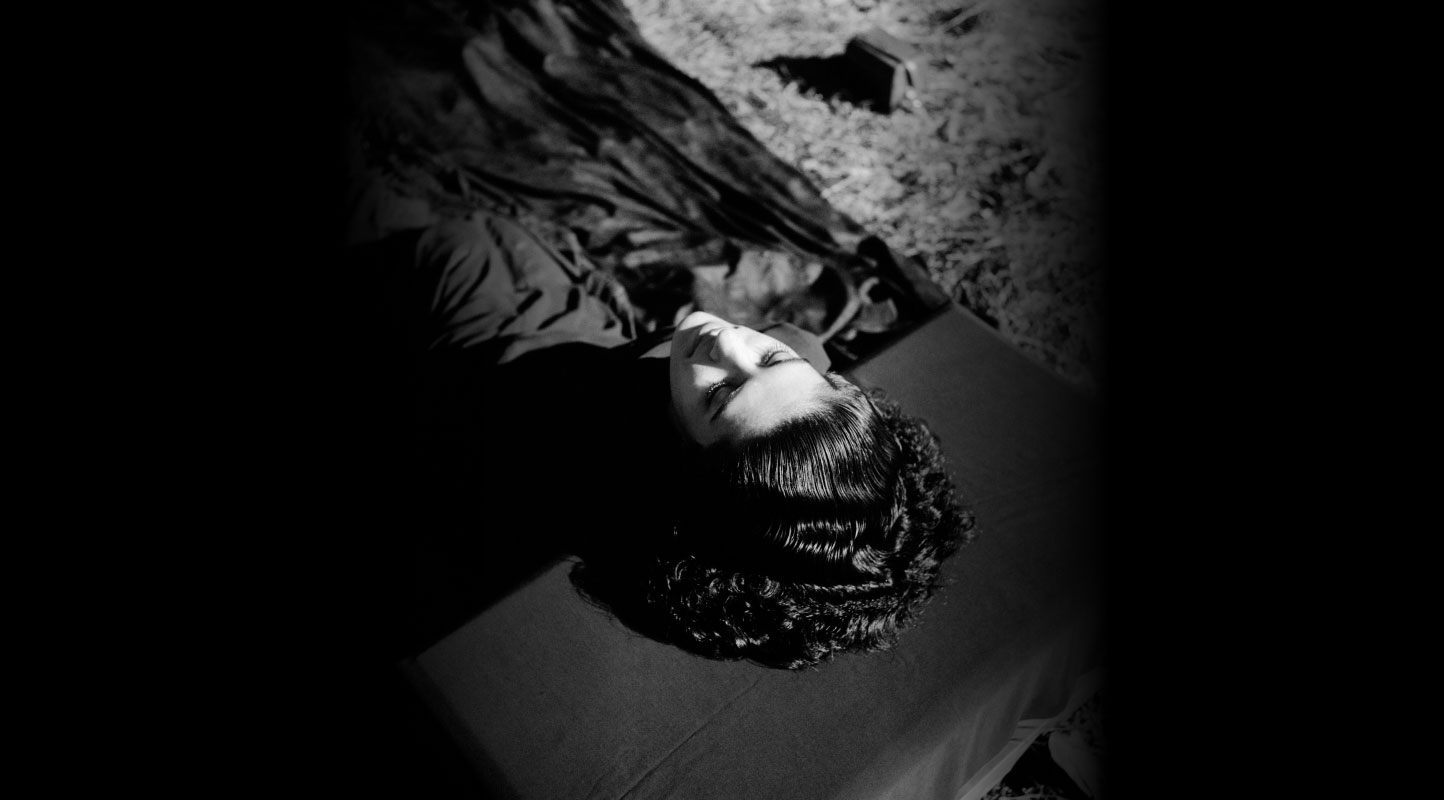


Like a Rising River: Speaking of the Unspoken
Since ancient times, storytelling has been used to foster connection, recognition and communion, with oral traditions playing a central role in the life of communities. However, contemporary society has adapted different forms of storytelling, and since stories shape narratives about gender, identity and social roles across generations, it is important to understand who builds these narratives and who benefits from them.
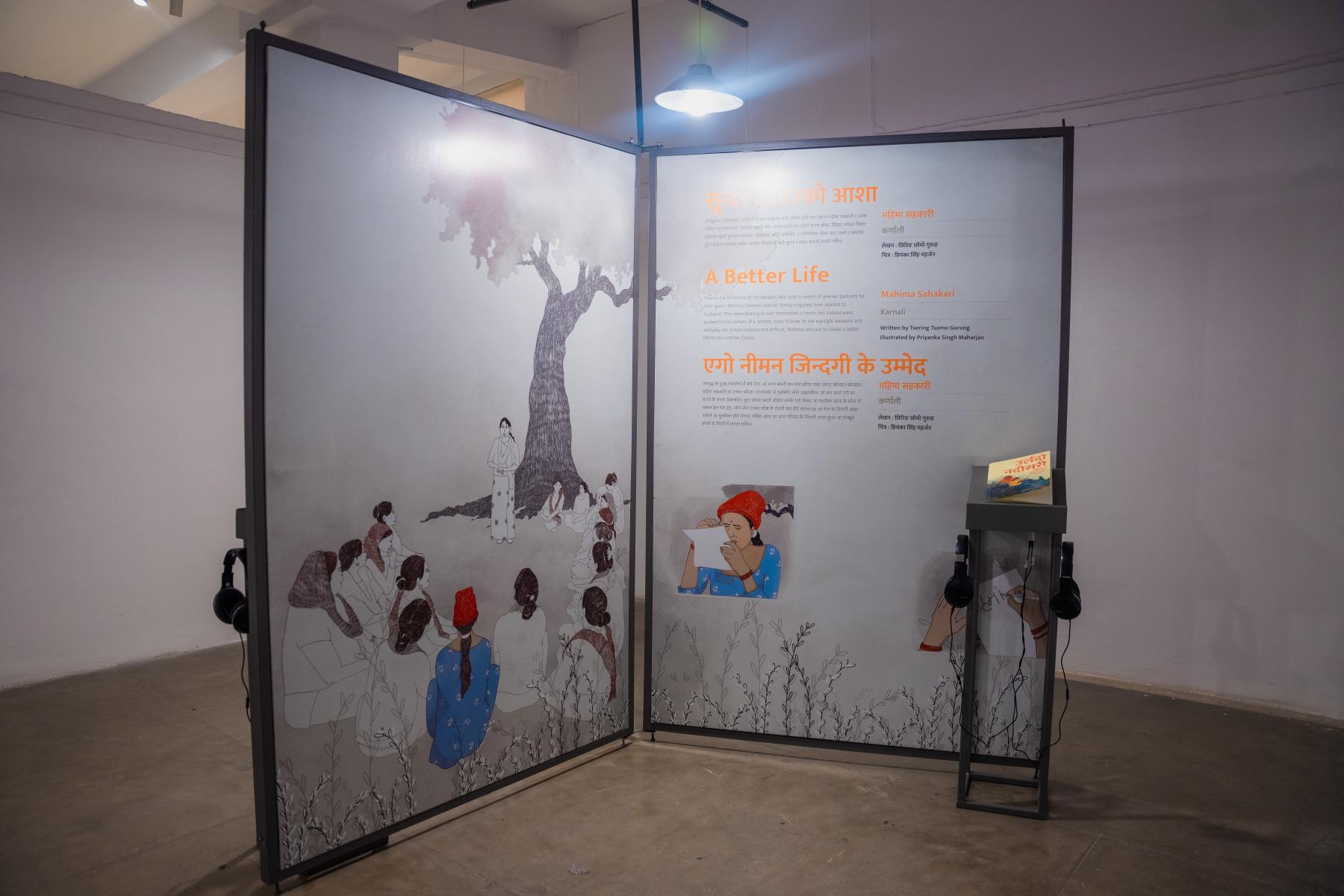
Reflecting on some of these questions, UN Women (Nepal), in collaboration with the Embassy of Finland in Kathmandu, has been using storytelling as a medium to advocate for changing gendered social norms in Nepal for the last five years. The advocacy component of this initiative was implemented with Srijanalaya as the project “Using Creative Forms of Storytelling to Challenge Dominant Gender Social Norms.” As part of the project, fourteen artists from across Nepal—mostly women—travelled to five districts across four provinces in Nepal—Doti, Kailali, Surkhet, Kavre and Sarlahi. Over three years, they explored the lived experiences and stories of 100 women in these regions, thus amplifying the voices of women and excluded groups from the depths of the country. This engagement resulted in the creation of audiovisual representations of narratives, ranging from storybooks to audiobooks and art installations, and culminated in the exhibition Urlado Nadisari (Like a Rising River), held at the Nepal Art Council from 8 to 13 April 2026.
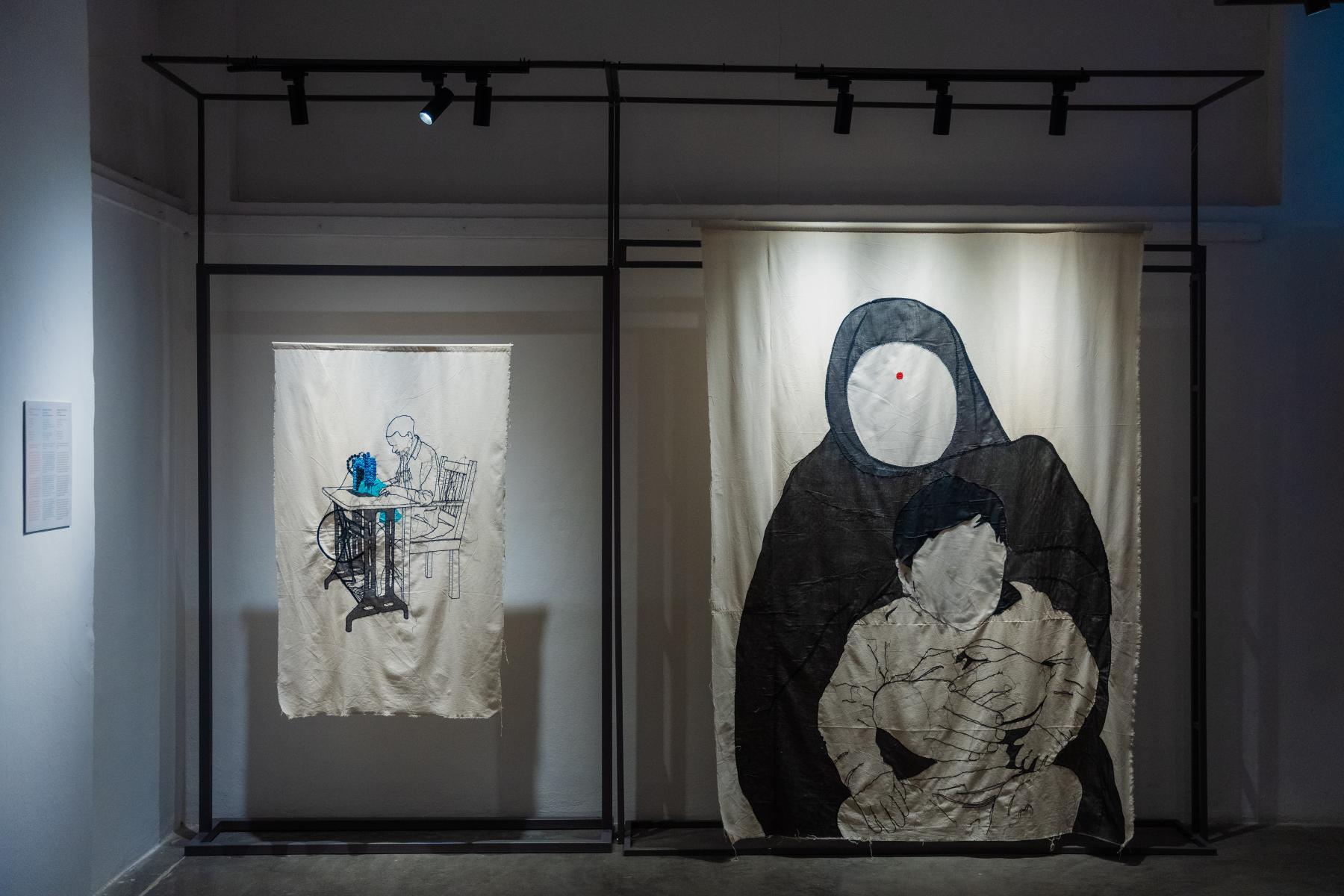
The exhibition shifted the frame of reference by articulating women’s lived realities; it not only examined how important women's contributions are but also how their labour remains uncompensated, forgotten and overlooked. When a culture lacks understanding of women’s struggles across intersections of gender, class and caste, how can art honour them?
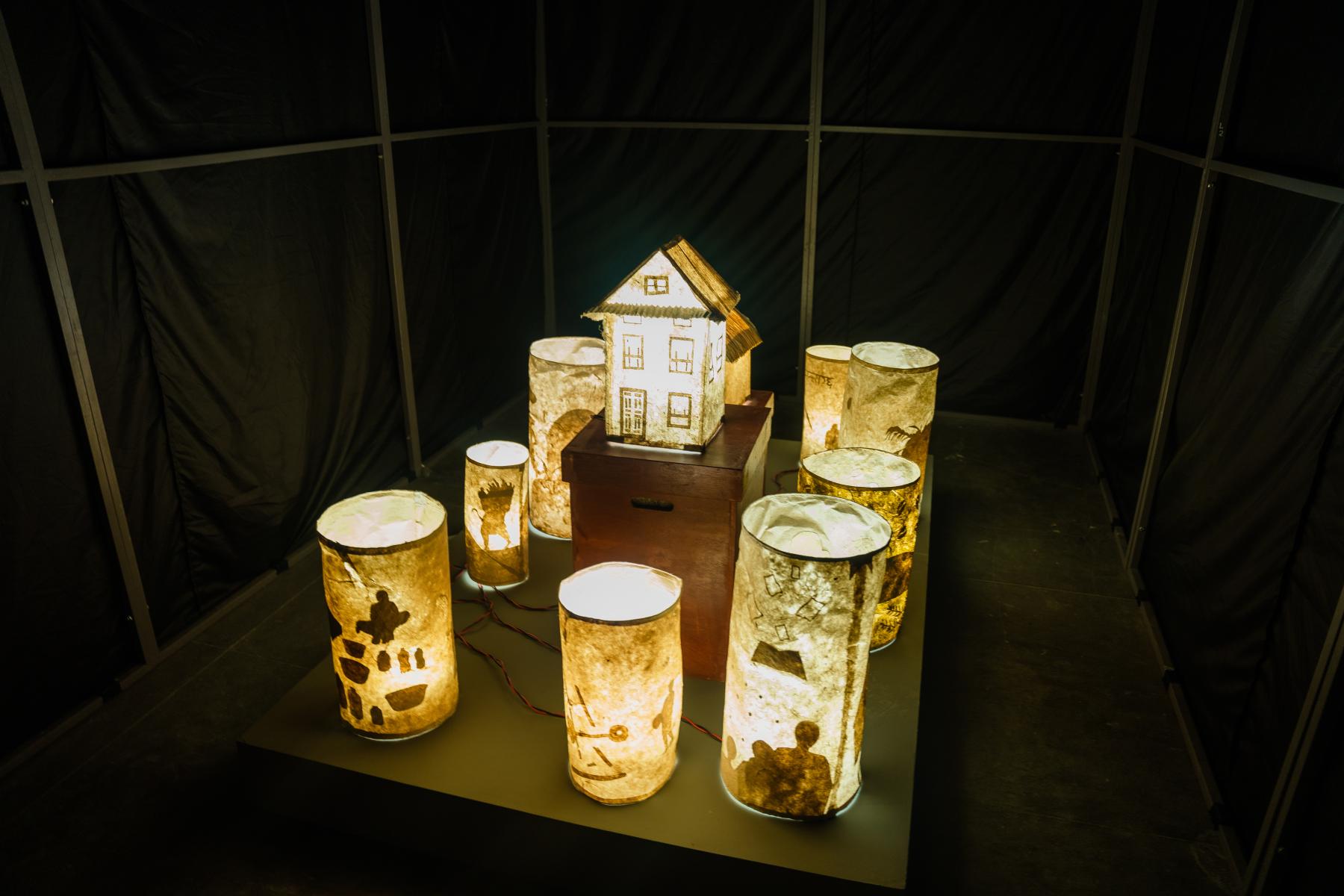
Using delicate paper cutouts and collage, Junu Maya Tamang tells the story of women in Kavre. The traditional handmade paper used in “Me, and What Kind of Home?” (2024) holds deeper meaning and serves as a metaphor for women’s labour. The process of beating, soaking, shredding and pressing the wood pulp to make a single sheet of paper is similar to the experiences of women, whose efforts within the home go unrecognised even as they continuously work towards building the foundations of society.
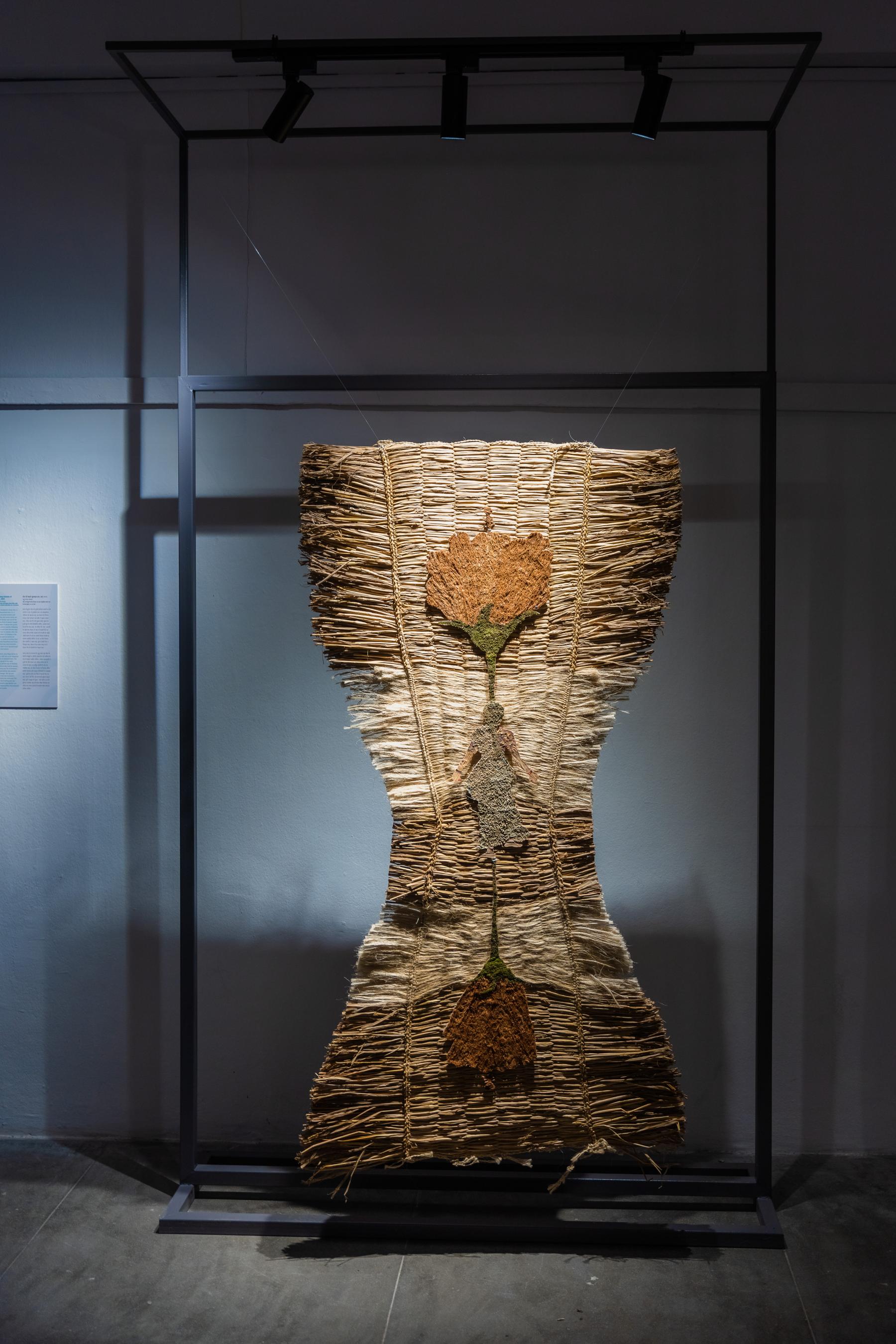
In “I am Blooming Outside of Perimeters” (2025), Tamang highlights the process of making Gundri. Gundri is a staple in every household in Nepal; every year, women weave this local straw mat after months of working day and night in the fields alongside their male counterparts, in addition to managing the household and taking care of the family. This unequal distribution of labour ensures that a woman is not permitted rest. Like much other work—domestic and agrarian—the responsibility of Gundri-making is passed down to subsequent generations of women. They are expected to constantly serve and labour, and yet, value is not placed upon their work. Tamang uses the very materials that bind women to their fate to foreground their uncompensated and unacknowledged labour.
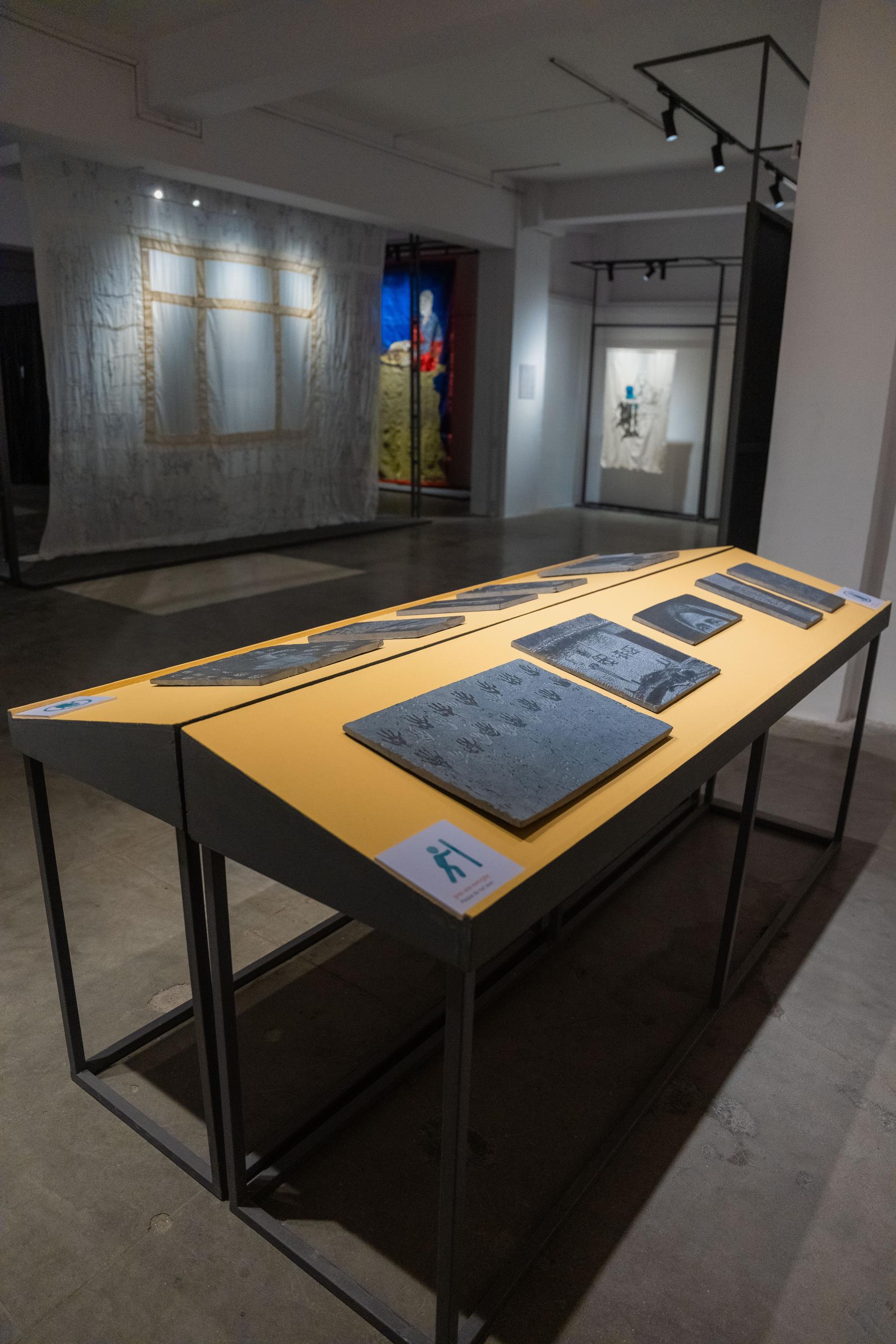
Another story comes from the Sarlahi region, where Nabina Sunuwar draws inspiration from the stories of women’s resilience. One such story is of Mina Sau Thateri, who has been carving stone mortars for years. Not only an act of survival but also of resistance, Thateri's practice challenges preconceived notions of women as “weak” and highlights how courage and perseverance empower women to pursue paths that society may deem “forbidden” or “masculine.” Sunuwar—a printmaker—celebrates Thateri’s act of resistance by carving delicate images of her in stone.
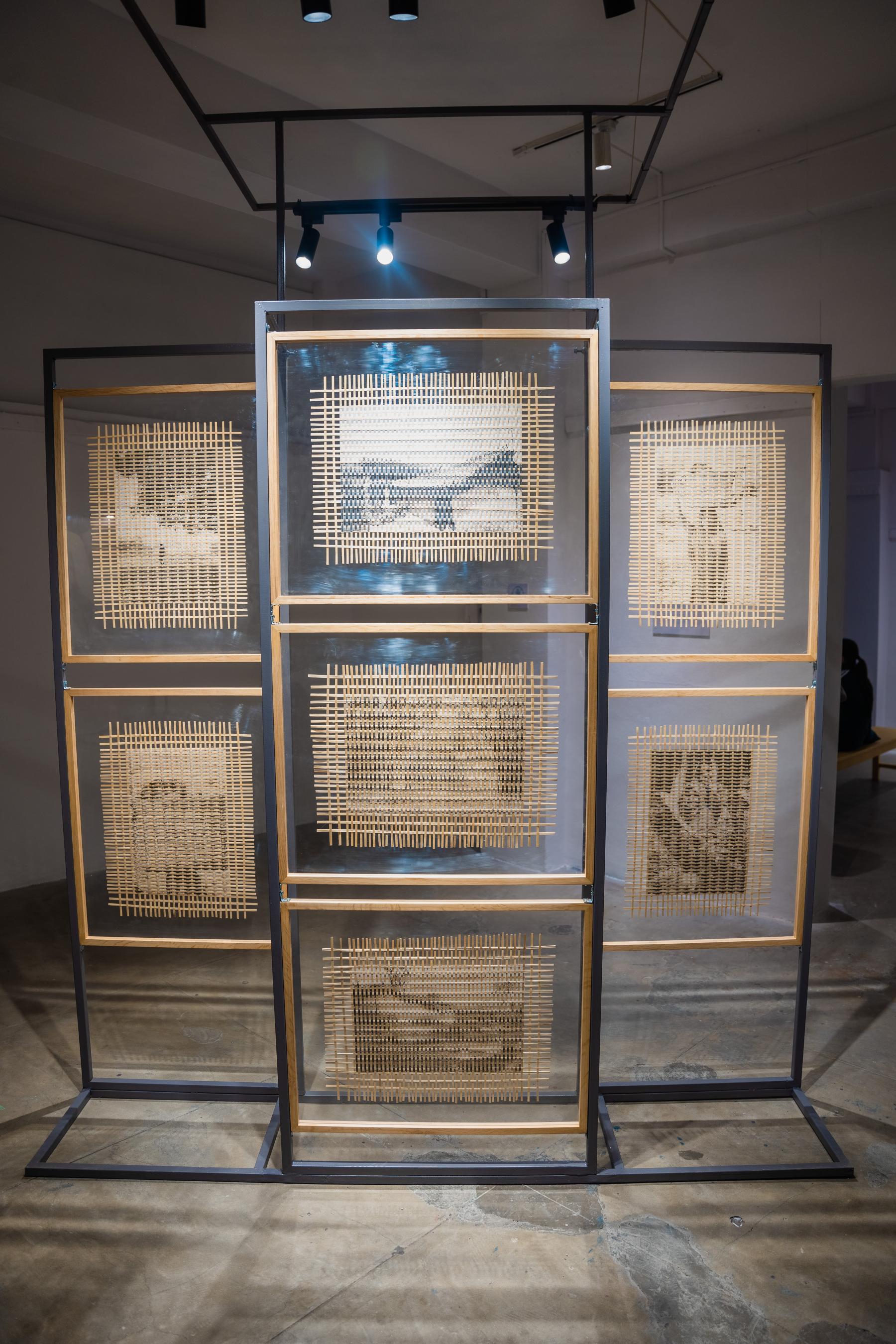
These are only a few examples of the inspiring stories of women included within Urlado Nadisari. For the most part of history, stories have been written and told by those in power, and so what makes Urlado Nadisari potent is that it provides a platform to learn from women in Nepal as they share stories of their existence, dreams and wishes. By enabling a much-needed discussion on labour and gender disparity, it refuses to let women’s labour remain a forgotten statistic. It gives material weight to unpaid care, emotional heavy-lifting and the navigation of patriarchal structures and asks viewers to reassess what is deemed valuable. Yet the question remains: How do we take this further? How far will the rivers rise?
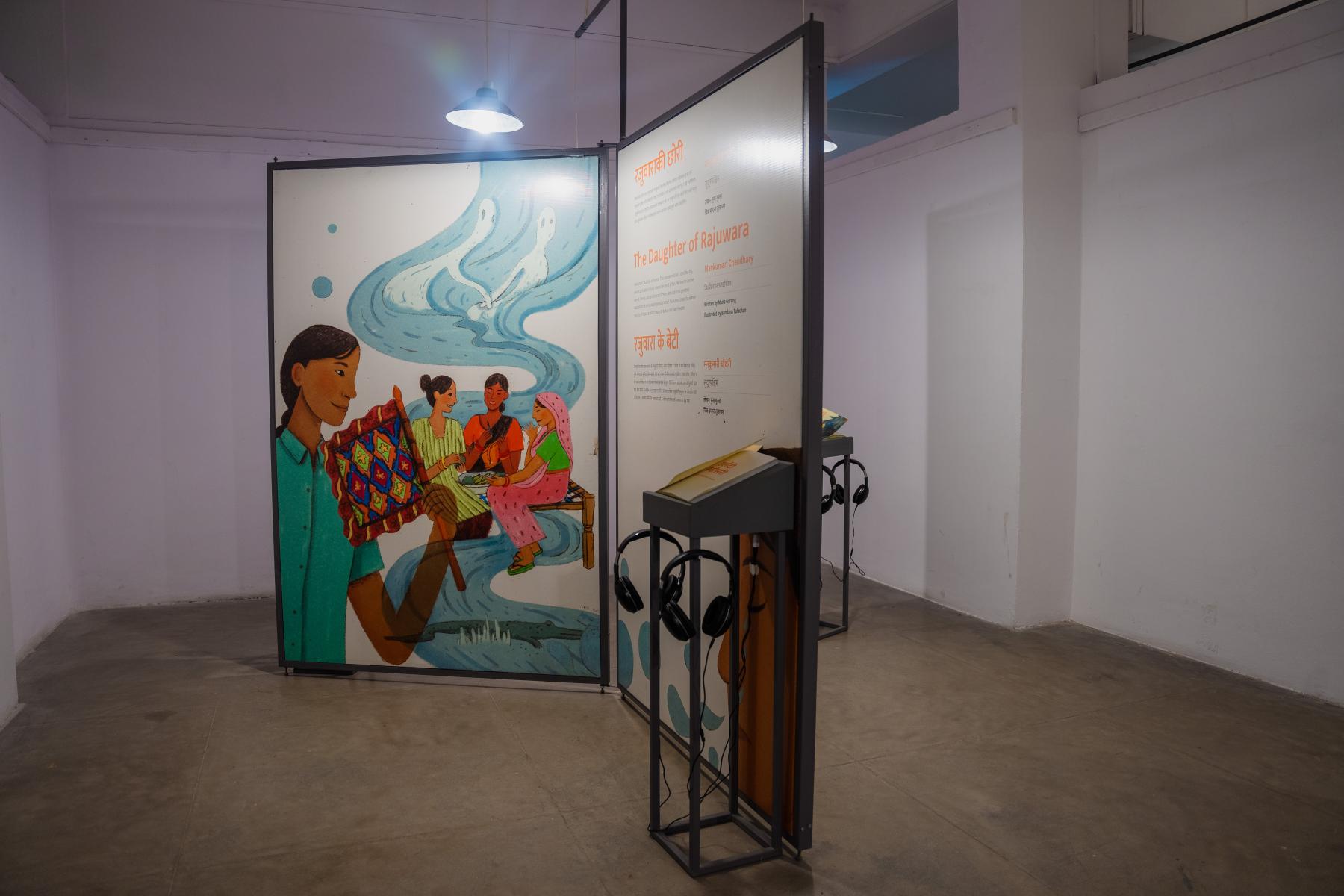
To learn more about forms of women’s labour that are often left unrecognised, engage with Sharanya Nayak’s curated album highlighting women’s resistance to mining in Tijmali, Odisha, Sanjita Majumder’s reflections on Mira Nair’s India Cabaret (1985), Kshiraja’s conversation with Sara Saini on the film In the Wake of Remembering (2024), Akshay Shelar’s essay on Reena Mohan’s Kamlabai (1992) and Koyna Tomar’s two-part conversation with Aranya Sahay on the film Humans in the Loop (2024).
All images are installation views of Urlado Nadisari (2026) at the Nepal Art Council (NAC) and are courtesy of the artists and the NAC. Photographs by and courtesy of Amit Machamasi.