

Pushpa Rawat’s Nirnay: An Anti-Tragedy
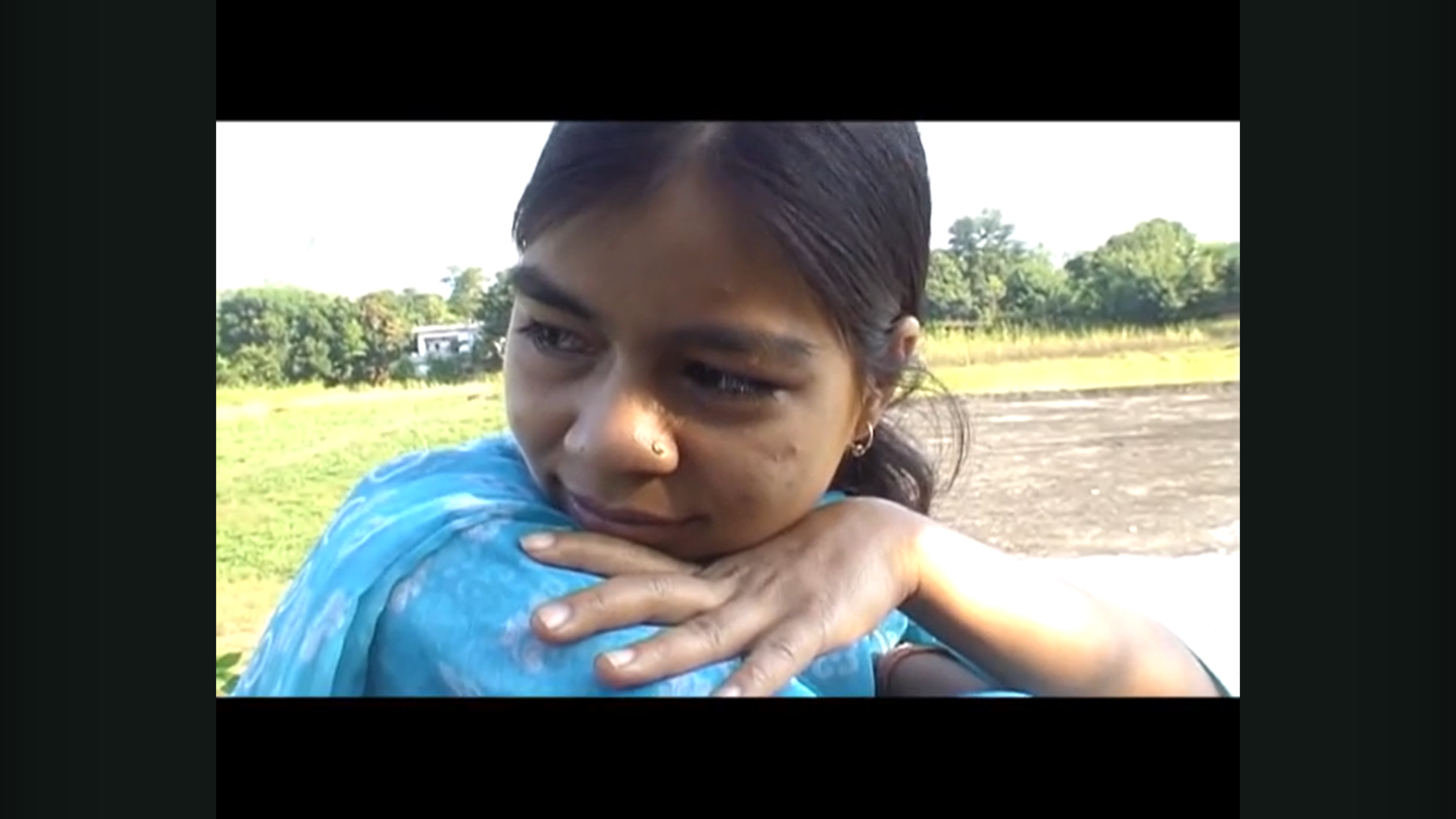
To say that Pushpa Rawat’s Nirnay (Decision, 2012) begins with a wound is not metaphorical excess; one instantly feels the brunt of something long contained giving way. At the film’s centre lies Rawat’s inability to marry Sunil, the person she loves, due to his family’s disapproval of their inter-caste relationship—a condition enforced by the deep-rooted caste-stratified social order. Set in a lower middle-class colony of Ghaziabad, Uttar Pradesh, the film stems from the filmmaker’s impasse around this intimate stab; it compels her to interrogate life in the neighbourhood through close encounters, sketching the lives of the families and especially the women she knows such that the form of the film itself becomes a way of staying afloat amidst relentless muting of any resistance to authority.
Produced under the aegis of the Public Service Broadcasting Trust (PSBT) with co-direction by Anupama Srinivasan, in its early life, the film travelled across non-theatrical circuits and film festivals including the Mumbai International Film Festival in 2014, where it received the Pramod Pati Award for Most Innovative Film; World Film (Tartu Festival of Visual Culture), Estonia in 2013; and Kino Otok–Isola Cinema Festival, Slovenia in 2014. Today though, the film is left to linger in a fragile, largely informal archive.
In Nirnay, the camera gives the impression of being an extension of a state of mind trying to work itself out. The cinematic apparatus has fallen away entirely; what exists is the camera, Rawat’s voice, her subjects and the tenuous respite that she forges with the women similarly restrained. Mithlesh, Rawat’s close companion, in an almost throwaway utterance, articulates the singular status the camera acquires in the film, thus complicating Rawat’s position within it, “Today you are sitting here with a camera, but what have I done?” Nothing fundamental has changed for her since childhood, she goes on to say, “Earlier also, if my mother said no... Even today... If she says no, it means no.” Thus, to her, Rawat’s decision to document and follow filmmaking conveys the possibility, however limited, of acting back.
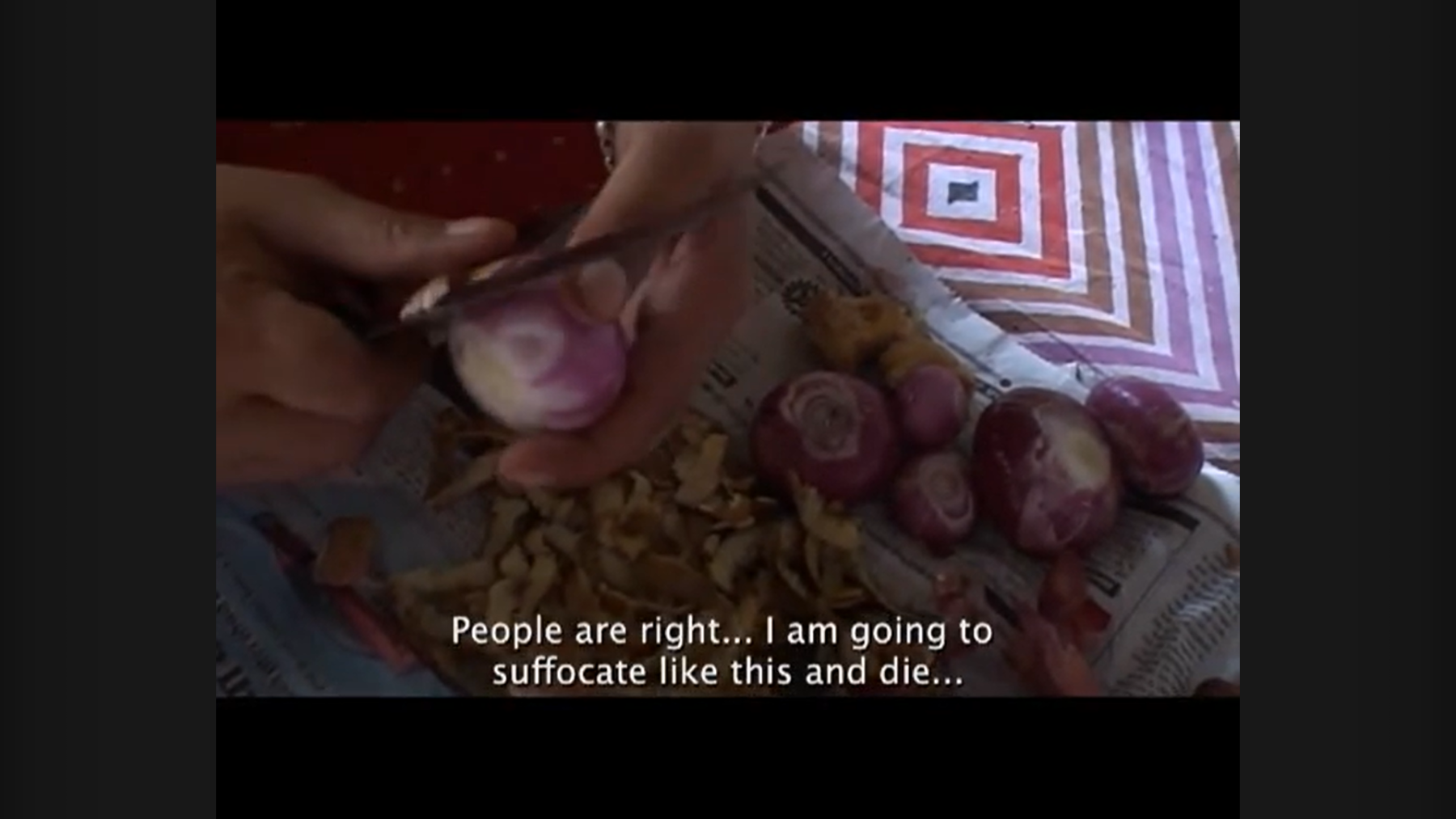
Mithlesh recognises too that Rawat possesses what she herself lacks—not freedom precisely but a manoeuvre, which both enables and forces Rawat to interrupt the passivity imposed by circumstances such as hers. Stationing the camera in front of her close ones allows the filmmaker to unsettle their compliance with a repressive system even as it compels her to confront her position. As a necessary method of resolution, this manoeuvre then does not allow Rawat the plenitude of a buffer for reconsidering, or even abandoning the project if it does not cohere and it is this compulsion that tempers everything: form and ethics alike.
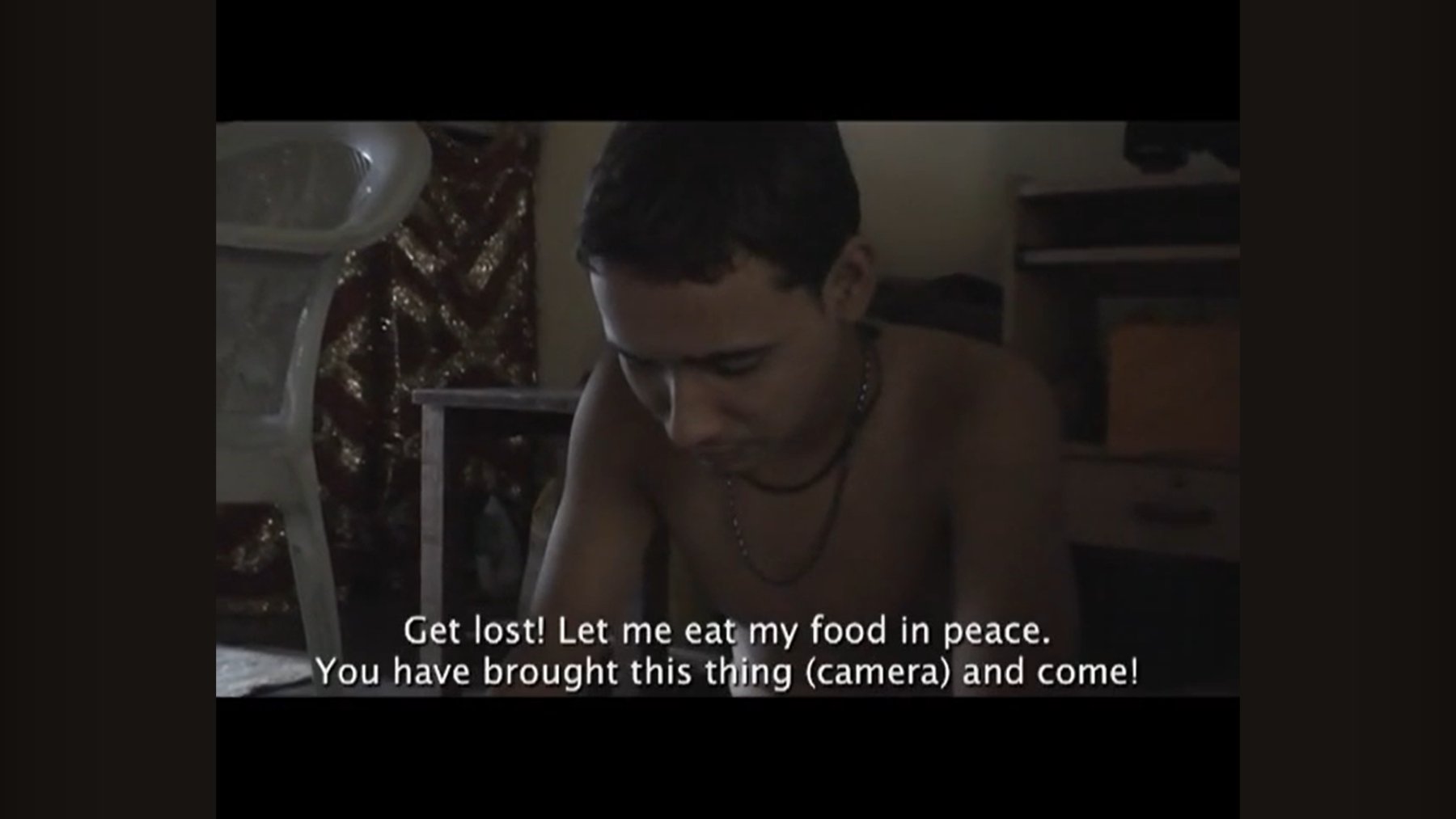
In much contemporary non-fiction cinema, the burden of justification produces an aestheticised self-consciousness, where the film elucidates its own permission to exist, at least in equal measure with the subject of the film itself. By not transposing this moral awareness into a visible layer of discourse, Nirnay stands as an exception. Thus, any moral censure of Rawat not being intent on prescribing to the normative telos of “doing good for the world” is unwarranted; for her, making the film is essentially a matter of tending to her own well-being, which rescues it from the stock paradigm of presumed social utility by which documentaries justify themselves.
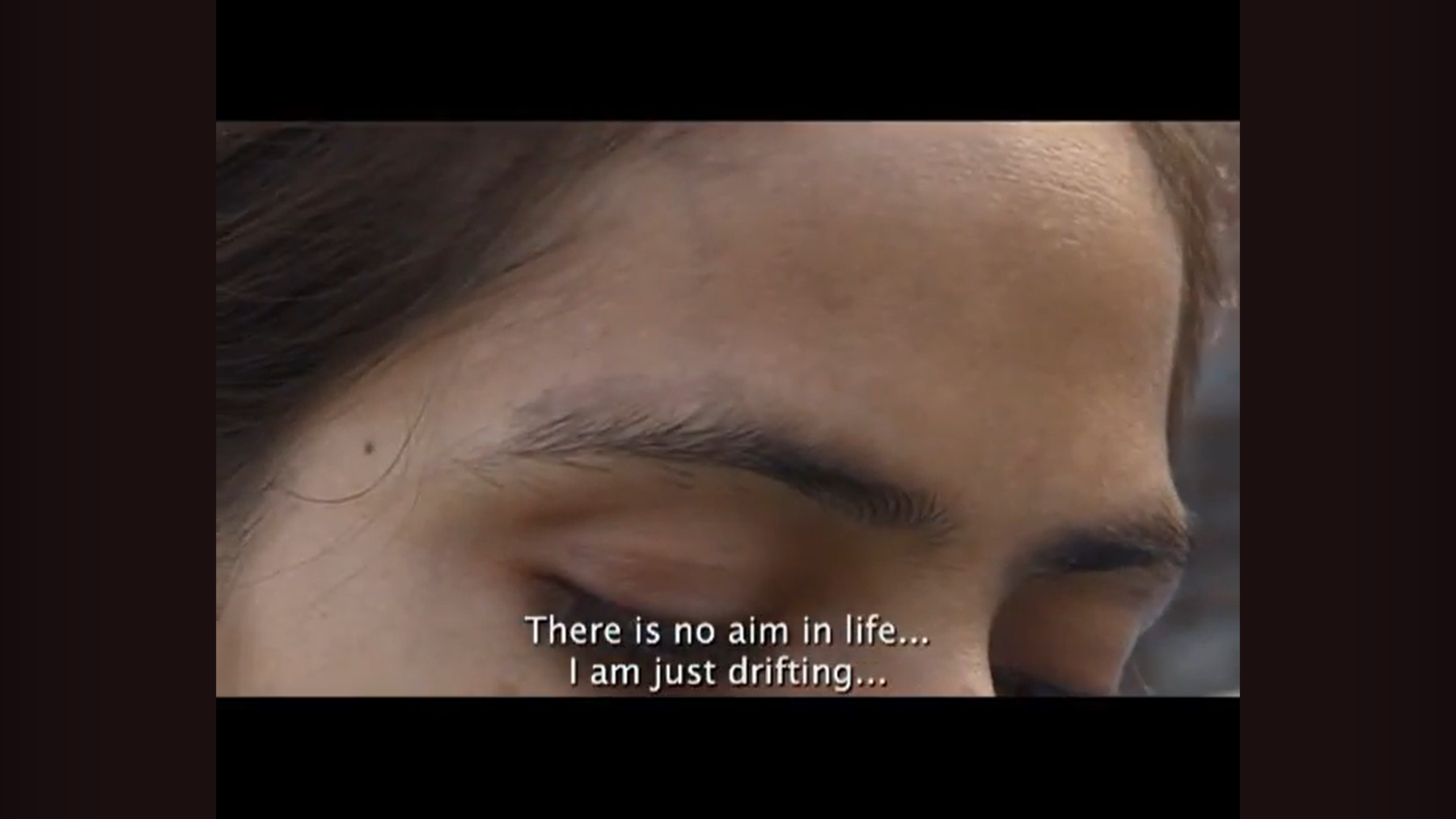
While her method is ever-so private, it is not to the diminutive ends of individualism; it is private because it cannot afford not to be. Filtering out Rawat’s actual voice would do worse than thinning out the film—it would falsify the film’s very purpose. As such, its inflections are neither standardly stylistic nor political—they are inherently existential, rendering the conditions of production as a subject in itself. And so, what comes about is a documentary that does not veil but exposes its formulation, not as a gesture of self-reflexivity but as a matter of fact.
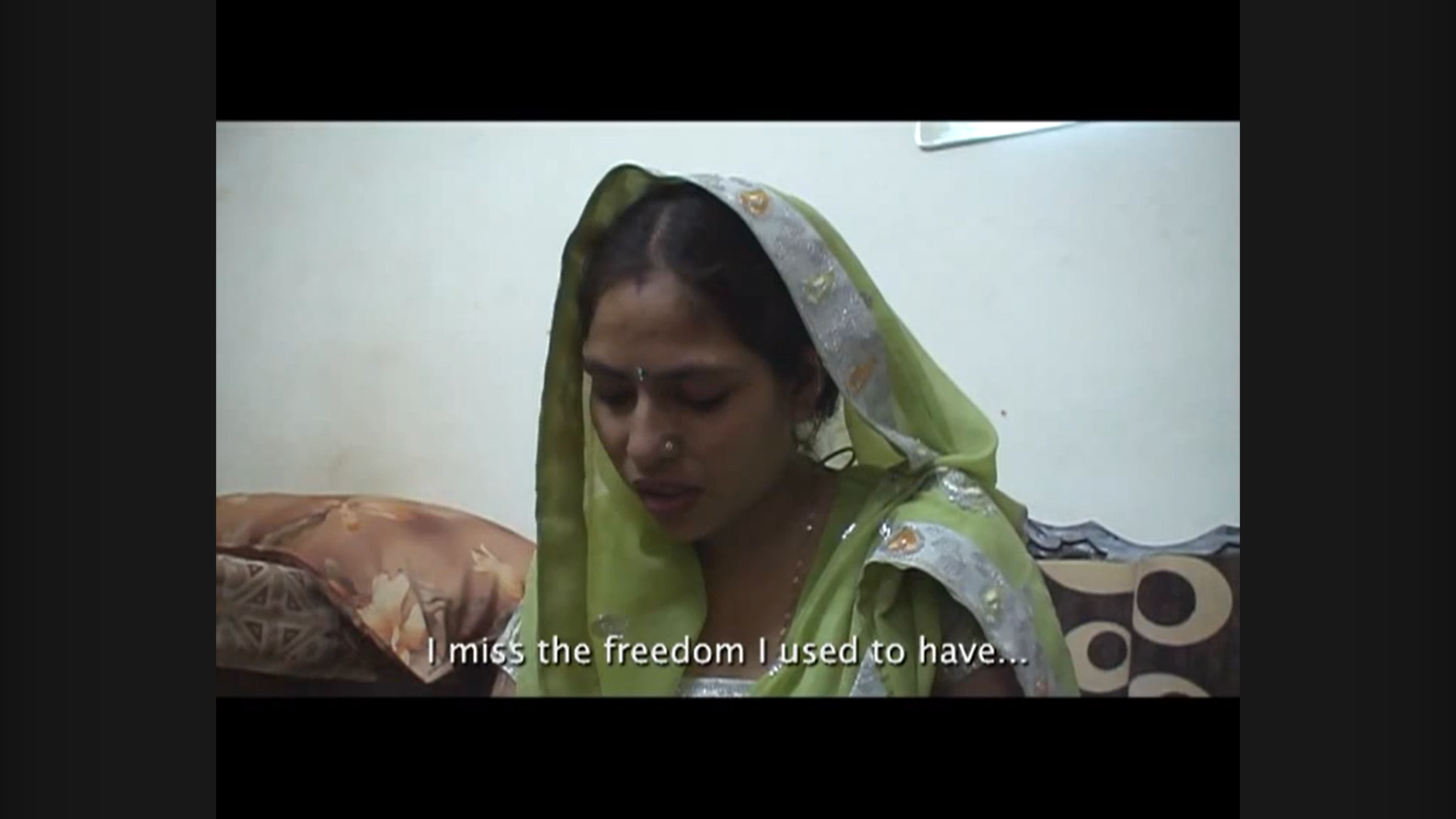
Rawat’s conversations with the women reveal experiences of a shared condition that has altered their sense of freedom they still yearn for—Lata speaks of her abandoned desire to sing, registering it through her effortless singing in the film while reconciling with the fact that her aspirations are contingent on the approval of her parents and, later, a husband. Reassessing her access to choice, Pooja copes with the painful question, "Could I have resisted?" reflecting back on terminating a pregnancy under familial pressure whereas Mithlesh comes to terms with the impossibility of saying no, finding herself trapped in the labyrinthine continuity of obedience.
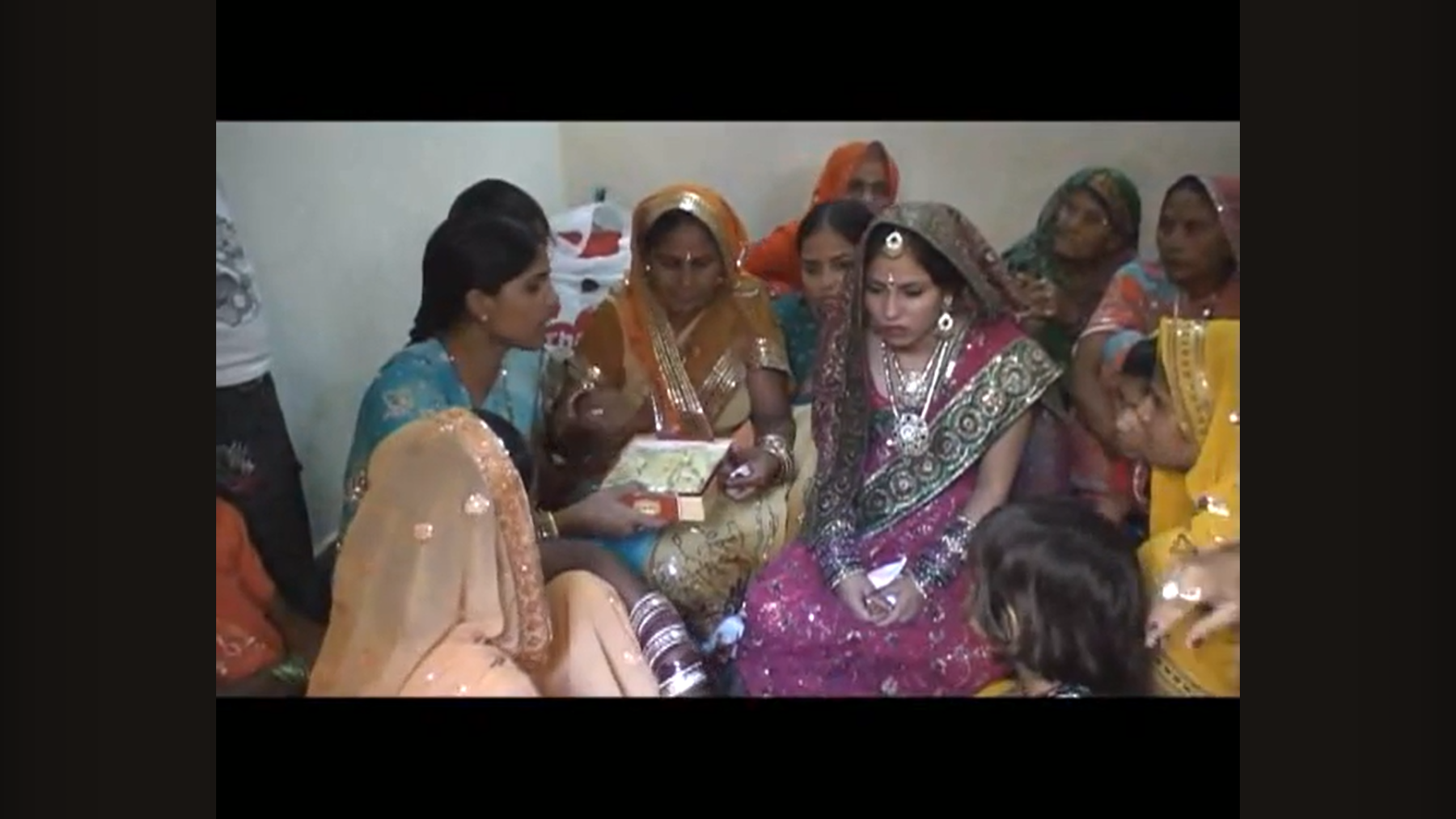
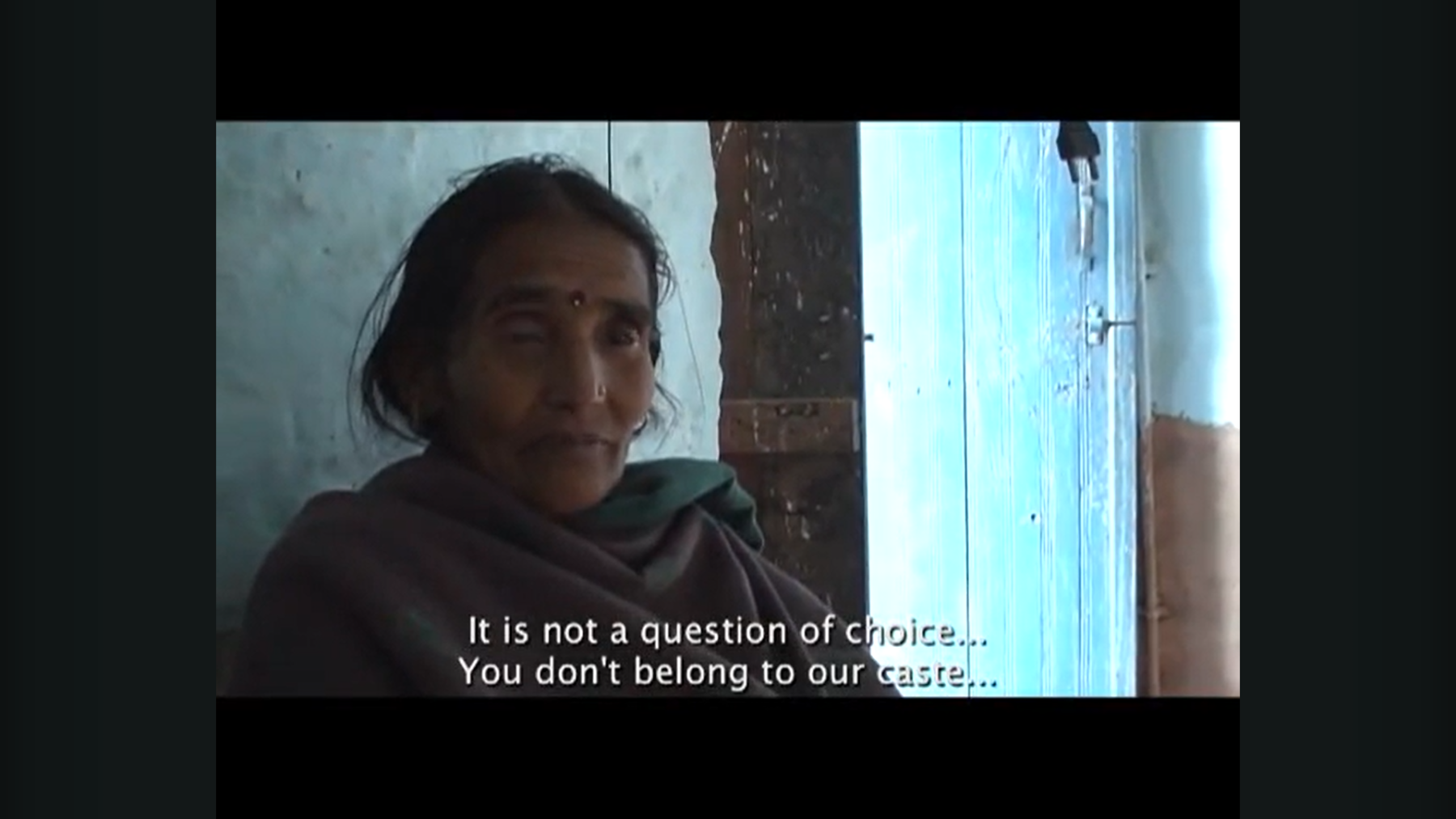
Vinita, who eventually marries Sunil, unaware of the history she has entered, asks Rawat whether she knows him and Rawat replies: "Yes, I know him very well. I have known him for four years.” The conversation betrays no sense of grievance on Rawat’s part. She has already reconciled with what is happening and recognises in Vinita another woman with little say in the affairs of her own life. She is just a fellow sufferer in an unfavourable arrangement. Elsewhere, while gathering branches in the local forest for fuel and fodder, Sunil's sister Geeta remarks, "There is no time to think about my own life. I am so busy with the housework." Such interactions open a space for these women, including Rawat, to think through their lives in one another’s presence even as they underscore the uncomfortable negotiations with the insidious nature of caste and patriarchal authority that determines even the smallest domestic exchanges.
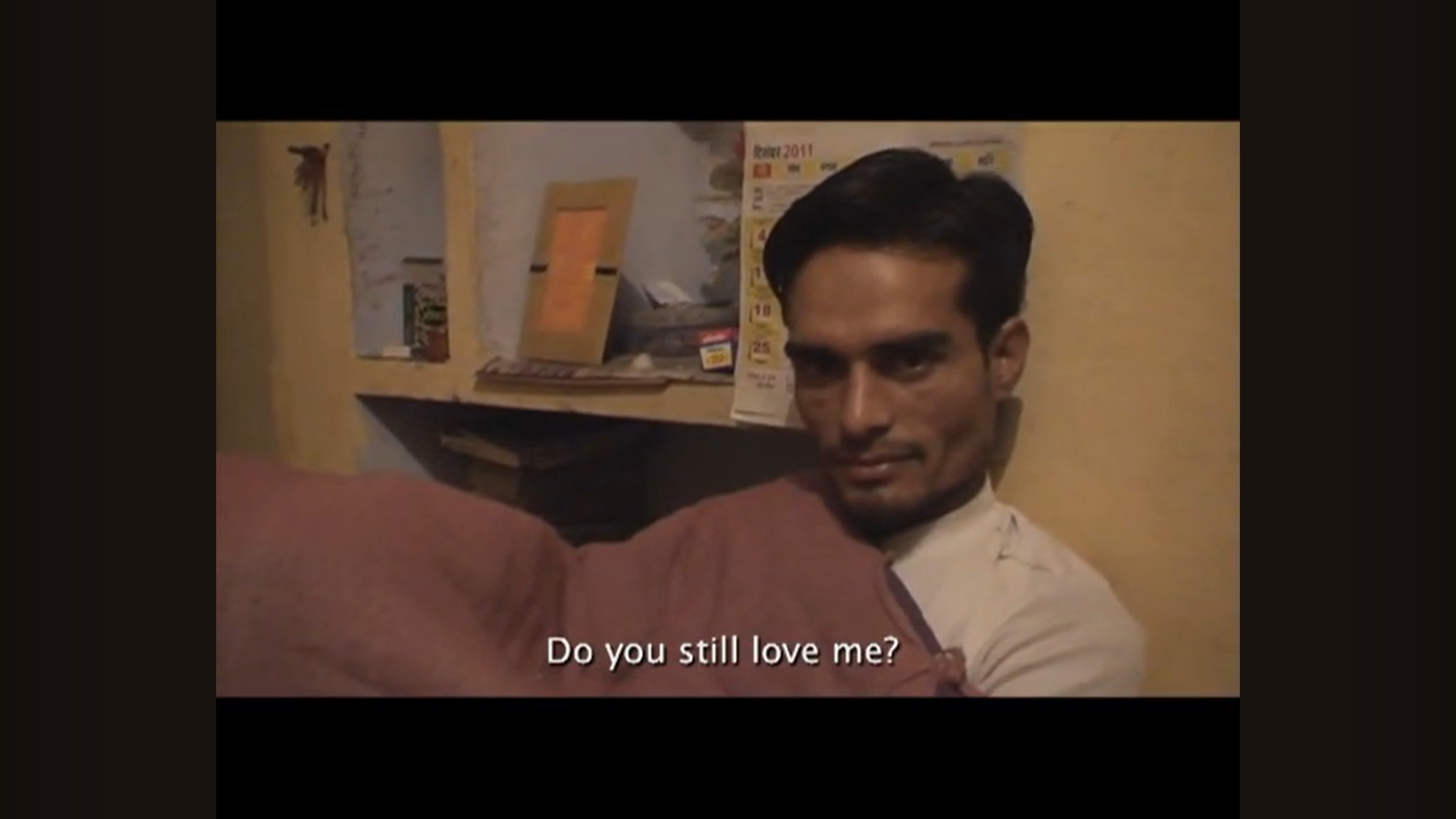
While Nirnay does not form a ring around caste or patriarchal norms as discrete issues, Rawat lunges, sometimes self-consciously, beyond the facts and figures of each conversation and even beyond the prohibitions that structures her own romantic life, to reveal the faultlines of history underneath the facade of the familial. In her practice, documentation begins to exceed the logic of representation. In turning the camera toward her own life and those of the women around her, she breaks from the journalistic documentary setup and creates a hard-won elevation—however fragile—where the anguish is not alleviated but nevertheless takes on a presence, a profile.
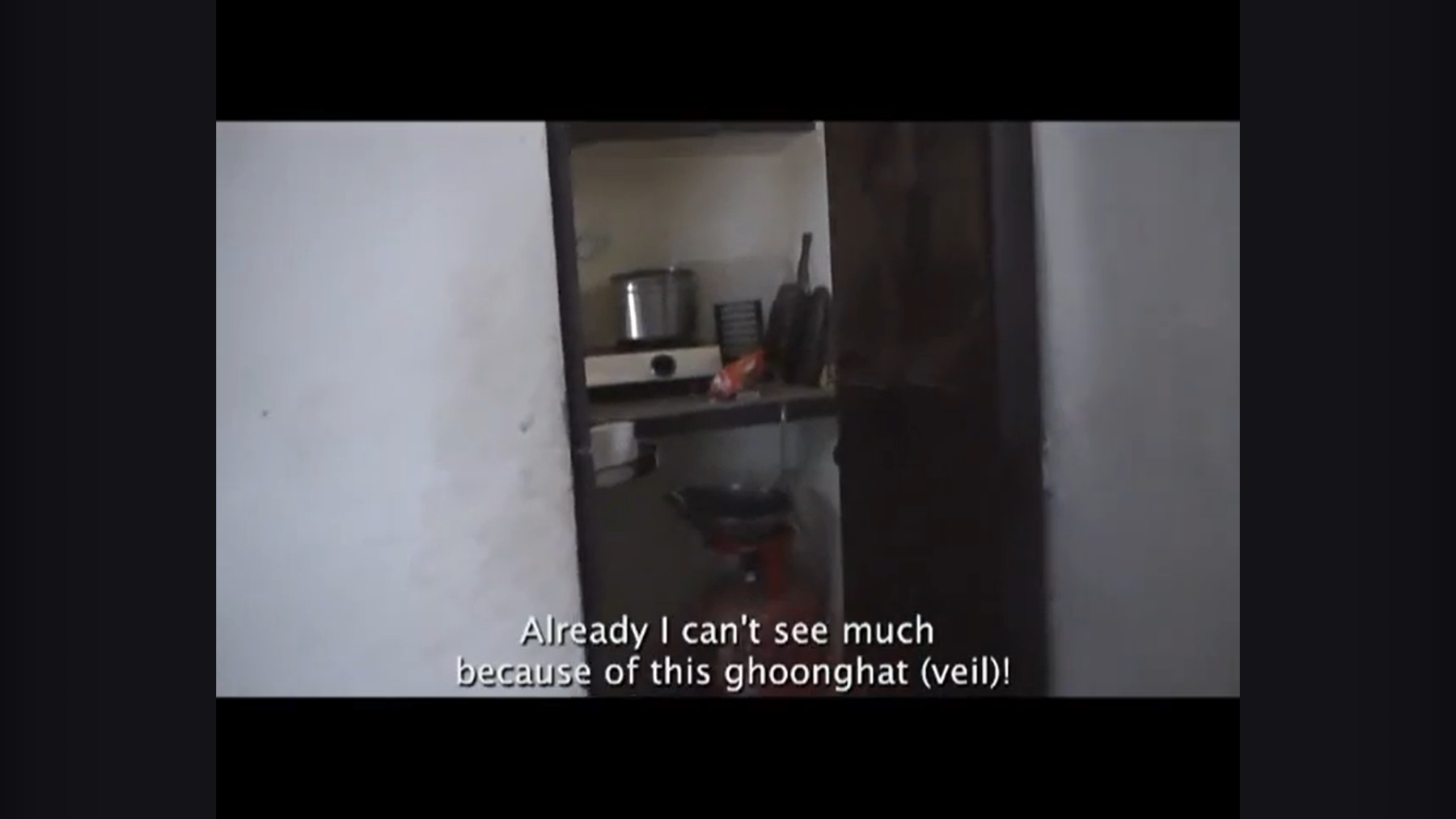
In that sense, the film’s fabric is that of an anti-tragedy; it prevents injury from hardening into a final, closed form, letting what suffocates pass into the space of the image. Even as Rawat fills the film with soul-grinding encounters and agonising trials, she nonetheless exalts her own afflictions and those of the other women she knows with transcendent feeling.
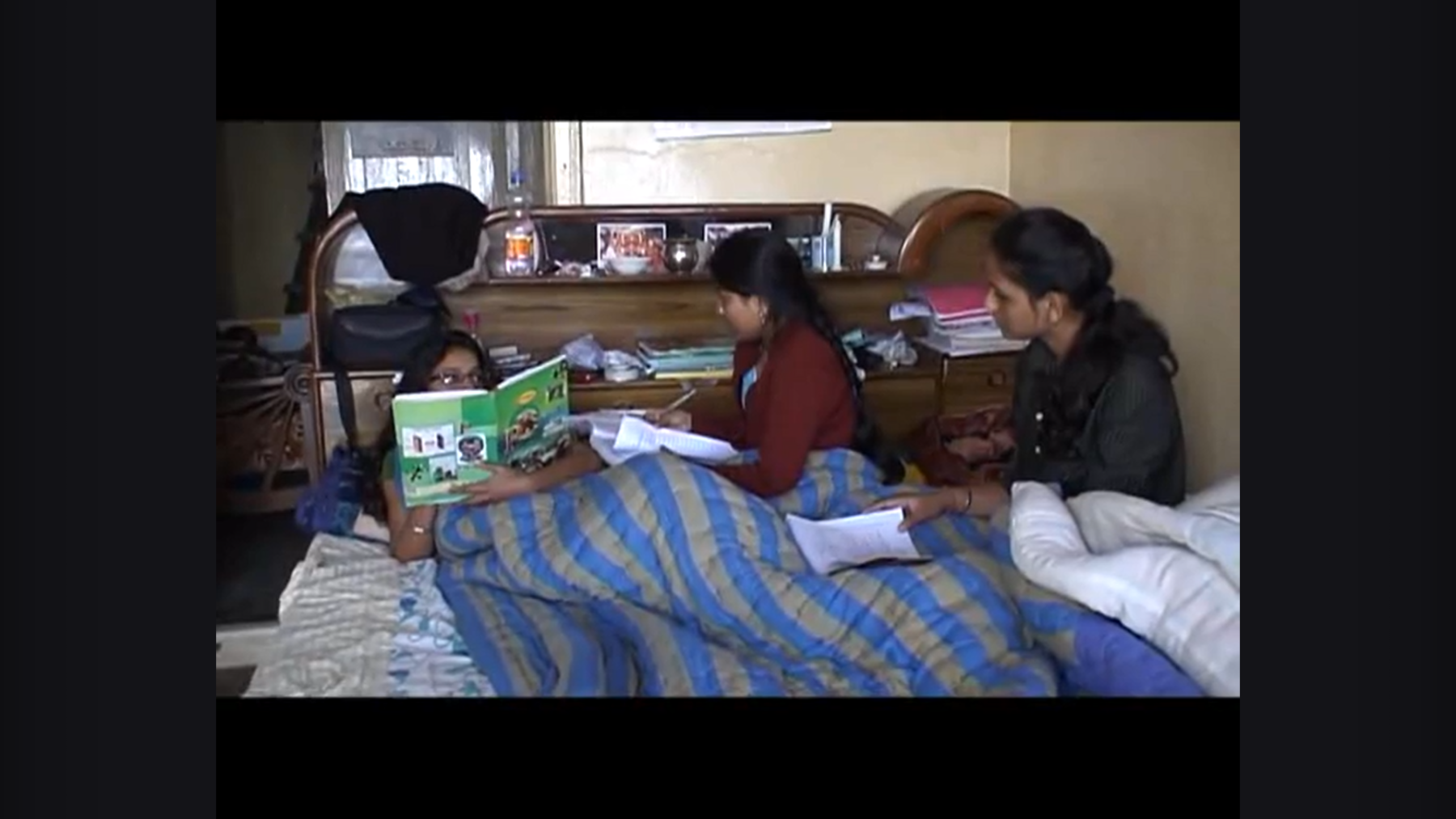
As Rawat’s accumulation of testimonies and manoeuvers of her women friends begin to find correspondence, they bring unusual reprieve in an otherwise confining life. These recorded misgivings, heartbreaks, or hindered aspirations can now be held onto as an almost muted consolatory force; their vitality lying in the way they make it possible for the filmmaker to momentarily displace and reconstitute her relationship to the world.
In her next film, Mod (The Turn, 2016), Rawat continues to explore this relationship by turning to the lives of young men in her neighbourhood, which will be discussed in the second part of this essay.
To learn more about independent women filmmakers engaging with the gendered experience in South Asia, read Shefali Khan’s conversation with Tribeny Rai on Shape of Momo (2025), Riddhi Dastidar’s reflections on Nidhi Saxena’s Secret of a Mountain Serpent (2025) and Shranup Tandukar’s observations on Prasuna Dongol’s Before You Were My Mother (2022).
To learn more about films exploring women’s lived realities at the intersection of patriarchy and caste Hindu society, read Sucheta Chakraborty’s essay on Jayant Somalkar’s Sthal (2023), Ria De and Koonal Duggal’s reflections on Payal Kapadia’s All We Imagine as Light (2024) and Ankan Kazi’s review of Rintu Thomas and Sushmit Ghosh’s Writing with Fire (2021).
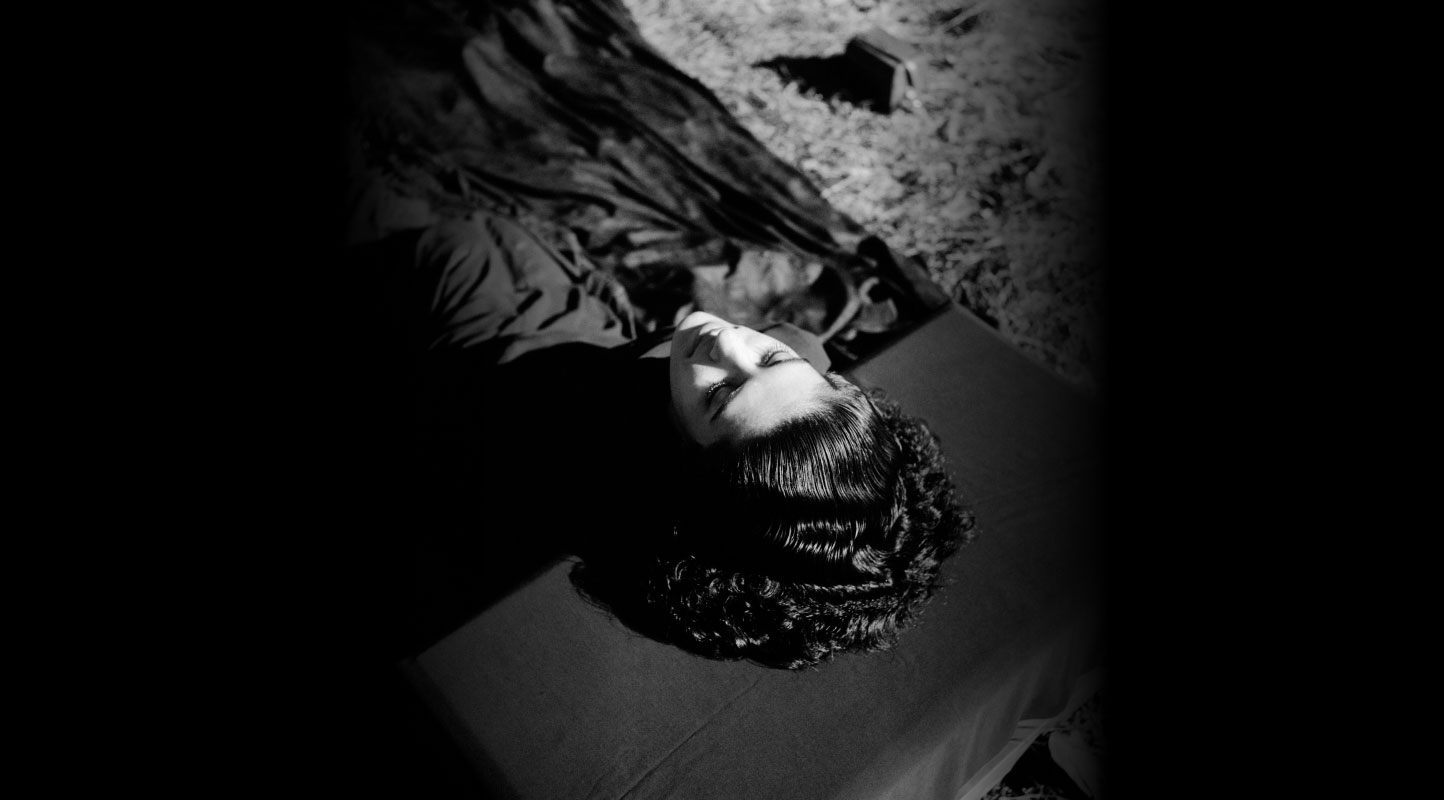
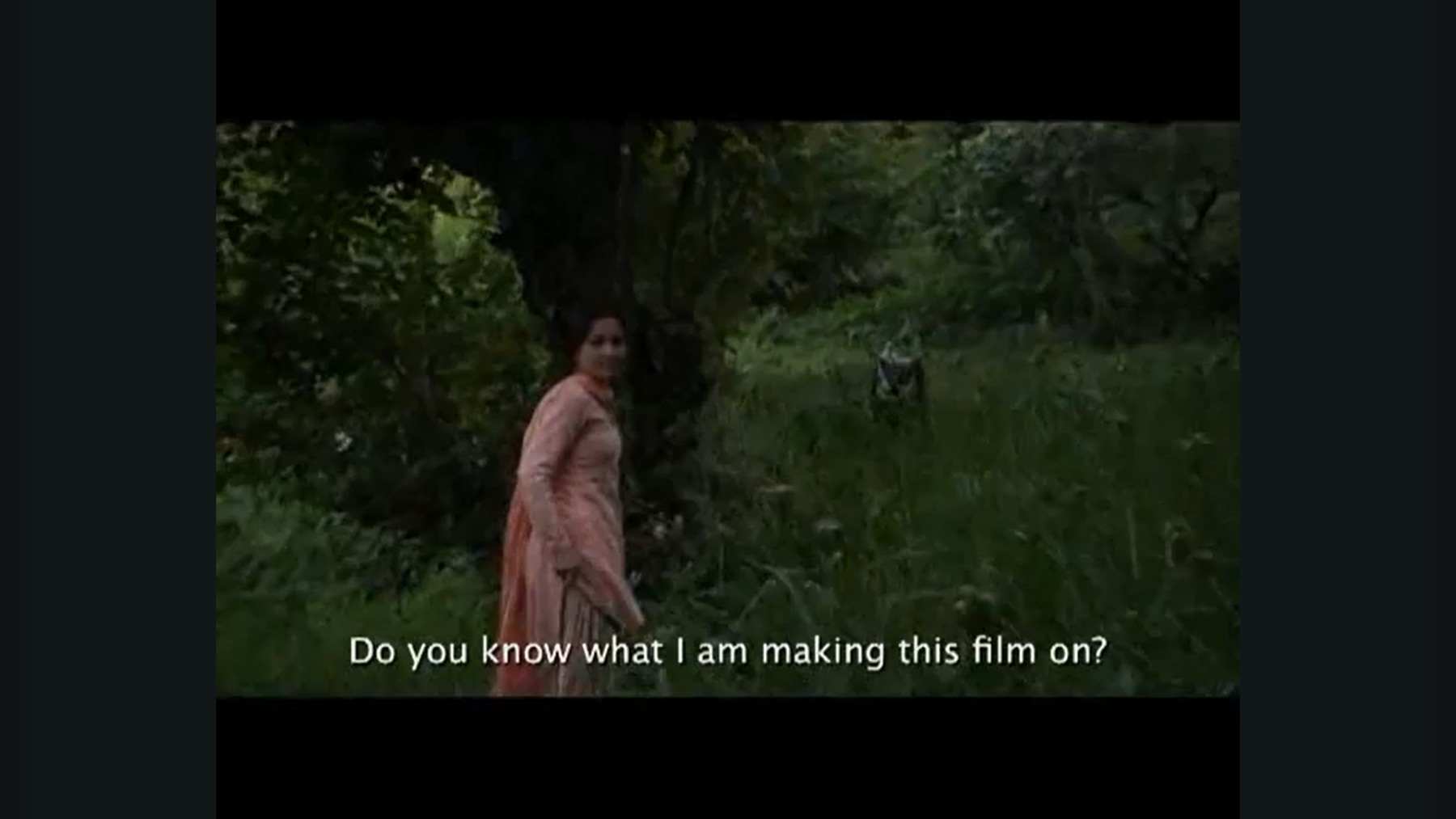
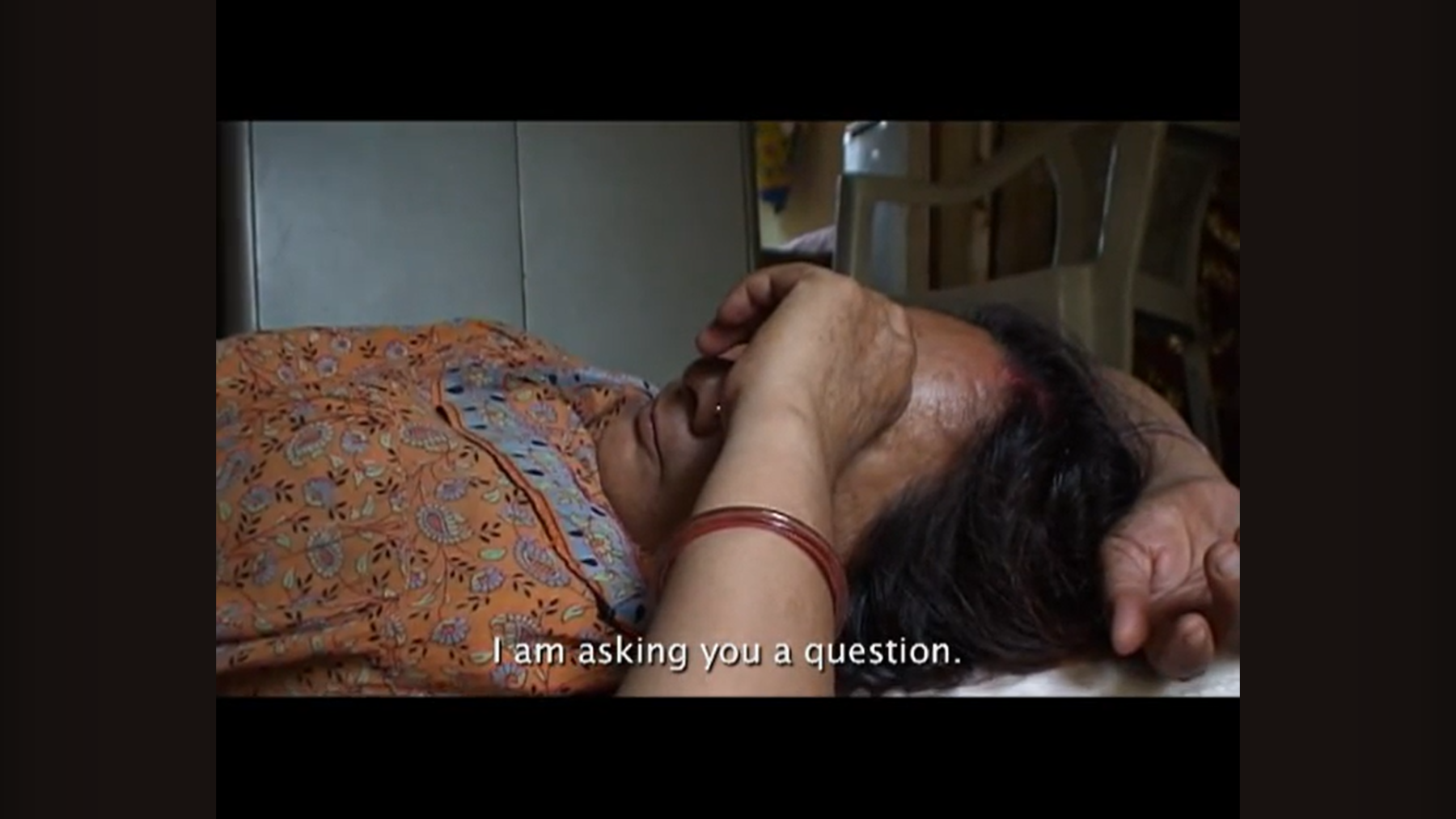
All images are stills from Nirnay (Decision, 2012) by Pushpa Rawat. Images courtesy of the director.