

The Time It Takes to Be Seen: Pushpa Rawat’s Mod
The first part of this essay explored how Rawat’s debut film Nirnay (Decision, 2012) turns the documentary gaze from one of benevolence into interrogation of her own neighbourhood after a personal impasse, thus creating an opening for intimates to share lived realities and suppressed aspirations even as she, the filmmaker, is compelled to confront her position that permits her to employ the camera amidst a repressive environment. The constitutive subject of all great documentaries is the tremor introduced into the events at hand by the filmmaker; what is essential is not capturing events as they occur but the idea of doing so. And yet, too many hide by pretending that the world speaks for itself; filmmakers often end up putting up images without any regard to their making and contrive their relationship to the material under consideration as painfully anonymous. However, in Pushpa Rawat’s Mod (The Turn, 2016), the camera leaves its shadow in every frame.
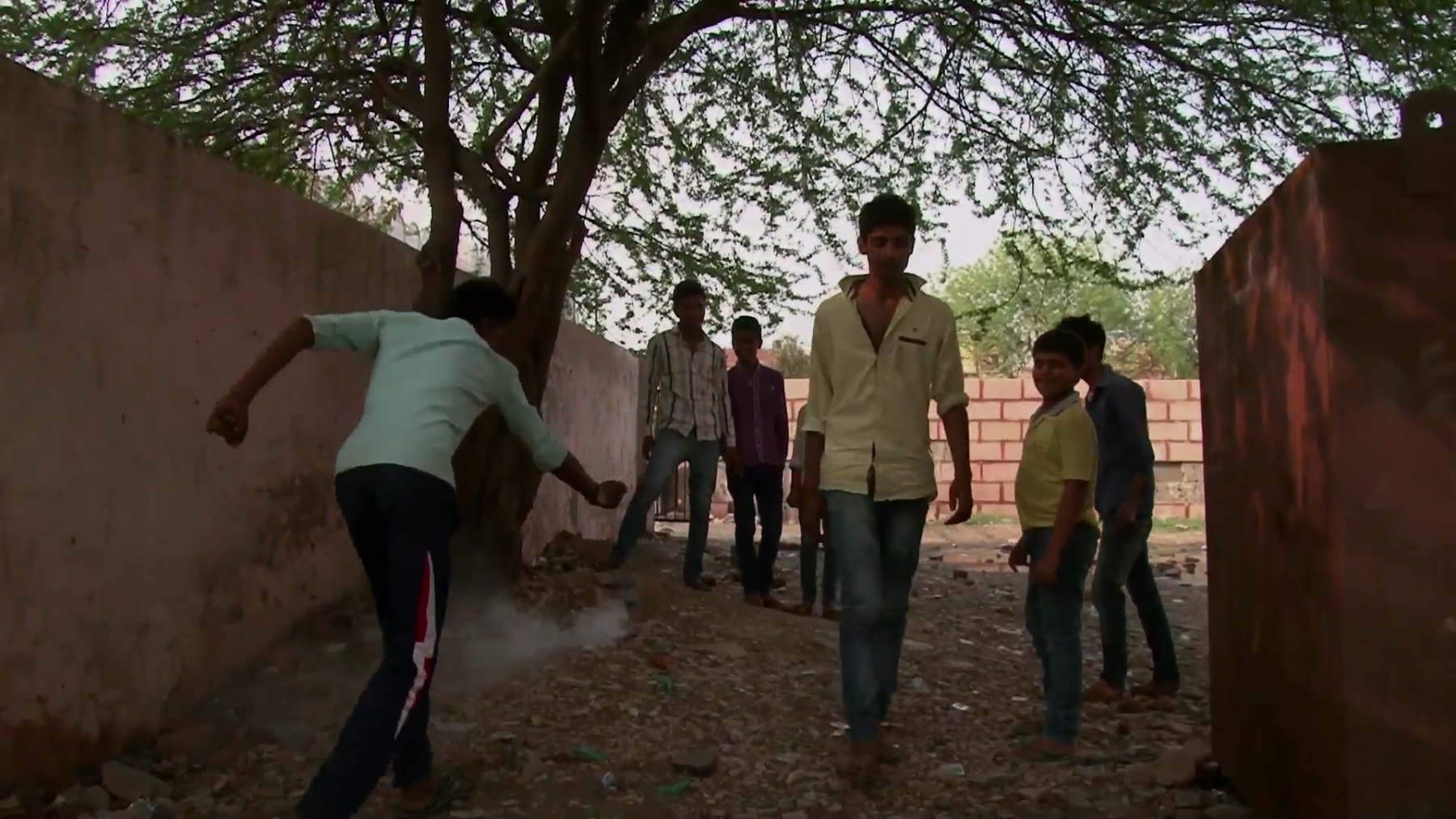
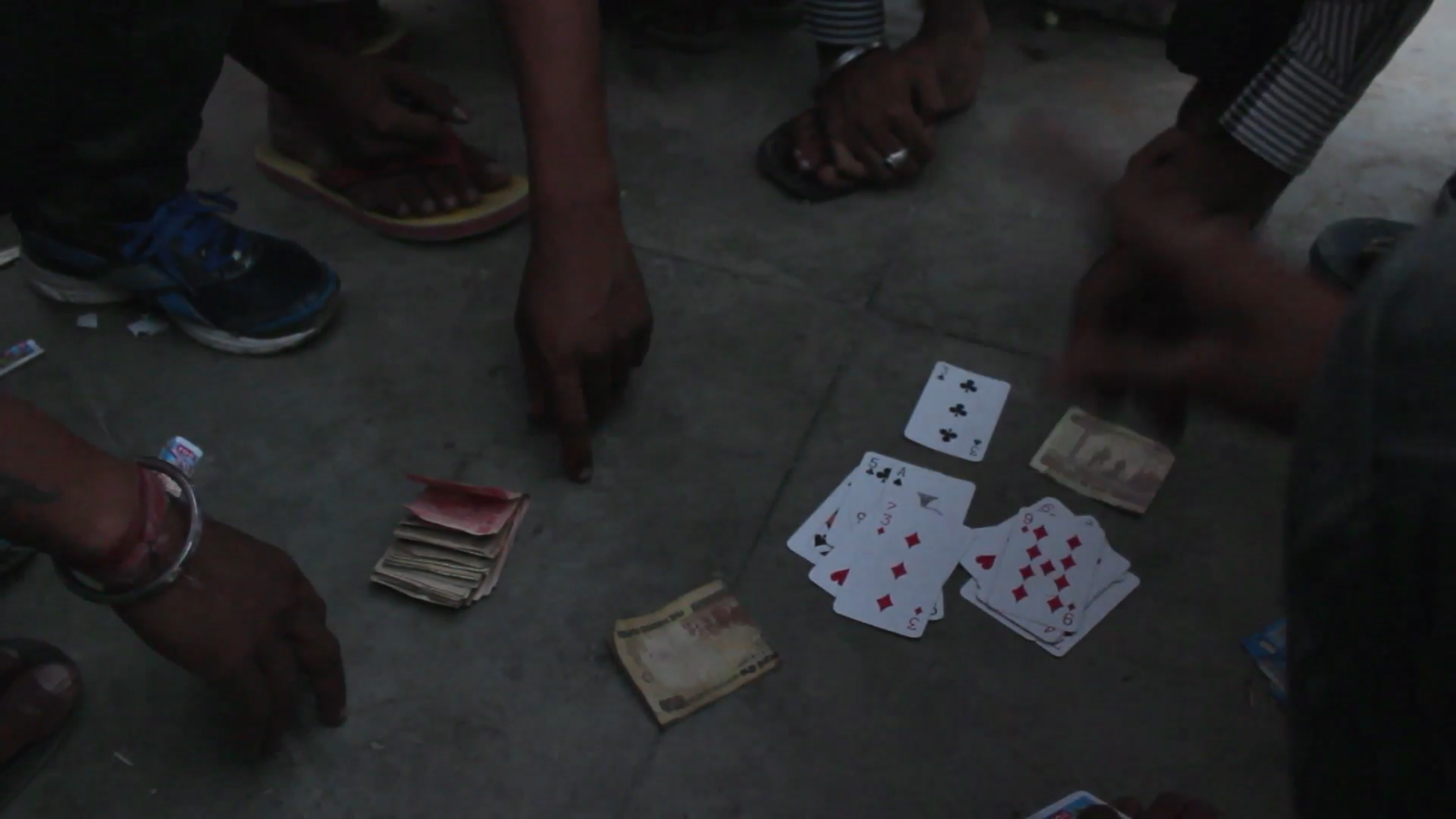
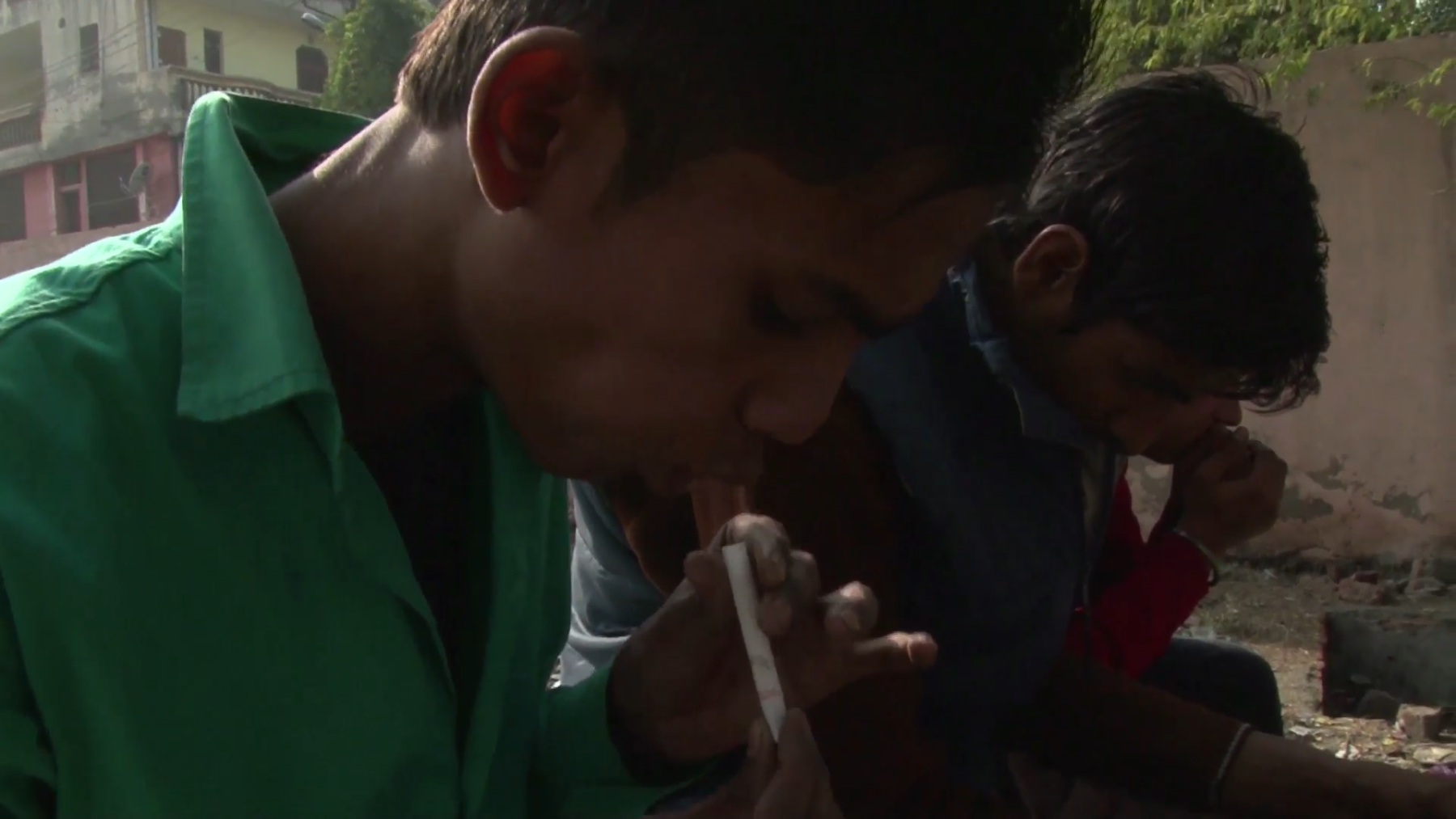
In the second part of this essay, I turn to how the feminised domesticity of Nirnay yields in Mod, an exterior terrain, in which Rawat’s camera documents the rhythms and routines of young men anchored at a "notorious" water tank in Pratap Vihar, Ghaziabad. The tank functions as a social node of paradoxical exposure—the boys are at once a staple of its fabric and cast aside as expendable excess, dismissed as “no-gooders.” They gather, smoke up, drink, play cricket, gamble, get into altercations and loiter. But through Rawat’s repeated encounters and conversations with this loose congregation of boys, the familiar images of delinquency subside and are replaced by a certain lived expression of constrained futures. In Mod then, domestic interiors have given way to exposed commons—a public turf which might as well be its own sort of enclosure. The film comes across less as a second film as a second movement.
The deviation between the two films is not merely spatial: where Nirnay affords form to navigate constraint, Mod interrogates the precarious claim that place, within a certain socio-economic frame, stagnates the lives of young men. Phenomena that in Nirnay regulate intimacy and marriage, in Mod delimit aspiration and the possibility of futurity itself. The precarity characterising the lives of these boys is not only a matter of individual lapse; the social composition of their group and the constraints determining their prospects are all symptoms of the broader set of conditions circumscribed by caste and class. The film is also an attempt for Rawat to grapple with a space in her neighbourhood that has kept her at arm's length and remained alien to her. It proceeds by recurrence until a place dismissed as a den of loafers begins to take on an alternate profile.
The boys describe themselves as "third class": when asked about their dreams, one of them lets out a cynical laugh while another confesses that his greatest dream is simply not having to return to the tank the next day. For most, schooling ended prematurely; all of them scrape by on a succession of mere odd jobs, if at all. For them, social mobility remains nothing more than an abstraction—no ladder is ever placed within their reach. When asked about the prospects he has in mind for his child, the father of one of the boys, who works at a roadside ironing stall, replies, “What will I want… just that he mends his ways, or else nobody is going to marry him.”
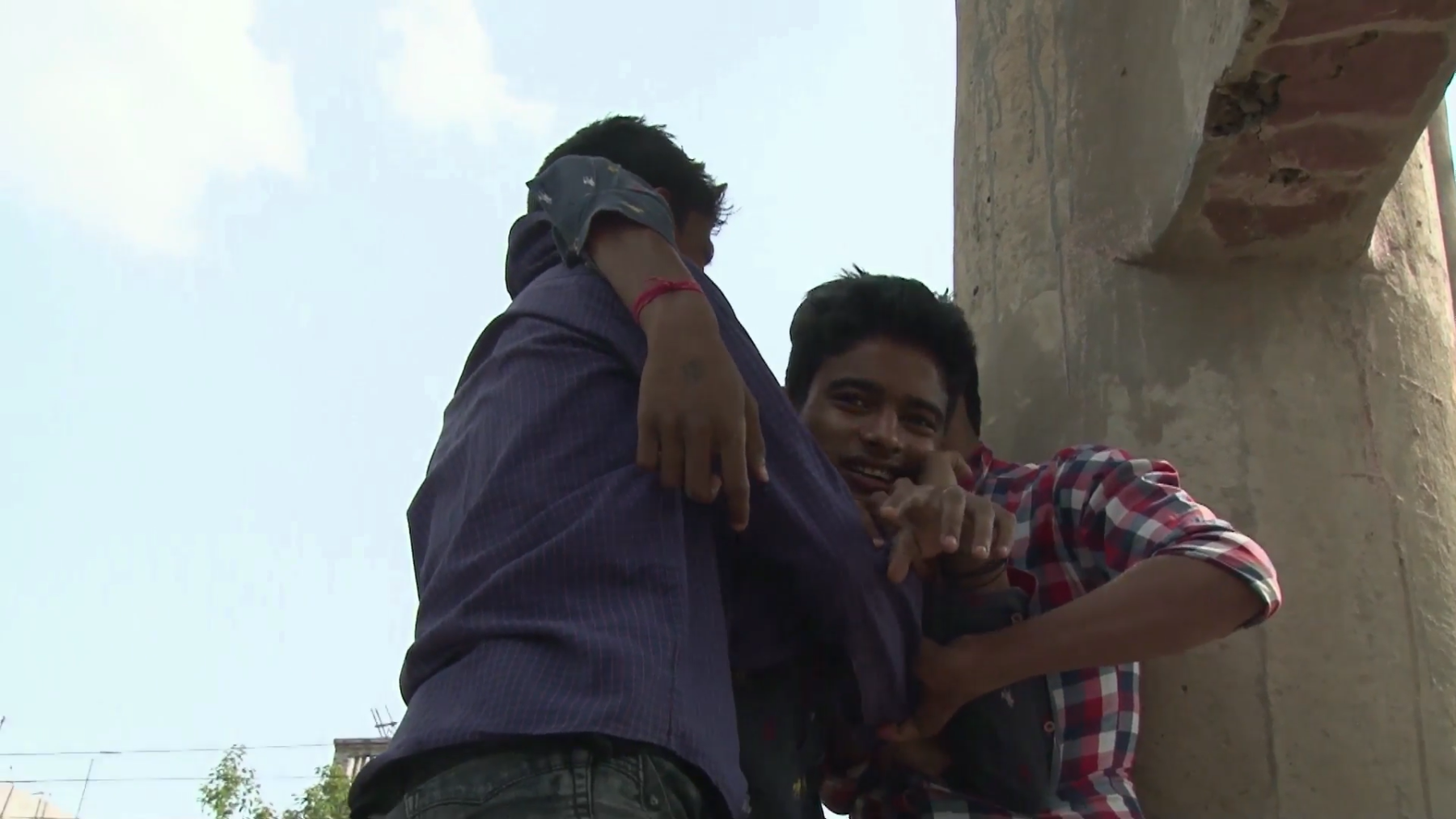
Both Nirnay and Mod are enduring monuments to soul-destroying stresses and yet they beam a sense of relational transformation, with the camera as agent. For all their confrontation with universalised tragedies, they are not themselves tragic. Rawat’s camera and her conversations with the boys alter the terms on which they see themselves and the stereotypes they have internalised. At the same time, an unfamiliar level of scrutiny emerges through which they regard their own lives. Dormant aspirations cease to register as distant fantasies and begin to acquire direction—whether educational, financial, or otherwise. For instance, when Bittu performs his rap at the end, it feels like a small opening wrested from the lives otherwise organised by stagnation.
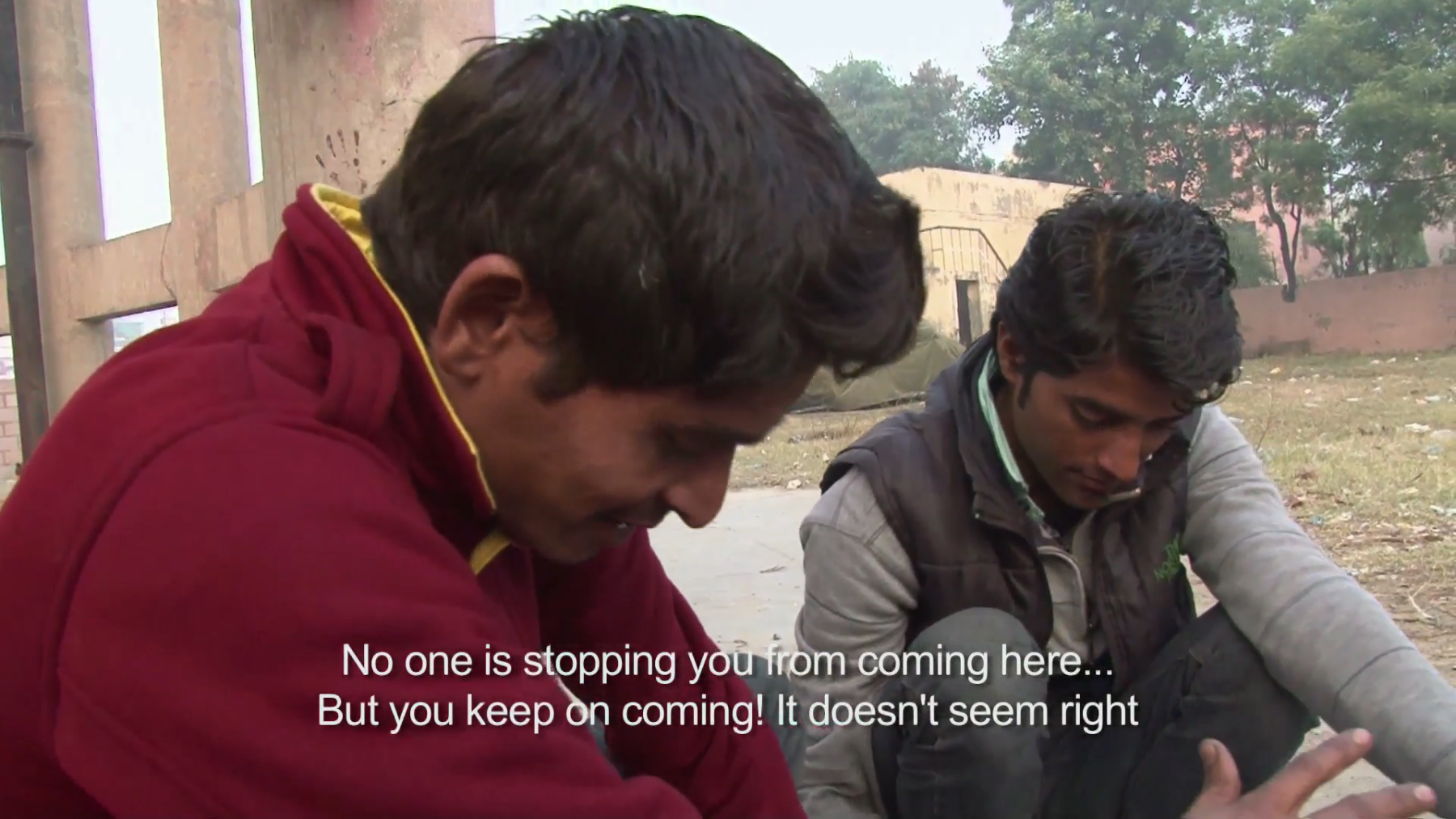
Turning up in the park with her camera in a near-patterned constancy, Rawat solicits occasional suspicion and resistance from the boys. Flashes of vulnerability coexist with withdrawal, performance with reticence. Marked as the other, Rawat must continually broker her presence here, unsure of her footing as an outsider—both as a woman and as someone in a bid to document a space that resists her. And the final footage retains the traces of this parley; at its best, the camera’s calm insistence inspires the subjects’ confidence and in lieu of data that would seem to fit an inert, preconceived notion of their apparent delinquency, captures their revealing gestures and inflections.
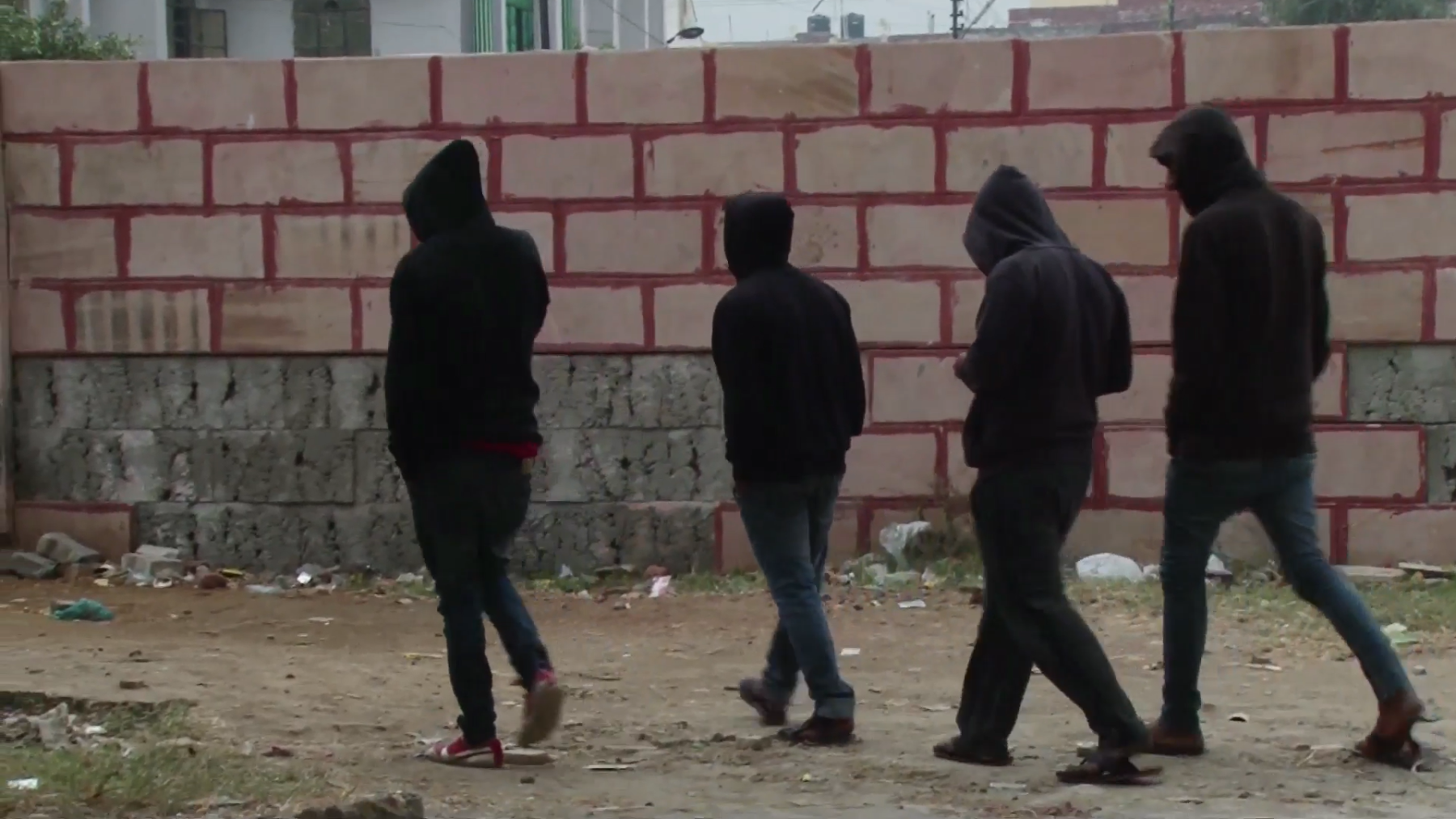
Mod strips masculinity of its ideological sheen, untethered from its typical assurances. The boys appear as subjects suspended in the crosscurrents of their caste and class positionality; the aspirations and resignations they can barely name pervade as diffuse conditions. Their performances of masculinity read as cover—thin buffers against dispossession, however provisional, lest the forces that be render them invisible. They have failed to occupy the masculine role expected of them and are unable to provide, find work or command any authority. Assuming that they do not possess any documentary value, one of the boys asks Rawat "Why don't you interview some good people?" while another refers to the lot of them as "garbage." The insult, once again, comes from within; the vulnerable subject cannot help but come into view. These young men are not sovereign agents; they gather, disperse and return.
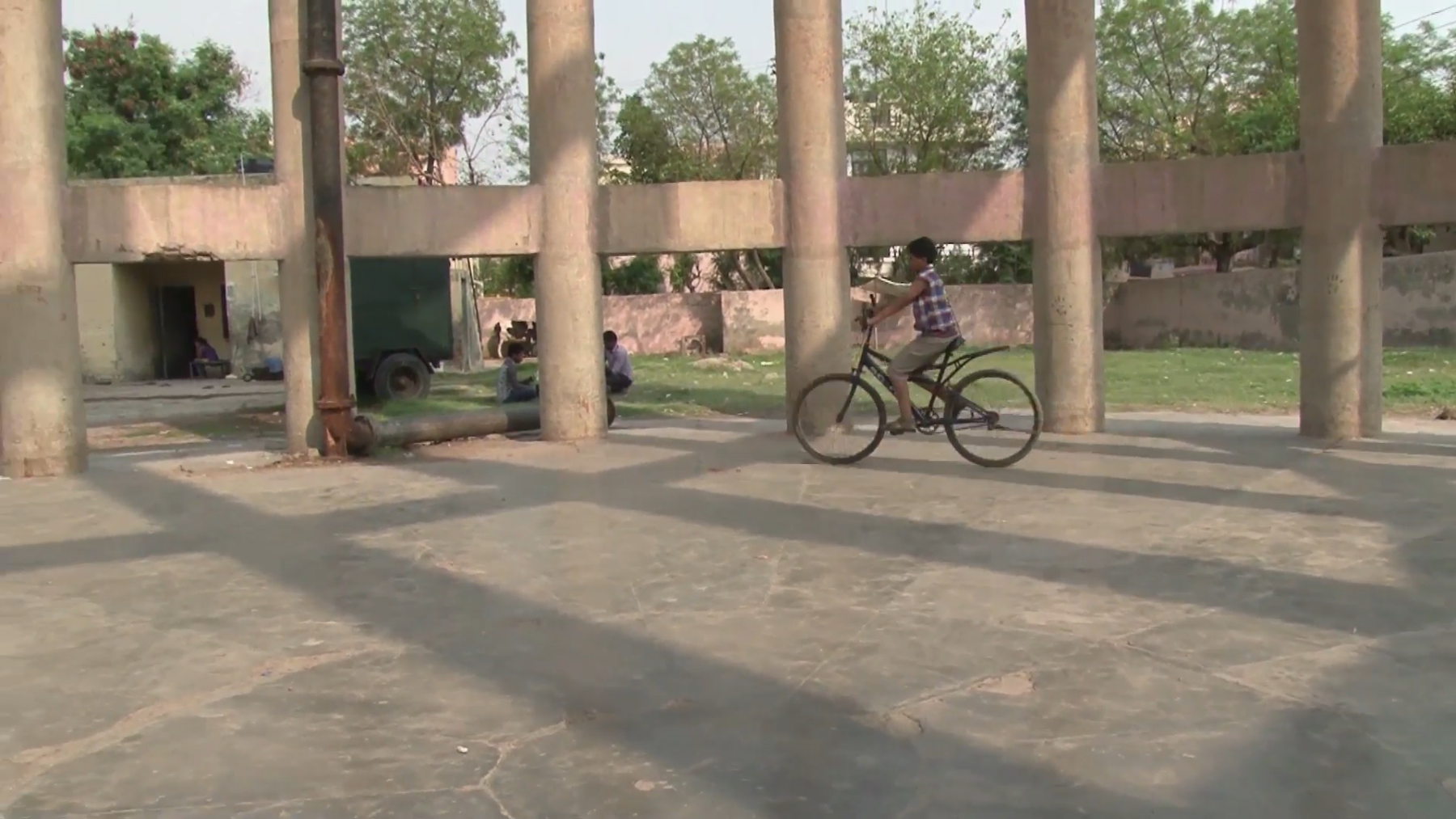
Shot by and large by Rawat herself, Mod bears no stabilised orbit between the filmmaker and the subject. In its formal composition, the film continues Rawat’s fealty to a circumstantial, site-responsive system of filming, with no stage management, overbearing narration or institutional scaffolding and no stipulated mould that would neatly fit the material. There is, quite literally, little more than a camera and the grit required to keep returning to the site.
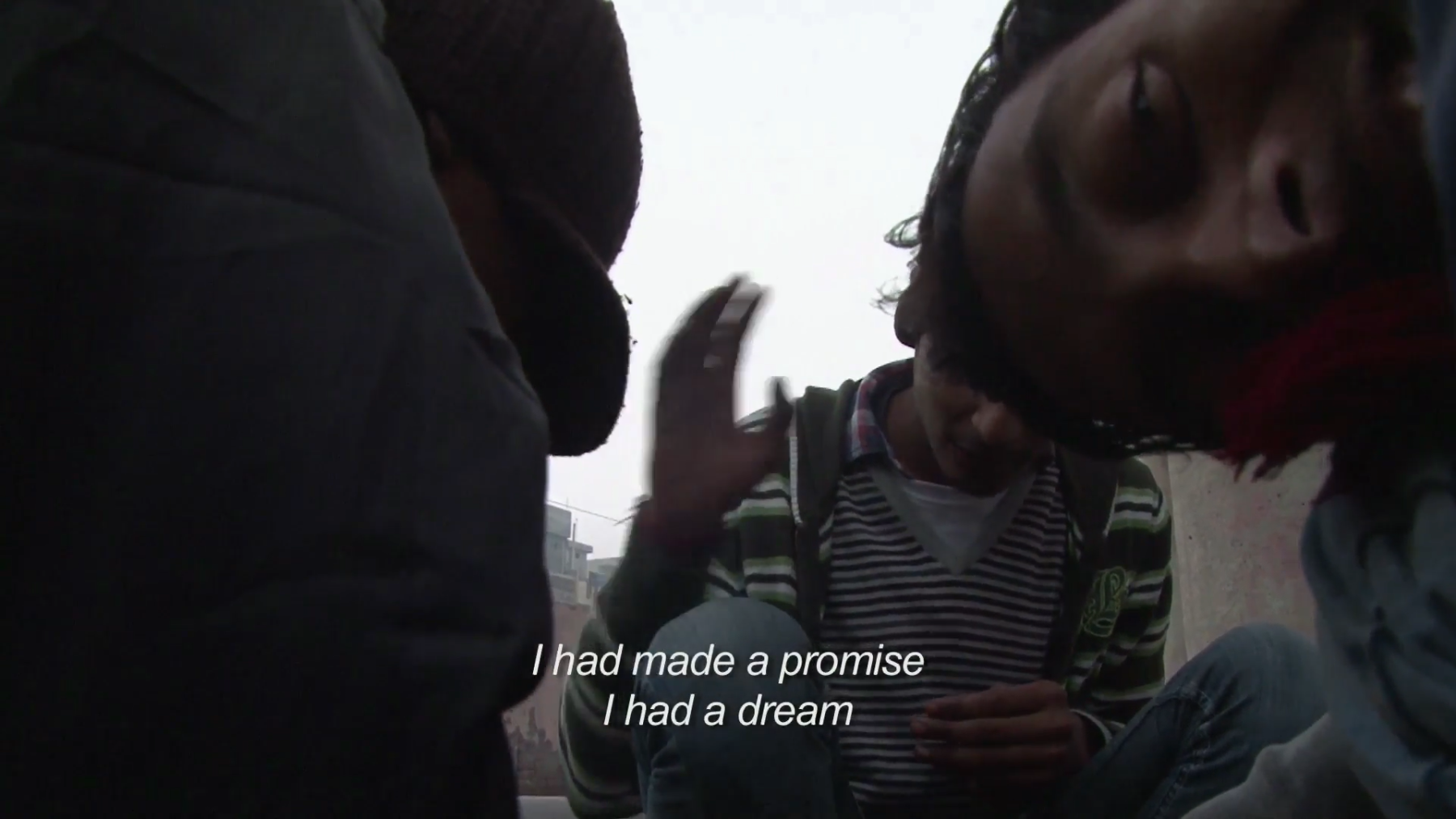
That Nirnay and Mod are the only two films Rawat has made and that the latter is effectively unavailable for public viewing already underlines their significance. Their obscurity is tied to the context from which they surface. They endure, but precariously, and like the lives they document, they exist but are at risk of disappearance. Though now inaccessible—my own viewing made possible through personal correspondence with the director—at the time of its release, Mod circulated within a modest but meaningful network of festivals, non-theatrical circuits, curated independent platforms and academic spaces. It was screened at the IAWRT Asian Women’s Film Festival in New Delhi in 2016, where Rawat presented her work alongside other women filmmakers from across Asia, and at Jawaharlal Nehru University in 2018, as part of a programme on gendered documentary practices. The flash of critical visibility within this dispersed exhibition history, unfortunately, has still not given way to lasting access or archival allocation.
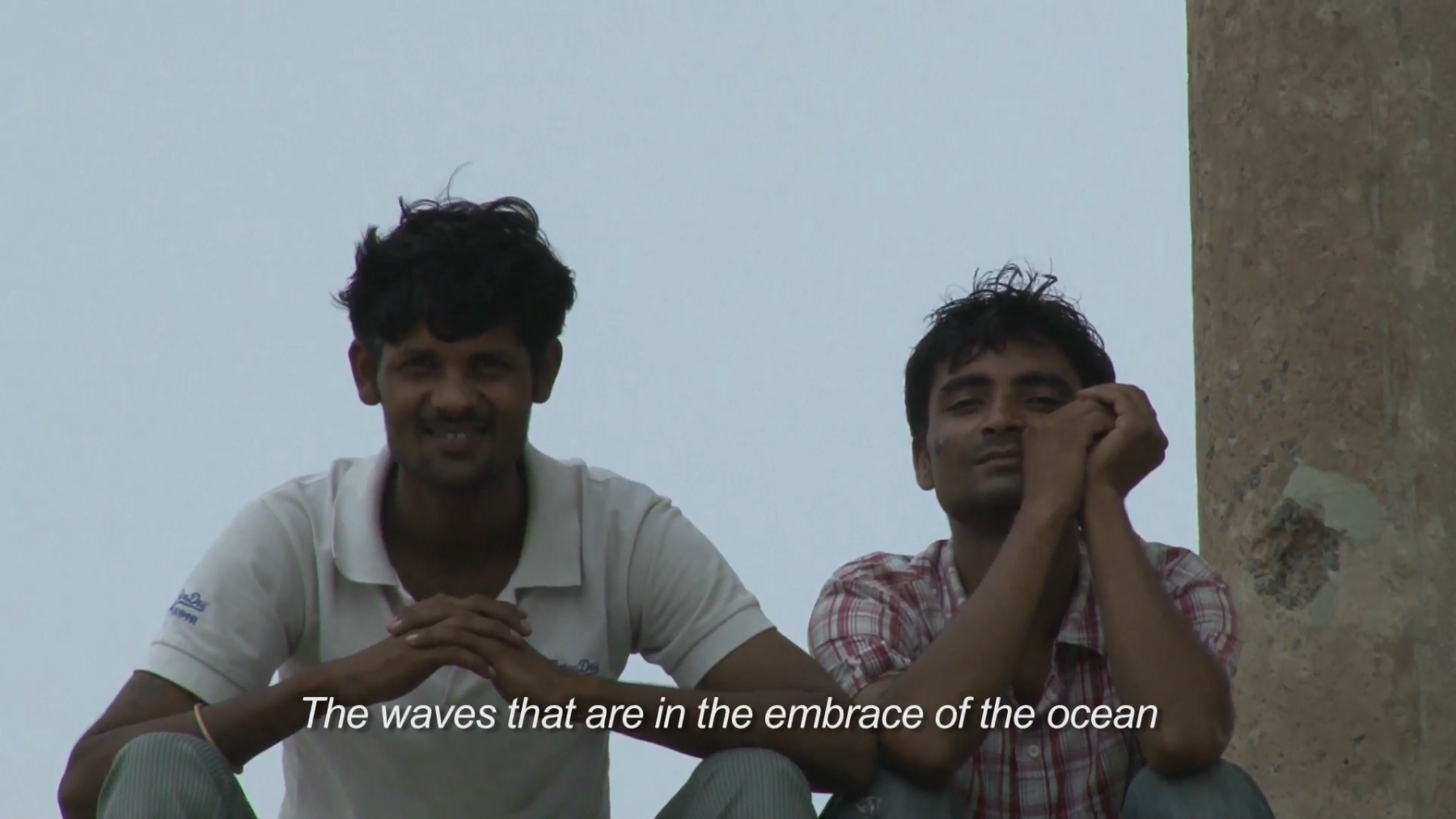
In case you missed the first part, read it here.
To learn more about artists exploring the precarious lives of youth in India impacted by exploitative socio-economic structures and marginalised terrains, read Kshiraja’s conversation with the directorial team of Mann ka Thela (Mind the Cart, 2024), Nikita Jain’s documentation of protest in Bastar led by Adivasi youth, Ishtayaq Rasool’s reflections on Ashish Pandey’s Noorey (2018) and Annalisa Mansukhani’s essay on Achal Mishra’s Dhuin (2022).
To learn more about films exploring the intersection of caste and masculinity, read Sumaiya Mustafa’s two-part essay on Mari Selvaraj’s Bison Kaalamaadan (2025), Prabodhan Pal’s two-part essay on the convergence of Marathi cinema, caste hierarchies and Hindu nationalism and Steevez’s reflections on films screened at the PK Rosy Film Festival 2025.
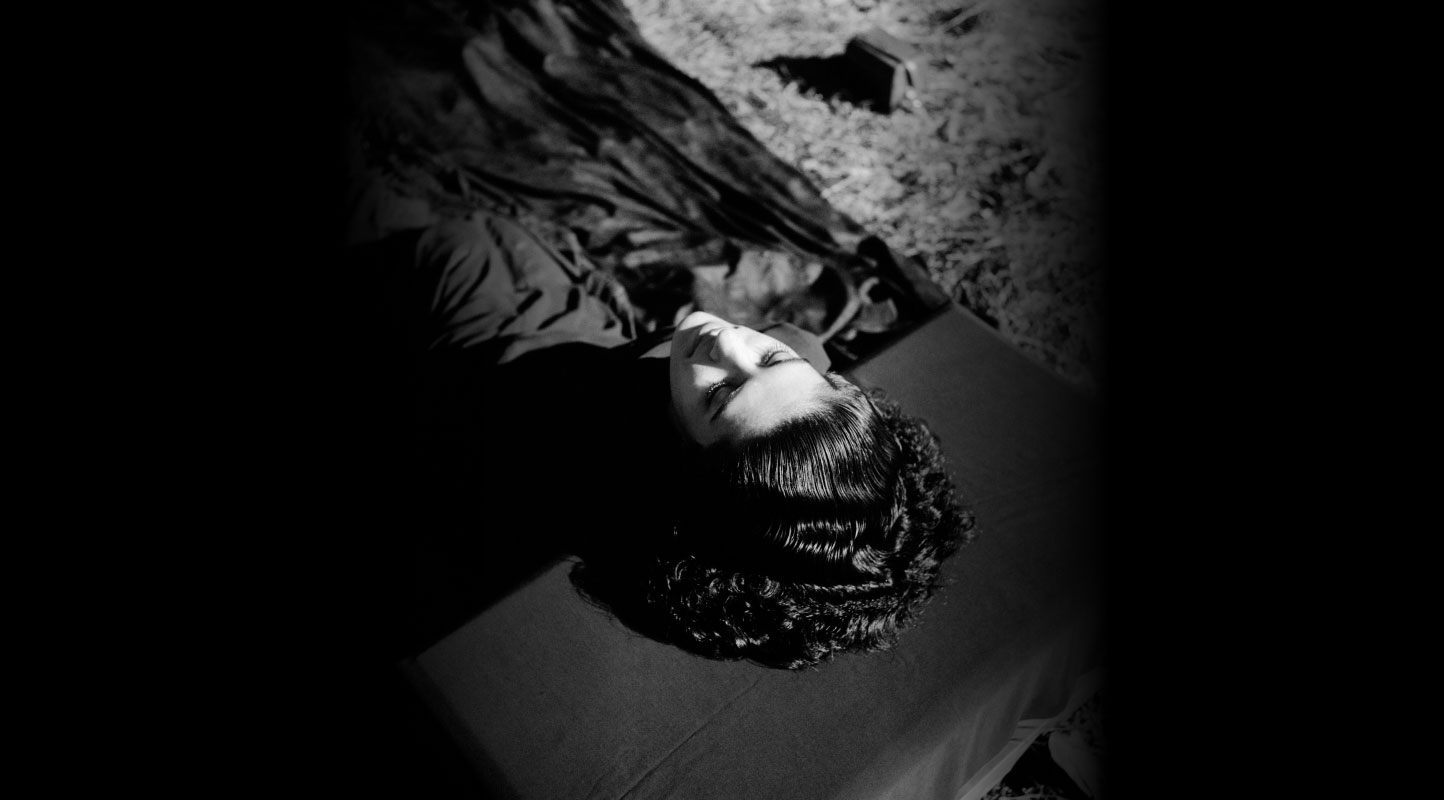
All images are stills from Mod (The Turn, 2016) by Pushpa Rawat. Images courtesy of the director.