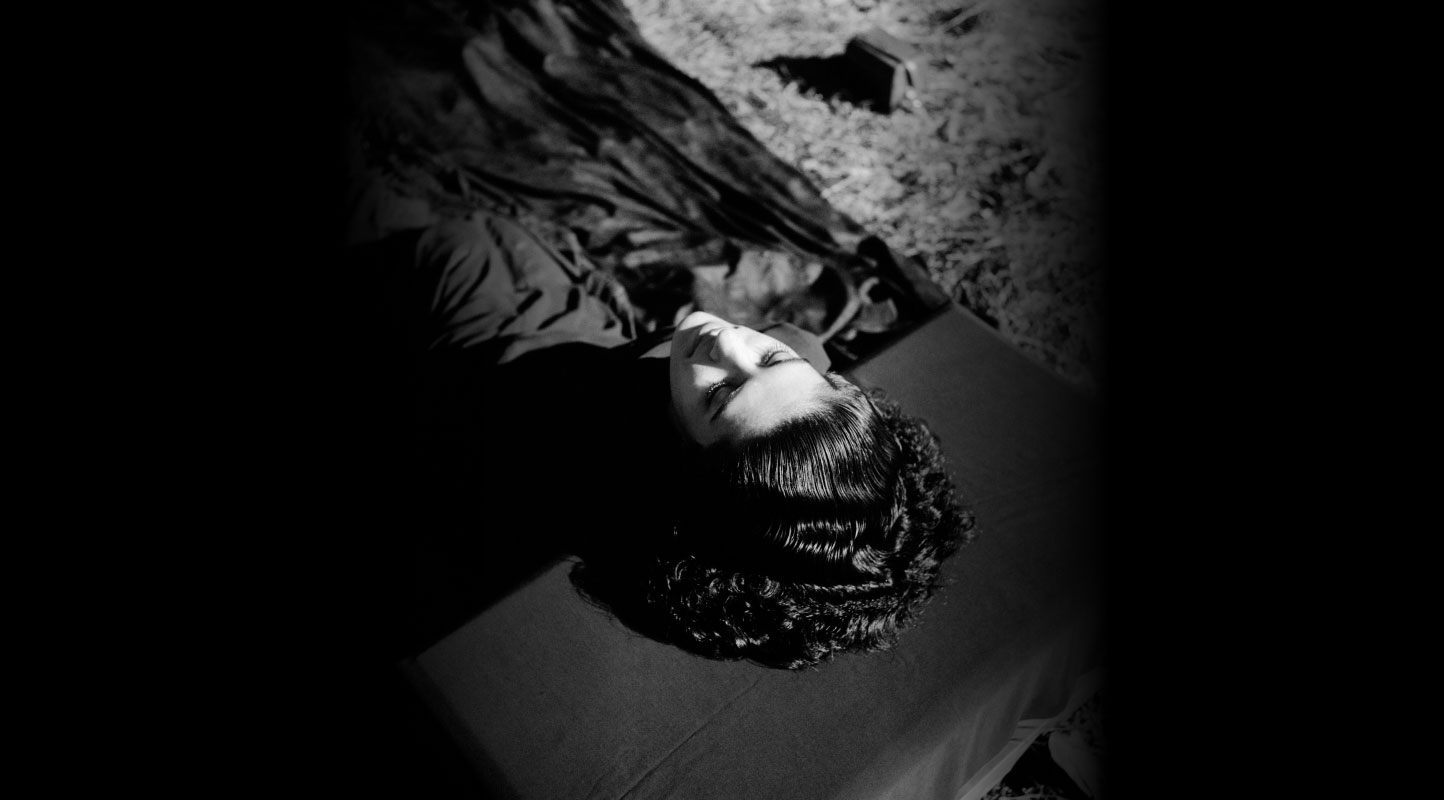


Bison Kaalamaadan: Kabaddi, Caste and Landscape
Mari Selvaraj’s Bison Kaalamaadan (2025) is a (Tamil) biographical sports drama based on kabaddi player Manathi P. Ganesan. From southern Tamil Nadu's Manathi village, Ganesan is an Arjuna Award winner and was a pivotal player in India’s win in the 1994 Asian Games in Hiroshima, Japan. Bison opens up not just the splendours of kabaddi but also contributes to a yet-nascent sub-genre in Tamil cinema—the experience of Dalits in sports and the fragility of caste tensions between non-Brahmin groups in the region.
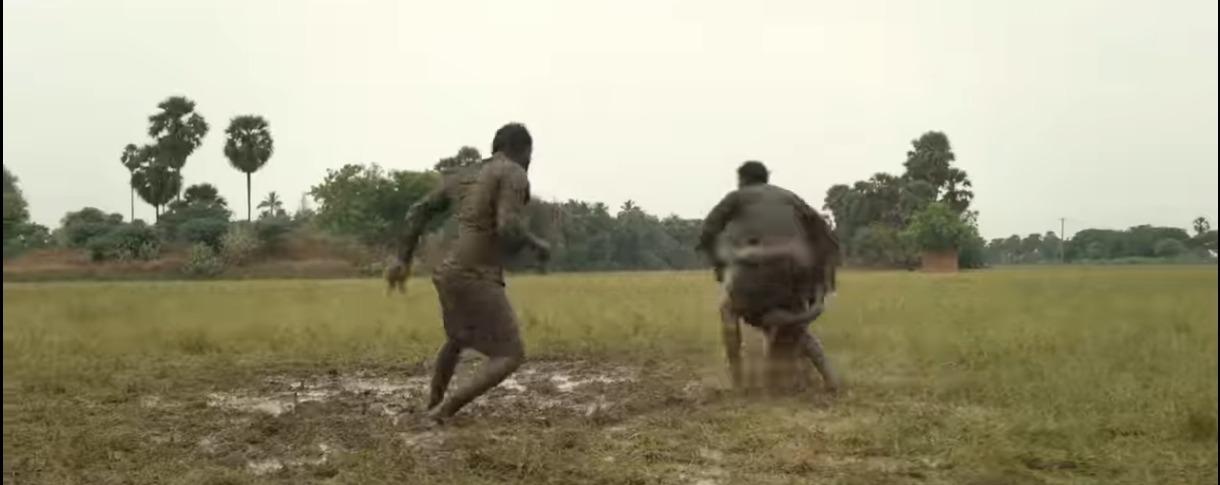
Where Mari’s Bison stands out is in the pitch where his stories are firmly erected—the locale, the setting, the backdrop, his oor. In Tamil, oor is the word for a place which is interchangeably used to mean the countryside as well. Mari’s oor, in Bison and in all his films thus far, are the southern low-lying agricultural lands near Tirunelveli in Tamil Nadu from where he hails. So in his films, it is difficult to say if the story is happening in the oor or whether the oor is the story. It is not new for creators like him to be committed to place and setting; for instance, Shyam Benegal’s Deccan and Satyajit Ray’s Bengal crystallised into an aesthetic because their love for their places was a part of them and their filmmaking. The southern districts—with the landscape and their distinct Tamil dialect—have been used in Tamil films for too long to create the mood of rusticity, innocence and violence in the same frame at the same time. From Mani Ratnam’s Roja (1996) to his Thug Life (2025), urban filmmakers—with little clue about the layers of life, people and domesticity in the southern Tamil country—had only used the region as a context. Mari is quite unlike his predecessors; his Tirunelveli and its interior low-lying agricultural lands are the cornerstone of his films.
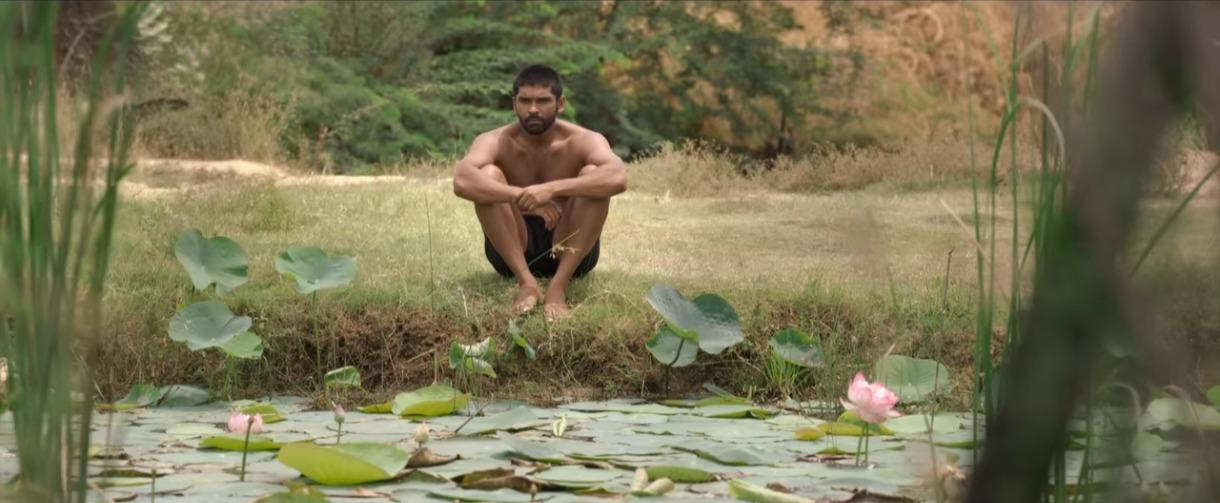
Set in the 1980s, Mari has installed his film’s protagonist Kittan (Dhruv Vikram), inspired by the real-world kabaddi veteran Manathi Ganesan, into the latter’s natural world. This is where Mari distinguishes himself from others. His frames of farms are not aerial (or not over the surface) views. Rather, his pitch is the gap between the patches of crops in a farm, where the dirt is. The soil is a dark grey colour where Kittan is coached, where he catches his butterflies or where he rolls over his romantic interest Rani (Anupama Parameswaran). Kittan hovers between confusion and indifference with reference to the bloodshed around him over feuds and caste. It is this very reason that Kittan’s father Velusamy (Pasupathy) builds a protective embankment virtually over the former’s body, first by keeping him away from kabaddi and later from violence.
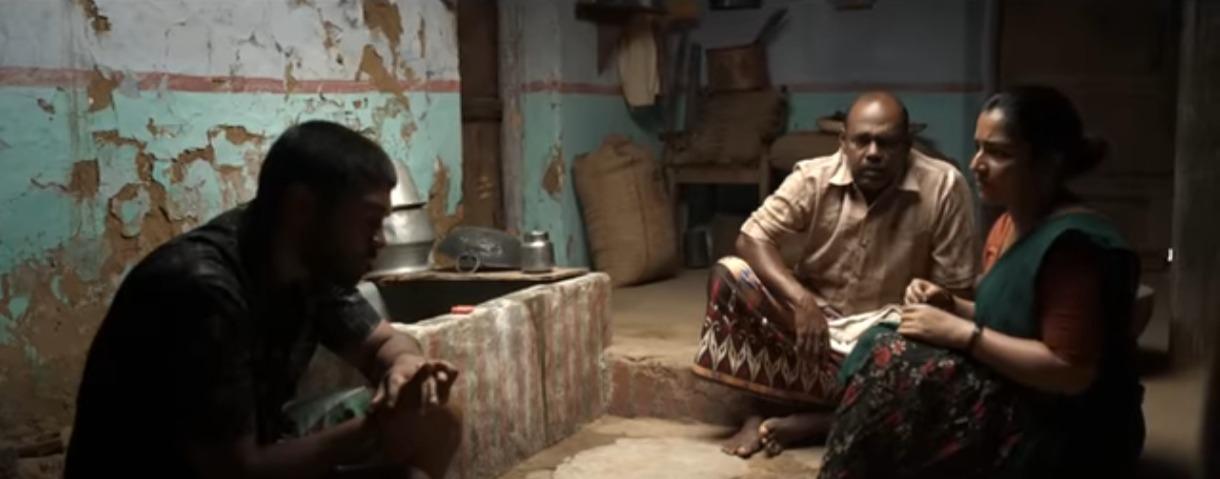
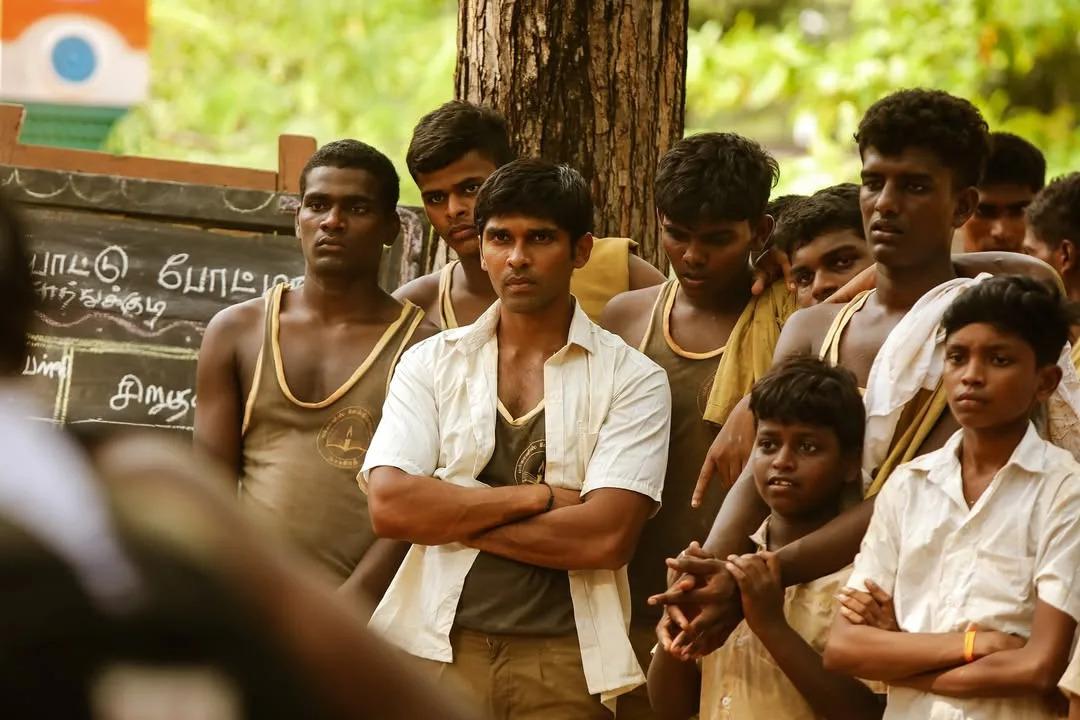
Kittan is also a daddy’s boy through and through. His fanatic love for kabaddi is not just his but collective. Velusamy’s dialogue “Yaarku thaan kabaddi pidikadhu? Enga oor naaikum poonaikum than pidikkum” (Who isn’t fond of kabaddi? Even the cats and dogs of our villages like the game) reveals a secret: of kabaddi as a culture in the quotidian of the agricultural communities in southern Tamil Nadu. It is a lesson in ethnography for the audience to learn of the weight of kabaddi in the culture. Velusamy says this to the PT teacher Santhanaraj (Madhankumar Dakshinamoorthy), who helps Kittan segue into a new life—from his village to Arjuna Award—as he was the first to discover the talent in Kittan. The exchange between the unwilling father and overtly enthused teacher takes place in the Margoschis school in Nazareth—a small town built by the missionaries and local philanthropists which was the fulcrum of education and healthcare until the 1990s in the sub-region of Tirunelveli.
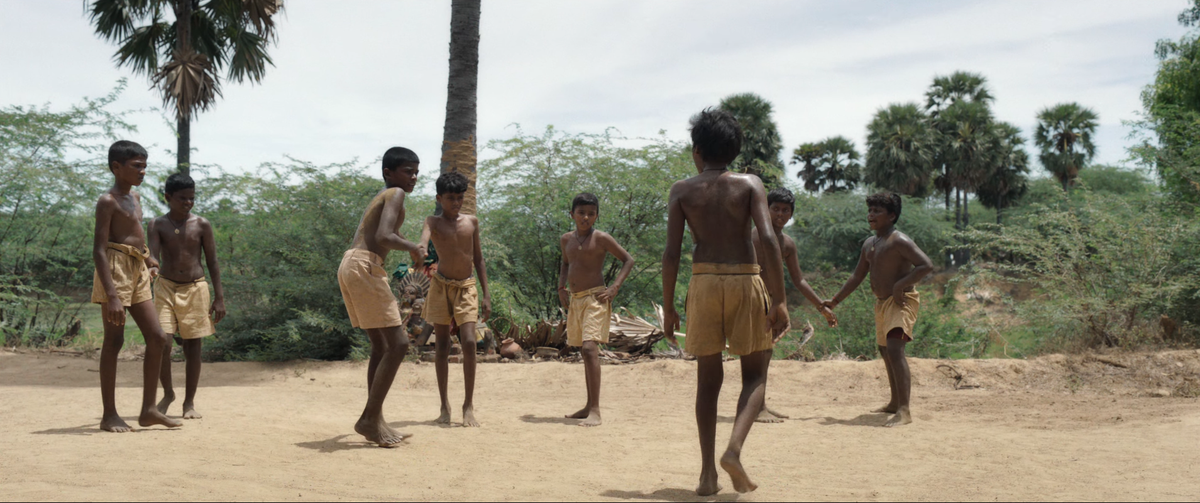
The role of the missionary schools associated with the diocese of Tirunelveli has been life-changing for several families in the region. The overt presence of the Anglican Church in the Tirunelveli region boomed into institution building. Nazareth, where Kittan’s (and Manathi Ganesan’s) Margoschis school is, is one among several model towns built by Protestant missionaries in the eighteenth and nineteenth centuries. We may have several critiques of what Christian missionaries called "enlightenment" but in Tirunelveli and its many villages, missionary schools were nothing less than the seeds of a new kind of social innovation, becoming tickets to escape caste oppression. The ones who greatly benefitted from this were the community of Nadars or Shanars—Shudras in the caste hierarchy, the traditional toddy tappers in the region. In Saints, Goddesses, and Kings (1989), Susan Bayly describes how “the Shanar toddy tappers and other low ranking agricultural groups of the Tamil country come to be hailed in missionary circles as one of the largest and most successful ‘mission fields’ in the subcontinent.” And in his The History of Christianity in India: Tamil Nadu in the Nineteenth and Twentieth Centuries (1990), Hugald Grafe writes: “Nadars had emerged as one of the earliest groups who rose from social lowliness to occupy places formerly reserved for Brahmins.” Thus, although the Shanars/Nadars, as Shudras, previously suffered the brutalities of caste order, today, they have overturned it through several community-level reorganisations, businesses and educational developments to imitate their very oppressors.
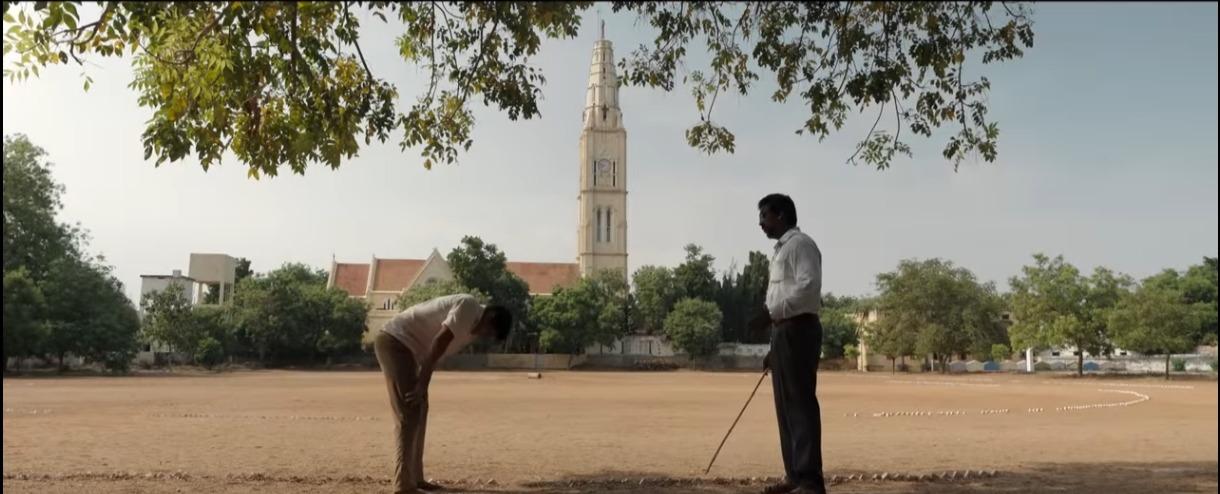
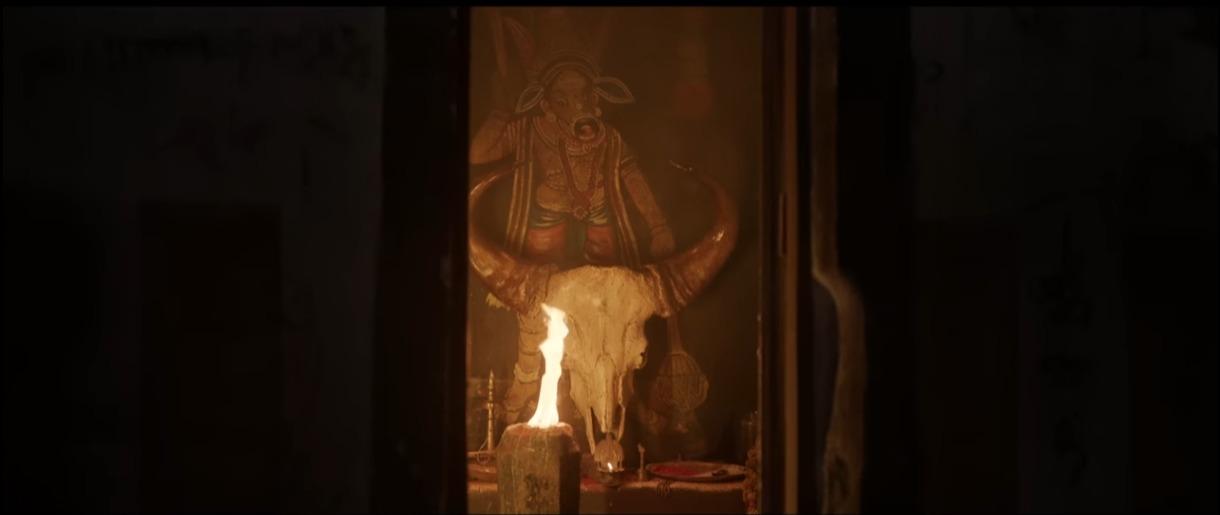
In Bison, this is reflected through the character of the PT teacher—a Nadar Christian, a characteristic of upward social mobility. For instance, there is a framed photo of former CM Kamarajar in the PT teacher’s home. He also casually responds by calling a bison head a bison head, unlike Kittan, who views it as his deity “Kaalamaadan.” The teacher simply says: “It is a bison head which my brother in the forest department brought home.” This seemingly simple dialogue implies two things: his departure from his ancestral animistic beliefs and the subsequent power-yielding bureaucratic positions the community has access to now with missionary-led education. However, the presence of the Kamarajar photo, nevertheless, indicates his holding onto his caste, as Nadars use the image unsparingly as a communicative expression of their caste position.
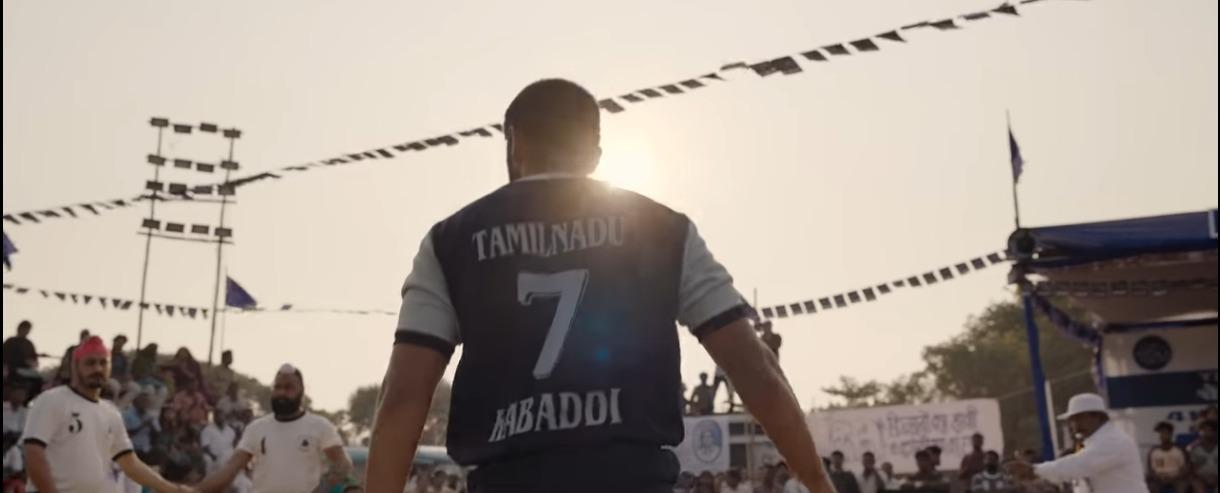
The PT teacher is Kittan’s only shelter outside his own family. The fact that he is from the dominant caste group that otherwise crushes the chances of the likes of Kittan can be read as giving the message “Not all are casteists” like “Not all men.” Kittan’s kabaddi is a journey where we see that talent is only a supplement, not the sole determinant, in achieving dreams in a Dalit life. In the context of Kittan's village and surroundings that are crafted by caste tensions, violence is not an option but a social necessity for survival. We know it from his father Velusamy who carries a knife all the time after Kittan starts taking kabaddi seriously. Gifted sportsmanship for a Dalit is dangerous in a setting like Bison’s terrain. It is an unusual region where social reorganisations and economic upliftment of once oppressed groups give way to impersonating the oppressor upon reaching the other side of the arc—a reality to which Kittan’s dreams and passion were susceptible. But how he rescued his game from caste oppression is the major part of his story, which is further explored in the second part of this essay.
To learn more about Nadars and Shanars, read Mallika Visvanathan’s conversation with Sumaiya Mustafa on her project Culinary Cosmopolitanism Through Parotta Shops of Rural and Coastal Tamil Nadu (2025).
To learn more about films exploring social dynamics through sports, read Sujaan Mukherjee’s essay on Bani Singh’s Taangh (2021) and Vishal George’s reflections on Mohammed Jassim’s Bar Saar (2023).
To learn more about caste dynamics in South India, read Steevez’s essay on Tamil cinema as a tool for social justice, an episode of In Person featuring Mahishaa as he discusses his film Babasaheb in Bengaluru (2024) and Stephi Saleth's reflections on the panels hosted at "Verchol," a Dalit Literature Festival organised as part of the Vaanam Art Festival 2025.
All images are stills from Bison Kaalamaadan (2025) by Mari Selvaraj. Images courtesy of the director.