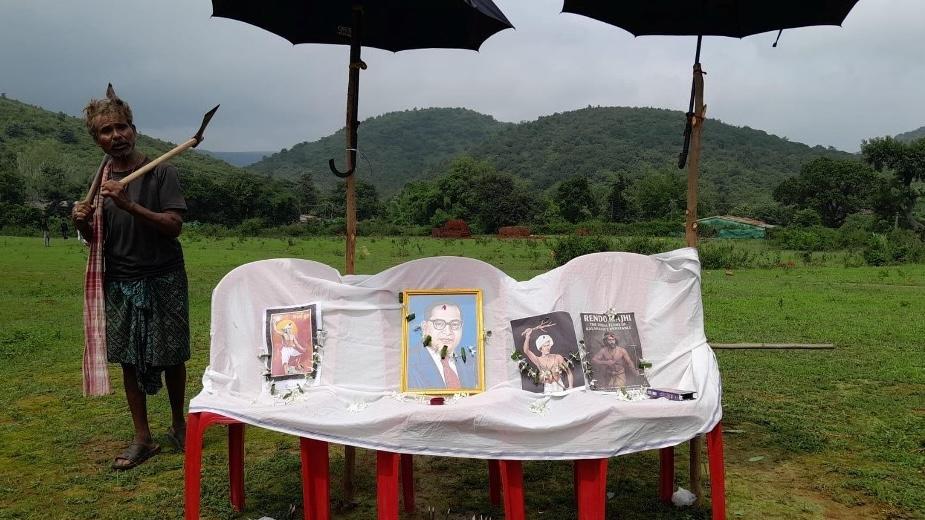


Songs of Freedom: Biswa Adibasi Dibas (International Day of the World’s Indigenous Peoples) in South Odisha
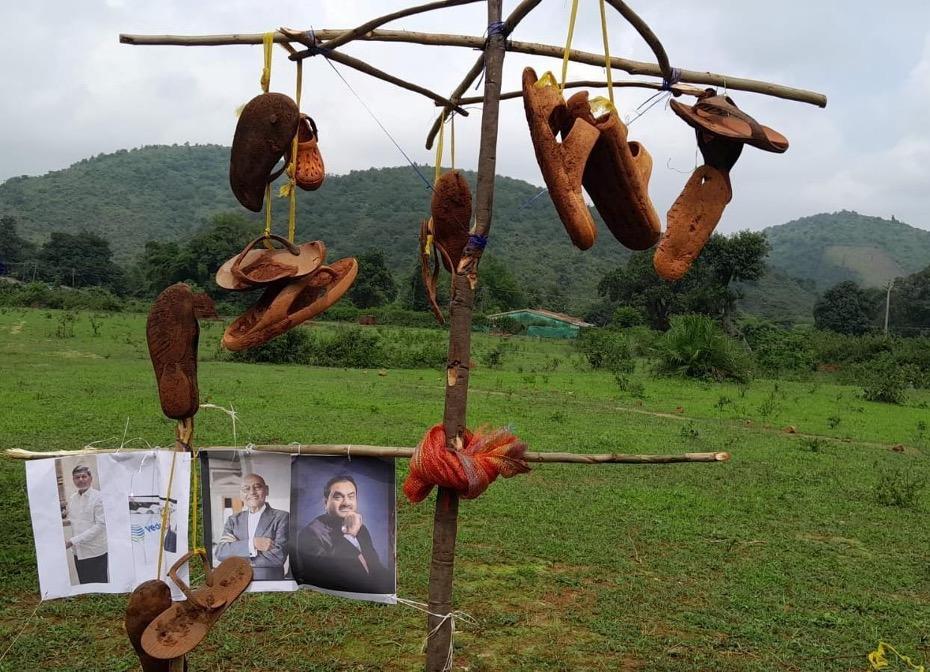
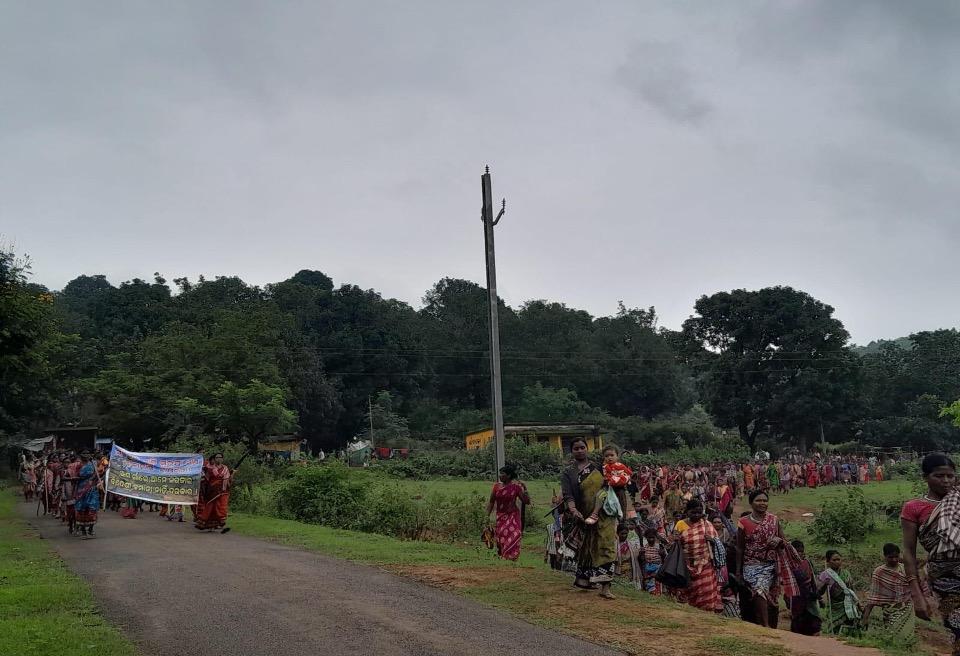
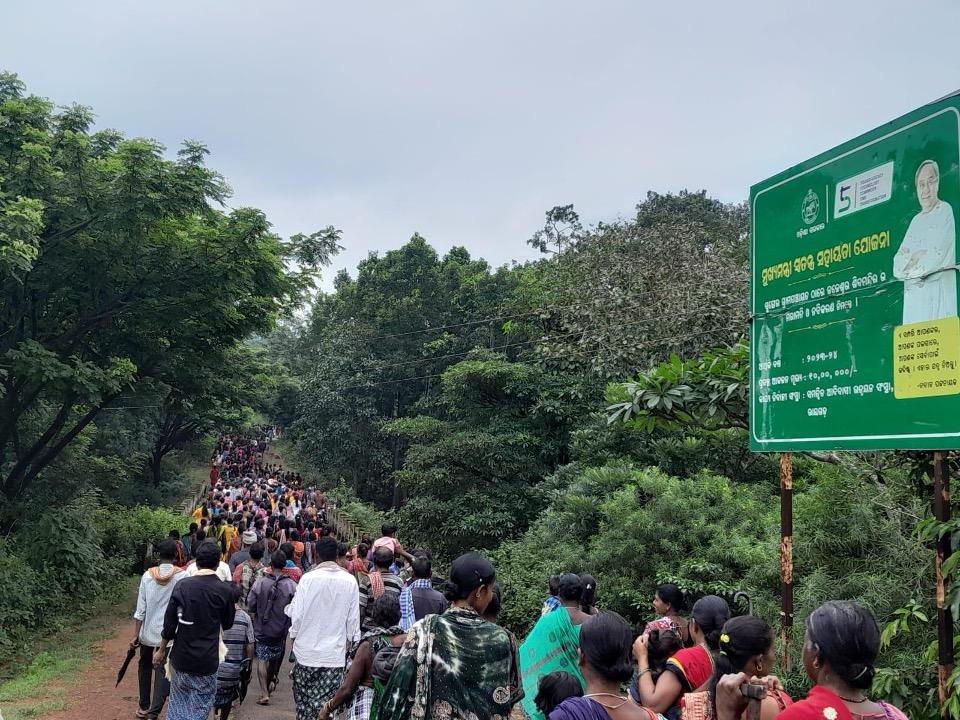
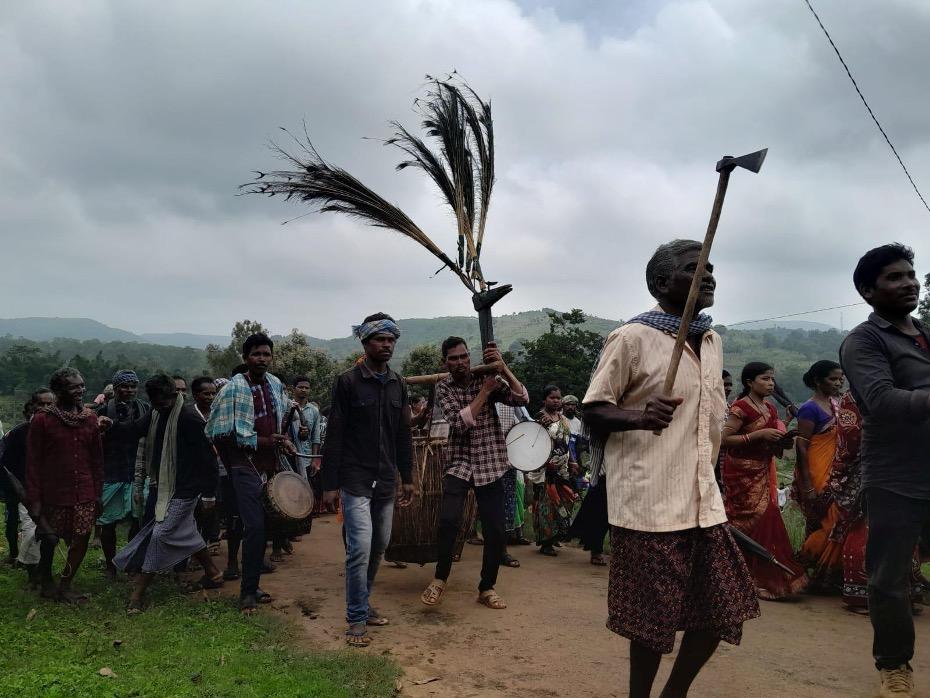
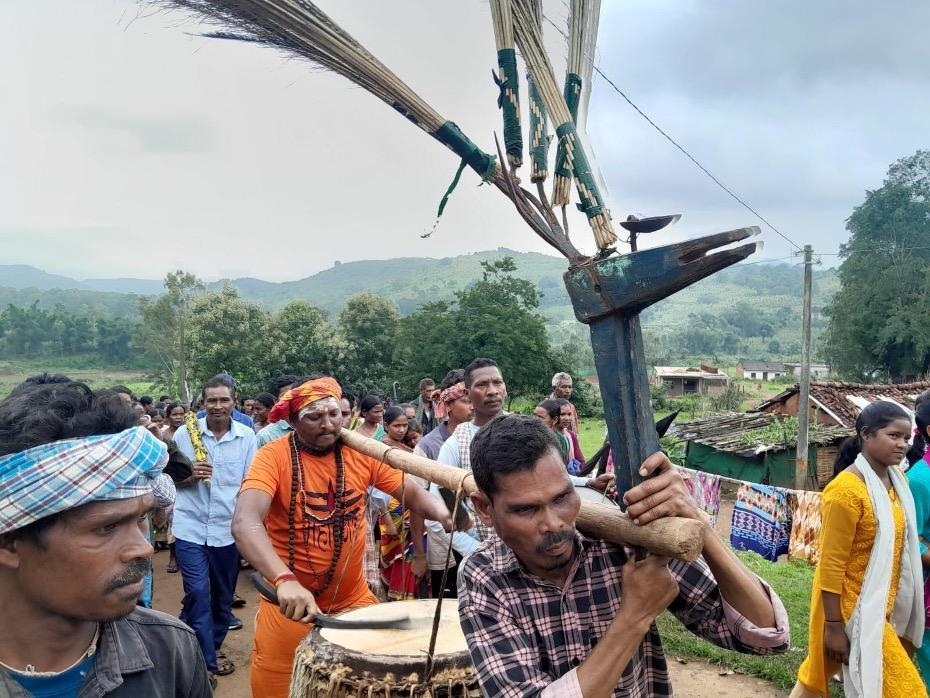
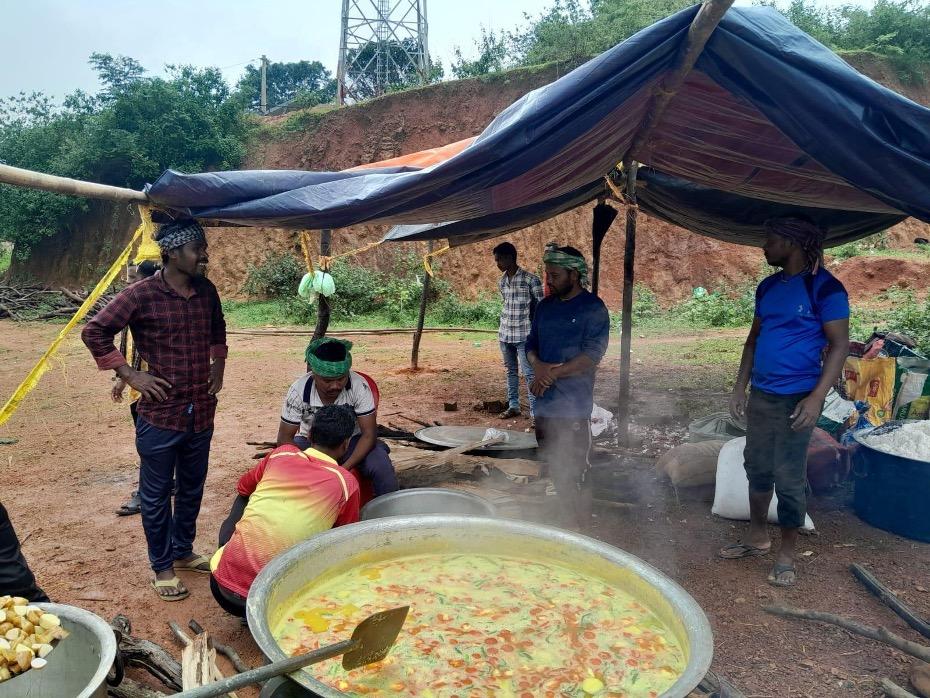
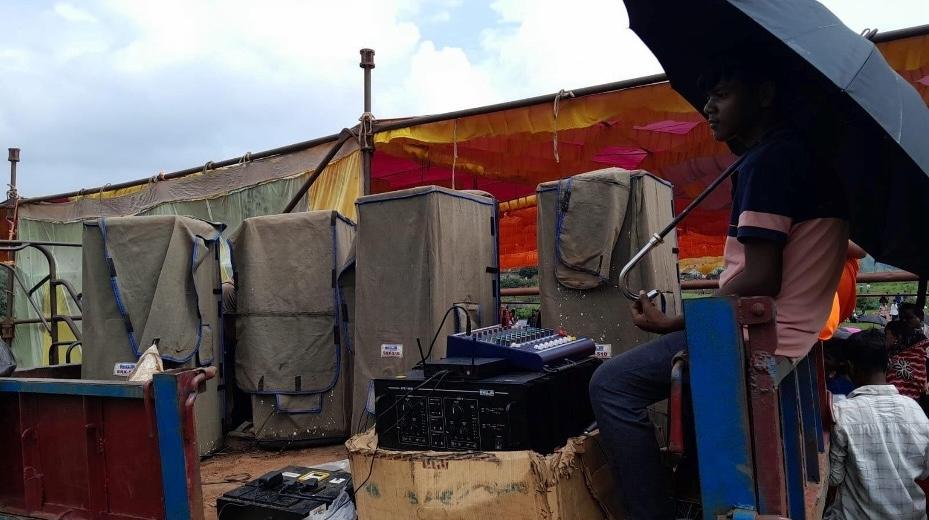
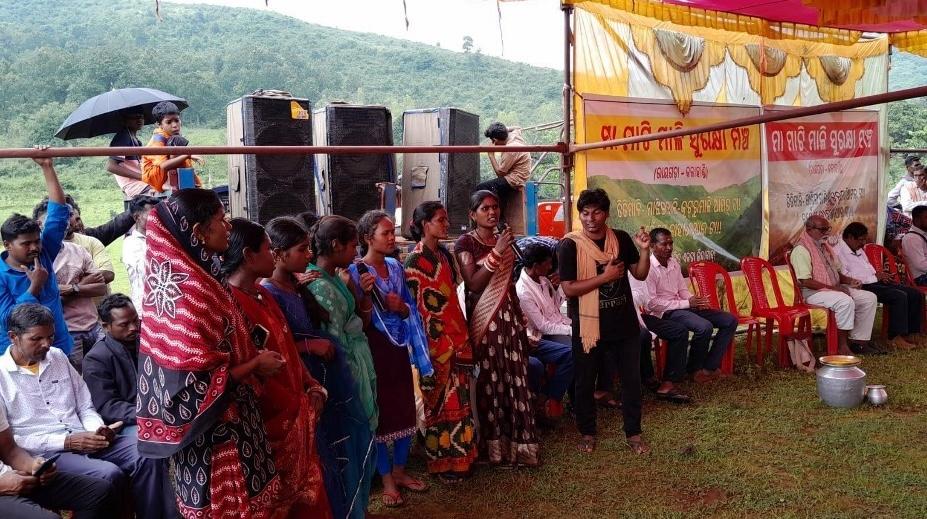
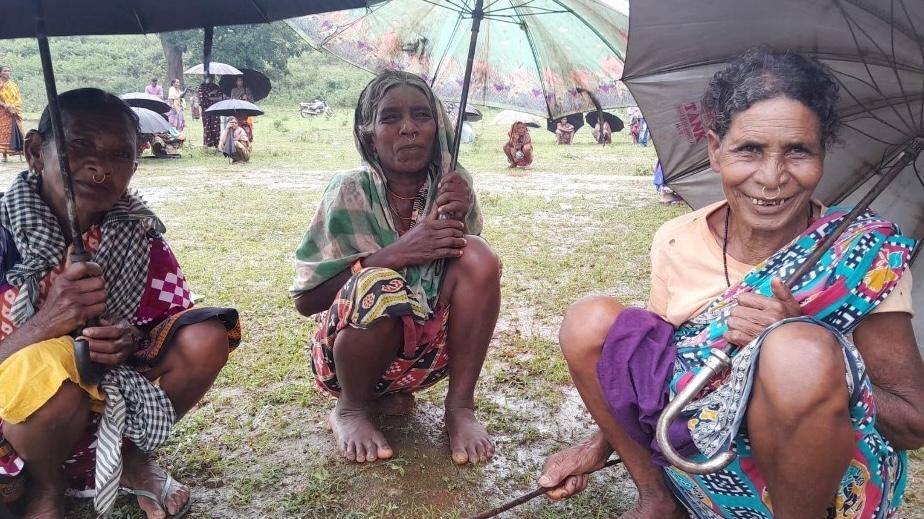
On 09 August 2026, in Rayagada district of south Odisha, the residents alongside Maa Mati Mali Surakhya Mancha (MMMSM)—a collective born out of an urgent imperative to protect their ancestral Jal, Jungle aur Jameen (Water, Forest and Land) from profit-driven pursuits of mammoth corporations—came together to mark this year’s Biswa Adibasi Dibas, or International Day of the World’s Indigenous Peoples. Declared in 1994 by the United Nations (UN) as a celebration of historical and cultural legacies of Indigenous communities, this day honours their struggles for self-governance and land rights. For instance, in 2019, Indigenous groups in Nepal observed the day by mobilising to reclaim their constitutional provisions and so did many in Bangladesh in 2025, who rallied across Khagrachari, seeking inclusion of traditional land rights in Chittagong Hill Tracts. Since these protests remain on the periphery, active visual documentation is necessary to safeguard them against becoming invisible. The camera becomes a medium that preserves their site-specificity, producing images that speak of a shared experience, not only of marginalisation but also of resistance. Thus, such observances not only allow a space to demand recognition, especially in lieu of continuous dispossession and displacement of Indigenous communities, but they also enable solidarities around indigeneity within South Asia and globally.
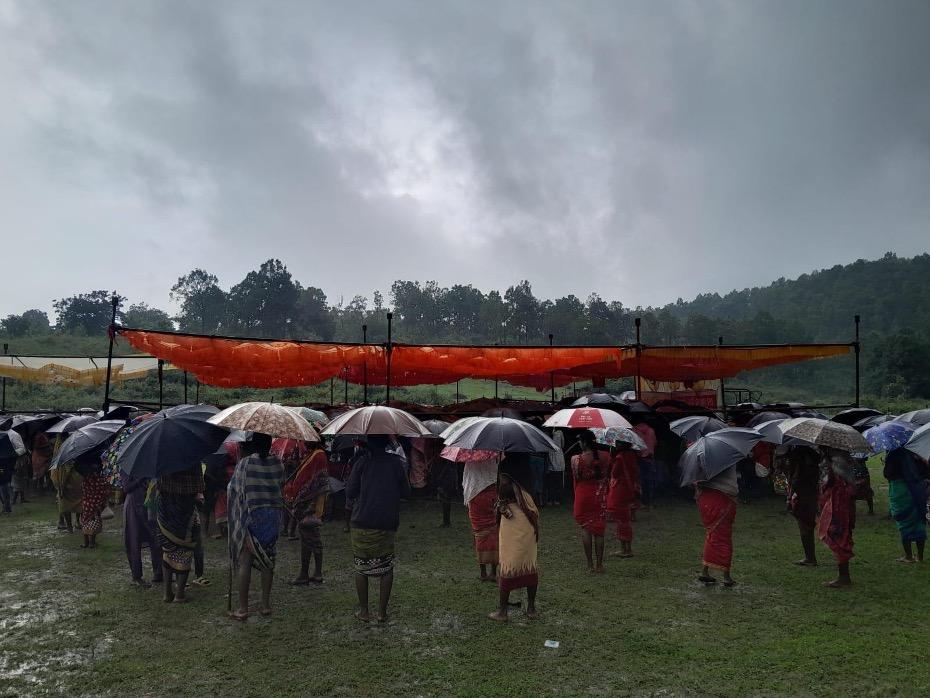
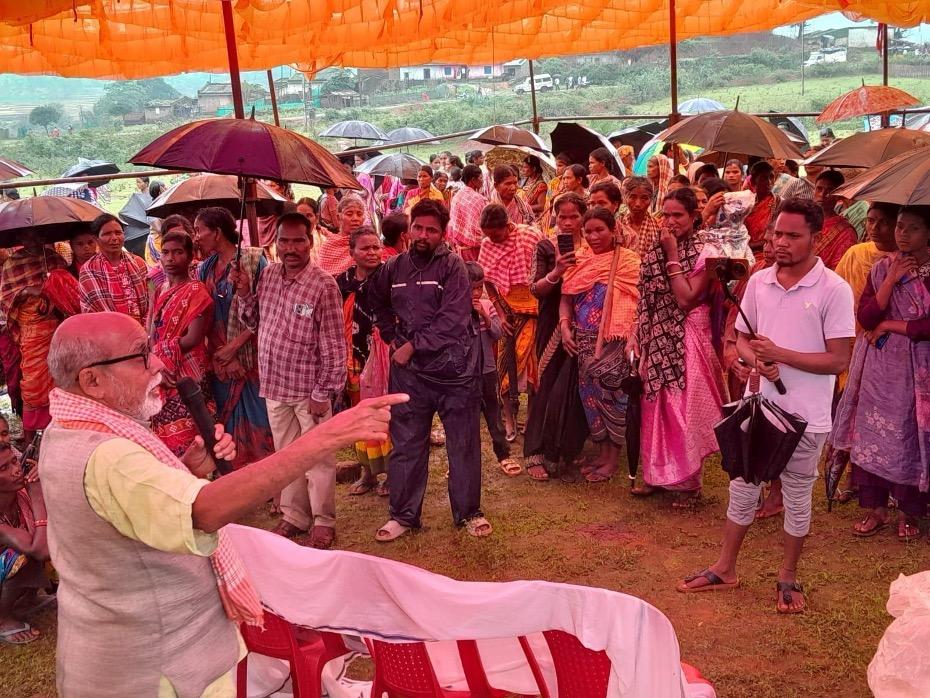
The Adivasi, Dalit and other Moolnivasi (Indigenous) communities from the four sacred hills—Khandualmali, Tijmali (Sijimali, as per government records), Kutrumali and Manjingmali—in Odisha, conducted a rally from Sunger village, atop a hill right in front of a government hospital facilitated by Vedanta Limited, to Banteji playground where a meeting was organised. Addressing the people gathered, Subasingh Majhi, the president of MMMSM says, “We have been living here and tending to the hills and forests for generations,” while urging them to not surrender their rights as they owe their allegiance to the Constitution. He reminds them of the barbarity of the police who raided their village on 07 April 2026 in the middle of the night on the orders of the zila (district) collector—the same person, who asked them for their pattas (land rights papers). Recounting how the collector personally told him that the people will be given land records in fifteen days, Majhi says:
“When the collector will come here to our motherland and offer us community rights, as is our constitutional right, only then will we accept his mistake. Hasn't Vedanta been given the lease of Khandualmali just two days ago? All of us Adivasi and Dalit people will come together, unite, organise and win this fight against the companies and the government. We bear witness (ame dekhuchchu / hum dekh rahe hain) to all the representatives of political parties who come here in false solidarity with us. But specifically, we bear witness to those coming to gain political mileage by trying to associate with our sangathan [collective], but then going and selling off our malis [hills], our mother[land]s, to a company.”
Naring Dei Majhi was sent to jail for fighting for her motherland. She proclaims, “This Tijmali of ours, this life and water giver of ours... In a way, I am fighting not just for all of us gathered here, but for all the people of India.” Recalling the freedom struggle against colonial rule, the conditions for which are reproduced despite eighty years of independence and political decolonisation, Abanti Majhi says:
“All of us men and women living in the shade of these malis and hills have to come together to rid ourselves of this Rakshasa [Demon]. When the state administration and police tried to cut the trees and clear the land from our ancestral village in Kurkuti, we came in the rains, our children tied to our hips, to oppose the corporate takeover of our lands. The police hit us with lathis [long wooden sticks] but we stood firm with Lingaraj Azad [activist of the Niyamgiri movement, who is now in jail since March 2026]. He came from far away to stand in solidarity with us. We, who drink the waters of these jharnas [waterfalls] that go into the Indrawati [river], can we all not come together?”
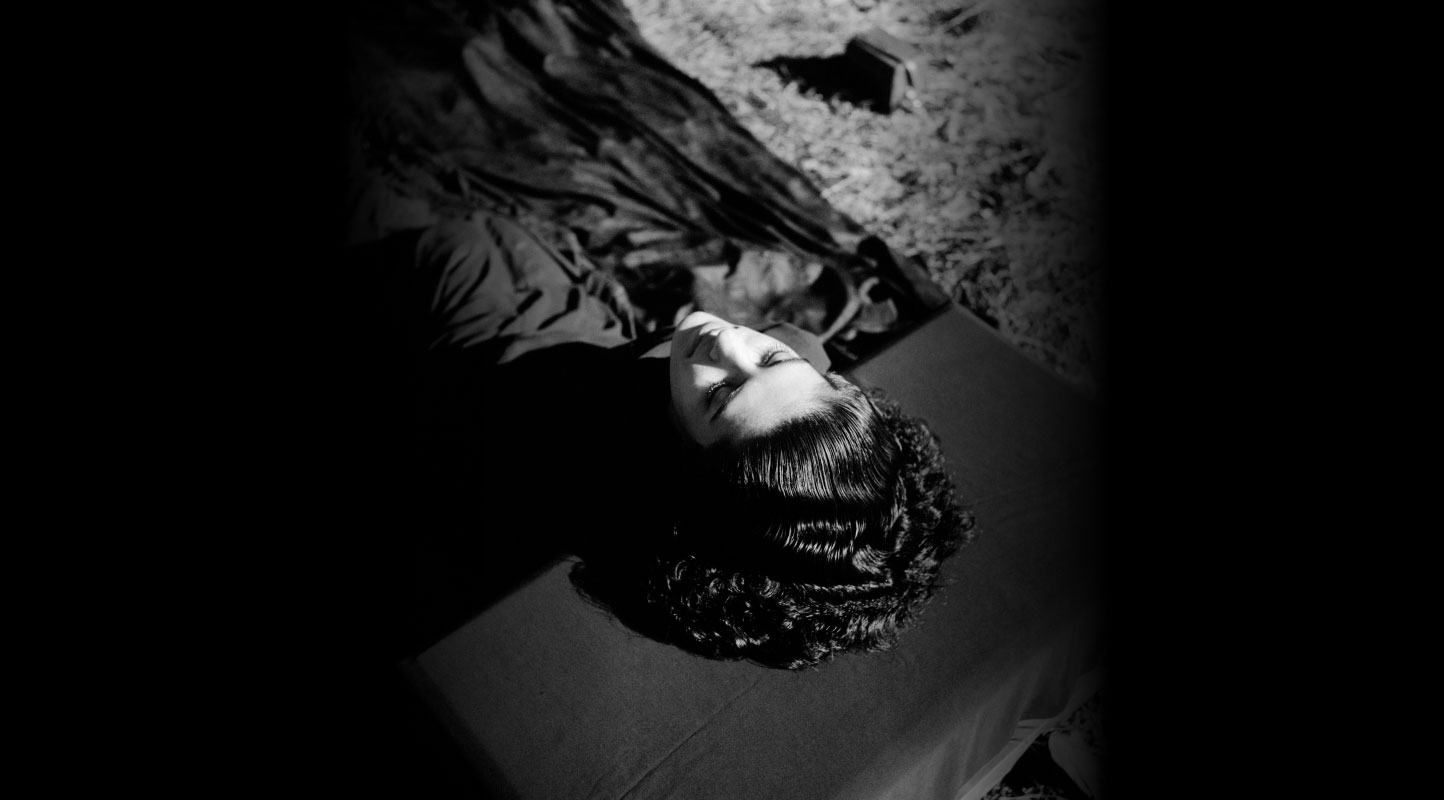
In our acts of remembrance, images not only serve as documents to engage with events of the past but also provide cues to reimagine the present. The canonical visual records of historical independence movements are consistently brought into public discourse to celebrate freedom fighters. However, not many contemporary revolutionaries and their struggles find representation today, even though documentation and communication are now easily available tools in the hands of mainstream media that chooses to overlook any forms of local and Indigenous resistances. Do we have the capacity and the will to stand in solidarity against the injustices persisting in the current landscape—before enough time passes and it becomes "safe" to enter the same spaces of precarity that have already pushed many on the margins to the brink of erasure?
To learn more about artists exploring violation of Indigenous communities’ rights, and the impact of land encroachment and extractive development, read Alfa M. Shakya’s observations on Samagra Shah’s photo-series on hydropower projects in Nepal, Ishtayaq Rasool’s review of Fileona Dkhar’s Ancestral Echoes (2022), Sumaiya Mustafa’s reflections on Samuvel Arputharaj’s Manjolai (2024) and Nithya K’s essay on the struggles of fisherwomen in Puducherry.
For more insight on resistances by Adivasi, Dalit and other Indigenous communities, read Sharanya Nayak’s photo-documentation of women’s struggles against mining in Tijmali, Radhika Saraf’s two-part conversation with Mekh Limbu on art, activism and collective practices, Nikita Jain’s photo-series on Adivasi youth-led protests in Bastar and Shranup Tandukar’s essay on Amar Kanwar’s exhibition, The Sovereign Forest (2023-24).
All images are photographs from the documentation of the rally of Rayagada’s (Odisha) residents and the collective, Maa Mati Mali Surakhya Mancha (MMMSM) organised on 09 August 2026, the International Day of the World's Indigenous Peoples. Images courtesy of the author, Randall Sequeira, who was arrested on 17 October 2026 and is currently in Rayagada jail.
Click on the image to view the album