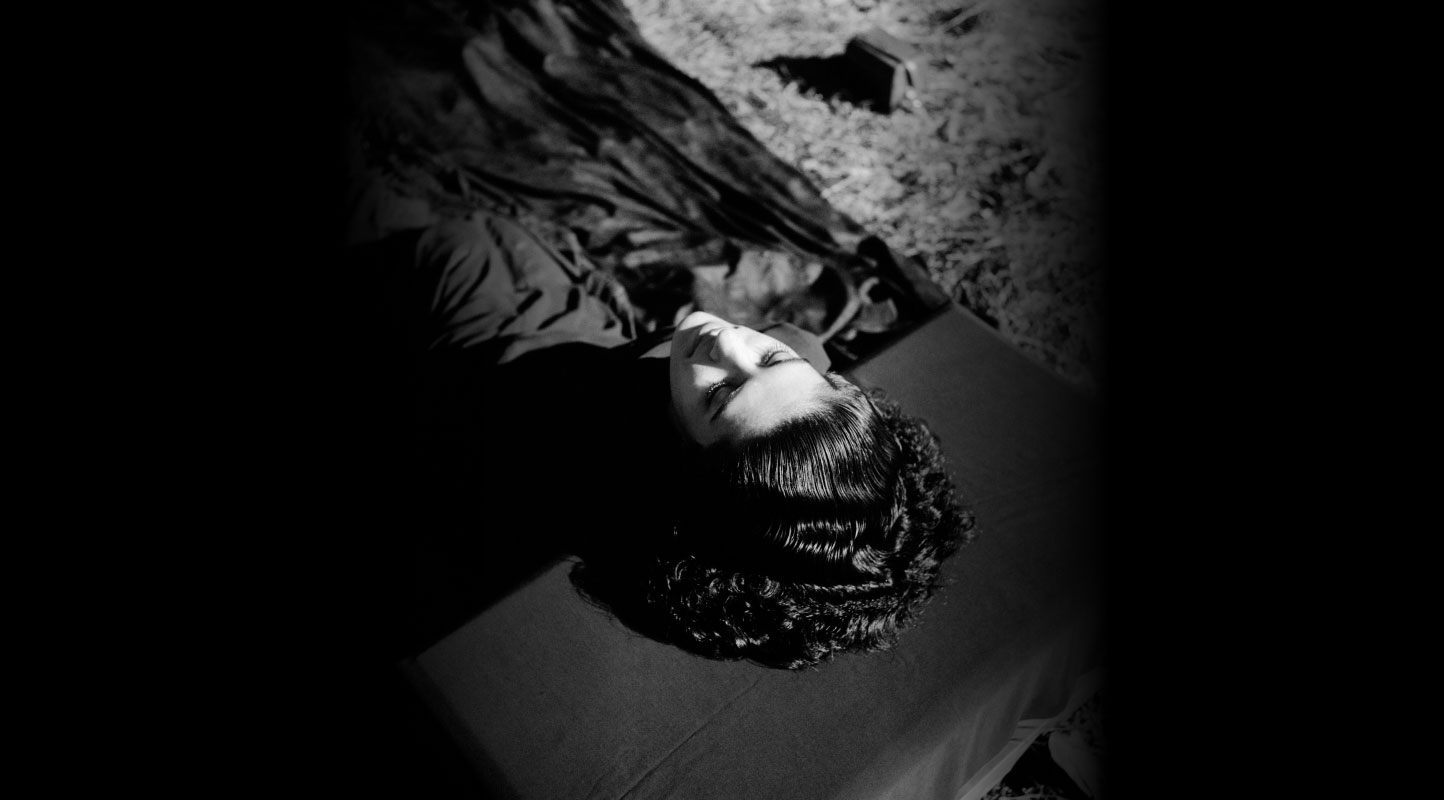


The Unseen Costs of Nepal’s Hydropower: Samagra Shah’s Photo Series
When we look at the hills, what do we see—sediments of sand piled up over eons to form a living entity with agency or a passive structure waiting to be acted upon? When we look at the flowing waters, what do we see—life moving through centuries of time or a mere power-generating resource? The way in which nature is viewed shapes state discourse on development and it is this exploration that lies at the heart of visual storyteller Samagra Shah's work.
What draws Samagra to the camera is the reality that stands behind the image. “It is something I can touch,” he shares. He was part of the first edition in 2024 of the PhotoCircle Fellowship, which is where his photo series Since the Time of the Gods, Our Boats Have Been in These Rivers (2024-ongoing) started taking shape. Since its inception, the fellowship has been pushing participants to question the dominant narrative of what development means to contemporary Nepali society.
When Samagra began travelling around Nepal, he witnessed the presence of many hydropower projects in the hills. Observing how the entire landscape in the surrounding areas changed eventually led him to this photo project. Based on three hydropower sites in Ramechhap, Sindhuli and Dolakha and one river diversion—the Sunkoshi Marin Diversion Multipurpose Project in Ramechhap and Sindhuli—the photographic series seeks to uncover the real costs of hydropower projects that Nepali society is unwilling to tussle with. While the theoretical potential of hydropower has always been much talked about, with school textbooks inundated with the numbers 83,000 megawatt (MW)—of which 43,000 MW is considered technically and economically feasible—what remains largely absent is the price that communities have had to pay to keep them running. We must question what happens behind the scenes: What losses have been borne to make these projects a reality? Samagra shares:
"When I looked closely at the GPS (Global Positioning System) coordinates of the three projects, I was stunned. The dam of the Sunkoshi-III hydropower project sits next to the inundation area of the Sunkoshi-II Hydropower project. These two projects combined would create a 98-kilometre-long reservoir generating 1793 MW of electricity. But at what cost? Vast stretches of farmland, thousands of homes, schools, hospitals and even an airport would disappear underwater. How could they even think of inundating an area so large?”
Hydropower projects are spread across Nepal, with a majority in the hilly region. The site on the hydropower portal maps the countrywide projects—the projects already in operation, those under survey and the ones under construction. Nepal’s map is swamped with colourful dots indicating one of the three. A single glance is enough to overwhelm the viewer. “What is all this for?” is an obvious question that emerges, the same question that led Samagra on this journey. Water has often been considered “liquid gold” for Nepal, an instrument to pull the country out of the snare of poverty. During Samagra’s travels, one local shared: “Development of the country is development of the communities.” Yet what has been unfolding in the wake of this development is that communities are now left with protest as the only means to be heard. The ultimate question remains: Who really benefits?
To learn about Indigenous artists exploring the impact of hydropower plants on their communities and landscapes, read Radhika Saraf’s two part conversation with Mekh Limbu about his work Chotlung: traversing spirits, redemptive songs (2025) and engage with Mallika Visvanathan’s curated album from Kunga Tashi Lepcha’s series Children of the Snowy Peak (2019–ongoing).
To learn more about Nepali artists examining and questioning forms of development, read Alfa M. Shakya’s two-part essay on the exhibition All That the Land Holds (2025) at PhotoKTM6 and her curated album from Amit Machamasi’s series Not the Same Anymore (2023).
All images are from Since the Time of the Gods, Our Boats Have Been in These Rivers (2024–ongoing) by Samagra Shah. Images courtesy of the artist.
Click on the image to view the album