

On Vriti, or Ancestral Legacy: The Vanishing Pata Textile Tradition of Kotpad and Bastar
The Pata textile tradition of Kotpad in the Koraput district of Odisha bears the story of Adivasi lands, people and culture, and shares a socio-cultural and geographical boundary with the Bastar district, where a similar weaving practice exists. Pata, the local term for textiles, comes from the Halbi language and refers to the ritual cloth used by Adivasi social groups—such as Gond, Durua, Maria, many Dalit communities as well as royalty—in respective kingdoms regardless of the hierarchies within the structure. However, the weavers who produce these textiles belong largely to Dalit and OBC (Other Backward Class) communities.
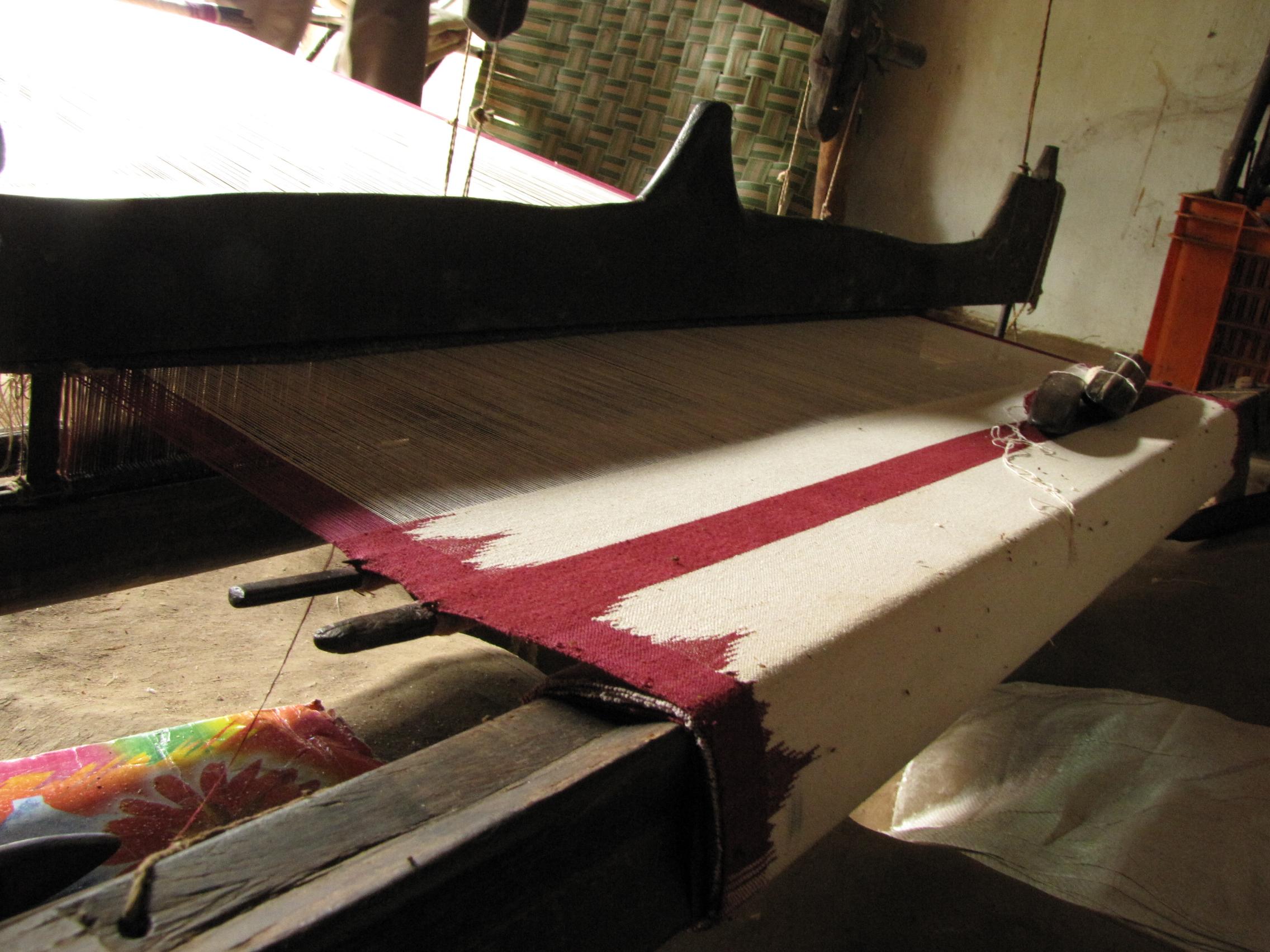
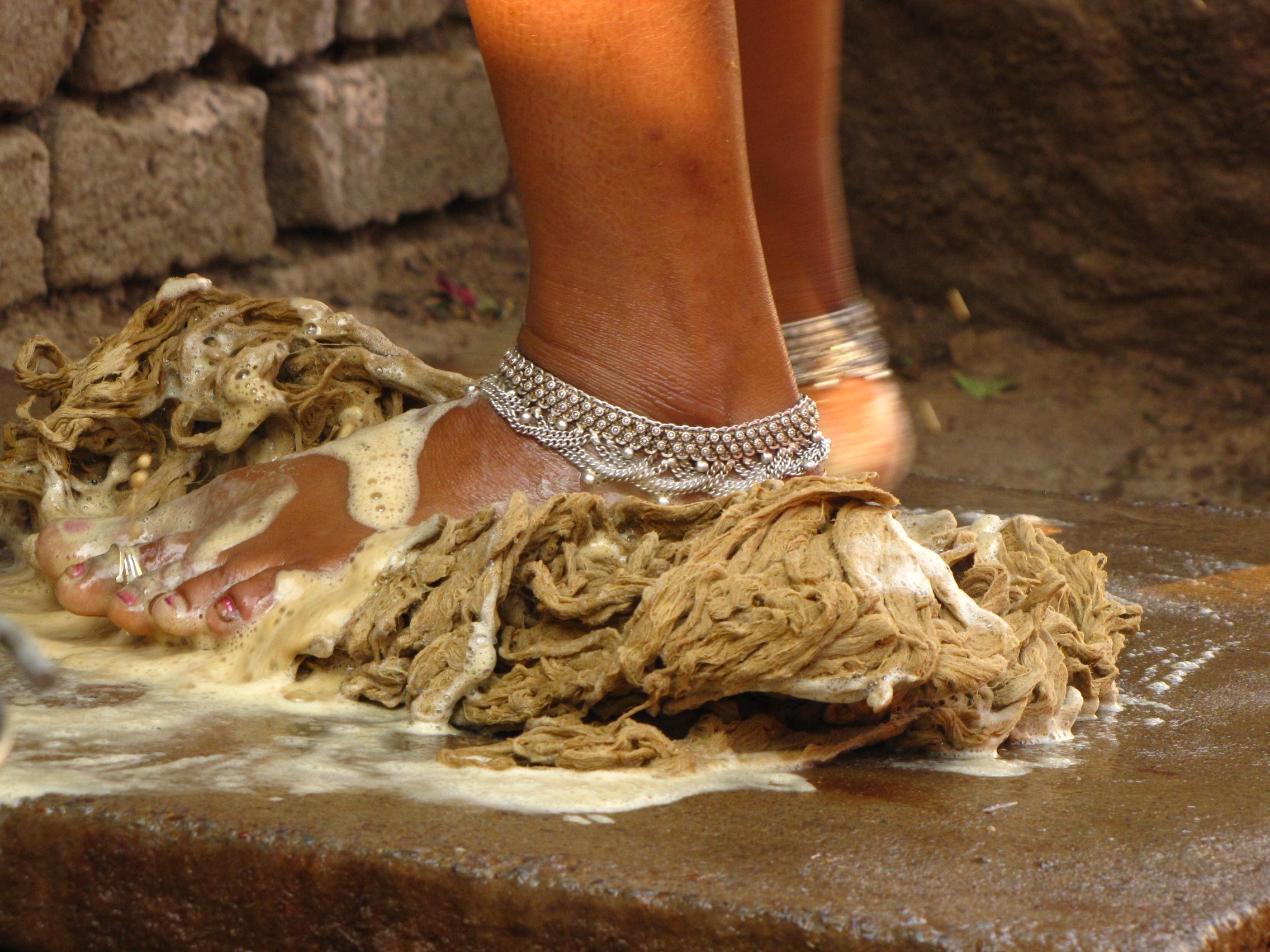
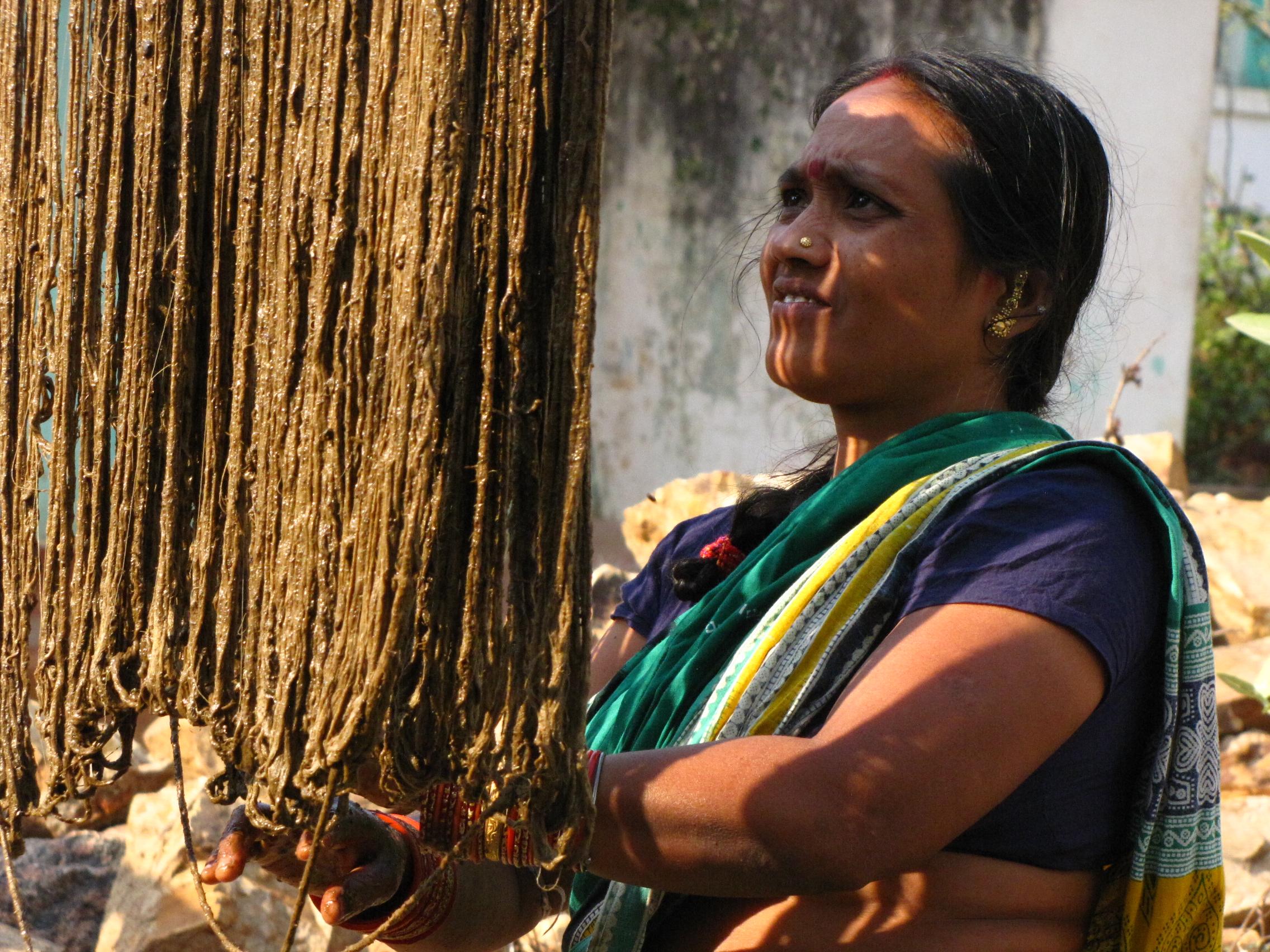
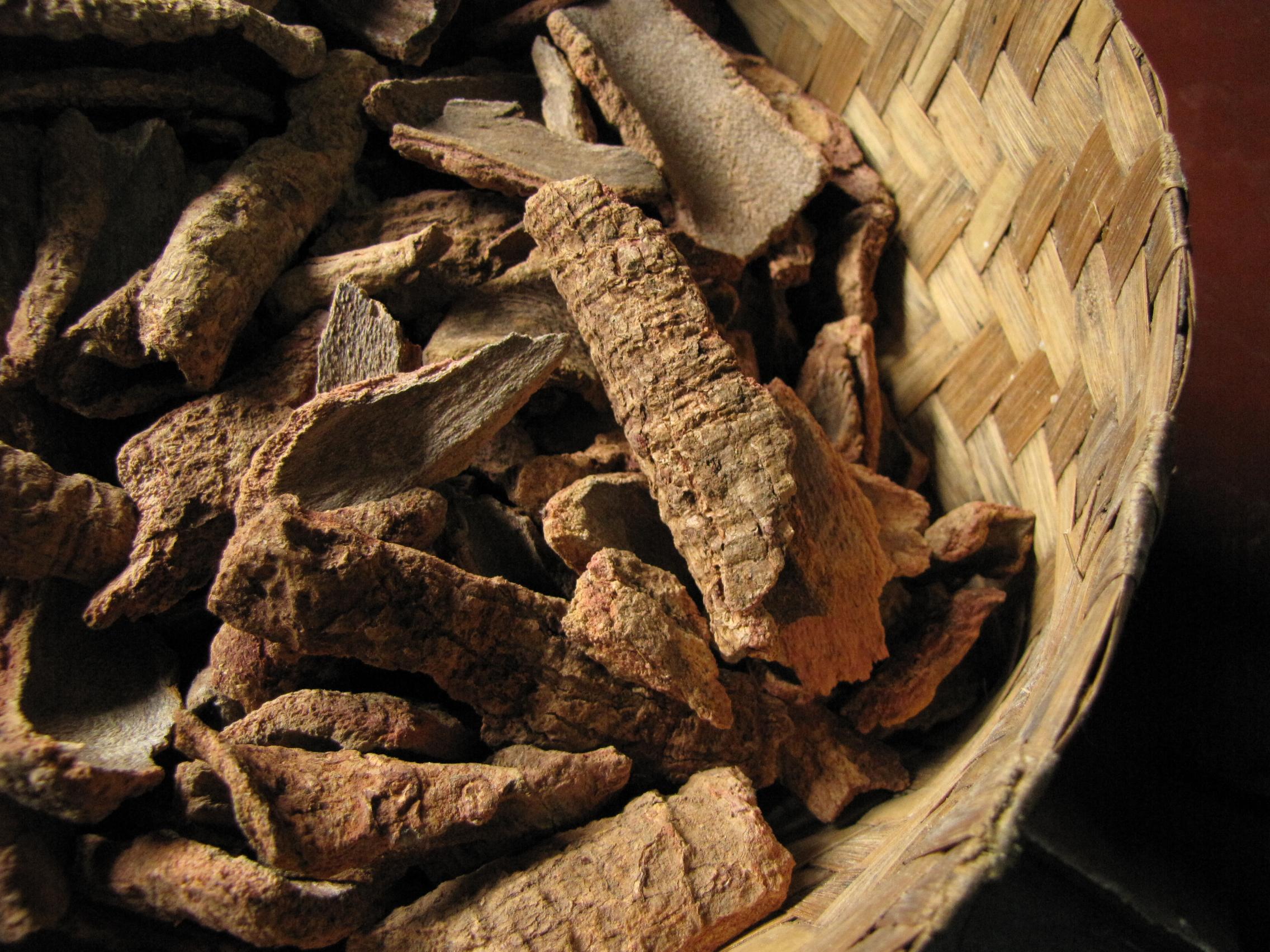
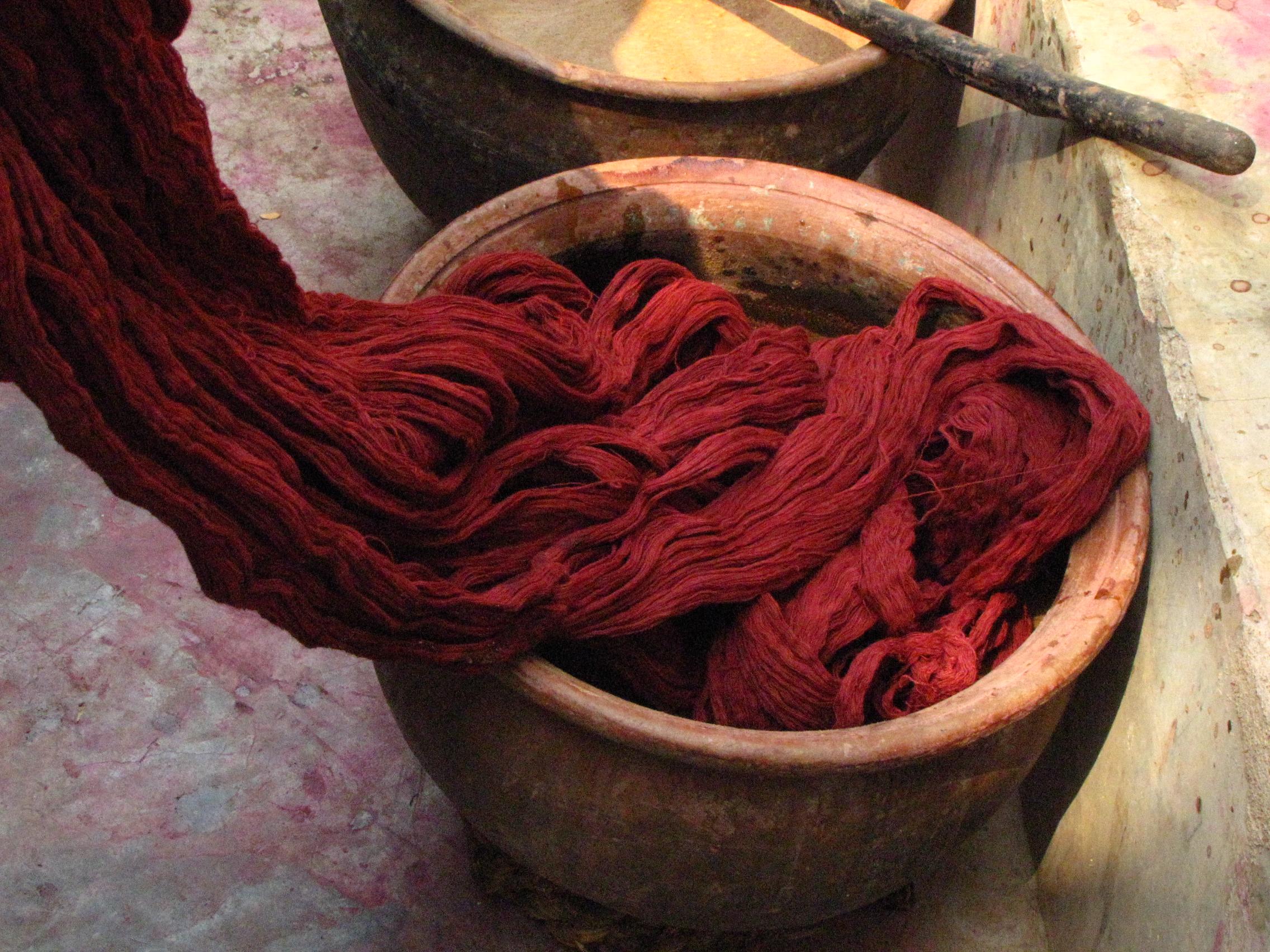
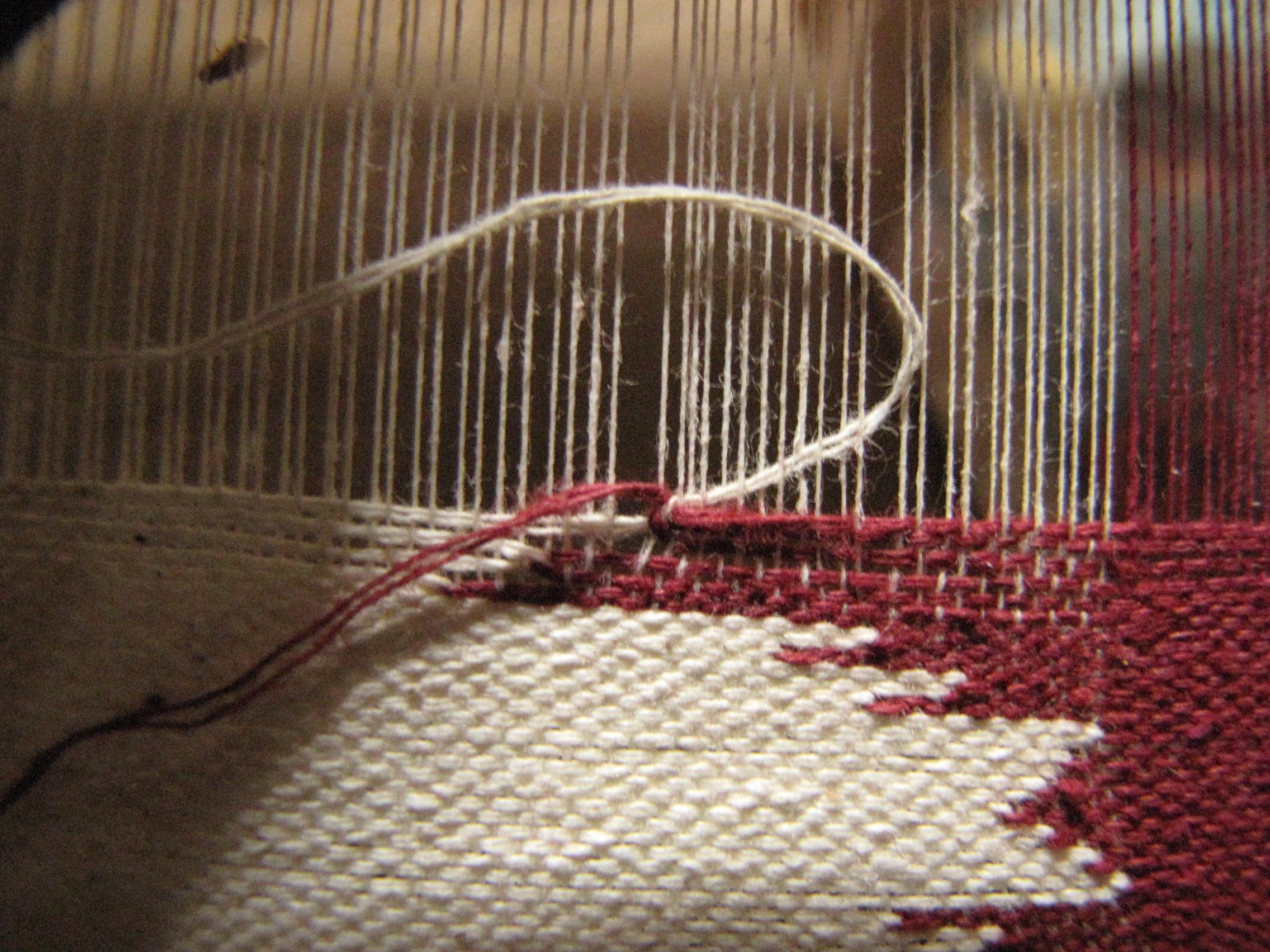
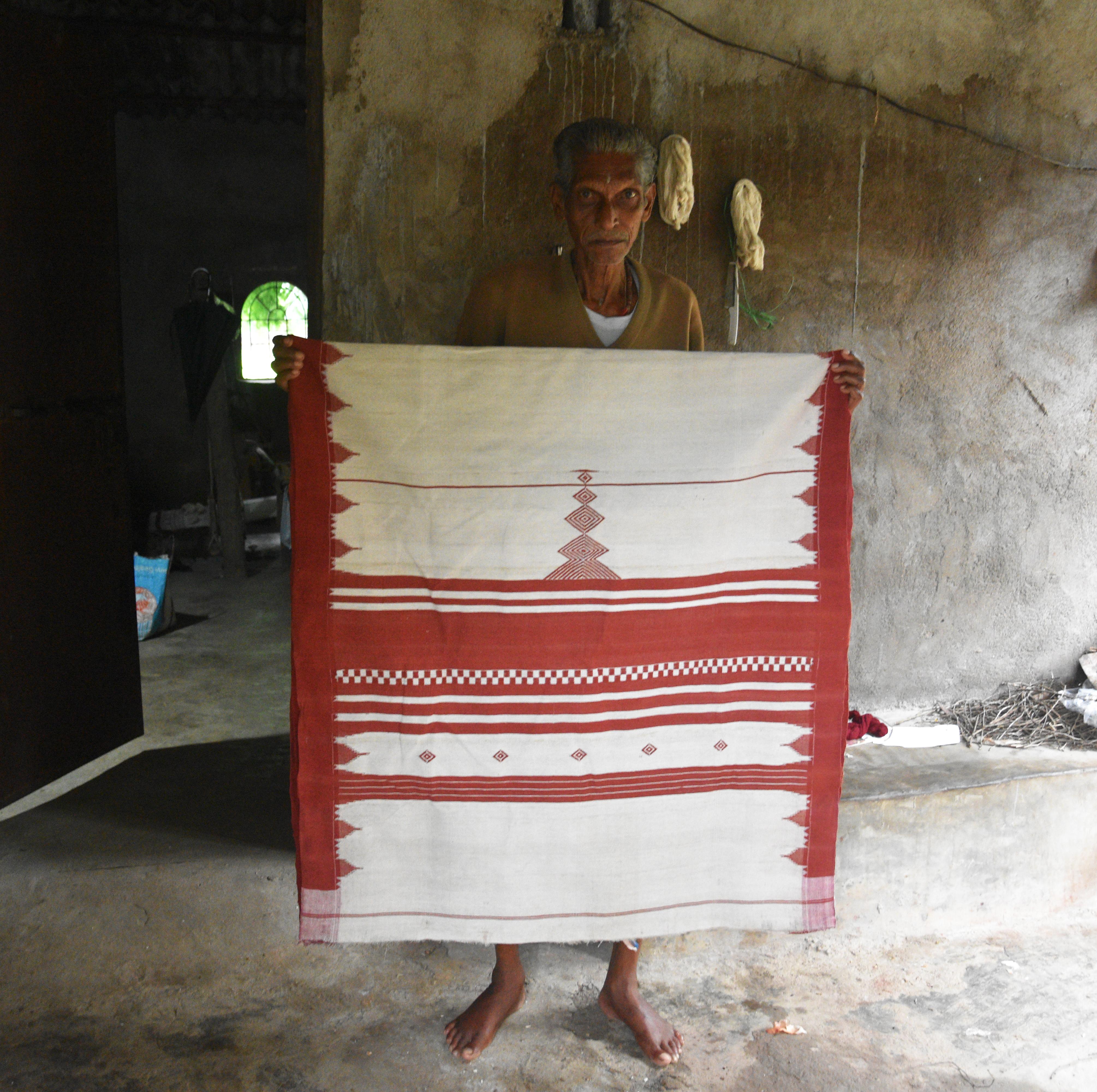
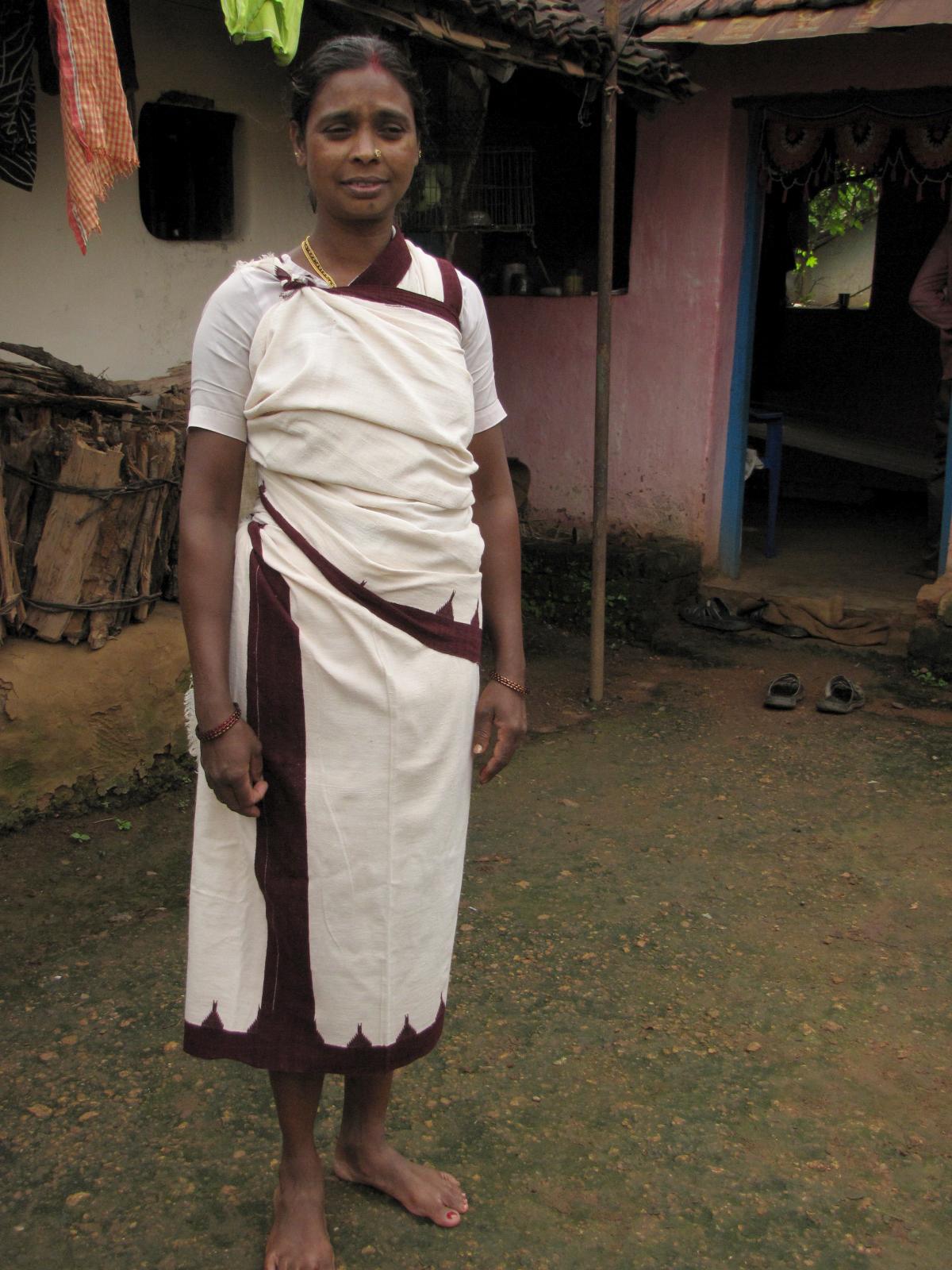
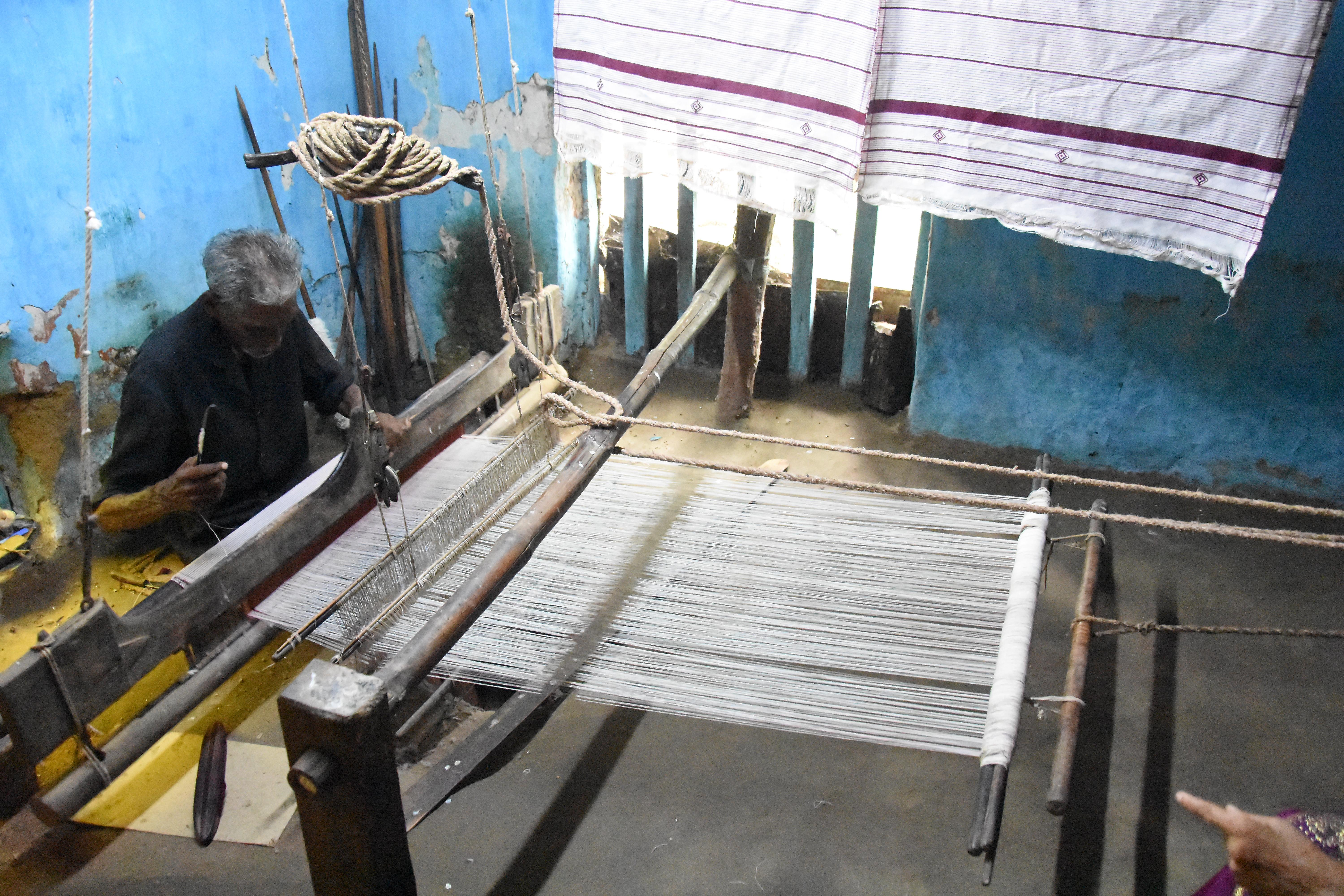
Made of coarse cotton, the traditional Pata cloth is short in length and narrow in width with deep red borders. Popularly known as al and also called Achu in the Odiya language, this deep red natural dye is obtained from the bark of Aal or Indian Mulberry tree (Morinda Citrifolia) from the madder family. In Kotpad, women from the Panika community use age-old indigenous processes, including vigorous thirty days of dyeing, to get the right pigment for the threads with which the Pata border is created. However, the traditional Pata is now an endangered form of material culture and indigenous textile practice that represents the shared history and legacy of Adivasi communities across the Koraput-Bastar regions.
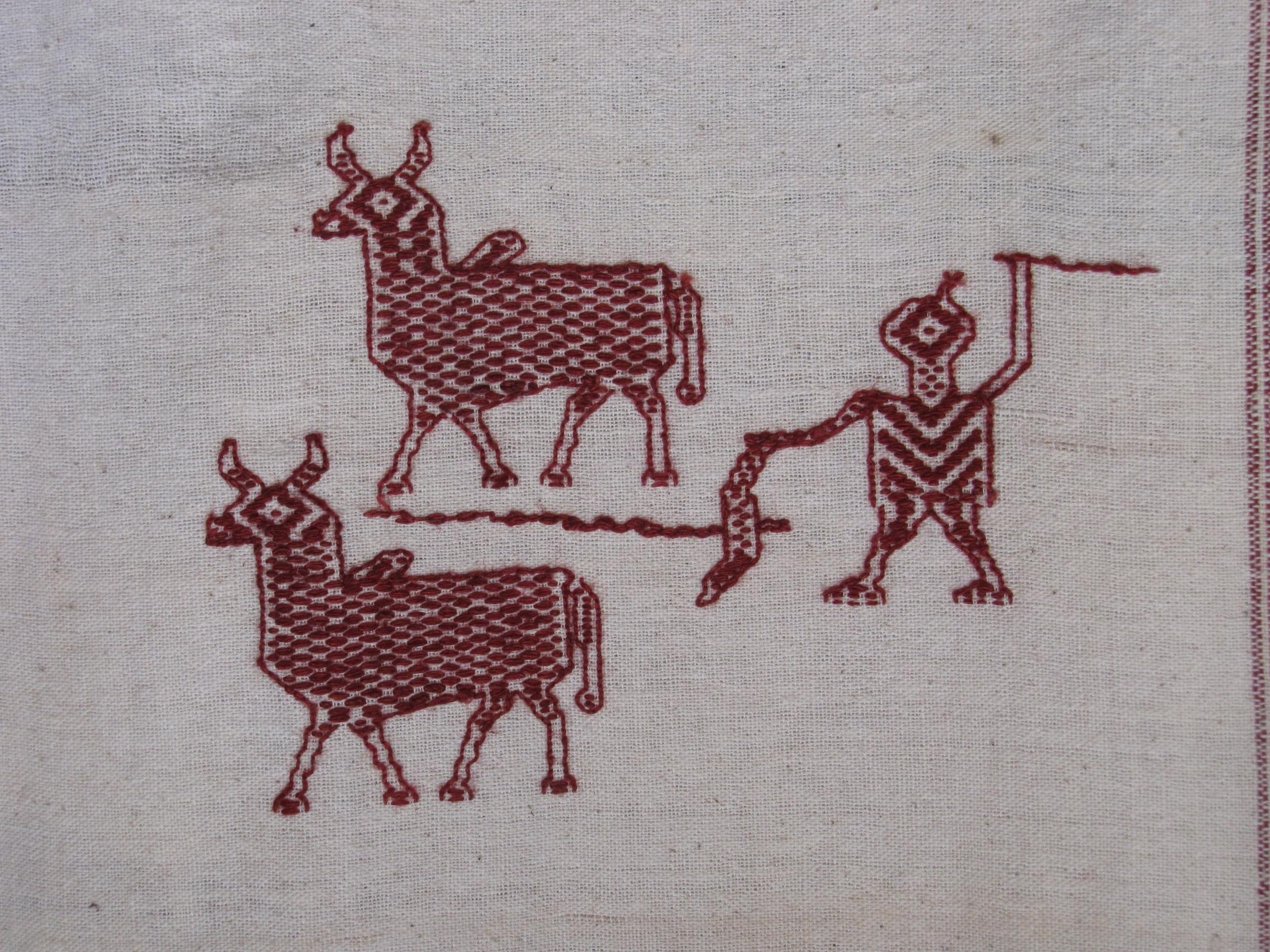
Living in the dense forests of Koraput and Bastar, Adivasis and other marginalised social groups, including Dalit weavers, believe that the supreme deity Dharani—the Earth Goddess—is their creator and protects them from evil spirits. Motifs related to the deity, such as the Kumbha, which means the temple of Dharani, are woven on the Pata cloth. And for weaving patterns on looms, weavers also draw from their close association with nature—for instance, Billi Khoj (impression of a cat's paw), Keri Phool (flower), Somnath Phool caterpillar are all inspired by flora and fauna. Figuration appears in many patterns depicting scenes from everyday life, such as a man ploughing the field, women carrying water pots or pounding paddy, etc. And so the collective belief and reverence of forests of these janjati, or communities, finds vivid expression in rituals, visual art, cultural practices and oral traditions passed down through generations. But the original homeland of the Adivasis, in many ways, does not exist anymore—over the decades, displacement of Adivasi populations; plantation of non-indigenous plant species; industrial encroachment and the influx of external bodies; and migration of Indigenous communities to other areas in search of livelihoods have altered the cultural landscape of the region.
The textile journey of the fast vanishing Pata tradition takes me back to my first visit, over twenty-five years ago, in the 2000s, to remote villages where communication was limited. During that time, Bastar was part of Madhya Pradesh and a strong movement was emerging for the formation of Chhattisgarh as a separate state. While conversing with the weavers, understanding Indigenous practices through oral narratives and recording notes became a significant part of my process of research and documentation of a living tradition. This was particularly so for the written records of twenty-two varieties of Pata textiles, which required deep comprehension of their symbolism. This entailed asking weavers about myths and folklore to decode several motifs during the field visits. Most of the traditional Pata has disappeared with time and there are a handful of senior weavers left in these villages who still retain the ancestral knowledge. Among the ritual Patas, everyday textiles and men’s garments, the most popular one is Mai Luga Pata—gifted by the groom to his mother-in-law as part of the marriage ritual. Another interesting Pata type is the Bagh Chawda Pata that languished with time because of the superstitious belief circulating in the community that the tiger on the fabric will come to life and might devour them. Such narratives—even though they are considered myths and differ from village to village and person to person—come from a symbiotic and respectful relationship with ecological systems and a veneration of nature.
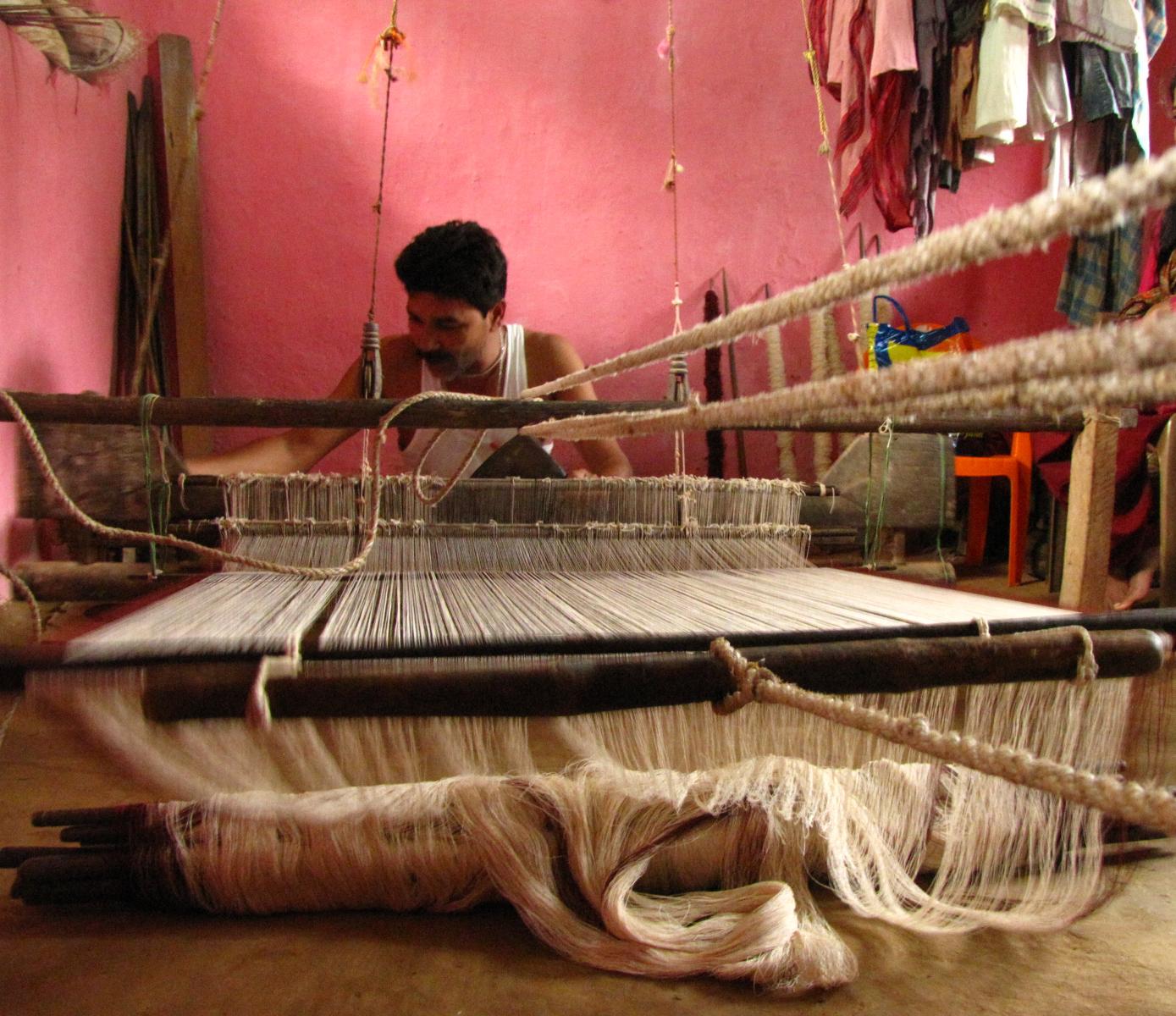
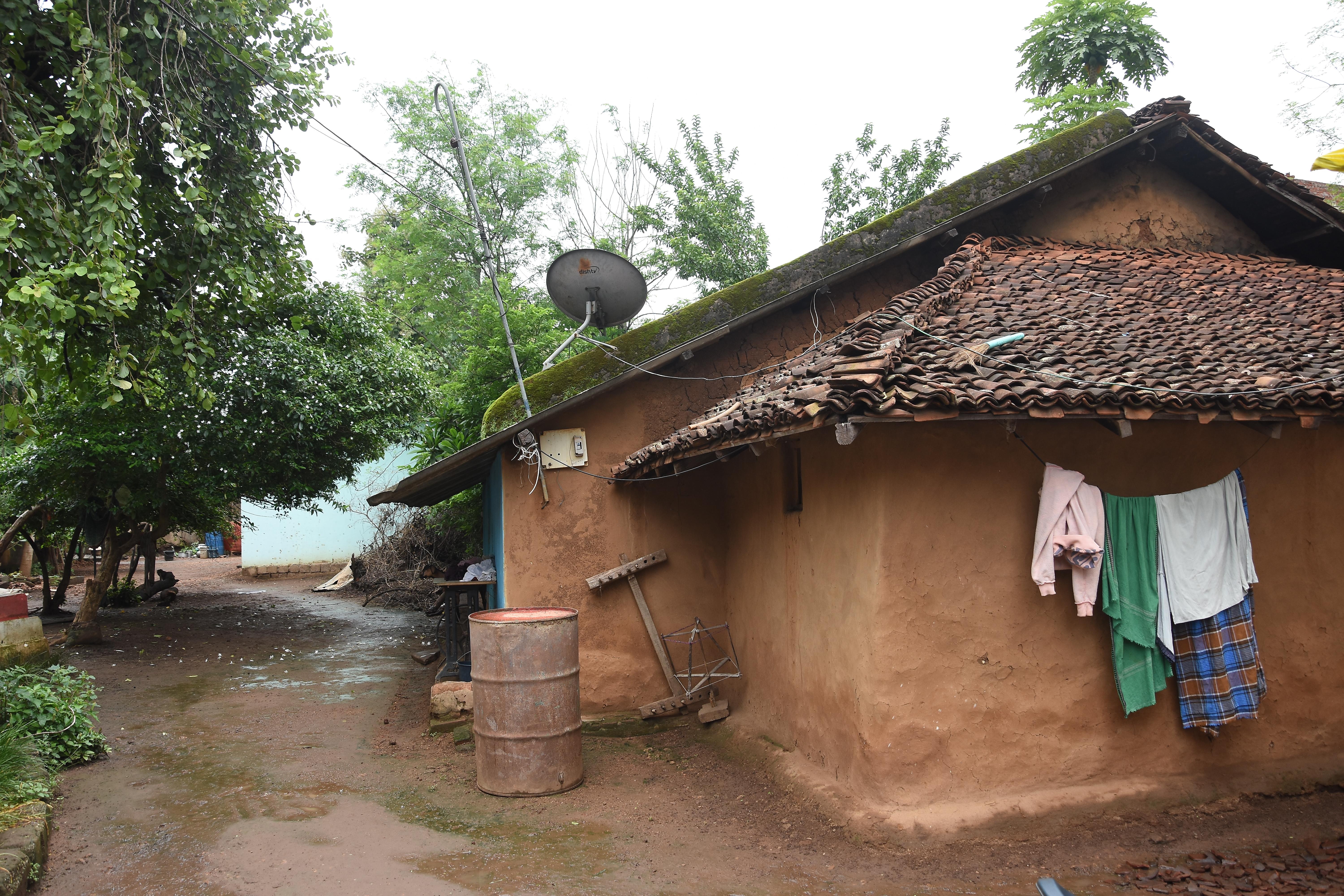
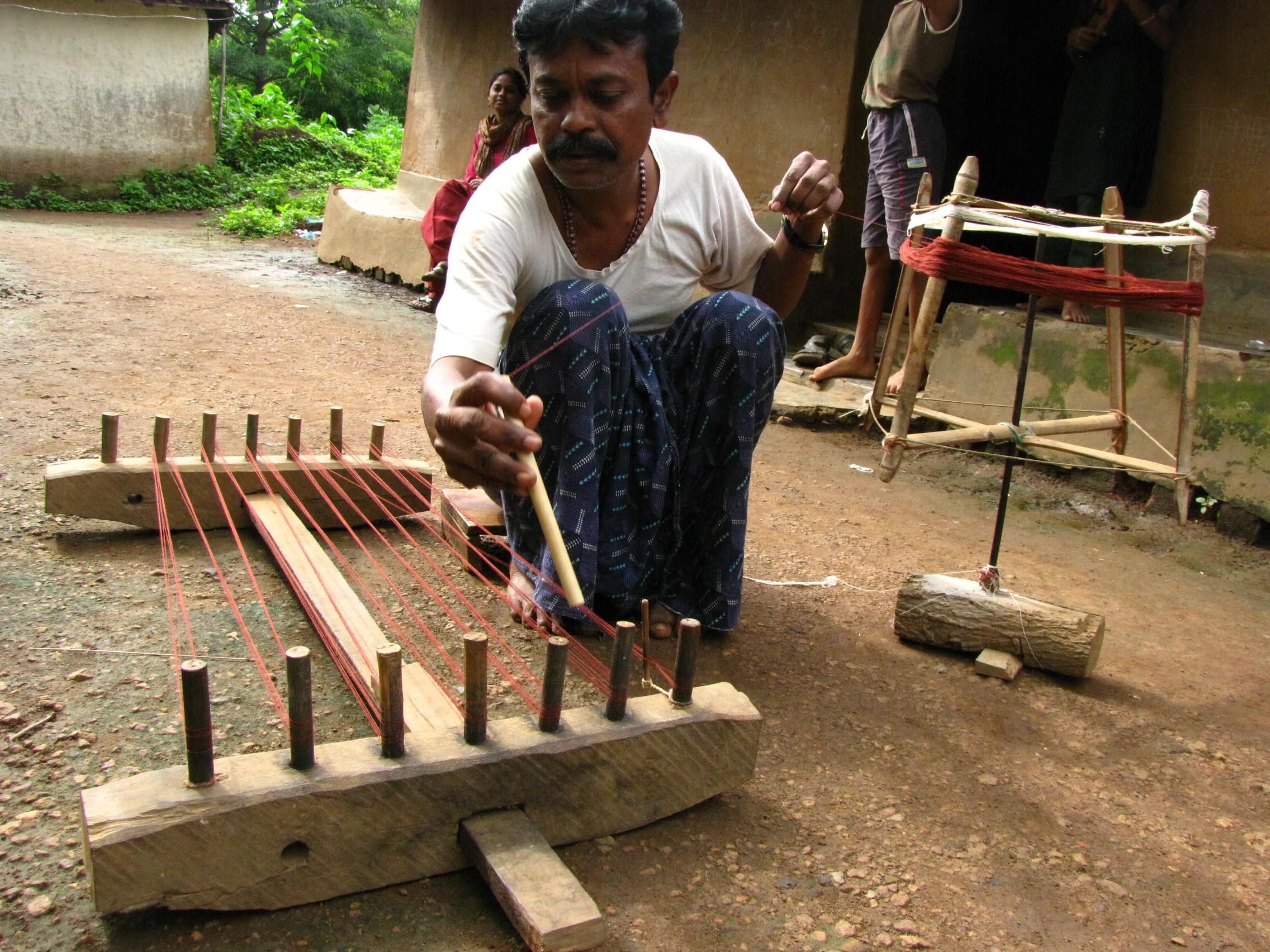
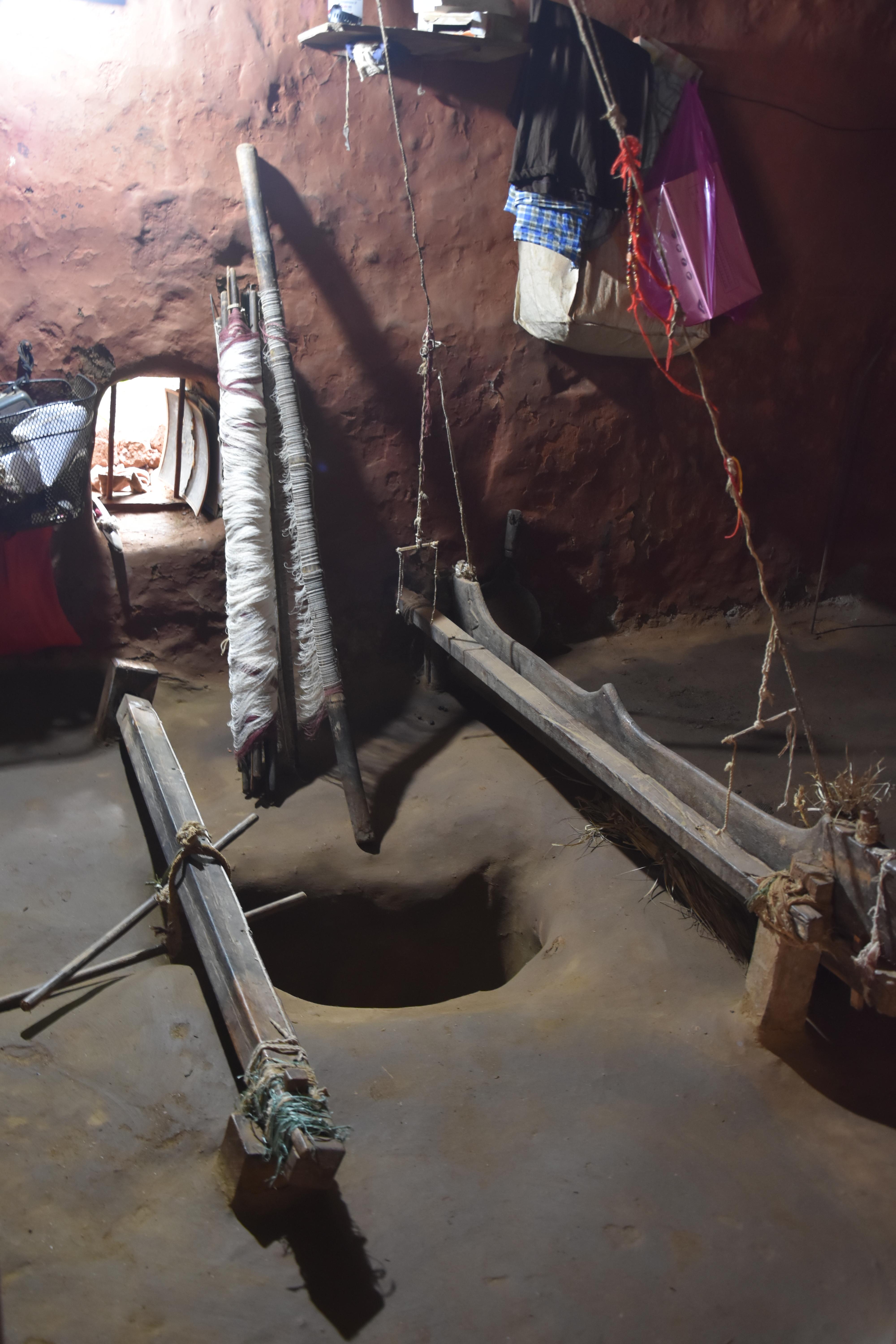
At the ground level, the economic conditions of weavers varied; some lived hand-to-mouth, especially Dalit weavers who have been structurally oppressed and are often not ackowledged, while others had achieved a level of stability through mastery of their craft. Yet, in the small mud houses, with limited access to resources, ritual-based textile weaving sustained the community and the weavers wove on small pit looms continuing their vriti, or ancestral legacy. Many of these from communities such as Panika/Mirgan continue the tradition of weaving while singing the songs of the fifteenth-century poet-saint Kabir—a weaver himself, who believed in the union of Ram and Rahim, and preached humanity. For them, Kabir is their dharma (religious belief but also divinely ordained moral duty) and they claim themselves as Julahe, or Kabir’s followers. As a symbol of their dharma, Panika men wear a sacred thread around their body and the community practices vegetarianism. These sacred threads embody hope, resilience and continuity for them as well as for other Dalit weaver communities, namely Tanti, Chandal and Mahar, who remain anonymous even though they form the production unit of Kotpad textiles.
Premised on my earlier research and as part of my initiative Kala aur Katha—a community-driven design and research trust started in 2005 to preserve the stories and legacy of this textile tradition—I revisited these villages in 2009 to further document the Pata textiles and to recreate them through the historical material knowledge and processes that once formed an integral part of the Adivasi and weaving communities' cultural legacy. And I realised that many weavers had forgotten the names of Pata styles, the number of practicing weavers had decreased and memories of senior weavers were fading, resulting in a steady decline of ritual-based textiles. As a Dalit textile designer, researcher and practitioner, the imminent risk of losing knowledge holders and the thought that the last custodians of this tradition might pass away without transferring their wisdom to future generations concerned me. Twenty-five years ago, Bastar had more than fifty weavers; while many of them have continued weaving to retain their ancestral legacy, “development” projects have severely impacted vulnerable communities, resulting in the waning of local trades and cultural practices in Koraput and Bastar, especially amongst marginalised weavers and craft communities.
During one of the interviews, a skilled weaver from Nagarnar village in Bastar, Shankar Das, ran away from the camera; having suffered a brain stroke, he is unable to talk or weave. While his younger brother Mohan Das grazes goats due to lack of work, their looms remain idle and silent. Today, amongst the last few weavers of Tokapal village is Bhurusu Das; now in his seventies, he is weaving the last hopes of an inherited craft.
Through years of tacit study and documentation, I find that it is imperative to recreate vanishing Pata textiles using the memories of community elders—the sole remaining keepers of this heritage and knowledge system. This endeavor aims to bring these textiles back into existence on the loom. Through memory, oral narratives and photographs, and in collaboration with weavers, we attempt to recreate history—the revival of Pata. In this process, images become important documents not only to preserve the disappearing knowledge tradition but also to actively carry it forward—both, as visual guides in aiding weavers recreate the now largely forgotten styles and motifs of Pata and as visual testimony within the community. They thus serve as an open archive that keeps the form and culture alive, which can then be passed on to present and future generations. In essence, the journey of these textiles stands in honour of the lost histories of Adivasi and Dalit communities in Bastar and Koraput, foregrounding the lived narratives of resilience and shared legacy of these lands, their people and cultures—whose contributions and craft have historically been systemically unacknowledged and marginalised through caste-class structures.
To learn more about socio-economic marginalisation of Dalit and Adivasi craftspeople and artists, read Sucheta Chakraborty’s review of Abhishek Khedekar’s exhibition featuring his photo-series on Tamasha troupes, Vishal George’s essay exploring films such as Lokesh Ghai and Jaymin Modi’s The Last Shoemakers of the Doon Valley (2024) that traces the craftspersons producing custom-made footwear in Dehradun and Mussoorie, Ankan Kazi’s reflections on Prantik Basu’s film Bela (2021) that focuses on Chhau performers, Radhika Saraf’s conversation with Mekh Limbu on weaving and video as collective storytelling and reclaiming sovereignty of Indigenous lands through ancestral wisdom, Alfa M. Shakya’s essay on Nishta Thapa Shrestha's photo-series Subdued Song of Chaā (2024) that traces the tradition of pottery making in her hometown Thimi in Nepal, and Shranup Tandukar’s review of Amar Kanwar’s exhibition The Sovereign Forest (2023-24), which outlines the atrocities committed against Indigenous communities in Odisha and their rally for the protection of local cultural and political legacies.
To learn more about artists exploring textile traditions, read Upasana Das’ review of Kallol Datta’s exhibition Volume IV: Truths, Half-Truths, Half-Lies, Lies (2025) that explores histories of land through textile traditions, Aparna Chivukula’s conversation with Jayeeta Chatterjee on her practice of amalgamating woodcut printmaking and Kantha embroidery, Samira Bose’s interview with Noopur Desai and Pallavi Arora on Mrinalini Mukherjee’s practice, Najrin Islam’s conversation with Arpita Akhanda on her work navigating the space of weaving and image-making and Veeranganakumari Solanki’s essay on Yasmin Jahan Nupur’s experimentation with performance, audio-visual imagery, textile and embroidery.
All images are from the documentation project on vanishing Pata textile traditions by Pankaja Sethi. Photographs by Tanuja Sethi. Images courtesy of the artist and photographer.
Click on the image to view the album