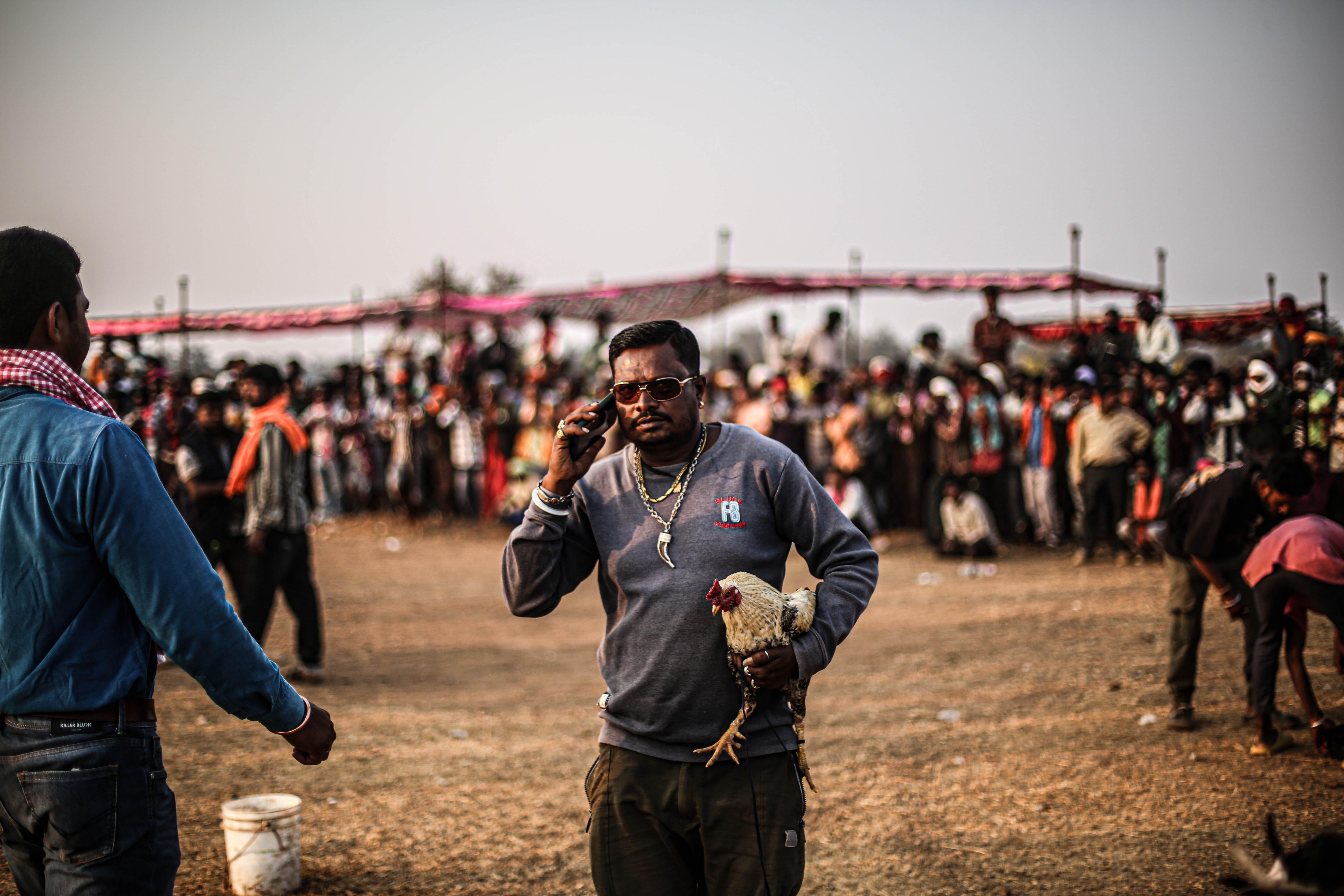


Murga Ladai: Cockfighting in Bastar Bazaars
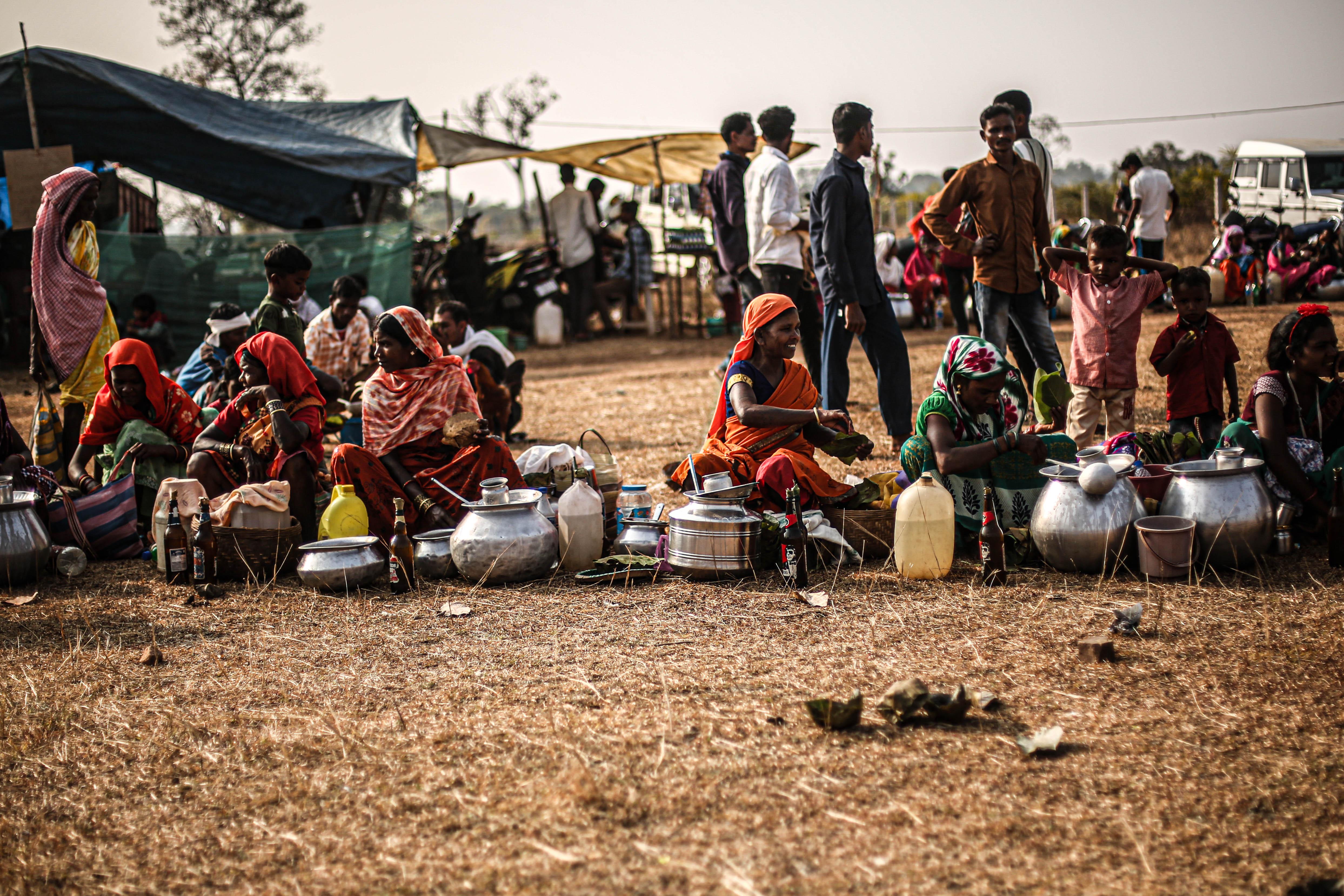
In the tribal heartland of Bastar in southern Chhattisgarh, the weekly haat (market) is one of the primary economic and social hubs for rural communities. People travel long distances to trade forest produce; livestock; grain; handmade utilities such as baskets, knives, sacks, sickle and other agricultural tools; and cultural objects, including bells, drums and wind instruments. However, the haat is more than just a commercial place—it is a social arena where people gather not only to exchange goods but also to share news, drink mahua (liquor brewed from Mahuva flowers) and participate in centuries-old traditions, such as the Murga Ladai, or cockfighting.
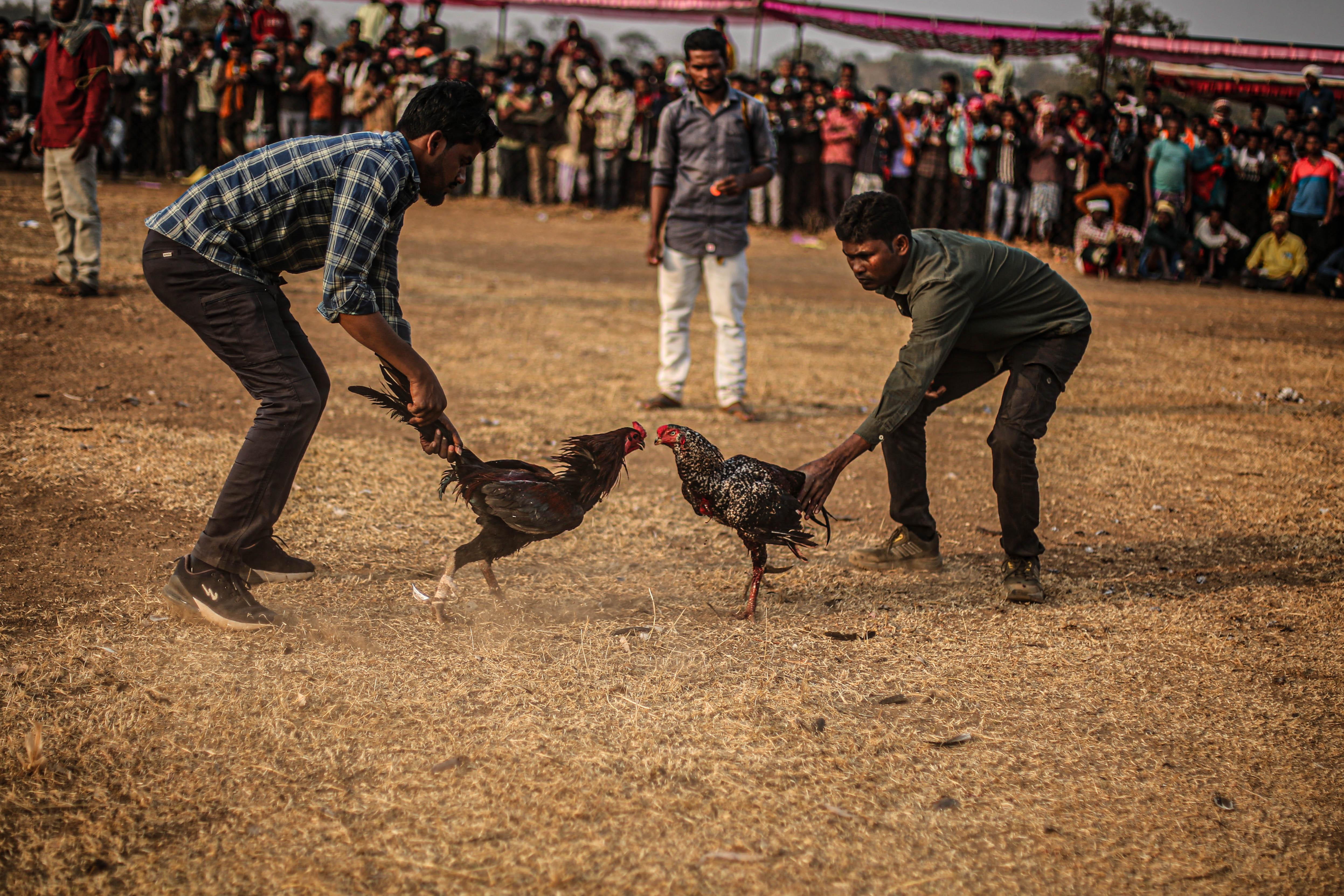
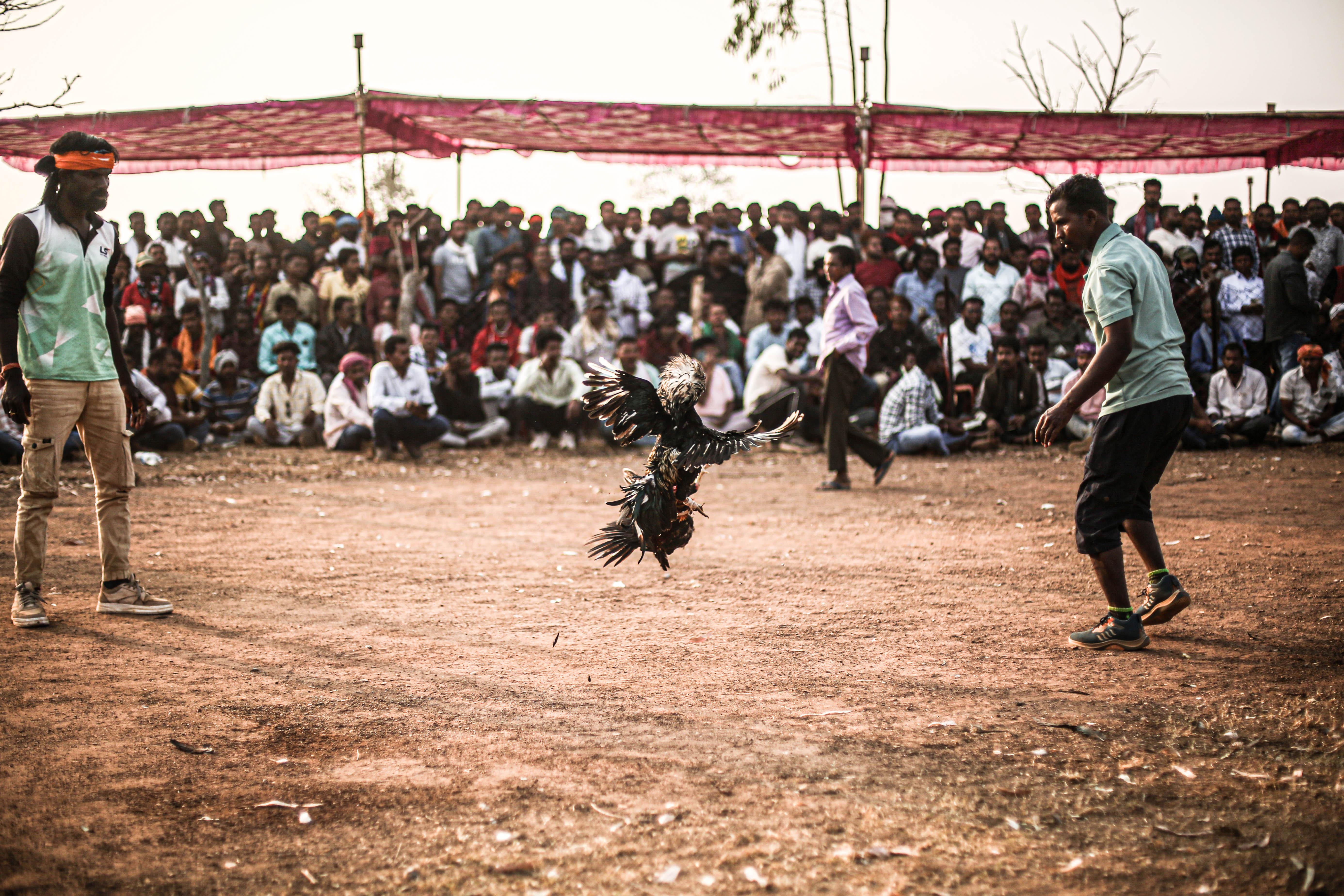
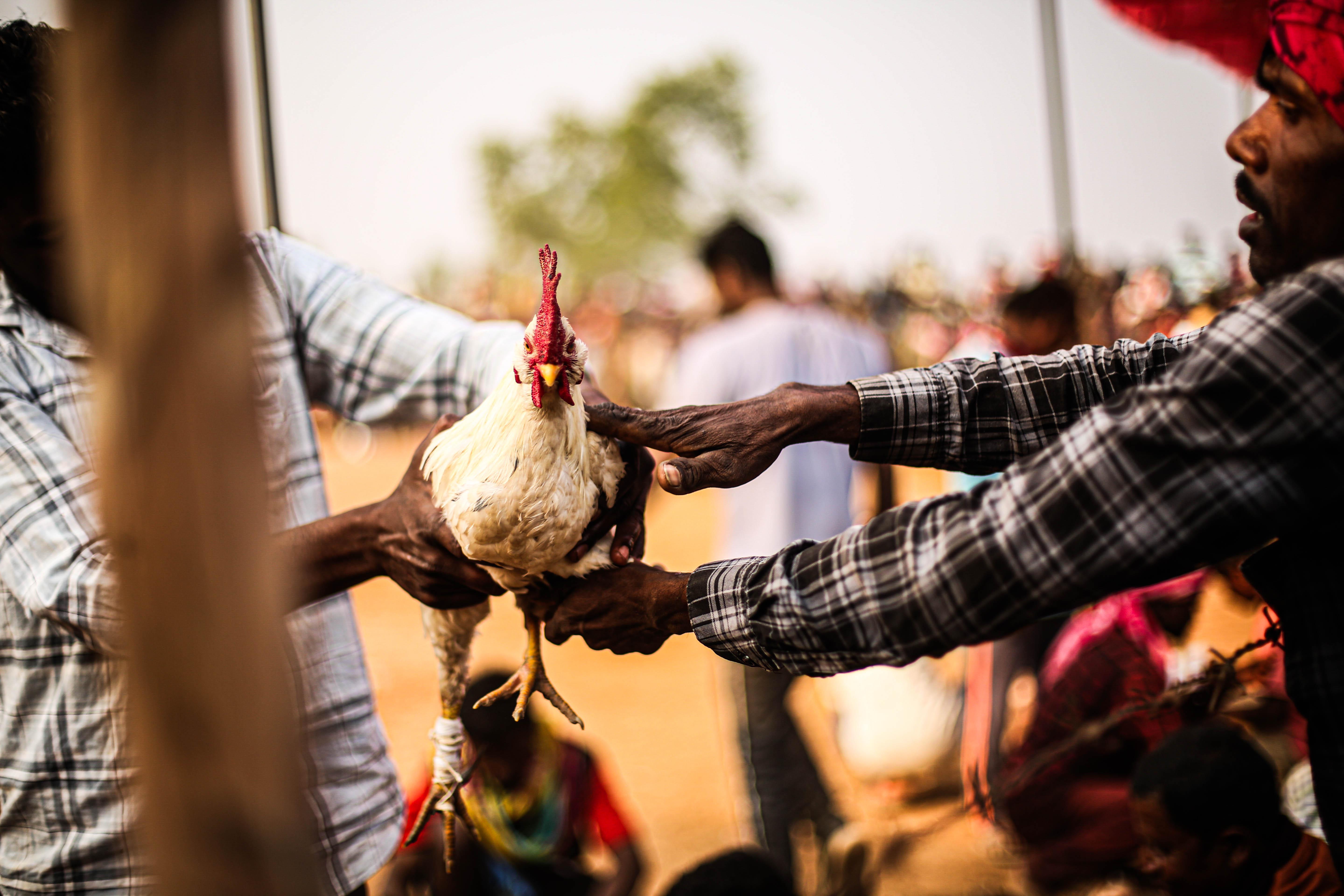
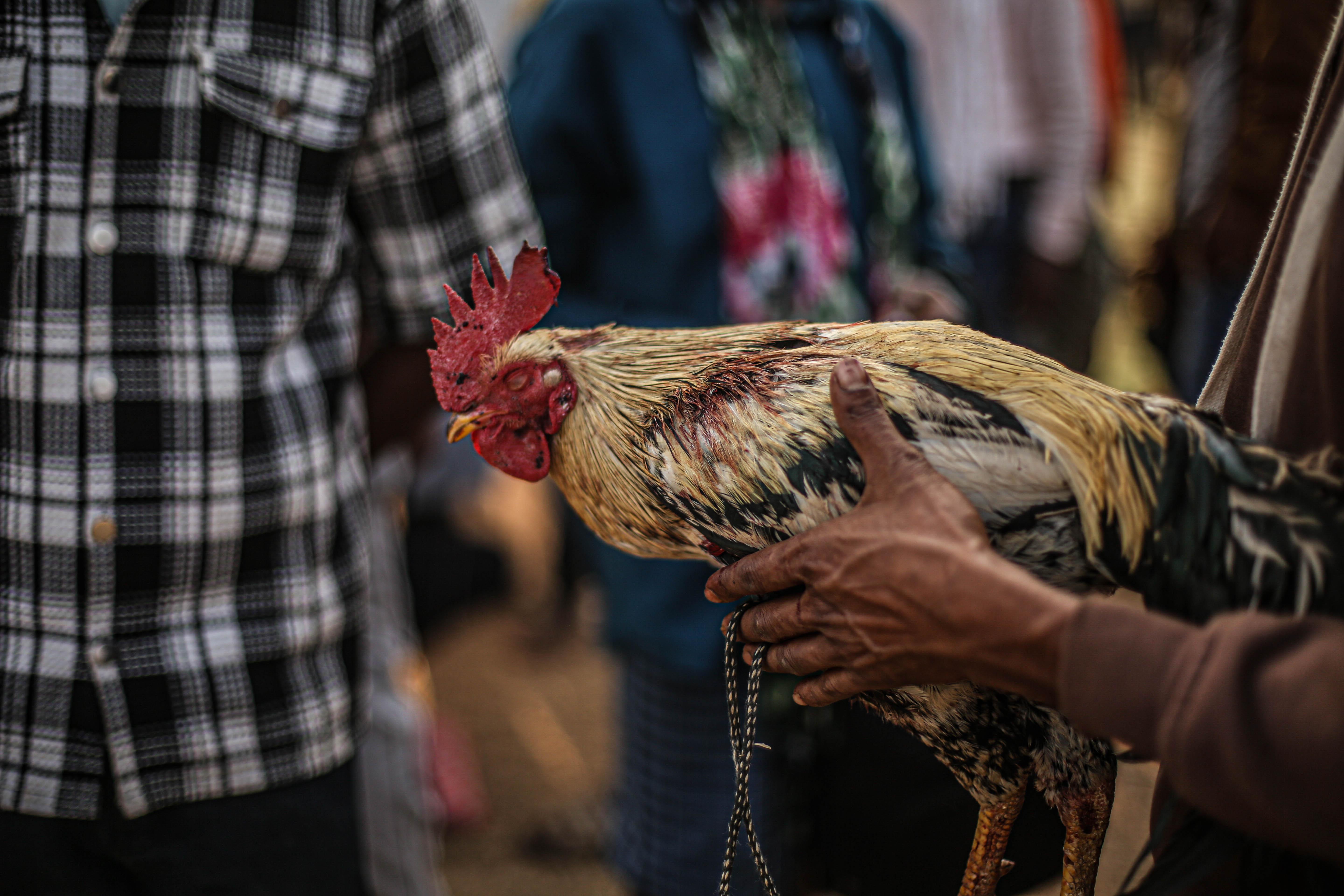
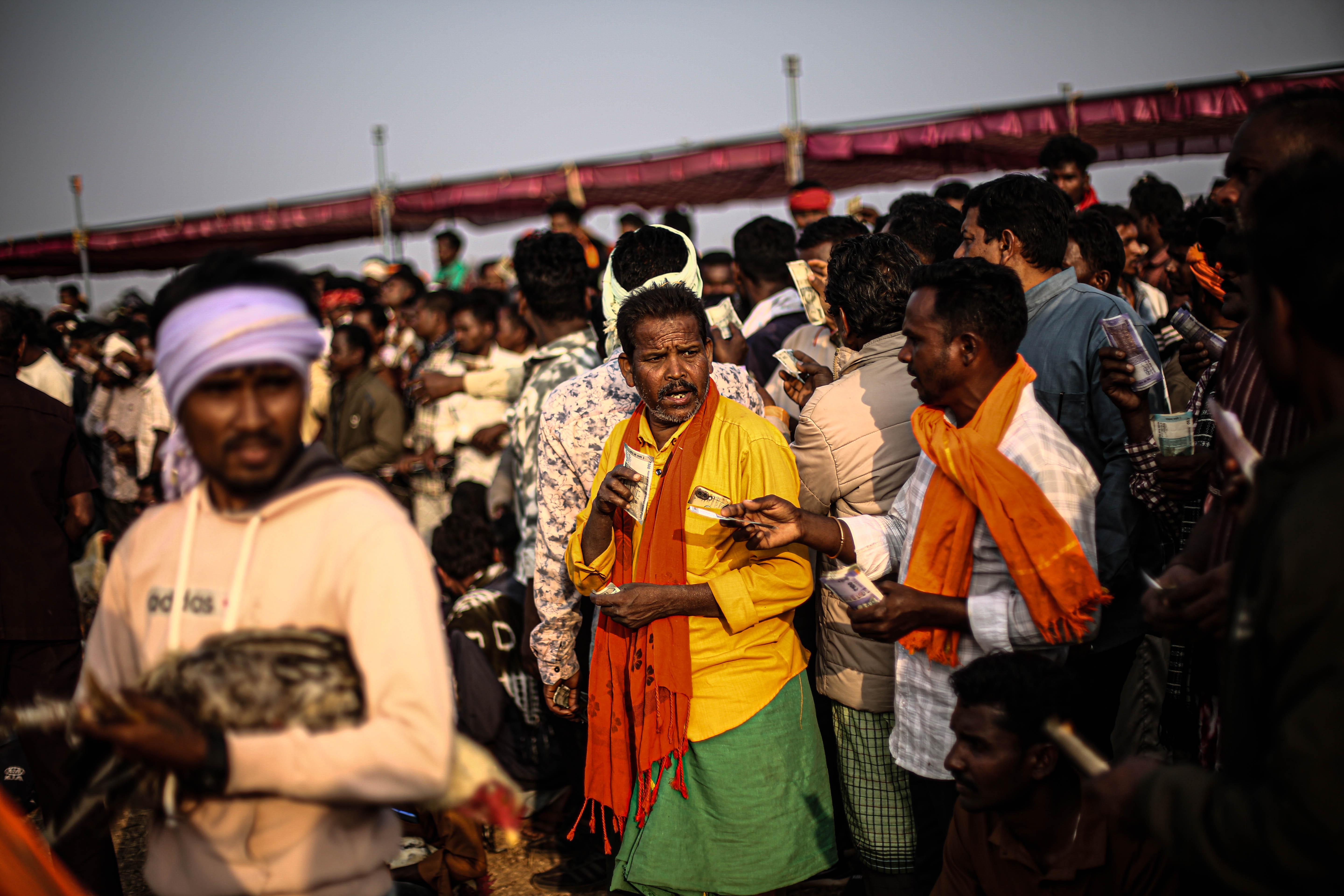
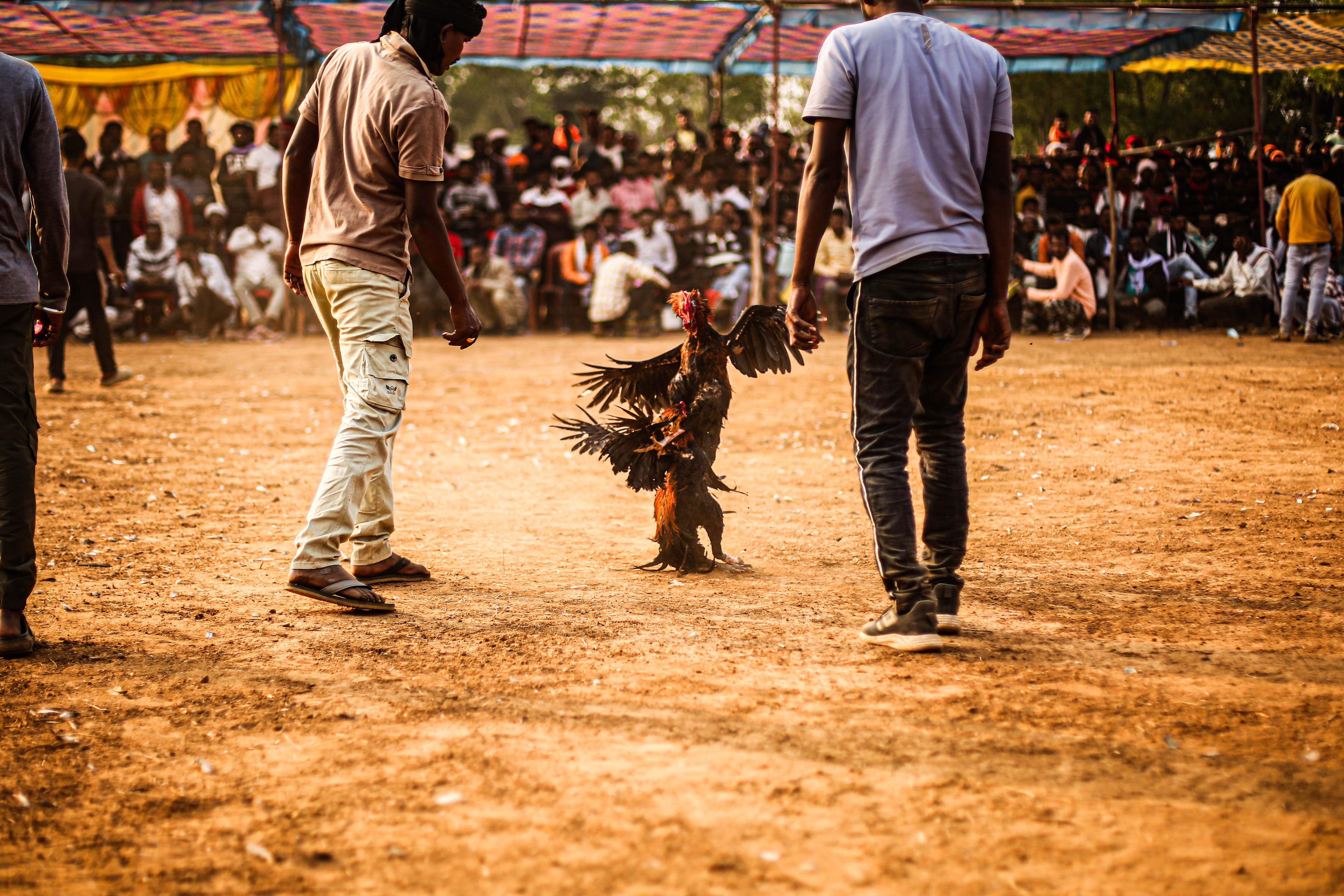
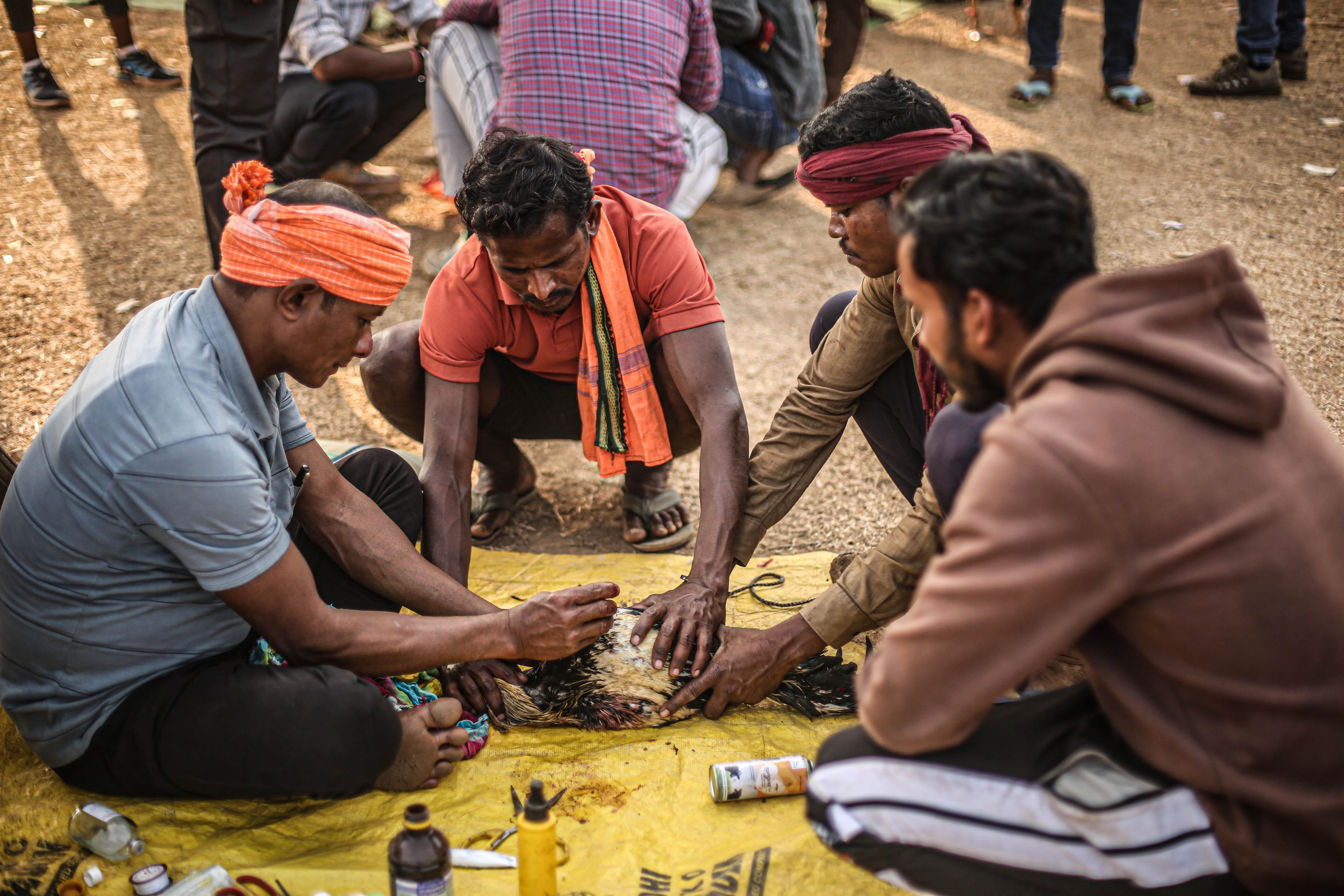
Though located at a distance from the main haat, Murga Ladai is a central feature and attraction during local bazaars and annual fares. Comprising a large number of enthusiastic contenders and spectators, this visually striking and culturally complex sporting spectacle hosts fighting matches where two owners agree to pit their roosters against each other. Especially popular among the Gonds, Marias, Murias and Halbas, it is not merely a game but an event deeply rooted within the social fabric of Bastar’s Adivasi communities. Historically, raising chickens was common in rural households for both food and trade. Gradually, some birds were selectively bred and trained as fighting cocks. In the current breeding culture, these birds are often kept separately from other chickens and given special diets to improve their strength and stamina. Some owners feed them grains mixed with herbs, eggs or even small insects to build muscle. Their training may include controlled sparring with other roosters, allowing the birds to develop aggression and fighting instincts.
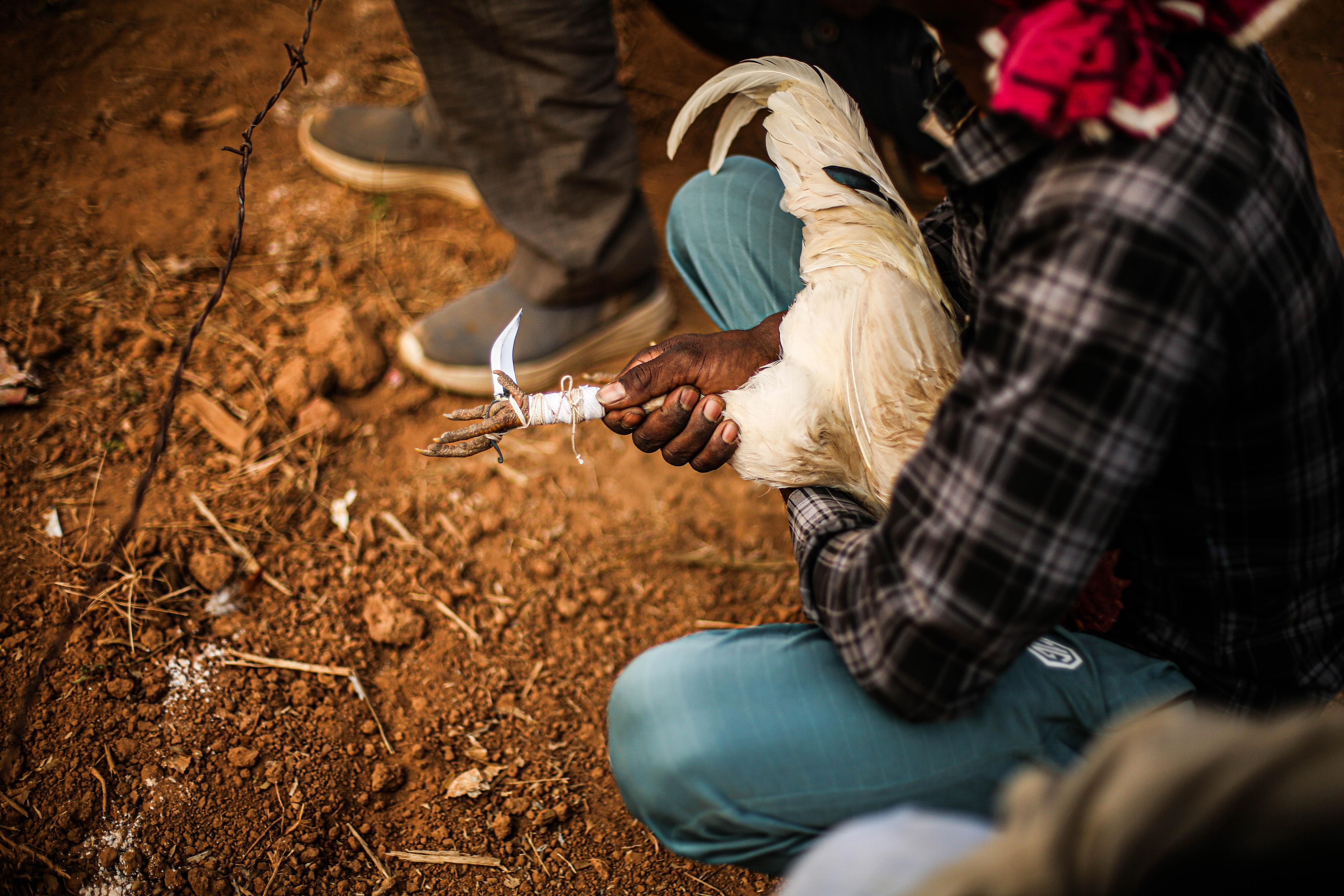
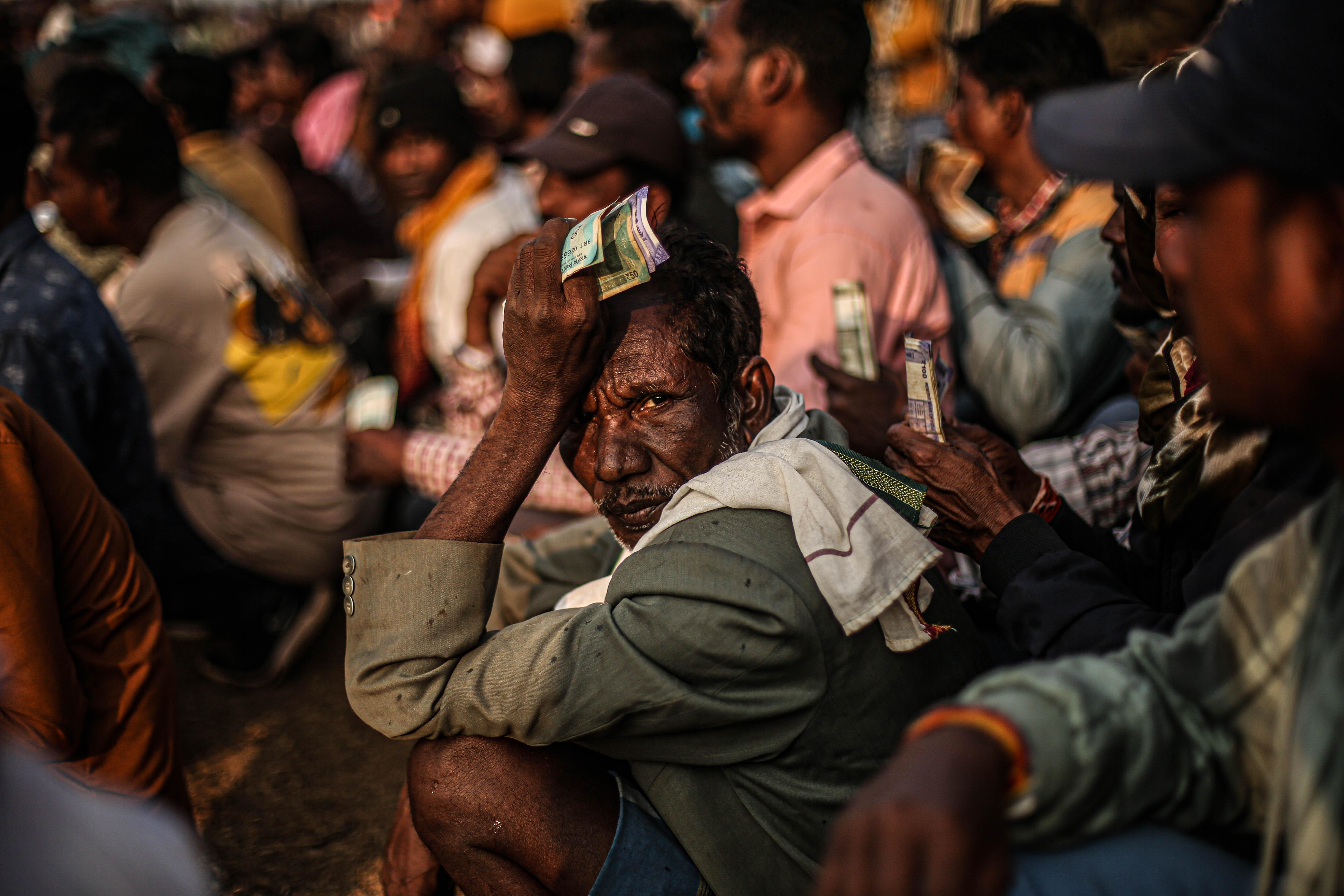
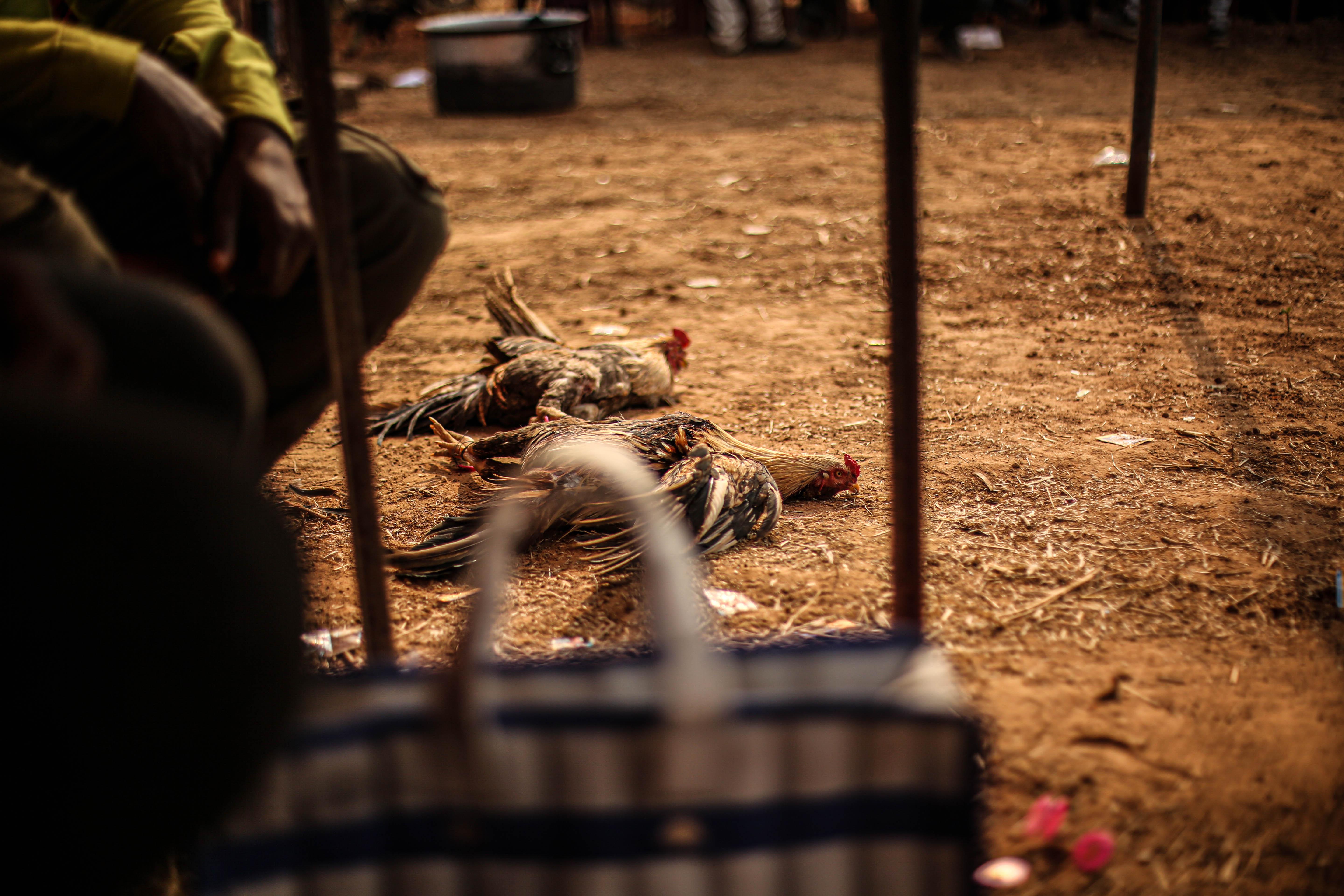
Like Clifford Geertz suggests in his seminal work, "Deep Play: Notes on the Balinese Cockfight"(1972), in Bastar too, for many villagers, while these roosters are prized possessions, representing the prestige of the owner, the game itself embodies pride, skill and competition. For others, it is an opportunity for gambling and quick money, which brings intensity to the event—spectators watch the fight not only for entertainment but also with financial stakes in the outcome. A successful rooster owner may win all the bets as well as sometimes the defeated bird itself. However, despite its popularity, cockfighting occupies a controversial position in India. To an outsider, Murga Ladai can appear brutal. The sight of roosters fighting with blades attached to their legs raises ethical questions about animal cruelty as they tend to get severely injured or even die during the match. Yet within Bastar, this practice is part of communities’ heritage and identity, embedded within the rhythms of rural life. Such tension reflects a broader conflict between traditional cultural practices and contemporary legal and moral frameworks.
To learn more about artists engaging with Adivasi communities in Bastar, read Sakhi Subramaniam Chowla’s essays on her photo-documentation of the Madai Mela, a travelling ritual in which the Adivasi communities gather around village deities to renew faith, relationships and collective continuity and Diyaari Puja, a post-harvest festival celebrated among agricultural Adivasi communities, and Nikita Jain’s reflections on protest led by Adivasi youth to protect their forest lands.
To learn more about tribal/ Adivasi traditions, read Daisy Gidwani’s reflections on Ajay Dhoke’s photo project titled Waghoba (2018–ongoing) that explores the living cultural and ecological belief systems of the Gond people in Tadoba Andhari Tiger Reserve (TATR), Ankan Kazi’s observations on Prantik Basu’s documentary Bela, which looks at the performances of Chhau dancers, Arindam Sen’s essays on Mani Kaul’s Desert of a Thousand Lines (1981) and films of Deben Bhattacharya, which delve into the folk cultures and traditions while focusing on musical communities and performers, and Mallika Visvanathan's conversation with Surabhi Sharma on her film Music in a Village Named 1PB (2025) that documents the lives of Mirs in Rajasthan and their struggle to keep alive the tradition of singing in the Saraiki language.
All images are from the series Murga Ladai: A Spectacle of Skill, Rivalry and Community (2026) by Sakhi Subramaniam Chowla. Images courtesy of the artist.
Click on the image to view the album