


Parallel Visions: Omar Ahmed on the Politics of Film Curation
In the first part of this conversation, Omar Ahmed spoke about Parallel Cinema as a distinctly Indian but internally diverse form of film modernism, challenging Eurocentric accounts of cinematic modernity. His book, The Revolution of Indian Parallel Cinema in the Global South (1968–1995): From Feminism to Iconoclasm (2025), traces the movement’s emergence in the late 1960s, its changing political and aesthetic orientations as well as its institutional consolidation through the 1970s and 1980s, and its eventual decline in the 1990s amidst economic liberalisation, the rise of Hindutva and the growing dominance of Bollywood. Rather than treating Parallel Cinema as a unified tradition centred on a few canonical filmmakers, Ahmed emphasises its shifting relations to politics, institutions and popular culture. In the second part, he reads into the movement’s global influences and the curatorial gap it fills in international festivals of Indian cinema.
Ankan Kazi (AK): The book explores varying definitions of what is broadly described as the Parallel Cinema movement in India that reached a peak after Emergency in the mid-1970s and petered out in the mid-1990s. From the influence of more established realists to arch formalists such as Kumar Shahani or Mani Kaul and politically radical third-cinema filmmakers’ experimentation with collectives, how do you see these shifts being influenced by the then globally changing, decolonising modes of filmmaking?
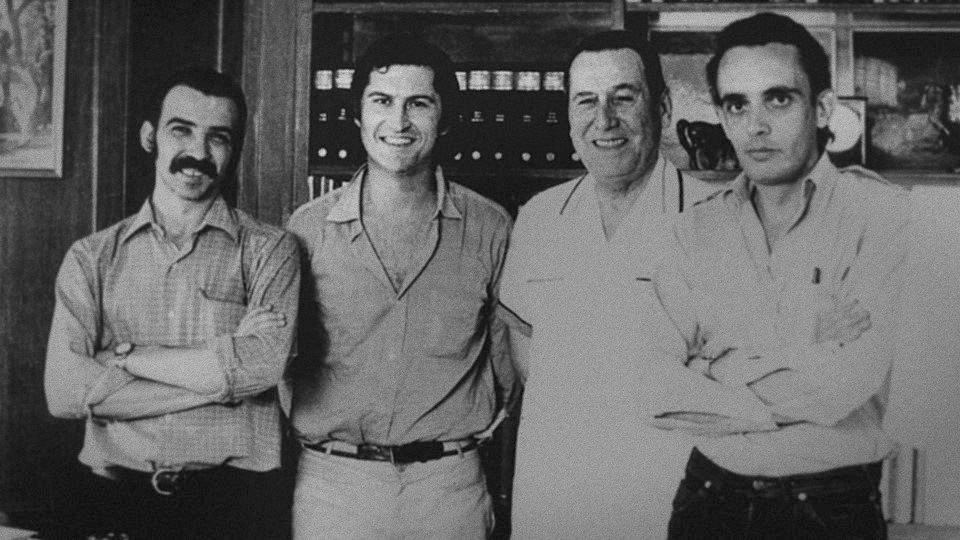
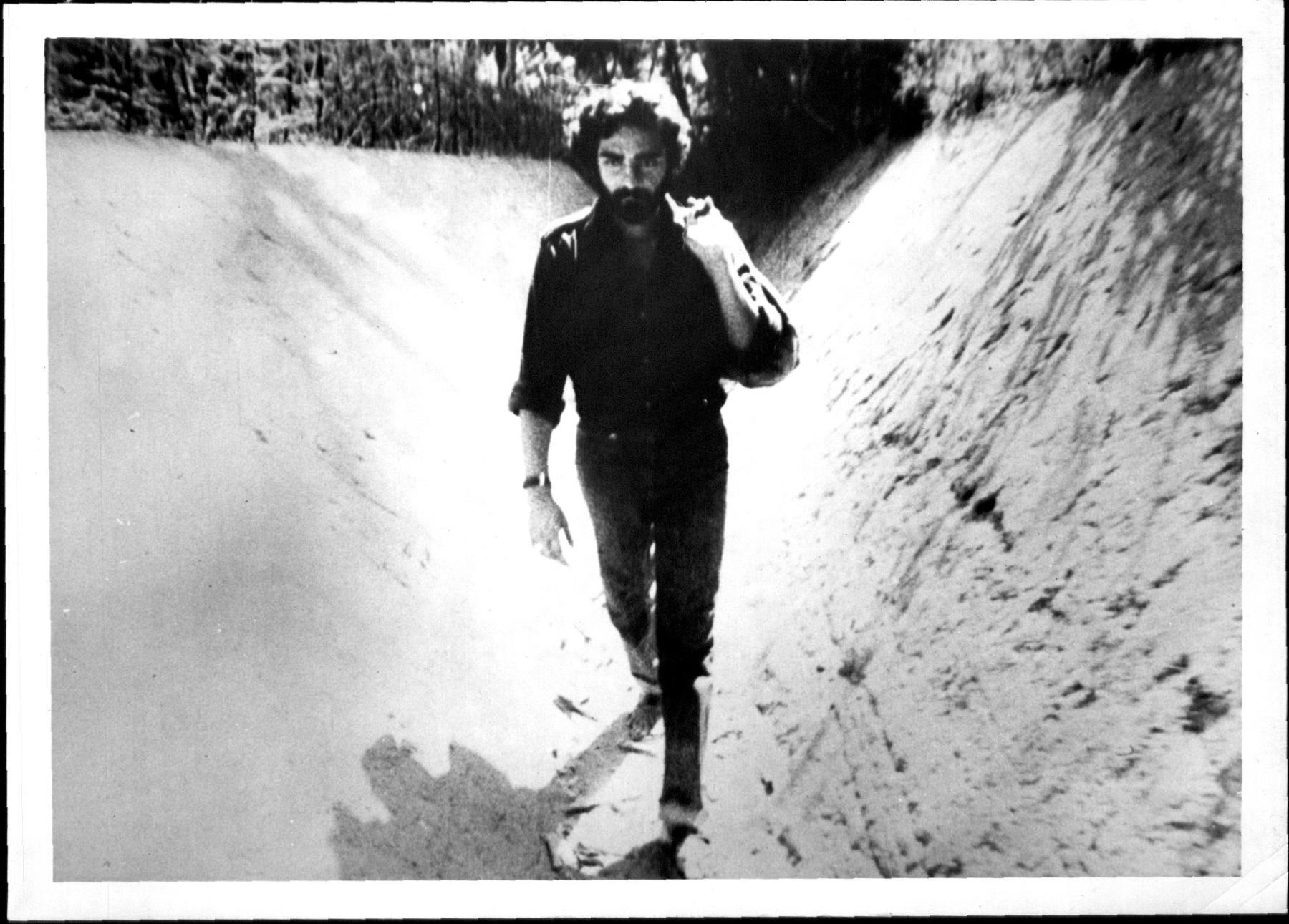
Omar Ahmed (OA): This is a highly thought-provoking question. Some, though not all, Parallel Cinema filmmakers were certainly aware of and in dialogue with emerging decolonising modes of filmmaking. This includes, most notably, the Third Cinema movement in Latin America, which represents perhaps the most transparent and immediate point of influence. This engagement is particularly evident in the work of Mrinal Sen, especially the Calcutta trilogy that includes Interview (1971), Calcutta 71 (1972) and Padatik (The Guerrilla Fighter, 1973), and later in a film such as John Abraham’s Amma Ariyan (Report to Mother, 1986), which appears to directly reference Mikhail Kalatozov’s Soy Cuba (1964).
One area I did not have sufficient time to pursue in my research is the impact of the Czech New Wave on Parallel Cinema. While this movement may not strictly be considered part of a cinema of decolonisation, its stylistic and thematic influence on many Parallel Cinema filmmakers has often been overlooked and arguably warrants further research and investigation. There was also an awareness of decolonising cinema emerging from Africa, particularly the pioneering work of Ousmane Sembène. His films, which one could argue embrace a neo-realist aesthetic, resonate through the work of Sen and Benegal, and even within regional strands of Parallel Cinema. It should be acknowledged, however, that my book touches on these influences only briefly. As it was intended as a concise history of Parallel Cinema, I simply did not have the scope to explore these trajectories in depth. Undoubtedly, there are further global alignments with other decolonising efforts that extend beyond cinema into music, television and broader cultural practices.
AK: Any programming challenges and expectations about what Indian cinema is or should be are often influenced by the politics of film festivals abroad—a view that we do not always have access to. What are some key lessons you have learned about curating or presenting Indian cinematic works to audiences in the West? Is the approach more activist-like, focusing on the discovery and advocacy of rare films, which can often lead to restoration efforts, or are there critical reflections on what Indian audiences are watching regularly? How do Indian audiences in these screenings respond to presentations of representative Indian cinema?
OA: One of the key reasons I founded Not Just Bollywood in Manchester for HOME Cinema was to create a platform for for alternative, independent and marginal Indian cinema, that was otherwise notably lacking. Running from 2016 until its conclusion in 2024, the project spanned eight years, during which I curated over fifty films, many of which had never previously received a public screening. Alongside this, I have been fortunate to curate for a range of UK film festivals and arts organisations, including the Barbican Centre and Il Cinema Ritrovato. However, my experience has consistently highlighted how difficult it remains to programme non-mainstream Indian films. This is due to a number of factors, including rights and clearance issues as well as the challenge of sourcing suitable prints or DCPs (Digital Cinema Packages) with subtitles. My curatorial practice has largely centred on Parallel Cinema as many of these works remain largely unknown in the West. While championing rare films has been central to my approach, the wider aim has been to challenge entrenched audience perceptions of Indian cinema, particularly in light of the monolithic presence of Bollywood.
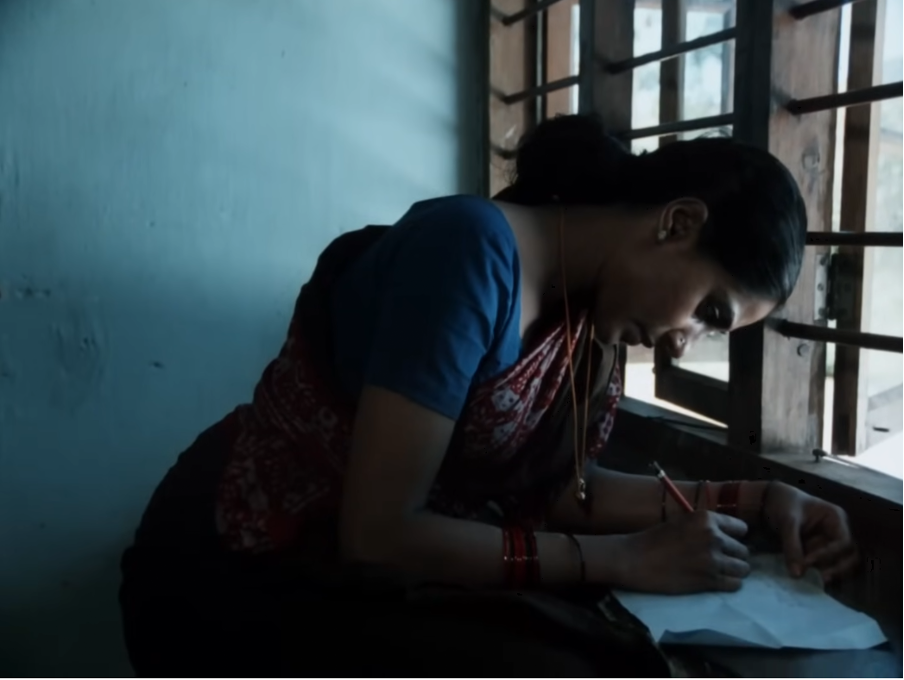
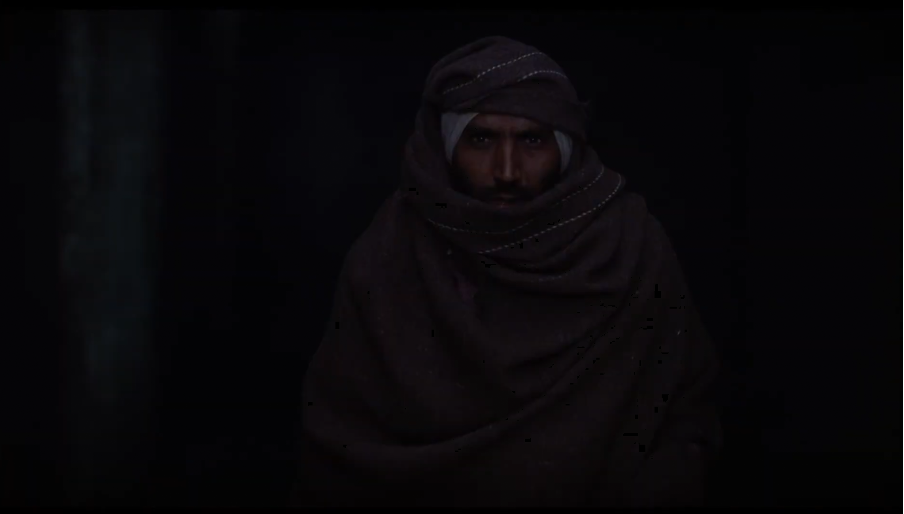
In 2024, I curated a season dedicated to Smita Patil for the Leeds International Film Festival, featuring films such as Mrinal Sen’s In Search of Famine (1980), Ketan Mehta’s Mirch Masala (1987) and G Aravindan’s Chidambaram (1985), which was warmly received by audiences. For HOME and Not Just Bollywood, I also curated a season focusing on cinema from South India, which included G Aranvindan’s Kummatty (1979), Arun Karthick’s Nasir (2020) and Achal Mishra’s Gamak Ghar (2019). Most recently, I had the opportunity to programme Gurvinder Singh’s Punjab Trilogy including a Q&A with Singh himself, marking the first time all three films had been screened together as a trilogy anywhere in the world.
While I have occasionally screened mainstream Indian films, this often presents significant challenges, particularly in terms of costs. The same applies to retrospective screenings of Indian classics, which are frequently prohibitively expensive for public exhibition. This is deeply disappointing as it can ultimately prevent UK audiences from accessing and experiencing these important films. To programme and curate South Asian cinema, including Indian films, remains a struggle and has been made even more difficult in today’s context of a rapidly changing audience in which streaming and other ways of viewing have undermined the programming space. More importantly, even pitching cinema programmes to arts organisations has become deeply problematic as UK film culture still looks down upon mainstream, popular Indian films while alternative and independent ones are often marginalised and not given any proper consideration or a consistent platform.
Omar Ahmed is a freelance scholar, author and film curator from Manchester, UK. He completed his PhD in Screen Studies at the University of Manchester in 2019. He is the author of The Revolution of Indian Parallel Cinema in the Global South (1968–1995): From Feminism to Iconoclasm (Bloomsbury, 2025), the first monograph on RoboCop (Auteur/Liverpool University Press, 2018) and Studying Indian Cinema (Auteur/Liverpool University Press, 2015), alongside book chapters on Indian cinema, including contributions on Ramesh Sippy’s Sholay (1975) and Shyam Benegal. He has curated programmes for HOME, Manchester, a retrospective on Smita Patil at the Leeds International Film Festival (2024), and landmark seasons on Indian Parallel Cinema at the Barbican Centre, London (2024) and Il Cinema Ritrovato, Bologna (2022). Ahmed is the co-founder of The Cloud Door, the first boutique home video label dedicated to South Asian cinema. He is currently writing a book on Mani Kaul's Uski Roti (1969), which will be published by Bloomsbury as part of the BFI Film Classics series, and has been writing on Indian Cinema on his website Movie Mahal since the early 2000s.
In case you missed the first part, read it here.
For more insight into contemporary public screening of films from Indian Parallel Cinema, read Sanjita Majumder’s essays on Mira Nair’s India Cabaret (1985) and G Aravindan’s Thamp̄ (The Circus Tent, 1978), and Koyna Tomar’s reflections on Ritwik Ghatak’s Amar Lenin (1970).
To learn more about curation of South Asian cinema on global platforms, read Pramodha Weerasekera’s essay on Najrin Islam’s film programme Tender Guerrillas 2026, Arindam Sen’s reflections on his curation of Deben Bhattacharya’s films and Mallika Visvanathan’s conversation with Ritu Sarin and Tenzing Sonam on Dharamshala International Film Festival and the infrastructural role of spaces for film curation.