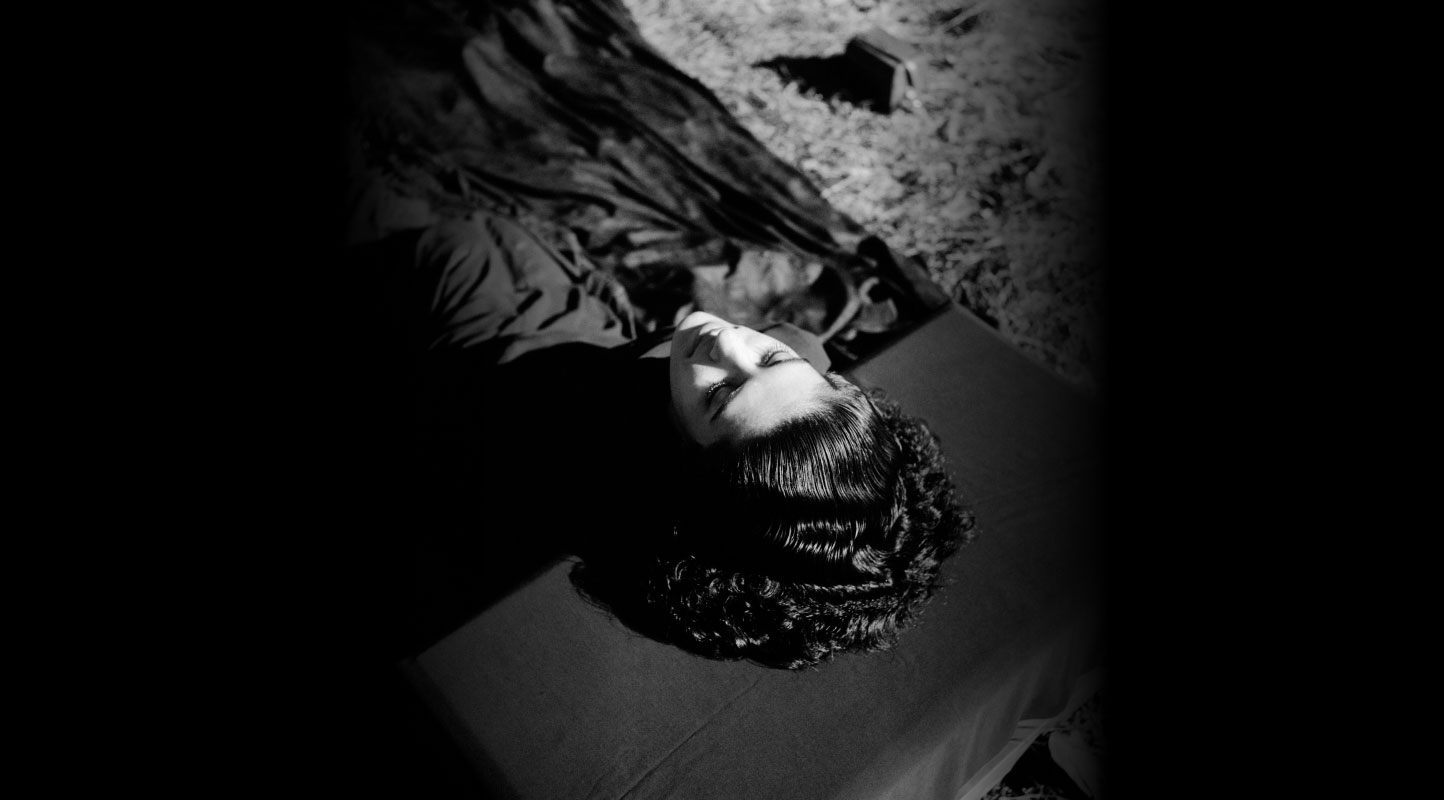


Tender Guerrillas: Self-filming in Queer Cinema
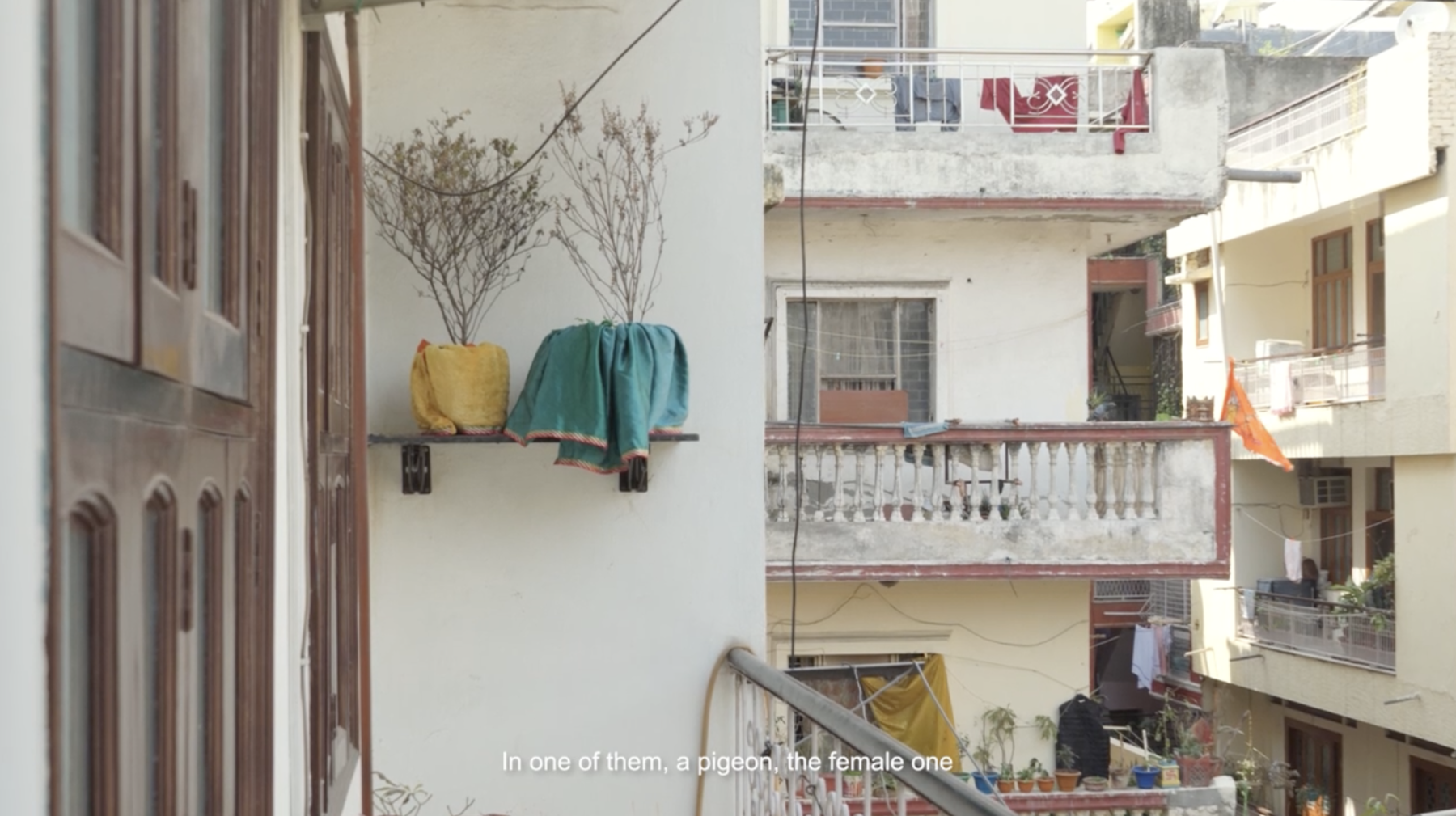
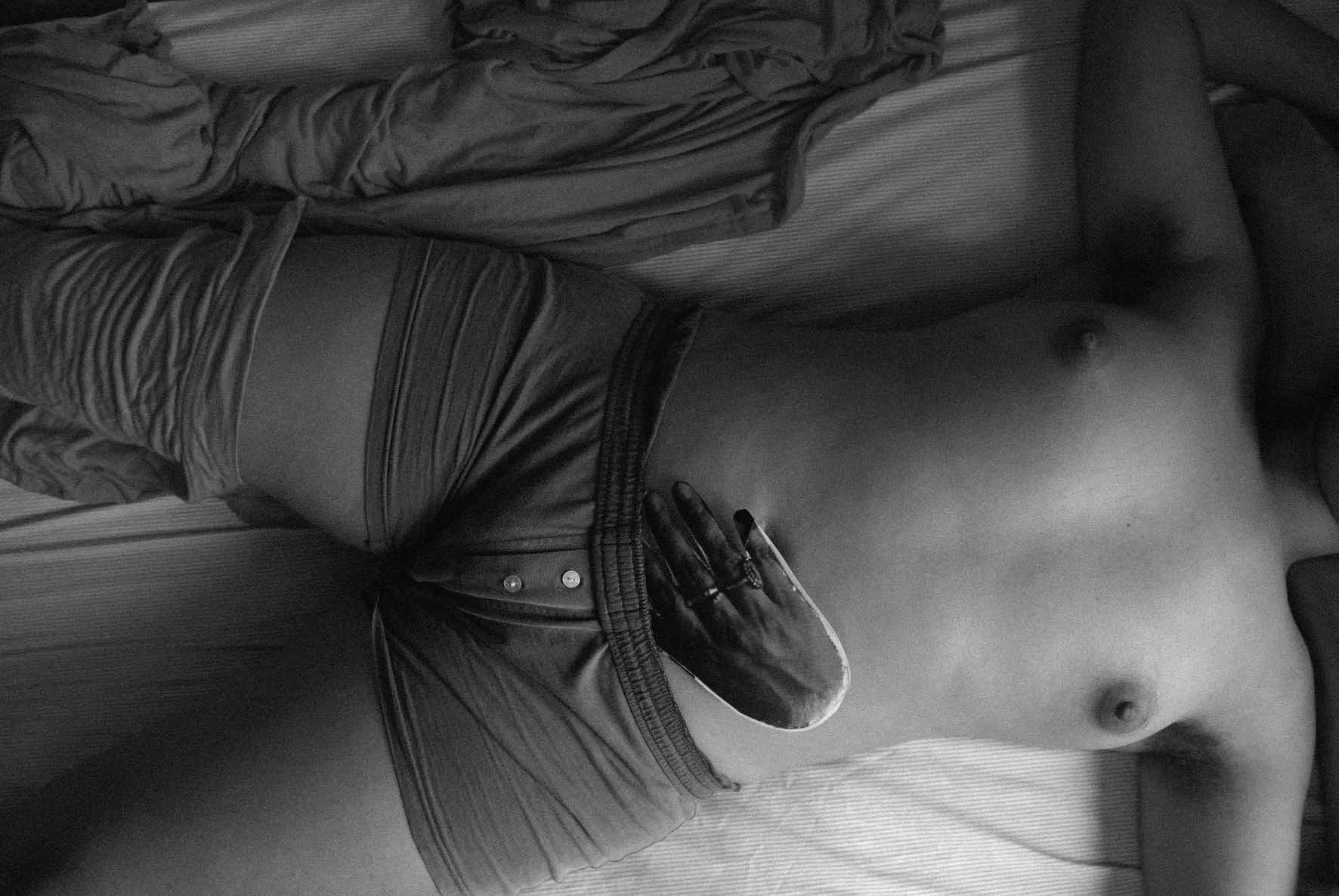
For her film Little Things (Choti Baatein, 2024), Srishti Sharma returns, from Ahmedabad, to her hometown in Delhi to reconnect with her parents and familial past. Expecting to have let her parents down when she comes out to them as queer, she asks, “There was a garden they [her parents] watered every day. Did it bloom?” The film reiterates this pertinent question, which many South Asians ask to understand whether they have disappointed their parents by not conforming to the gendered, heteropatriarchal norms they grow up with. Sharma’s story is told with a tenderness that switches between her childhood photographs and video footage from her recent visit to Delhi. Najrin Islam’s curatorial programme Tender Guerrillas: Self-Filming and Queer Becomings—held at the University College London East Community Cinema on 02 May 2026 as part of Queer East Festival 2026—captures this tenderness through moments of vulnerability, desire and care in queer relationships.
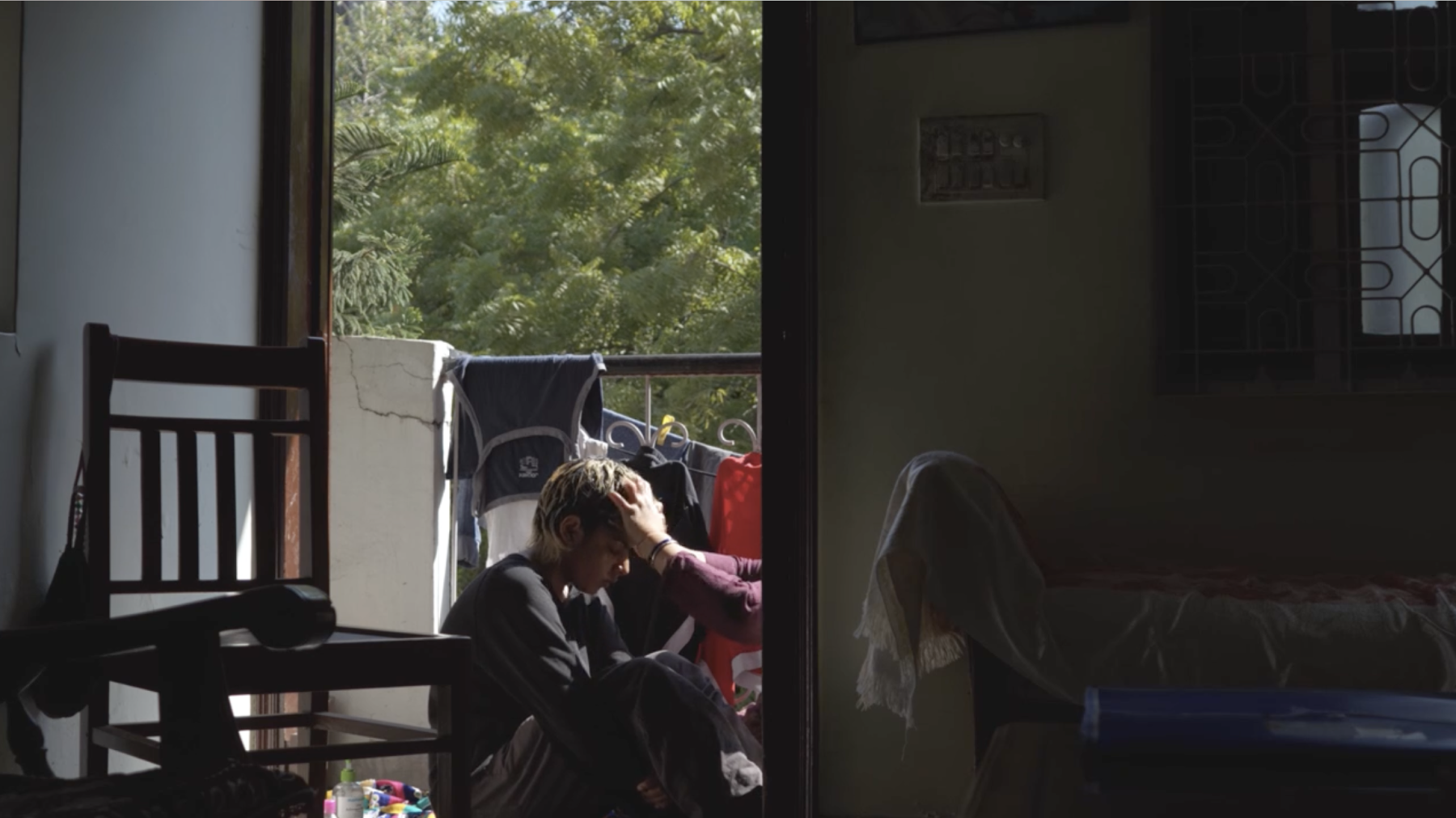
In our conversation, Islam shared that she approached this endeavour with self-filming as a curatorial framework; even though this is an era where self-filming for purposes of vlogging, streaming and influencing on social media has become incredibly common, the act of self-filming in cinematic queer stories emerging from South Asia is still revolutionary, she says. Islam views this from the perspective of South Asia being in “an era of coming out”—because five decades after Sunil Gupta’s iconic photographic records of Delhi’s queer community from the late 1980s, it is still an act of activism, and almost a century after Lionel Wendt's erotic monochromatic depictions of male bodies amidst the daily rurality of tropical Ceylon that subverted the colonial restrictions on sexuality and queer identities, it is still experimental and documentary. Told by the owners of the stories as they defy the fears of coming out and being queer in South Asia, subjectivity and individuality are essential to queer becoming in the films screened at Tender Guerrillas. In Islam’s curatorial framework, by letting each narrative hold and express uncertainty, self-interrogation, and bodily as well as sexual intimacies, she elevates queer existence as one that is also collectively experienced.
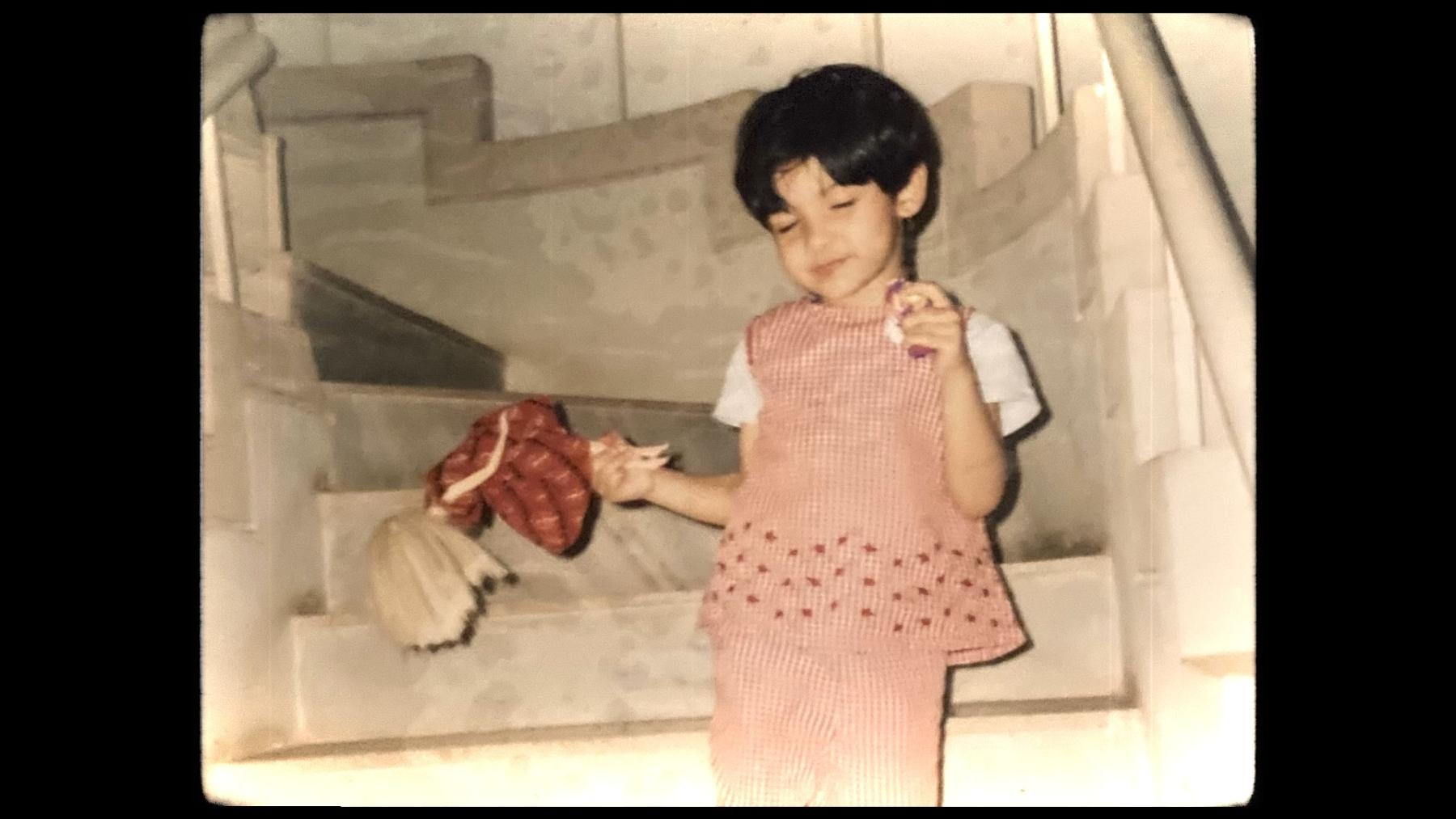
Tender Guerrillas highlights this queer revolution primarily through films such as Little Things, There is a Spider Living Between Us (2009) by Tejal Shah and Boudinet’s Curtain (2024) by Maya.nk. Boudinet’s Curtain is similar to Little Things, with references to various archives of childhood photographs and their reinterpretations in the present through the queerness of each protagonist, while the narrator of Shah’s six-minute experimental montage of photo collage, stop motion and cell drawing animation directs us to “consider whether this is what you [we] desire.” The camera then attempts to define queer sexual desire through linguistic and visual play, with this variety of material exchanges juxtaposed on the same screen to highlight the myriad ways in which it can materialise.
While such relatively new cinematic explorations capture Islam’s approach to self-filming and queering in South Asian storytelling and artmaking, she also looks back at archives from a time when queer being and living were illegal in India. Summer in My Veins (1999) by the late Nishit Saran was made via a Sony Handycam during a time when Section 377 of the Indian Penal Code of 1860 criminalised homosexuality and prohibited what was cited as “carnal intercourse against the order of nature.” Saran, living in the United States as a queer person, faced an HIV (Human Immunodeficiency Virus) scare while his mother and aunt visited him for his graduation ceremony, unaware of his circumstances. Saran’s film documents his negotiations with himself as he tries to come out to his mother while confronting the possibility of having contracted HIV and being vividly cognisant of the brevity of life. Saran’s intimate encounters in underground queer bars cut in and out of the footage of his mother and aunt’s touristy escapades. As Saran looks over waters with his mother by his side, he realises the significance of coming out as an act of truth as well as trust in his loved ones.
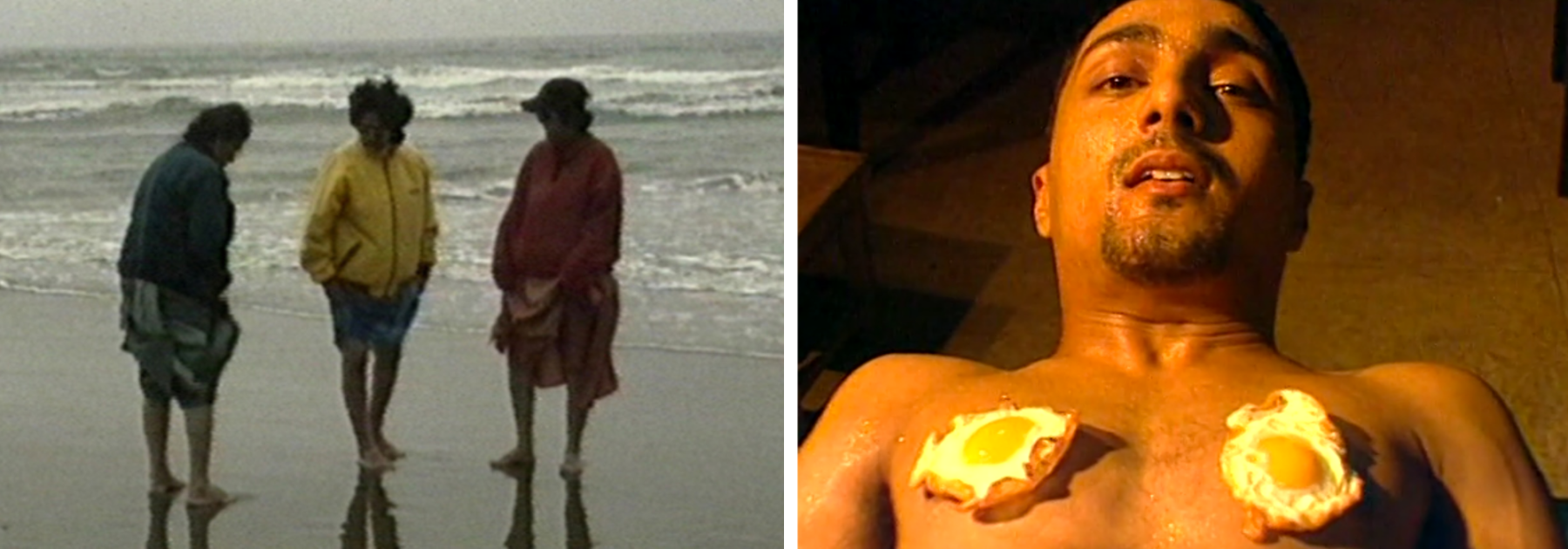
Right: Still from Riyad Vinci Wadia’s BOMgAY (1996).
Islam also screened BOMgAY (1996) directed by Riyad Vinci Wadia—cynical, humorous and deeply embedded in the queer subculture of Bombay in the 1990s, Wadia made the film with a group of friends from the advertising industry. Based in the capital of Bollywood and aware of censorship regulations, Wadia never submitted the film to the censor board, and thus the film has only circulated via film programmes, festival circuits and pirate networks. R Raj Rao’s collection of short stories named One Day I Locked My Flat In Soul City had inspired Wadia to collaborate with him on a film which anthologises queer encounters between men with a spirit of defiance, and would lead to Rao writing a series of poems named BOMgAY that were adapted into the eponymous film in 1996. A sex scene in a campus library was infamously filmed by Wadia with permission acquired for a “public service film about campus ragging," as Islam recounted from her initial research about the film, in her introductory speech of the screenings.
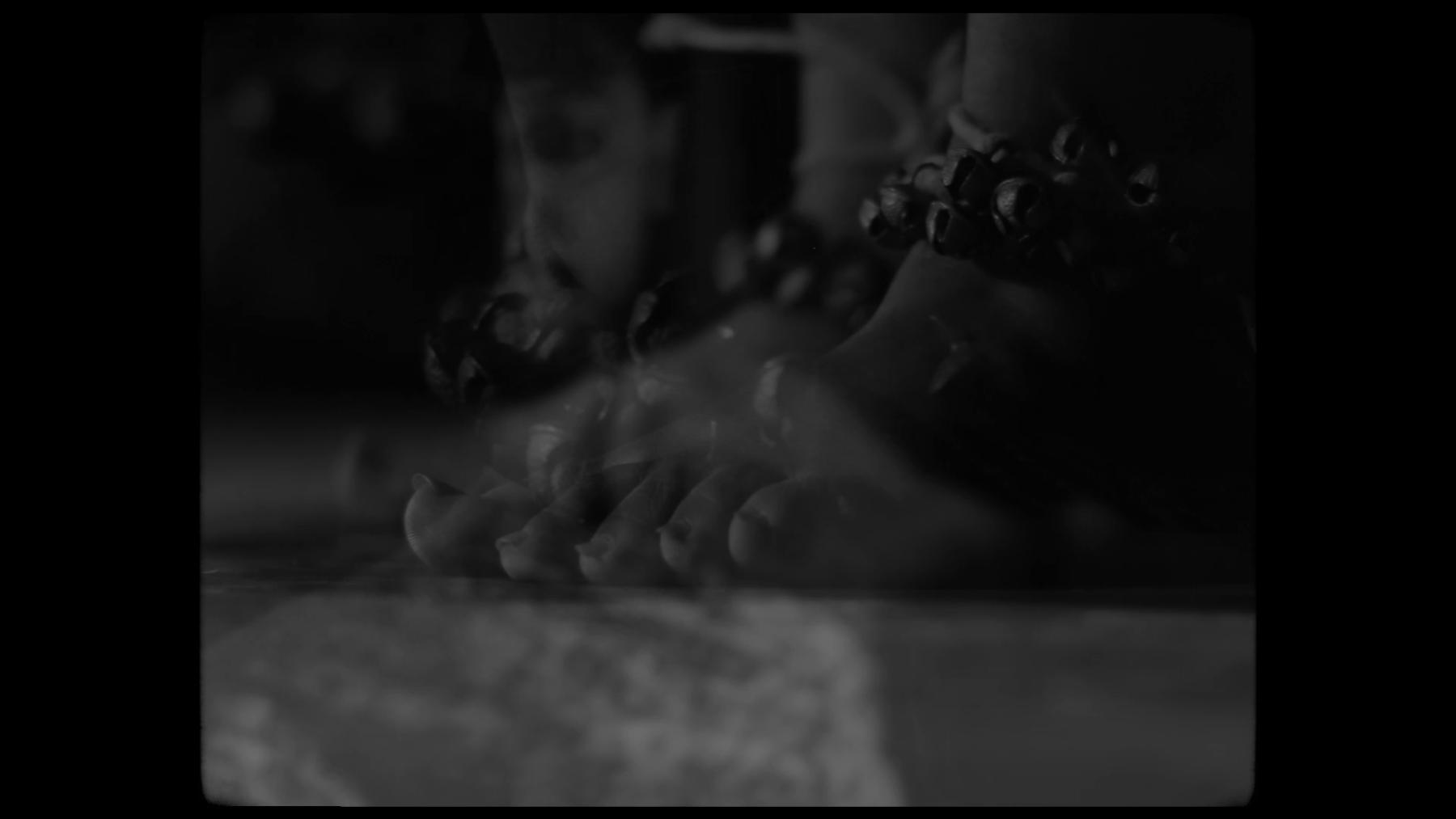
Such workaround by Wadia leads us to the precarity of queer existence in India while subtly revealing the neocolonial versions in other South Asian countries. For example, Sri Lanka has not yet decriminalised this legal provision’s equivalent in its penal code. The cruelty of campus ragging—even if it might result in nonconsensual sexual acts—is viewed as normal while the tender honesty of coming out as queer is surrounded by emotions of fear, embarrassment and shame. By foregrounding the narrative of the person living the story, Islam’s Tender Guerrillas engages directly but gently with queer encounters in its varied nuances.
To learn more about South Asian queer cinema, read Shefali Khan’s reflections on Deepa Mehta’s Fire (1996), Ankita Ghosh’s essay on Navin Kishore’s Performing the Goddess: The Chapal Bhaduri Story (1999), Kshiraja’s two-part conversation with Anuj Malhotra on The Flaherty Seminar 2023, Sukanya Deb’s essay on Saad Khan’s Showgirls of Pakistan (2020) and Najrin Islam’s observations on Saim Sadiq’s Joyland (2022).
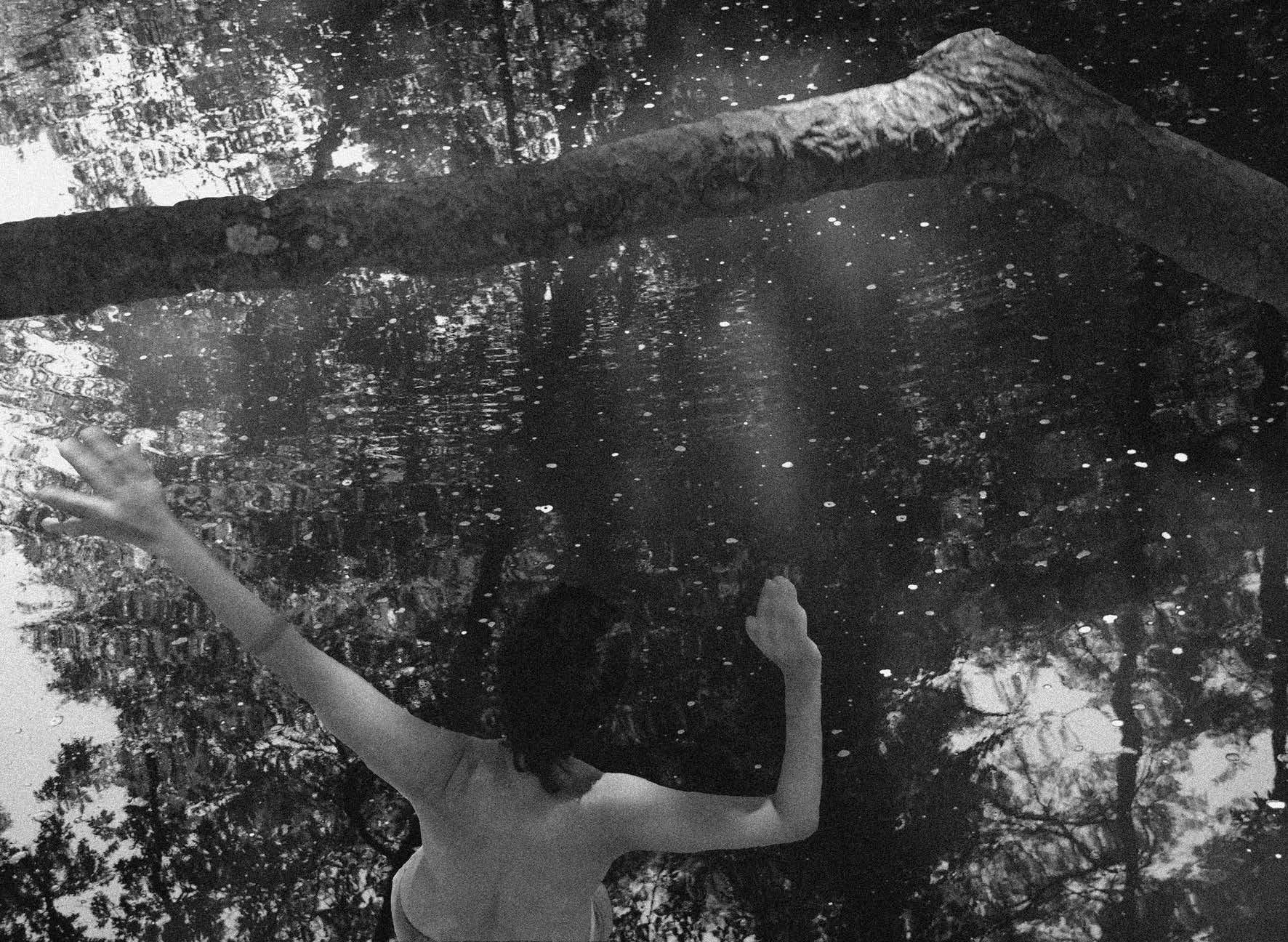
To learn more about artists exploring the queer-self through image-making, read Upasana Das’ insights on Poulomi Desai’s artistic practice and Charan Singh’s exhibition The Promise of Beauty (2024), and Annalisa Mansukhani’s article on Tejal Shah’s video art.
All images copyright with the respective filmmakers.