

Shape of Momo and the Myth of Return: In Conversation with Tribeny Rai
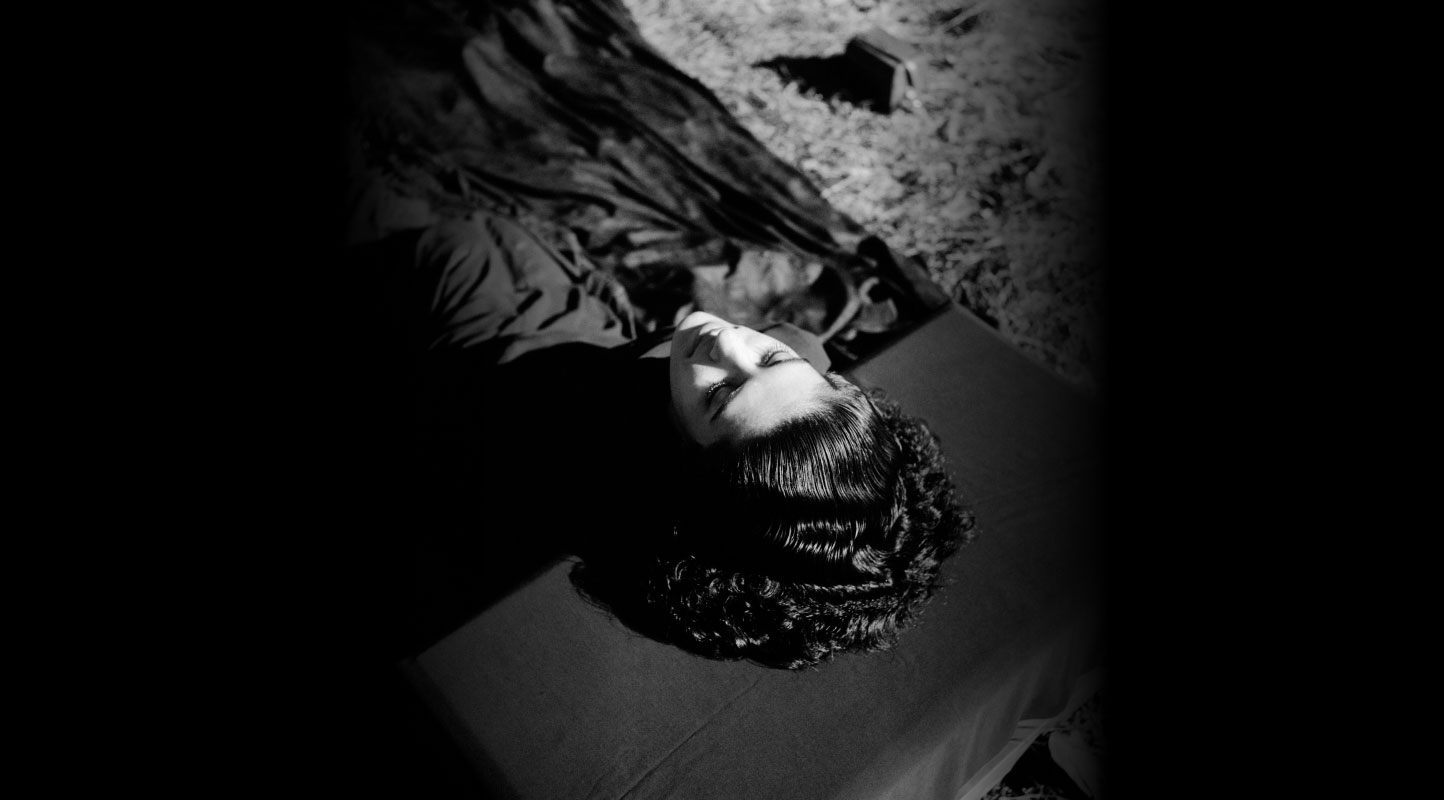
Screened at the third edition of the film festival Parda Faash—organised by Asia Society India Centre in collaboration with Film Southasia from 3 to 5 July 2026—Shape of Momo (2025) is a Nepali-language debut feature by Tribeny Rai. Set in Nandok, a small village in Sikkim, the film does not rush to explain the premise; instead, it allows you to inhabit its world, as a place does when it slowly finds its way into your memory.
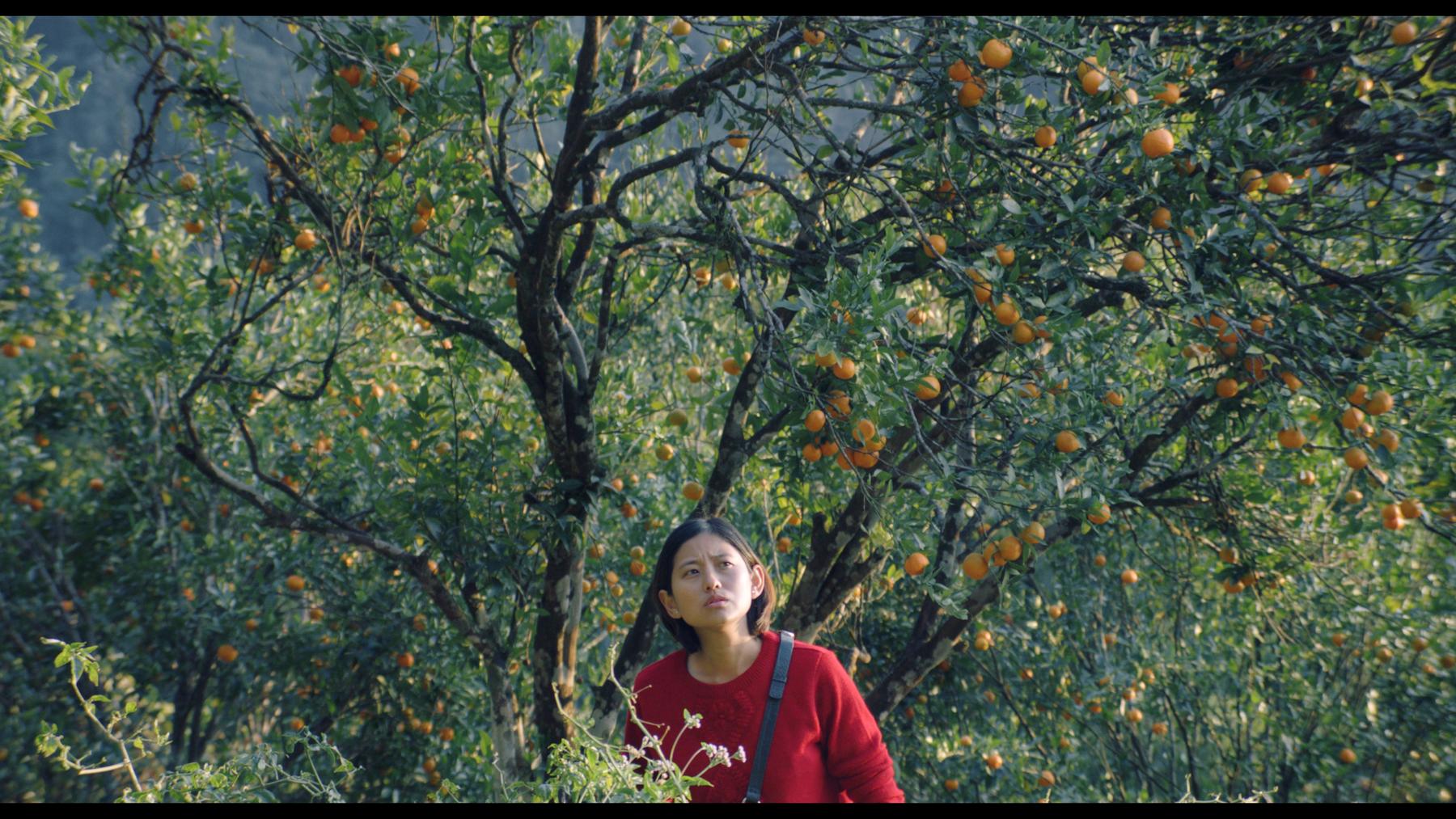
The film’s protagonist Bishnu (Gaumaya Gurung) is in her thirties, has quit her advertising job in Delhi and returned to her mother's home in picturesque Sikkim. Althrough Sikkim is often cast as a vessel for urban nostalgia, Rai’s camera does not linger on the Himalayan setting but turns towards economic pressures, migrant labourers from Uttar Pradesh and Bihar who face discrimination, and women's rights which are contingent on who they marry.
Folding in questions of class, language and migration, Shape of Momo is a homecoming story except that nobody is waiting, nothing is healed and going back does not mean returning. Here, homecoming is not merely an act of restoration but a reckoning—the slow realisation that the place you left has no obligation to hold the shape in which you remember it. In this edited conversation, Rai speaks about how the film materialised and the questions she hoped the film would resolve for her but which remain unanswered. This is perhaps precisely the film’s strength—that the confusion around belonging is not narrativised from a place of distance but holds uncertainty with a certain stillness.
Shefali Khan (SK): How much of your own experience of living away from home has informed the film?
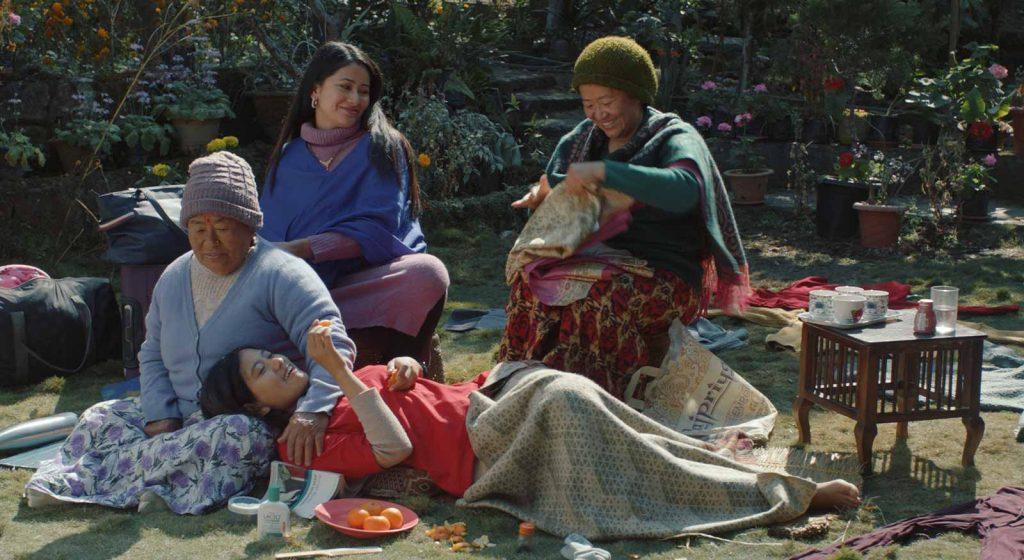
Tribeny Rai (TR): This film is deeply rooted in my own experience. We move to bigger cities in search of better opportunities for education and freedom, only to find ourselves belonging to nowhere. While I was studying in Kolkata at the SRFTI (Satyajit Ray Film and Television Institute), I decided to go back to my village and make this film. The idea of home constantly haunts you while you live in the city and when you go back, you realise the place is not waiting for you; it has changed as much as you have, or maybe you expected it to change but it has not. I anticipated it would resonate with other women; yet, my intention was not to tell a story about women but about migration, change and home through the lens of women and their everyday lives.
SK: There is a certain expectation faced by a woman director—that the portrayal of the female protagonist should be such that audiences can root for her unambiguously. Bishnu does not fit that mould. What was your idea behind her character?
TR: Whenever we encounter a story of empowerment, we tend to champion the protagonist from the word go. In our film, people are initially rooting for Bishnu but then realise that she is quite awful. In real life, humans are complex. Sometimes for our selfish interests, we end up exploiting people, even our close ones, and then try to compensate for it. That is exactly who our protagonist is. My co-writer, Kislay and I wanted to build a character that could speak to younger generations, while enunciating the need to resist societal pressures. This is how we derived the title Shape of Momo—society wants to mould us in a certain shape and form, whereas our protagonist does not even know how to make a proper momo and she does not care. That little act of resistance is what we wanted to offer to everyone.
SK: What influences continue to shape your filmmaking practice?
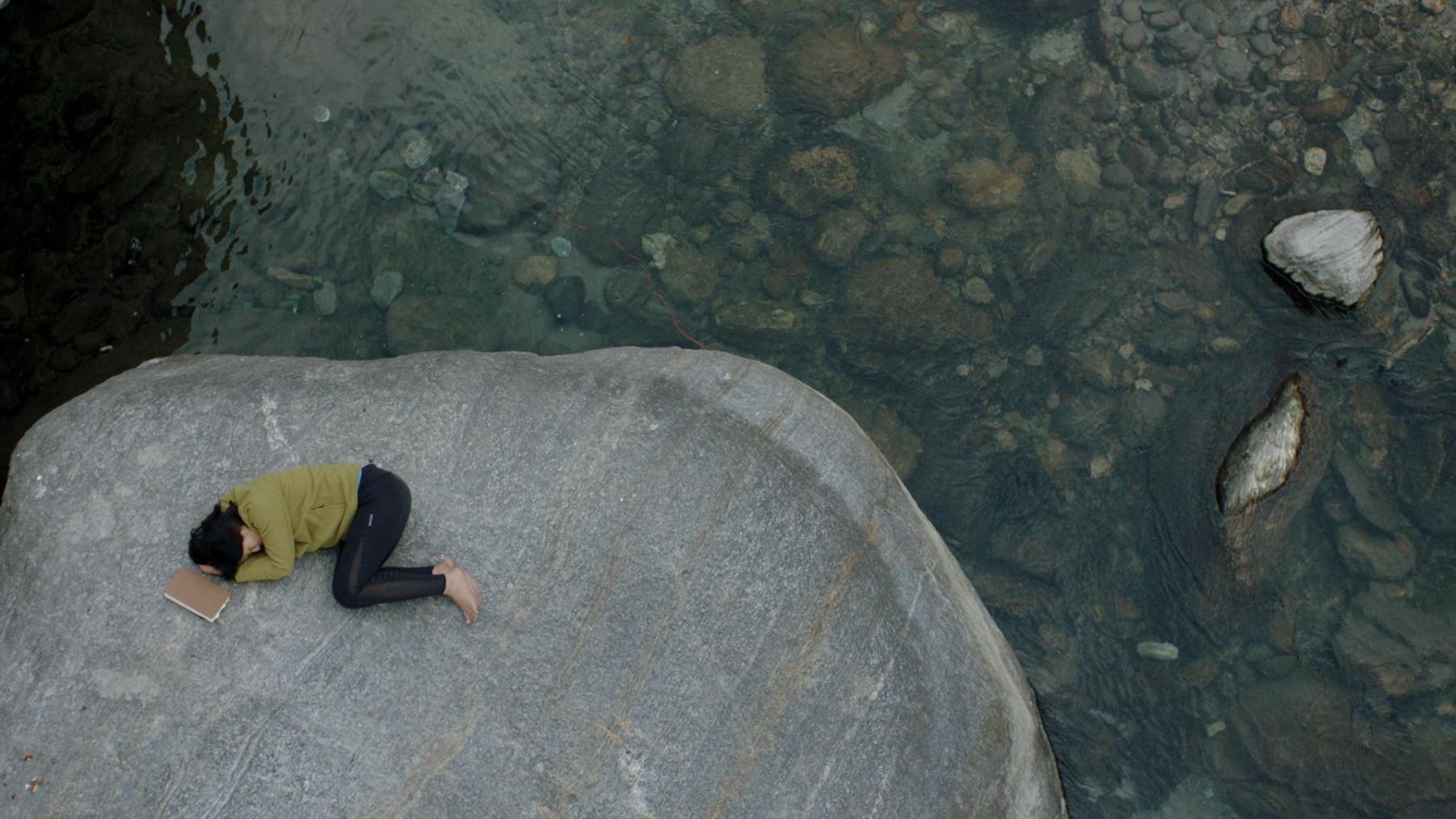
TR: Some of my favourite film directors are Jane Campion, Chantal Akerman and Agnès Varda. When you see their films, you first perceive them as exceptional works of art and then you notice that there is a woman behind the lens—I want my films to create a similar experience. I am also inspired by writers such as Virginia Woolf and Parijat, who is the first feminist Nepali writer. When I first read Parijat, I grappled with the fact that during a time when women’s expression was highly repressed under patriarchal structures, she was unflinchingly talking about liberty and advocating progressive thought. This set certain expectations for me. Gradually, I realised that it is high time we make films about unconventional heroes, especially women protagonists who do not necessarily set examples so that there is no weight that younger generations have to carry.
SK: The film is many things at once—personal, political, humorous and poignant, and yet none of it feels forced. How did you arrive at such a balance?
TR: A good film is one that you watch for the fifth time and still discover something new. In Shape of Momo, there are no definite answers. For instance, you never know what happens to the cat Azaadi (freedom) or if the migrant families return to Nepal or stay on. As writers, we do not judge any one character and want to leave room for interpretation. Junu is right in her own way given she lives in a place where a woman is expected to have a conventional family. In contrast, Bishnu has had the exposure to urban, metropolitan cities, which allows her a different kind of agency than her sister. Therefore, we wanted to portray real women as they are today—not as immaculate ideal paradigms but as individuals with all their complexity.
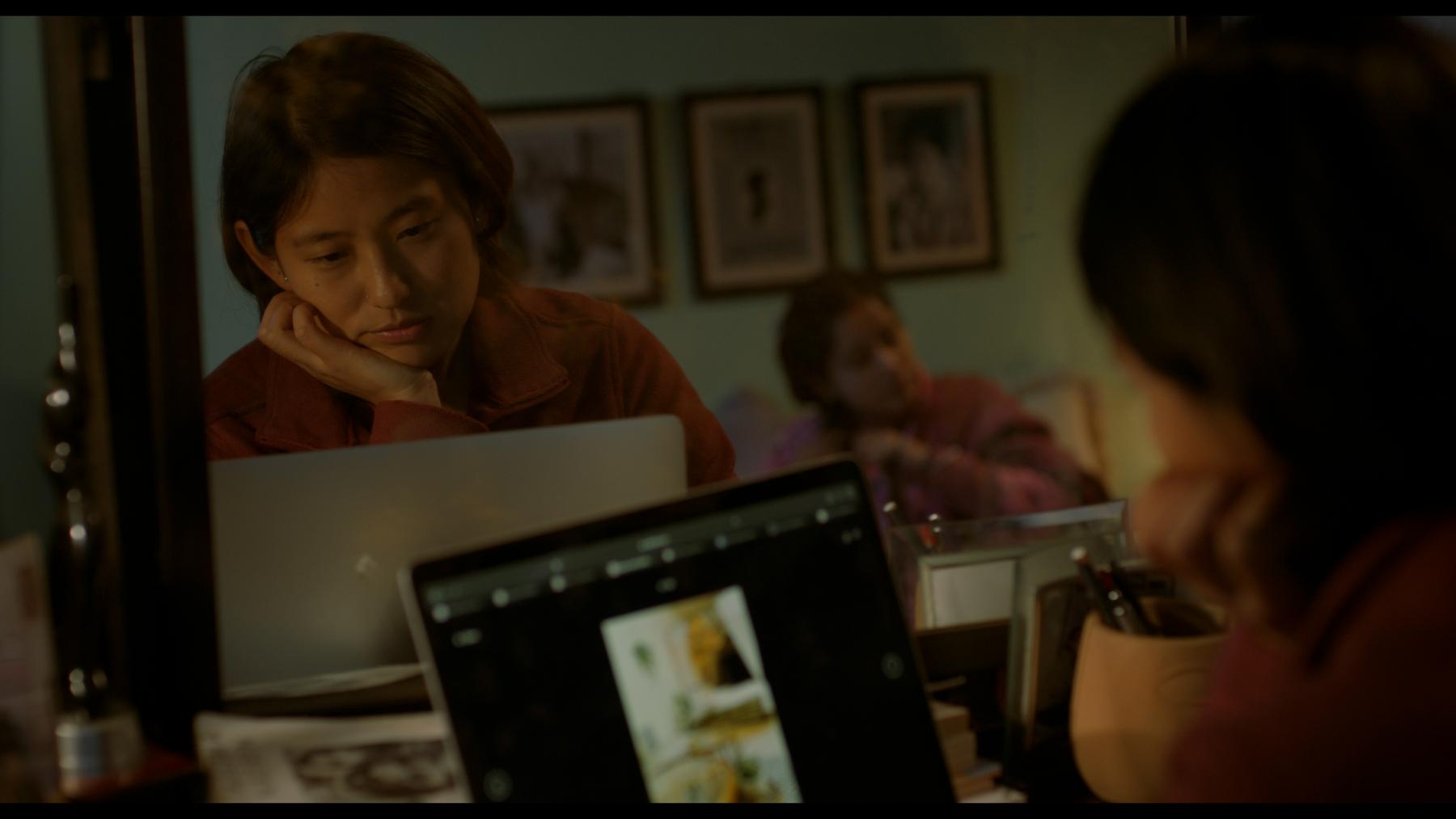
SK: Your film exists somewhere between independent cinema and popular theatrical release. Could you walk us through your journey of taking it across global film circuits?
TR: When you come out of film school, you feel like the whole world is waiting for your film, but then you have to face reality. The film is shot in my village and in my own house, and given where I come from, I knew that I would not find funding for a Nepali film because as a minority language in the culture and entertainment industry, it does not make economic sense to a framework that is still conventional. It was initially my mother and I, the primary producers, who put in our savings and made this film; people often say it is impractical to risk your own money but sometimes there is no other choice if you want to rescue your voice and of those pushed to the margins.
My training at SRFTI helped me know that I had to approach film production labs for the work-in-progress. So we went to NFDC's (National Film Development Corporation) Film Bazaar, the largest avenue for Indian filmmakers with little or no access to European or Asian markets. It was there that programmers from Busan first saw the film and began following its progress. Eventually, it travelled to the HKIFF (Hong Kong International Film Festival) Industry Project Market and with the “HAF Goes to Cannes” programme to the 2025 Cannes Film Festival. Later that year, the film went on to premier at Busan International Film Festival's Vision Section, winning the Songwon Vision Award and the Taipei Film Commission Award.
For someone living in the middle of a forest, in a distant village in Sikkim, to have her film theatrically released is a journey of perseverance. It does not happen overnight—there are times when you think, "Is this really going to happen?” With Spirit Media distributing the film and with Payal Kapadia, Zoya Akhtar and Reema Kagti as executive producers, the process has been almost dreamlike and has helped a minority-language film such as ours reach a wider and diverse viewership. Moreover, I hope that giving us a place at the table will open doors for more filmmakers, especially women and those from the Northeast. We want the ecosystem to expand—after all, we are not competing with one another but must make a place for each other.
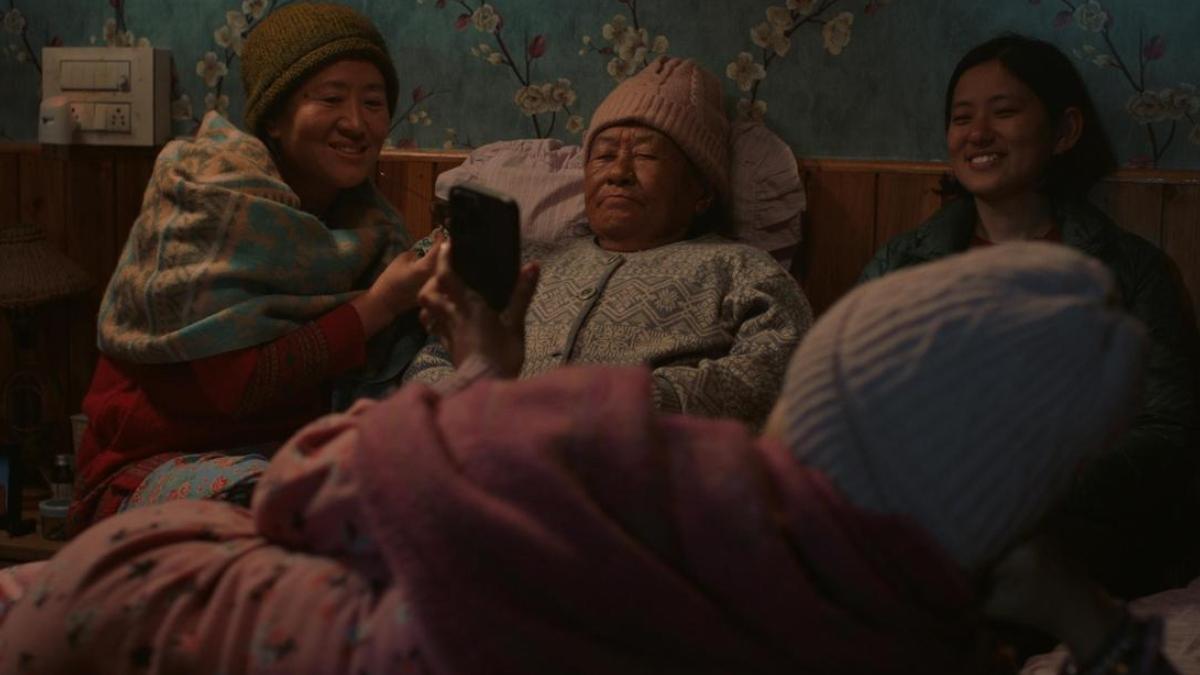
SK: Have you accepted the nature of your relationship with the city, your hometown and your mother?
TR: People say, if you do not understand something, make a film about it and you might have answers. But instead, now I contemplate even more on my relationship with my mother and my hometown. Bishnu’s decision to move back to the city is something I am still struggling with personally. I live with my mother in Delhi because the job demands it—the facilities, studios and everything else provided here is not yet available in my state, Sikkim.
I expected that my interactions while travelling with the film would lead me towards a decision—if I should stay back or go home. But this journey has been filled with ambiguity and I have realised that what is essential is questioning your existing experiences, irrespective of any immediate resolution.
Sometimes I feel my relationship with my mother is in a great place and the next moment, I have to rethink where we stand. Similarly, I often remember what Sikkim, my home, provides me with, which the city will not be able to, but then I look at the city and it offers me things that home cannot. I believe that relationships change and emotions evolve—that is what being human means. And I hope to continue telling stories from Sikkim because we have so much to share with the world.
For more insights on Parda Faash film festival editions, read Banhi Sarkar’s reviews of Pradip Kurba’s Ha Lyngkha Bneng (The Elysian Field, 2025) and Prateek Shekhar’s Chardi Kala (2023).
To learn more about independent filmmakers engaging with lived experiences in Northeast India, read Shranup Tandukar’s reflections on Prasuna Dongol’s Before You Were My Mother (2022), Sagorika Singha’s mapping of contemporary filmmaking in Assam and Niyati Bhat’s essay on Samarth Mahajan’s Borderlands (2021).
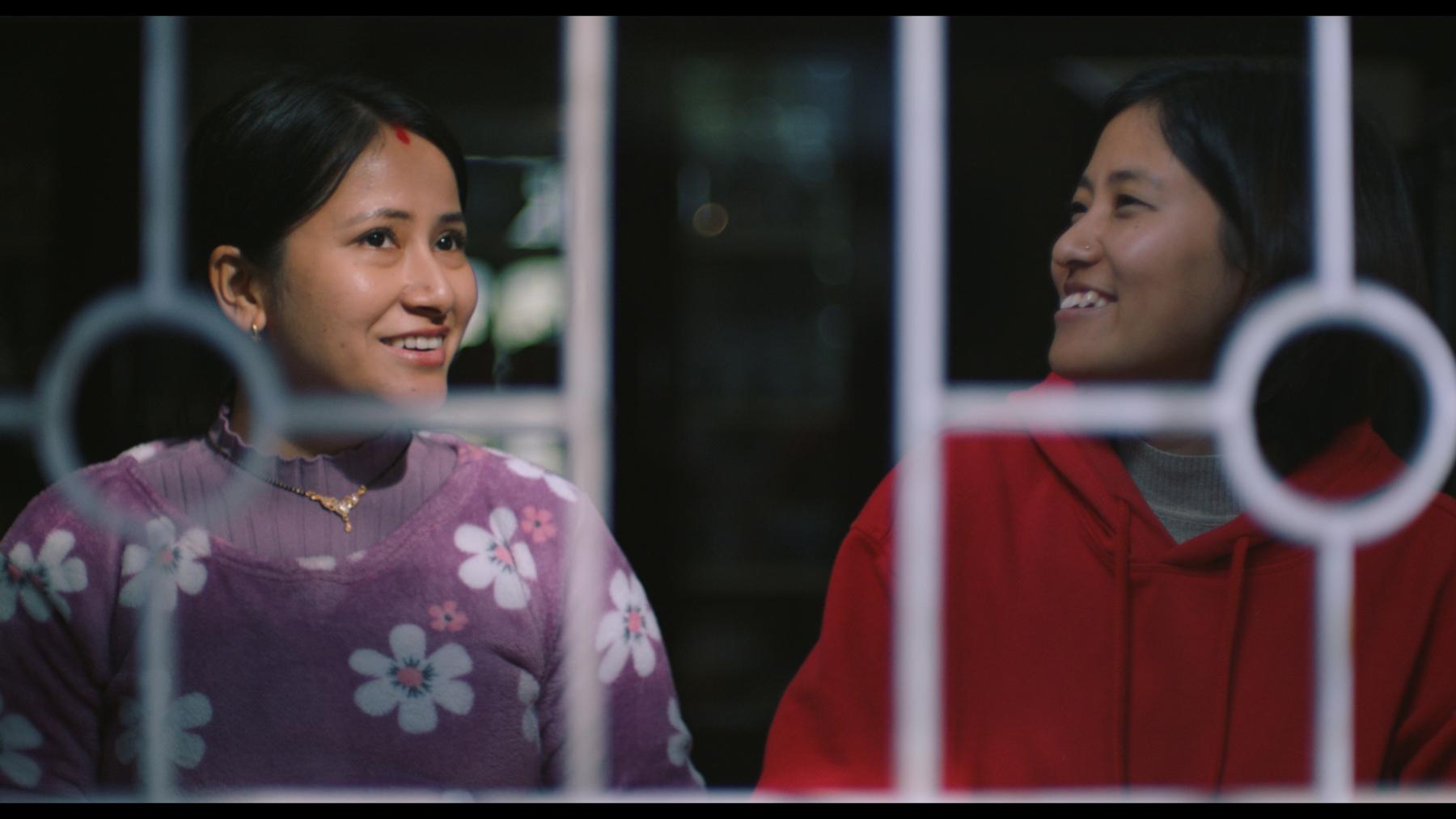
All images are stills from Shape of Momo (2025) by Tribeny Rai. Images courtesy of the director.