

Longing is the Plot: On Secret of a Mountain Serpent
Nidhi Saxena intended her sophomore feature film to be read as a poem. This makes Secret of a Mountain Serpent (2025)—a stunning mood piece set in foggy Almora—a simultaneously compelling and confounding viewing experience. Following its world premiere at the Venice International Film Festival (2025), the film had its Indian premiere at the Dharamshala International Film Festival (DIFF) in November 2025.
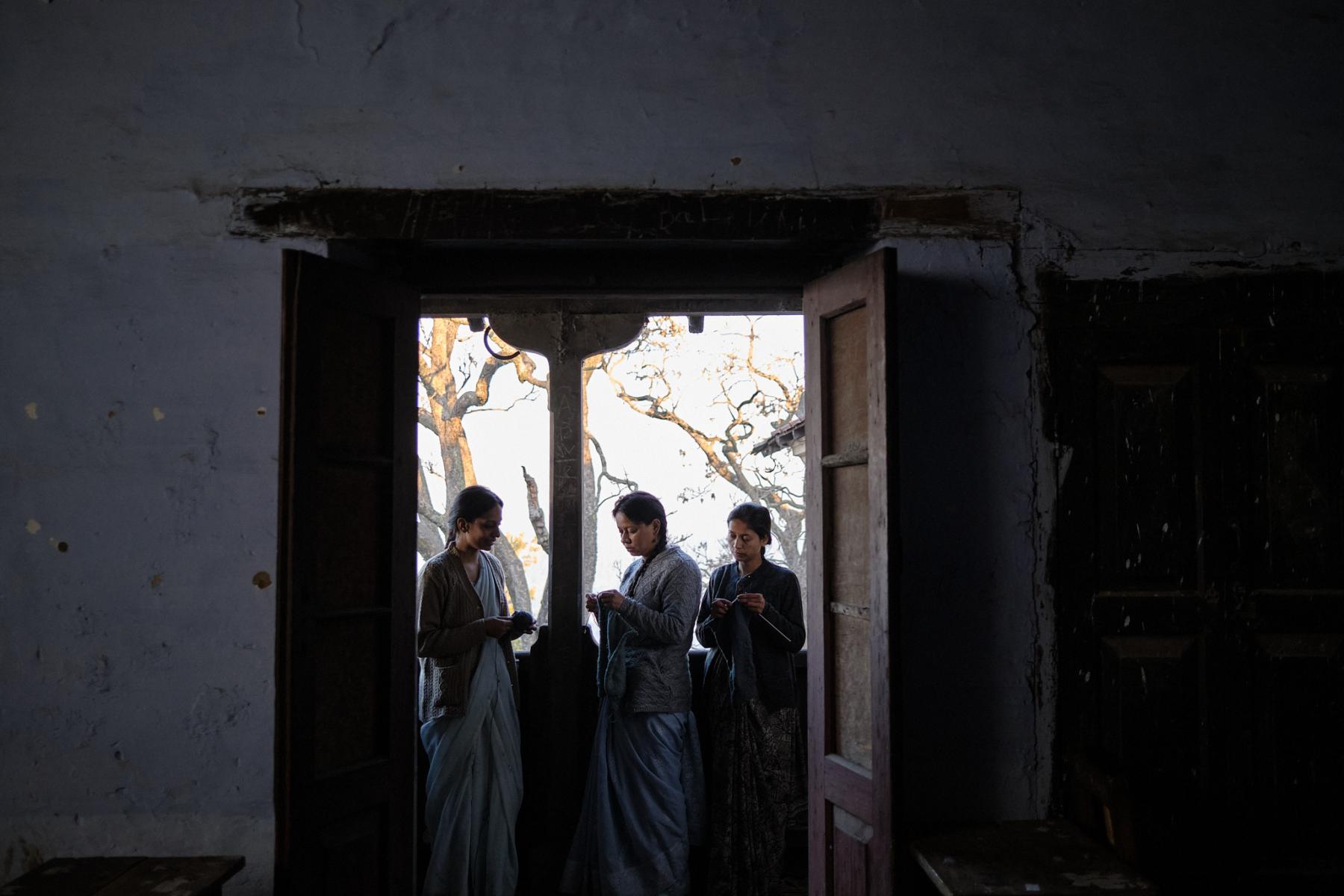
Saxena’s trip to Almora, Uttarakhand, acquainted her with the category of Pahadi (hills people) wives with absent husbands. In the mountains where opportunities are scant, one source of employment is the army. The men, who are deployed elsewhere for much of the year, leave behind women who have no choice but to while away the monotony of small days and small lives. What is an empty room but an opening for something else to step in? Stories and female friendship, myths and idle gossip, yes, but, also, on rare occasions, a visiting stranger.
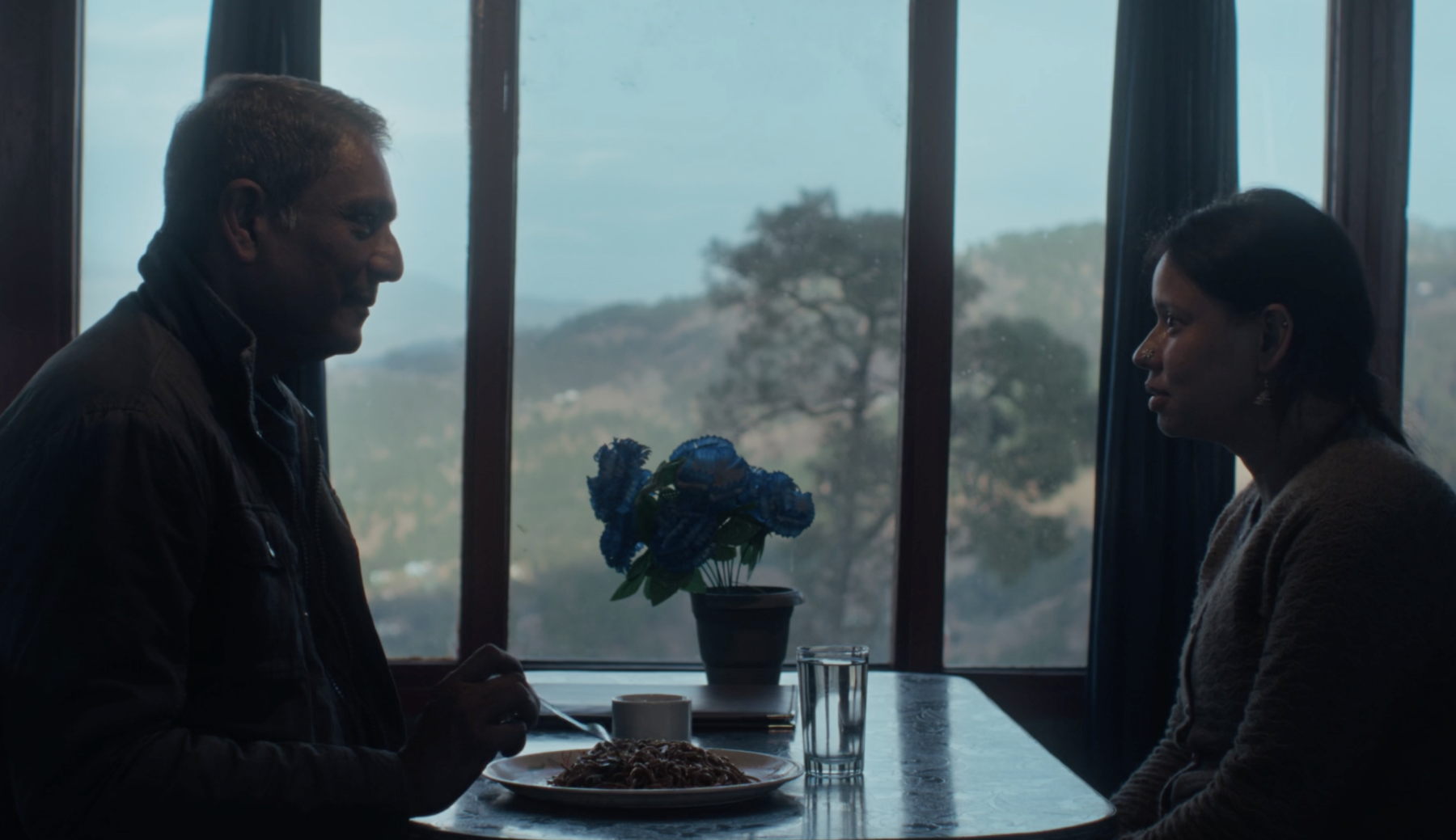
One such army wife, Barkha (Trimala Adhikari), meets one such stranger. Over days (or is it weeks?), they meet over a table in a cafe seemingly suspended in the clouds. Their conversation—lilting, soft and oddly disjointed—is as tentative as the food they seem to consume. We do not hear them say much.
At night, or in dreams—it is not clear—they meet by the river. Here, this stranger—portrayed fittingly by Adil Hussain—melds with a local myth about a serpent. The story goes that once upon a time by a river in the mountains, a woman promised a serpent that she would bring her daughter in her stead if he let her escape. She never returned, and thousands of years passed. The serpent still waits. Women are advised to avoid that river.
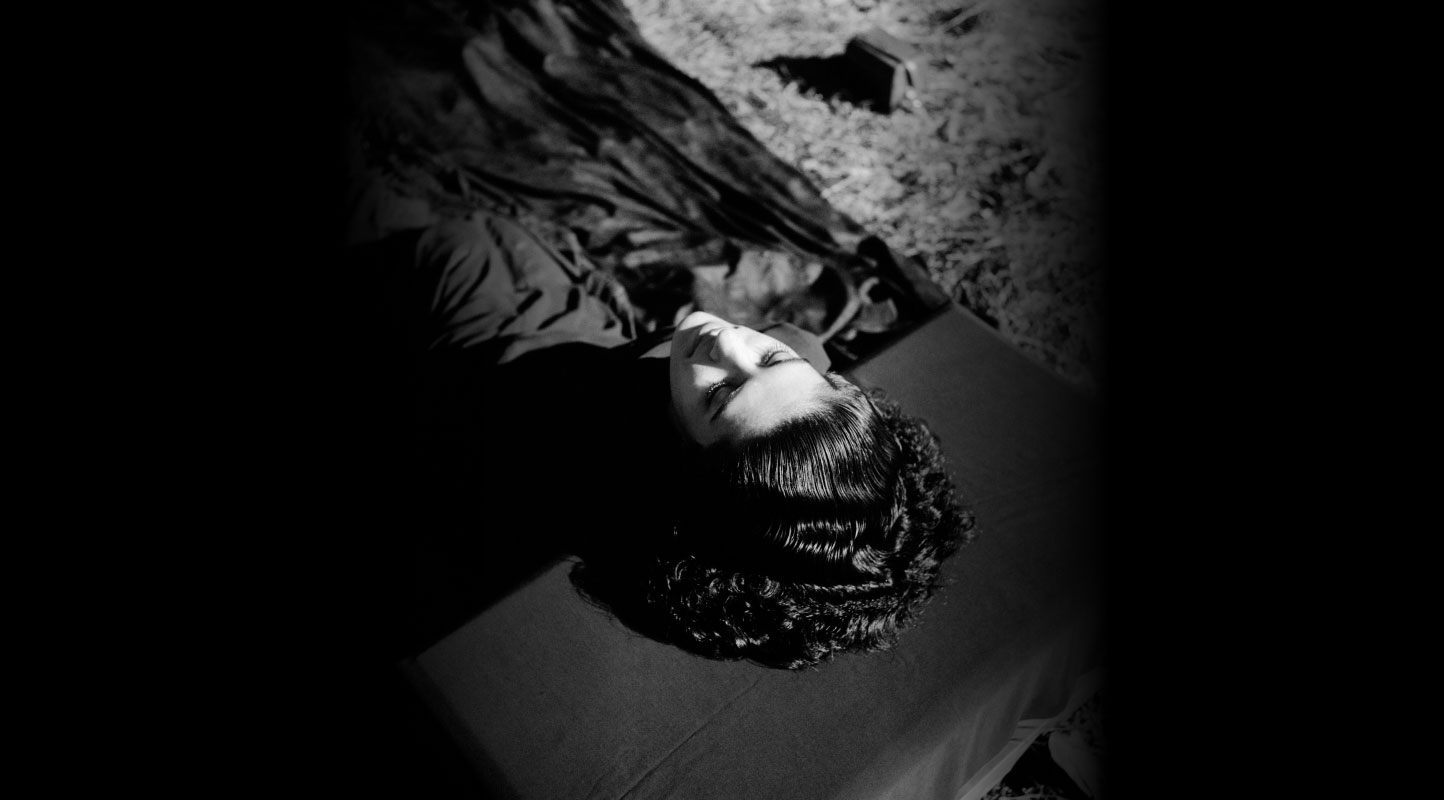
If this is a fable about temptation, the moral code that sorts women into “good” and “bad,” or the inevitability of transgression being pinned on women—we see a lot of apple imagery evoking original sin—the film is not saying anything new, but instead telling an old story like a painting. Secret of a Mountain Serpent works best as a mood piece—comprising a series of vignettes—largely because of the work of cinematographer Vikas Urs.
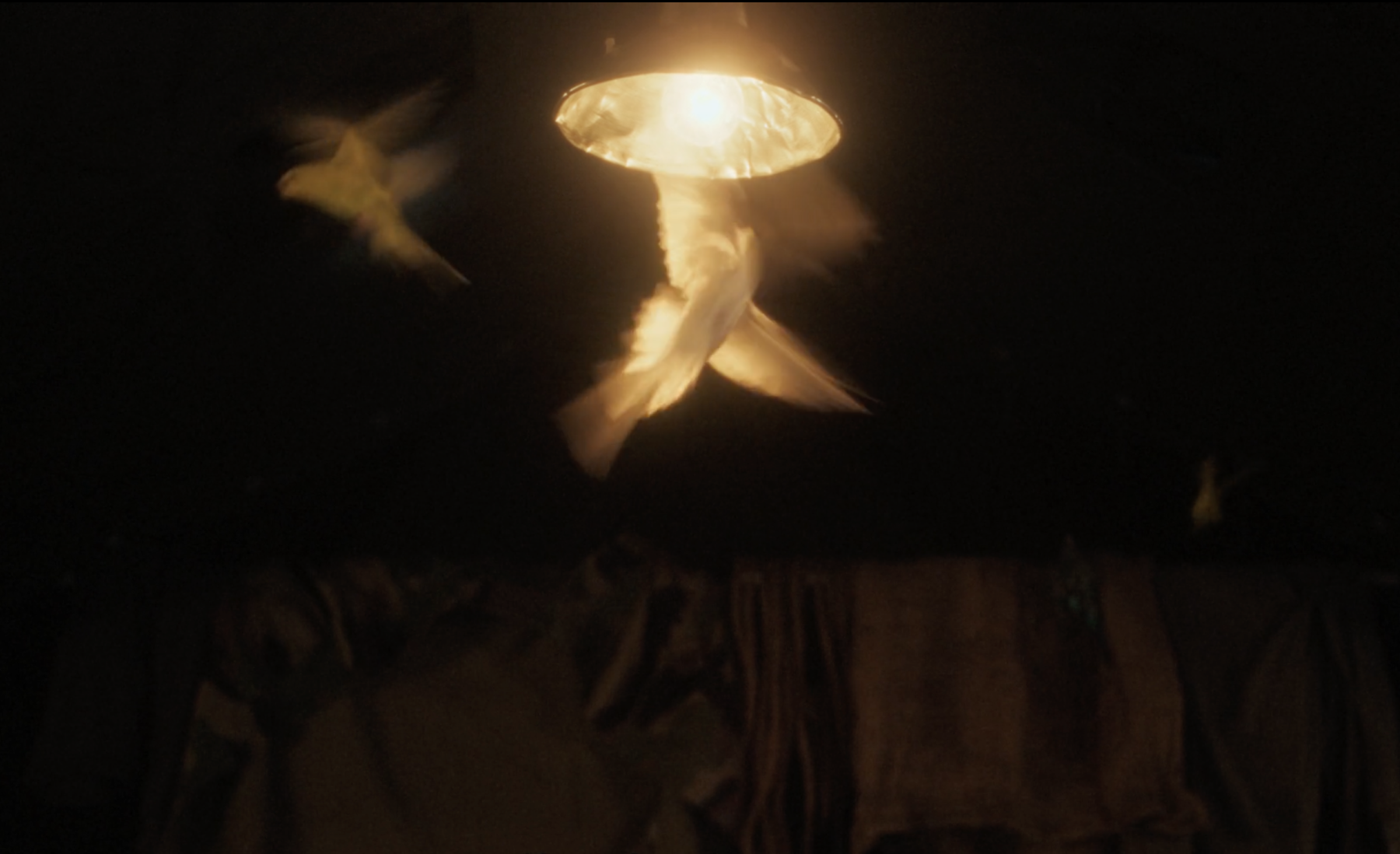
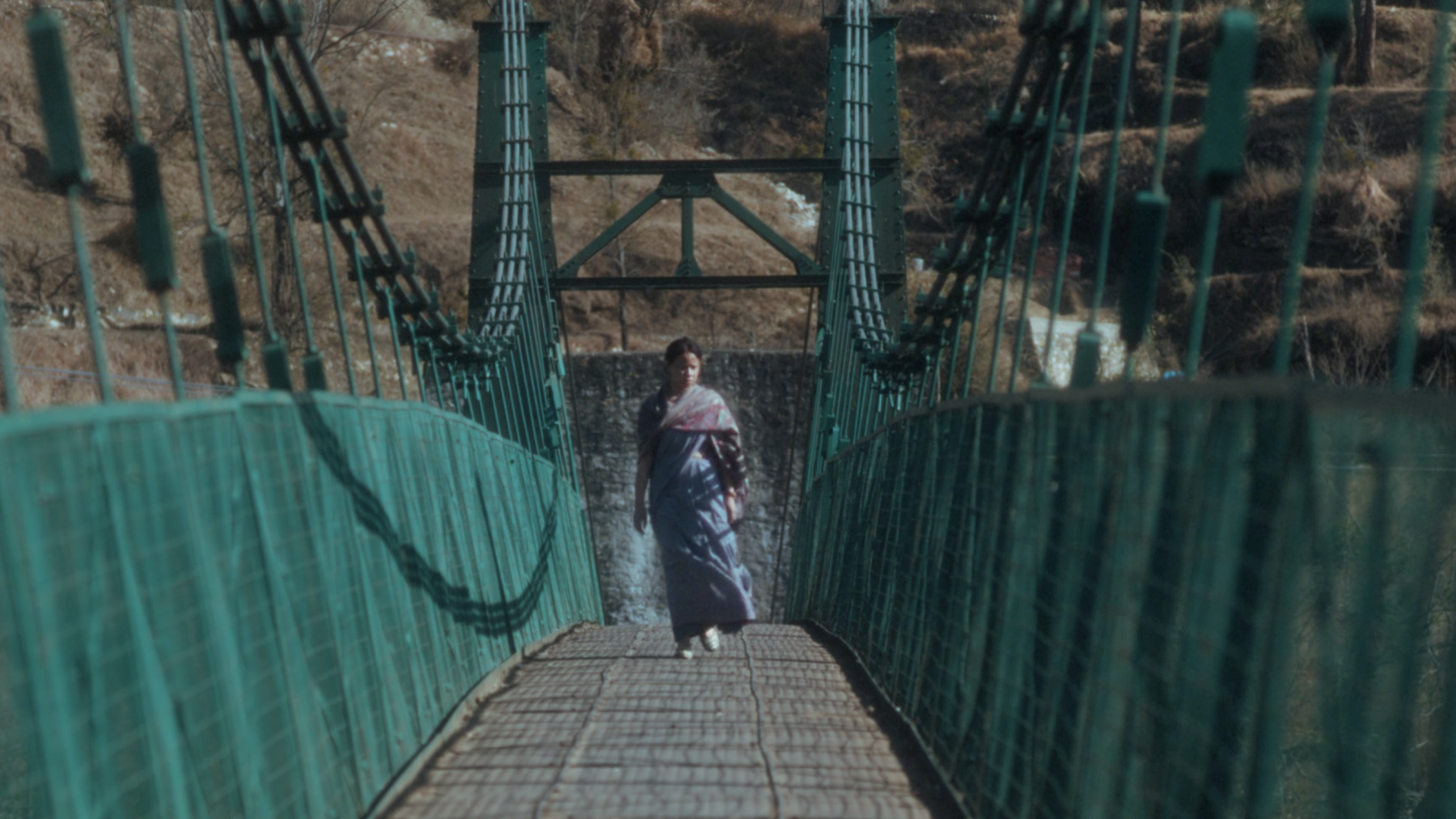
More compelling are the scenes without conversation. What is interesting about the film is its attention to the specific, magnified in scope by magical realism. Flurries of yellow birds fill a dimly lit room where Barkha’s army husband exists with other barrack-men. Noisy and insistent, their wings beat, and they fill up the room with the very loud noise of his wife’s longing from far away. Elsewhere the chhap-chhap of slippers on a bridge hurries women safely back to marital fidelity and cobwebbed lives.
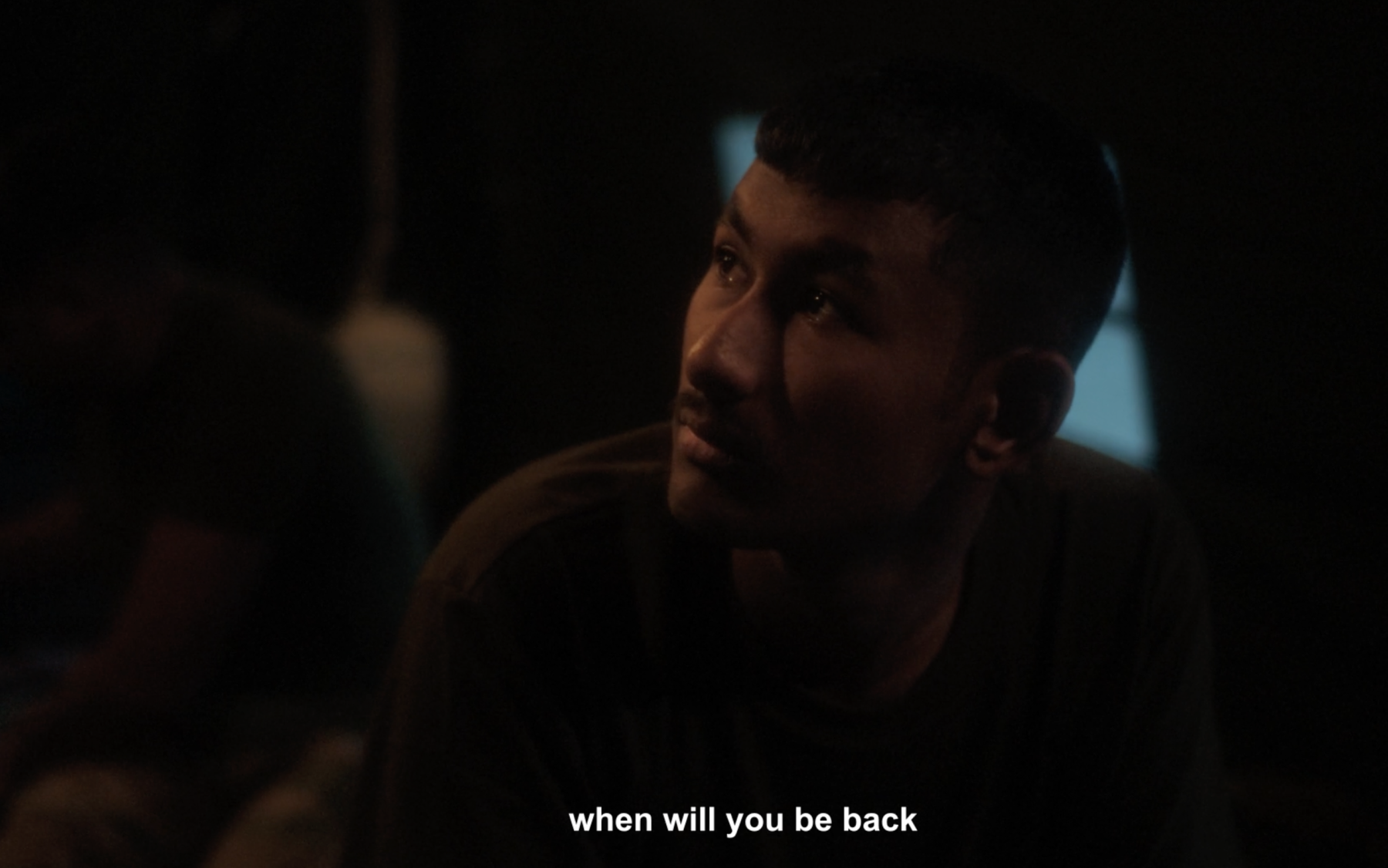
We hear, over and over, the phrase "Maine tumhe miss kiya. Kya tumne mujhe miss kiya?" (I missed you. Did you miss me?)—declaration and question, a confession of vulnerability. The two things go together—like two slippers or two sleeves of a cotton shirt—as pairs. The film convinces you that a hand is empty without another holding it. Nobody yearns like Barkha.
 png.png)
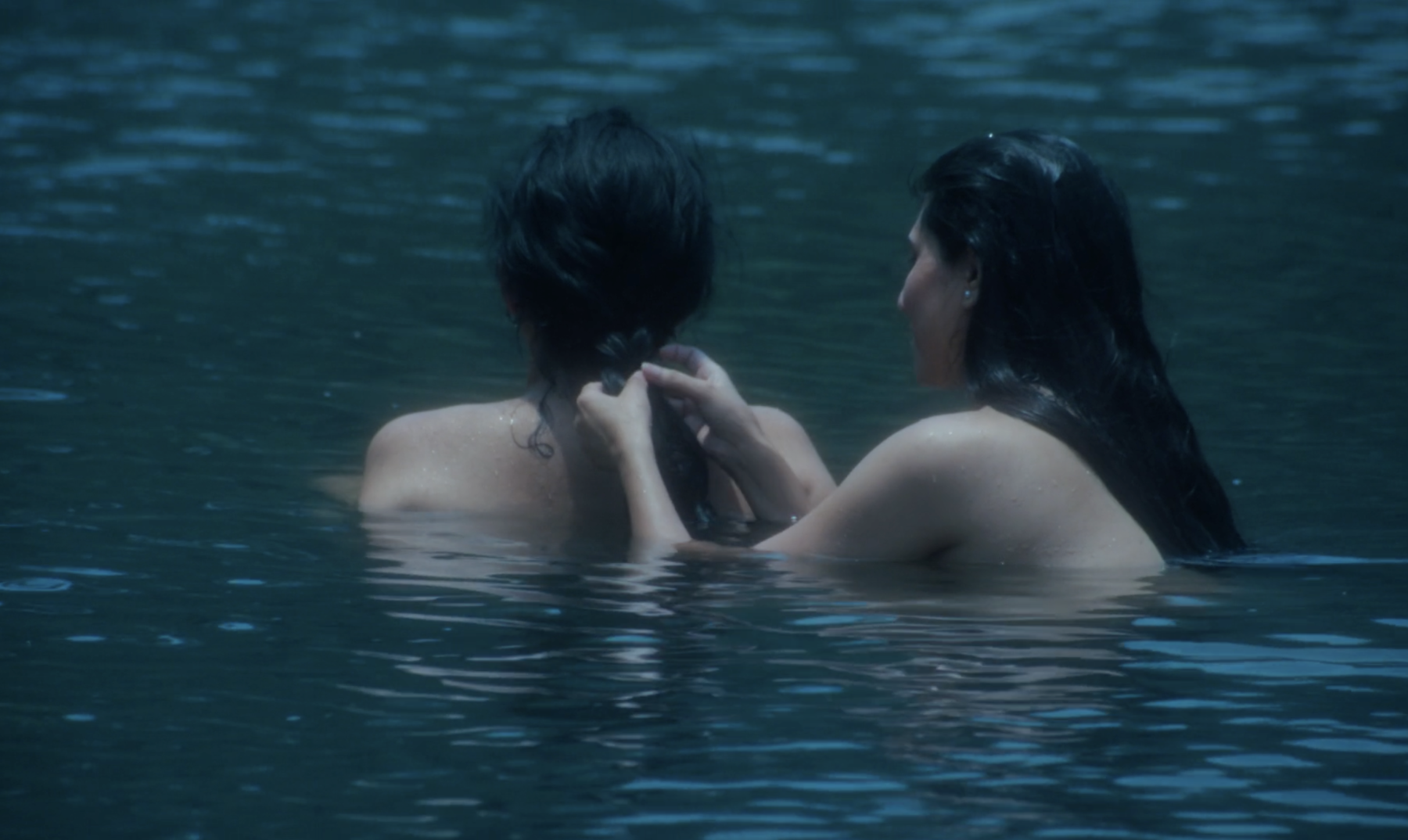
From there it does not quite stick the landing. Speaking to The Hindu, Saxena has said that to seek fulfilment and freedom, in the end, the women “...do not go to the snake; they go to the river!” This is the closing of the film—not just Barkha, but all these lonely women in the river. The scene goes on and on long after you think it will end. Another exquisitely beautiful frame in the film is a shot of drab grey, sweatered arms encircling the trunk of a tree. Barkha clutches the trunk of a tree to feel the breadth and sturdiness of a man’s torso where there is none. It is a kind of substitute, but inadequate.
Women’s desire, while expressed, feels somehow timid. It is soft-spoken. In these murmurs, it is the pulsating loneliness and longing to be loved and wanted that animates the film—which, for all its coy whispering, demurs satisfaction. Fulfilment is one thing, but can erotic desire—the desire to be touched, licked, pressed firmly, to be held in conversation, and to be kissed and kissed and kissed—be satisfied by the river? It is not a metonym that quite works, is it? After you have cast off your clothes and have swum in the river, you have to go back to land and dry yourself. Your bed is still empty, your body untouched.
Saxena’s film captures the tactility of missing someone. You need a hand to measure the curve of your stomach. The river knows it is a river because someone skips a stone on it, beats their clothes or dips a hand in the water. A lover knows she exists because someone takes her breath into their mouth.
To learn more about the 2025 edition of the DIFF, read Adil Manzoor’s reflections on Jacob Luke Jeroshan’s The Last Endless Night (2025) as well as Upasana Das’ essays on Shaheen Ahmed’s Naz̤ar: A Diary (2025), Azeem Rajulawalla’s More Punk than Punk (2025) and Rich Peppiatt’s Kneecap (2024). Also read Mallika Visvanathan’s conversations with Suhel Banerjee on his film Cycle Mahesh (2024) and Sruthil Mathew on his film Dinosaur’s Egg (2024) as well as the episodes of In Person featuring Surabhi Sharma on her film Music in a Village Named 1PB (2025) and Sivaranjini on her film Victoria (2024).
All images are stills from Secret of a Mountain Serpent (2025) by Nidhi Saxena. Images courtesy of the director.