

Beyond the Screen: In Conversation with Nasreen Munni Kabir
Over several decades of writing about Indian cinema and across more than twenty books, Nasreen Munni Kabir has returned to conversation as a way of understanding and sustaining curiosity about cinema—her writing taking the form of candid interviews and unvarnished dialogues, which allow actors, filmmakers and other practitioners to express themselves in their own voices. Some of her meticulous works include three book-length conversations with Javed Akhtar—Talking Films (1999), Talking Songs (2005) and Talking Life (2023)—each exploring a different facet of his creative practice. Kabir’s oeuvre also includes a thoughtful study of Guru Dutt’s distinctive cinematic vision, drawing on his films and interviews with his family and friends, as well as an intimate portrait of Waheeda Rehman’s life and career, sketched through Rehman’s own recollections of working in Hindi cinema.
In this edited conversation, Kabir speaks about her entry into the world of film—from her work as a trainee assistant with Robert Bresson and Alain Resnais in Paris to production and direction of Movie Mahal (1987-89), her landmark forty-nine-part television docu-series on Indian cinema, for Channel 4 TV in the United Kingdom, as well as her subsequent deep-dive into Hindi cinema and her work in subtitling over 850 films, while addressing the painstaking commitment that film editing requires. Emphasising the need to think with audiences rather than simply for them, she reflects on what it means to understand the evolution of filmgoing publics and the ways in which a film translates for audiences—not just as an idea or intention but how it comes to be comprehended and remembered. Against this backdrop, Kabir considers the significance of looking back at certain trajectories in Indian cinema, highlighting how each decade brings a form of renewal even as the medium moves forward.
Born in India, the London-based documentary filmmaker and writer Nasreen Munni Kabir has made several programmes on Hindi cinema for Channel 4 TV in the UK in the past, including The Inner/Outer World of Shah Rukh Khan (2005) and the forty-nine-part series Movie Mahal (1987-89). Her books include AR Rahman: The Spirit of Music (2011); Lata Mangeshkar: In Her Own Voice (2009); Talking Songs (2005) and Talking Films (1999) with Javed Akhtar; Guru Dutt: A Life in Cinema (1996); and five publications featuring the complete dialogue of classic films such as Mughal-e-Azam (1960) and Awaara (1951).
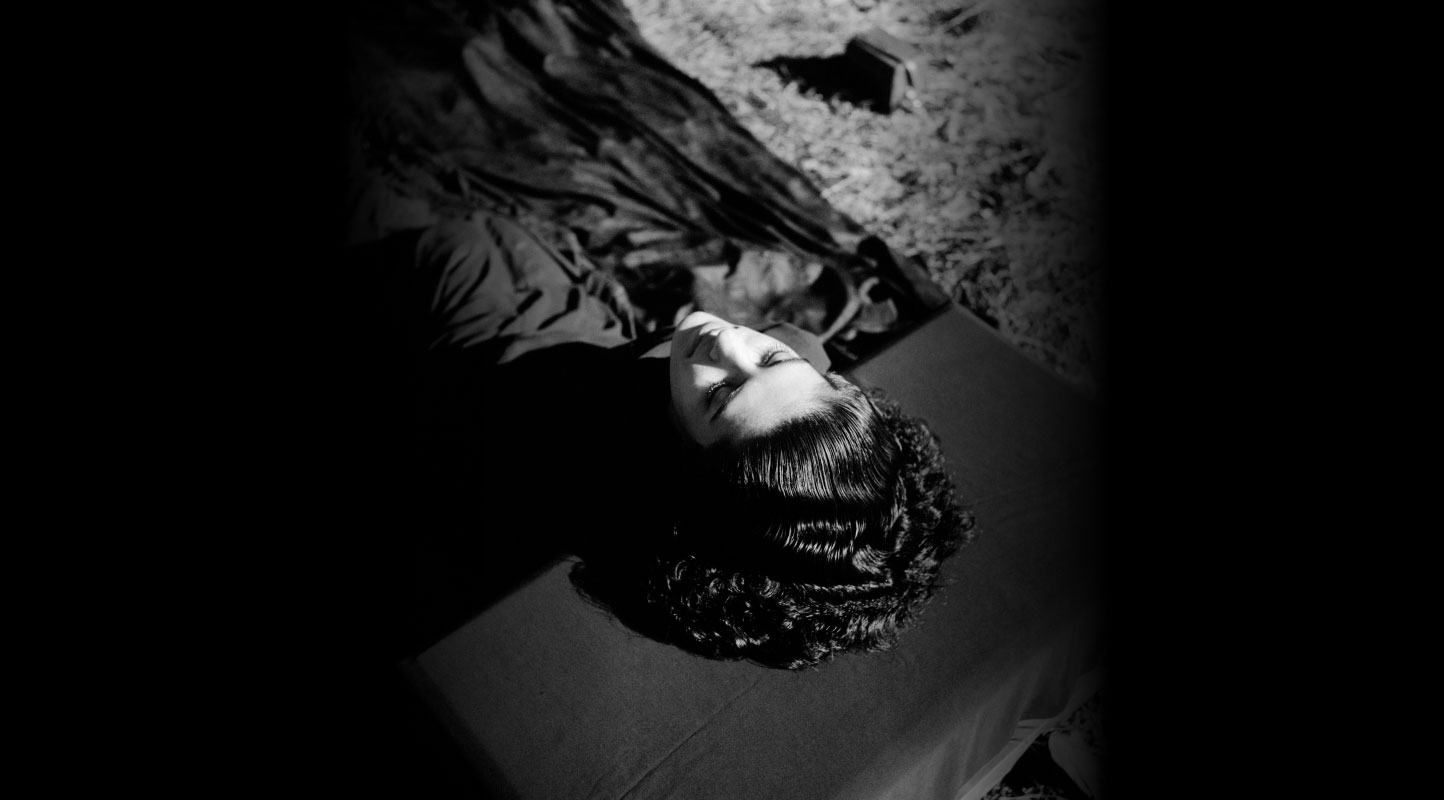
(Featured image: Portrait of Nasreen Munni Kabir. Photograph by Abhijit Bhatlekar. Image courtesy of Nasreen Munni Kabir.)
Recorded on 23 July 2026.
To learn more about Hindi cinema from the 1940s-90s, read Ankan Kazi’s two-part conversation with Omar Ahmed on Indian Parallel Cinema, Ketaki Verma’s two-part interview with Debashree Mukherjee on her book Bombay Hustle: Making Movies in a Colonial City (2020), Ankan Kazi’s reflections on Salma Siddique’s Evacuee Cinema: Bombay and Lahore in Partition Transit, 1940–1960 (2022), Madhubanti De’s exploration of Samhita Sunya’s Sirens of Modernity (2022), which looks at the interaction of Indian and world cinema during 1950s-70s, Silpa Mukherjee’s essays on the emergence of TV, video and piracy practices, disco music and a period of new Islamicate in Bombay cinema in the 1980s, and an online conversation by ASAP | art with Kartik Nair and Vibhushan Subba on the 1980s Bombay horror films.