

Multisensorial Ephemera: Bombay Cinema’s Song Booklets
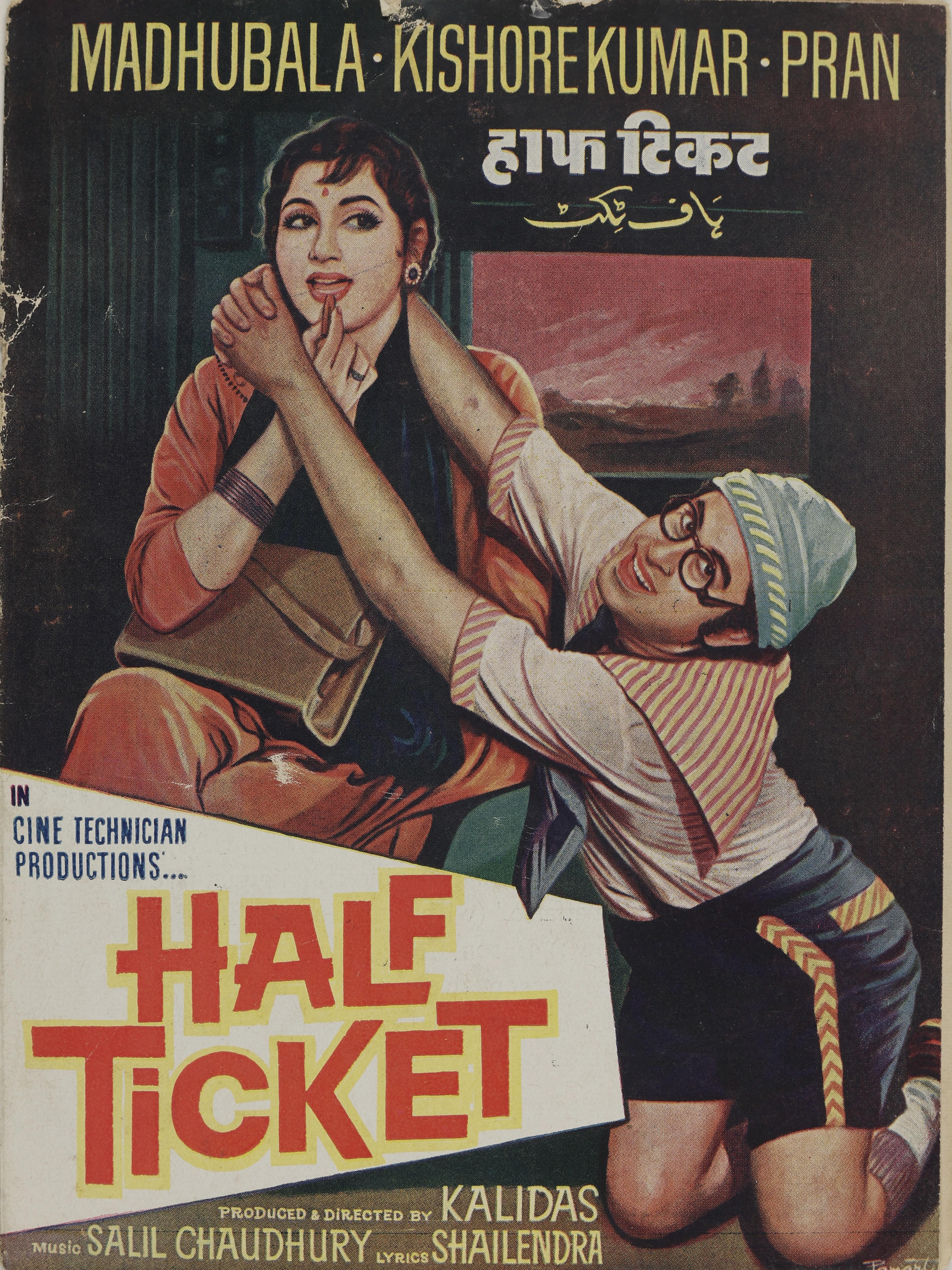
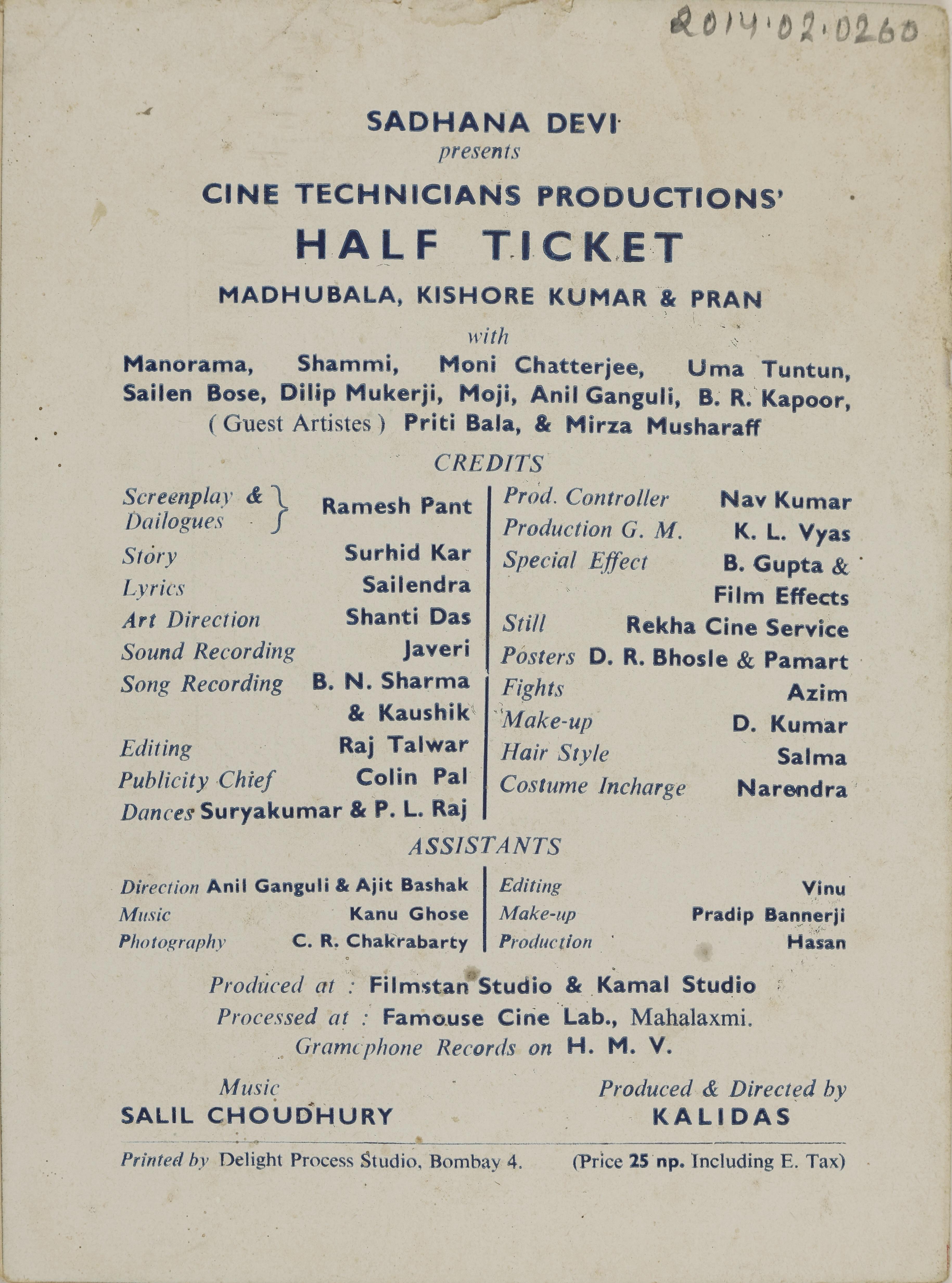
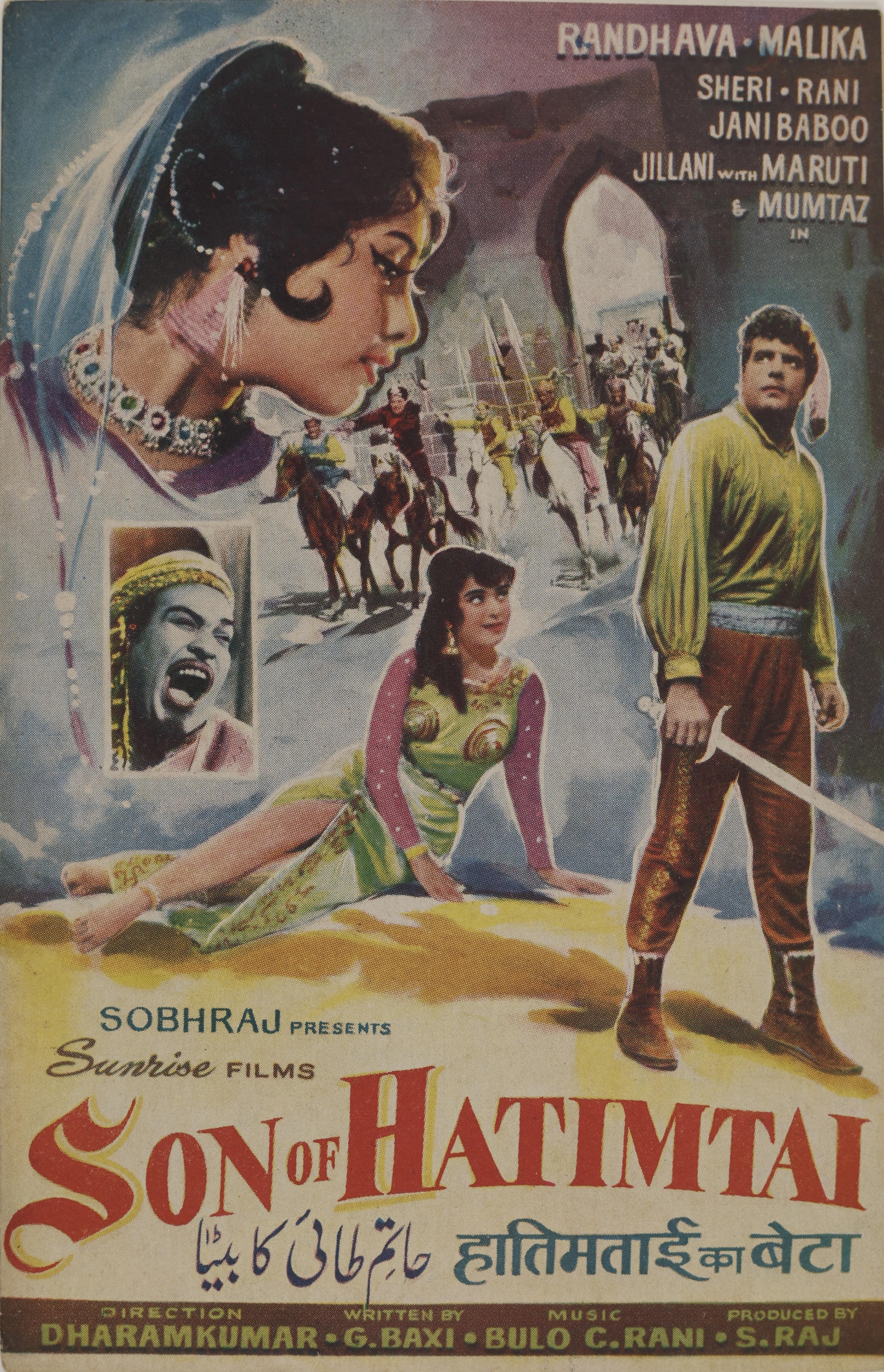
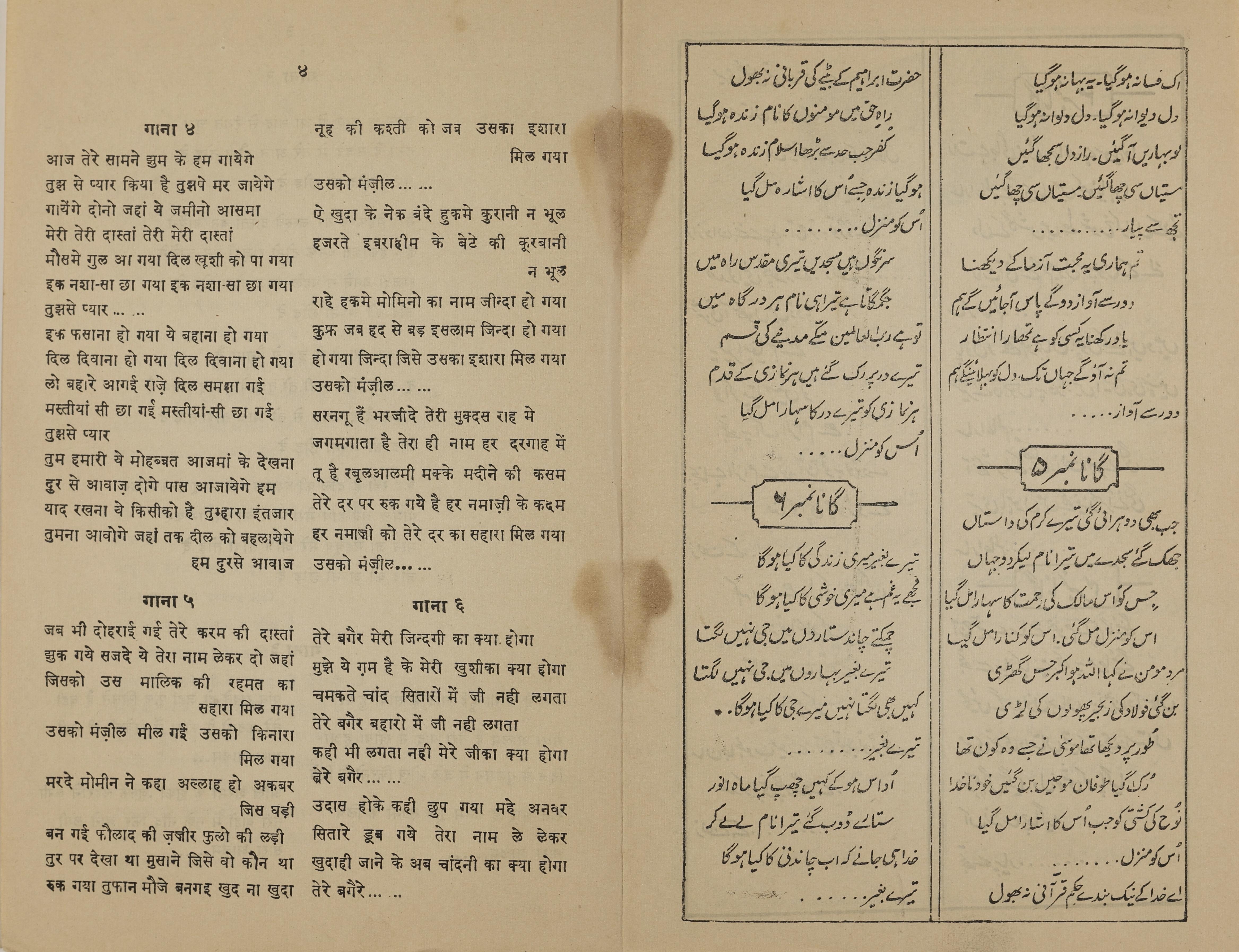
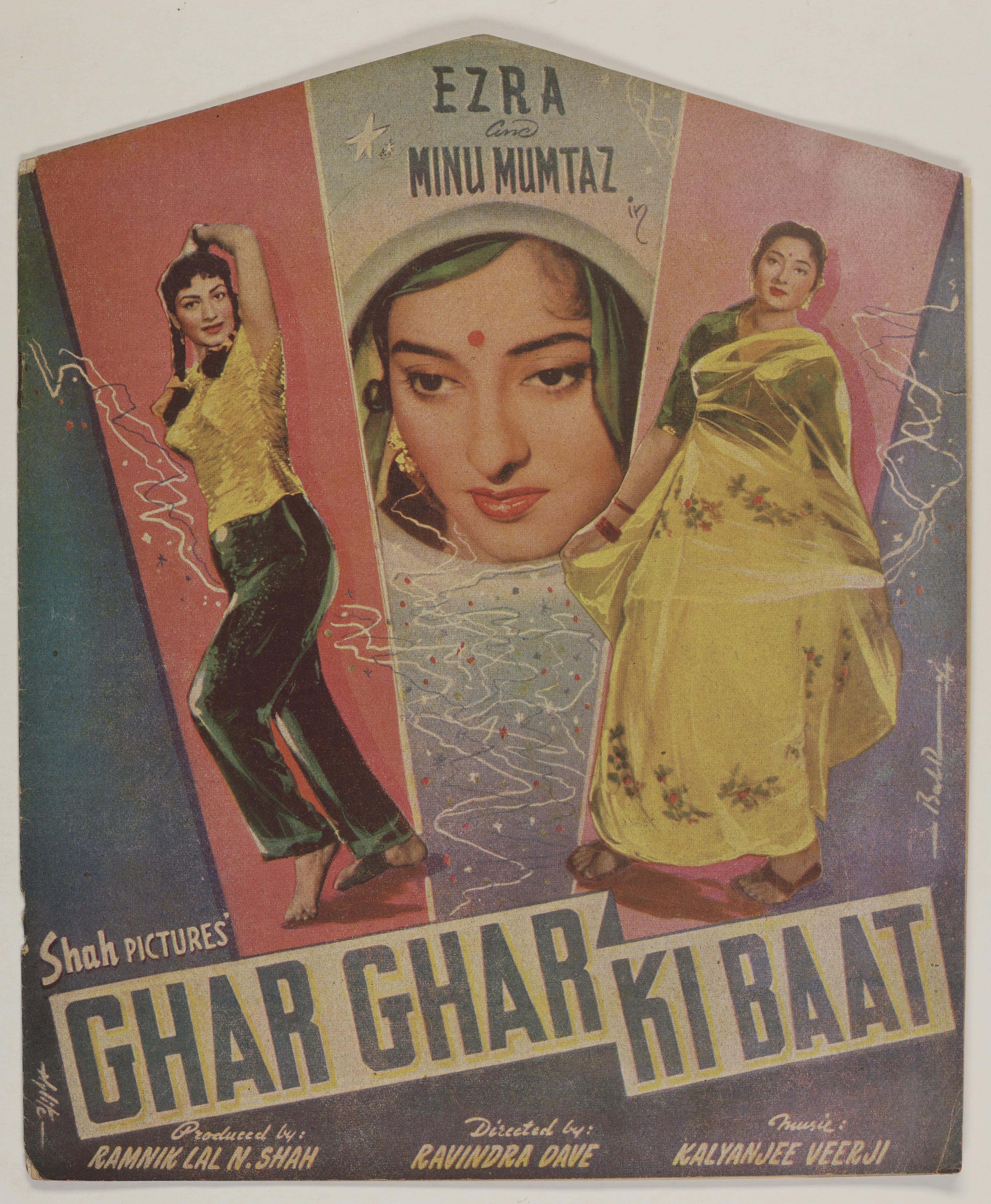
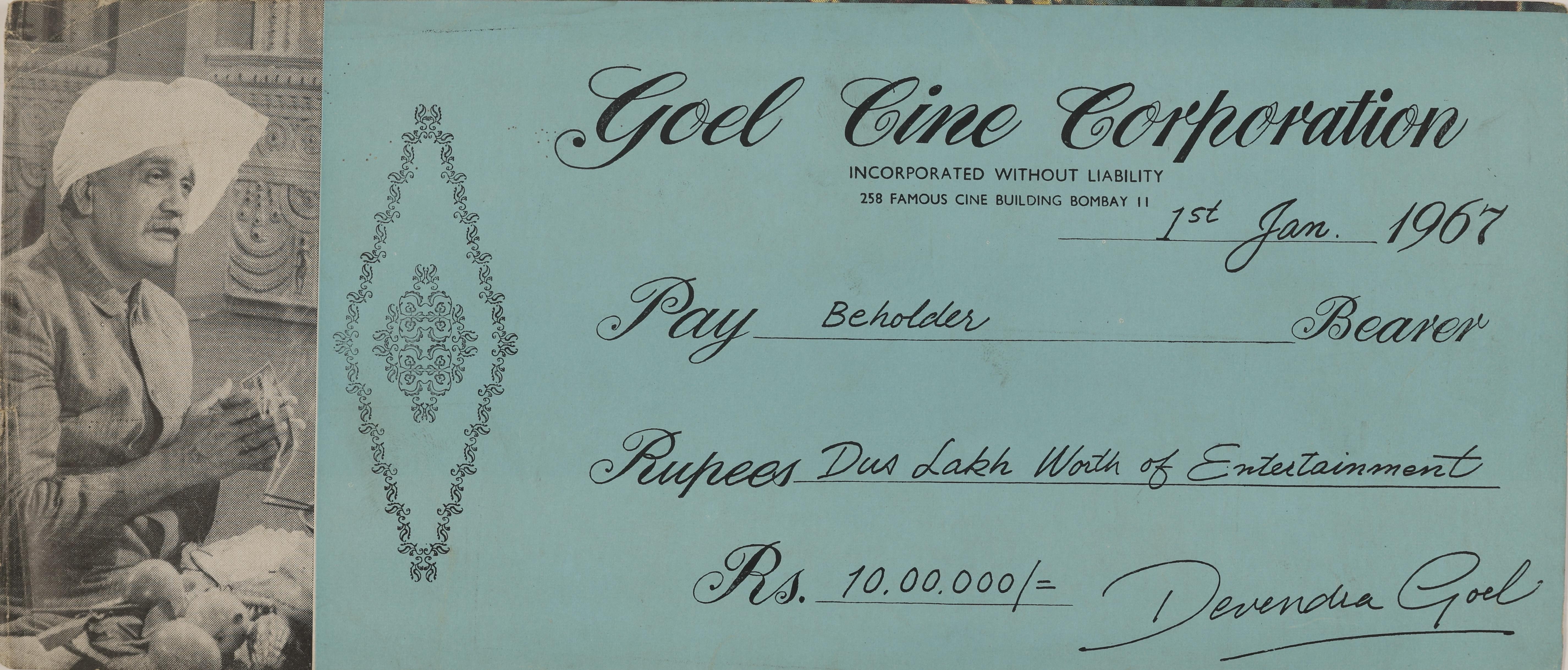
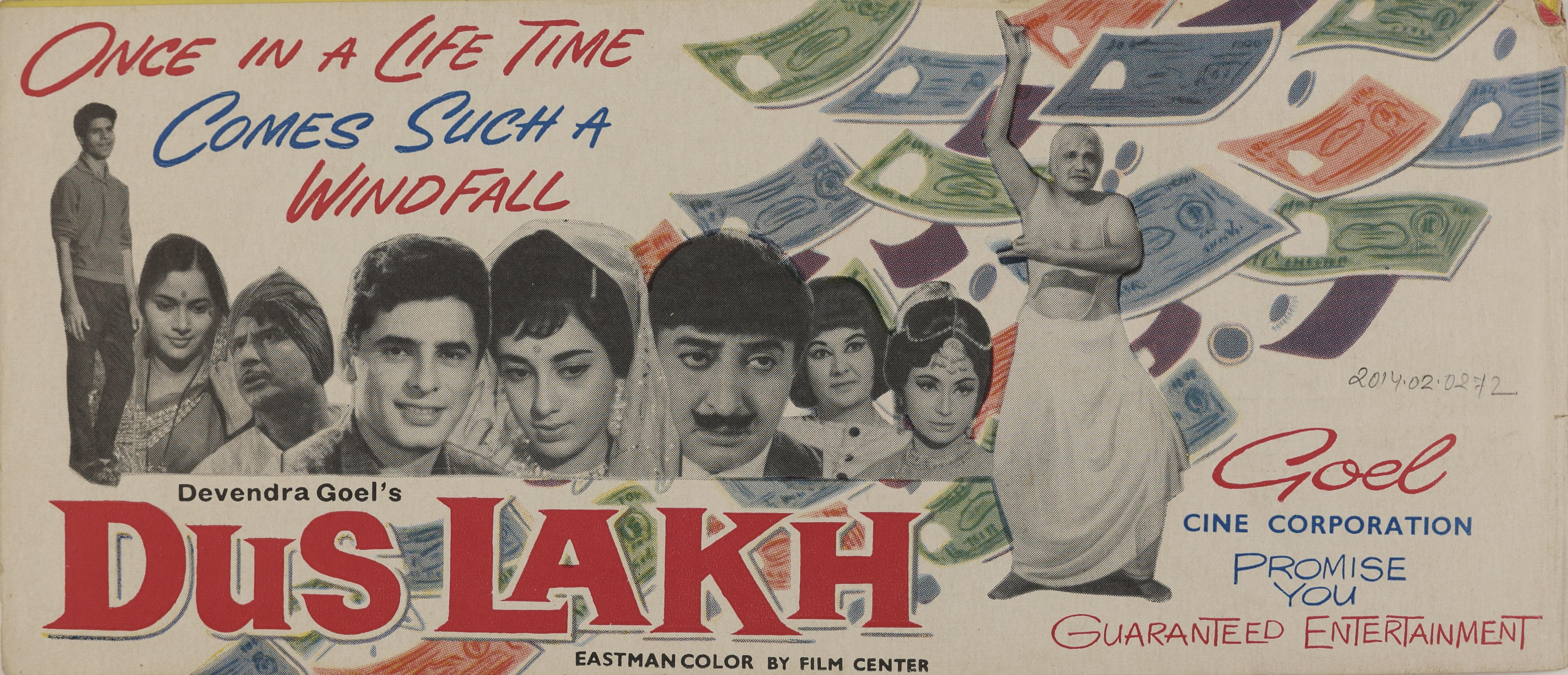
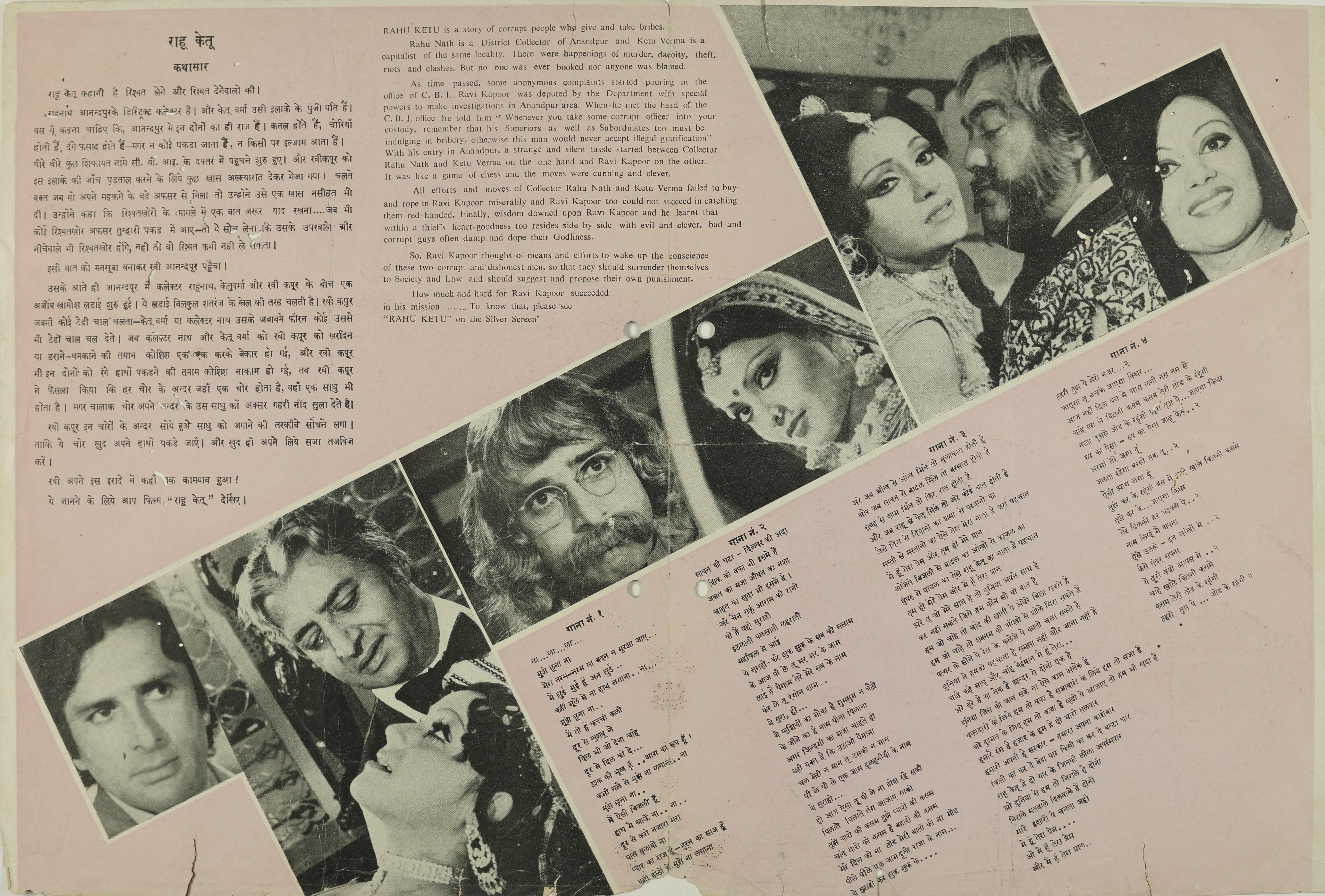
The Alkazi Collection of Photography hosts a rich collection of song booklets, a selection of which will be presented in this album. The emergence of song booklets as popular film ephemera can be traced to Ardeshir Irani’s Alam Ara (1931), India’s first talkie (sound film), after which lyrical soundtracks became an essential part of every other film release in India. Their contemporary archival value is meticulously highlighted in Usha Iyer’s study of early Indian film dance, “Writing Film History without Films: Song Booklets and an Archival Hermeneutic of Speculation” (2023-24). Given limited or no access to films from the 1930s and 1940s, Iyer uses song booklets and other early print collateral to recover the lost screen presence of dancers and actors, thus demonstrating how such film objects hold a distinct position within the visual material culture of Indian cinema. She describes these small-sized booklets as offering a comprehensive range of information including film synopses, posters, cast lists and song lyrics. Varying in design, they were, she states, either hand-painted or had repurposed back covers from both older and newer film releases. Closely observing Samhita Sunya’s analysis of film songs, she also examines how the booklets often included text in English, Hindi and Urdu, exemplifying the multilingual ethos of the times. Iyer further notes that as a marketing strategy by production houses, the booklets employed illustrations, typography, film stills and sometimes, translations, to enrich the spectacle, which carried the cinematic experience beyond the theatre.
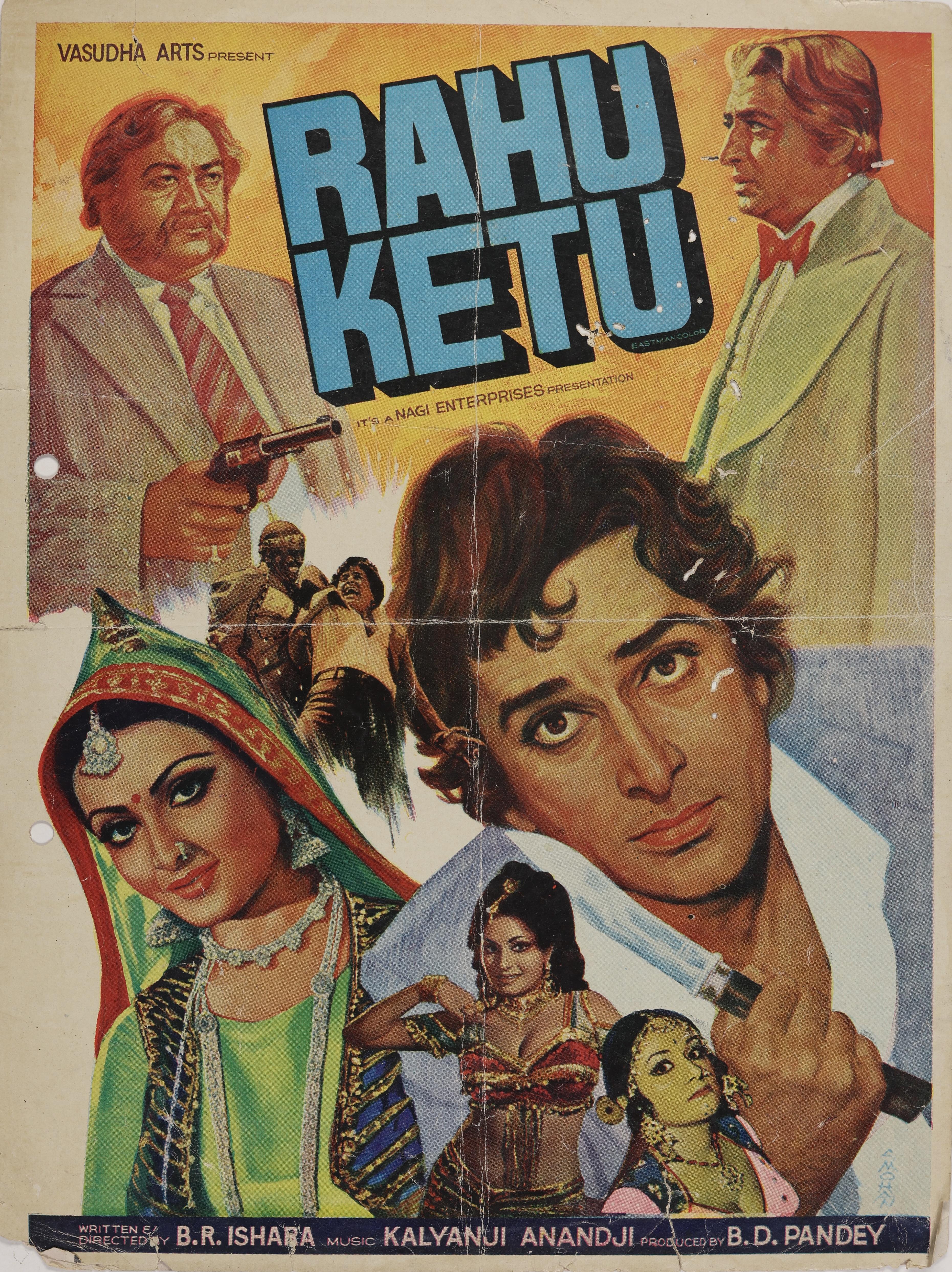
As a multisensory treasure trove, the song booklets promptly turned into a must-have memorabilia for moviegoers, transforming the film-watching experience for years to come and acting as an enduring reminder of the many textures and materialities of celluloid cinema. For instance, the glossy, text-weight paper of the booklet for BR Ishara’s Rahu Ketu (1978) contrasts with the plain copy paper of Kalidas’ Half Ticket (1962), while hand-painted figures, designs, paper cuttings and photographs further engage the senses. Other details including the quality of paper, printing studio and advertisements for upcoming films emphasise diversity in the commercial networks surrounding cinema, which operated within regionally specific systems of exhibition and entertainment taxation.
Today, the booklets constitute part of the vast ephemera generated by Bombay cinema, including photographs and lobby cards, contributing to the already existing cultural records that document the heritage of cinema and facilitating access to films that may no longer exist in their entirety, as Moinak Biswas notes in his essay, “A Booklets Sequence” (2017). Several film scholars such as Ashish Rajadhyaksha, Debashree Mukherjee and Sudhir Mahadevan argue that given the absence of formal archives and the deterioration of the films themselves, alongside institutional gaps in documentation or early restoration, these material impressions become essential sources for researchers to effectively reconstruct film histories.
To learn more about print ephemera of early Indian cinema, read Ketaki Varma’s essays on cinema theatre lobby cards, Sabeena Gadihoke’s analysis of soap advertisements and photographs of film ephemera from Debashree Mukherjee’s book Bombay Hustle (2020) as well as the introduction to Ranjani Mazumdar’s text on Bombay film posters.
To learn more about Bombay cinema, read Arundhati Chauhan’s essay on the Josef Wirsching archive, Ankan Kazi’s reflections on Salma Siddique’s book Evacuee Cinema: Bombay and Lahore in Partition Transit, 1940-1960 (2022), Madhubanti De’s observations on Samhita Sunya’s book Sirens of Modernity (2022), exploring international circulation of films made in 1950s-70s, and Silpa Mukherjee’s essays on Islamicate collaborations on film music in the 1970s-80s Bombay cinema and the video distribution and piracy practices that emerged by the late 1980s.
All images courtesy of the Alkazi Collection of Photography.
Click on the image to view the album