

Those Who Stay: Pradip Kurbah's The Elysian Field
There is a peculiar violence in the kind of migration that rarely makes the news—it is quiet, and involves one family, one bus ticket, one empty house at a time. Towns and villages shrink into neighbourhoods that forget the sound of children while homes slowly turn into museums of those who once inhabited them. Often narrated through the eyes of those who leave—stories of migration depict the tentacles of the promise of the city, the pursuit of better opportunities and the grief of displacement—be it Apu’s reluctant moving away from home in Satyajit Ray’s Aparajito (1956) or the never-ending struggles of Neeta after her family’s unforeseen displacement in Ritwik Ghatak’s Meghe Dhaka Tara (1960). But when every act of leaving is accompanied by an act of staying, what does it mean to not leave, to outlive one's own community and occupy a home that is no longer a place of arrival but of constant departure?
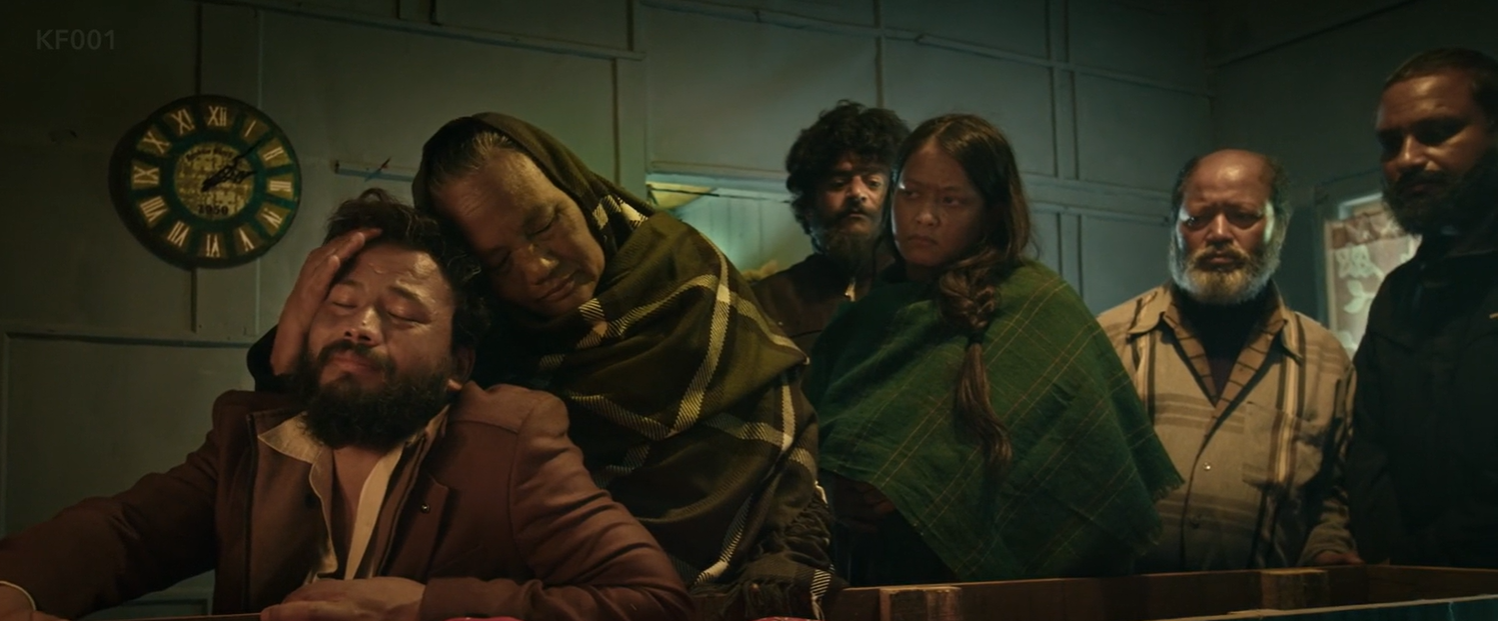
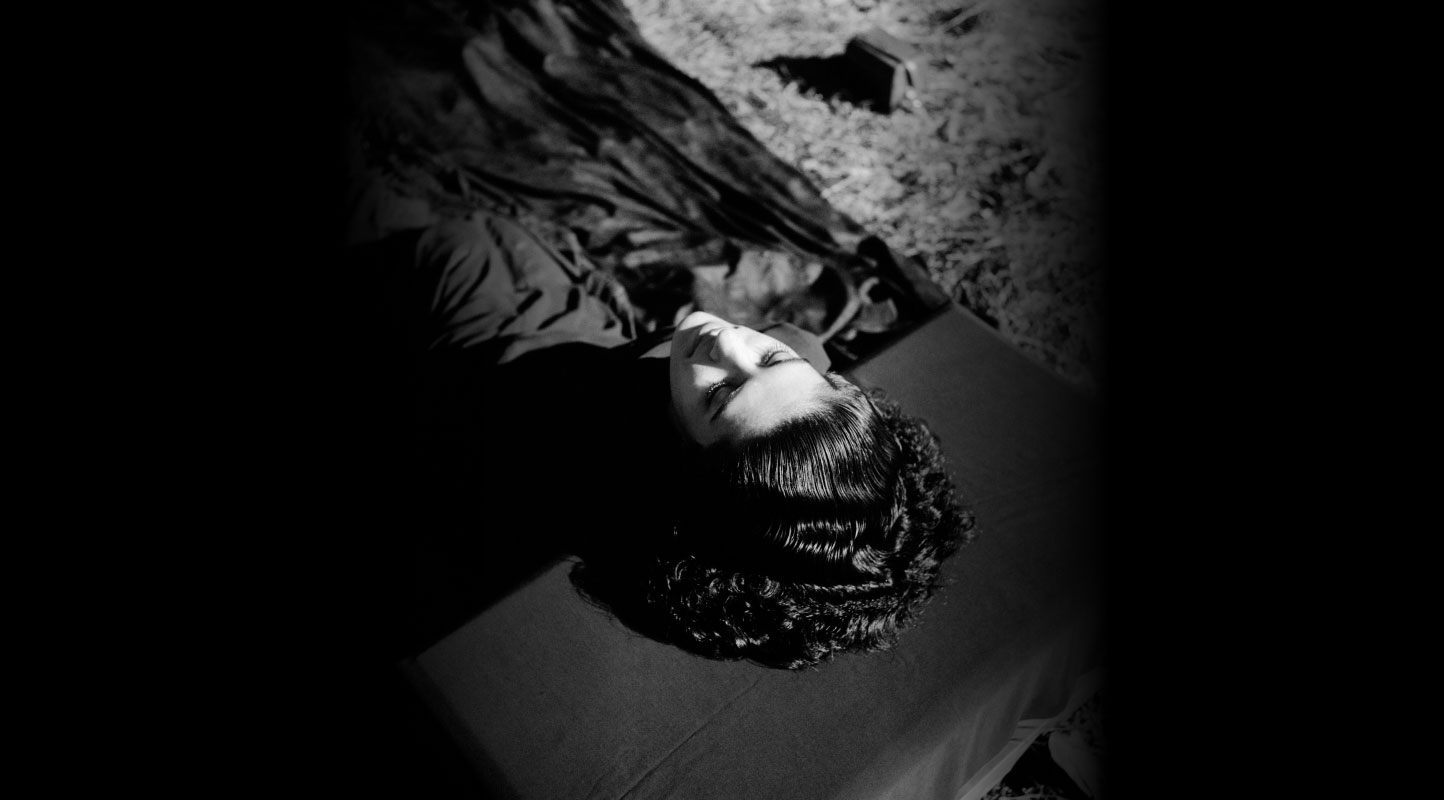
Pradip Kurbah's Ha Lyngkha Bneng (The Elysian Field, 2025) begins precisely at this threshold. Screened at the third edition of Parda Faash—a festival of films from and about South Asia, organised by the Asia Society India Centre in collaboration with Film Southasia, Nepal from 3 to 5 July 2026 at The Pavilion by Quorum in Mumbai—and reflecting the festival’s theme for this year, “Acts of Hope,” the film examines the mechanism of migration through the everyday lives of six village residents—the only people living in the village across four houses. The film opens not with life but with death. A coffin arrives in the dim light of a Khasi village of Laitduh in Meghalaya. The woman who has died is Belinda Sun, one of two middle aged women who lived in the deserted village with their husbands. Her absence is not just the loss of a single individual but the latest subtraction from an already shrinking settlement.
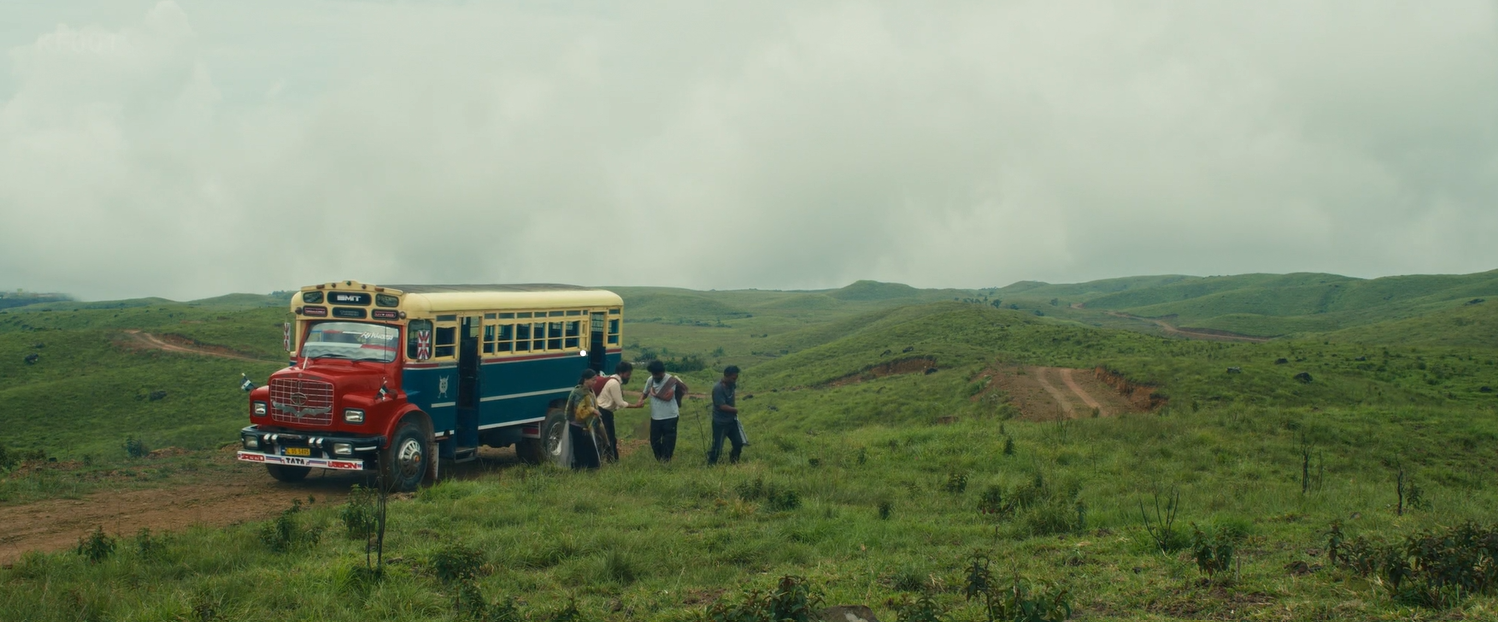
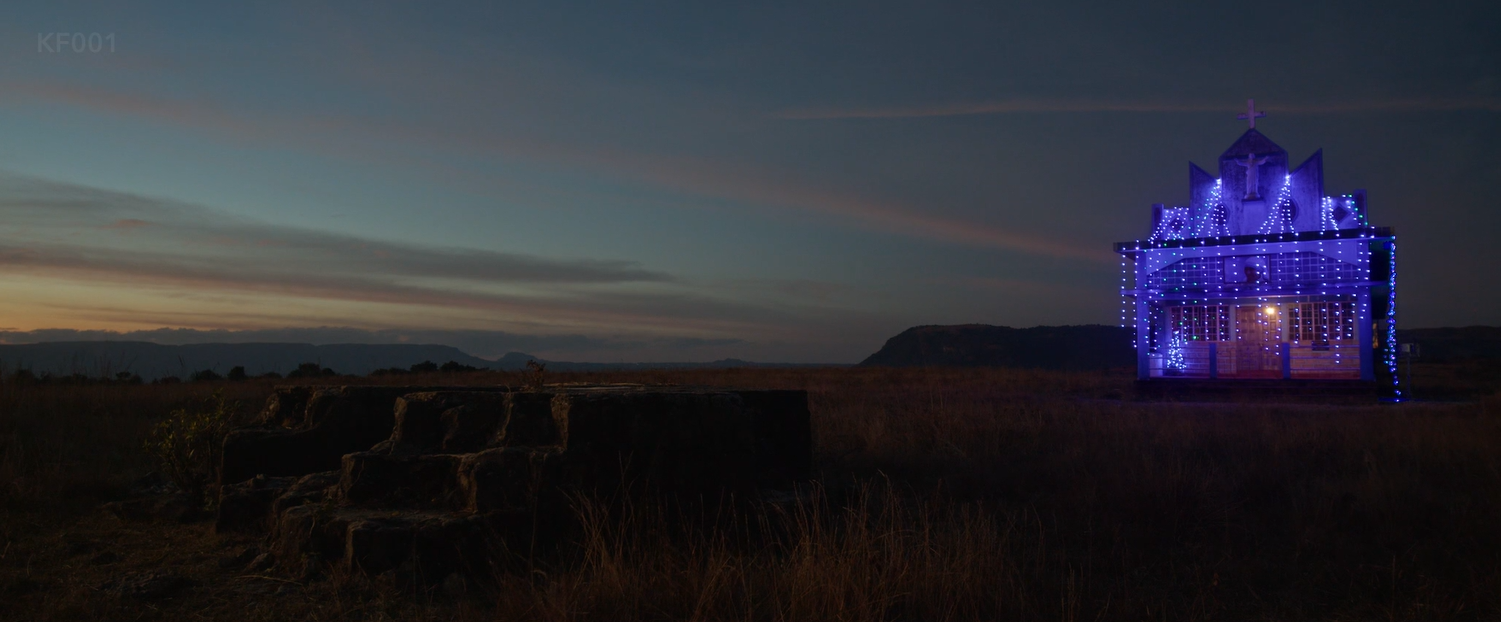
Although set in the hauntingly beautiful Khasi landscape, the film is careful to ensure that this is not the Meghalaya of tourist brochures; Kurbah strips the landscape of the usual picturesque spectacle that the rest of the country is accustomed to romanticising. Instead, he presents a place suspended between persistence and abandonment. The roads still exist, buses still arrive, the radio still crackles with announcements about Shillong's latest monorail project and the country’s supposed centenary independence celebrations, but progress here feels distant—always as if elsewhere, with the village only receiving the news as an afterthought.
Technology communicates that development is happening, but beyond the frame. When Complete—the village headman who once resisted outsiders to settle in and is now living to complete one grave after the other—fails to get the attention of the electricity board regarding the dwindling village’s struggles with frequent power cuts, it becomes apparent that population determines whether a place deserves infrastructure, governance or even remembrance. And as communities shrink, neglect begins to masquerade as inevitability.
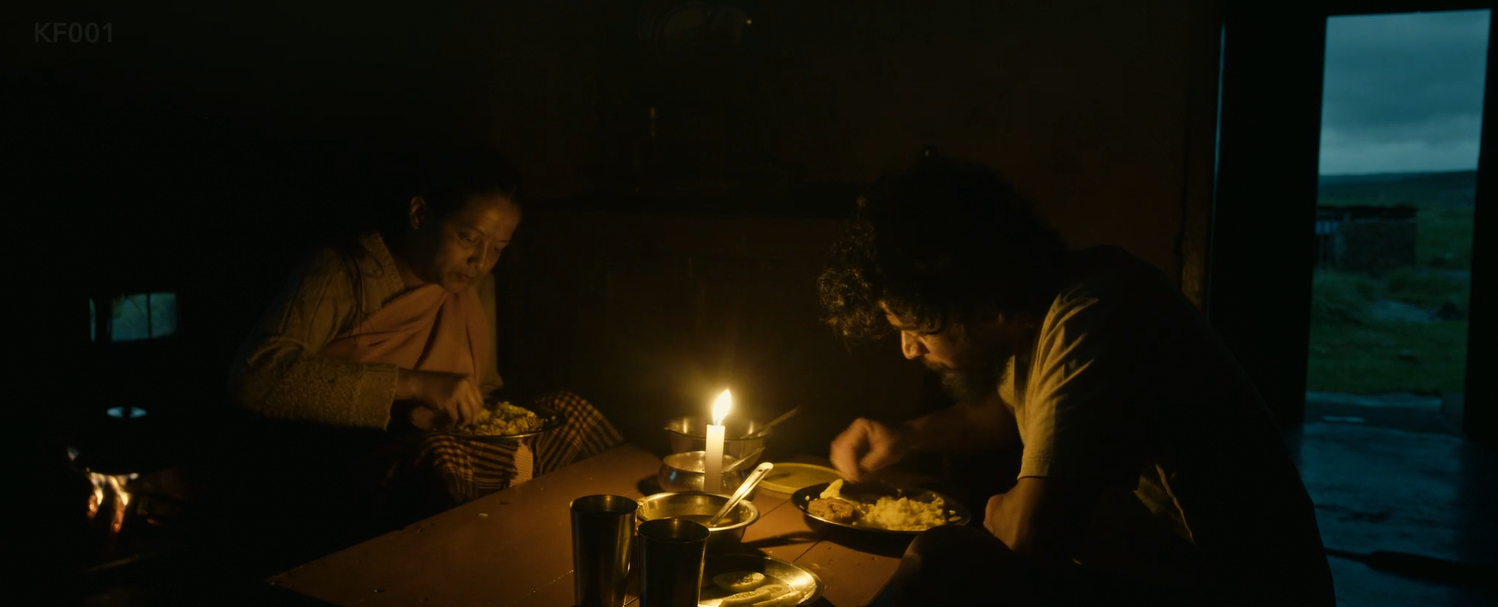
When Promise, named for the promise he had made to bring electricity to the church, casually admits that he has not voted in decades and cannot even recall the name of the local MLA, Kurbah reveals how citizenship is a distant concept. The state appears only intermittently, through announcements on the radio, speaking of a future that has skipped the village but is unfolding elsewhere.
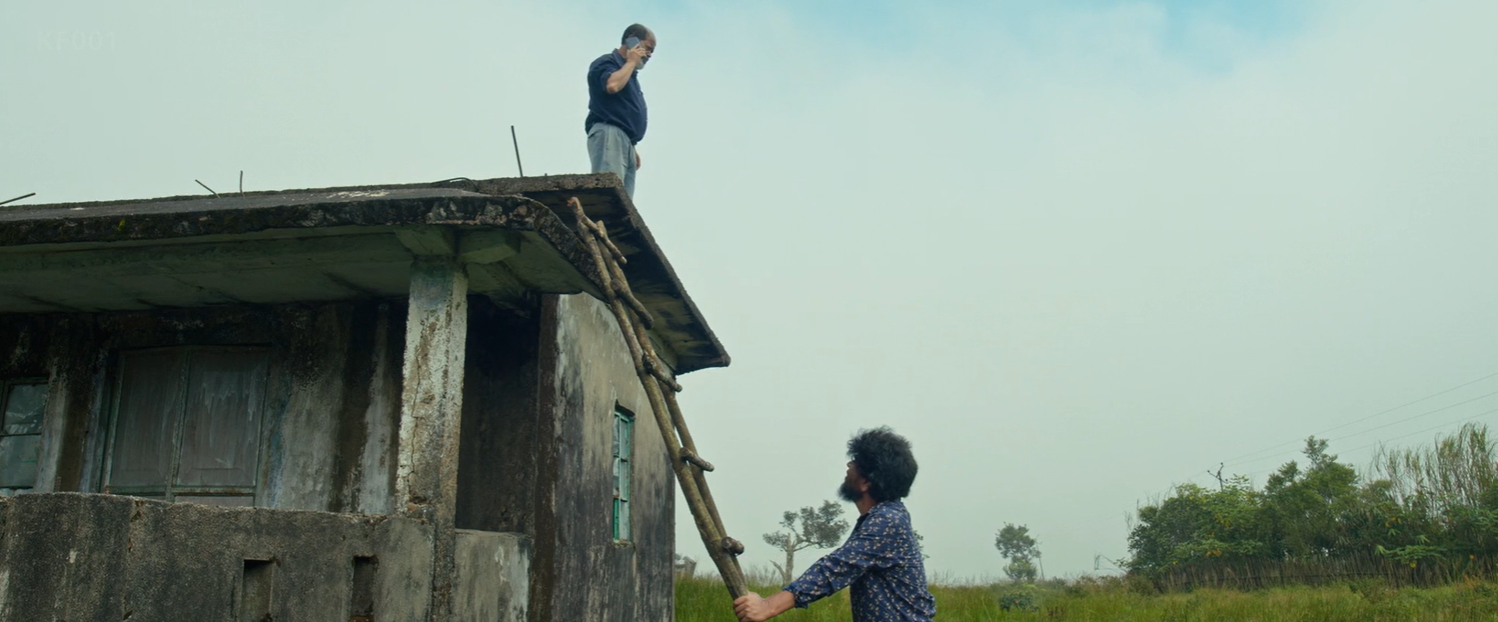
In Greek mythology, the Elysian Fields connote the final resting place of heroic souls—the virtuous, blessed ones who finally find a place of bliss, solace, happiness and peace. Kurbah subtly overturns this myth, for his Elysian Field is inhabited almost entirely by the living. Paradise for them is not elsewhere; it is neither a promised heaven after death nor the city of opportunities that everyone else has seemingly left for. It exists fleetingly in the fragile moments when people in the village keep choosing one another despite loss. Even with more graves than inhabitants, life stubbornly insists on continuing. The remaining residents quarrel, tease one another, remember old romances, complain about power cuts, prepare meals, pour drinks, and exchange stories and conversations that drift from memories to jokes, theology to gossip, death to dinner. These conversations are not merely attempts to fill silence but are acts of resilient preservation—every remembered love, every retold story and every playful argument delays the inevitable oblivion of death.
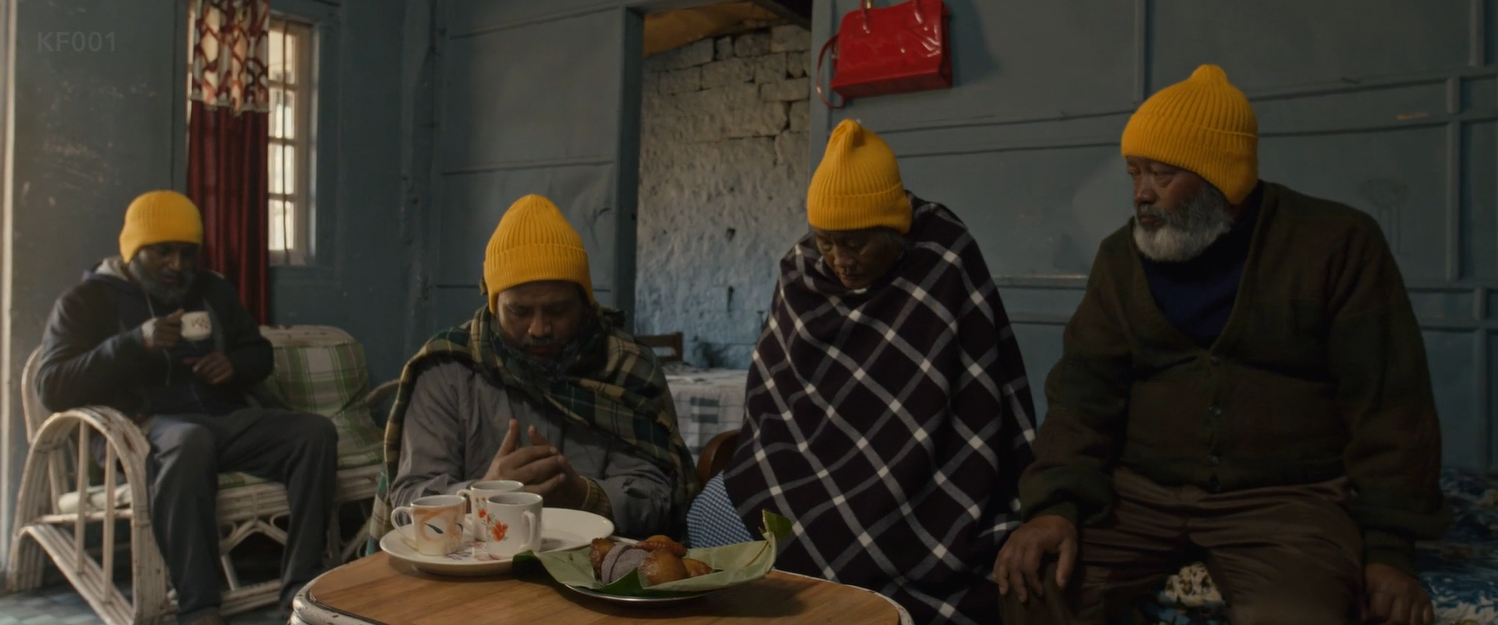
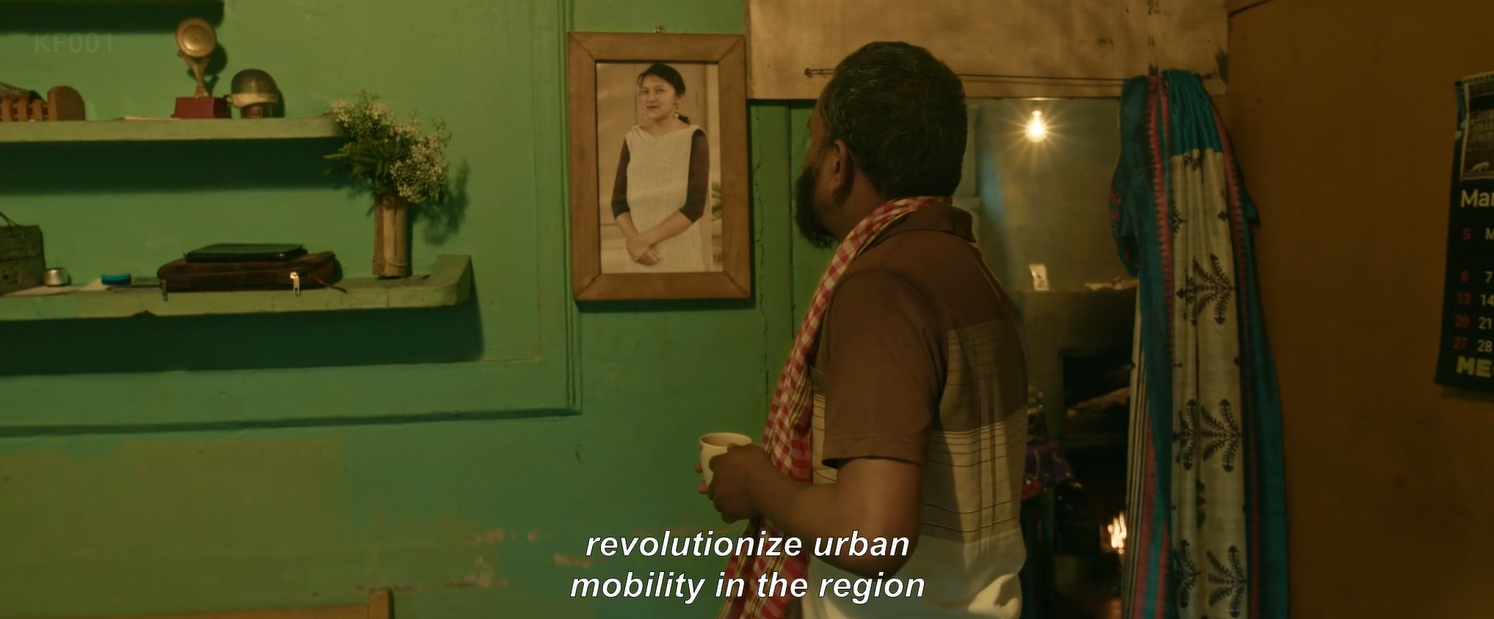
The source of the film's humour is how oblivion is approached with a matter-of-fact tenderness; be it the death of the village coffin-maker, Friday, that prompts the residents to start digging graves for themselves or the routine insistence of Livingstone to place flowers before his late wife Belinda’s old photograph. The former is in fact named after Friday from Daniel Defoe’s Robinson Crusoe (1719) as an ingenuously loyal man who would lend a helping hand to anyone in need; the latter for his undying spirit to keep living for his mother Helen and his fellow neighbours in the face of impending perishment. Kurbah shows how each death adds to the village’s emotional landscape, occupying chairs that no one else can quite replace and turning the village cemetery less into a place of mourning than a landscape of continuity, where memory is still an active practice to remember the dead and justify the living.
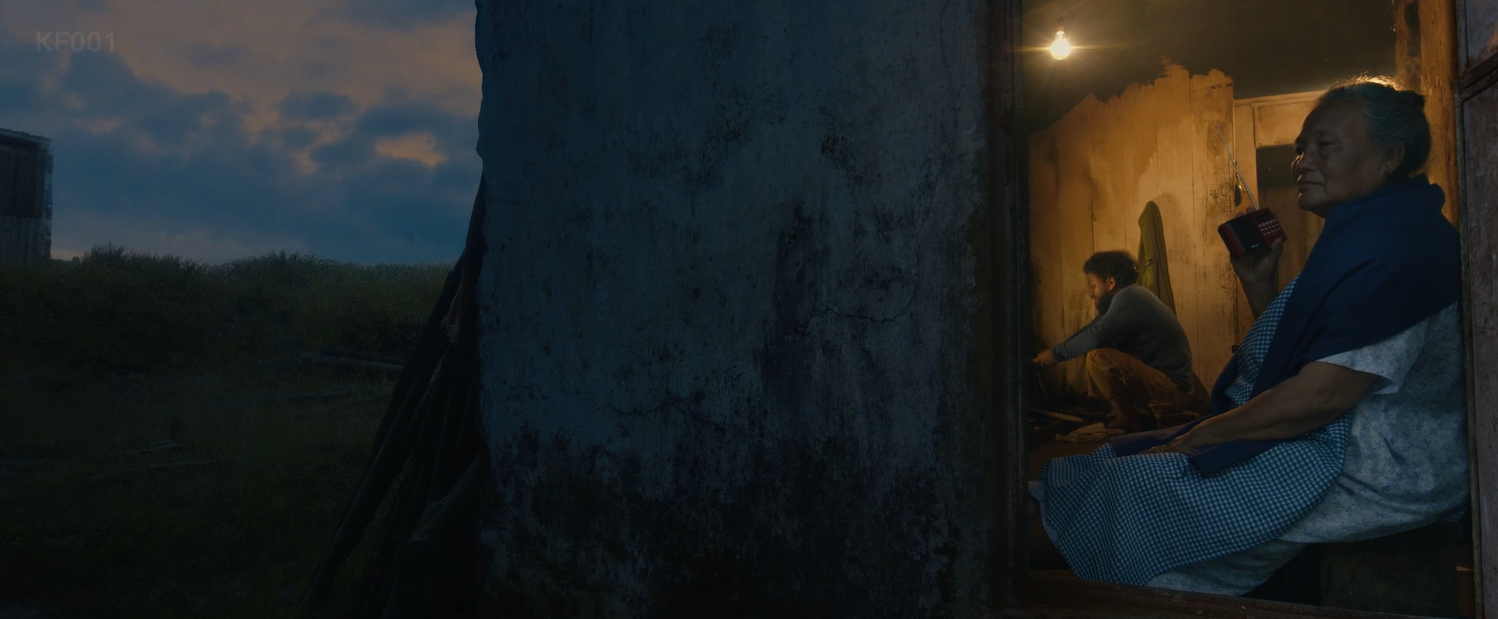
The anthropologist Tim Ingold once argued that human beings do not simply occupy places but are continually formed through their dwellings within these spaces. Home is not an object we possess but a relationship we practise—The Elysian Field invokes this bond to quietly dismantle two of modernity's most seductive myths.
Challenging resilience as an individual achievement, Kurbah shows how the village only survives because its inhabitants continually perform gestures that make it recognizable as home: tending graves, attending church, feeding animals, exchanging Christmas gifts and waiting together for buses that arrive only occasionally. Moreover, Kurbah seems to say, recovery is not always equivalent to movement; we are asked to leave the town, sell the house, begin again elsewhere, but healing can also involve staying. This act becomes neither nostalgia nor resignation but fidelity to oneself. As Maia remarks, “I am not sad because I do not look for happiness where I lost it."
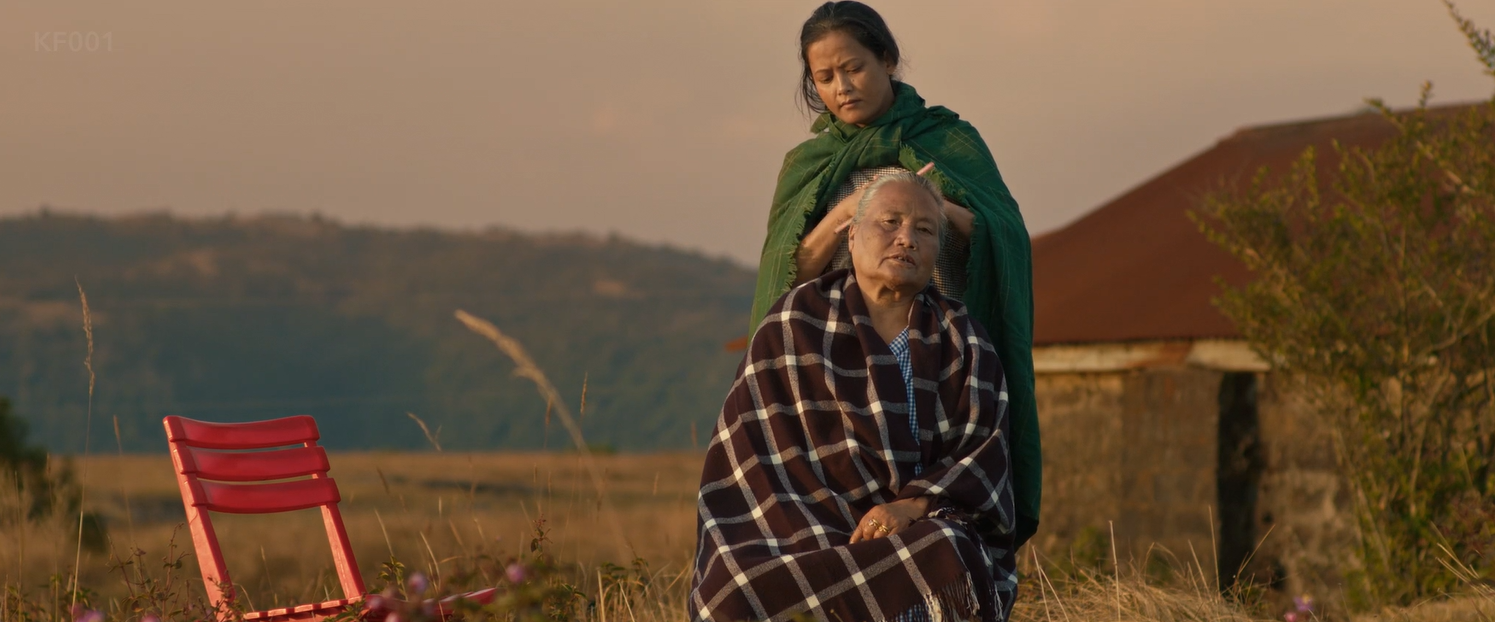
The Elysian Field acquires striking political resonance as Kurbah never condemns migration or urban aspiration outright—after all, people leave for reasons that are painfully practical. But he remains attentive to what these departures leave behind—villages become statistical footnotes and their disappearances fold into the language of inevitable development. By refusing this narrative of extraction, Kurbah restores visibility, dignity and beauty to lives that contemporary discourses of progress leave behind and often dismiss.
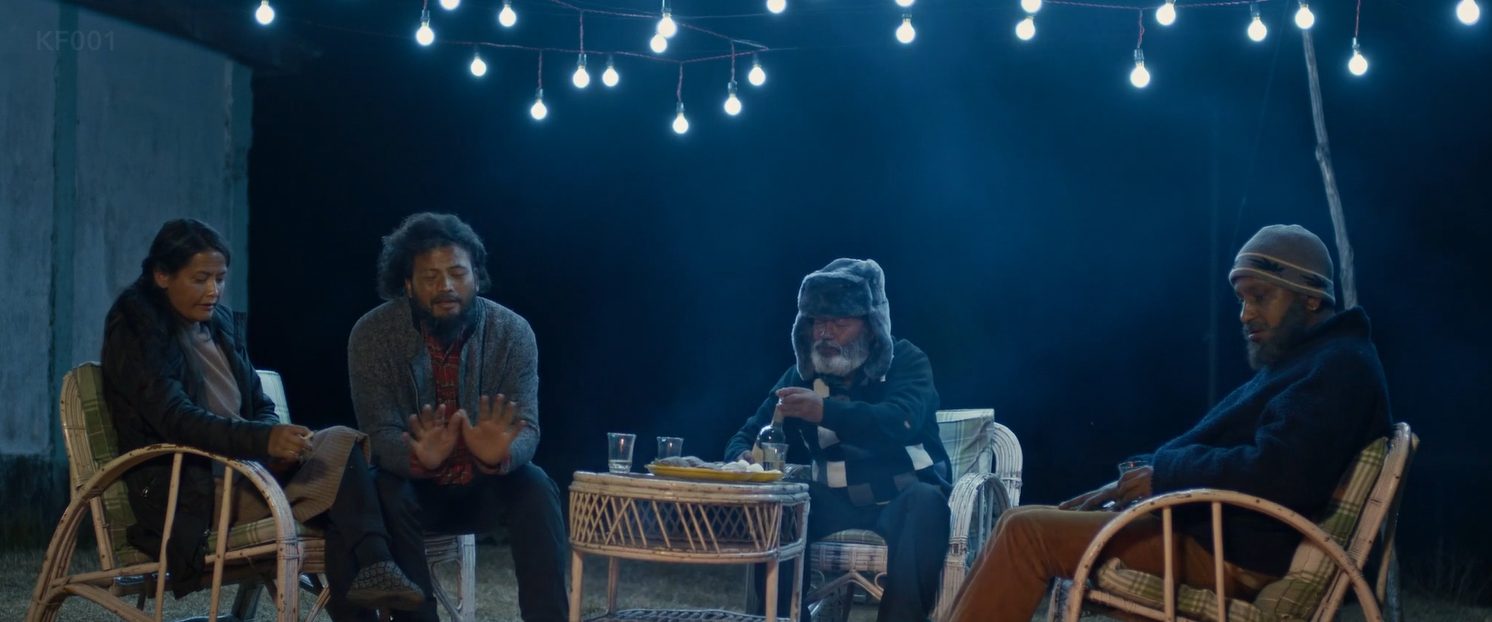
In the post-screening discussion, Kurbah mentions that for him, the film is more of a reflection of today’s times than a futurist spectacle and he hopes that urban migration does not have the same effect on rural communities as it does on the village in this film. And in fact, watching The Elysian Field, it is difficult not to think of the many places across India that are experiencing disappearance—villages emptied by the prospect of education and employment elsewhere, ancestral homes locked and left behind for most of the year, and neighbourhoods where only the elderly remain as younger generations scatter away from home.
Perhaps that is why Kurbah's film resists offering simple solutions but is more demanding of its viewers. It asks for attention: to watch closely, listen patiently and recognise that entire worlds can disappear not through catastrophe alone but through neglect so gradual that it becomes naturalised. The Elysian Field reminds us that home is a living relationship, sustained through memory, routine and the difficult labour of remaining present for one another. And that acceptance of the fate by those left behind is not the same as surrender; their resistance lies in continuing to inhabit the place with care, even when its future appears uncertain.
To learn more about artists engaging with narratives from Northeast India read Sagorika Singha’s essay on contemporary filmmaking in Assam, Annalisa Mansukhani’s conversation with Tenzing Dakpa on his exhibition Weather Report (2024), Ankita Ghosh’s exploration of The Northeast India AV Archive as well as her conversation with its curator D. Junisha Khongwir and Raghu Pratap’s poetic reflection on Guwahati.
To explore more films from previous editions of Parda Faash film festival read Banhi Sarkar’s reviews of Prateek Shekhar’s Chardi Kala (2023), Sumathy Sivamohan’s Amid the Villus (2022) and Anam Abbas’ This Stained Dawn (2021).
All images are stills from Ha Lyngkha Bneng (The Elysian Field, 2025) by Pradip Kurbah. Images courtesy of the director.