


On South Asia Now: Challenging Official Narratives
The film programme “South Asia Now,” curated by producer and programmer Anu Rangachar and hosted by Cinema House, G5A Foundation for Contemporary Culture in Mumbai from 23–25 January 2026, screened short films, features, documentaries and web episodes that examined how South Asian filmmakers have responded to the region’s manifold crises. The first part of this programme review analysed the intersections of class, religion and ethnicity in works like Nuhash Humayun’s horror series Dui Shaw (2024), Tanushree Das and Saumyananda Sahi’s Baksho Bondi (2025) and Deepak Rauniyar’s Pooja, Sir (2024).
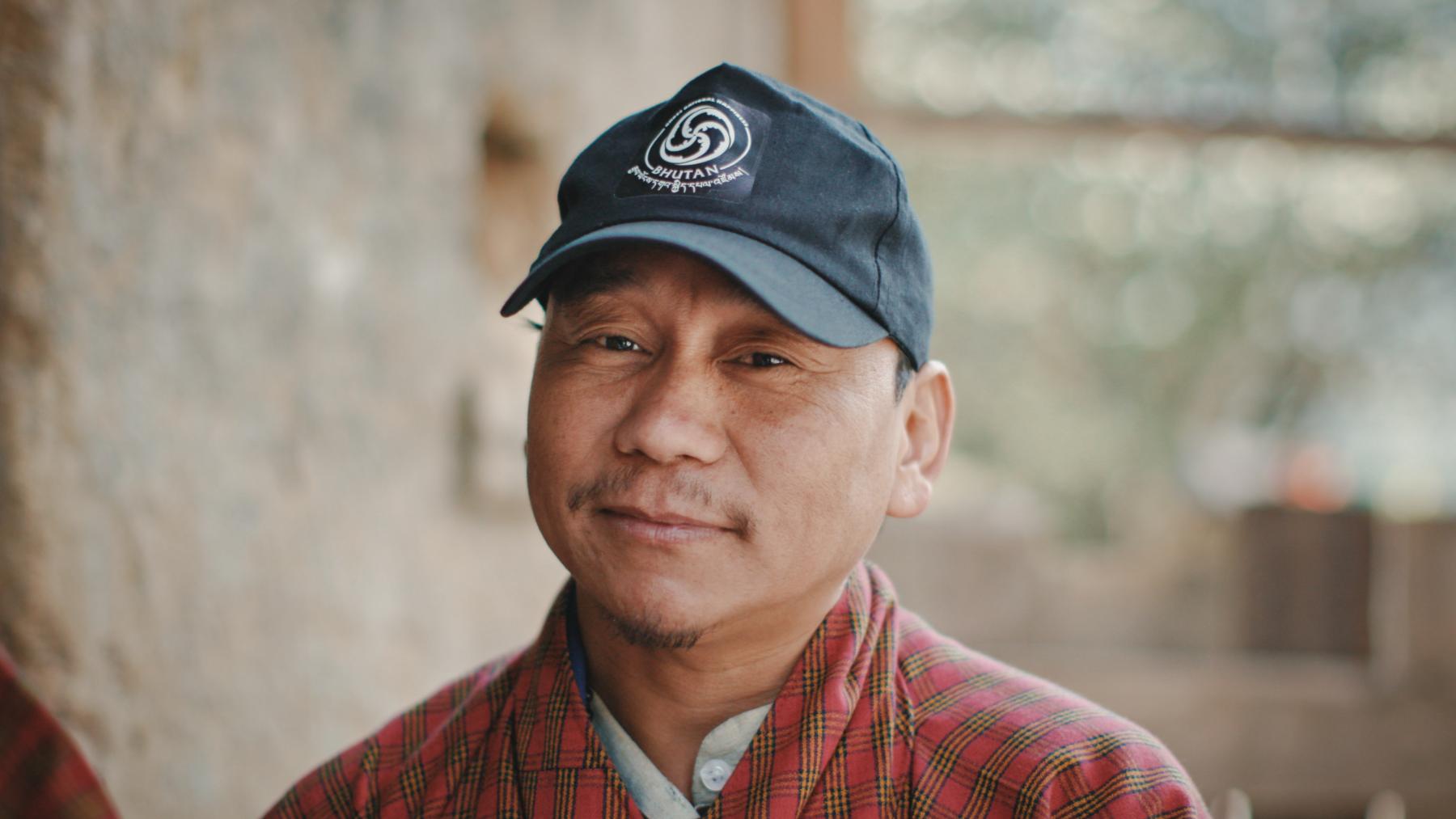
Several films in the programme centred on exposing and questioning official policies, organisations and institutions. Arun Bhattarai and Dorottya Zurbó’s gentle documentary Agent of Happiness (2024) follows two government officials travelling through picturesque Bhutan, gathering data for the country’s Gross National Happiness Index. Much humour is derived from the absurdity of the metrics that seemingly determine a population’s happiness levels as the surveyors assign arbitrary numbers based on factors like the numbers of cows, tractors, donkeys or appliances a family owns.
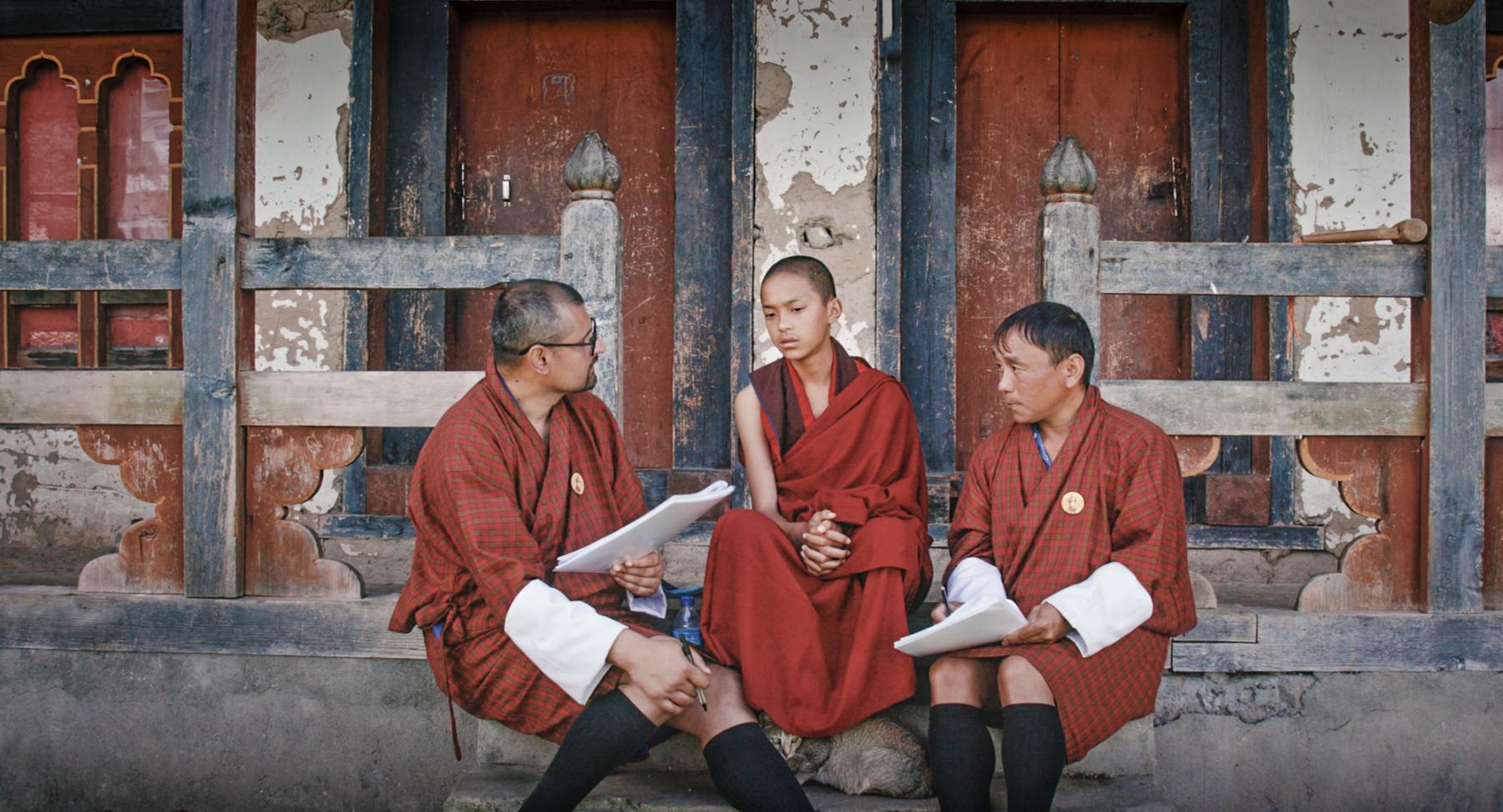
As the film breezes through images of Bhutan’s breathtaking mountains, prayer wheels and flags—the country and its most recognisable visual elements constantly in view as a state-controlled image-centric policy is examined—two parallel narratives emerge. The first thread looks at what slips in between the questions posed by the survey, i.e., at the complexities of human lives. One such example is that of a teenage girl, “sad in this happy land,” who lives with her sister and single mother in poverty, longing for a better life. The second narrative turns the focus on Amber, one of the surveyors, who cares for an old mother, hopes to get married and most importantly and ironically, as a member of the Lhotshampa (ethnic Nepali community), does not feel Bhutanese. His citizenship was taken away in the 1990s, when Bhutan underwent severe ethnic conflict resulting in the expulsion of over 1,00,000 Lhotshampa. It is these delicately teased out stories of human struggle, poverty, discrimination and worry that serve to expose the hollowness of such official and homogenising national philosophies.
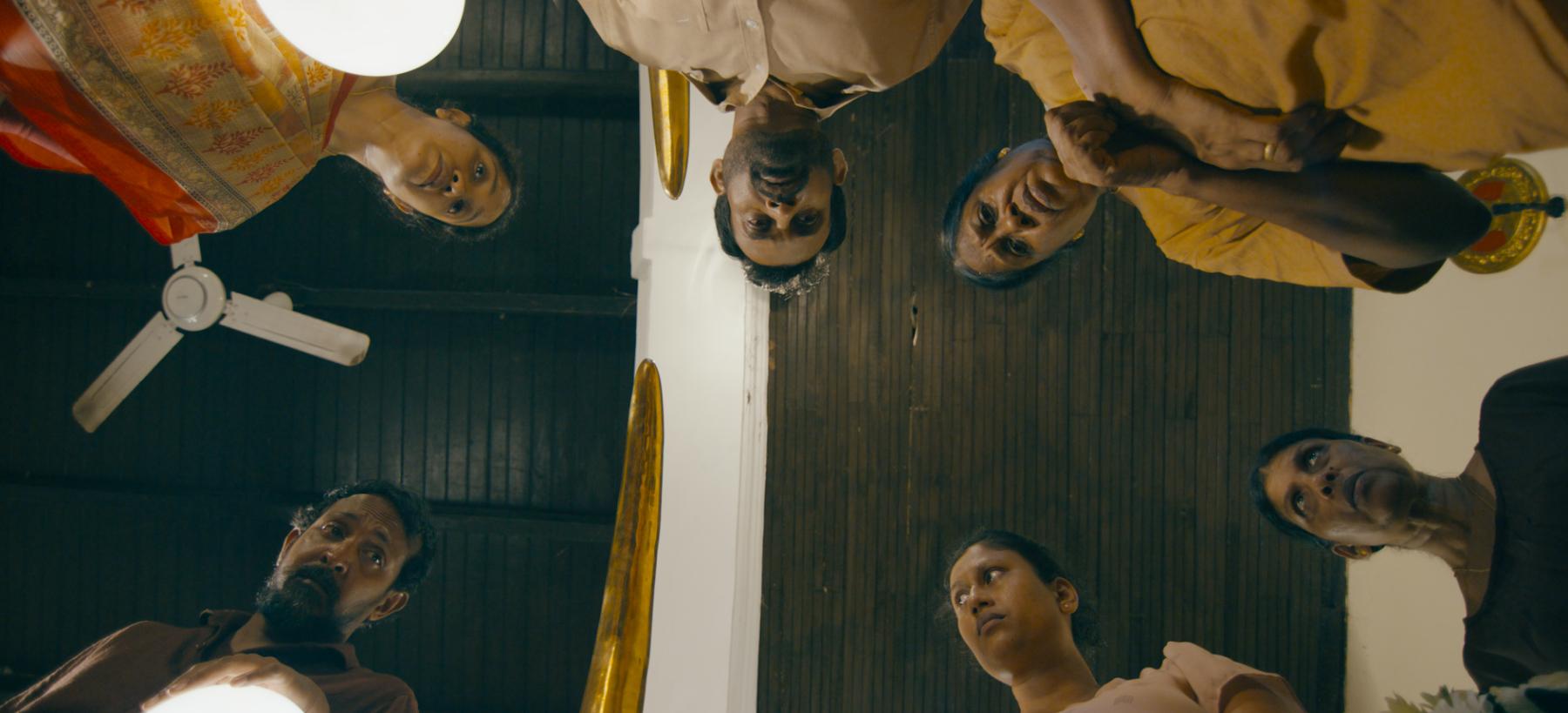
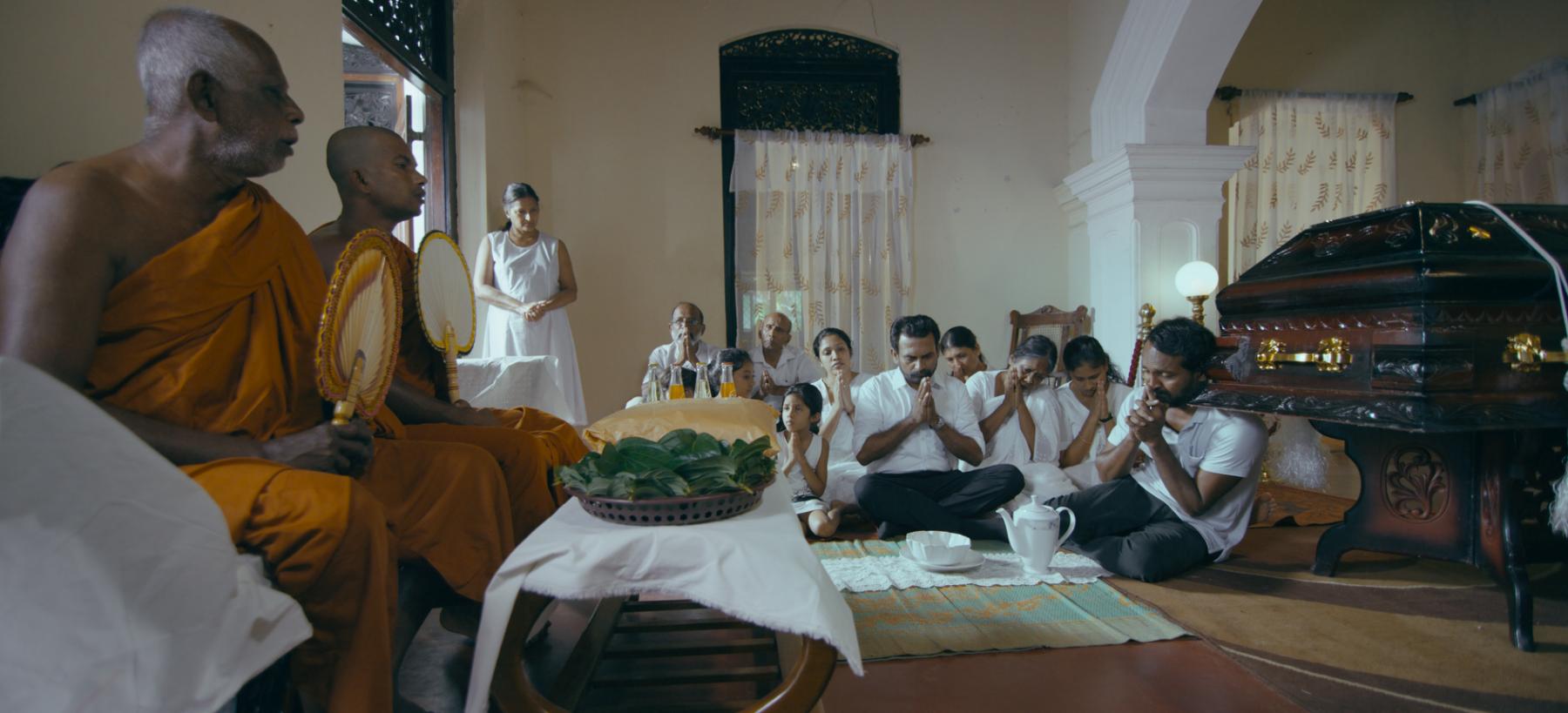
Sri Lankan filmmaker Ilango Ram’s approach is more pointed. The Sinhala title of his film Tentigo (2023), taking its name from the Sinhala name of Colombo’s Lotus Tower, Nelum Kuluna, makes a mockery of the phallogocentrism of society and culture through the story of a dead patriarch whose erect penis will not budge. It refuses to bend to the will of medical and witch doctors, is the cause of much familial embarrassment and—given its obstinacy—has to be absurdly and awkwardly accommodated in situations, including one involving a customised coffin. With the repeated arrangement of the family around the erection—the film’s poster using the same visual—Ram’s dark comedy becomes a comment on the futile virility of national symbols, structures, policies and leaders, which are more focused on demonstrations of power than on the concerns of citizens.
 - key still.jpg)
Bangladeshi director and screenwriter Abdullah Mohammed Saad’s Rehana (2021) too makes compelling use of architectural layout in setting his story of the abuse of power entirely within the walls of the institution in which it occurs—a medical college. The indoor setting, the cold, blue-soaked images and the close, tight framing create a sense of official apathy that is pervasive and stifling. Saad’s film, like its eponymous heroine, enjoys few moments of reprieve. In this #MeToo drama, Rehana (Azmeri Haque Badhon) personifies a simmering rage that roils within her through the corridors of the college as she comes up against the all-too-familiar issues of the mistrust of victims, the questioning of the credibility and morality of complainants, the complete failure of personal and institutional support systems, and the cyclical nature of sexual abuse.
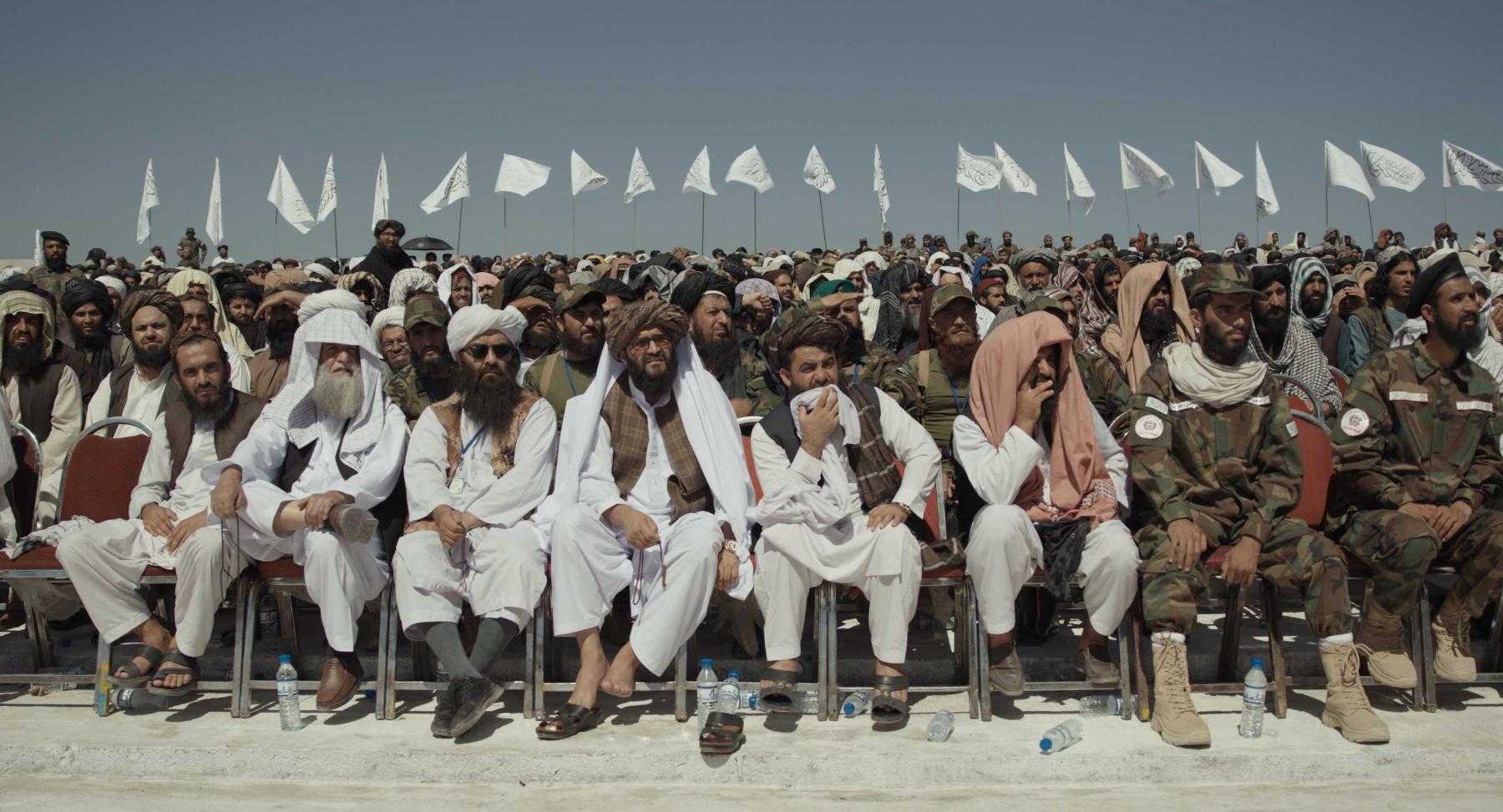
The theme of individuals bravely exposing virulent organisations also trickled into the documentary Hollywoodgate (2023), where Berlin-based Egyptian filmmaker Ibrahim Nash’at is granted restricted access to film the Taliban as it takes over a former US military base in Kabul along with its military equipment and fighter jets. The film carries a palpable sense of foreboding—for the filmmaker directly, as he faces clear hostility from those he films, like Mawlawi Mansour, the head of Afghanistan’s Taliban-controlled air force. But also indirectly in situations where children of members of the Taliban discuss weapons and killings. Or even in glimpses at the severely restricted lives of women—“An uncovered woman is like a dirty chocolate,” says a Taliban commander—as they play out in an off-hand manner within the regime.
“South Asia Now” saw South Asian cinema through a festival lens, not surprising given its curator Rangachar’s involvement with film festivals like the Jio MAMI Mumbai Film Festival, Berlinale and the Indian Film Festival of Los Angeles (IFFLA). All the films that made up the programme were ones that had premiered or been shown in film festivals, thereby celebrating the festival route for independent filmmakers. A panel titled “Screen Strategy,” led by Rangachar, French media professional Mathieu Béjot and producer and strategy expert Neha Kaul, focused exclusively on festival strategy. It attempted to demystify the process of applications through discussions around topics like the appropriate timing for submissions, the importance of having “festival ladders,” identifying target audiences for films, establishing connections with programmers, being in touch with sales agents at early stages of a film’s development and the role of a publicist for small-budget films, and prioritising festivals which have active markets attached. Focus was also brought to how scripts subjected to scriptwriting labs affected selection, the importance of home territory and of building robust online and offline communities, and on processing rejections.
“Do you really need to have your film shown at a festival?” asked Béjot at one point. While the example of India’s strong domestic market was offered as proof that it was not essential, there was general agreement that besides providing alternative distribution and exhibition channels and a home for films with specific vision and style, film festivals accord prestige and value. They are, as film and media studies professor Marijke de Valck has proposed, “sites of cultural legitimisation.” G5A’s “South Asia Now” film weekend itself was a testament to this.
The fact that the films selected were first shown at high-profile international festivals like Cannes, Venice and Sundance—supreme arbiters of cinematic taste—meant that they already carried significant cultural validation. A validation not just of their quality and art but also their politics and perspectives, making them approved cultural texts through which to view their characters, countries and concerns. This explains the selection of these films in a programme titled “South Asia Now.” Such film programmes hosted by cultural centres help to expand their reach to the public. But while the panel on festival strategy served to arm budding filmmakers with advice for entry and listed multiple factors that seemingly determine selection, it also pointed to the sheer number of variables that new filmmakers need to navigate.
Artistry and originality are evidently not enough in a circuit where factors like submission fees, elite industry connections and substantial marketing budgets are essential, not to mention the uncertainty, despite merit, of landing distribution deals. Moreover, the festival circuit has held historical and structural biases towards wealthy nations, Euro-American content, White culture and older, established auteurs. Such spaces have been characterised by unequal and under-representation due to limited resources, access and even geopolitical relationships. As powerful gatekeepers influencing film culture, these prominent festivals have often reinforced hierarchical structures within the film world rather than contesting the status quo.
 (1)1.jpg)
In case you missed the first part of this programme review, read it here.
To learn more about thinking about access in art, read Siddhesh Gautam’s presentation as part of the panel titled “Designing Access, Designing Power” at the India Art Fair 2026, the online public talk "revolutionary remembrance: Towards the Centenary of the Mahad Satyagraha" featuring Vikrant Bhise, Diwas Raja KC and Aban Raza, Bhumika Saraswati's conversation with Subash Thebe Limbu about Adivasi Futurism and Santasil Mallik's essay on Film Works for Palestine.
To learn more about film festivals and programmes exploring South Asia as a theme, read Shranup Tandukar's reflections on the short film programme at PhotoKTM5, listen to an episode of ASAP Cast featuring Kasturi Basu of the People's Film Collective and read Mallika Visvanathan's observations from the symposium Imaging South Asia (2023). Also read Anoushka Prasad's reflections on a roundtable conversation discussing the role of programmers in film festivals.