
On Art: Designing Access, Designing Power
Held on 7 February 2026 at the India Art Fair, the panel “Designing Access, Designing Power” brought together Siddhesh Gautam (artist and designer), Paroma Mukherjee (writer, editor and photographer), Amit Gupta (Founder and Editor-in-Chief of STIRworld) and Jonas Upton-Hansen (Founding Director of Urban Health Authority), in conversation with moderator Ranjana Dave (Managing Editor Arts, STIRworld), to sit with a difficult but necessary question: If art is called democratic, why do its systems remain so exclusionary? Moving across lived experience and institutional critique, the discussion examined how architecture, media, curatorial authority and markets quietly design who is visible, who is legible, and who accumulates cultural capital, while also challenging the easy conflation of visibility with agency. Rather than asking how institutions might “open up,” the panel pushed toward a more unsettling inquiry—what would art look like if it never needed permission to exist, circulate, or matter—and in doing so reframed democratisation not as a virtue but as a structural question of thresholds, language and belonging. The following is a transcript of that discussion, holding onto its tensions, interruptions and unfinished thoughts.
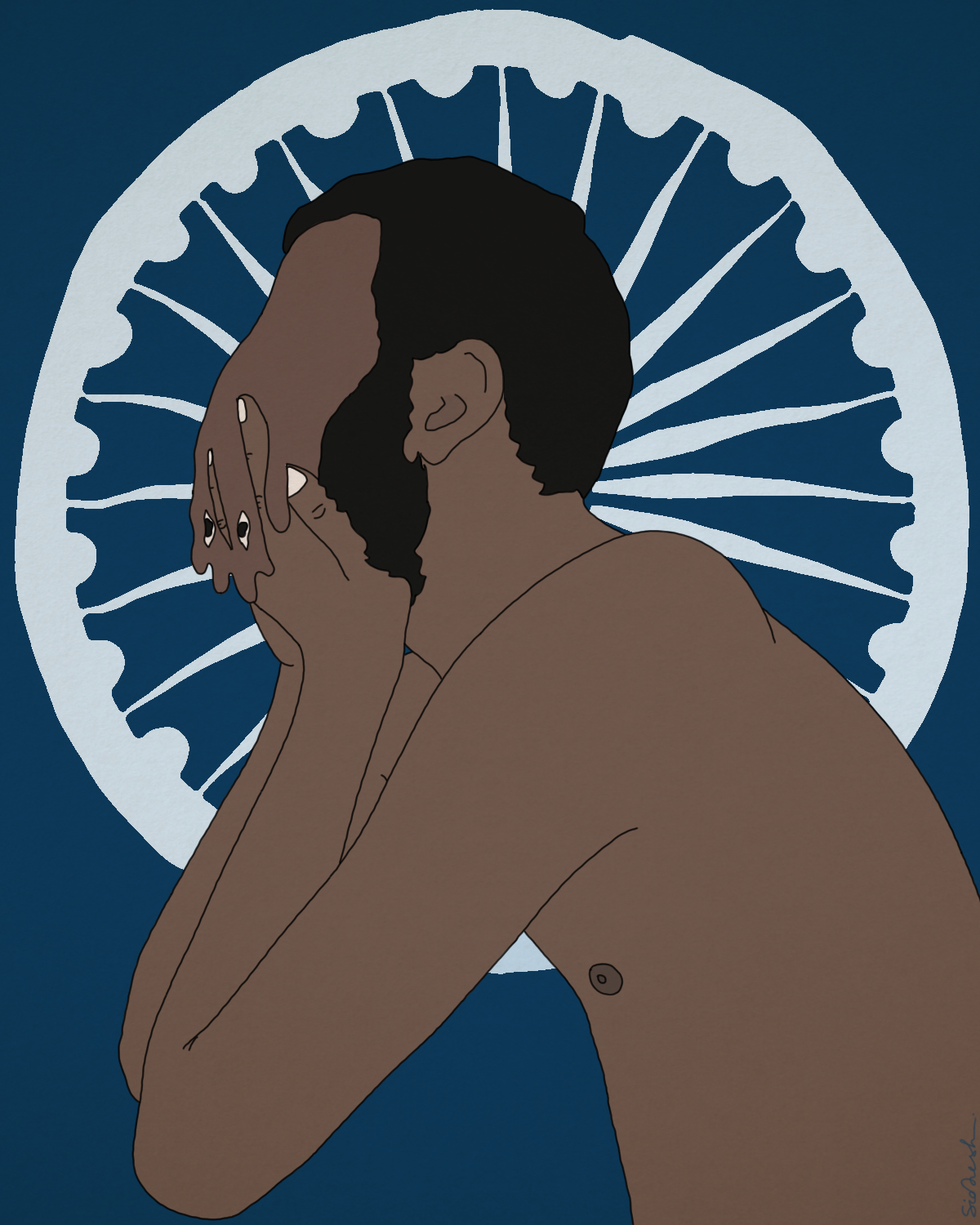
Art is often described as democratic.
I am not very sure about that. It almost feels like a truth. But is it?
I know that art is a language of freedom, imagination, resistance and survival. It crosses borders, touches lives and travels without passports through the internet. Even though democracy is also about freedom, imagination, resistance and survival, we rarely speak of art and democracy with the same certainty. Yet art and democracy are not synonymous.
Art is about expression, but democracy is not. Democracy is about access and participation. Democracy is about who gets to speak, who gets to listen and who gets to be remembered. And in most institutional art spaces today, access is carefully designed and gatekept. There, democracy stops at the front door.
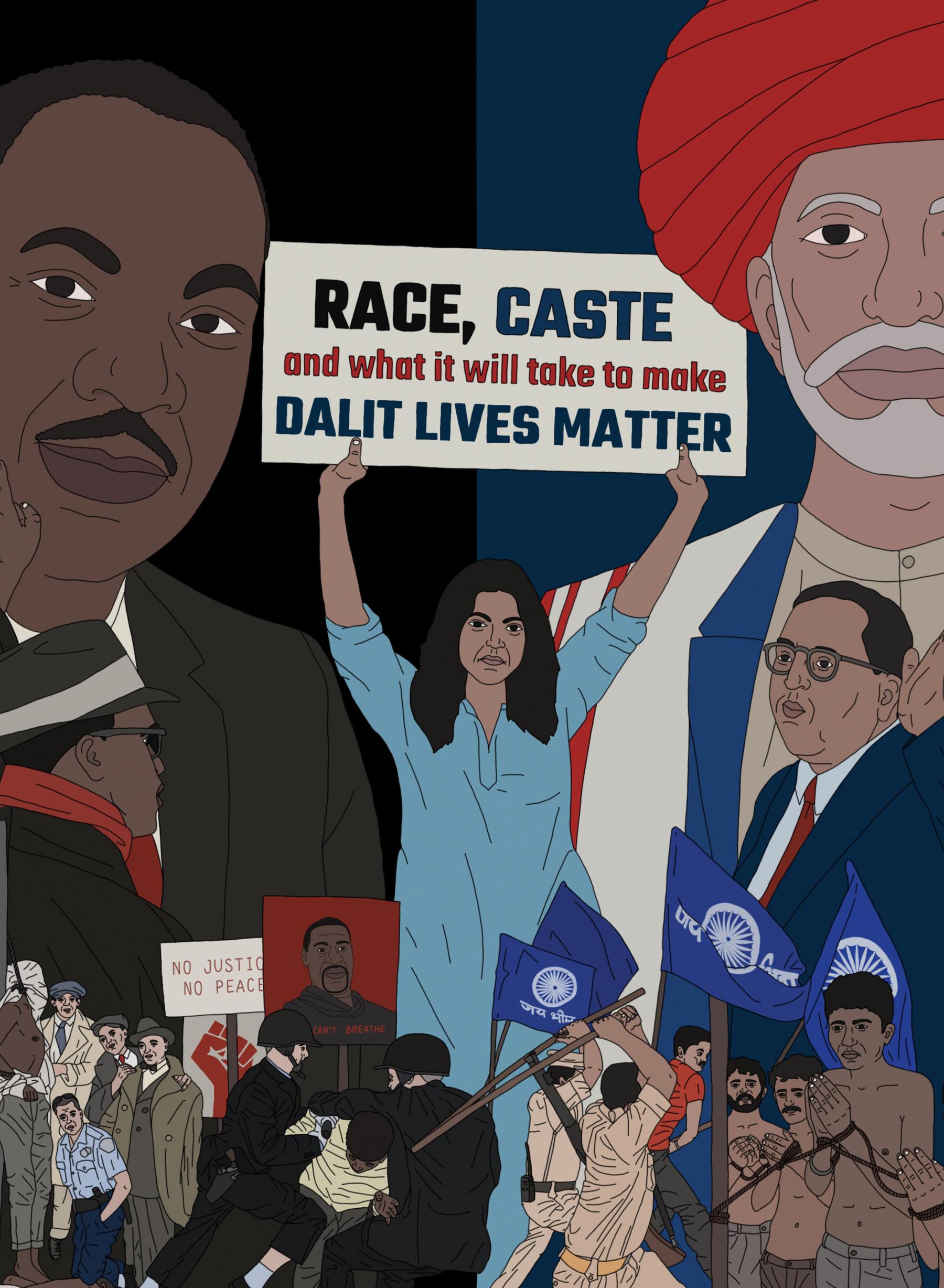
Every entrance becomes a question. Every glass door becomes a filter. Every reception desk becomes a checkpoint. Every “open call” becomes a coded language exam. Who feels entitled to walk in? Who rehearses their accent before speaking? Who lowers their voice? Who edits their story to sound “acceptable”? Democracy does not begin at the gateways. It begins in the imagination, in who believes they belong. It begins in curiosity, in making this world more liveable. It begins in understanding the world and society around us without judging anyone. It begins in dreams that people without any resources see. It begins in the acceptability of the diversity around us. Most art institutions are built on the systematic erosion of these beliefs.
When we enter galleries, biennales, residencies, museums or art fairs, we do not only encounter artworks. We encounter architecture that intimidates, protocols that discipline, forms that exclude and fees that filter. If we want to enter as artists, we encounter more filters. Applications that demand fluency in elite languages. Juries that reproduce themselves. Catalogues that speak to each other. Curatorial essays written for other curators. Press releases written for donors. Instagram aesthetics optimised for algorithms. Academic citations that circulate within closed rooms. Invitation-only previews guarded by security and soft power.
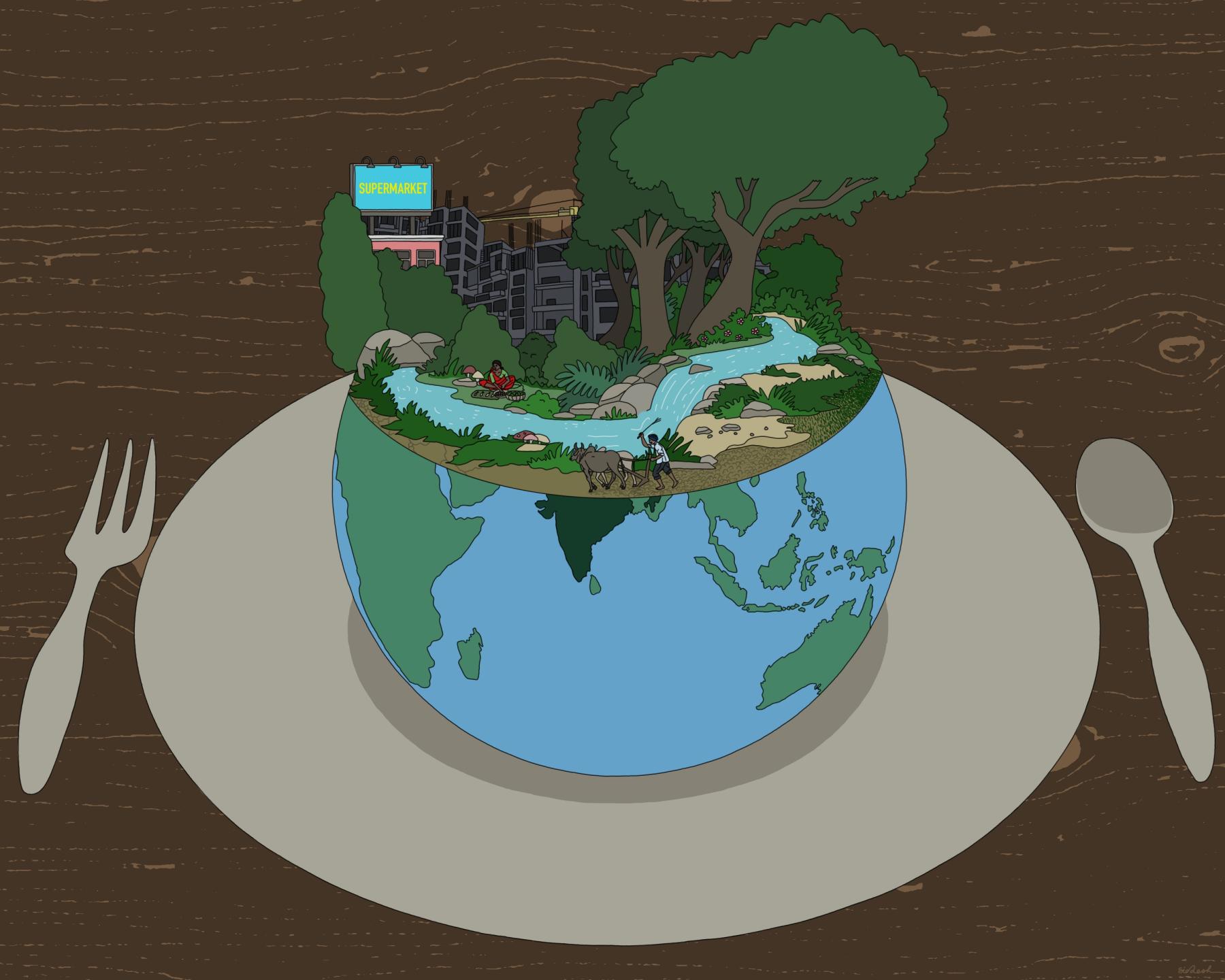
Long before an artwork appears, systems decide what and who will be allowed to appear. They decide whose labour is called “practice” and whose is called “craft.” Whose memory becomes “archive” and whose becomes “folklore.” Whose pain is “conceptual” and whose is “raw.” Whose body is human and whose is just a subject.
The exclusion of artists and their practices do not happen only through monetary forms of capital. It happens through time, confidence, networks and cultural capital. It happens through mentors who look like you, references that mirror your life and quiet assurances like: “Oh, such a small world!”
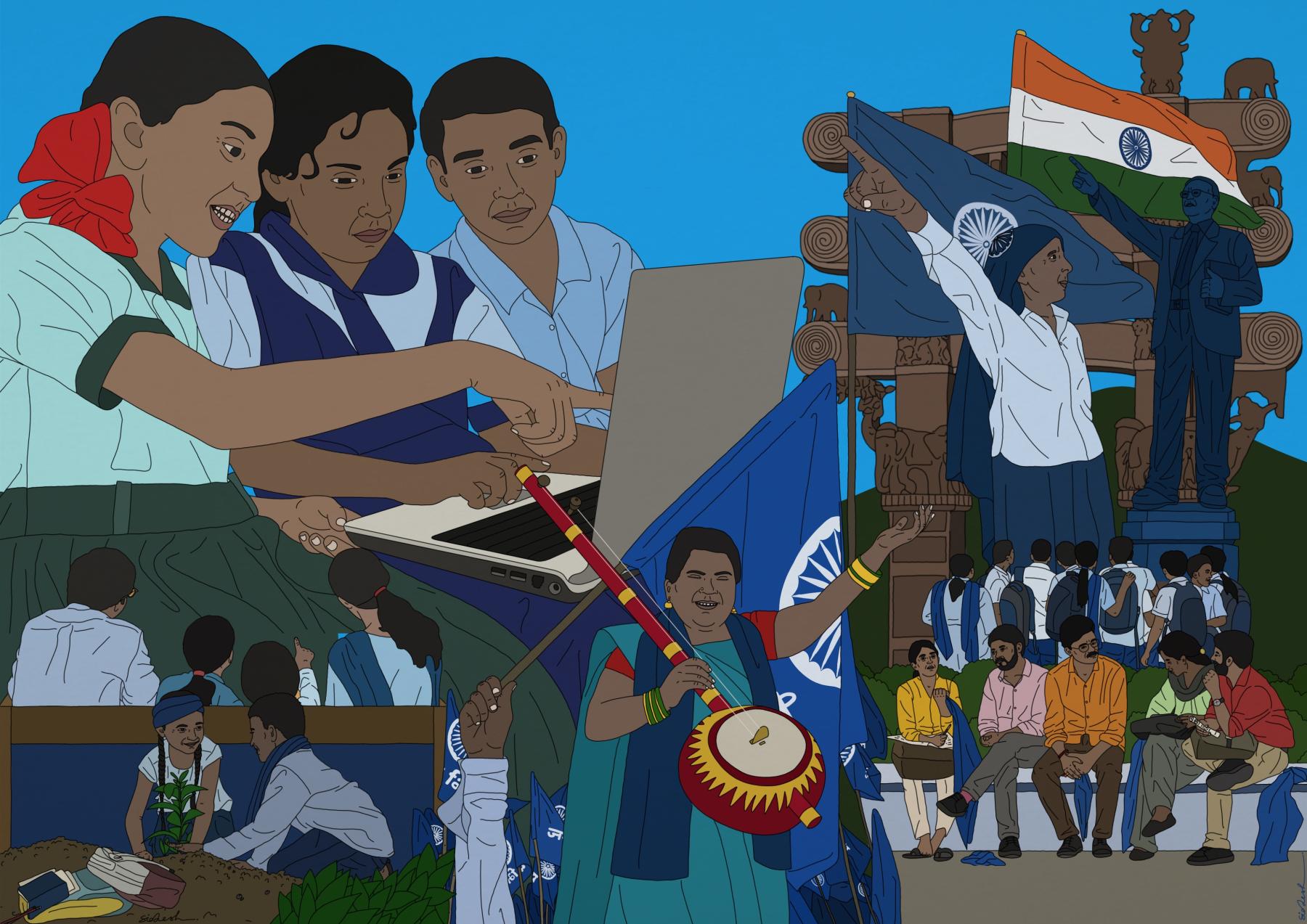
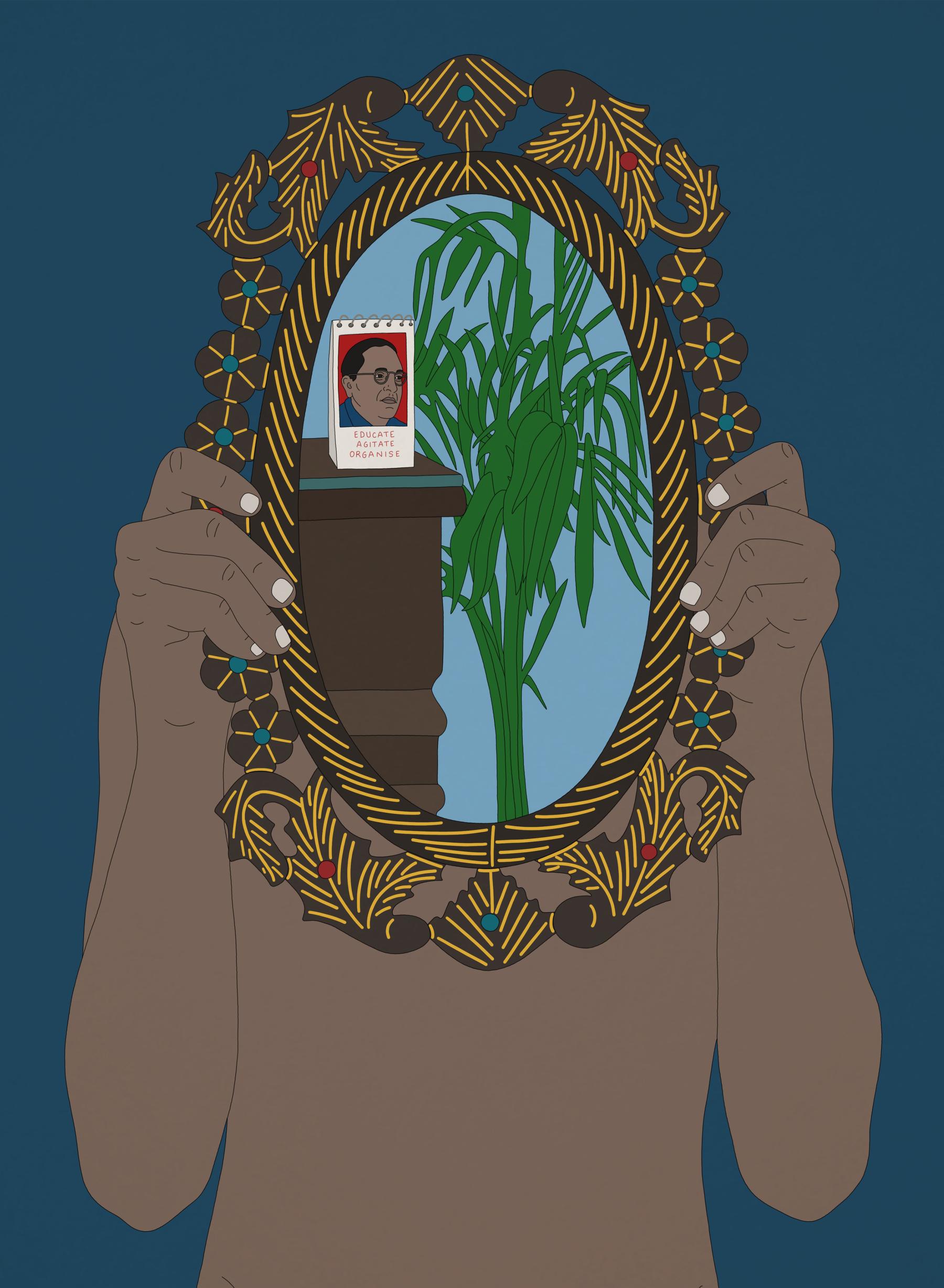
For many of us, every entry into these spaces also becomes an act of translation. We translate our lives into grant language. Our wounds into proposals. Our ancestors into footnotes. And our survival into “practice.” We compress generations into artist statements. We reduce histories into bios. We fit centuries of resistance into exhibition labels. And then we are told to be grateful, to be visible, to be professional, to be patient and to be less radical. As if patience has ever freed anyone. As if gratitude has ever dismantled power. As if visibility has ever invited change. As if professionalism has made this world less broken. As if patience has mended generational wounds. As if our histories were not erased radically.
We are taught early that success in art means proximity to institutions. Closer to museums. Closer to curators. Closer to collectors. Closer to international platforms. But never closer to people, as if legitimacy travels only upward. As if recognition flows only from centre to margin. But what if we reversed this map? What if legitimacy originated in neighbourhoods, bastis (colonies), villages, union offices, madrassas, community libraries, protest sites, playgrounds and bus depots? What if art travelled outward and forward instead of upward? What if art is spread rather than collected?
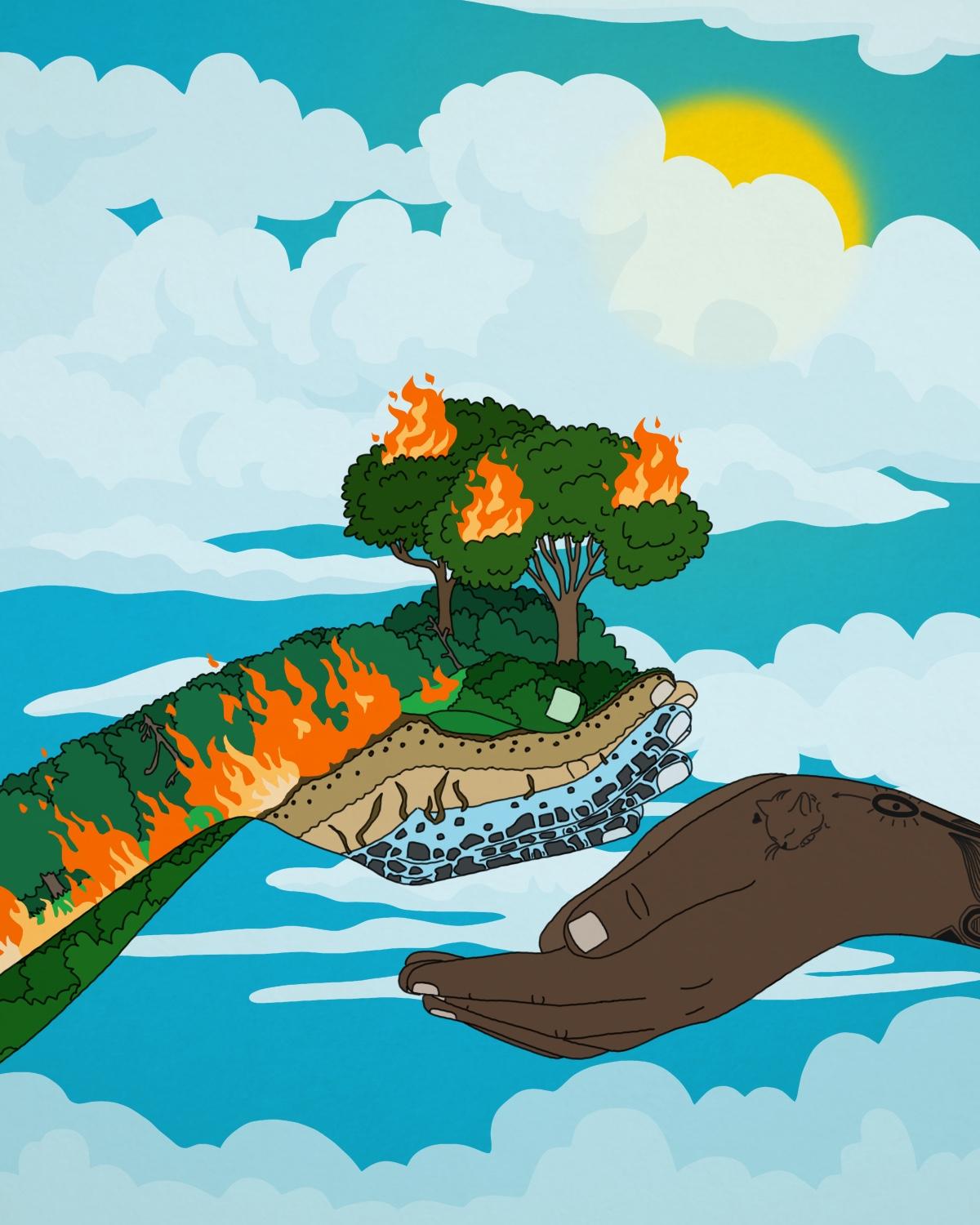
Even when you build a body of work in ignorance and isolation, behind every exhibition is invisible labour. Security guards standing for twelve hours. Cleaners erasing traces of visitors. Installers lifting impossible weights. Interns working for “exposure.” Researchers whose names never appear. Craft workers paid once for lifelong knowledge. Art labourers who do the labour work to create great art of ‘great’ artists. Contemporary art not only ignores these workers and their labour but also rejects their presence on the openings and curated tours.
The art world celebrates ideas and hides workers. It praises concepts and ignores exhaustion. Democratic art cannot stand on exploited bodies. It cannot justify the invisibilisation of people and their culture. It cannot survive on stolen histories. Justice is not an add-on. It is the foundation. We need to make justice the foundation of art society. We need to make recognition an ethical practice of art. We need to make equality our canvas. We need to make dignity our lens.
To learn more about artists highlighting the exclusionary nature of the art world, read Mallika Visvanathan's interview with Sandeep TK about his series Toy Boy from Malabar and His Journey to Wine Cheese and Chocolates (2023).
To learn more about artists and curators adopting more inclusive and accessible practices in art, watch Arushi Vats’ conversation with Diwas Raja KC on the ideas and frameworks shaping Dalit: A Quest for Dignity (2018) and Mallika Visvanathan’s conversation with Diwas Raja KC on PhotoKTM6’s curatorial programming, which brought together diverse artists and explored collectivisation through public programmes. Also read Anoushkha Prasad’s essay on the panel "Framing Photographic Practice," reflecting on contemporary artistic and curatorial practices.
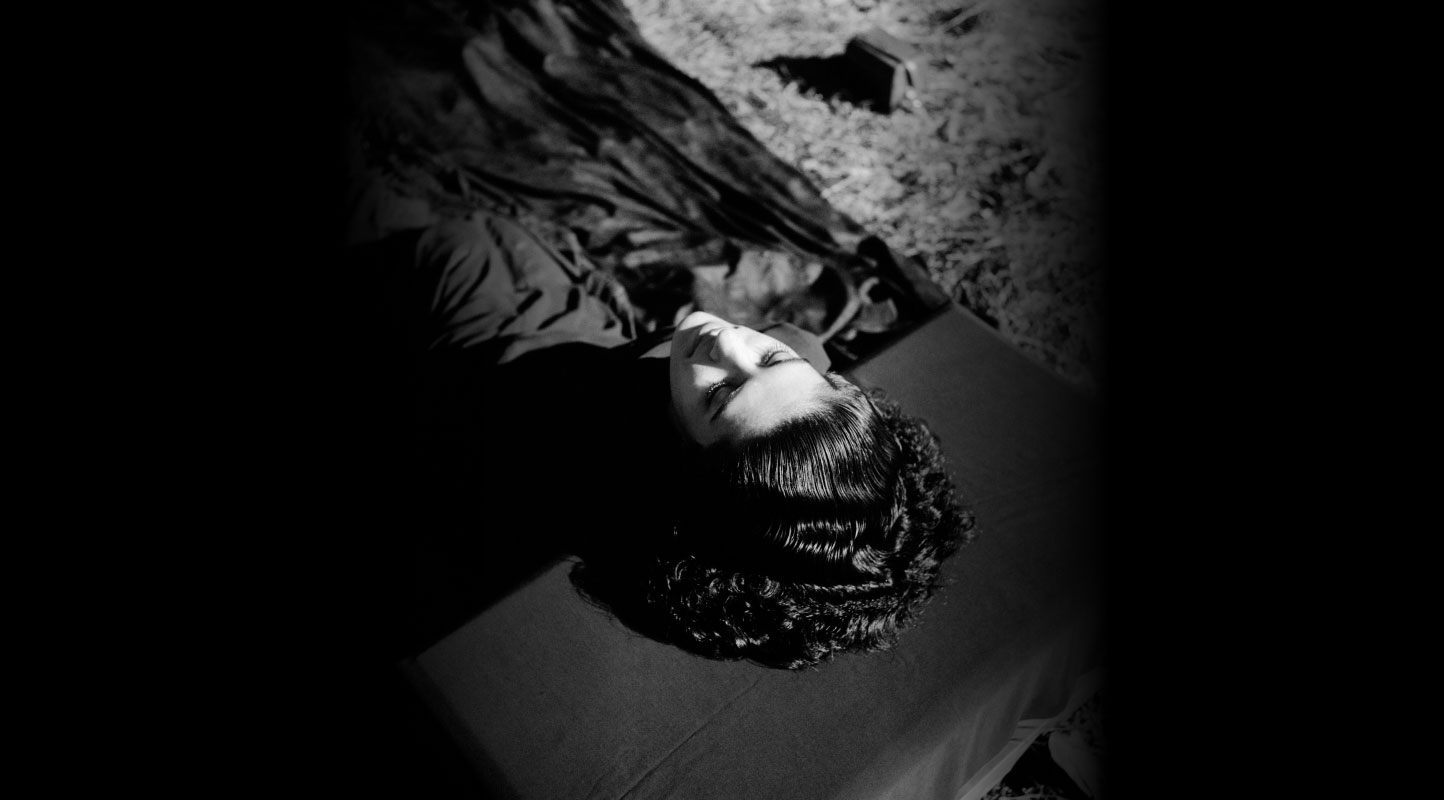
All works by Siddhesh Gautam. Images courtesy of the artist.