

A Star Named Arundhati: From the Family Archive to a Women's History of Cinema
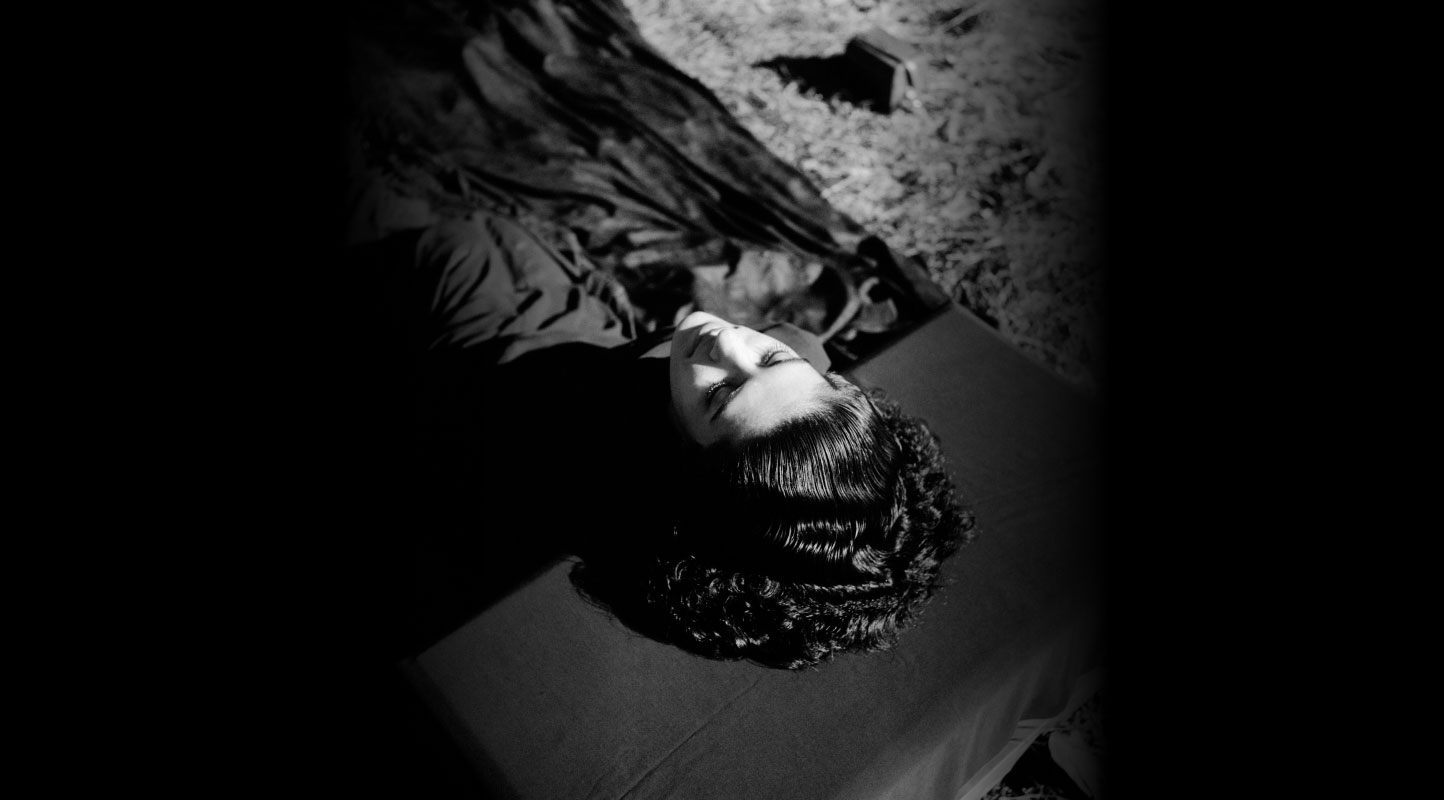
Marking the birth centenary of singer, actress and director Arundhati Devi, the exhibition A Star Named Arundhati was curated by Mrinalini Vasudevan and Tapati Guha-Thakurta over two years. First exhibited during the Bengal Biennale in Santiniketan (29 November–8 December 2024) and Kolkata (26 December 2024–5 January 2025), this archival glimpse into the life of a prolific artist travelled to the India International Centre in Delhi in October 2025.
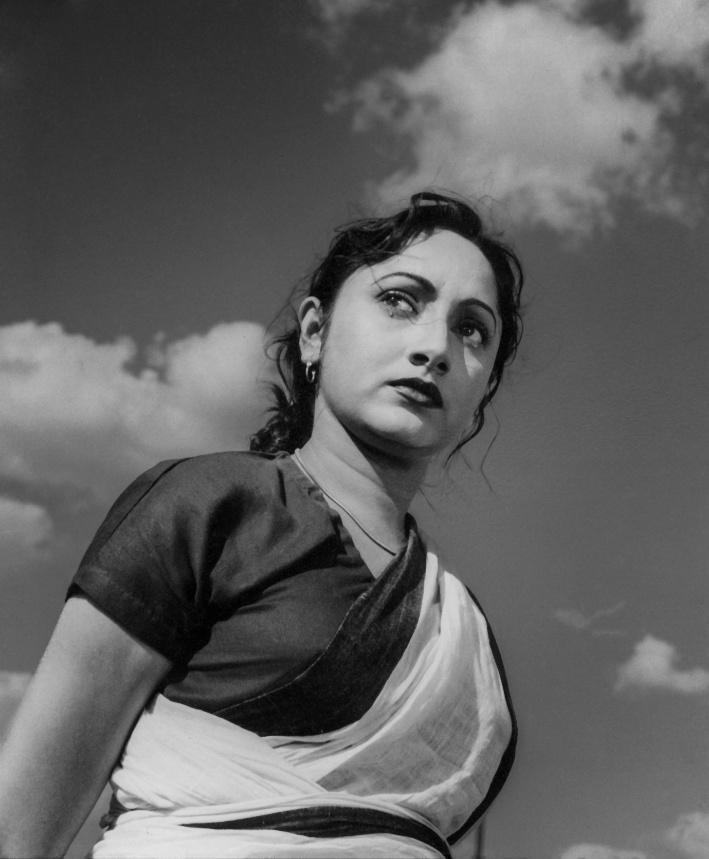
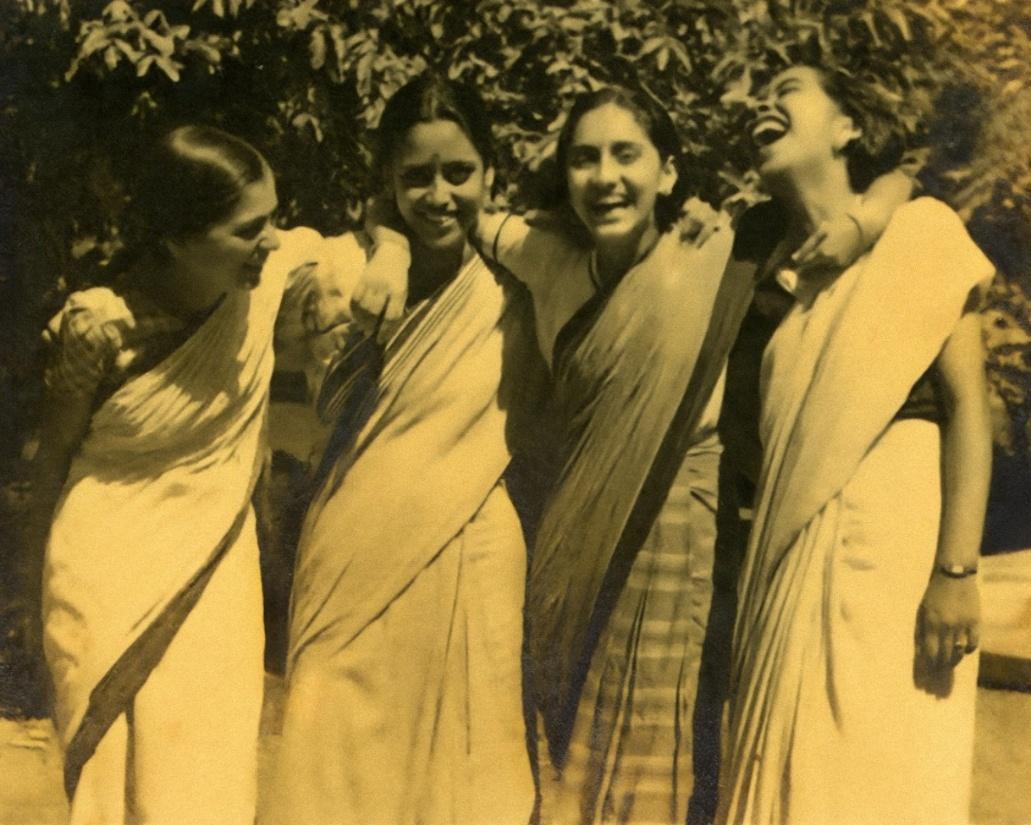
Framed as an interruption of the institutionality of the archive, the exhibition took off from the family album—the first photographs of Arundhati that viewers could see were family portraits in Dhaka and Santiniketan. Arundhati’s father, an advocate in Dhaka, held progressive values. He hosted a house filled with conversations and music, and was intent on educating his daughters. After his untimely demise, she moved to Santiniketan on the invitation of her paternal aunt, who was married to Ajit Chakraborty, a key figure in the establishment of Visva Bharati. Several photographs tenderly preserved and annotated by Arundhati herself chronicle her time in Santiniketan.
The photograph, Marianne Hirsch reminds us, is intimately tied to the ideology of the modern family, perpetuating familial myths and chronicling togetherness both as ritual and annunciation. As a steady stream of guests including family friends and contemporaries of Arundhati lingered for conversation, the exhibition hall took on something of the qualities of a living room—that public-facing parlour without which bourgeois cultural life is incomplete. The Derridean provocation that the archive maintains an intimate relationship with the private also rears its head to complicate the claim of familial interruption, raising the question of whether the family—and its artefacts—is not a crucial archival institution in itself.
After her Santiniketan years, Arundhati would be associated with Gitabitan, a music school set up in Calcutta by Shubho Guha Thakurta that served as an important institution in popularising Rabindrasangeet beyond Santiniketan, and was among the cohort of Rabindrasangeet singers to join the All India Radio. The exhibition paid attention to Arundhati’s abiding pursuit of music—one corner animated by a faint trickle spilling out of a pair of mounted headphones that played her singing voice from films such as Bolai Sen’s Surer Agun (1965) and Tapan Sinha’s Harmonium (1976). For her own directorial projects, Arundhati composed musical arrangements, drawing from Rabindrasangeet and folk music, rendered by such singers as Manna Dey, Pratima Bandopadhyay and Bhupen Hazarika.
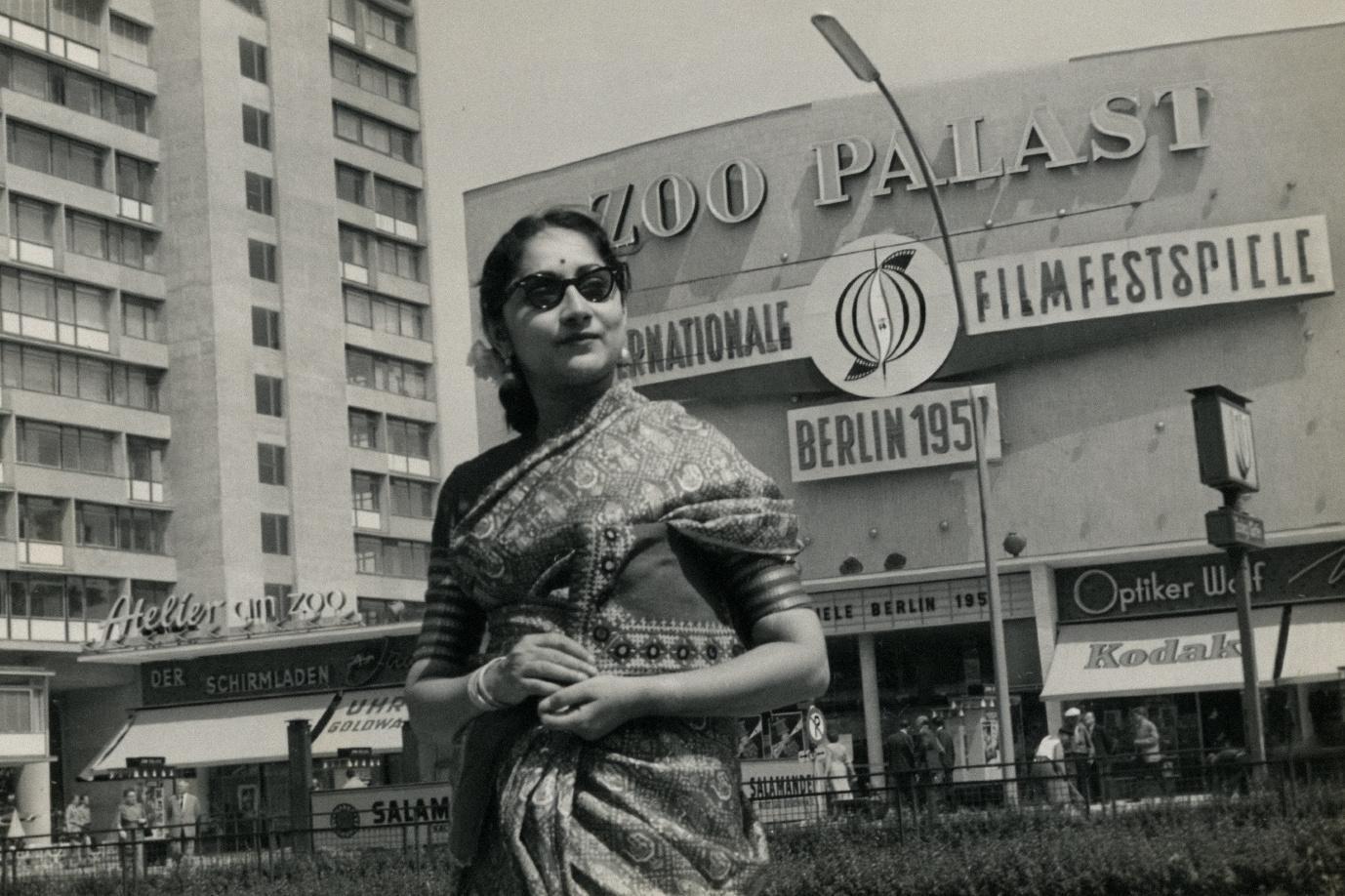
Arundhati’s eventual foray into cinema was cast both as an extension of her artistic and intellectual pursuits and a commitment to film itself. She received offers through the 1940s, including one from Devika Rani to work with Bombay Talkies, and eventually made her debut in a New Theatres production titled Mahaprasthaner Pathey (1952). The debut rings with symbolic significance for New Theatres’ storied connection to Tagore. Arundhati played a young widow, part of a group of pilgrims headed to Kedarnath and Badrinath, who develops a relationship with a young fellow traveller, even as others in the group grow suspicious.
This streak of progressive thinking that produces the modern Bengali woman on screen was to become the hallmark of Arundhati’s acting career. It was reflected in the myriad film paraphernalia on display at the exhibition—lobby cards, promotional booklets, posters, film stills and behind-the-scenes photographs—an ongoing curation from the collections at Gallery Rasa, Cinema Sensorium, the Tapan Sinha Foundation and Arundhati’s own albums. In them, Arundhati emerges as a public figure around whom ideas of modernity, vernacular femininity and civility coalesce.
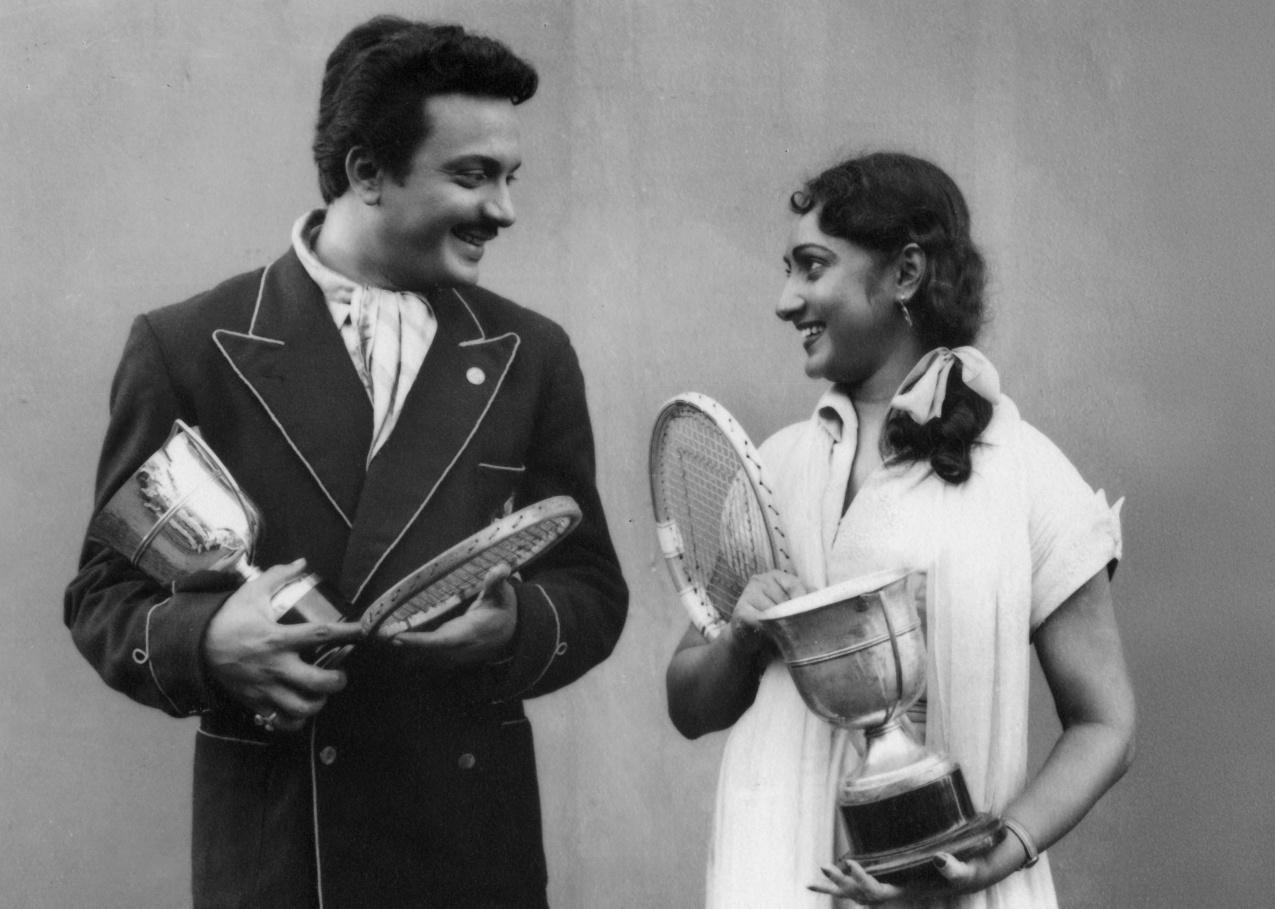
Films such as Asit Sen’s Chalachal (1956) and Panchatapa (1957) have her play working women who navigate the terrain of urbane modernity in the middle of the twentieth century. In Shashibabur Sansar (1959), she plays an educated housewife who decides to start working, going against her conservative father-in-law. With an overall reputation for playing sophisticated women of gentility in urban locales, Arundhati also played a few working-class roles, situated in a dam construction site in Panchatapa and a collier in Tapan Sinha’s Kalamati (1958). She helmed a significant number of films within the genre of the romantic melodrama.
Among them, Bicharak (1959) and Jatugriho (1964) are recalled in scholarship as puncturing the image of Uttam Kumar, the pre-eminent Bengali film star of the time, as romantic hero, and calling into question the stable conjugal unit in Bengali cinema. In both films, Arundhati takes an active part in the moral and social negotiation of coupledom. Yet, her contribution finds little place in the historical appraisal of this genre in Bengali cinema. Such negotiations recur in Prashna (1955) and Janmantar (1959)—where romance and marriage become the terrain for a woman’s negotiation of issues of class and caste. And, in Pushpadhanu (1959), Arundhati plays a travelling dancer, who reconnects with her long-lost son born out of wedlock and brought up by her Christian friend.
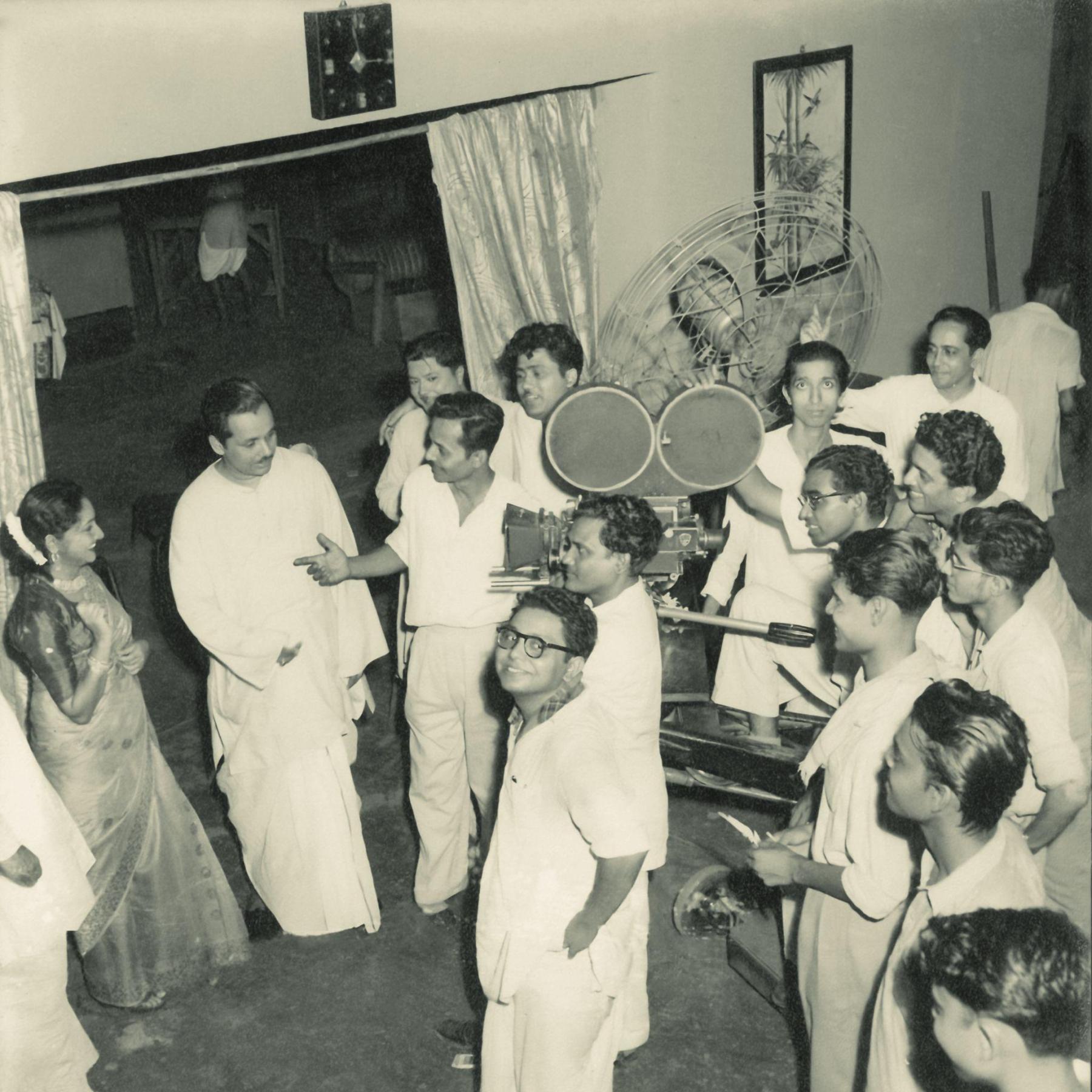
The exhibition also chronicles Arundhati’s short but significant directorial career as well as her involvement with casting, scripting, music, costume and prop design, leading to her eventual foray into production. A number of unfinished projects were referenced—a documentary on Sinha; working scripts and music for films based on Bonophool and Saratchandra’s works; and correspondences with actors Sharmila Tagore and Aparna Sen for prospective films—punctuating the tragedy of her untimely death.
Of these, two stand out for their explicit political investment and directorial gumption. Arundhati had acquired the rights for a story focused on a woman who is abducted by Naxalites and gradually begins to sympathise with their cause. She also planned to adapt Mahasweta Devi’s Hajaar Churashir Maa (Mother of 1084 [1974]). Apposite at a time when both retrospectives and restorations are finding special purchase, the exhibition offers promise of the restoration of Arundhati’s films, several of which have been lost to time and neglect.
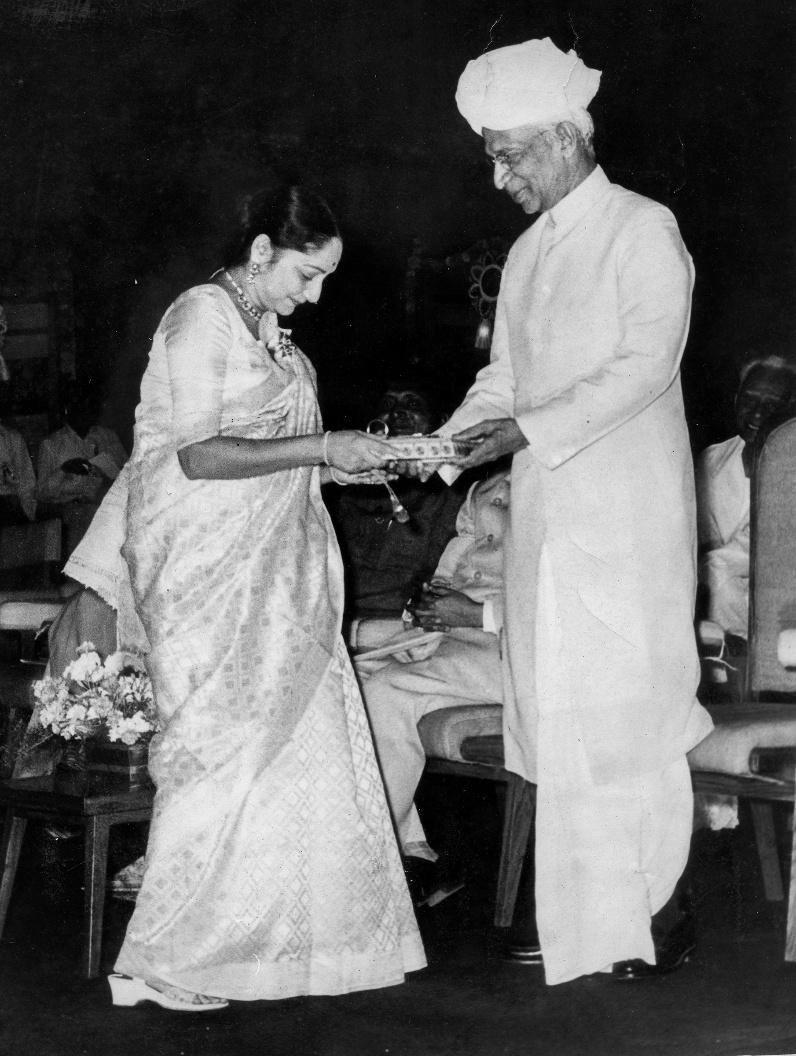
The artist's breadth of interests, influences and productions alone make her a subject of feminist biographical intrigue. Her body of work animates crucial aspects of Bengali cinema—its literary correspondences, the influence of Tagore, the significance of music in solidifying an identity for itself, shifts in modes and materials of production, and ideas of bhadralok (genteel) modernity. The exhibition, and subsequent work that may follow, draw Arundhati into the ranks of other notable women in cinema—Jaddan Bai, Kanan Devi, Sobhana Samarth and Protima Dasgupta—whose contributions to cinematic institutions and life-worlds are remarkable, yet ill-preserved in public memory, calling for a politics of feminist retrieval.
Arundhati’s myriad mediations of femininity amount to a picture of adhunikata (modernity) that was painted in an overall colour of respectability and gentility at the exhibition. It took its title from the endearingly clever pun, attributed to Arundhati’s friend and writer Gour Kishore Ghosh, who in one of his stories featuring the fictional Brojo da lost in the jungles of Congo has him turn to his favourite star, Arundhati, for hope and direction. Arundhati is, eminently, also another name for the morning star. This appellative speaks as much to the archival ambitions of the project—to restore star status to a stalwart in the face of relative neglect in recent years—as to its placement of Arundhati within a circle of intellectuals in her time. Each of the sections chronicling her cinema was accompanied by a wealth of filmographic detail—the fruits of archival research—that placed Arundhati among a circle of distinguished artists and intellectuals and emphasised her public image as a thinking-woman’s actress.
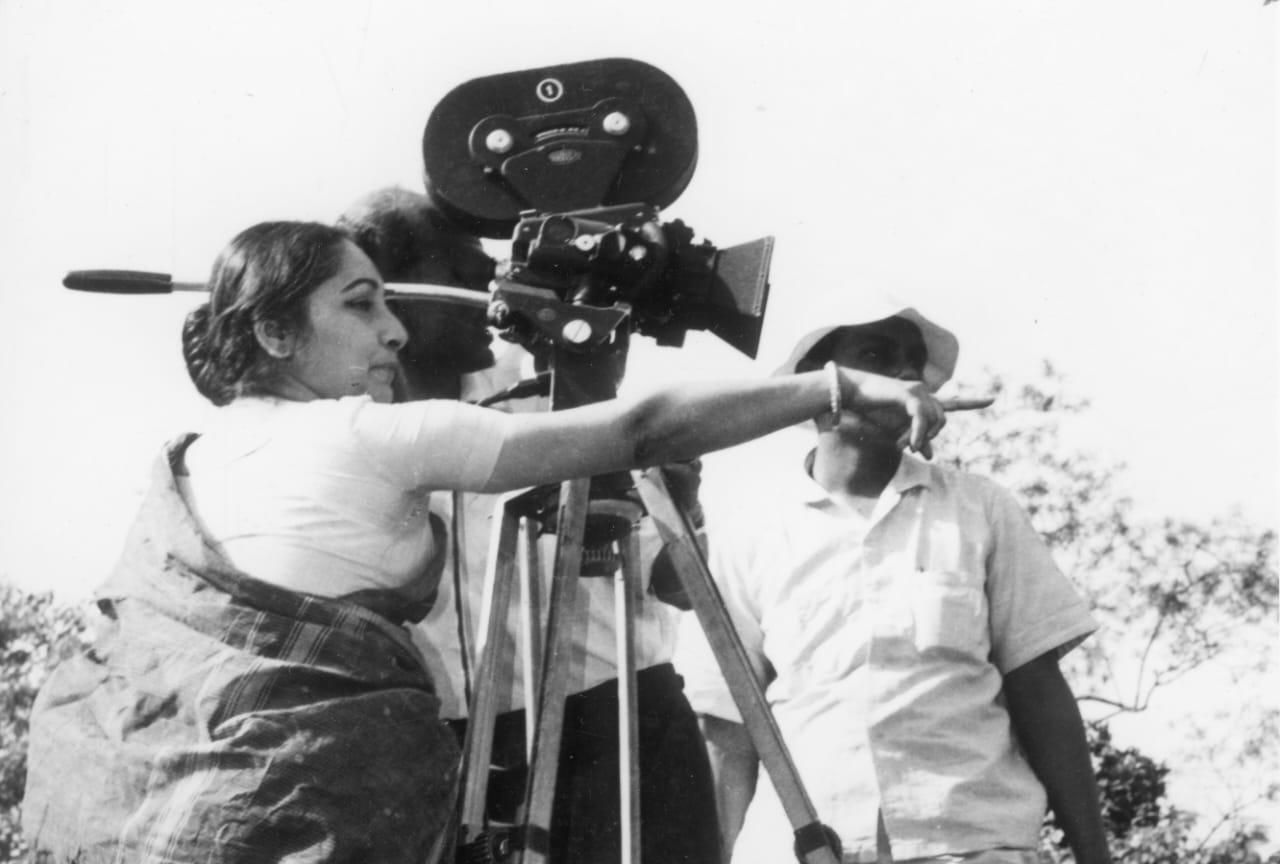
Yet, despite the exhibition’s clear and repetitive positioning of Arundhati as a woman of intellect and culture, one who was averse to the glamour of the film industry and can be set apart from her contemporaries in that she was not and could not be sexualised, Arundhati emerged in a number of her films as the ideal companion to the romantic hero, because of her gentility and not despite it. Far from an image evacuated of desire, the adhunikata Arundhati embodied strikes one as the mark of desirability in the bourgeois Bengali woman within the scheme of caste-endogamous bhadralok sensibility.
One is then left with questions about this picture of the popular heroine as abhijato (noble), where nobility marks proximity to gentility and departure from the caste-laden charge of the sexual. If the feminist archival project is a recuperation of the actress in the name of gender, what is foreclosed by way of sexuality, or its less abrasive, more intimate cousin, desire? Even as questions remain open, one of the archive’s primary stated claims to find new viewership for Arundhati’s films holds open the hope of subsequent work of both cinephiliac and scholarly engagement.
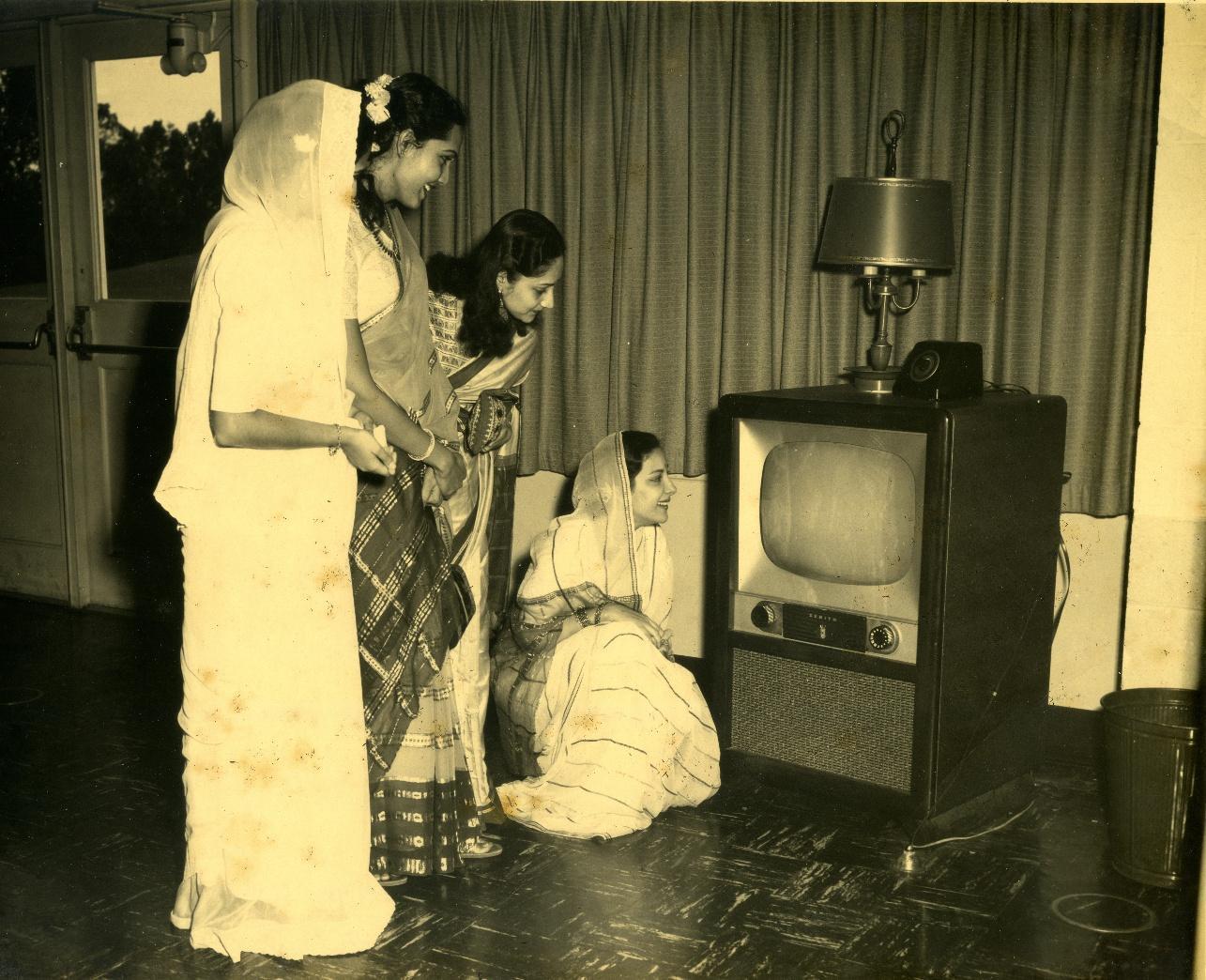
The most memorable image from the exhibition may very well be one showing Arundhati crouching among fellow actresses, gazing admiringly at the bulging form of an analogue TV set in the U.S., which Arundhati visited in her very first year as a cinema artist. The picture offers the uncanny thrill of looking at women in the past gazing into the future and is the lasting impression the exhibition left behind in its labours of love to restore and hold up a women’s history of cinema.
To learn more about archives around stardom, read Ankan Kazi’s essay on Nemai Ghosh’s photographs of Bengali actresses and Ketaki Varma’s reflections on Sabeena Gadihoke’s essay “Selling Soap and Stardom: The Story of Lux” (2010).
To learn more about cinema’s attempt to grapple with the fractures of modernity, read Ankan Kazi’s review of Salma Siddique’s Evacuee Cinema: Bombay and Lahore in Partition Transit, 1940–1960 (2022), Koyna Tomar’s reflections on Ritwik Ghatak’s Amar Lenin (1970) and Madubanti De’s observations from a presentation by Samhita Sunya on the book Sirens of Modernity: World Cinema via Bombay (2022).
All images courtesy of the Arundhati Devi Family Archive unless otherwise mentioned.