

All That the Land Holds: Nepali Artists at PhotoKTM6
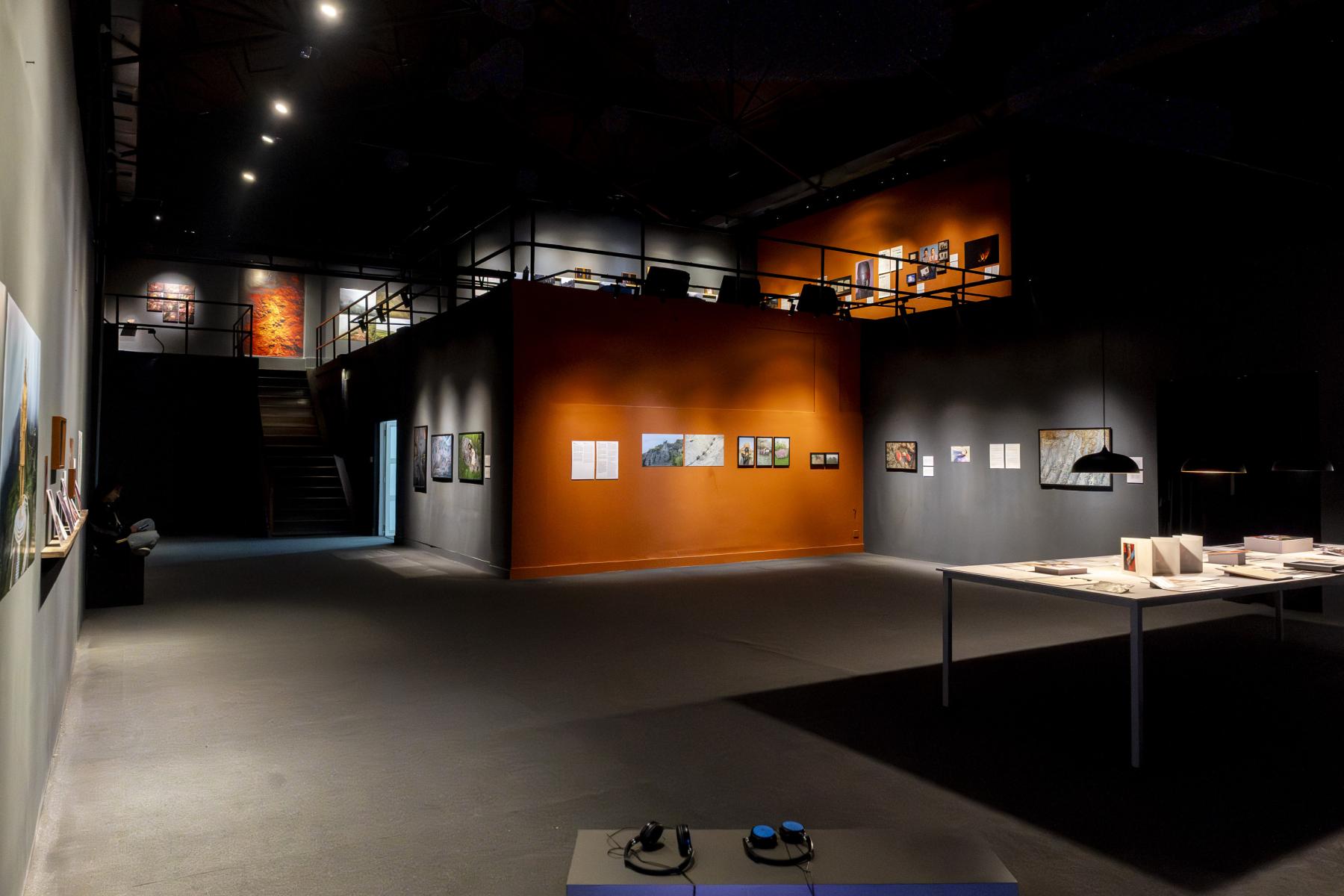
This piece continues from the first part, where we look at All That the Land Holds, an exhibition by eight Nepali artists during PhotoKTM6. While the first part covered four projects that directly examined the relationship between humans and nature, the remaining four touch upon the politics of the land and how its roots have crept into personal homes and communities.
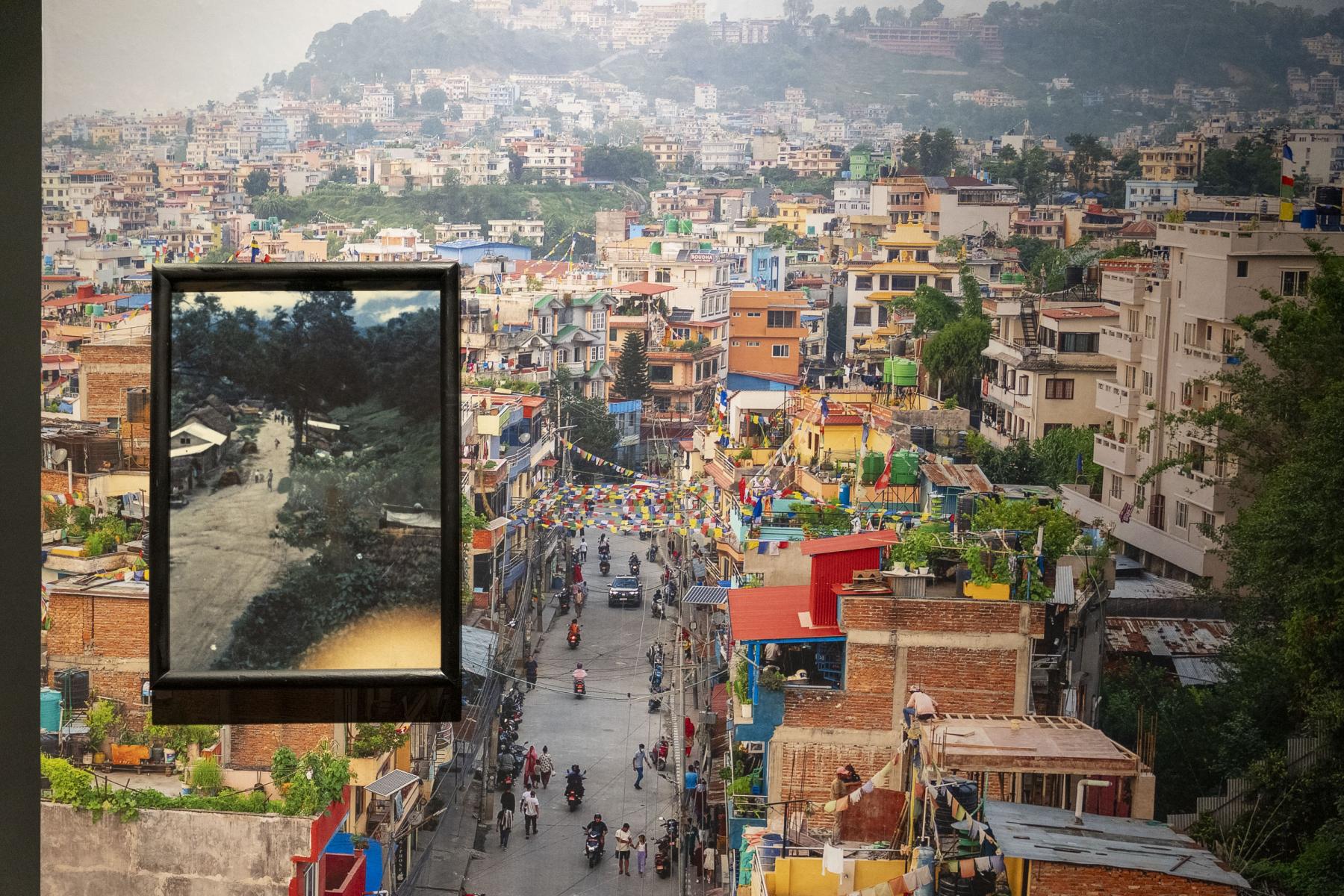
Manjit Lama’s Permanent and Passing: Informal Squatter Settlements brings to light the oscillating politics of the 133 households in Ramhiti settlement, where the artist himself grew up. The area inhabited by these families and communities is not recorded on the land survey maps of the Nepal government’s Land Reform and Revenue Office. In Nepal, these unrecorded settlements are often referred to as “sukumbasi” (landless squatters). At first glance, the settlement looks illegal, but Lama uncovers the complex layers that make such categorisations murky.
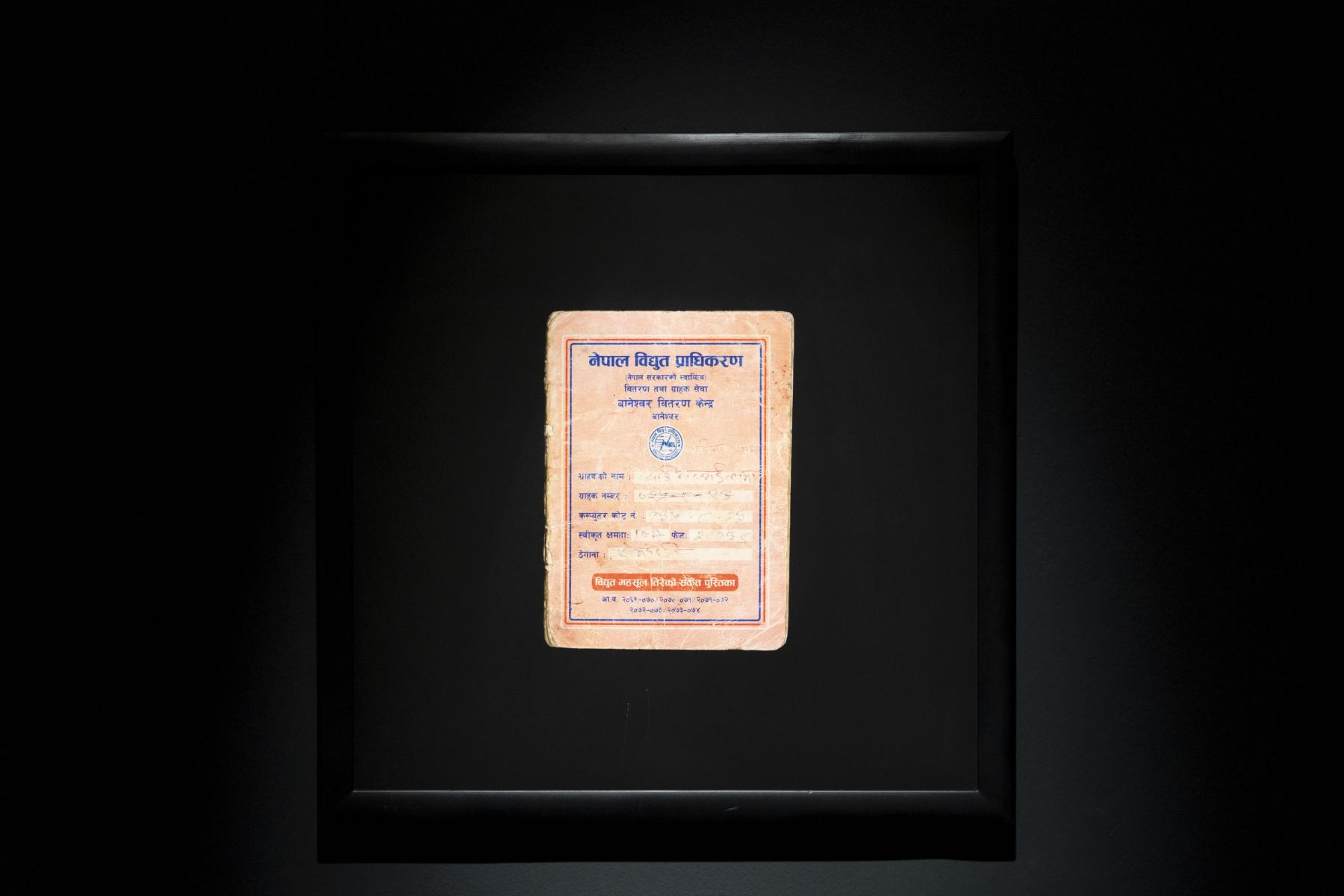
“At the start, the families were settled in the area by the ward office after they were employed to do carpentry work,” Lama shares. But their inhabitation was never finalised. The land status of the families always remained in a flux. He uses his grandfather’s recorded name on the electricity bill card—“Thai-asthai Lama” (permanent-impermanent in the Nepali language)—as a metaphoric representation of this oscillation and impermanence. He writes in one of the exhibition notes: “We are citizens, perhaps a different kind—before we were hut dwellers, now, we’re squatters. The country transitioned from the Panchayat era to the Republic, however our situation hasn’t changed.”
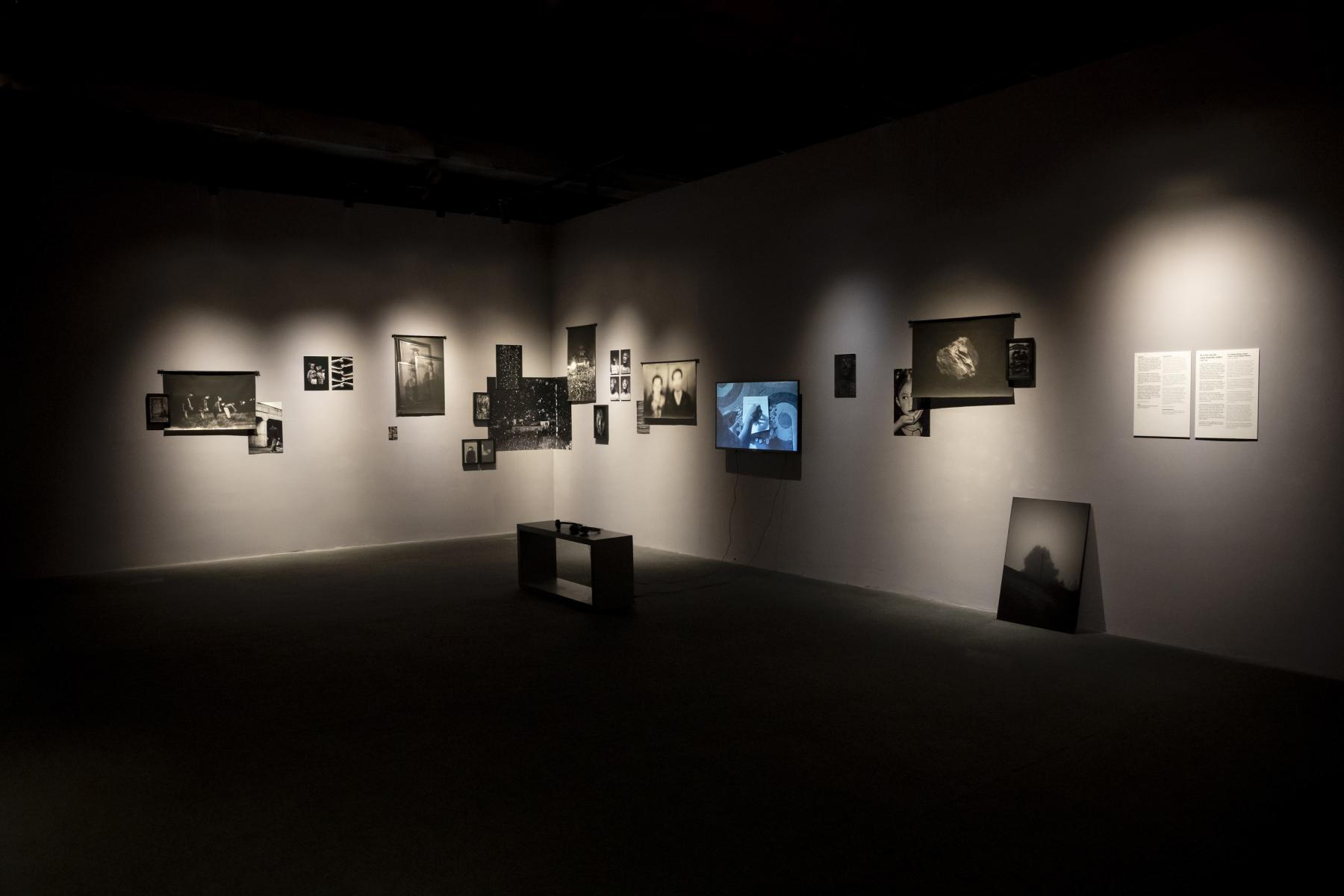
While Lama’s exhibit gives a visible form to the politics of housing and belonging to a land, Jyoti Shrestha touches upon Nepal’s complex language history. In Ji ta Newa Bhyaa Mawa (I don’t know Nepal Bhasa), Shrestha deals with the slow erasure of language(s) in a country that counted 124 languages in the 2021 census. Yet, Nepali remains the lingua franca and the language of academic instruction in schools is Nepali and English or both, as stated by the Education Act 2028 (1971).
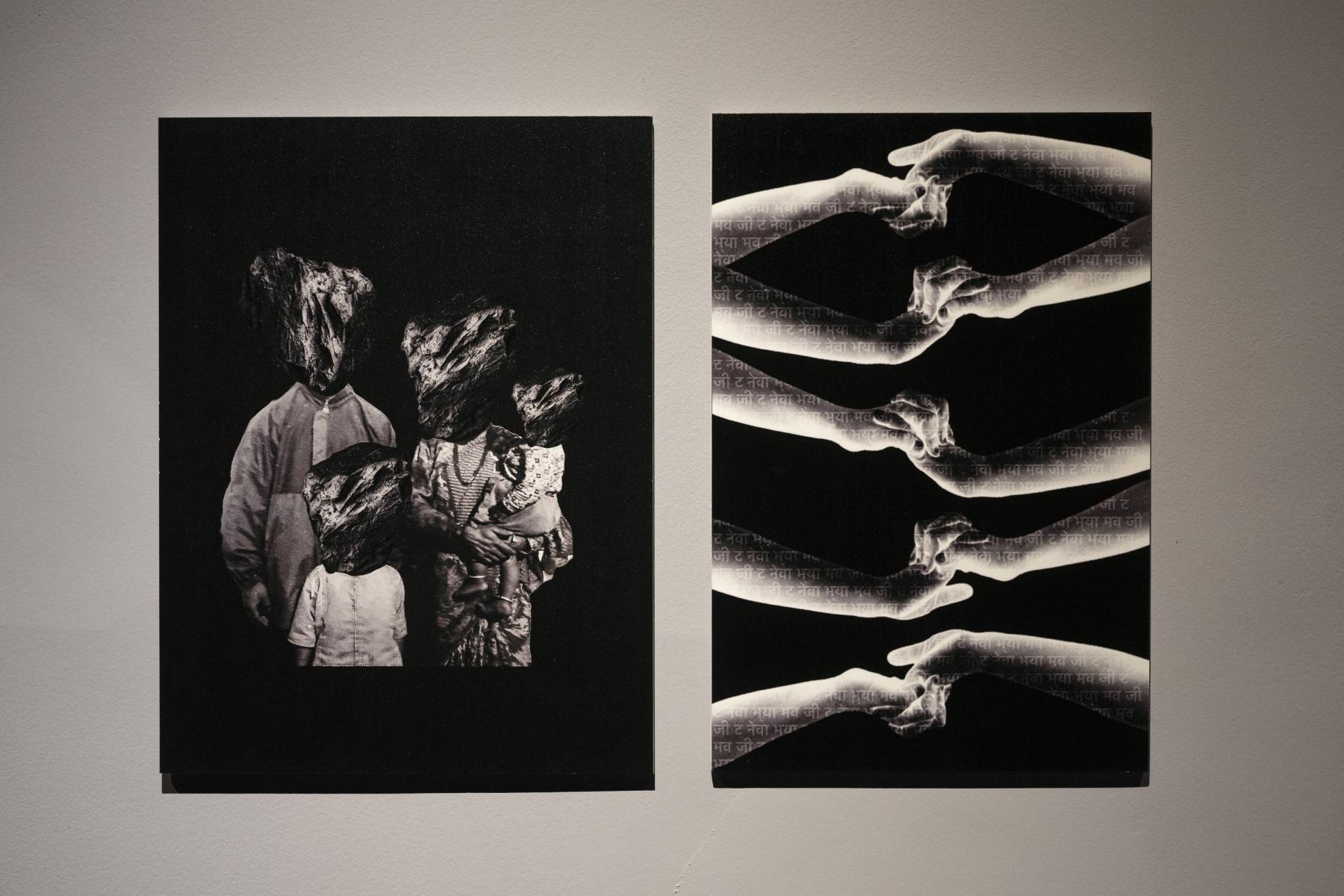
Shrestha’s parents and home form a central theme in her series. The severance from her language started inside these very walls. Touching upon her creative process behind the work, the artist shared that it was hardest for her to forgive her parents without portraying them as villains or heroes. She had to see them as people who were trying their best to survive and what they thought might have been best for her—survival pitted against culture and roots. While the project brought many personal reckonings for Shrestha, the feedback she received has been equally heart-touching. A student wrote to her: “The way you portrayed your helplessness when you can’t understand or respond in your own language made me want to learn my language.” Shrestha shared: “It (the project) wasn’t giving answers—it was creating recognition.”
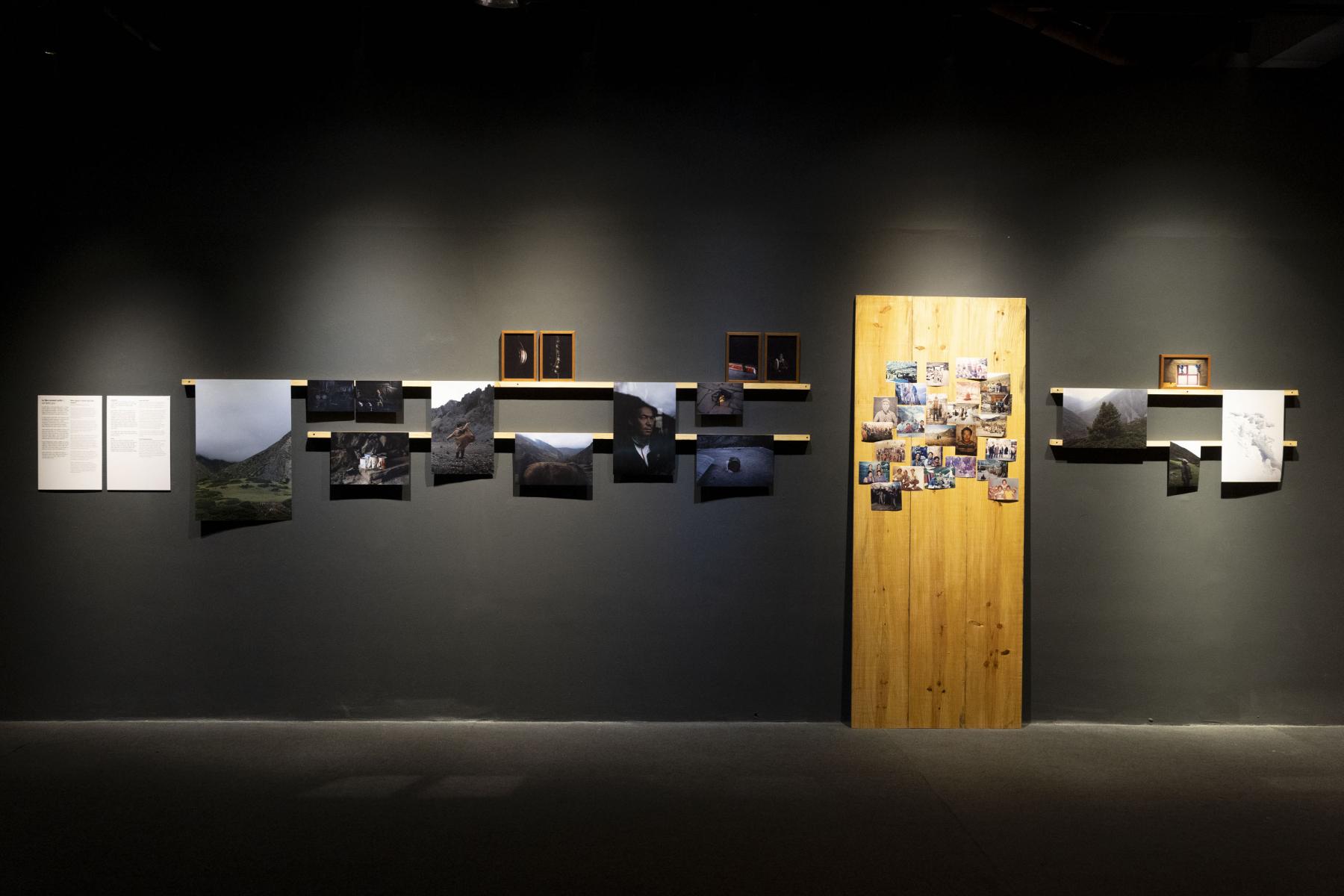
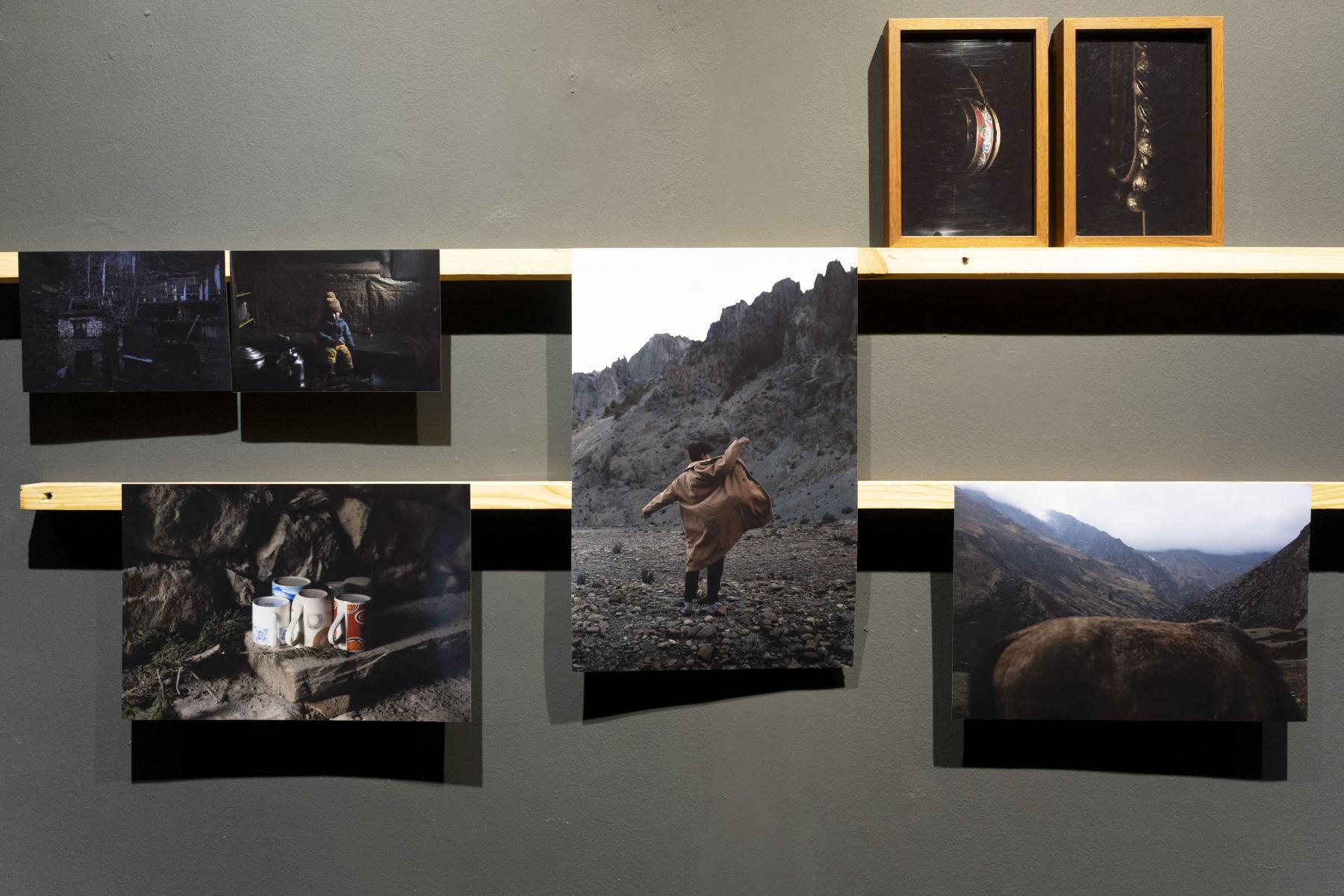
Shrestha’s uneasy encounter with home and the political fissures spreading in her life continues in Karma Tshering Gurung’s Why doesn’t home feel like home? Is home a structure made of bricks and stones, or is there more to it? Gurung explores these very questions in his photo series from Manang, the place he calls home. His photographs take us to Manang’s natural surroundings and inside his home. The central conflict has risen from his brother’s desire to tear down their ancestral home, which Gurung believes is more than just a physical structure. Beneath this conflict lies a global trend of migration and tourism where many youths are now returning to Manang as it gains popularity as a tourist destination. Gurung too wants to return, but something is holding him back. These photographs are his way of rediscovering his relationship with Manang.
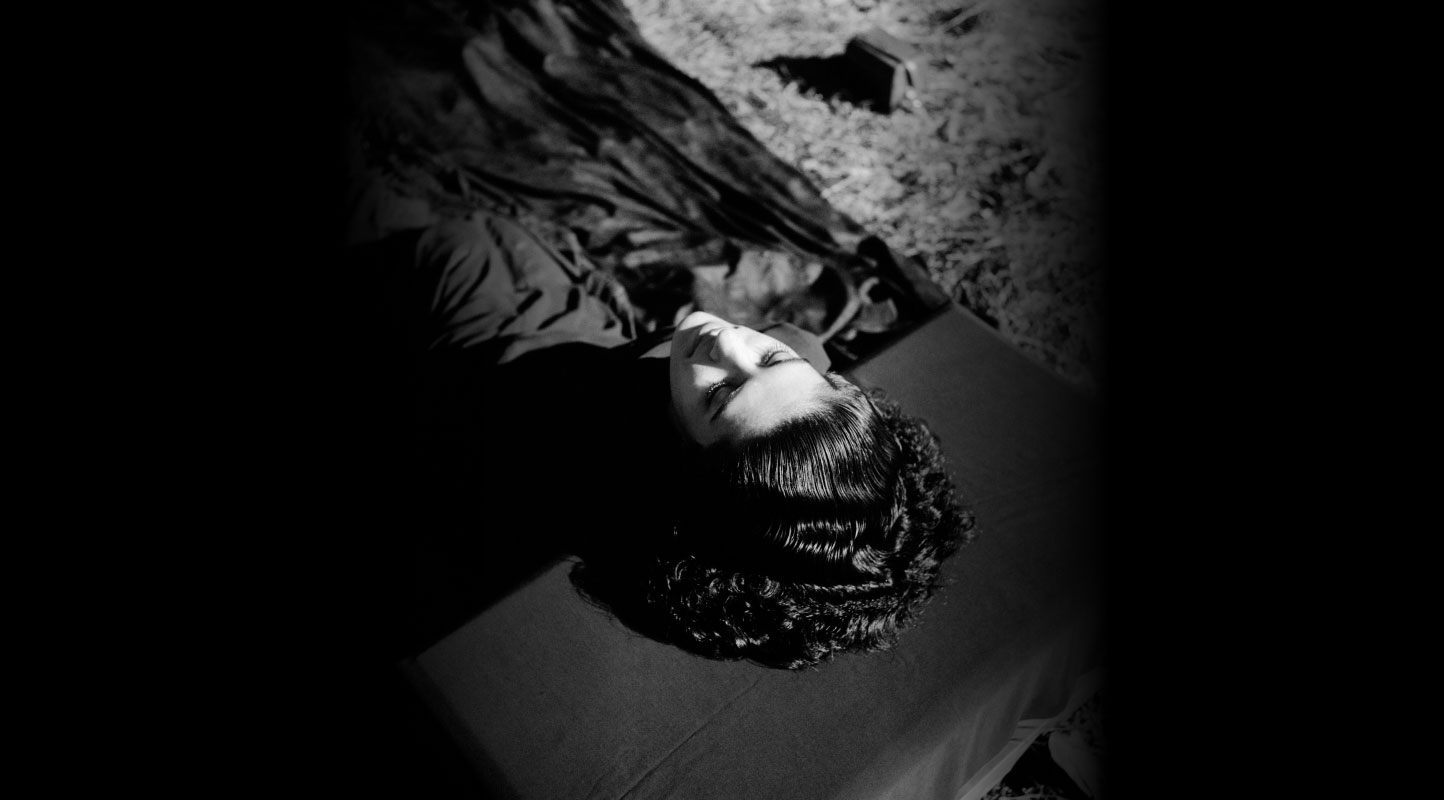
Search, recognition and remembrance remained powerful themes at this year’s PhotoKTM. The exhibition statement read, “Storytelling becomes an act of remembering. Remembering becomes an act of resistance.” As political forces shift across the spectrum, remembering becomes even more vital, as evident in Manoj Bohara’s The King didn’t like the song. Bohara’s project is a remembrance, a homage and a documentation of the Piskar Massacre of January 1984. On the dawn of Maghe Sankranti, a festival that marks the end of the winter solstice, the then-ruling Panchayat system ordered the massacre. Communities used songs to raise awareness, becoming a voice of rebellion and change. But as the title of Bohara’s photo series implies, the rulers did not like this upheaval which resulted in the tragic massacre.
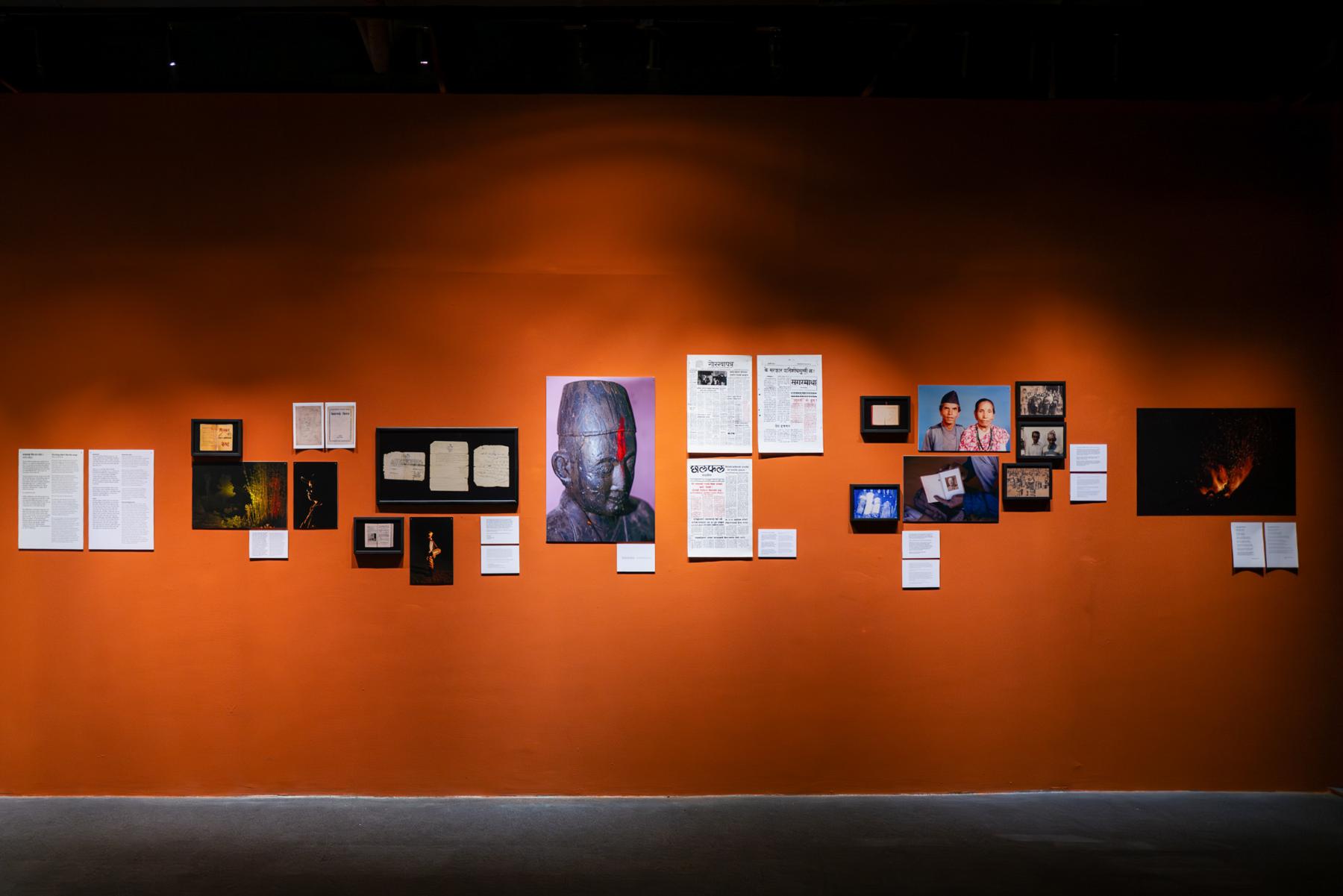
This was Bohara’s first political project which required him to take new risks and provide a perspective from his birthplace, Piskar. Approaching and handling conversations with political leaders became a challenge. While his series includes the voices of local farmers and leaders, he also wanted to include the other side of the story—about the feudal lords and the family members of the state—but was unable to get in touch with them. Before the project began, Bohara was himself unaware of the details of the massacre except for some vague details. Some young villagers from Piskar came to see his work with their parents and, like Bohara, they too realised how they had remained oblivious to their own history.
All eight projects are threads of remembrance that connect the past and the future, as the present remains suspended between the two. The exhibiting artists have scrutinised the dichotomy of nature and culture as well as the division of neat categories in the form of language, records or development. The very concepts that hold our worldview turn murky under their lenses. This process can be difficult, painful even, but it is the need of the hour. Do we emerge more empathetic and hold the ability to converse with people, beings and nature around us or do we shut down into the anthropocentric silo? This is the challenge set before us.
In case you missed the first part of the essay, you can read it here.
To learn more about Nepali artists working with the relationship to land within contemporary Nepali society, read Alfa M. Shakya’s reflections on Kishor Kayastha’s panoramic photographs of Mustang, her essay on Nistha Thapa Shrestha’s photoseries Subdued Song of Chaa (2024) and a curated album from Amit Machamasi’s series Not the Same Anymore (2023).
Also read Anisha Baid’s essay on Nepal Picture Library’s Skin of Chitwan (2019), a curated album from the Skin of Chitwan exhibition and her two-part conversation with Subash Thebe Limbu on Adivasi Futurism as well as Bhumika Saraswati’s conversation with Limbu on questions of Indigeneity.