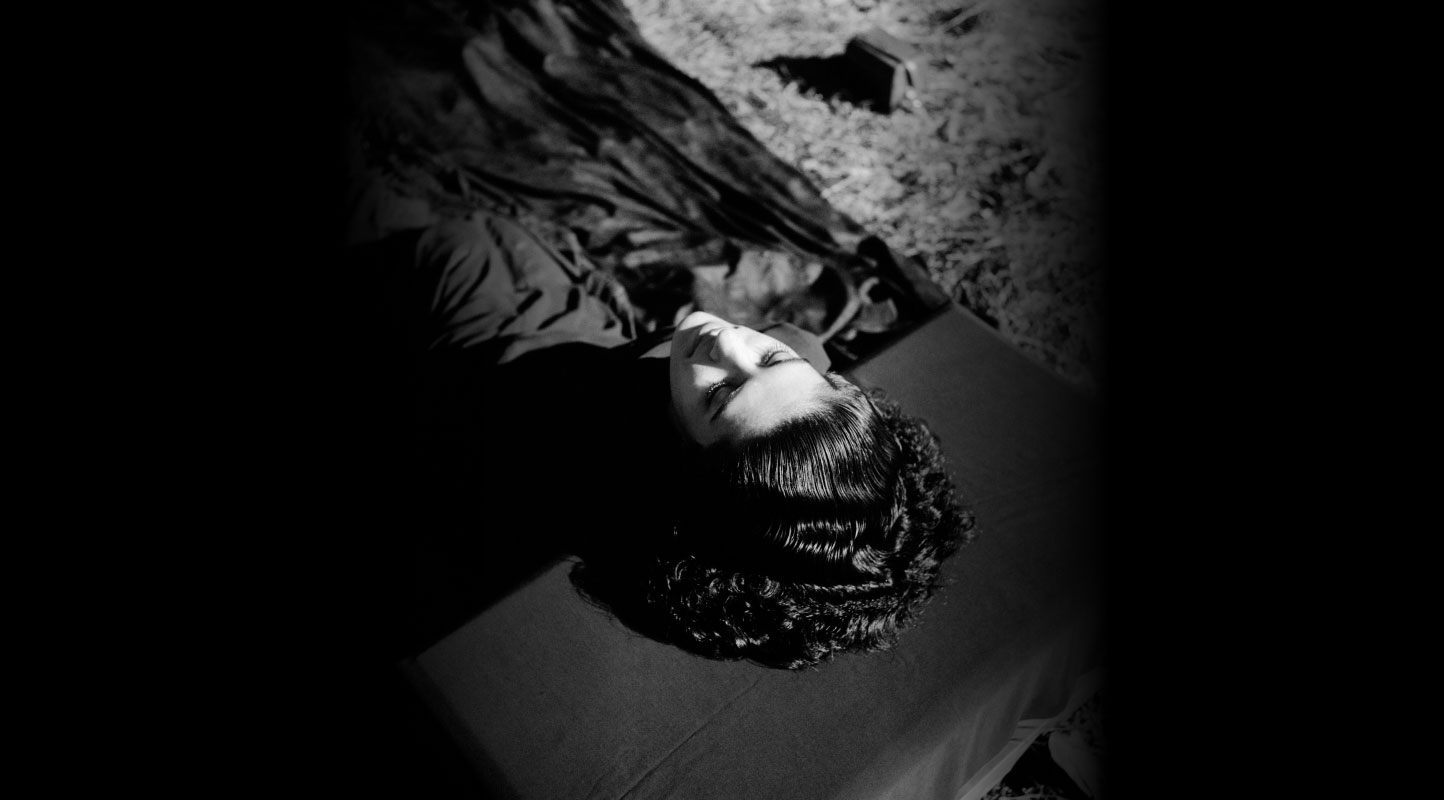


The Genius of the Place: The Life and Work of Geoffrey Bawa
The midcentury Sri Lankan architect Geoffrey Bawa is the subject of Afdhel Aziz’s 74-minute documentary The Genius of the Place (2023). The film singles out five projects from Bawa’s career as demonstrative of a design approach embodying “the genius of the place,” a term Aziz credits to academic David Robson to describe the “unique spiritual energy of each location.” While Aziz’s delightful Sri Lankan trip is beautifully filmed to convey the ethereal qualities of these spaces and their surroundings, it falls short of answering his claim to want to uncover more about the architect. The documentary reveals very little about Bawa and his epoch, and instead focuses on sublime landscapes that—however sensitive he may have been towards—the architect cannot take credit for.
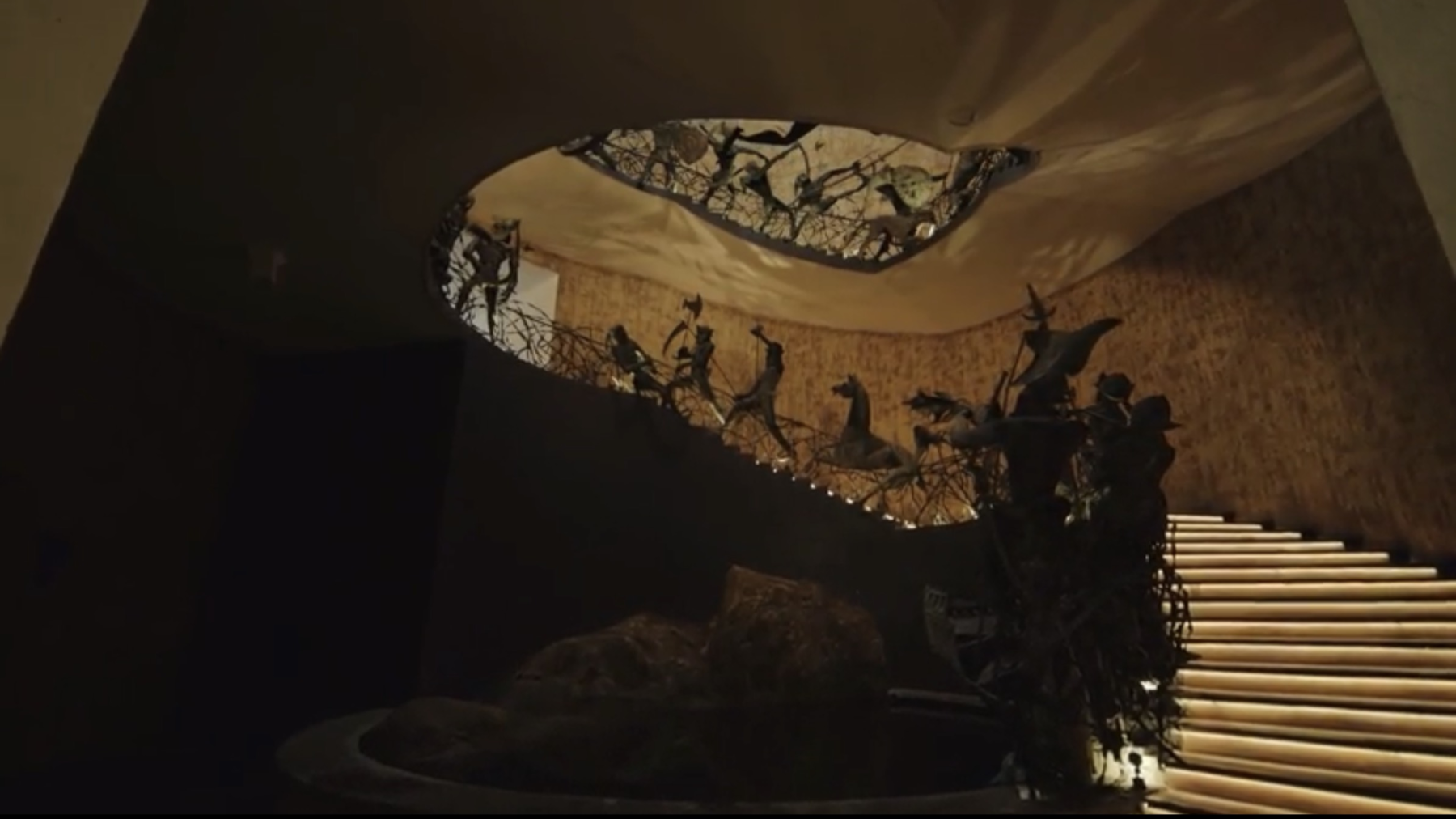
Each project—the Ena de Silva House (1962), the Lighthouse Hotel (1995-97), the Kandalama Hotel (1991-94), the Red Cliffs House (1997-98) and Lunuganga (1948-97)—is featured in a similar format which intercalates interviews of Bawa’s collaborators and admirers with skilful moving camera and drone footage sequences. The rejection of static frames is important to a central argument of the film, concerning Bawa’s capacity to create spaces that bestow living moments with a certain staged characteristic where sightlines and pathways are strategically directed by architectural elements. The back and forth between interview questions and their architectural answers, however, rehashes statements initially presented as premises: that the architecture sits beautifully in the landscapes, that construction elements were often locally sourced, and that in these projects modernism found its expression within the Sri Lankan reality.
However, as with many a discussion of Bawa’s work, the film lacks complexity. While the work of one architect should not be expected to account for all sociopolitical challenges of a nation, it is worth acknowledging that a closer look at the architecture itself may hint at some of these complexities, thereby renewing the relevance of the work. For instance, the presence of Tamil in the movie title cards feels like an awkward choice in the face of the absence of any mention of the role, if any, of that cultural influence on the architect. The movie misses opportunities like simply pointing at the concentration of project locations on the southern coast of the island, which would quickly reveal some of the geographic dynamics of Sri Lanka’s diverse coexisting heritages and the stark differences in development of its southwest and northeast regions.
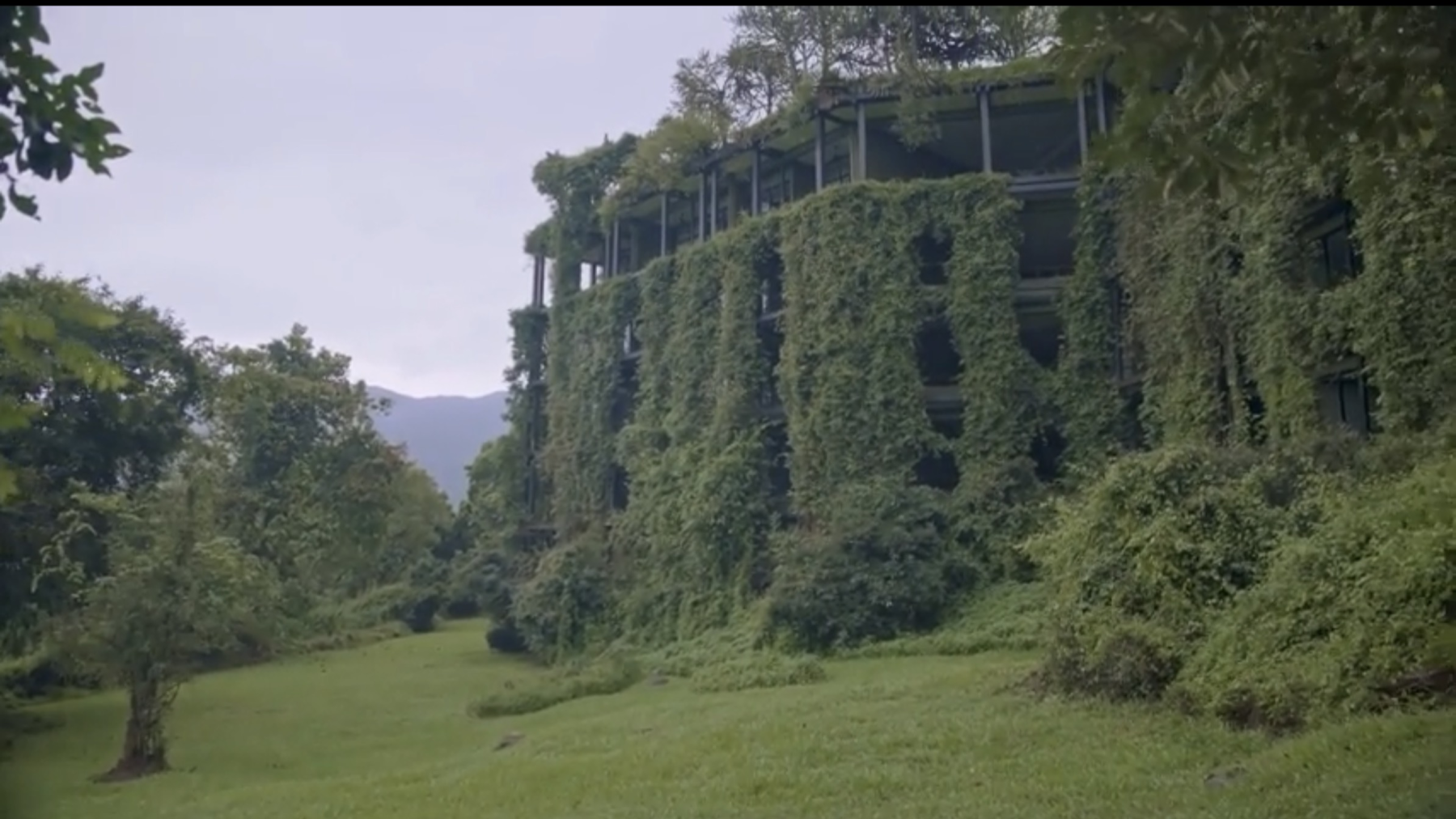
Similarly, little is seen of the substance of the projects, as the movie instead chooses to abstract them into the landscape. To be sure, the title makes it clear that audiences may expect beautiful buildings in stunning surroundings. That is hardly a revelation for anyone remotely aware of Sri Lanka’s expanse of ecosystems. The more convincing project features give layers to the architect’s work. The narrative of the Kandalama Hotel’s (now Heritance Kandalama) controversial site selection process glosses over the conflict dynamics between Sinhala Catholics and Sri Lankan Buddhists frequently present in the press at the time of the hotel opening, given its proximity to the sacred Sigiriya site and the Kandalama tank. Still, it tells a slightly richer story by discussing multiple local stakeholders. The mention of the hotel’s impressive ability to withstand the test of time also engages more elaborate aspects of its architectural design. Showcasing straightforward ideas of sustainability such as engagement with local natural and human ecosystems, rejection of invasive landscaping choices, and natural ventilation techniques, it merits the design process with more than the mystical sensibility to beauty suggested elsewhere. It also brings up questions about the primacy of the tourism industry that remain relevant to Sri Lanka three decades later, as the country forwards Macau-like casino ambitions only three years after mass civil unrest and economic collapse.
Opposingly, features like the Lighthouse Hotel fall short of achieving the movie’s stated goal of uncovering novelty about Bawa’s work. A sequence commenting on the architect’s collaboration with the colourist and entrepreneur Barbara Sansoni for the uniforms of hotel staff gives away a glaring absence: not one kitchen appears among the five features, three of which are houses. As the voiceover describes the experience of a meal in the hotel—seats facing framed views and sounds of the ocean—one is left wondering where it was cooked. In fact, even Bawa’s intensely collaborative dynamic with Sansoni (and many others) is not featured in proportion to its relevance to the practice.
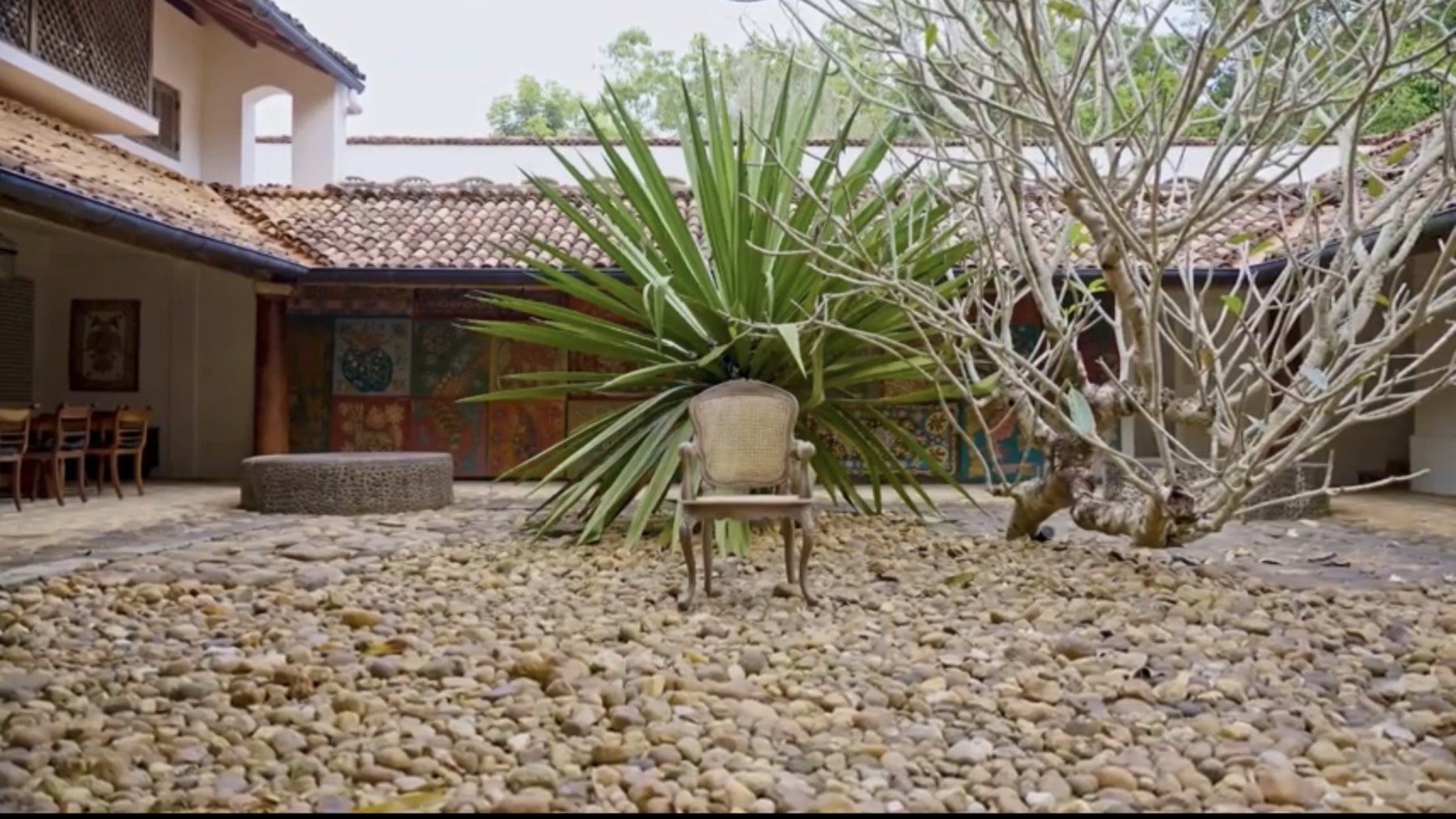
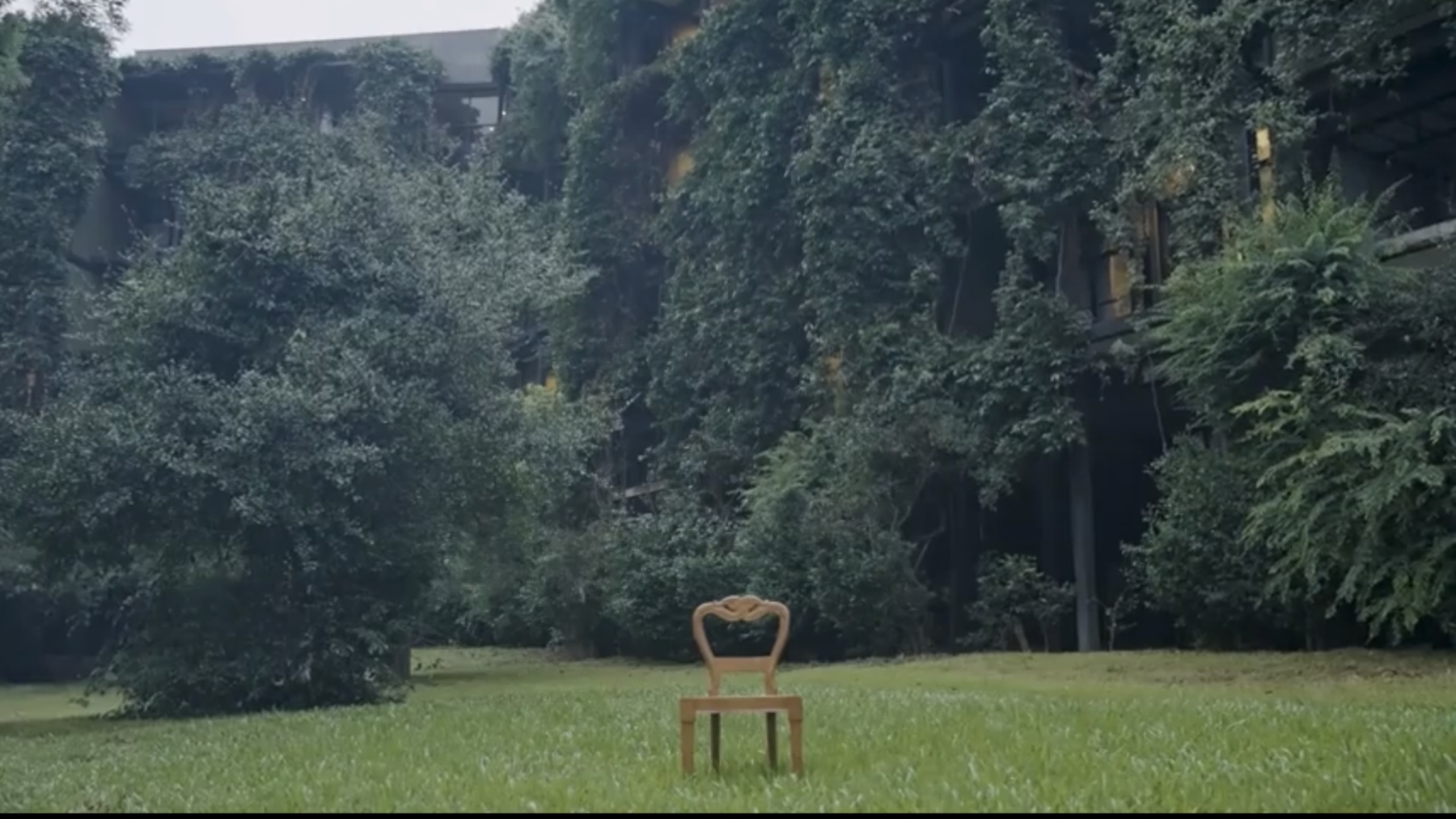
The architectural drawings coming out of Geoffrey Bawa’s office are incredible works of beauty. They painstakingly represent, with accuracy and grace, details such as leaves, pebbles or water streams. At times, they are also populated with objects of living that speak to the realities the architect imagined and, subsequently, observed in his buildings once projects were completed. Whereas the moving image could have been a tool to access these realities and their complexities, The Genius of the Place is instead punctuated by frames of Bawa-designed chairs sitting empty against the landscapes of the architect’s projects. Like the film, the frames are certainly a treat to the eyes, but Bawa’s seat on the table remains empty—filled instead by distant views of what his world, and his architecture, were about.
To learn more about the practice of Geoffrey Bawa, watch the episode of In Person featuring Clara Kraft Isono discussing her film Bawa’s Garden (2022) and also read Annalisa Mansukhani’s review of the film.
To learn more about architectural engagements in Sri Lanka, watch Nimaya Harris speak about Minette de Silva’s archive and read Annalisa Mansukhani’s conversation with Jasmine Nilani Joseph about her practice.
All images are stills from The Genius of the Place (2023) by Afdhel Aziz. Images courtesy of the artist.