

Tamil Political Cinema: A Tool for Social Justice
At the PK Rosy Film Festival organised as part of the Vaanam Art Festival held in April earlier this year under the aegis of the Neelam Cultural Centre, two films—Santosh (2024) and Nasir (2020), directed by Sandhya Suri and Arun Karthick respectively—were not permitted to be screened. However, as the first part of this essay examines, the festival also saw the screening of Viduthalai (2023/2024) by Vertrimaaran as the director intended for the film to be seen—unlike the defanged version which was released commercially. Starring Soori and Vijay Sethupathi, Viduthalai explores the journey of a police constable as he is tasked with arresting a revolutionary.
The rise of what might be termed “political movies” is not a novel phenomenon in Tamil Nadu, where politics, power and cinema have amalgamated to the extent that one can no longer confidently say where one ends and the other begins. The beginning of this intertwining of cinema with politics can be traced back to the rise of the Dravidian movement, which emerged in the early 20th century, gained momentum by the 1930s and was built around the concept of self-respect and social justice. By the 1940s and ’50s, several leaders of that era, including M. Karunanidhi, had been playwrights early in their careers. This equipped them with a skillset which was easily transferable to cinema, which they saw as the medium of choice for the dissemination of progressive ideals.
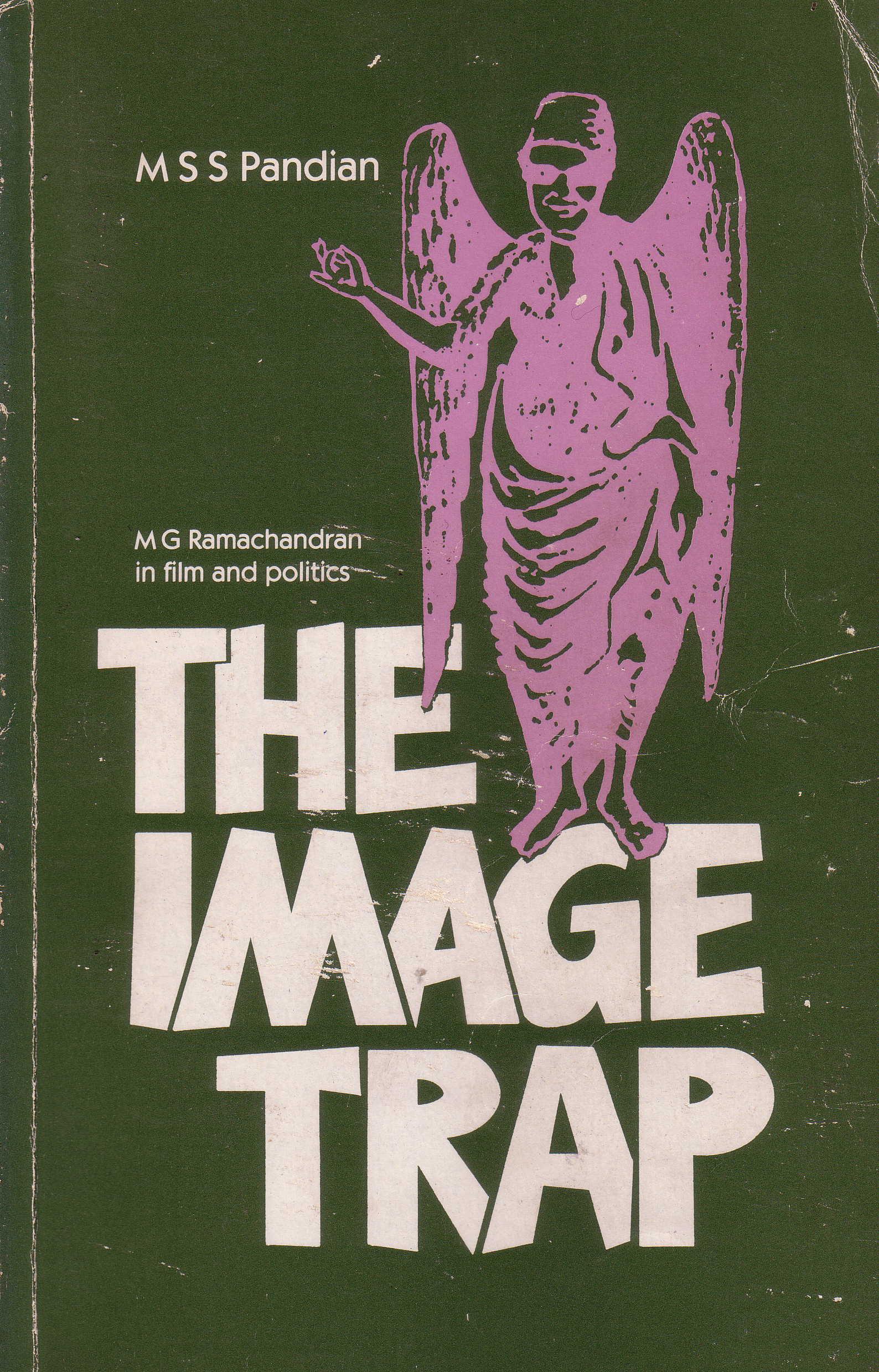
Cover of The Image Trap by MSS Pandian. (Source: Ilankai Tamil Sangam.)
The split between Karunanidhi and MG Ramachandran in 1972, when MGR broke away from Dravida Munnetra Kazhagam (DMK) to form the All India Anna Dravida Munnetra Kazhagam (AIADMK), only intensified the use of cinema as a medium for political messaging. In his seminal book The Image Trap: MG Ramachandran in Film and Politics (1992), MSS Pandian observes that “MGR’s screen image was consciously constructed as the embodiment of the hopes and aspirations of the subaltern classes, a larger-than-life figure who stood for the poor and oppressed against the powerful.” Such themes were not restricted to the plot and the characters either; the signature red and black of DMK would often make an appearance too, signalling both the level of understanding possessed by party leaders as well as their proficiency in the medium itself. DMK recognised cinema’s potential as a medium for political mobilisation, and MGR’s films became a vehicle for Dravidian ideology, embedding messages of social justice and Tamil identity in popular culture.

Digital illustration by Kamal (@isketchstuff) inspired by Parasakthi (1952) and created exclusively for this essay. (Image courtesy of the artist.)
The most popular example of such progressive rhetoric in cinema is the court monologue delivered by Sivaji Ganesan in Parasakthi (1952), a socially charged drama written by Karunanidhi that follows the struggles of a displaced family in post-independence Tamil Nadu. The film became highly controversial for its sharp criticism of religion, caste practices and social hypocrisy, yet it also marked the entry of both Sivaji Ganesan and Karunanidhi into the cinema industry. The courtroom monologue, which was the climax of the film, critiqued Brahminical hypocrisy with a directness never seen before and thus became a cultural touchstone. An excerpt from the scene is translated below:
கோவிலிலே குழப்பம் விளைவித்தேன்
கோவில் கூடாது என்பதற்காக அல்ல
கோவில் கொடியவரின் கூடாரமாய்
இருக்க கூடாதென்பதற்காக
பூசாரியைத் தாக்கினேன்
அவன் பக்தன் என்பதற்காக அல்ல
பக்தி பகல் வேசமாய்
ஆகிவிட்டதை கண்டிப்பதற்காக
உனக்கேன் இவ்வளவு அக்கறை
உலகத்தில் யாருக்கும் இல்லாத
அக்கறை என்று கேட்பீர்கள்
நானே பாதிக்கப்பட்டேன்
நேரடியாக பாதிக்கப்பட்டேன்
சுயநலம் என்பீர்கள்
என் சுயநலத்திலே
பொது நலமும் கலந்திருக்கிறது
I caused chaos in the temple
Not because I oppose temples,
But because no temple should shelter
Those who shelter evil in their hearts.
I attacked the priest
Not because he was a devotee,
But because devotion has been reduced
To a broad-daylight farce.
You may ask;
Why this concern,
Concern that no one else in the world seems to have?
Because I myself have suffered,
Directly suffered.
You may call it self-interest,
But suffused throughout my self-interest,
Is the public interest.
The film's brazen critique of temples, priests and the like was shocking in its time and remains striking even in today’s climate of censorship and conservative pressures. However, it is important to note that, by being an example of the contrary, it further cements the connection between authoritarian regimes and censorship. Taking this context into account, the surprisingly progressive concerns of contemporary Tamil cinema become more legible. One might even go so far as to say that Parasakthi walked so that Madras (Pa. Ranjith, 2014), Viduthalai (Vetrimaaran, 2023/24) and Pariyerum Perumal (Mari Selvaraj) could run.
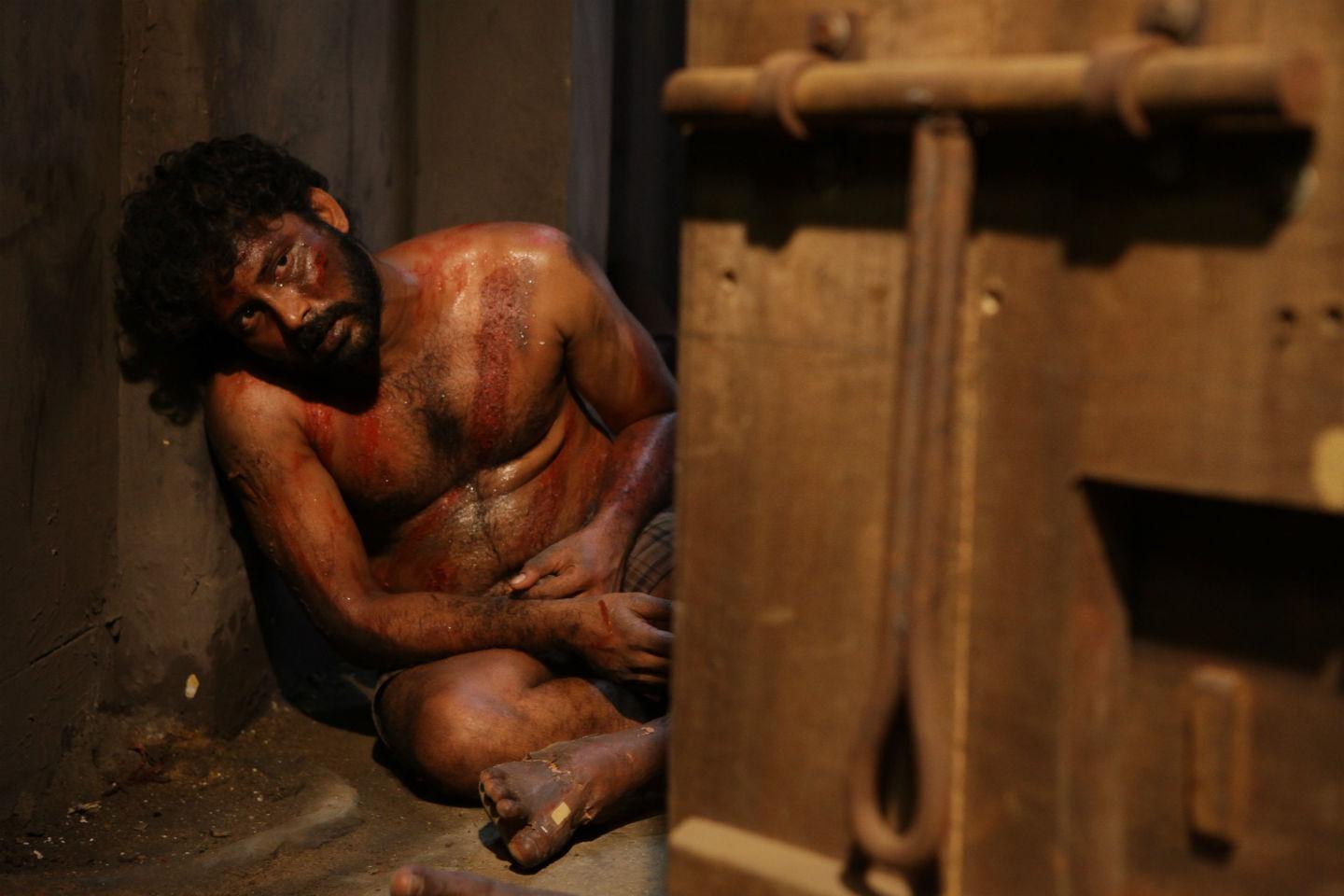
Still from Visaranai (2015) directed by Vetrimaaran. (Image courtesy of the director.)
Any discussion on censorship and its relation to authoritarianism would be incomplete without addressing the other side of the coin: conservative myth-making. While counter-narratives are tirelessly snuffed out like unwanted forest fires, there is also a propaganda machinery at work that supports these efforts by producing content that erases history and erects in its place a pseudo-history which banks heavily on the appeal of hyper-masculinity and a near-hagiographic view of this imagined distant past. Films such as The Kashmir Files, The Bengal Files, The Kerala Story, The Sabarmati Report, etc., are constantly churned out, making up for narrative quality with sheer quantity. Moreover, these movies are often given tax breaks in BJP-ruled states and are even promoted by leaders of very high ranking. For instance, The Sabarmati Report, a movie which is entirely built on the idea that Muslims were the sole cause of the Godhra riots, was screened in the Parliament. It is precisely this double-edged sword of erasure and suppression on the one hand and propping up of narratives favourable to the conservative right that makes censorship such a dangerous weapon; when wielded well, it allows one to hide facts and present factually baseless narratives as true history in the popular sphere. And it is precisely for this reason that attempts to counteract state-sponsored censorship have also been just as tireless.
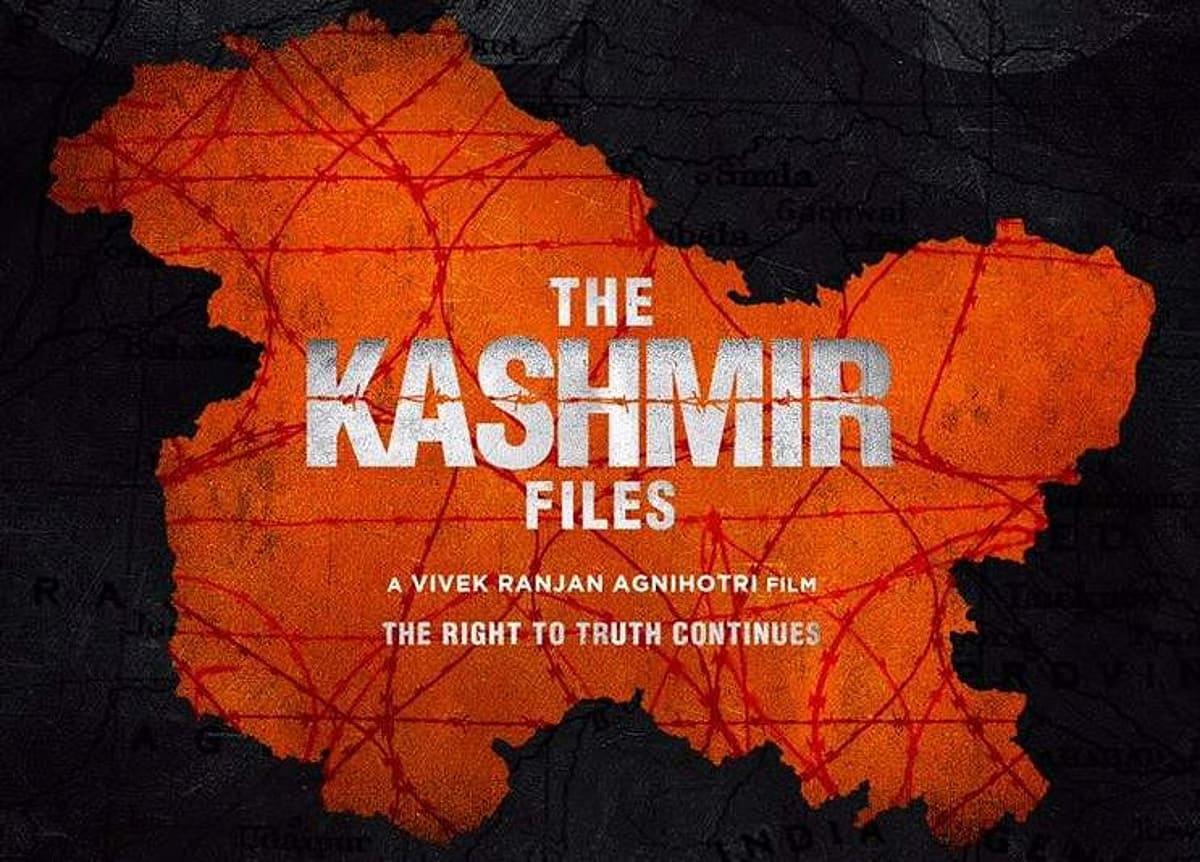
Poster of The Kashmir Files (2022) directed by Vivek Ranjan Aghnihotri. (Image courtesy of the director.)
Commenting on India’s contemporary political climate and trigger-happy attitude towards censorship, Q, an artist who has since the beginning of his career received the short end of the censorship stick, shared in an interview with this author,
“I have not dealt with the Censor Board because from the word go, I had taken a decision to bypass these laws. The laws really prevent us from distributing and redistributing creative material throughout the dominion. The restriction is not on ideas or production. So technically, I have not really had to engage with the administration. They simply banned the film and we went on our way.”
Though most of his creations were/are banned in India, that never held Q back from putting forth his honest self through his work. Over time, this dedication to authenticity and freedom has led to him becoming a torchbearer of alternative/experimental voices from the subcontinent.
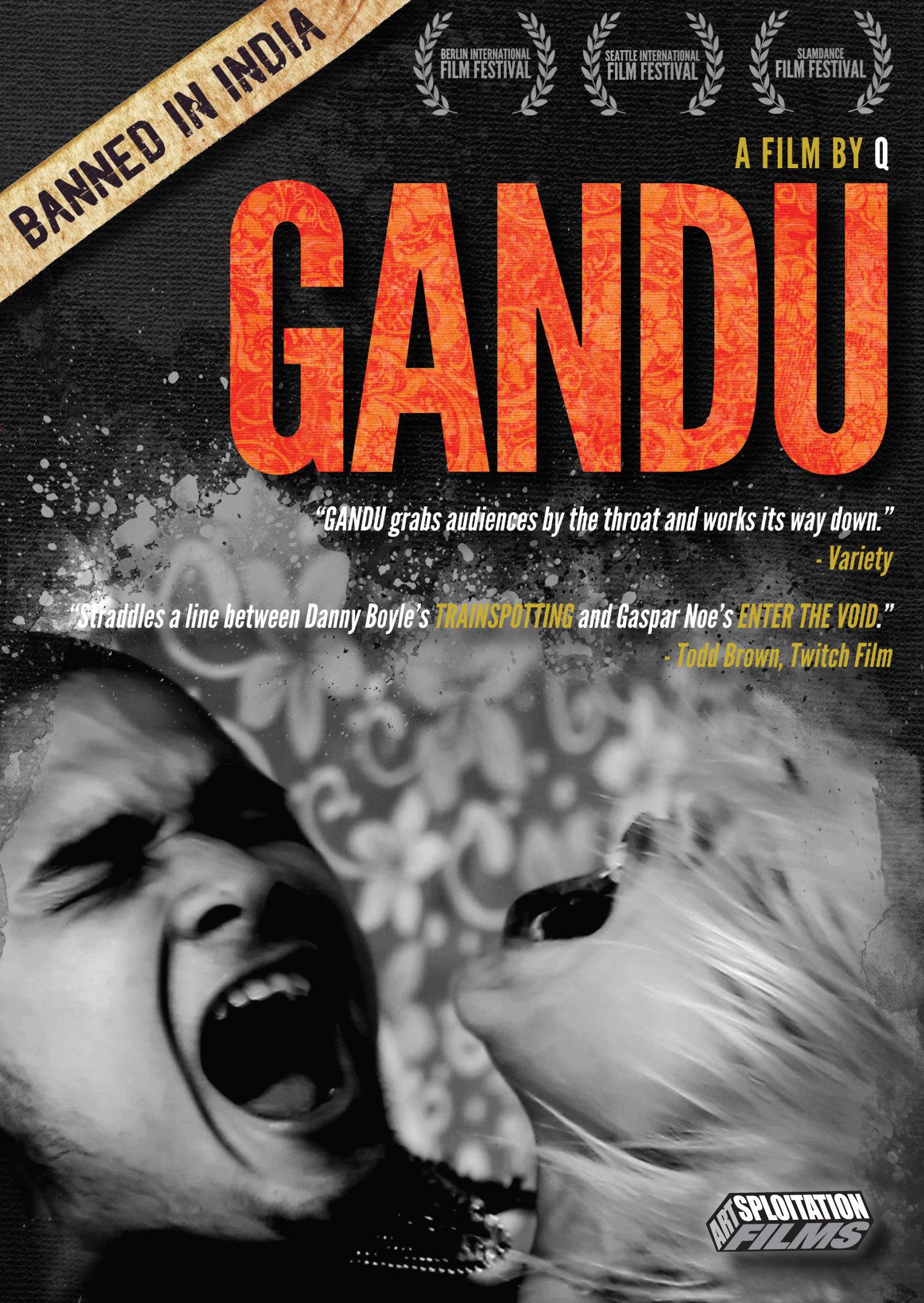
Poster of Gandu (2010) directed by Q. (Image courtesy of the director.)
Q went on to make Garbage (2018), which was critical of the current nature of nationalism entangled with religion. Continuing on the same stream of thought, he comments,
“Now it’s very interesting, new and fundamentally different from the structure we used to be held under. In the past, it was a top down approach to censorship. However, now, it is not a state issue anymore. It has been delegated to social and corporate levels. A newfound nationalist format is being applied. Our social fabric is being modified and divided. It is now a social function, commandeered through WhatsApp groups and workspace dictate.”
Here, Q refers to the rise of conservative WhatsApp groups across the country, the members of which have started taking the law into their own hands, barging into multiple theatres and public screenings through brute force and violence. There are even incidents where movies which were certified by the CBFC (Central Board of Film Certification) were stopped by these fringe groups and sometimes state governments citing “offended sentiments.”
In India, recent attempts to censor the word ‘Brahmin’ from the film Phule (2025) reveal a disturbing trend—the erasure of the oppressor’s identity to dilute historical truth. This shows how India continues to erase or ignore uncomfortable truths about caste-based oppressions, leaving structural inequalities unchallenged. Without confronting such truths, justice and healing remain impossible. Suppressing history only strengthens systemic violence. The crucial question then is: how can a culture of remembrance meaningfully contribute to addressing structural conditions so that systemic violence is not perpetuated?
In such a political climate, the PK Rosy Film Festival, which included films by Ousmane Sembene (considered by many to be the father of African cinema), Steve McQueen, Ritwik Ghatak and Shyam Benegal, as well as contemporary cinema discussing societal issues like Vaazhai (Mari Selvaraj, 2024) and Kottukaali (PS Vinothraj, 2024), functions not just as a platform for politically clear-sighted cinema and as a political statement, but also as a crucial step towards abolishing the culture of erasure and suppression that is now suffocatingly prevalent throughout the country.
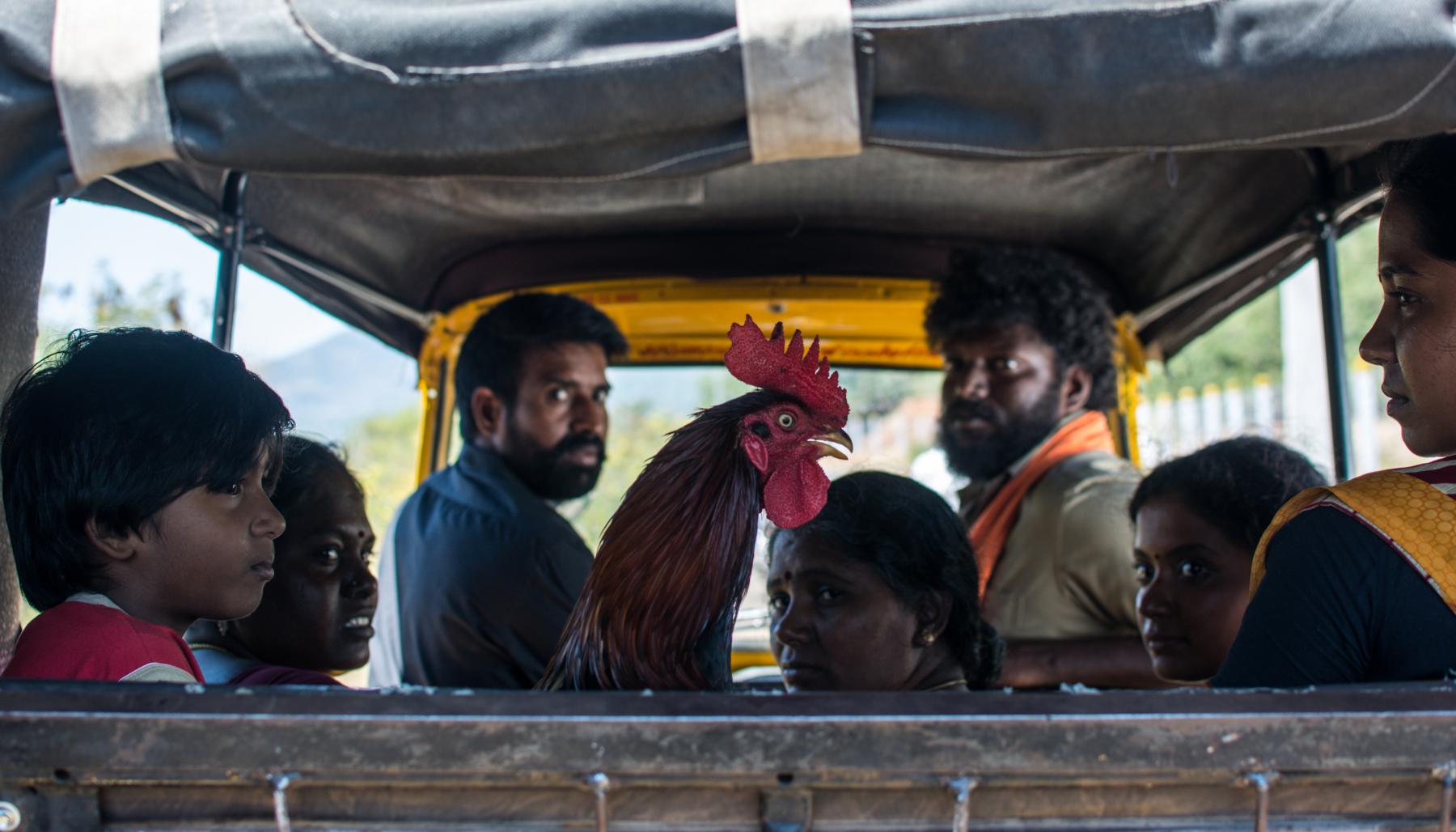
Production still from Kottukaali (2024) directed by PS Vinothraj. (Image courtesy of CheGu.)
In case you missed the first part of the essay, read it here.
To learn more about films exploring caste dynamics, read Prabodhan Pol's two-part essay on Marathi cinema, Ankan Kazi's reflections on the work of Dalit Camera and Ria De and Koonal Duggal's observations on Payal Kapadia's All We Imagine as Light (2024).