

On Intimacy, Exile and Censorship: Dibakar Banerjee’s Tees
Screened as part of the film festival And Cinema Goes On: Making Films in Challenging Times held in New Delhi from 10–12 October 2025 and curated by Labanya Dey, Dibakar Banerjee’s unreleased film Tees is a thoughtful collage of timelines, spaces and cities that attempts to find coherence in fragmented trajectories of a minority community’s history. After getting shelved by its producer Netflix for more than a year, the film has generated a worrying discourse about the fate of political cinema in an OTT era. The film begins with a line from Agha Shahid Ali’s poem “Farewell” appearing on the black screen, “My memory keeps coming in the way of your history,” as if setting up an encounter between the personal and the archival (institutional).
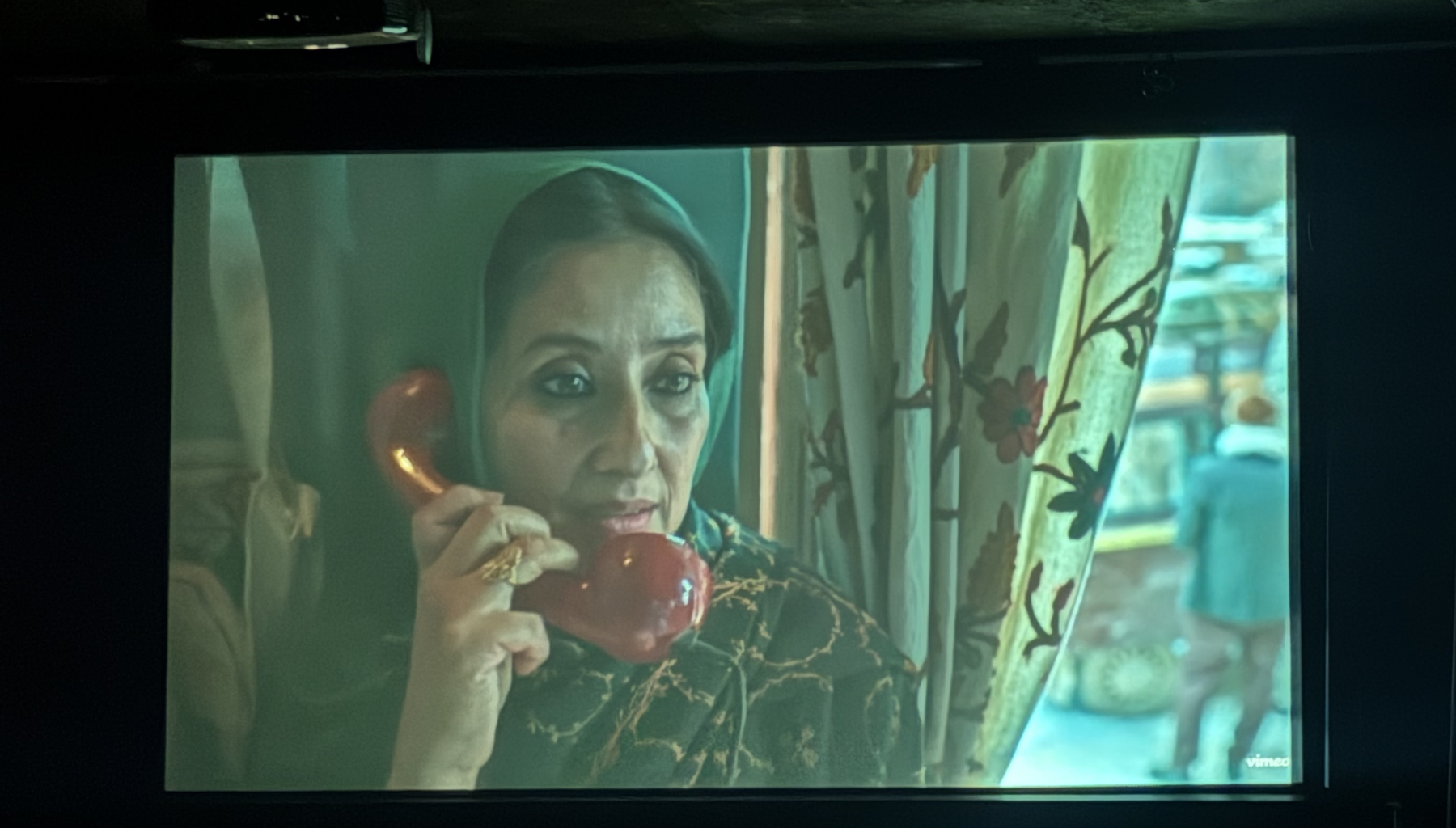
The narrative meanders across three generations of a Muslim family: Ayesha Draboo (Manisha Koirala) in Srinagar, 1989, during the time of exodus; her daughter Zia Draboo (Huma Qureshi) in contemporary Mumbai, 2019; and Zia’s son Anhad Draboo (Shashank Arora) in a dystopic Delhi, 2042. The three timeframes stage the succumbing negotiations of these characters with the biopolitics of modern social conflicts in India and the images expose how state-sponsored ostracisation impacts a community. Narrating a non-linear journey of a family’s experience in the degrading political conditions, the film charts slow violence spanning across decades, extending the lineage of exilic/memory films like The Time That Remains (2009) and Cemetery of Splendour (2015).
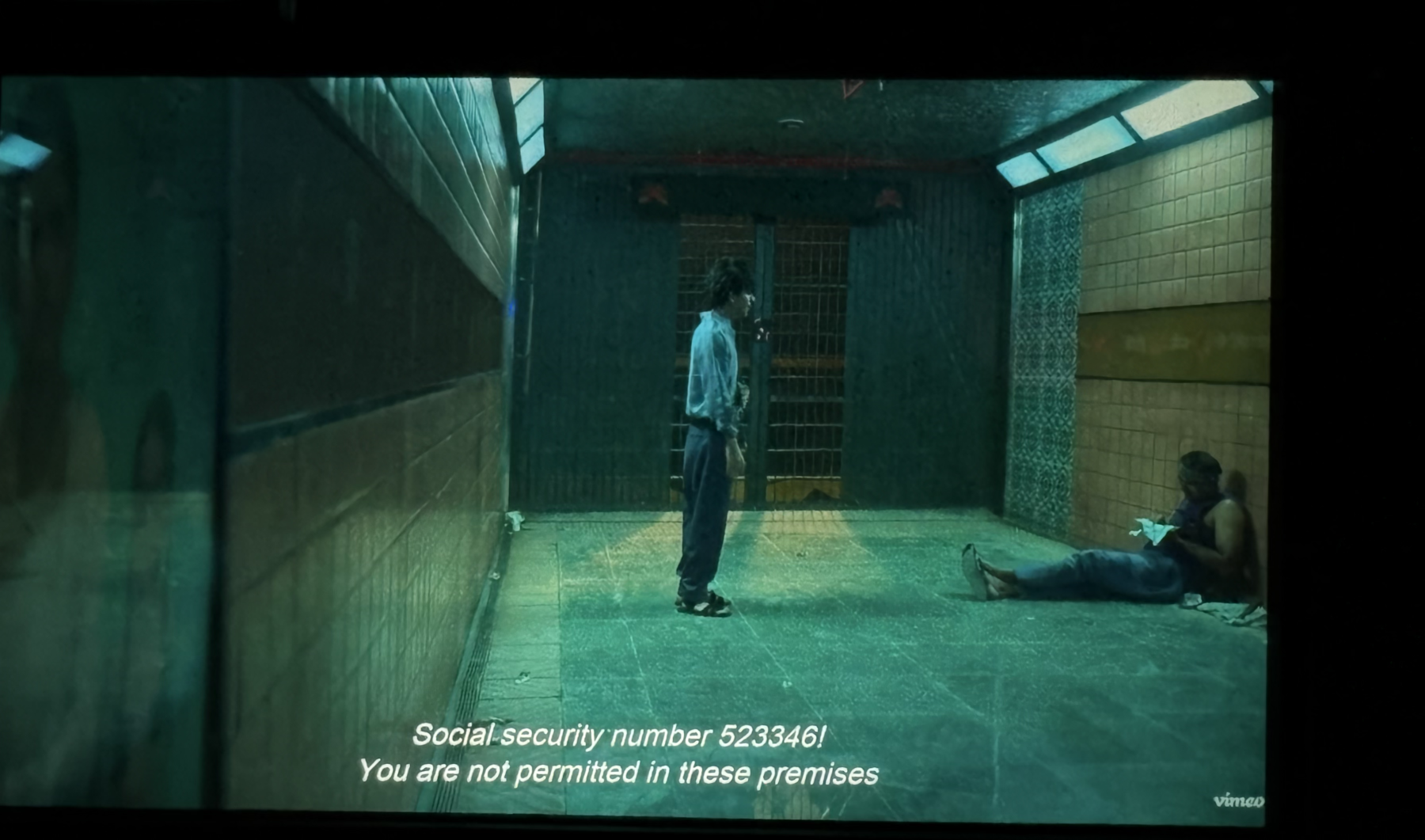
At the cusp of the 1990s, Ayesha witnesses her changing friendship with neighbour Usha (Divya Dutta), a Kashmiri Pandit, amidst growing political tensions, militancy and resentment towards the Pandit community in the valley. Within her limitations in a patriarchal society, she tries to protect Usha and her husband from the hostile environment, by sheltering them one night when violence breaks out against the Pandits. Ayesha’s daughter, Zia, a lawyer who is searching for a place to live with her partner, Meera, faces the repercussions of her religious identity and queer relationship drawing rejection from the landlords in contemporary Mumbai. And Zia’s son, Anhad, a writer in Delhi, is at unease due to the government’s stay on his unpublished book Tees, an account of the riots of 2030. Like a caged flaneur, he leisurely wanders between the virtual spaces of dating apps and reality shows while imprisoned in a metro station due to his low security rating.
Across all three stories of the Draboo family, there is a common tension between the basic desires of living and the absurd impositions of the state apparatus. Everyday struggles in their lives continue to accumulate until they explode into a tragic end for each of them. The social exclusion of Zia in Mumbai and Anhad’s technologised alienation in Delhi can be traced back to Ayesha’s times in Srinagar, where difficult friendships, community dislocation and religious resentment were being germinated. Ayesha navigates the turbulent times through delicate objects like cookbook recipes and intimate conversations in closed but shared spaces with her friend. Still, political turmoil disrupts the so-called harmony between Ayesha and Usha. The chillingly cold depiction of the exile of Kashmiri Pandits from the valley shatters Ayesha, as if she can sense the looming shadows of darkness awaiting in the future. As it happens, people—having left their homelands for various reasons—carry along the baggage and memories of their historical past with them, which Anhad and Zia seem to possess in their own ways. Yet the deteriorating state of human rights and a plural landscape falling apart insist on flattening such micro-histories to prepare a smooth ground for totalitarian power. Although the violence against specific communities does find limelight in the disruptive forces of hyper development, it is misrepresented and manipulated for gaining electoral power and trust over victim communities. In this façade of conflict resolution and peacemaking, the modern nation-state further generates deeper conflicts and social exclusion for marginal communities.
Zia Draboo’s story opens up the dark crevices of metropolitan urbanity. The fantasy of migrating away from conflict zones and achieving professional success in big cities does not transform into a liveable reality for everyone, especially when a society does not leave behind its archaic norms of sexuality and identity-based segregation. For Zia, the lurking fear of her identity does not go away in the concretised landscapes of metropolises like Mumbai. In the big city, Zia struggles to keep together her relationship with Meera and her law practice as a Kashmiri Muslim, which draws a heavy mental toll upon her and leads to a breakdown.
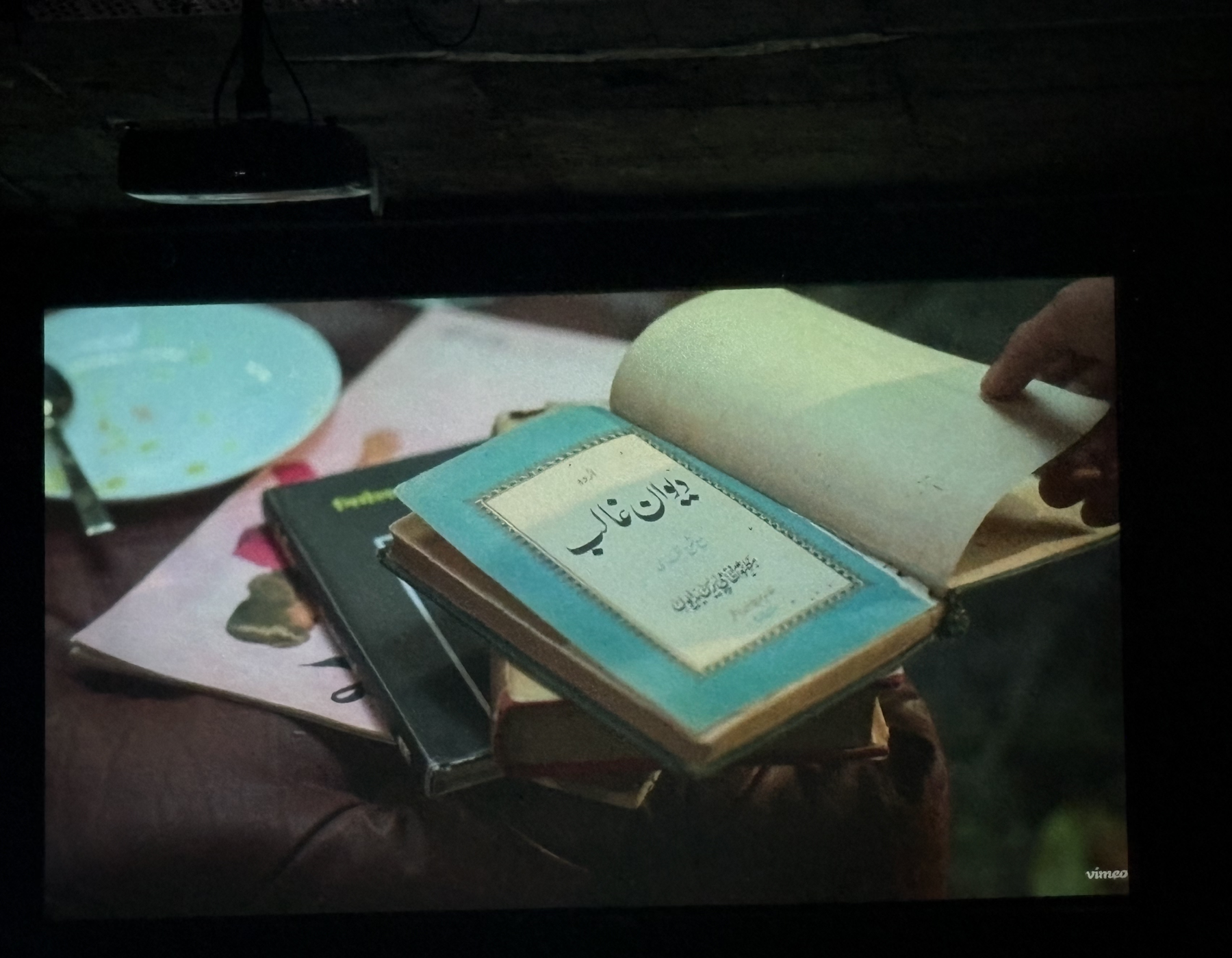
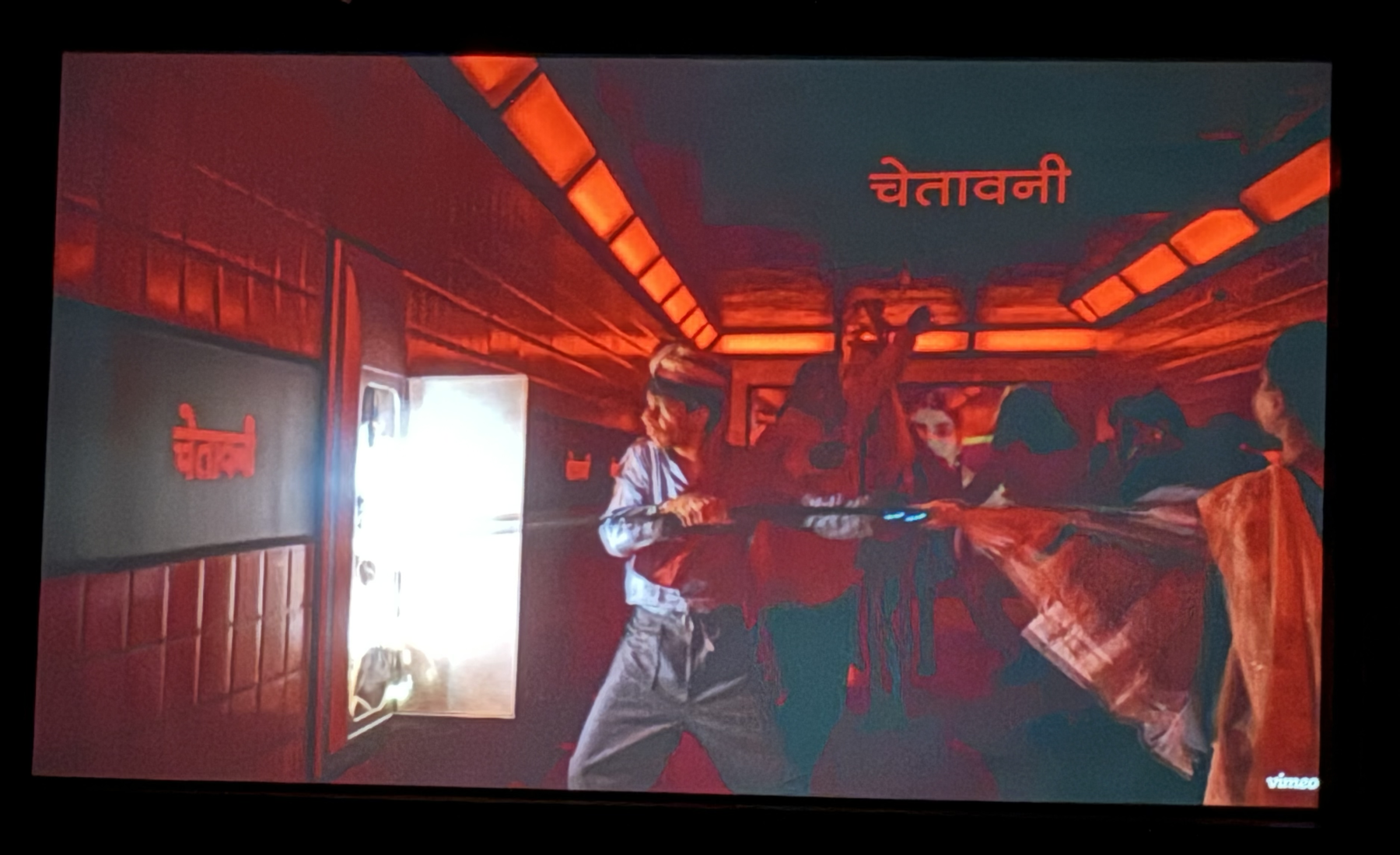
Similarly, Anhad, who wants to get his work published, proposes to write a cookbook based on Ayesha and Usha’s cookbook from Kashmir. Instead, he is lured by the state in a doom-like situation where they offer to publish his work on the condition that he rewrite his manuscript Tees from the perspective of the state. In a darkly humorous scene, every Urdu word from Anhad’s book is picked out and removed by a committee. This symbolises the systemic censorship by the monolithic state that tends to erase the culture and memory of every ostracised community that has been labelled as ‘other’ by the majoritarian forces. Anhad’s refusal to align his voice with the mainstream narrative of the cultural regime by not rewriting his book makes his journey more difficult and the struggle more arduous, reflecting the case of an honest artist in the current times.
Following the controversy of Tandav on Amazon Prime, OTT platforms in India have been apprehensive about releasing political content. Banerjee calls the shelving of Tees as “casual suppression of the freedom of speech.” Currently being presented at special screenings by film clubs and by the director in various parts of the country, including at festivals such as this, the film has become an object of anticipation and debate, just like Anhad’s book Tees in the narrative. Banerjee must have found himself in a situation much like that of his protagonist because of the absurd shelving of his film. Though he attempts to show the way for the dilemma of a struggling artist in such times, as one character tells Anhad, “Likh ke marne se accha hai mar mar ke likh” (It is better to write while undergoing a slow death rather than getting killed for writing).
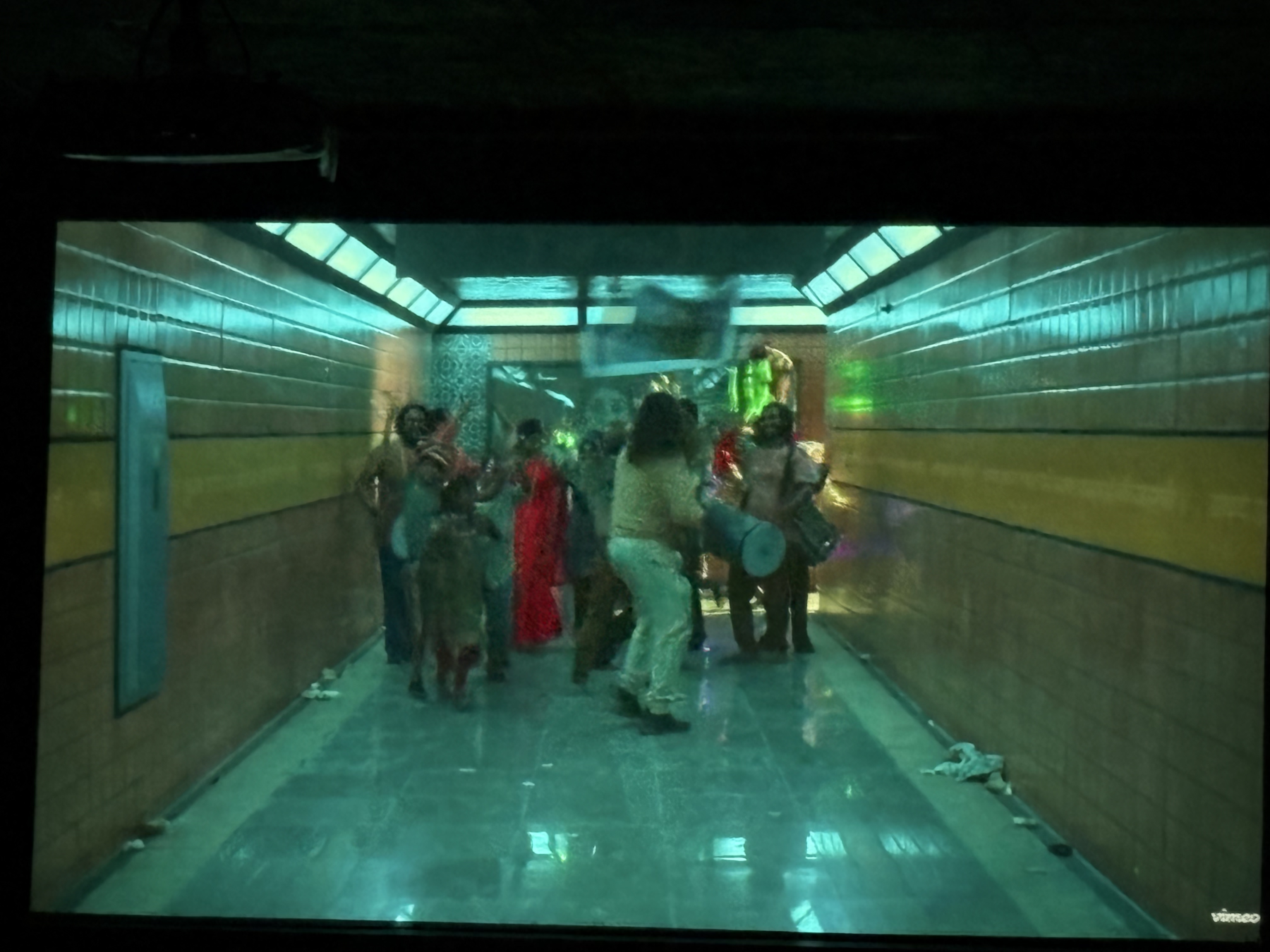
And yet, the film offers fleeting moments of joy or possibility, signalling to not let go of the delicate desire for freedom and individuality, even in the harshest of times. This is literally visualised inside the dystopian metro station where Anhad is trapped because of his low security rating. Here, he encounters a group of other imprisoned convicts who are dancing and marching in a procession, turning their imprisonment into ecstasy.
Like a memory unfolding out of order, the film’s fractured structure lets us relive tenderness in fragments—moments like Zia’s dance at a birthday party, shown deliberately after the revelation of her painful fate, shimmer against the knowledge of her plight, freeing affect from linear time. A non-linear and fragmented telling of a history gives us the liberty to design a new linearity for our imagination. Tees makes the case that the rare moments of solace in a troublesome world can only be found in fragmented memory.
To learn more about forms and attempts at censorship, read Steevez’s essay on the censorship at the PK Rosy Film Festival in April earlier this year, Stephi’s Saleth's reflections on the panels hosted at "Verchol," a Dalit Literature Festival organised as part of the Vaanam Art Festival, Shefali Khan’s reflections on Palestinian-Canadian musician Nemahsis’ journey and Ayushi Koul’s critical review of Danish Renzu’s Songs of Paradise (2025).
All images are photographs from the screening of Tees by Dibakar Banerjee. Images courtesy of the author.