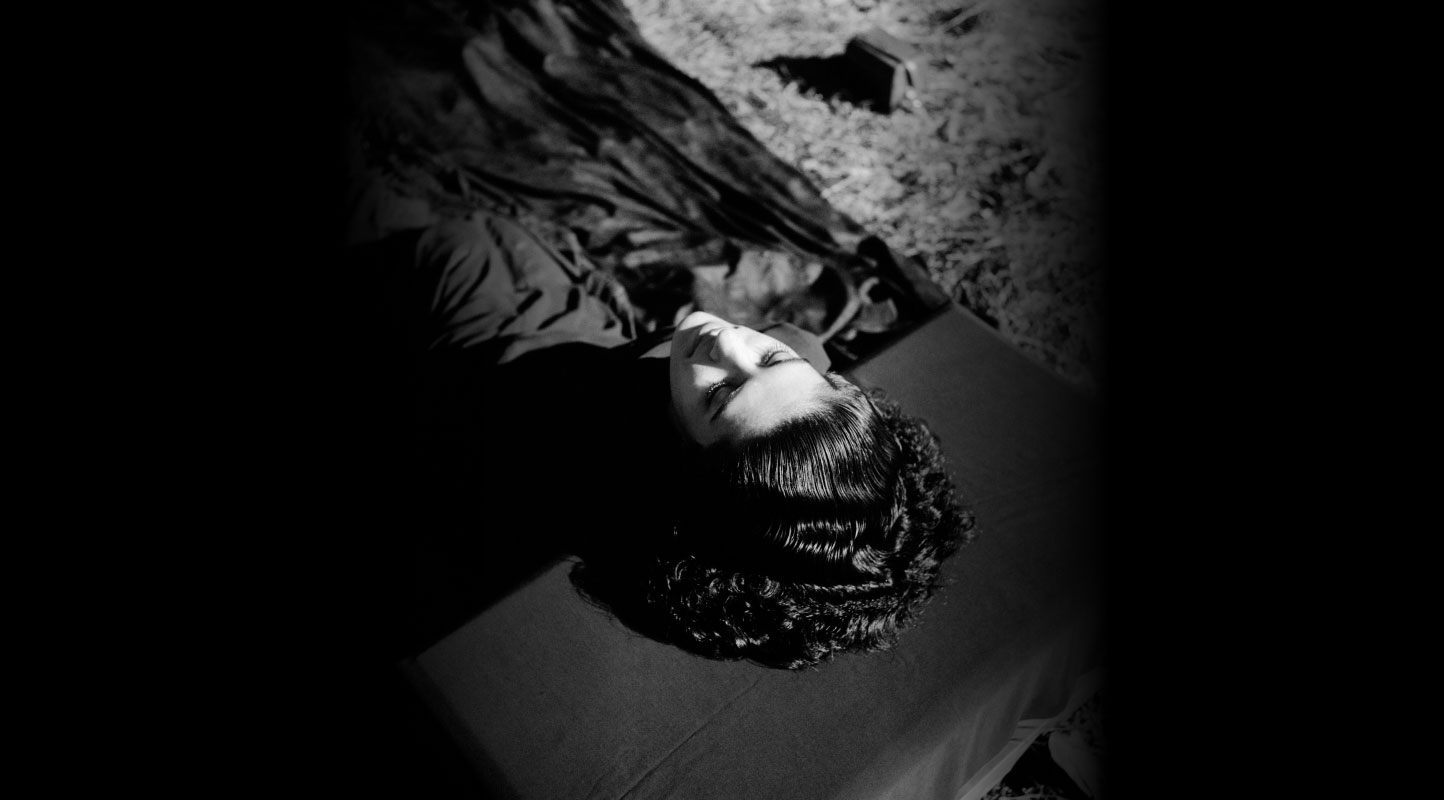


تصویری از جوانان در تهران: خاطرات ویدیویی حوریا احمدی
تیرماه امسال (ماه ژوئیه) ، دو ماه از آخرین باری که حوریا احمدی، بیست وسه ساله، پنجمین خاطرات ویدیویی ماهانهاش را در یوتیوب بارگذاری کرد میگذرد. او در مجموعه "خاطرات جوانان تهران" ، زندگی خود و دوستانش را در تهران با یک دوربینِ دستی قدیمی به تصویر میکشد. زیبایی شناسی این ویدیوها یادآور ولاگهای اولیه در "مای اسپیس" است؛ برای نسلی تازه از اینترنت که بعدها به ویدیوهای اعتراف گونه دهه ۲۰۰۰ توسط وبلاگ نویسان جوان نسل هزاره در یوتیوب انجامید۰
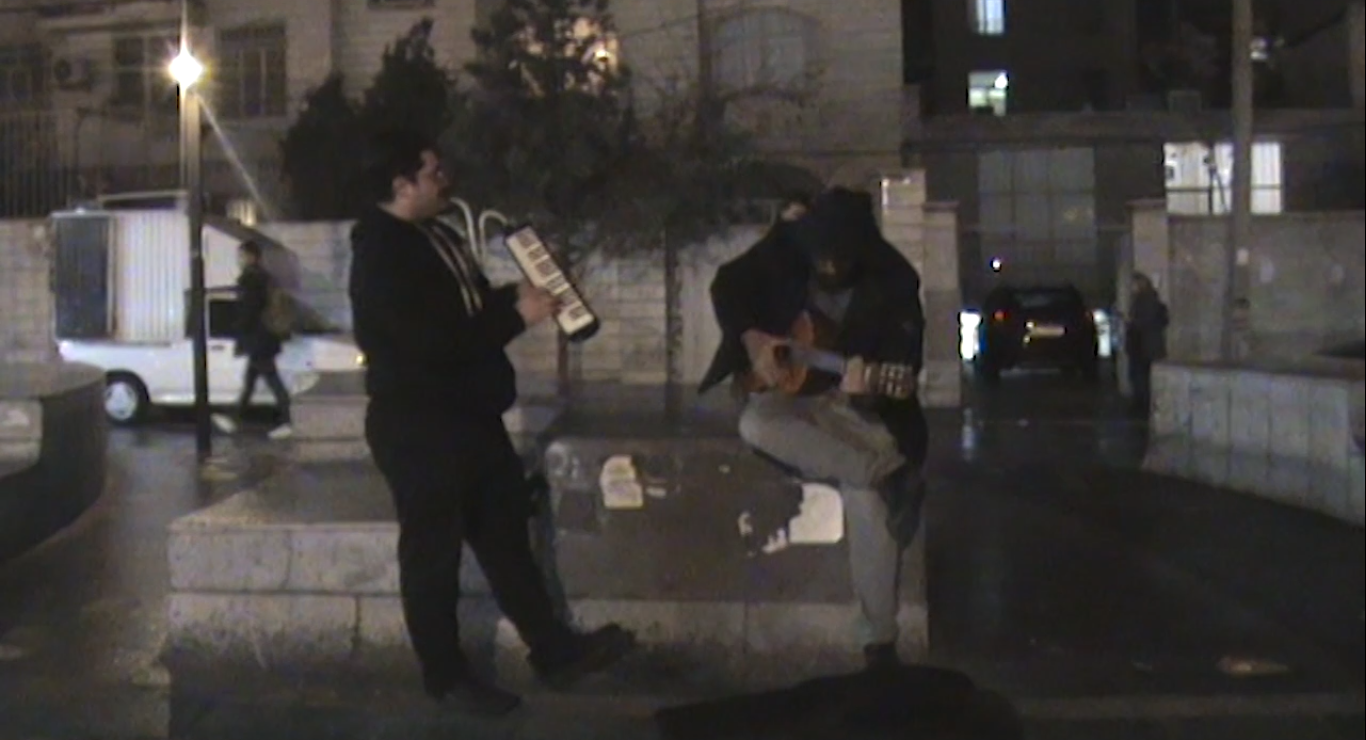
اکنون این انرژی اولیه اینترنت، به تولید بیشازحدِ محتوا منجر شده است؛ فضایی که در آن میم های تند و تیز و ویدیوهای کوتاهِ طعنه آمیز دائماً دیده میشوند. مانند یک ساکسوفونیست بیروتی که در ماه ژوئن، هم زمان با پرواز موشکهای ایرانی به سوی اسرائیل، در پاسخ به حمله به پایگاههای هستهای ایران، روی پشت بام آهنگِ "افروهاوس" (خانۀ آفریقایی) را مینواخت۰
در حالی که ایران و اسرائیل دهه هاست که در یک جنگ نیابتی هستند، ایران از اکتبر ۲۰۲۳ پس از آغاز قتل عام فلسطینیان توسط اسرائیل، که همچنان ادامه دارد، در درگیری آشکار با اسرائیل بوده است. در میانه این وضعیت جنگی، دوربینِ احمدی موقتاً کنار گذاشته شد و کانال یوتیوب او در سکوت فرو رفت۰
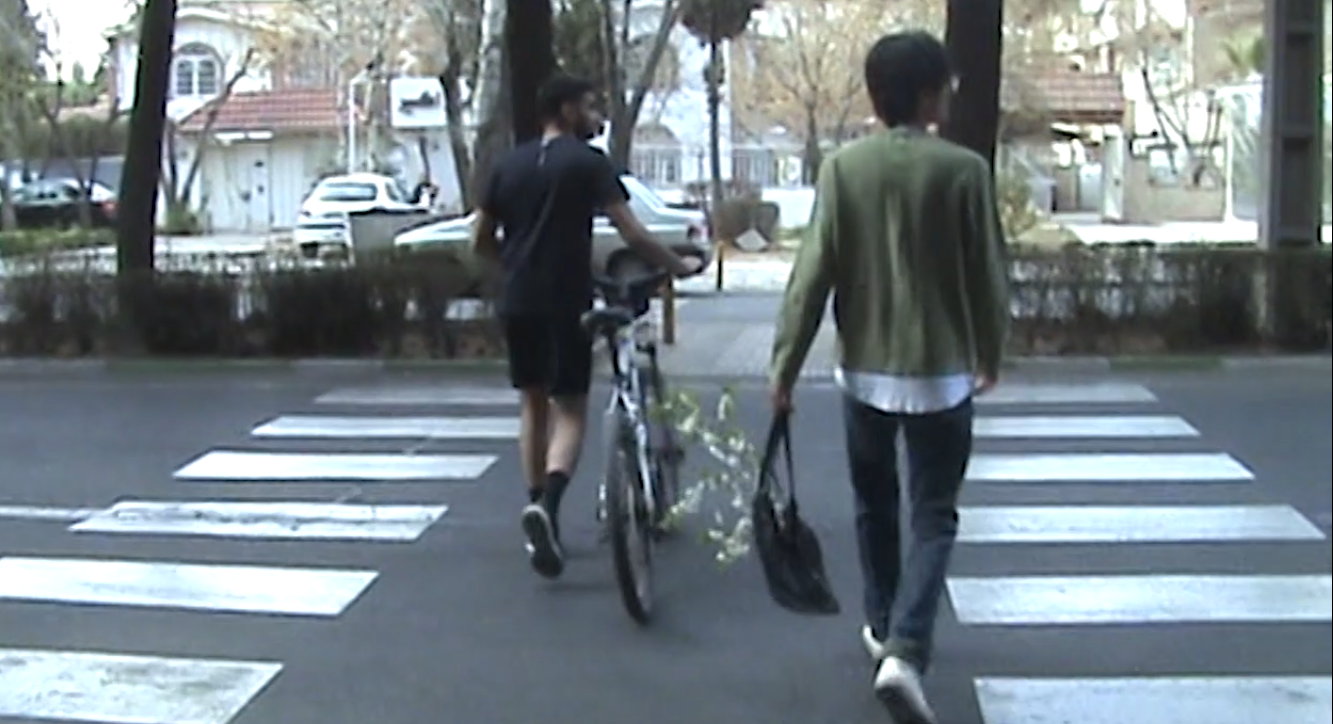
او پس از آن که اوایل همین ماه دوباره شروع به بارگذاری ویدیوهایش کرد، میگوید: چند ماه طول کشید تا از آن وضعیتِ صرفاً بقا و زنده ماندن بهبود یابد. کار با دوربین نیازمند نوعی تلاش و حسی خاص برای اجرا است، هم از سوی کسی که فیلم میگیرد و هم کسانی که از آنها فیلمبرداری می شود. این موضوع حتی در سبک مستندِ غیررسمی تری که احمدی در آن کار میکند نیز صدق میکند. در یکی از قسمتهای پیشین، دوست او صورتش را پنهان کرد و از احمدی خواست فیلمبرداری را متوقف کند، و او هم لنز را به سمت تودهای زباله در خیابان برگرداند۰
این وضعیت در ژوئن گذشته شدت بیشتری داشت. احمدی گفت: "در طول جنگ، هیچ توان ذهنی یا جسمی برای فیلمبرداری نداشتم." او افزود: "من و دوستانم سعی میکردیم وقتمان را با هم بگذرانیم، چون فکر میکردیم شاید"۰
در ششمین و تازه ترین قسمت، دوستانش در میان آتش متقابل جنگ، دور هم نشسته بودند و بستنی میخوردند در لحظهای سوررئال، هم برای خودشان و هم برای ما که تماشا میکردیم، همراه با نوعی تسلیم، درباره این احتمال که شاید این آخرین دسرِ منجمدِ زندگی شان باشد صحبت می کردند و می خندیدند۰
این مربوط به روزهای ابتدایی جنگ بود، زمانی که احمدی هنوز تلاش میکرد زندگیشان را در طول جنگ ثبت کند و دوربین را وادار سازد بارِ سنگینِ "شاهد بودن" را به دوش بکشد. حتی پیش از جنگ نیز، زندگی جوانان ایرانی که به رپ گوش میدهند و لباسهایی را میپوشند که خودشان طراحی کردهاند، به تصویر می کشید؛ لباسهایی فراتر از محدودیتهای پوشش زنان که چندان مجاز نبود. او درست پیش از آغاز جنگ، وقتی با من صحبت کرد گفته بود: "میدانم کاری که میکنم چه پیامدهایی دارد، اما این کاری است که ما برای هنر انجام میدهیم، چون من یک چشمانداز دارم"۰
در همان قسمت اول، سه پوستر که به دیوار چسبانده شده بودند، در برابر باد تند زمستانی به شدت تکان میخوردند؛ روی آنها با حروف درشت نوشته شده بود: "به جوانان گوش دهید". احمدی درباره تصمیمش برای گرفتن دوربین به سمت خودش میگوید: "خودم را مانند یک ناظر میدیدم؛ شاهدی خاموش برای همۀ چیزهای اطرافم. اغلب احساس میکردم مانندِ یک شخصِ سوم، یا حتی نامرئی هستم، چون مردم طوری رفتار میکردند که انگار من آنجا نیستم"۰
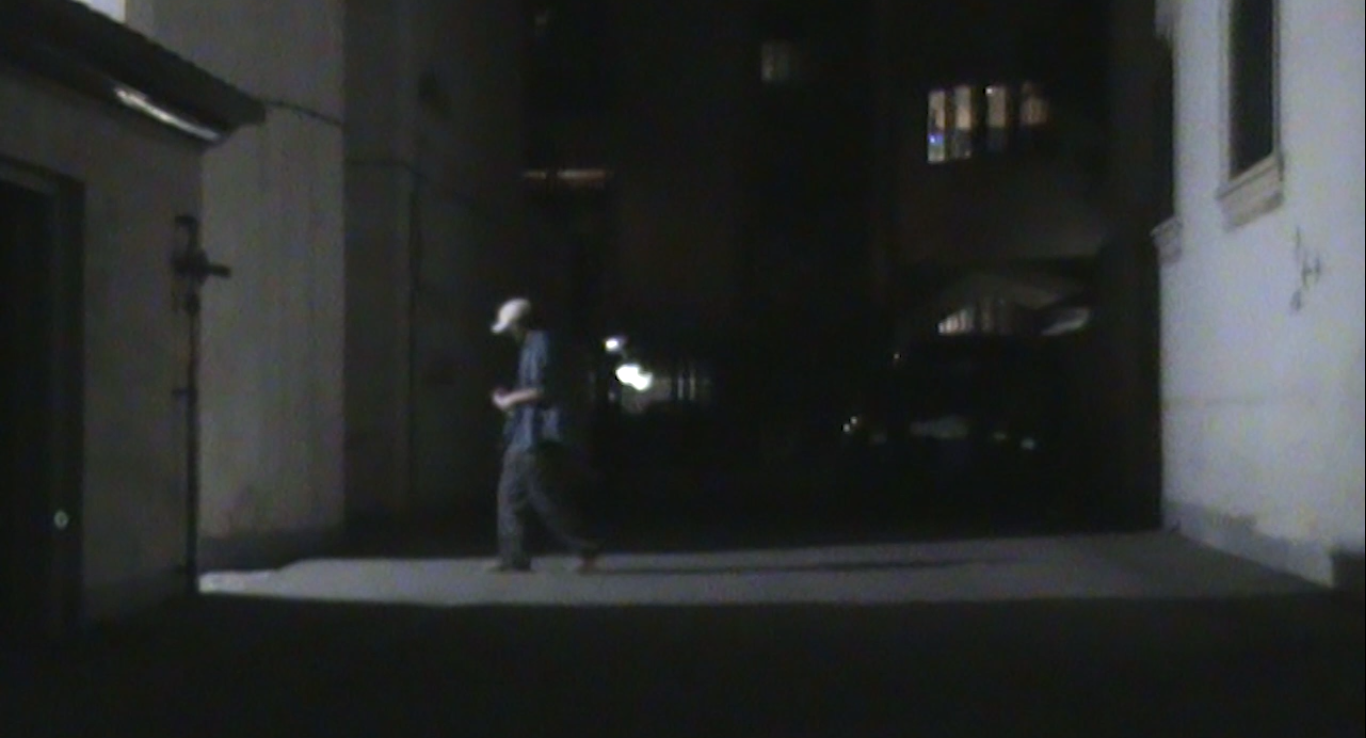
از همین رو، مانند خواهرزادهٔ جوان "جعفر پناهی" در فیلم " تاکسی"، صدای احمدی در پسزمینه این صحنه ها باقی میماند؛ در مهمانیهای زیرزمینی که با وجود محدودیتهای اجرای موسیقی همچنان ادامه دارند؛ در پیاده روی های شبانه در خیابانهای خالی و مهمانیهای پرسر و صدایی که با موسیقی "رادیوهِد" همراهاند. در همین حال او دوستانش را در گوشهای گیر میاندازد تا پرسشهایی ظاهراً بلاغی اما در عین حال عمیقاً واقعی درباره وابستگی ها و آنچه آنها را زنده نگه میدارد، از آنها بپرسد. او این پرسش را مطرح میکند: اساساً چگونه میتوانند جای خود را در تهران پیدا کنند، وقتی خودِ شهر مدت هاست دیگر به جوانانش گوش نمیدهد؟
این ایدئولوژیای است که او با دوستانش به اشتراک میگذارد، دوستانش که حتی در بحبوحه درگیریهای مسلحانه نیز بی وقفه در پی بیان فردیت خود هستند. مانند یکی از آنها که کلاهی با عبارت کنایه آمیز "نا آرامیها را در هم بکوب" بر سر دارد، که احتمالاً آنرا در یک فروشگاه آنلاین پیدا کرده است، این کلاه از جاکارتا، جایی که فروشگاه فیزیکی در آنجا قرار دارد، تا اینجا آمده است۰
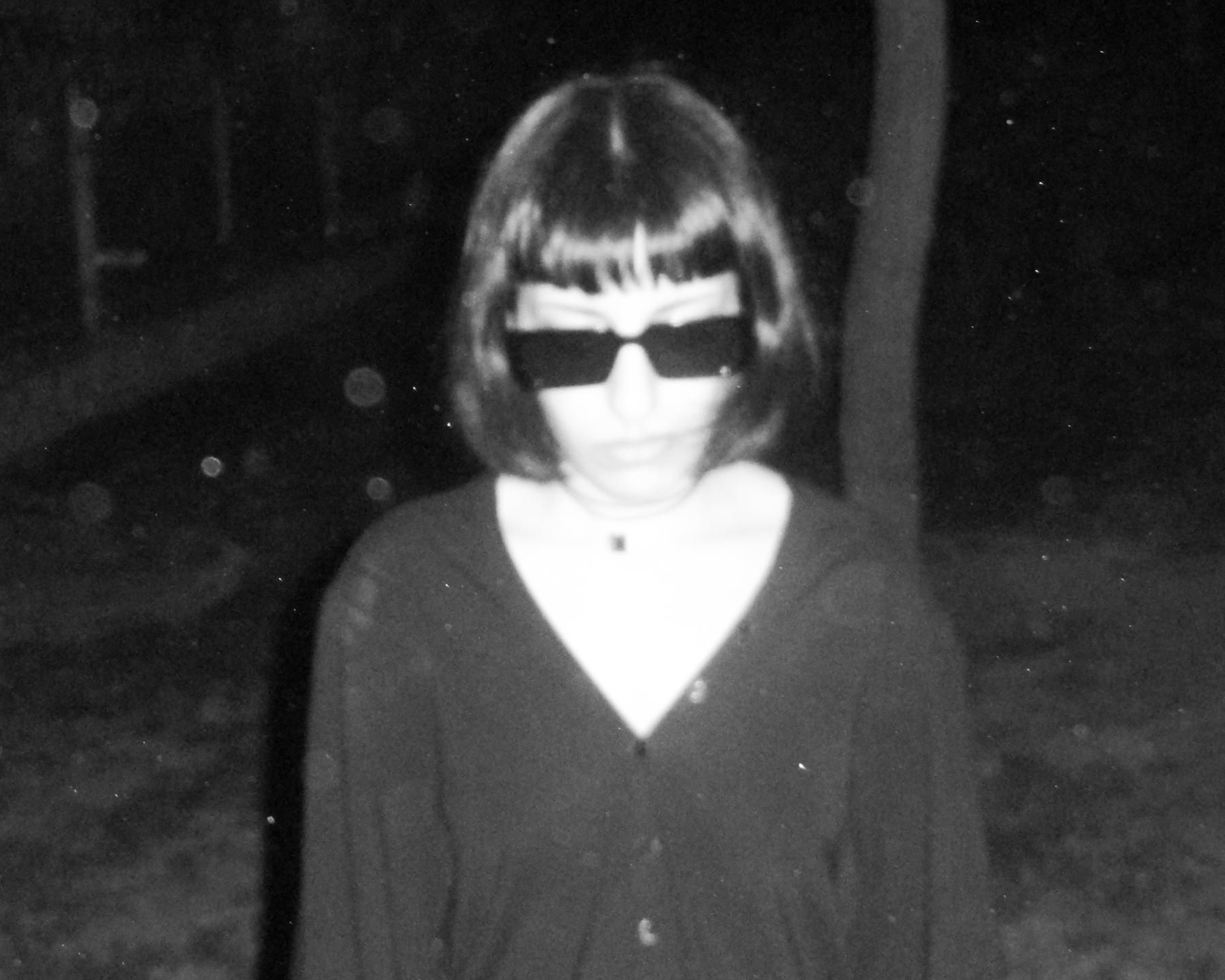
خودِ احمدی، بهعنوان دانشجوی سال آخر فیلم سازی، ظاهر خاص دانشجویان علاقمند به خرده فرهنگها را در سبک شخصی خود جهانی کرده بود، در حالی که بدون لبخند با مدلِ موی کوتاه (باب)، پیرسینگ بینی و عینک آفتابی تیره، از طریق دوربین دستی به تصویر خود در آینه خیره میشد۰
پیش از جنگ، خانههای دوستانش به فضاهایی خصوصی و کم نور برای شکل گیری حس جمعی و صمیمیت مشترک تبدیل میشد. در یکی از این صحنهها، سه دوست با لباسهای مشکی کوتاه، در حالی که با شدت یکدیگر را در آغوش گرفته بودند، با صدای بلند ترانهٔ "قسم میخورم" از هنگامه، خواننده ایرانی را که مربوط به یک دهه پیش است، میخواندند. آنها همچنین به نوعی طغیان بصری دست میزدند، مثل روشن کردن سیگارشان با شعلهٔ شمعی که فضای دیدارشان را روشن کرده بود؛ حرکتی که آنقدر مورد توجه احمدی قرار گرفت که به تصویر اصلی ویدیوی آن قسمت تبدیل شد۰
فیلمبرداری احمدی از دوستانش هنگام آماده شدن برای یک شبگردی، ردپای بصریِ لحظاتی را با خود دارد که در طول تاریخ بارها از جوانان در اتاقهای رختکنِ بههم ریخته ثبت شدهاند. فضاهایی که به صحنهای برای تغییر آنها پیش از رفتن به مهمانی، تبدیل میشود. این حس تاریخی با حال وهوای ویدیوهای امروزیِ "با من آماده شو" از اینفلوئنسرها، که اغلب غرق در اسپانسرهای محصولات هستند، همراه می شود۰
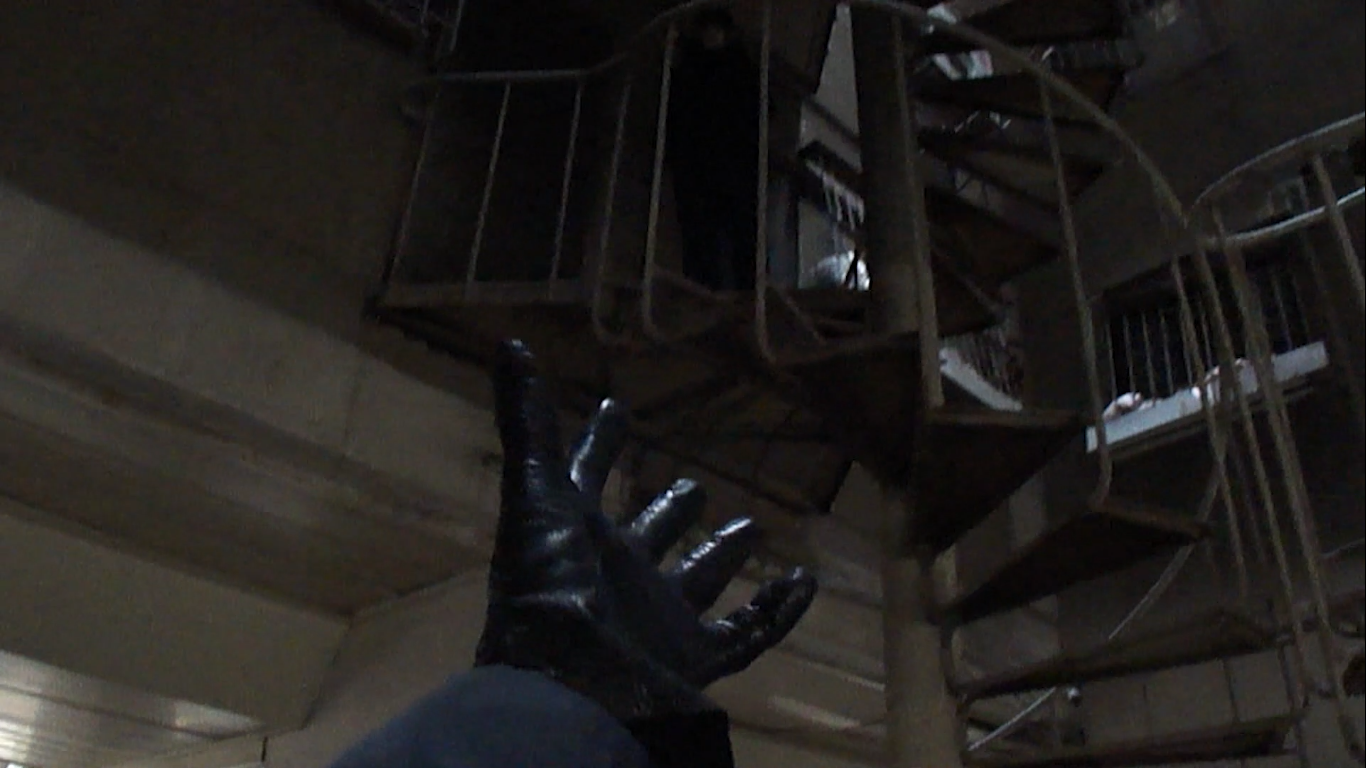
یکی از دوستانش با لباسی مشکی و آستینهای توری، با هیجان از کیفیت محصولات "هُدی بیوتی"، برندی که توسط آرایشگر و بلاگر عراقی-آمریکایی هدی کتان تأسیس شده، تعریف میکرد و با شوخی اضافه میکرد که ویدیوی احمدی توسط این برند حمایت مالی نشده است. دوست دیگری با بلوز مشکی یقه اسکی با افتخار گفت که لباسش را خودش دوخته است، گویی لحظهای را تقلید میکند که یک اینفلوئنسر طراح لباسش را برای مراسم متگالا معرفی میکند. در پس زمینه، یک نفر درحال مرتب کردن عینک براق و دستکشهای موتورسواری اش بود. در اینجا با یک روایت یکدست از مد روبه رو نیستیم، بلکه هر لباسی که زمانی، و شاید هنوز، ناهنجار تلقی میشده، به ابزاری برای بیان فردی آنها تبدیل شده است۰
این درک از تأثیر عمیق دنیای دیجیتال بر زندگی شان، در صبحانه های اینستاگرامی نیز دیده میشود؛ با تُستهای فرانسوی که با دقت و بی نقص چیده شده و دو نوع میوه که کنار هم قرار گرفتهاند. نوعی رمانتیسیسم جوانانه که لحظه ای بعد، هنگام همخوانی با ترانهٔ "گریز" (از ابی، خوانندهٔ ایرانی) نیز بازتاب مییابد۰
احمدی به طور خاص این "لحظات خام" را در تلاش برای آنچه خودش "مستند شاعرانه" مینامد ثبت کرده است. او میخواهد ما نیز از شادی مهار نشدنی دوستانش لذت ببریم؛ وقتی زیر آب پاشهای باغ خیس میشوند، وقتی خیال میکنند شاید قاتلان زنجیرهای ای هستند که با کفش پاشنه بلند در حال فرارند، وقتی در یک شوخی، با ریختن آب روی سرشان "غسلِ تعمید" میگیرند، یا وسط یک جشن تولد شنا میروند۰
روایت رفاقت در کنار شیوه فیلمسازی خود احمدی شکل میگیرد؛ جایی که او با نوعی طنز جوانانه و شیطنتآمیز، توجه ما را به مصنوعی بودن این رسانه جلب میکند؛ مثلاً زمانی که بشقابی میشکند و کسی فریاد میزند "لعنتی!" و او بلافاصله دوربین را قطع میکند۰
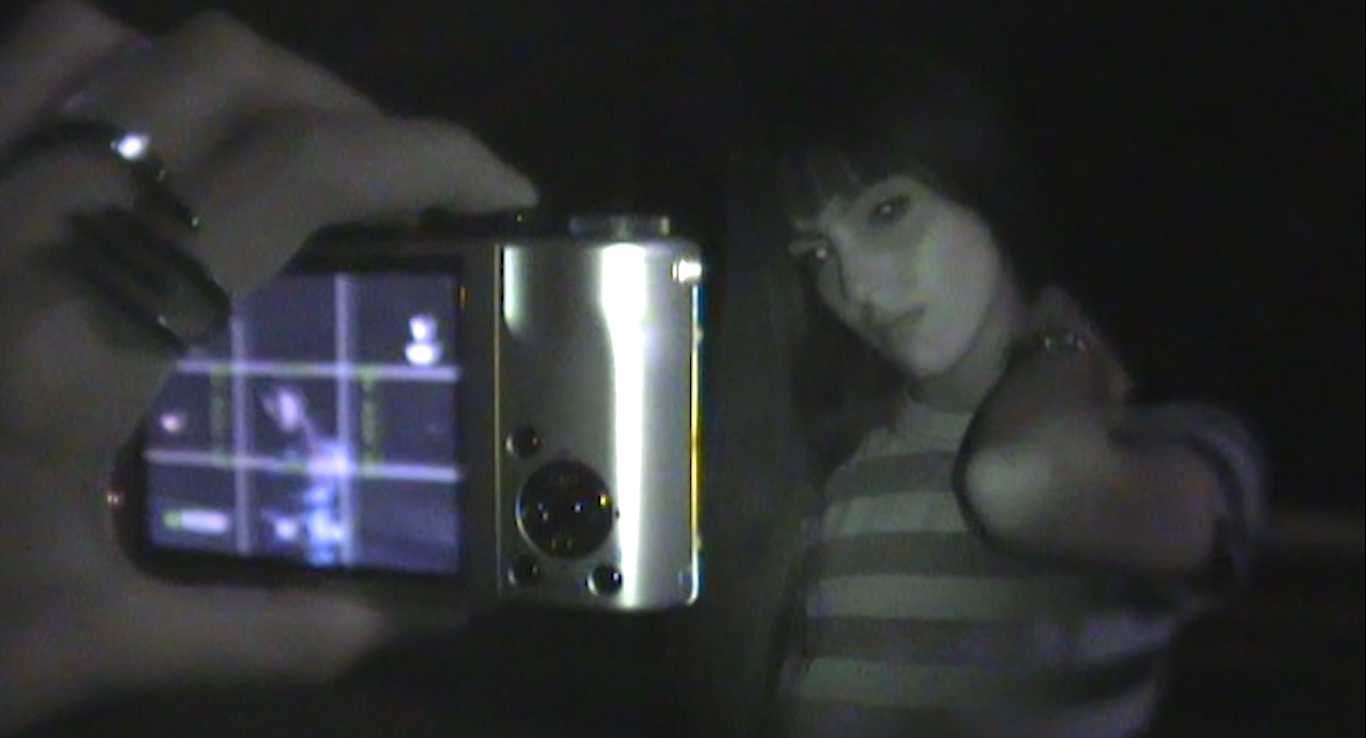
گویا قرار است ما نیز در بازیِ کودکانه وانمود کردنِ یکی از دوستانش همراه شویم؛ آنجاکه یک کیوسک متروکه را به یک فلافل فروشی خیالی تبدیل میکند، یا یک روشویی دورانداخته را همچون قطاری که سوت می زند تصور میکند و در عین حال به شکلی عجیب، نگرانی معمولِ جوانان امروز درباره میزانِ کالری غذایشان را نیز حس کنیم. یا با لبخندی کج، تماشا کنیم وقتی کسی در دفترش یک تصویر جنسی میکشد و با حالتی عصیانگرانه آن را در همان قسمت اول جلوی دوربین میگیرد۰
در این خیال پردازیها نوعی گرمی وجود دارد، و احمدی همراه با دوستانش تلاش میکند آن را زنده نگه دارد، حتی زمانی که پس از جنگ، بیشتر دوستانش تهران را ترک کردند. آنها سعی کردند از طریق تماس تلفنی با هم در ارتباط بمانند، آن هم وقتی چیزی که بخش بزرگی از زندگی شان را شکل میداد، یعنی اینترنت، از آنها گرفته شده بود. این دوره، زمانهای بسیار آسیب پذیر برای دوستیها بود، زمانی که افراد بیش از همیشه به یک ارتباط واقعی نیاز داشتند۰
با این حال، همانطور که یکی از دوستانش در آخرین قسمت میگوید، اکنون پس از جنگ و حتی گفتگو با چت جی پی تی، روابط دوباره به سمت برخوردهای مغرورانه بازگشته است. برخی دیگر نیز حتی پیش از جنگ مهاجرت کرده بودند. احمدی دیگر نیز حتی پیش از جنگ مهاجرت کرده بودند. احمدی از دوستی نزدیک فیلم گرفته بود که برای مدتی از کانادا بازگشته بود، که احمدی از او پرسید: "تو به کجا تعلق داری"؟
او میگوید: "سؤالهایی که می پرسم بازتاب کشمکشهای درونی خودم هستند. من فقط دختری هستم که میخواهم آزادانه خلق کنم، کار کنم و به طور عادی با افرادی که برایم مهم اند زندگی کنم. اما حالا هیچکدام از اینها را ندارم، بنابراین هیچ حس تعلقی ندارم"۰
برای احمدی، فیلمسازی تلاشی است برای حفظ خاطرات دوستانش. به عنوان کسی که همیشه از اینکه روزی بیدار شود و با غیبت ناگهانی و بی توضیح آنها مواجه شود هراس داشته است. او میگوید: "وقتی نزدیکترین دوستم در هجده سالگی ام مهاجرت کرد، شروع به ثبت حتی ساده ترین لحظات با کسانی که هنوز اینجا بودند کردم"۰
او میافزاید: "رویای ساخت مستندی درباره زندگی روزمره و آدمهای اطرافم از همان زمان شکل گرفت، هرچند ایدهاش خام بود. عکس میگرفتم یا گاهی شروع به فیلمبرداری میکردم. با مهاجرتِ بیشتر دوستانم، این موضوع دردناکتر شد؛ تنها چیزی که برایم باقی می ماند چند ویدیو و دریایی از خاطرات بود. در ۲۱سالگی یک دوربین قدیمی خریدم و وسواسم بیشتر شد. تقریباً هر روز به مدت یک سال فیلم گرفتم و آرشیوی شخصی از لحظات با دوستانم ساختم؛ حرف زدن، خندیدن و خودِ واقعی شان جلوی دوربینم. حالا هر وقت دلتنگ شان میشوم، آن ویدیوها را دوباره مرور می کنم"۰
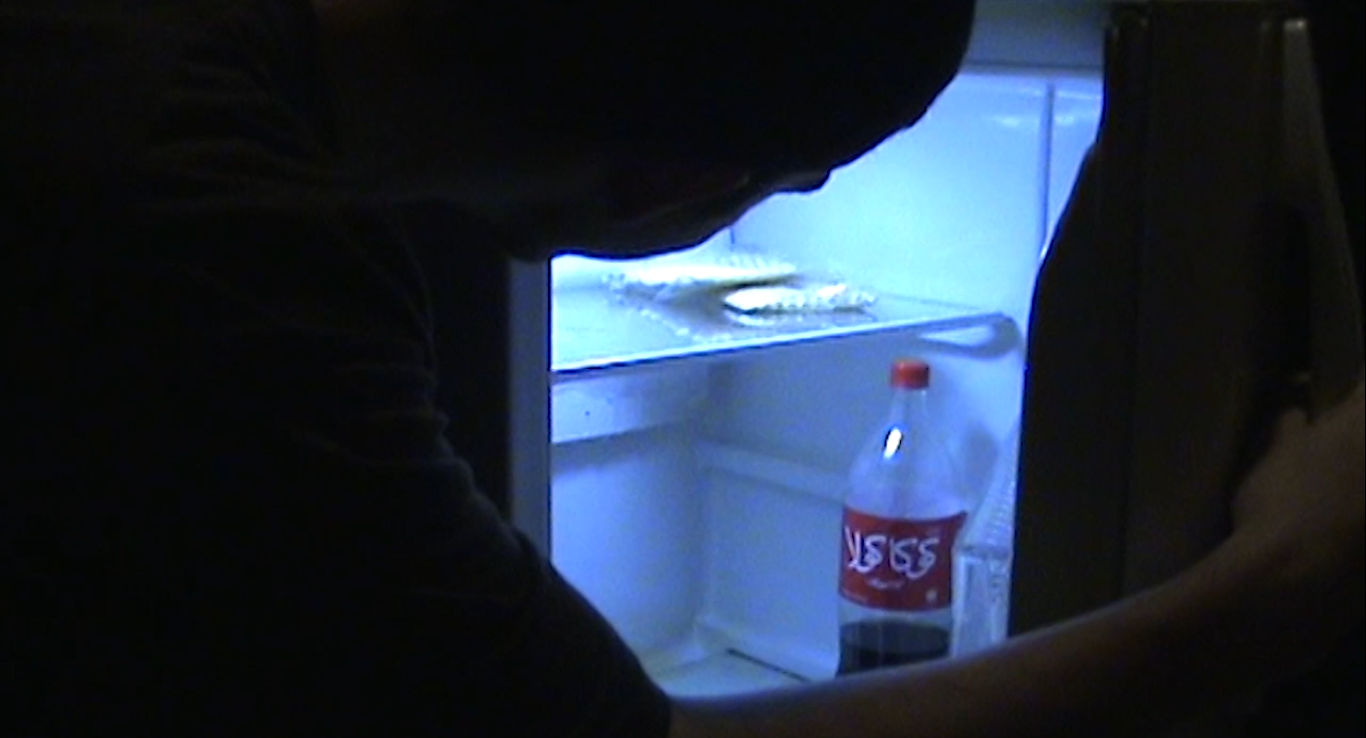
یکی از دوستانش در قسمت پنجم گفت که در نهایت همه چیز به مسئلهٔ بقا در میان همه چیزهایی که اطرافشان است برمیگردد. آنها که عضو یک گروه سه نفره بودند، کنار یک یخچال نشسته بودند و به پرسش احمدی فکر میکردند که "چه چیزی آنها را زنده نگه میدارد؟" برای آنها موسیقی، نوعی دوپامین و حواس پرتی بود، هرچند موقتی۰
احمدی میگوید: "ما فقط تلاش میکنیم در خاک تهران کمی بهتر زندگی کنیم. تهران برای من یعنی درد، خون، آشوب، اندوه و سیلِ خاطرات. موسیقی و رقص راههایی برای رهایی من از این نفرت و خشم هستند. میخواهم این احساس را با دوستانم به اشتراک بگذارم"۰
نسلهای قبل از آنها این کار را انجام داده بودند، همانطور که مرجان ساتراپی در "پرسپولیس" نشان داده و کاوه باسمنجی در "تهران بلوز: فرهنگ جوانان در ایران" نوشته است. جوانان از طریق نوارهای قاچاقیِ مدرن تاکینگ، مایکل جکسون و پینک فلوید در مهمانیهای خصوصی، با موسیقی غربی همگام میشدند. همانطور که باسمنجی اشاره میکند، به طور خاص، آلبوم " دِ فاینال کات" با اشعاری تلخ و ضد جنگ دست به دست می شد و با دقت گوش داده می شد. موسیقی سنتی ایرانی، مجاز بود و عمدتاً با ملودیهای غمگین و اشعار مالیخولیایی اش، همچون مسکّنی برای نسلی عمل میکرد که در پی گریز از واقعیتی تاریک بود"۰
سبکهای هیپ هاپ و رپ در ایران به عنوان یک خرده فرهنگ، مخاطبان گستردهای پیدا کردهاند، و فیلمهایی مانند "کسی از گربههای ایرانی خبر ندارد"(ساختهٔ بهمن قبادی)، مبارزه برای بقا در صحنهٔ راک زیرزمینی منطقه را به تصویر کشیدهاند؛ جریانی که زمانی با شیطان پرستی مرتبط دانسته میشد، مشابه نگاهی که در غرب به جنبشهای اولیهٔ راک اند رول وجود داشت۰
احمدی میگوید: "من موسیقی الکترونیک و پانک را دوست دارم. همهٔ هنرمندان در این سالها مجبور بودهاند زیرزمینی کار کنند، چون هیچ وقت اجازهٔ انتشار آلبوم یا برگزاری کنسرت عمومی به آنها داده نشده است. دولت معتقد است این ژانرها به هرج ومرج و بیاخلاقی منجر میشوند"۰
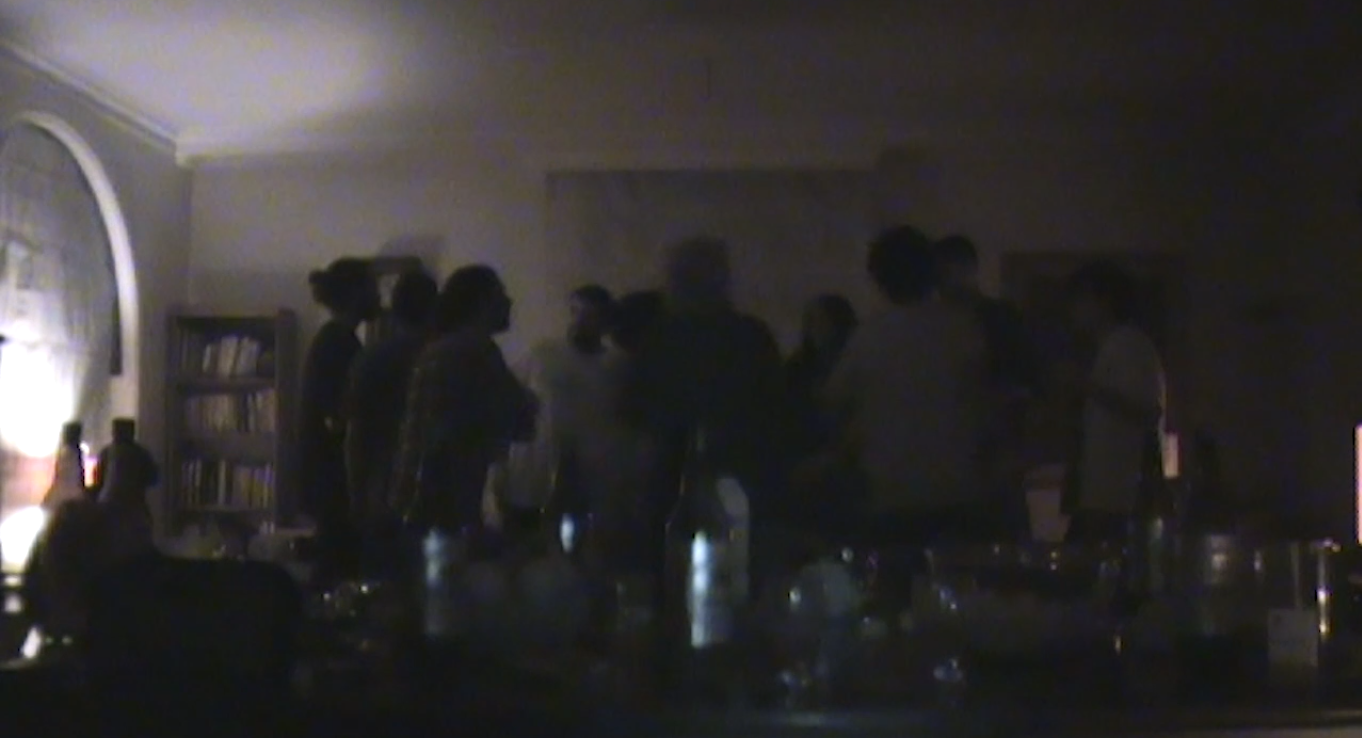
در فیلم احمدی، افرادی با هودی و گاهی ماسک صورت، در تاریکی و گمنامی در یک مهمانیِ زیرزمینی به آرامی حرکت میکنند؛ بدون نورهای خشن و ناخوشایند چراغهای چشمک زن. جایی که دی جی، رپ و هیپهاپ را با قطعاتی از هنرمندان نوظهور، که هنوز به جریان اصلی راه نیافتهاند، ترکیب میکند؛ از جمله قطعهٔ "کاکتوس" از موسیقیدان الکترونیک آلمانی، کِدالوس، یا آهنگ هیپهاپ فارسیِ "استرس" اثر افروکید و دابل ام و همچنین آهنگ تکنوی سریع "جهنم حوصله سربَر بود" اثر هنرمند فرانسوی کارل مکس۰
احمدی میگوید: "موسیقیدانان ایرانی از خلق کردن دست نکشیدهاند. اما برای یک هنرمند واقعاً سخت است که وقتی نمیتواند به درستی از هنر خود کسب درآمد کند و مجبور است برای وفادار ماندن به کارش، همهچیزش را به خطر بیندازد"۰
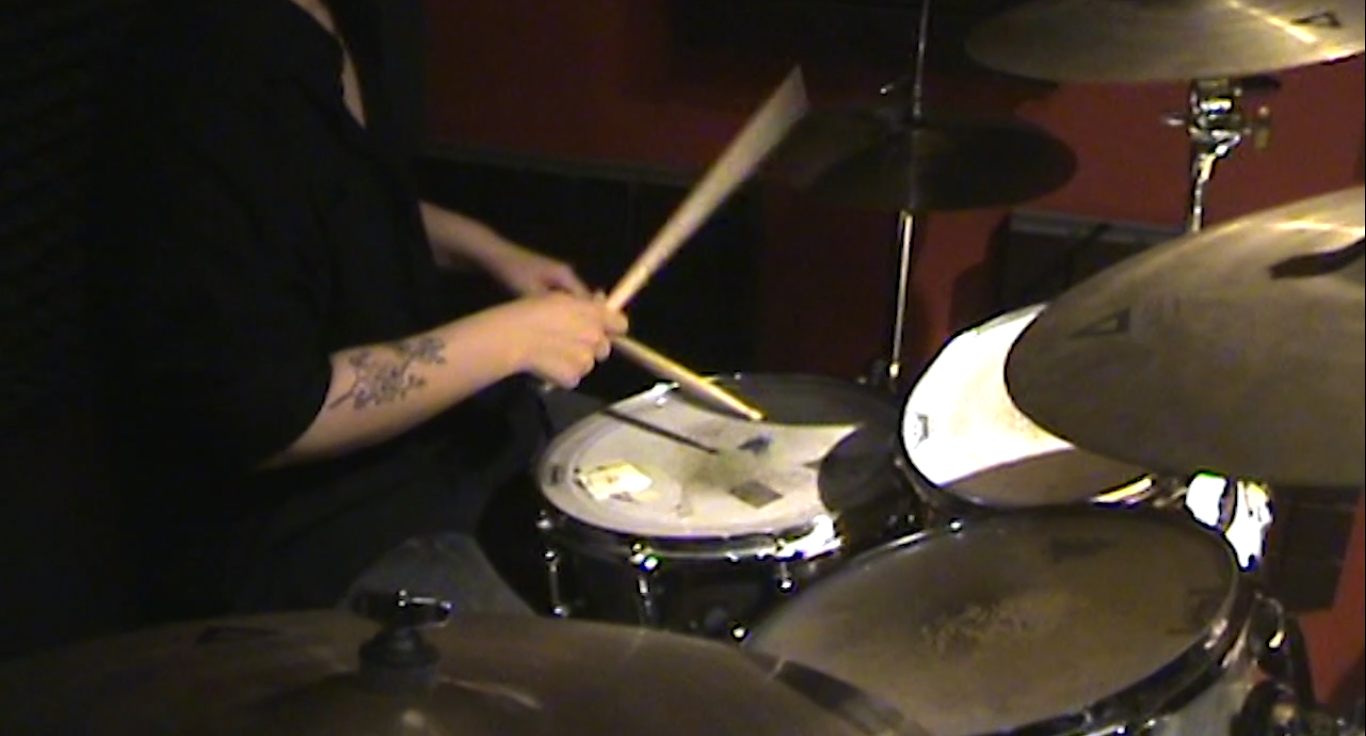
حال وهوای مهمانی تکنو در قسمتی دیگر به داخل ماشینی منتقل میشود که احمدی همراه دوستانش در حال رفتن است؛ جایی که قطعهٔ تکنوی برلینیِ "عوضیِ گیج" از موسیقیدانان آلمانی "دی بیبیدی و میس بَشفول" با صدای بلند پخش میشود. آنها در راه یک مهمانی زیرزمینی هستند، و در لحظهای بعد، به همان ماشین در صبح برمیگردیم، جایی که با سرنشینانی خسته و بی تفاوت روبه رو میشویم که به موسیقی آرام تر ایرانی گوش میدهند. در چند ثانیه بعد، جابجایی ای مکرر و تحریک کننده میان انرژی بالای تکنوی شب گذشته و سکون آرام صبح رخ میدهد۰
احمدی میگوید: "شخصاً پست پانک، الکتروپانک، تکنو و دارک ویو را دوست دارم، اما گاهی در پایان روز فقط موسیقی کلاسیک ایرانی است که میتواند آرامم کند، همان نوعی که در استخوانت حسش میکنی." بنابراین، برخی از شبها با دوستانش میتواند همراه با موسیقی راک ملایم تر "هِی جودی" یا نغمه های ملایم گیتار نیز باشد۰
کیانا حائری در مجموعه عکس های خود به تعارضهایی که امروزه جوانان ایرانی با آن روبه رو هستند، میپردازد؛ جایی که آنها میان سازوکار سخت گیرانهٔ حکومتی که در بحبوحه بحران اقتصادی فزاینده از دین به عنوان سلاح استفاده میکند، و نیاز به فاصله گرفتن از روایتهای کنترل شدهٔ رسمی گرفتار شدهاند. این دقیقاً همان کاری است که احمدی و دوستانش هر بار انجام میدهند؛ هر بار که به پاپ و رپ آلترناتیو گوش میدهند یا به یک کنسرت زیرزمینی میروند یا حتی دوربین را روشن میکنند تا زندگی خود را مستند کنند، ردّی زنده از این حس طغیان را به جا می گذارند۰
برای آشنایی بیشتر با صحنههای موسیقی زیرزمینی و موسیقی بهعنوان بستری برای مقاومت، میتوانید مقالهٔ اوپاسانا داس دربارهٔ فعالیتهای پولومی دسای و گفتوگوهایش با شهبانو فرید را بخوانید۰
برای درک بیشتر از نمودها و بازنماییهای مختلف فرهنگ جوانان، مقالهٔ اوپاسانا داس دربارهٔ کتاب عکس اثر سرینیواس کوروگانتی
Pictures in My Hand of a Boy I Still Resemble (2024)
مستند سازی نیکیتا جین از مقاومت آدیواسی در بَستار
Documentation of Adivasi Resistance in Bastar
تأملات آیشواریا بایدار دربارهٔ "شکستن چرخه" اثر تاناکریت دوانگمانپورن و اکافونگ سارانسات، و همچنین آلبوم گردآوری شدهٔ گلمهر دیلون از مجموعهٔ "سکوتِ دیگران" اثر بهارت چودهری را مطالعه کنید۰
The Silence of “Others”(2010-12)
تمام تصاویر از مجموعه یوتیوب "خاطرات جوانان تهران" (۲۰۲۵) نوشته حوریا احمدی هستند، مگر اینکه خلاف آن ذکر شده باشد. تصاویر با اجازه هنرمند۰