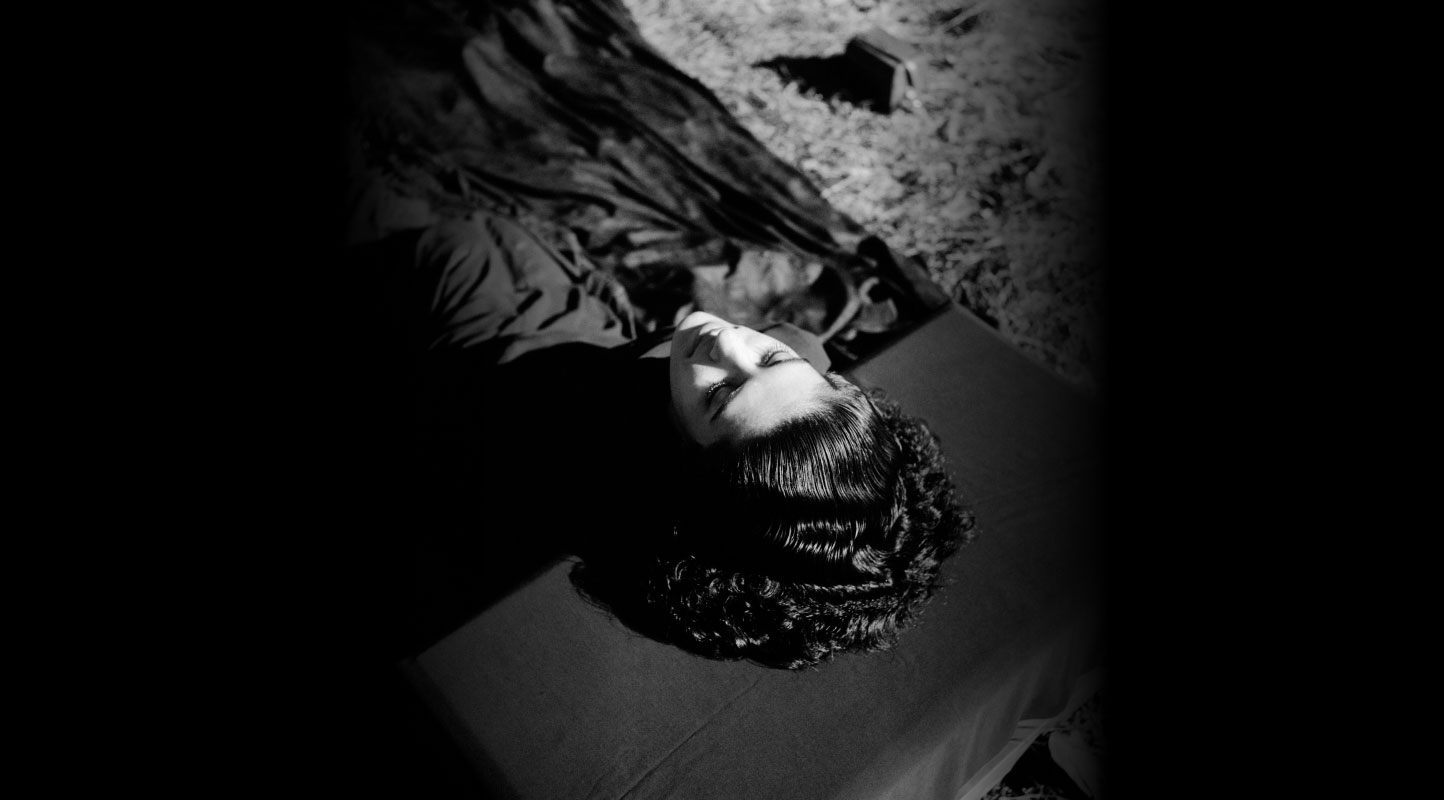


Blouses and Boundaries: Bodily Autonomy in Angammal
A film of many stories, Angammal (2024) is set in the central conflict between a mother and her son regarding her choice of attire, or rather the lack of it. The title, also the name of the mother, played by the unforgettable Geetha Kailasam, roughly translates to “woman with grace and beauty” in Tamil, and the film deftly questions the concept of what it means to be defined as a woman with dignity in a changing society. Based on Perumal Murugan’s short story “Kodithuni”, Malayalam filmmaker Vipin Radhakrishnan unfolds a tapestry of themes exploring women’s bodily autonomy, caste politics, class differences, changing cultural practices and intergenerational conflict against the backdrop of globalising mid-1990s India.
Set in a small village in Tamil Nadu, Angammal has as many shades to her character as the number of relationships in her life. She is a fierce, headstrong and dominating mother to her two sons, Sudalai and Pavalam; a bit of an impatient bully to her daughter-in-law, Sharada; the most gentle and attentive towards her granddaughter, Manju; a subtle tease and glance-stealing flirt with her childhood crush; and a savvy businesswoman to the rest of the village. She is the go-to woman who is approachable with quick practical solutions, helpful when needed, teasing when the occasion calls for it, and the one who stands her ground against village men, elders and, at times, even her friends, refusing to budge from what she believes is right. But above all, her most sacred, committed, loyal and fierce relationship stands with herself. At every step in the long-drawn battle against the world’s indignant, adamant demand for her to wear a blouse with her saree, she fights to protect her autonomy and choice to not wear one.
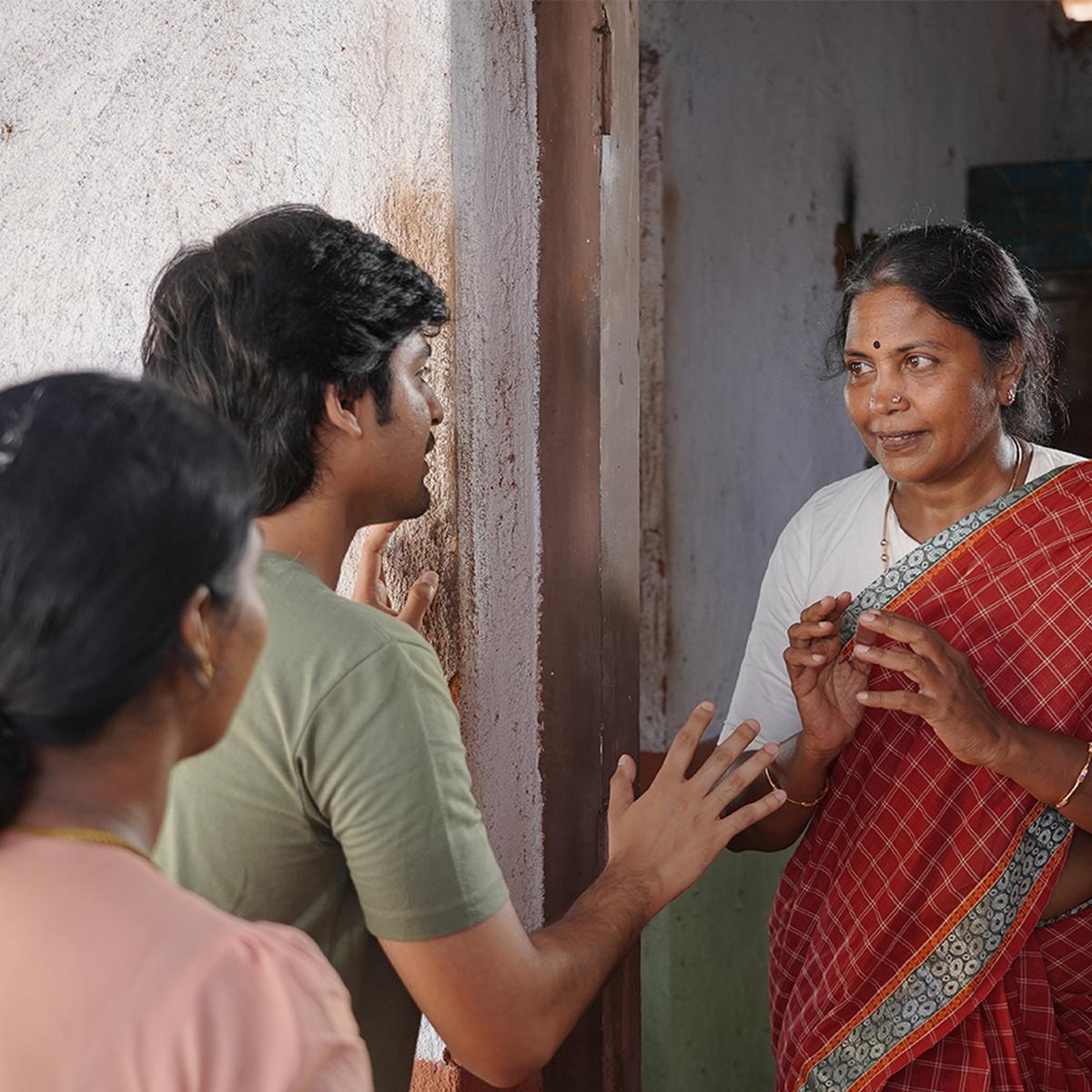
Angammal rehearses wearing a blouse before meeting her son’s prospective in-laws.
The philosopher Jean-Paul Sartre believed that freedom was at the heart of all human experience, that the ability to choose our actions and shape our identity as we want is what distinguishes us from non-human creatures. When it comes to women’s bodies and autonomy, however, that freedom is seldom independent of cultural and socio-economic contexts. Women’s freedom to be themselves—as and how they want—is heavily curtailed, censored, influenced, governed and dictated by larger societal forces in power, often occupied by men.
In a world where the story of Nangeli’s battle and rebellion against the colonial breast tax is still as fresh as ever, Angammal’s lack of any explanation or clarification regarding her choice to not wear a blouse is significant. Especially considering the origins of wearing a blouse as a marker of decency that primarily stemmed from a Victorian sense of morality and was forced down and eventually adapted in colonised societies.
Nangeli’s breast tax protest was a rebellion against the upper caste acceptance of the upper cloth as a marker of caste privilege, decency and modesty, that Dalit, Bahujan and Adivasi women were not allowed to adorn or access— distinguishing them as the ‘other’ and allowing the male Savarna survelling gaze to measure their breasts as a basis for the demand of tax. Angammal’s rebellion was against the changing society’s changing ideals of decorum that stood in direct opposition to her individual freedom. At the heart of both, separated by centuries, lies the question of women’s bodies serving as the site through which societal norms, cultural prescriptions, and regulatory discourses are inscribed and enacted while women’s bodily autonomy and freedom of choice remain a forever afterthought that is overlooked, disregarded and misconstrued in the name of progress, law, and advancement that is almost always constructed through a patriarchal and societal control.
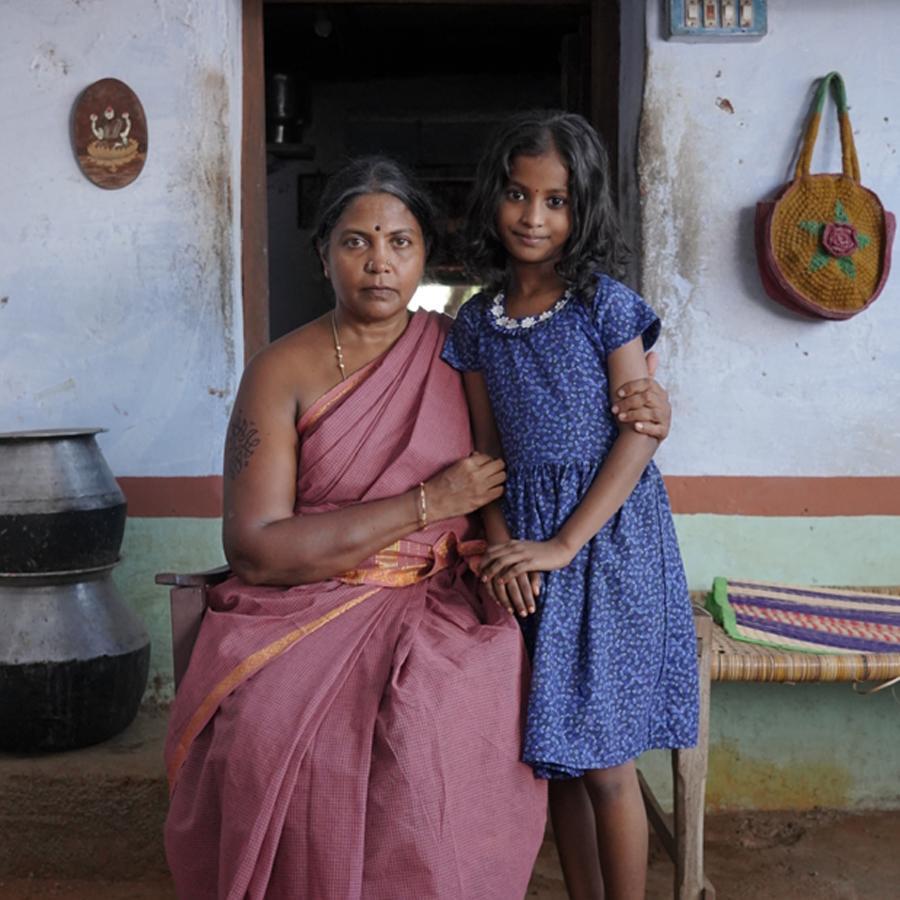
Angammal with her granddaughter Manju.
Filmmaker Vipin Radhakrishnan, however, is careful to never probe Angammal’s choice beyond repair. The only form of explanation that anyone ever receives is her granddaughter Manju, who is stoked to learn that her grandmother does not want to hide her beloved forearm tattoo under a blouse, a tattoo that she also loves. It is both heartening and striking to note that her explanation includes no justification and, rather, emboldens Angammal’s presence as a role model in the young girl’s life—as a woman who chooses to live life on her own terms.
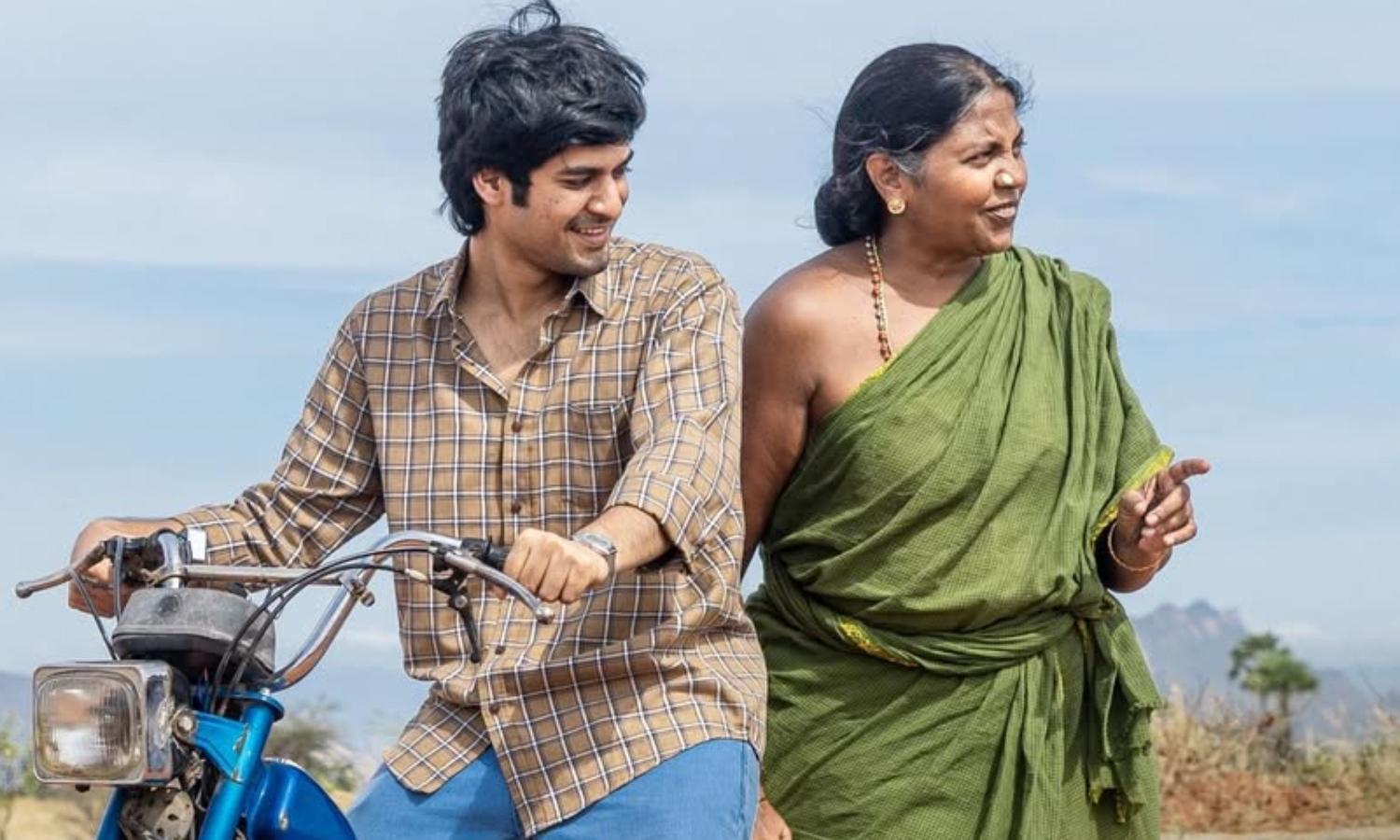
Angammal during a light-hearted bike ride with her son Pavalam.
The question of ‘to wear a blouse or not’ is, then, entrenched in several layers of changing belief systems, instigated in the film by the return of Angammal’s city-educated ‘English’ doctor son Pavalam to the village. Her blouselessness becomes the bodily manifestation of ‘uncivilised’, ‘uneducated’, ‘stuck in the past ways of life’, ‘shamelessness’ and ‘unadaptability’—everything that Angammal is misattributed as, despite her whole life and personality building a case opposite to such allegations. Pavalam’s obsession with draping her mother in a blouse stems from his exposure to ‘civilisation.’ In the city, the foundations of a ‘cultured society’ lie in certain rigid but fragile symbols and symbolism, which despite their historical genesis, have become the current generation’s ideal of civility. It is not coincidental that in a globalising India, the debate about what constitutes respectable ‘civilised’ attire is torn between, on the one hand, Adivasi cultural belief systems of wearing a saree as a one-cloth drape around one’s body that is not only minimal but also practical for women working in the fields and, on the other hand, a more Victorian concept of morality where covering up the female body is a marker of modesty and decency and symbolic of the family’s higher strata and position in society.
The film delves into the layered themes more gently, through everyday conversations that pose questions not about what is right or wrong, but about what one chooses to adapt and what one does not. Pavalam is careful and considerate enough to never call out his mother as ‘backward’ or ‘uncivilised.’ However it is implied in his incessant obsession with impressing his future in-laws, who are rich, educated and come from a social and cultural privilege that his family does not. Similarly, when other village women start wearing blouses, it is shown as a marker of the changing times and changing fashion sensibilities—with Angammal and a few of her blouseless friends surviving as a dying breed who refuse to move on from their old ways of life. But what Radhakrishnan holds as the thread of the film, from the beginning to the end, is not the question of what is socially acceptable or what is decent, but rather what is human. Sartre’s principle philosophy of the freedom of choice forms the basis of Angammal’s experience, both as a movie and as the protagonist’s life, where she keeps asking those around her to leave her be—as her blouseless, beedi-stained, smoking and curse-spitting self.
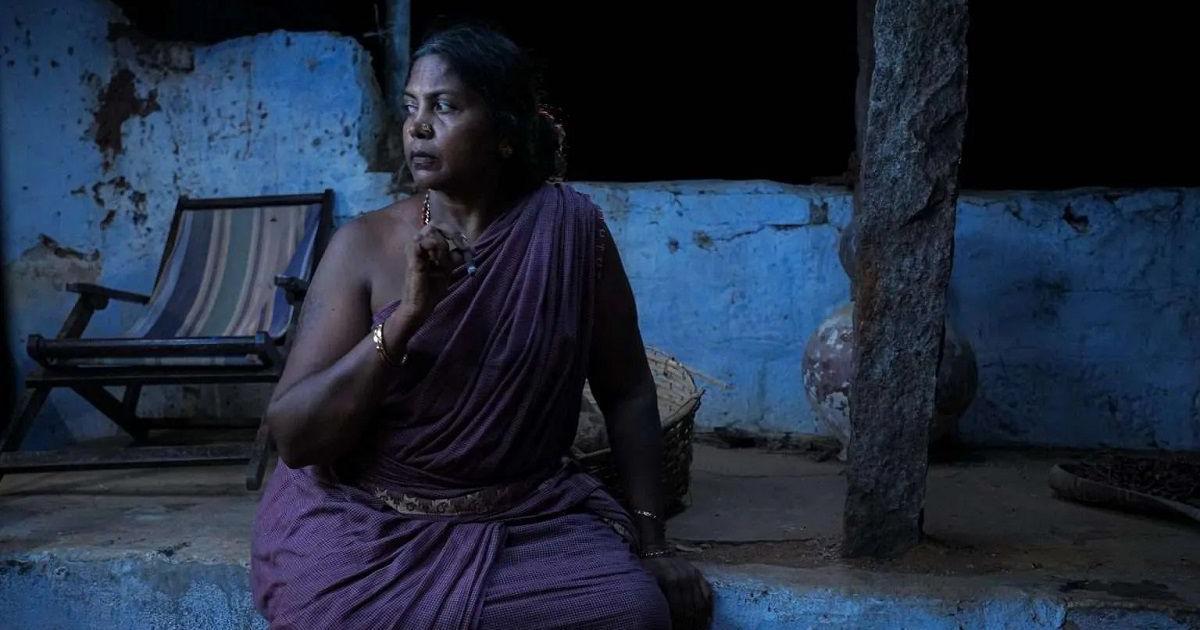
Angammal in a moment of quiet reflection.
To learn more about films that explore women negotiating with patriarchal structures and expectations, read Anoushka Antonnette Matthews’ reflections on Nishtha Jain’s Gulabi Gang (2014), Sucheta Chakraborty’s review of Jayant Somalkar’s Sthal (2023) and Akash Sarraf’s essay on Kathal–A Jackfruit Mystery (2023).
All images are stills from the film Angammal (2024) by Vipin Radhakrishnan unless otherwise mentioned. Images courtesy of the director.