

Hot Cakes and Histories: In Conversation with Sudha Padmaja Francis
In a meticulous recipe with a complex assortment of ingredients, Sudha Padmaja Francis’ documentary Ginger Biscuit (2024) explores the history of bakery culture in North Kerala through a delightful blend of history, memory and fiction. By positioning the film as an archive of lesser-known microhistories, Francis highlights the complex interplay of narratives and makes a case for unconventional forms of archiving these stories. In this interview with ASAP | art, Francis chats with us about her film, its many journeys and archiving histories from the ground.
Kshiraja (K): Why did you choose to explore this particular historical narrative through Ginger Biscuit?
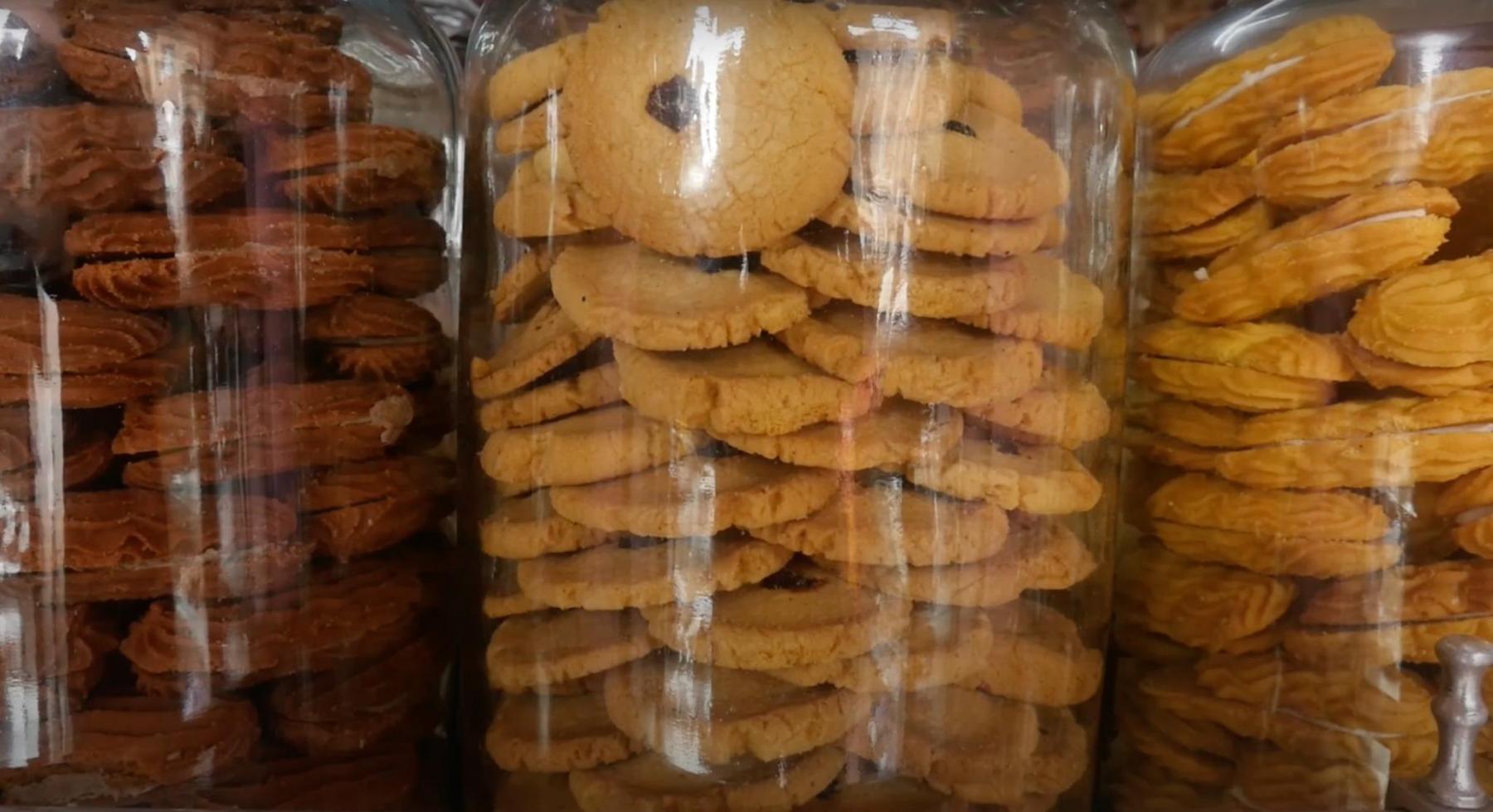
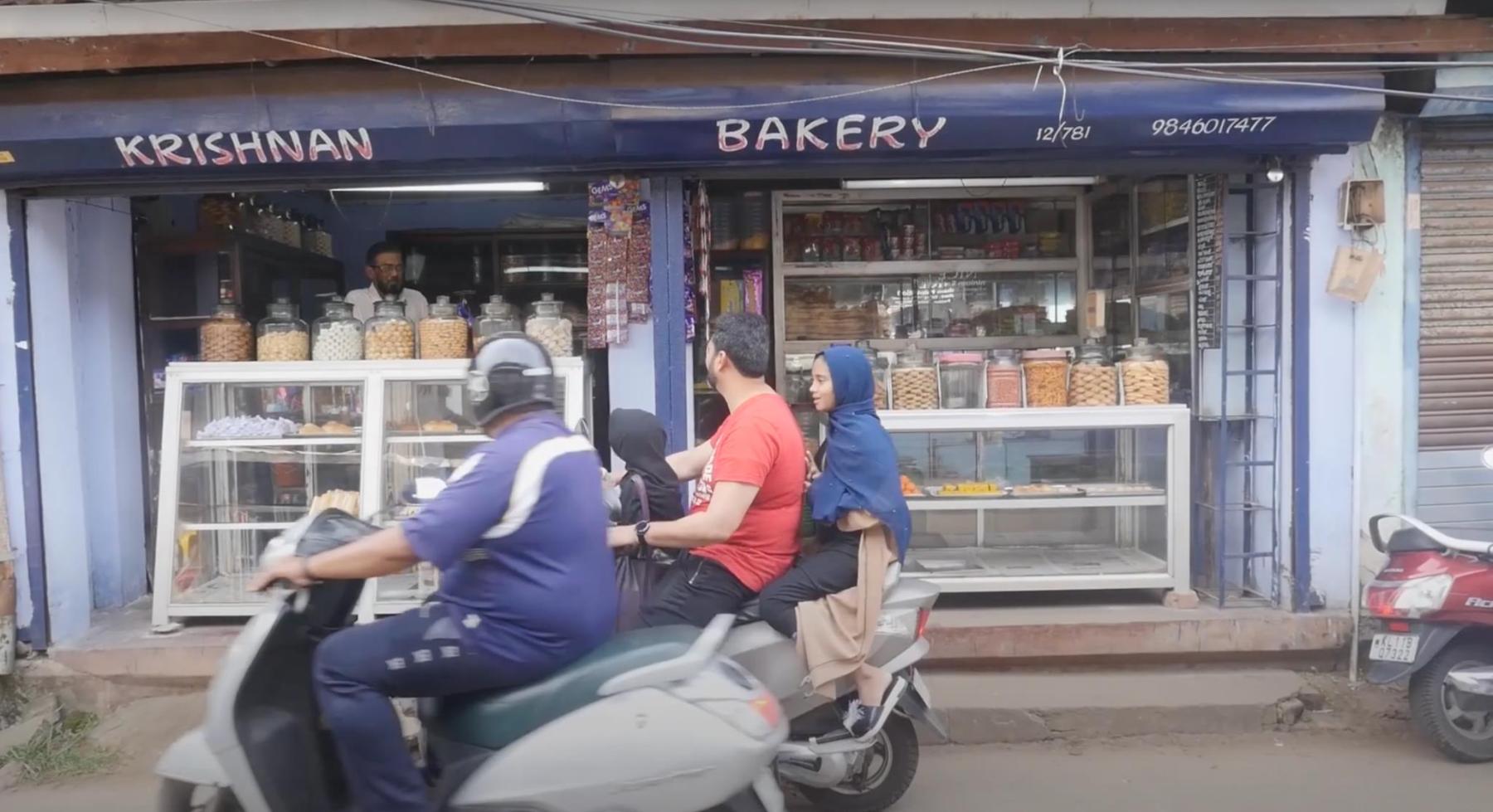
Sudha Padmaja Francis (SPF): There is a continuity in my own practice (as a filmmaker), where I have made non-fiction films about microhistories and histories of local memory that do not necessarily make it to dominant history writing, but exist in the way we experience a particular region. All the films I have made are set in the region I come from, in North Kerala. With respect to Ginger Biscuit—I grew up in Kozhikode, and I would cross this one bakery every day on my way to and back from school. My mother used to buy us goodies from a bakery near her office every time she got her salary. When I left my hometown for university, I realised that there is something very special about this.
These histories are tied into larger histories of colonialism and questions of what is or is not ‘Indian.’ There are dominant historical narratives, for instance, about a white man who ordered a cake, which was how the first cake in India was made, in Thalassery, Kerala. There are also dominant narratives about the ‘Iyengar bakery’ and upper-caste communities that opened up bakeries.
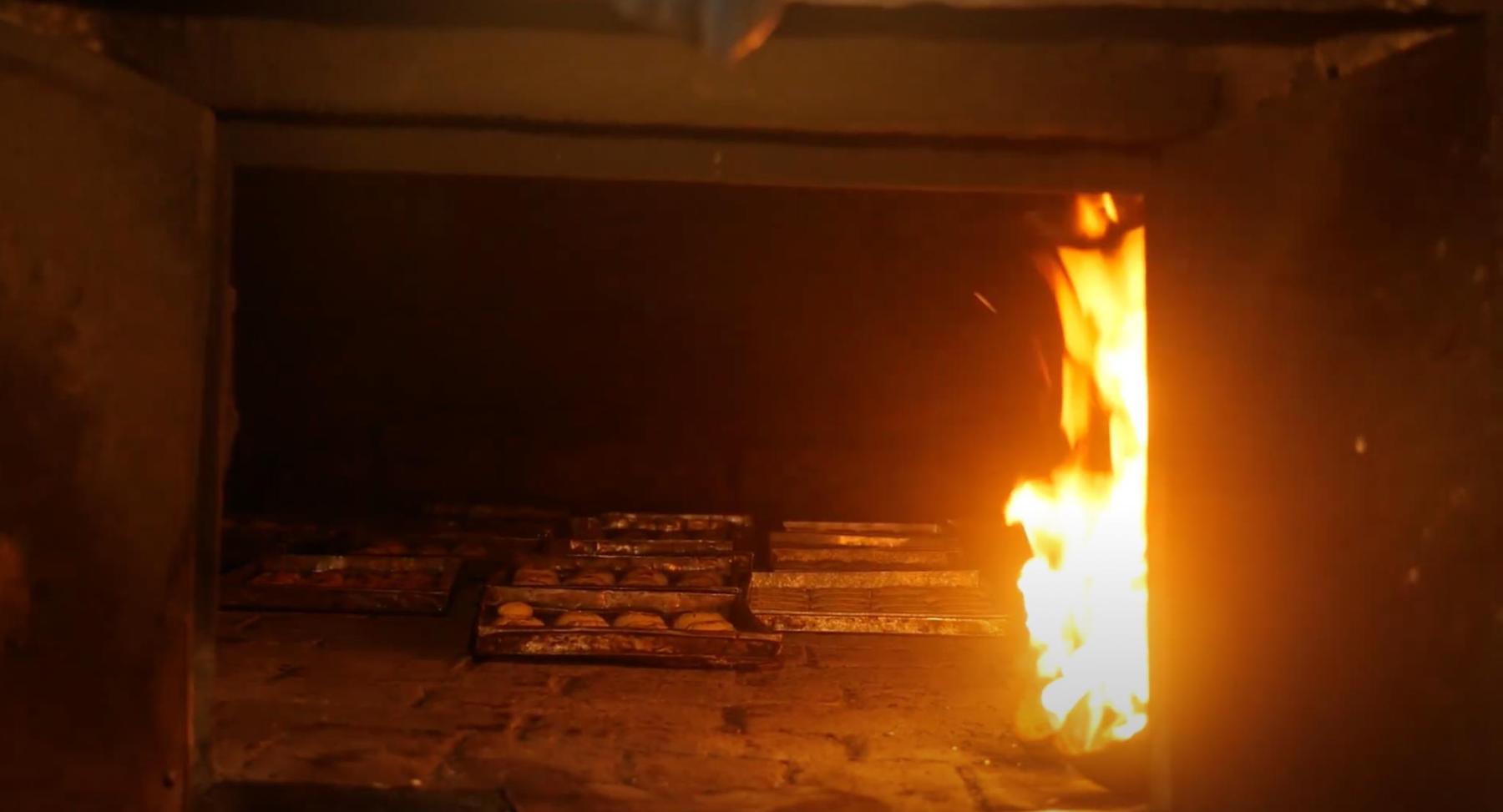
However, in Kerala, there is a specific history—tied to the Kerala Renaissance in some sense—with regard to how a particular Bahujan community came to be related with these forms of labour. Sree Narayana Guru, a social reformer and Bahujan leader from the Ezhava community, called for people from these communities to give up traditional forms of labour such as toddy-tapping in favour of other forms of labour as a way of tackling untouchability. This is how the Thiyya community in North Kerala became intricately tied to baking as a profession.
Baking is also an art, so there is a question of what is deemed worthy of being in a recipe book. There is this idea of ‘high culture’ that is deemed worthy (of being recorded). But this also needs to be remembered, to be archived. In a sense, this film was to say that an archive does not exist, and the recipe book does not exist, so we will create one.
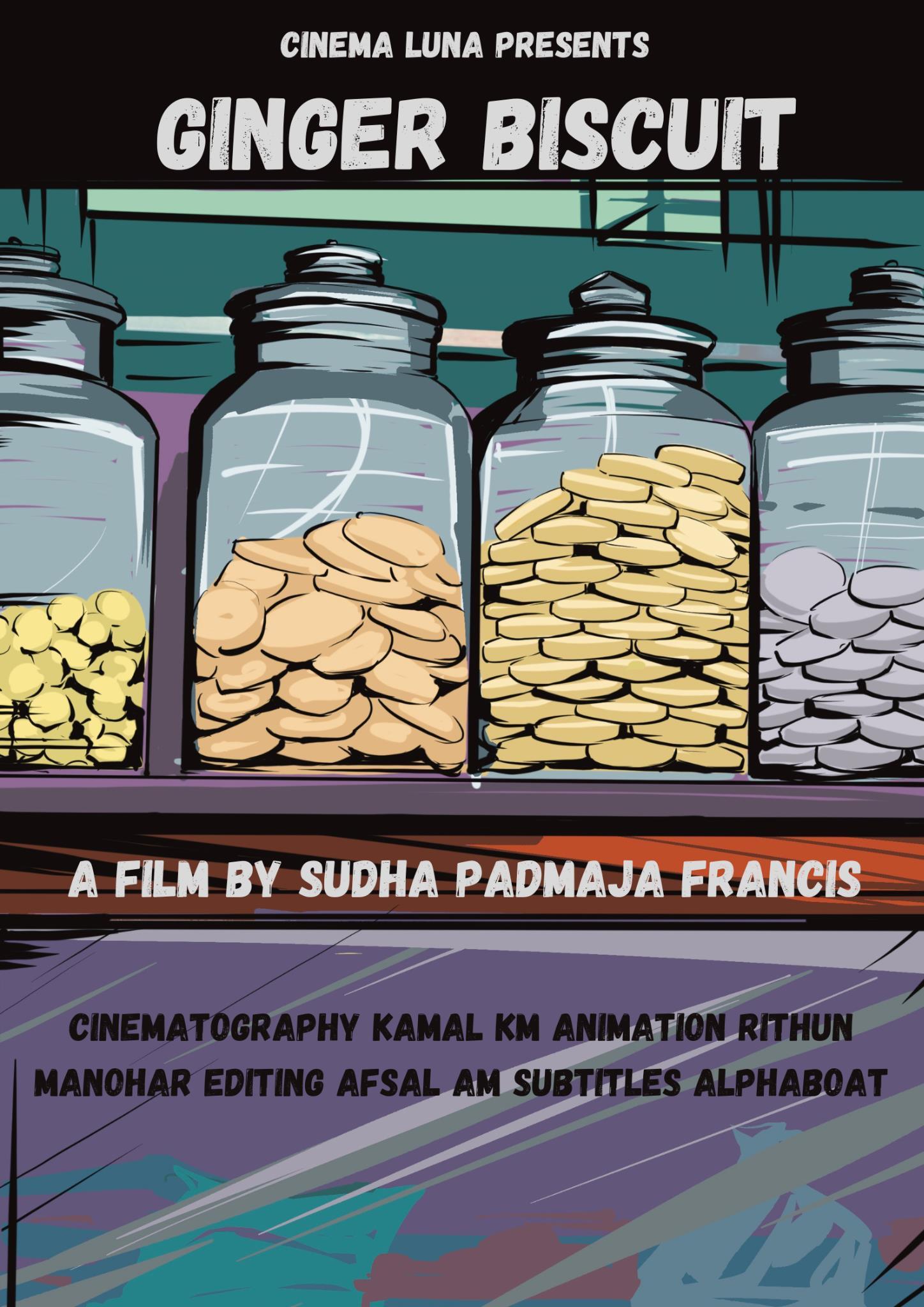
Poster for Ginger Biscuit (2024) by Sudha Padmaja Francis.
K: Could you tell us more about the narrative choice to focus on the sensory and the evocative to explore these histories?
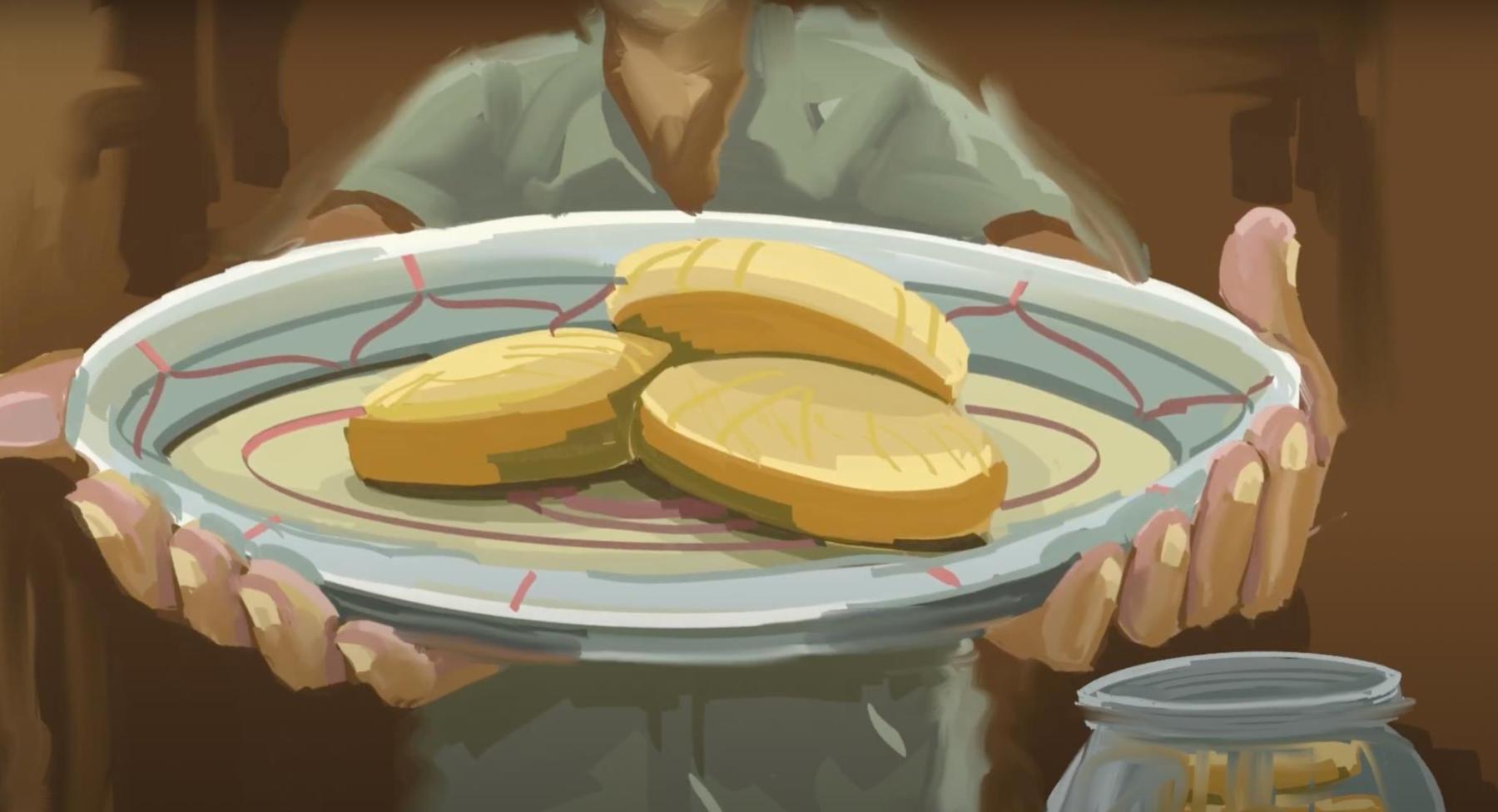
SPF: This idea of the sensory is very important in all my films. In one sense, this was an extremely low-budget film, and there were not many ways in which it could have been evocative. So I had to find raw, almost rudimentary ways of narrativising this experience. I also happened to read this novel called Oru Theruvinte Katha (1960) by S. K. Pottekkatt, and what struck me was the description of this person who goes to a shop every day just to eat a biscuit and drink water. This was set in an old trading street in my hometown. When I was filming, this story came back to me, because I saw Pottekkatt as a chronicler of this town. That was something I connected to; not so much as a chronicler, but as an archivist.
I had received the Inlaks - Asia Art Archive Grant in 2022, and there was this impetus to make the film an archive, where I would use all kinds of footage available to me and not waste any shot. This is where I would say the film is different, in terms of how it is sensorial and evocative.
K: What led you to choose film as a format to explore these micro-histories and to challenge dominant historical narratives? And how does that challenge the conventional idea of the archive?
SPF: All cinema, for me, is an expression of an experience—of being in a particular moment, in a particular space, and of different people interacting with each other. Documentary cinema, especially, exists in the space between being intimate and social, or in the space where you are fixing meaning, but it is also precarious. There is the indexical quality of an image, so all images, in that sense, are archivable. Even more so when you are consciously making it an archive.
Something that is known as a ‘higher’ art form or culture already renders itself to be archived. But something like this is an everyday thing. It is not considered significant in the schema of culture that we occupy, in the lives that we live. You are also conjuring up the archive with the people by recording this.
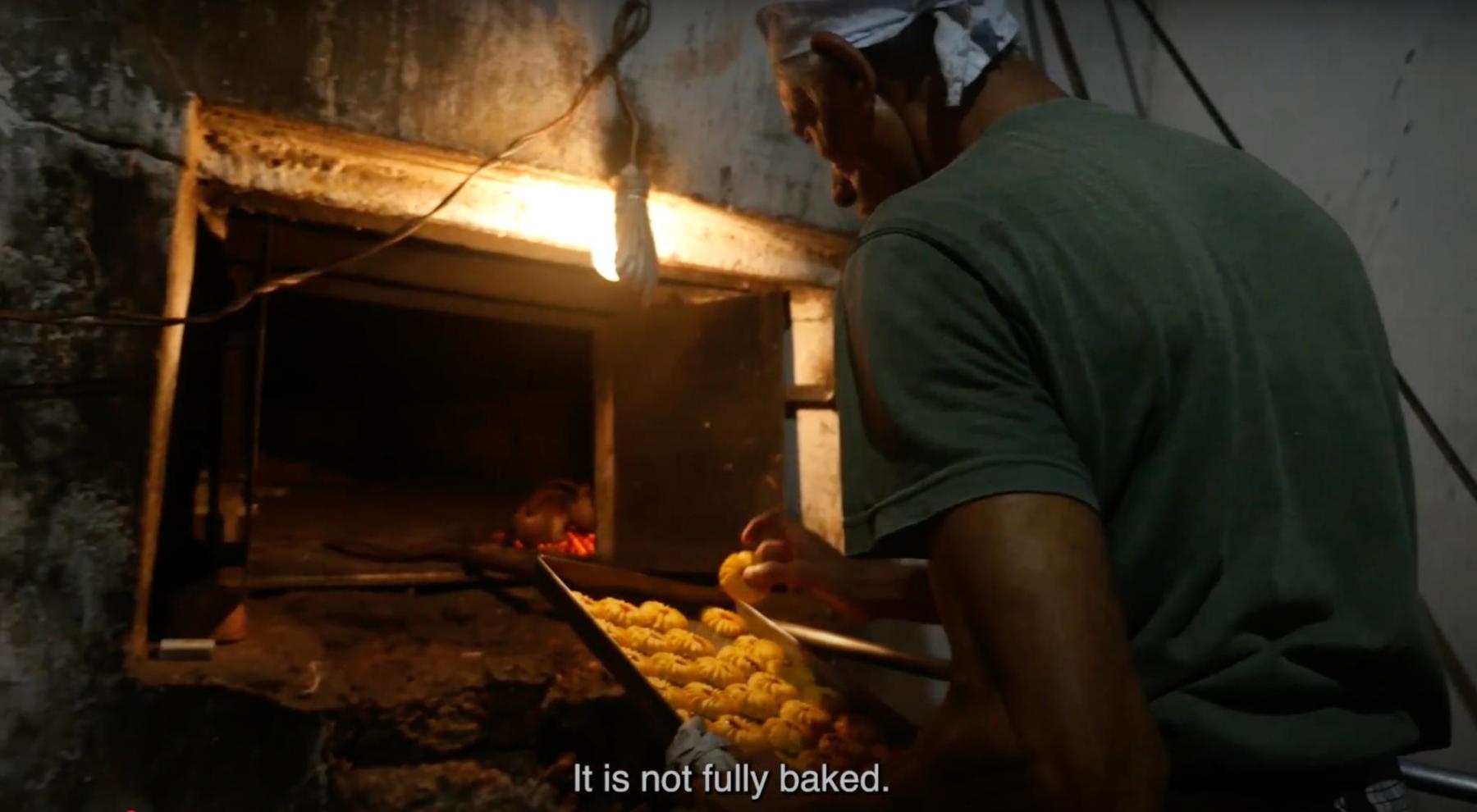
Sometimes we go in with an idea that these narratives already exist, but the research reveals that this is not the case. Of course, there are instances like Cochin Bakery fashioning a narrative of their own about the founder who made the famous ghee (clarified butter) cake. It is constituted through repetition, and is deemed ‘worthy.’ Yet there are also other, small bakeries that do not have these self-fashioned narratives or ready-made answers. Then you are also encountering that and stitching together a narrative of all of these things. A story that was important to me was that of Hazi Hamza Chengat. A Muslim baker who migrated to Shimoga to apprentice at his uncle’s bakery, Chengat spoke about the experience and labour of baking. But there are also narratives like that of the Cochin Bakery, and these coexist and are constantly in tension with each other. There is also the personal element of women who labour in the kitchen, particularly in Kerala—women of my mother's generation, who went to work and came back to cook. So all of these things exist together. For me, all of these narratives form a very complex, varied truth, rather than one narrative, which could be either labour,or passion, or just about taste.
To learn more about histories of food and artists engaging with the politics of food, read Sumaiya Mustafa’s reflections on Neidhal Kaimanam, Annalisa Mansukhani’s observations on Reliable Copy’s exhibition at the kitchen table (2021), Radhika Saraf’s conversation with Dayananda Nagaraju and Niranjan NB about their project The Everlasting River (2024), Anisha Baid’s curated album of Bashir Mahmood’s photographic practice, Akash Saraf’s essay on Kathal - A Jackfruit Mystery (2023) and Banhi Sarkar’s review of Prateek Shekhar’s Chardi Kala (2023).
All images are stills from Ginger Biscuit (2024) by Sudha Padmaja Francis unless otherwise mentioned. Images courtesy of the director.