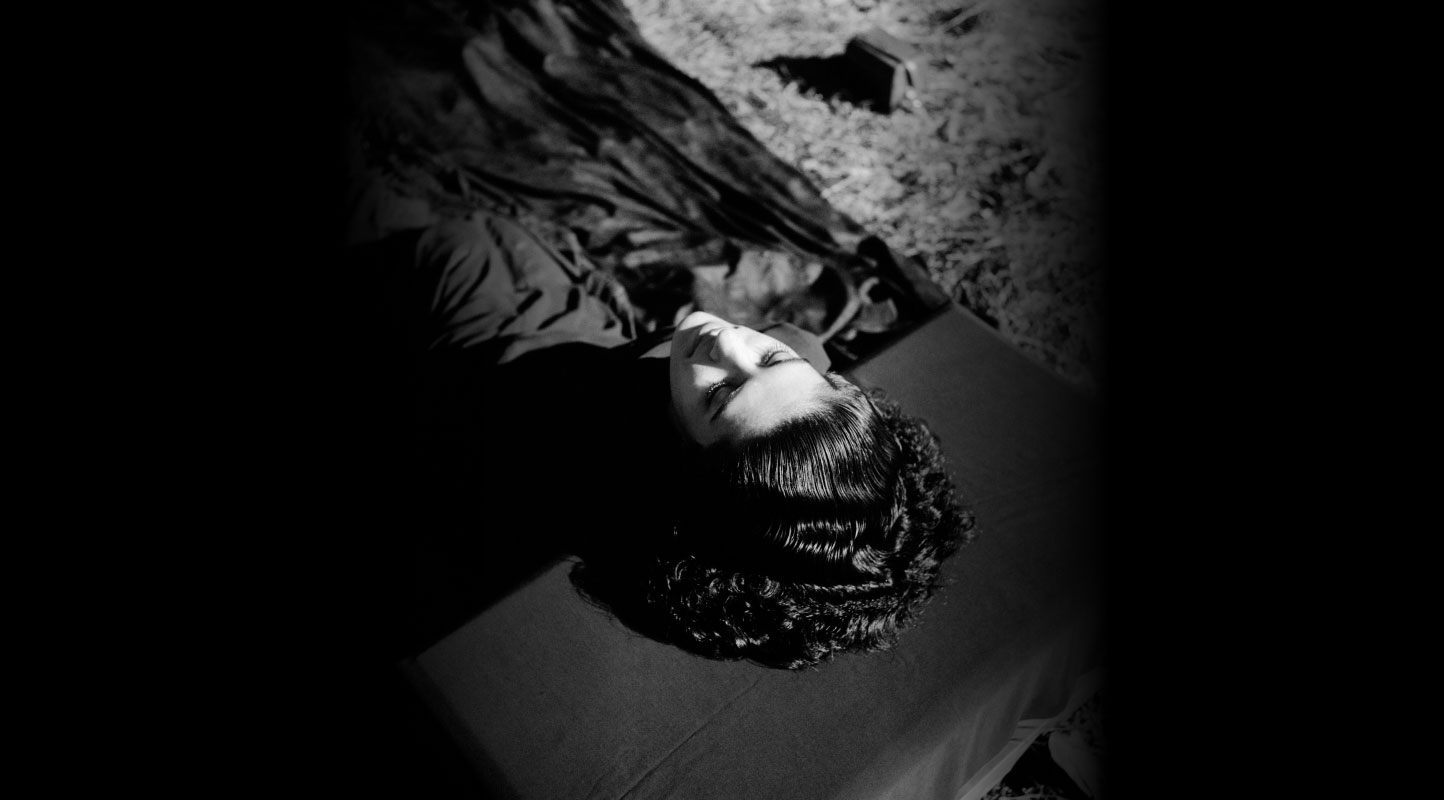


On Image-Making and Zine-Making: In Conversation with Ishan Tankha
Launched at the exhibition All Together Now in the August of 2024 at Delhi’s India International Centre, Ishan Tankha’s still, life is a self-published triadic set of zines. It features his body of work that was produced from the beginning of protests against the communally hostile National Register of Citizens (NRC) and Citizenship Amdedment Act (CAA) (2019) and during the anti-Muslim pogrom that broke out shortly before the COVID-19 pandemic lockdown. Most of the photographs geographically span the radius from the centre of Delhi to its borders.
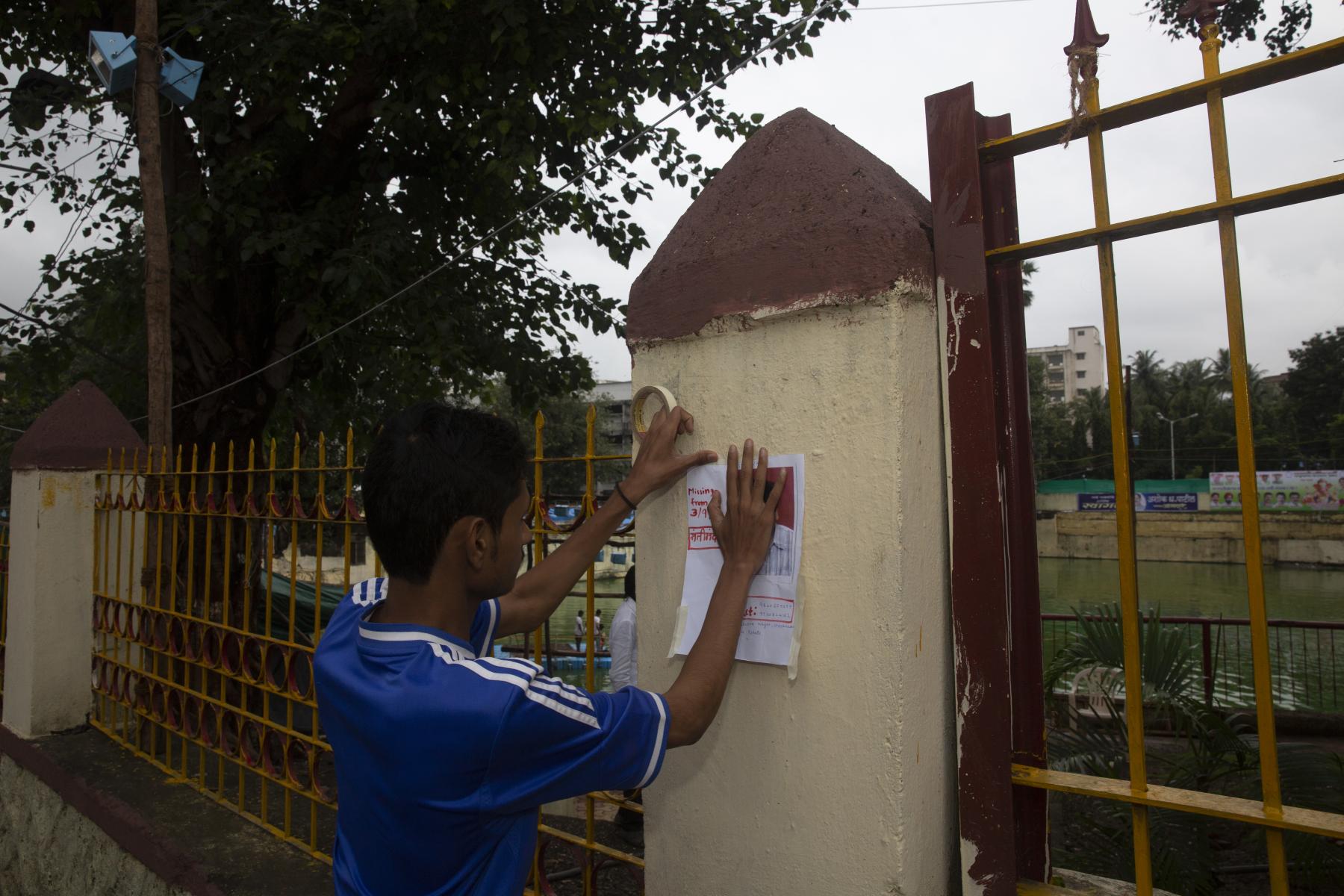
Mumbai, 9.9.2019. From still, life 1.
The zines consist of images from the period in no particular order—chronological or thematic. However, there are free associations for the audience to speculate on. An image of a young man pasting a missing persons flyer is followed by one of a curious group of women huddled at a kitchen window peering out of it in unison. A decorated banquet hall filled with clean beds heeding to social-distancing norms is followed by an image of concrete barricades adorned with a string of red lights. A three-part demonstration of atmospheric purple hues increasingly reaching a crescendo appears as a closing note of the second zine, with three disfigured ceiling fans appearing in adjacency. All suggestive of administrative inefficiency, sociopolitical anxieties, statutory entrapment and abandoned banalities from that phase.
Chronicling a time of disruption, Ishan Tankha’s still, life is an antithesis to forgetting and a pursuit of zines as a medium for making diverse bodies of images more accessible. In this conversation, Tankha speaks of the necessity to remember, the choice of what to retain or leave out of the frame, the challenging models of self-publishing a zine and the audience barrier around creating accessibility of images.
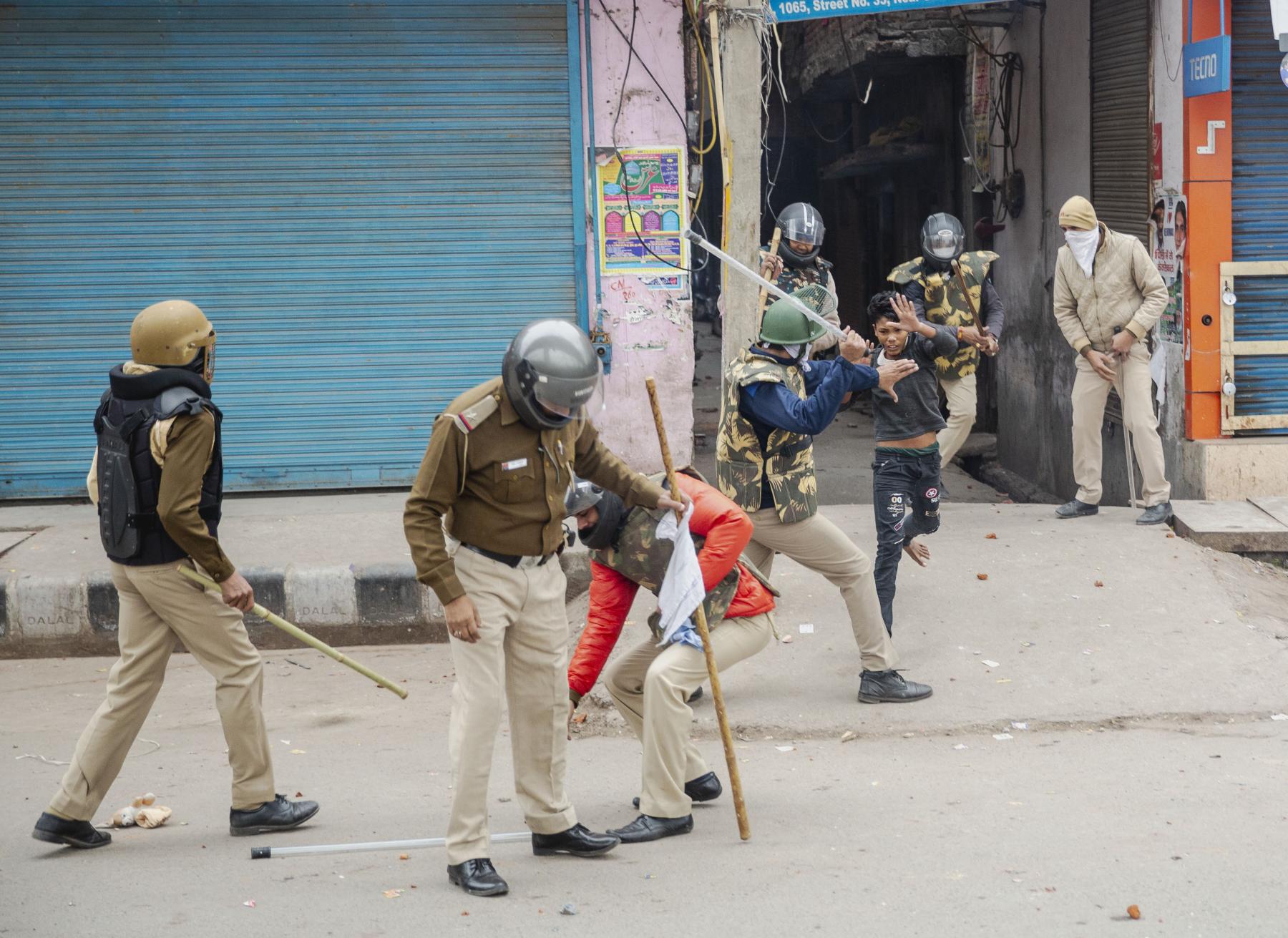
Jafrabad, New Delhi, 17.12.2019. From still, life 2.
Vaishnavi Singh (VS): The photographs in your zines document the anti-Muslim pogroms in North-East Delhi, anti-CAA protests and the overall state of the city during the COVID-19 crisis. Can you elaborate a bit on your process of documenting these occurrences?
Ishan Tankha (IT): I have been a photographer for more than two decades now, but I would say the majority of my work has been made outside of Delhi. At the time of the anti-CAA protests, some of us felt like we should be doing something instead of sitting around. I was going out to photograph things like I would any big event as a journalist, but it was also different in a sense. This was something drastic happening very close to home, in a city I have grown up in. And while it was a familiar space, it was not a place I had ever really photographed much.
It started out with me just walking around areas in my own neighbourhood and over the next weeks and months spread out across Delhi, as the protest sites multiplied. In some ways, it was my most engaged experience with Delhi, photographically. By the end of it, I obviously had a lot of material and needed to make sense of it.
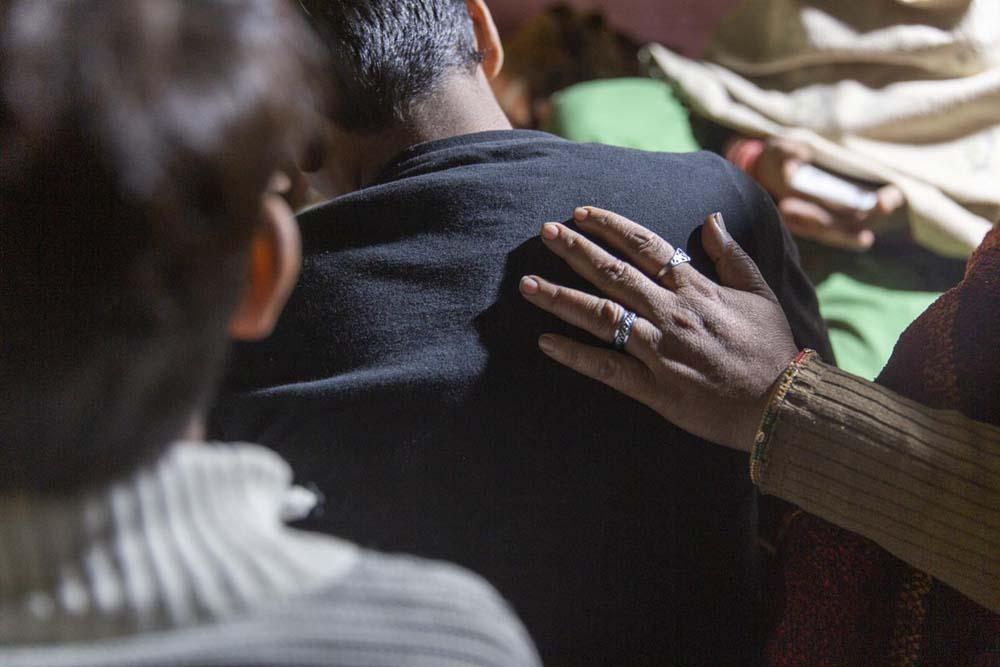
Nagina, Uttar Pradesh, 23.12.2019. From still, life 3.
It actually began with a horrific incident in Nagina in 2019; there was a protest after a namaz at a local mosque where cops opened fire, killing two. I ended up accompanying a friend who was going to report and make pictures in the home of Anas, a twenty-one-year-old student killed by a stray bullet while going out to get milk. It was the beginning of the protests against the CAA. The protests, of course, were shut down with the imposition of the lockdown but not before violence had been orchestrated in North-East Delhi.
I ended up looking at all this work somewhere towards the end of 2021 and did not really know how to make sense of it. While it was easy to divide it into these clear ‘sections’—namely the protests, the pogrom and the pandemic—I did not want to do that. There were visual overlaps and similarities that I could not overlook, from the barricades on the road to not being allowed access to public spaces for security reasons. The pandemic showed us very clearly how existing societal ‘fractures’ can get blown wide open during a full-blown crisis. The pandemic became an excuse for bigotry and discrimination. What happened with the Tablighi Jamaat was an example of how a community could be demonised using the virus as an excuse. It is not that we were unaware of these issues, but they were getting weaponised fast. I did not want to just list out what had happened, chronology was not my main concern, and thought that maybe there was a different way of looking at all of this.
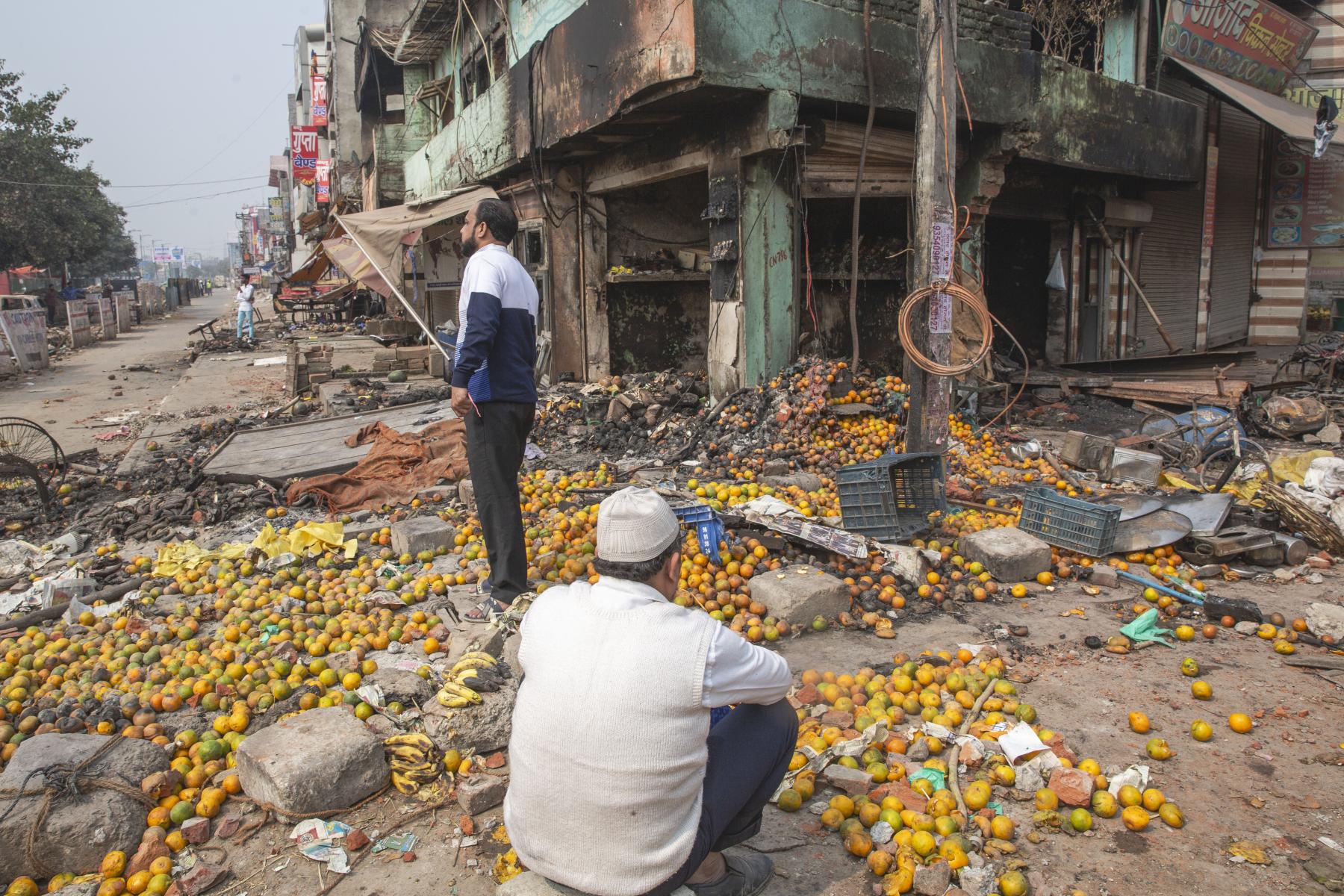
Bhajanpura, New Delhi, 28.2.2020. From still, life 2.
VS: How did you decide to revisit this work and publish it after a period of gap from the pandemic?
IT: Something I realised with time passing—and it is a very natural thing—is how much I was forgetting. There is a reason why human beings forget, and it is probably an evolutionary tactic. You need to protect yourself because there is enough trauma around us. No one would remain sane if we could not forget. If we remember everything in great detail, how will we ever get over anything? I think there is a Russian psychoanalyst who has a book about a man who cannot forget anything. It is a truly traumatic experience for him because he remembers things in great detail. For instance, he can never get over his first childhood heartbreak. Imagine never getting over that feeling! So I understand that forgetting is a very human act and maybe a certain amount of forgetting is required. But what was shocking was that despite my being physically present in many of those very dramatic moments and situations, I was forgetting the details. I thought that was something that needed to be countered, for myself to begin with.
And also for others, I think we have become used to moving on from issues at a rapid pace, helped by a capitulating media. The elections came and went without the death of millions or the pandemic mismanagement becoming an electoral concern or even a point of debate. It was a pretty tumultuous time and it has had very far-reaching effects, which I think we still feel politically and economically. I think maybe there was a need to remind ourselves about it. So, the zines are an attempt to do that—to remember.
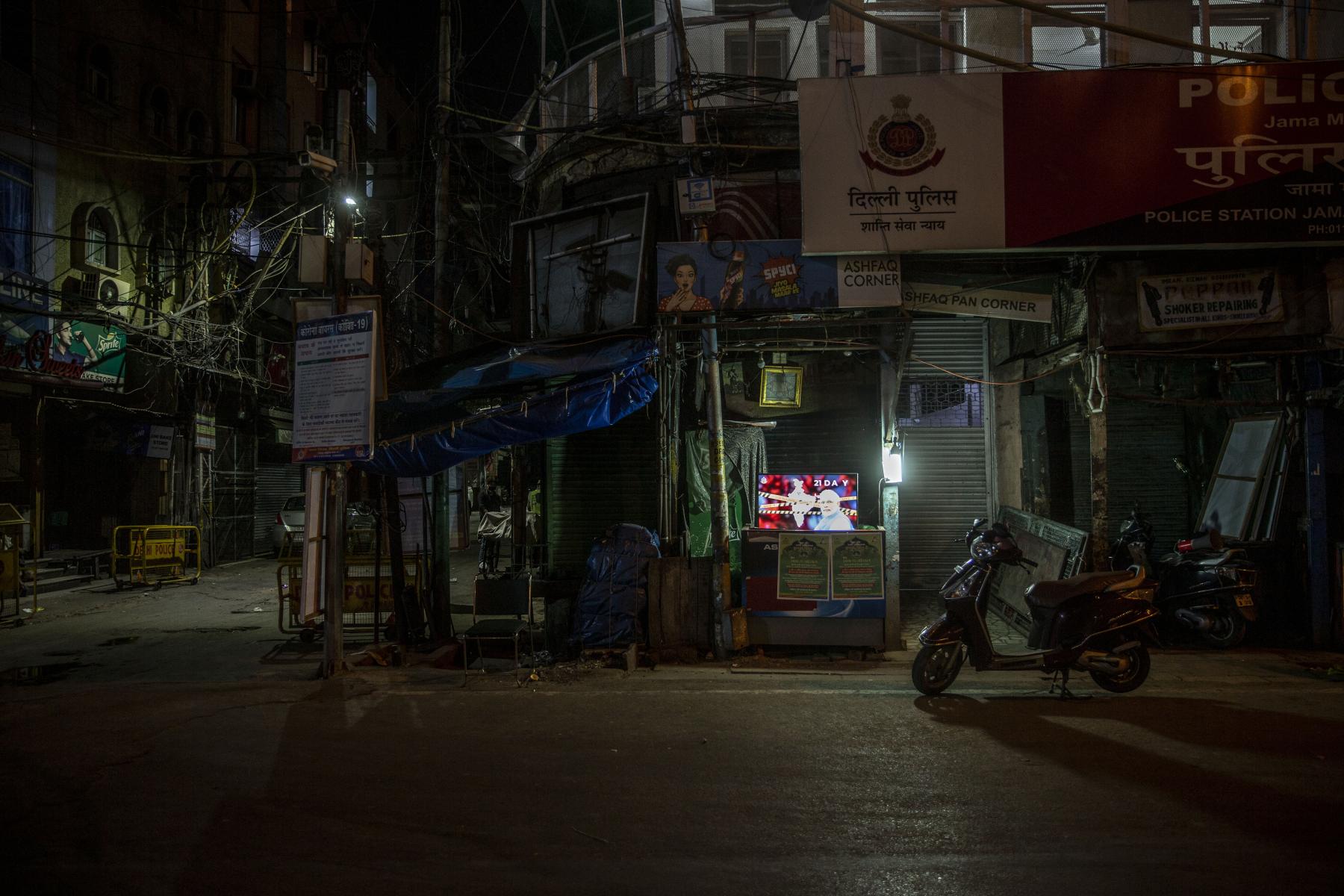
Jama Masjid, New Delhi, 24.4.2020. From still, life 2.
VS: Why did you choose the zine as your medium for this work? What was your rationale behind curating and publishing these photographs in a triadic set?
IT: I think one of the problems with journalism is that it tends to reduce situations into neatly arranged silos that are easy to understand. The space for complexity is limited. There are very few publications that use long-form, and there is definitely very little visual long-form being used, at least in mainstream media. So I thought the zines could be an attempt to counter that absence in print.
The zines are in three parts because there are about a hundred images. I thought if I were to break it up, it would become something that can be engaged with and then put away, maybe one can see the other parts a little later. I have not followed a linear, chronological sequence in my edit. I have mixed images from very different situations and times, but I think that holds them together. Truth be told, that time is a bit of a jumble in my head, and I think that is true for a lot of people. We do not remember all of it; maybe we remember the overall experience, but the details are fuzzy. The lockdown and isolation also made time feel different and hence it is difficult to recall it as easily. So, I hoped the images would speak to people in different ways and their sequencing would provoke something more than their ‘original’ meaning.
At the time I was photographing, most of the work was not made for an assignment or story for publication. So, I did not always know where the work was headed or what I was going to do with it. I had an immediate goal, which was photographing an event, but the larger picture, as always, emerged slowly.
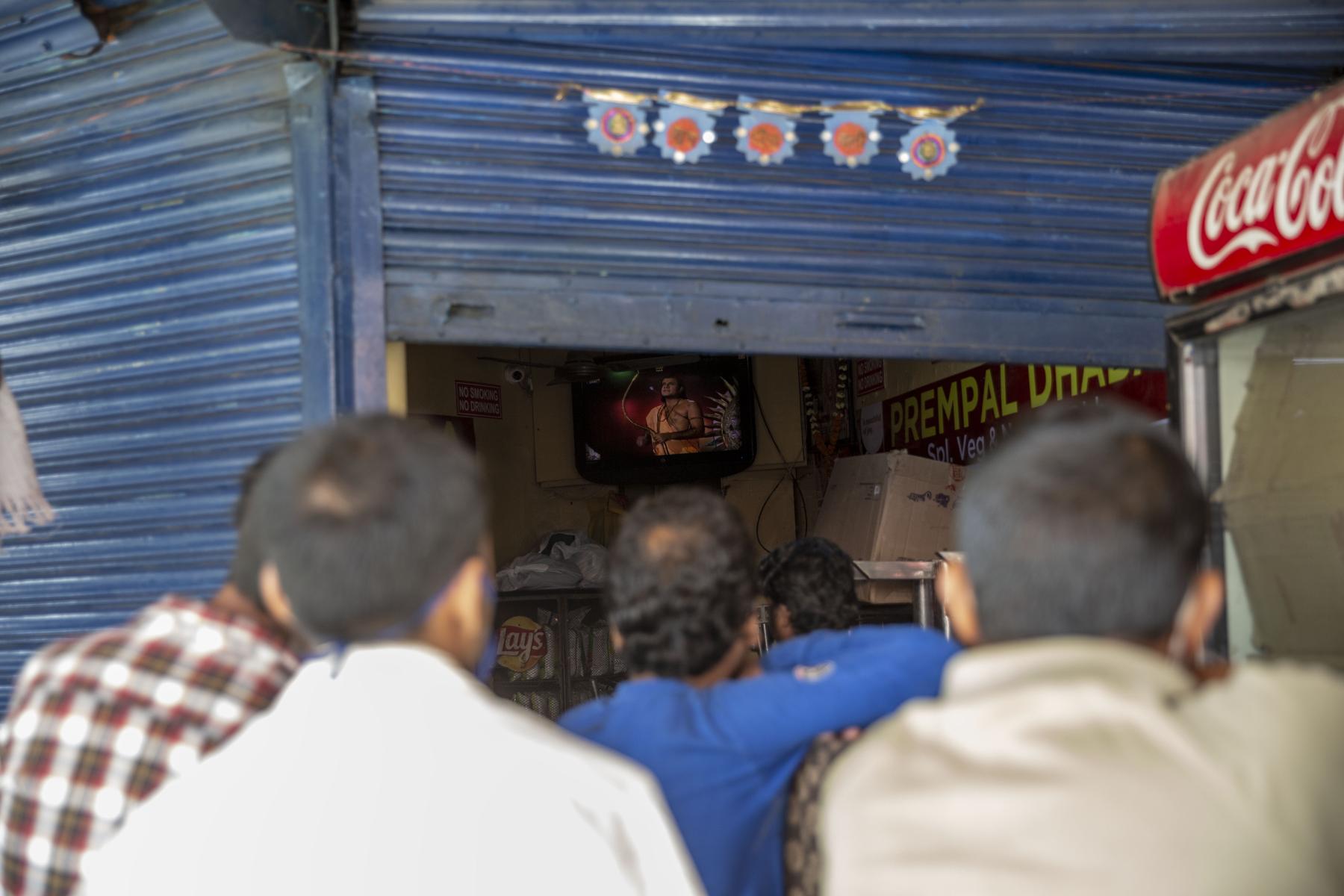
INA Market, New Delhi, 18.4.2020. From still, life 2.
VS: In the text adjoining the zines, you recollect stepping out of your house during the pandemic to buy essentials for sustaining yourself, which is followed by a rumination: “Why photograph any of it? Were the images meant to be a breadcrumb trail? A mnemonic guide to help us find our way back in case we forgot? In any case, I didn't photograph the eggs.” How do you fill the narrative gaps where your instinct is to not click a picture, or you circumstantially could not click a picture? How are those moments preserved?
IT: I think most photographers could make a project titled “Images they did not take.” There can be many reasons for not taking a photograph, from the practical accessibility to the personal—where maybe it is distressing to look at something for the photographer or when the person being photographed shows discomfort at being captured in whatever moment they may be in. There are multiple reasons as to why one does not end up taking a photograph. There are also things that you see that you may want to capture and share or communicate but which may not work or be effective as an image. There are lots of images that I leave behind in that sense. Not photographing is, in that sense, equally important as photographing. Because what you leave out of a frame also says something; sometimes it says as much as what you may keep in the frame.
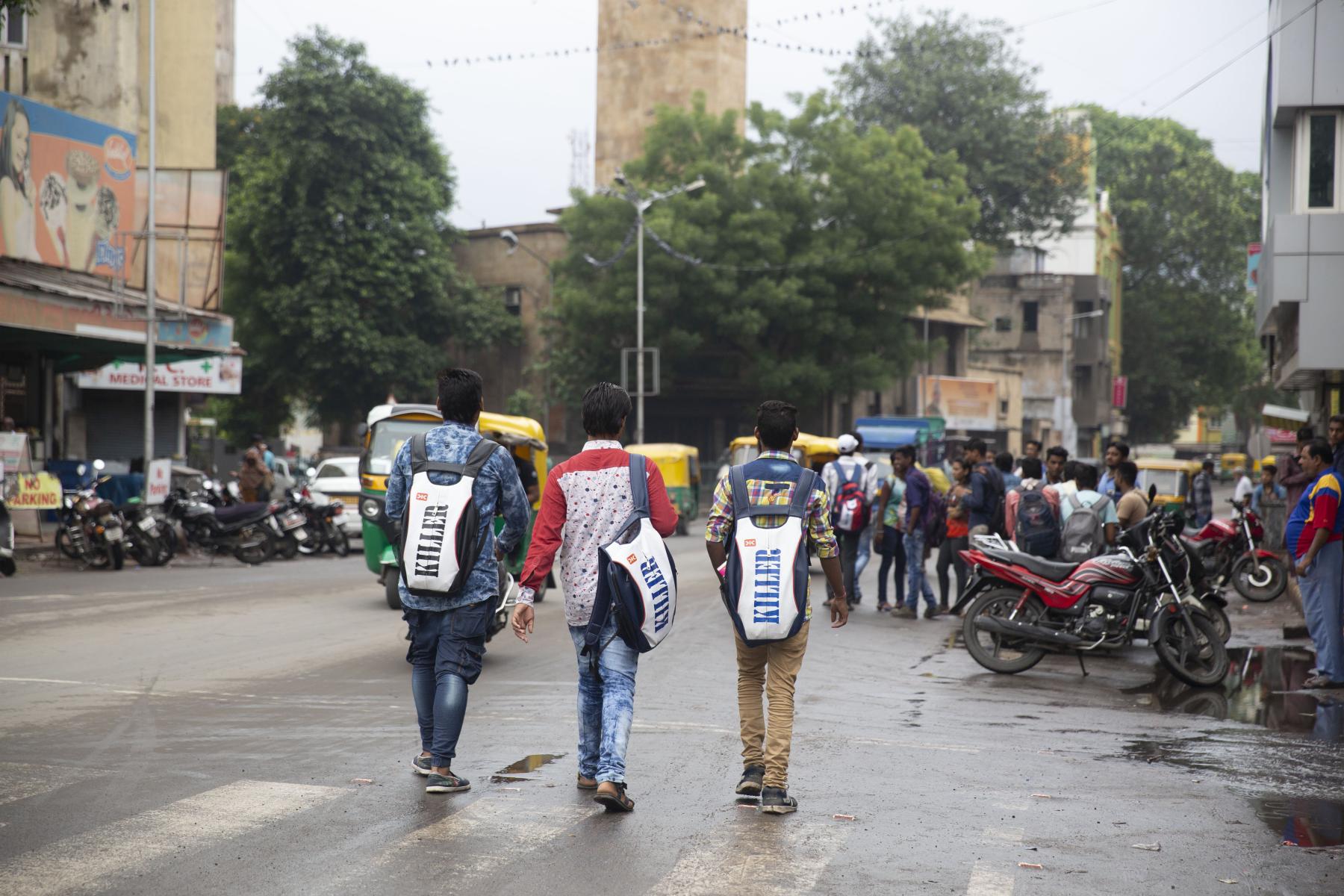
Patna, Bihar, 6.5.2022. From still, life 1.
VS: How was your experience with publishing this set of zines? How do you feel about the sustainability of this medium—both for the audience and the creative practitioners?
IT: I think there are many creative options that photographers, or those who use the visual to communicate, have these days.
First off, one must understand you are not going to make ‘money’ off making photobooks. I think the publishing world is already difficult to make a living in, so those deciding to make a photobook or zine must keep that in mind. For me, the goal was to make something I wanted to but also be able to recover costs. Other than that, I just wanted to put these pictures out into the world. I did not want to put captions on the images. I included a poster that has all the captions on one side, but the reader has to make a little effort to get that information.
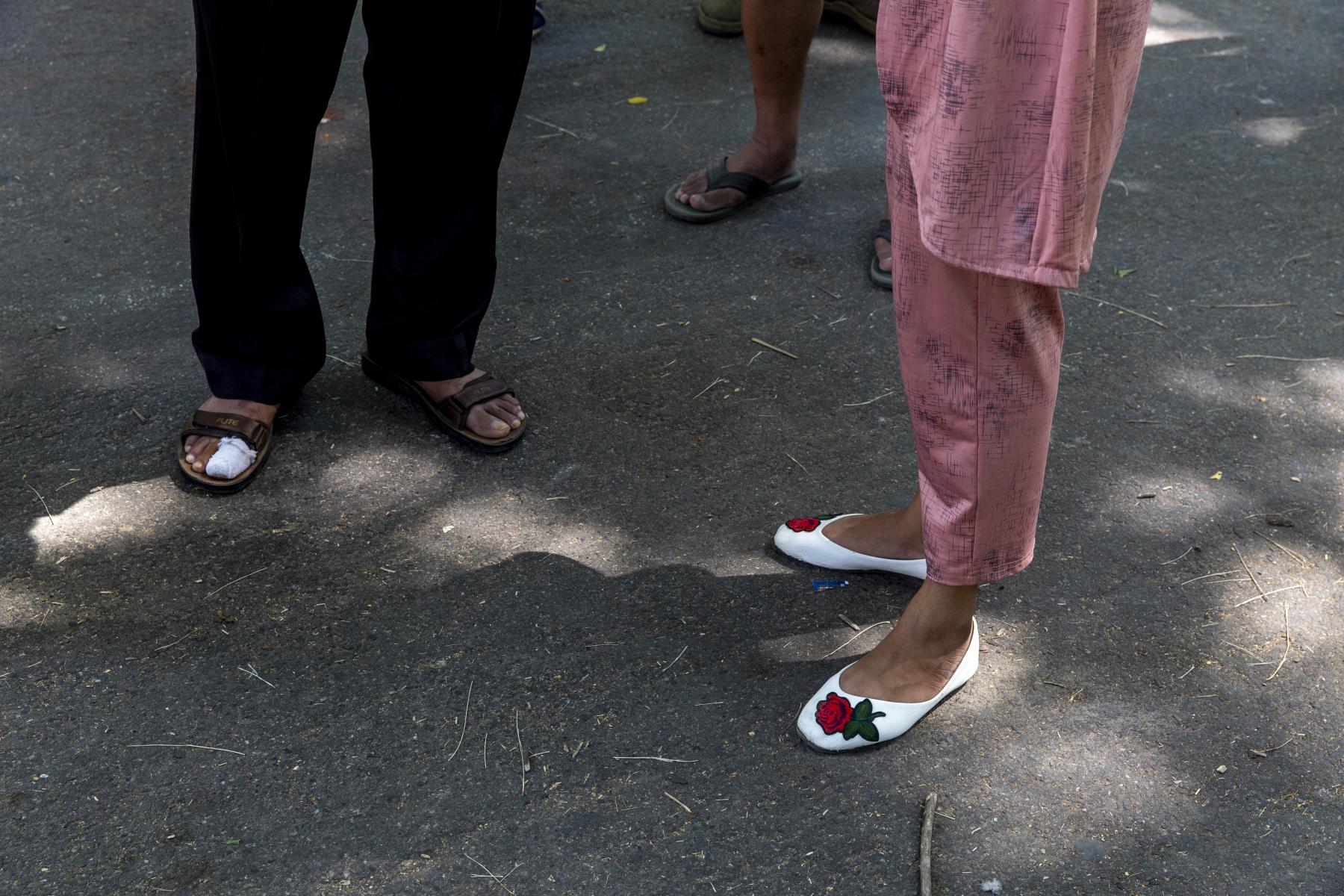
Jantar Mantar, New Delhi, 2.10.2020. From still, life 1.
There was no institutional or grant support for the publication and I put a reasonable amount of money into its production. The cost recovery is a slow process because it is not like I have a platform to sell or am even half good at the selling or the marketing aspect of publishing. The money returns in dribs and drabs. I printed a total of 400 copies and recovered my money in about six to eight months, which is great and that takes the financial pressure off me.
I think the whole medium of photobooks and zines is currently a very niche space. They are expensive to produce and print, which means they tend to be more expensive than regular paperbacks, further limiting the audience. So creative ways need to be used to try and counter that. I would not be shocked if I was told that most photobooks in India end up reaching pretty much the same audience. The only way this can be sustainable is if we can change that.
I think photobook makers or zine makers could try and look at different ways of marketing their books, helping them reach a new audience. That said, it is not easy. Making a book is work enough, and then selling it is a whole different ball game. So in terms of sustainability, it is only about the audience. I think once we can break the barriers of audience, that is when it can be sustainable.
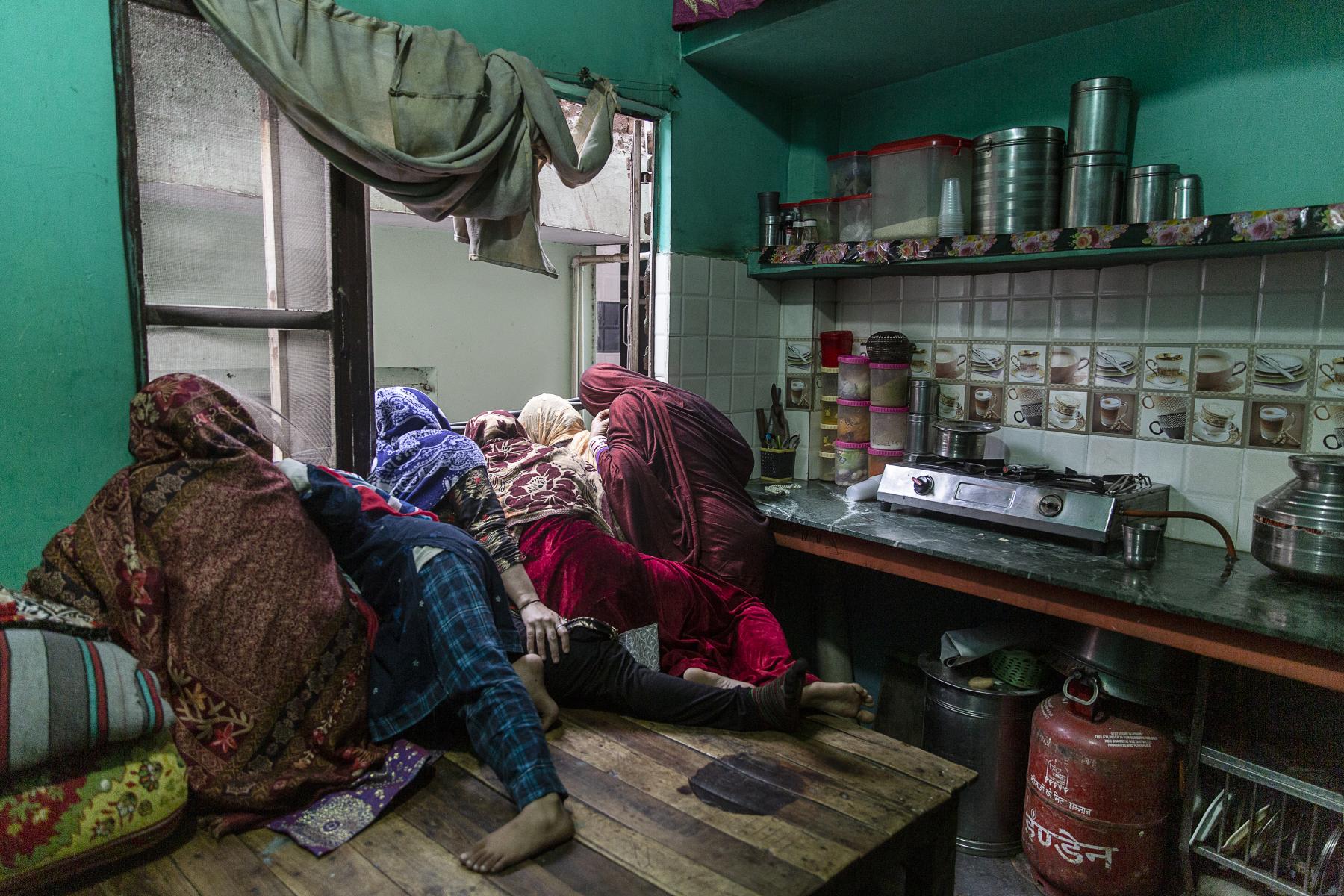
Old Mustafabad, New Delhi, 29.2.2020. From still, life 1 and 2.
To learn more about Ishan Tankha’s practice, read Santasil Mallik’s reflections on still, life, Ketaki Varma’s two-part conversation with the artist and Mallika Visvanathan’s takeaways from the panel “Unseen Acts” as part of the Another Lens Symposium.
To learn more about artists making zines, read Ketaki Verma’s conversation with Abdul Halik Azeez, Veeranganakumari Solanki’s curated album of work done by The Packet and Najrin Islam’s reflections on Nida Mehboob’s series documenting the lives of the Ahmadiyya community in Pakistan. Also watch an episode of In Person featuring Anshika Verma on Offset Projects’ GUFTGU Zine Box (2021).
Images courtesy of Ishan Tankha.