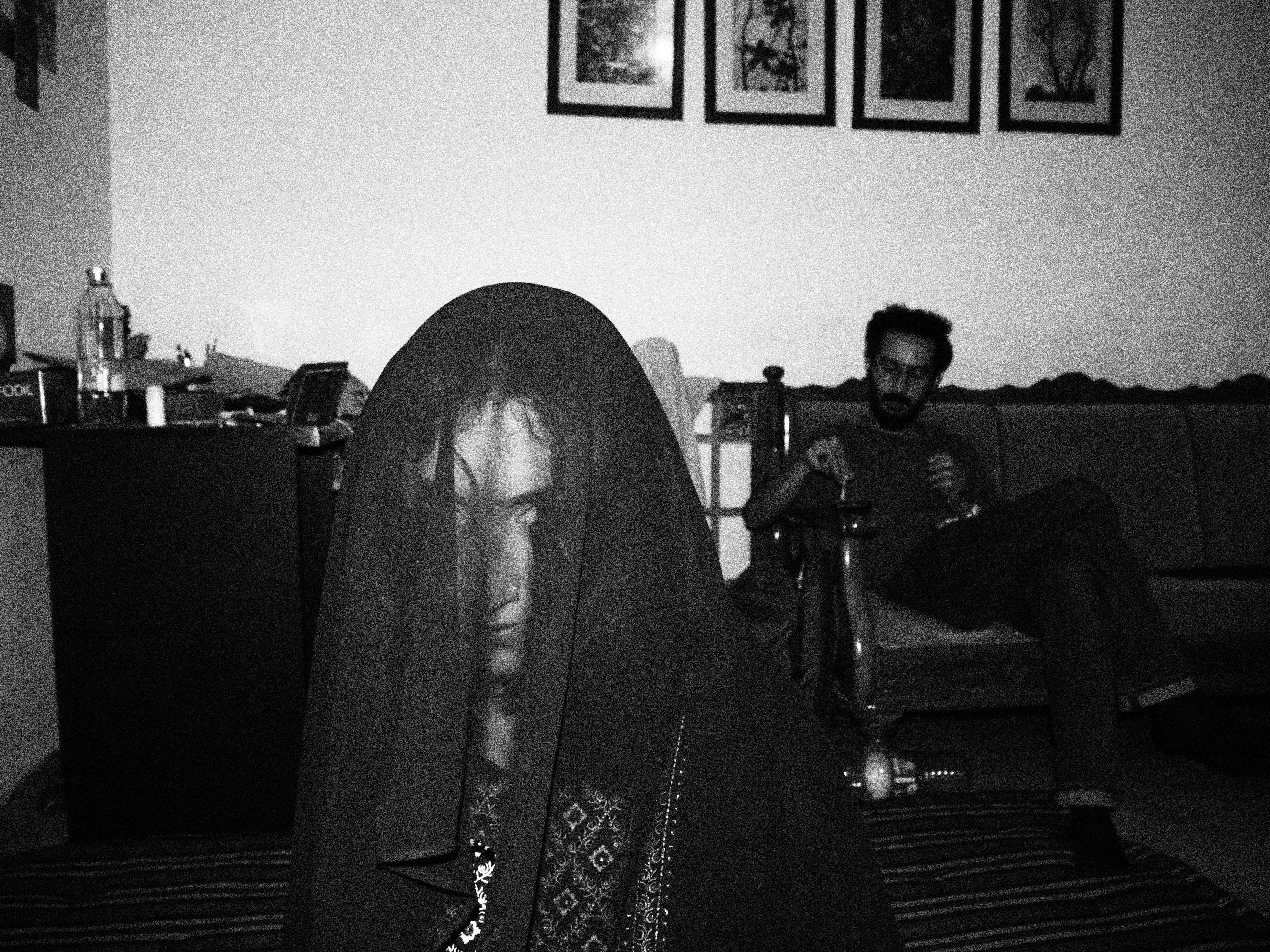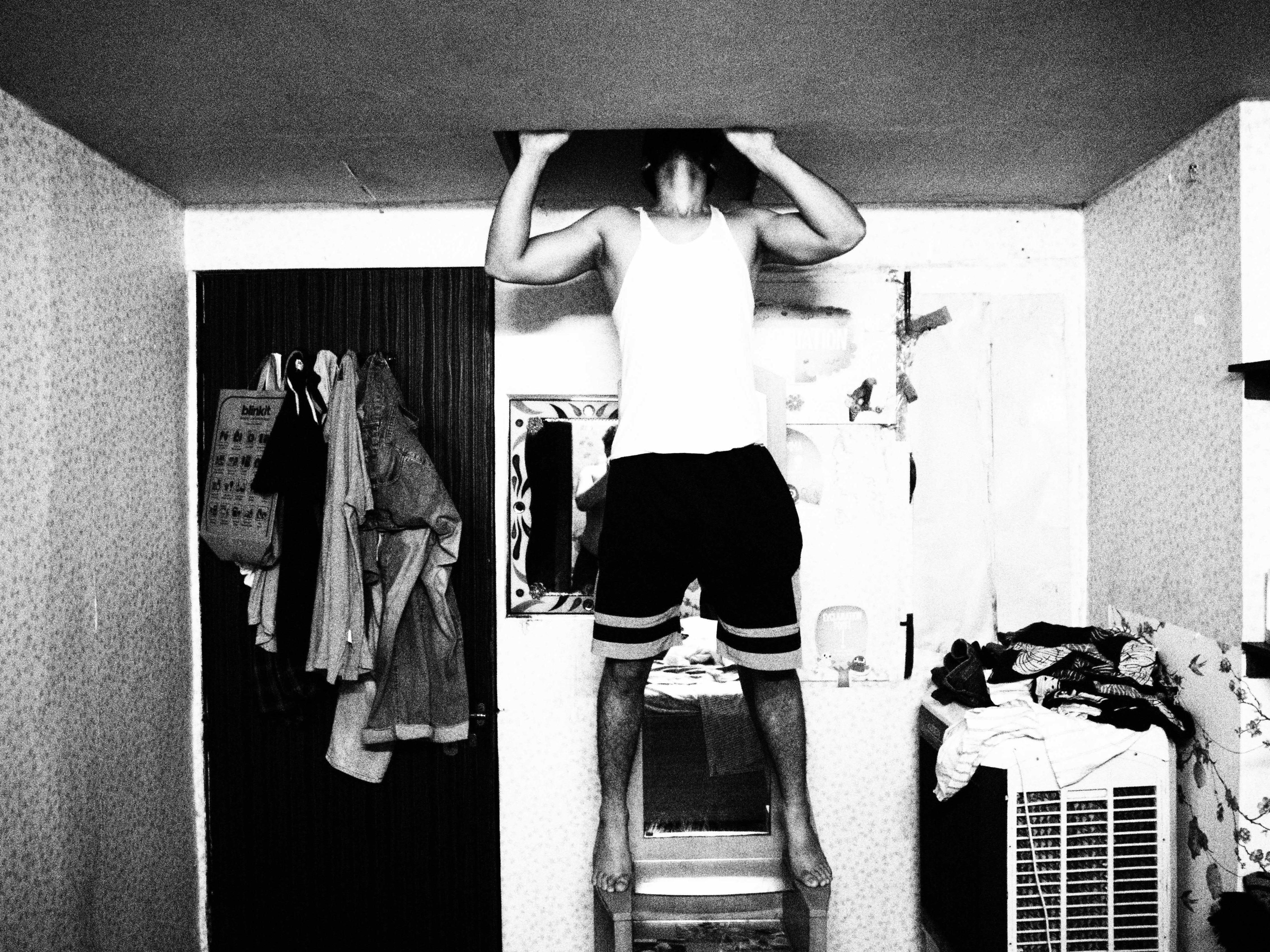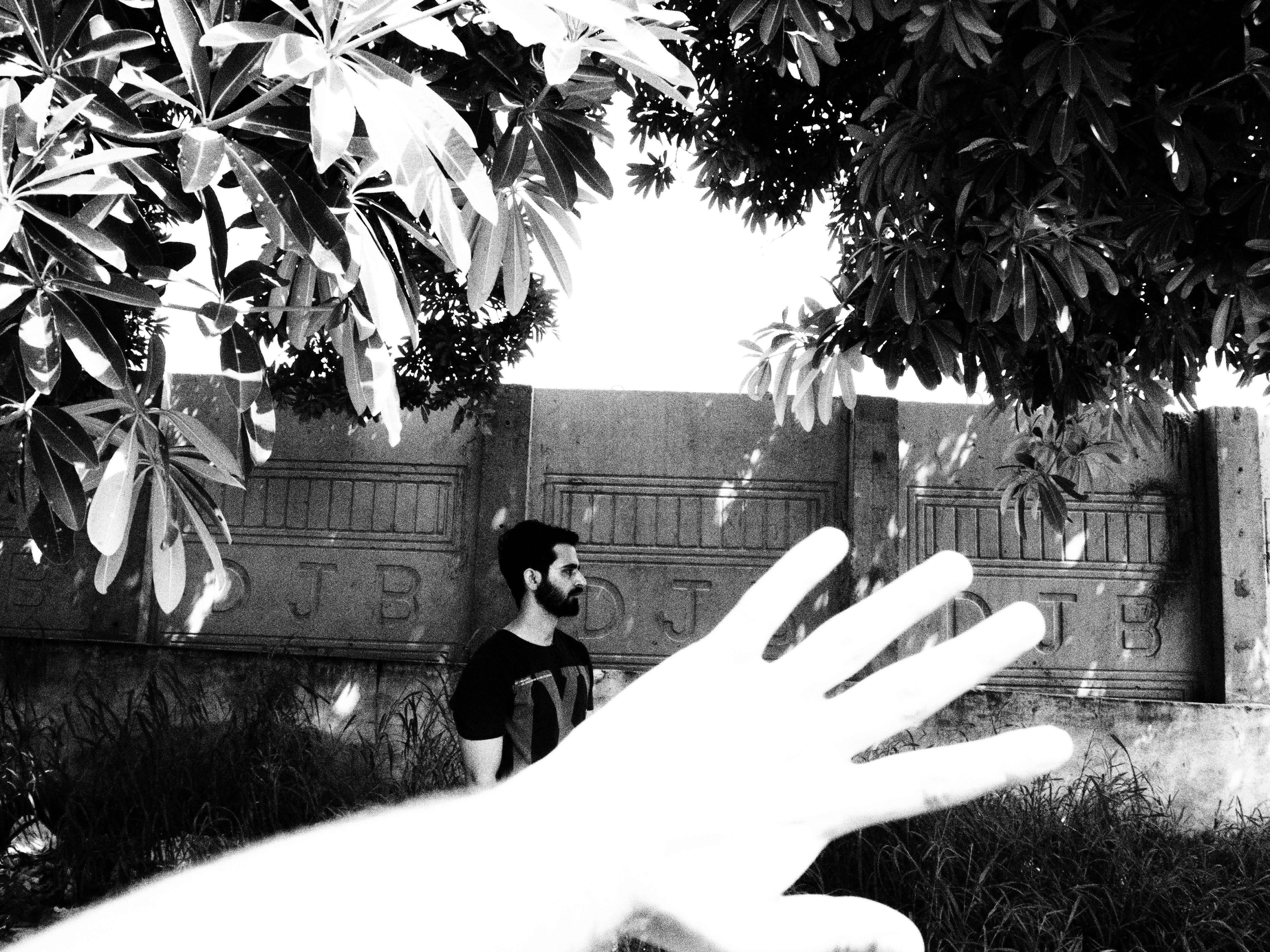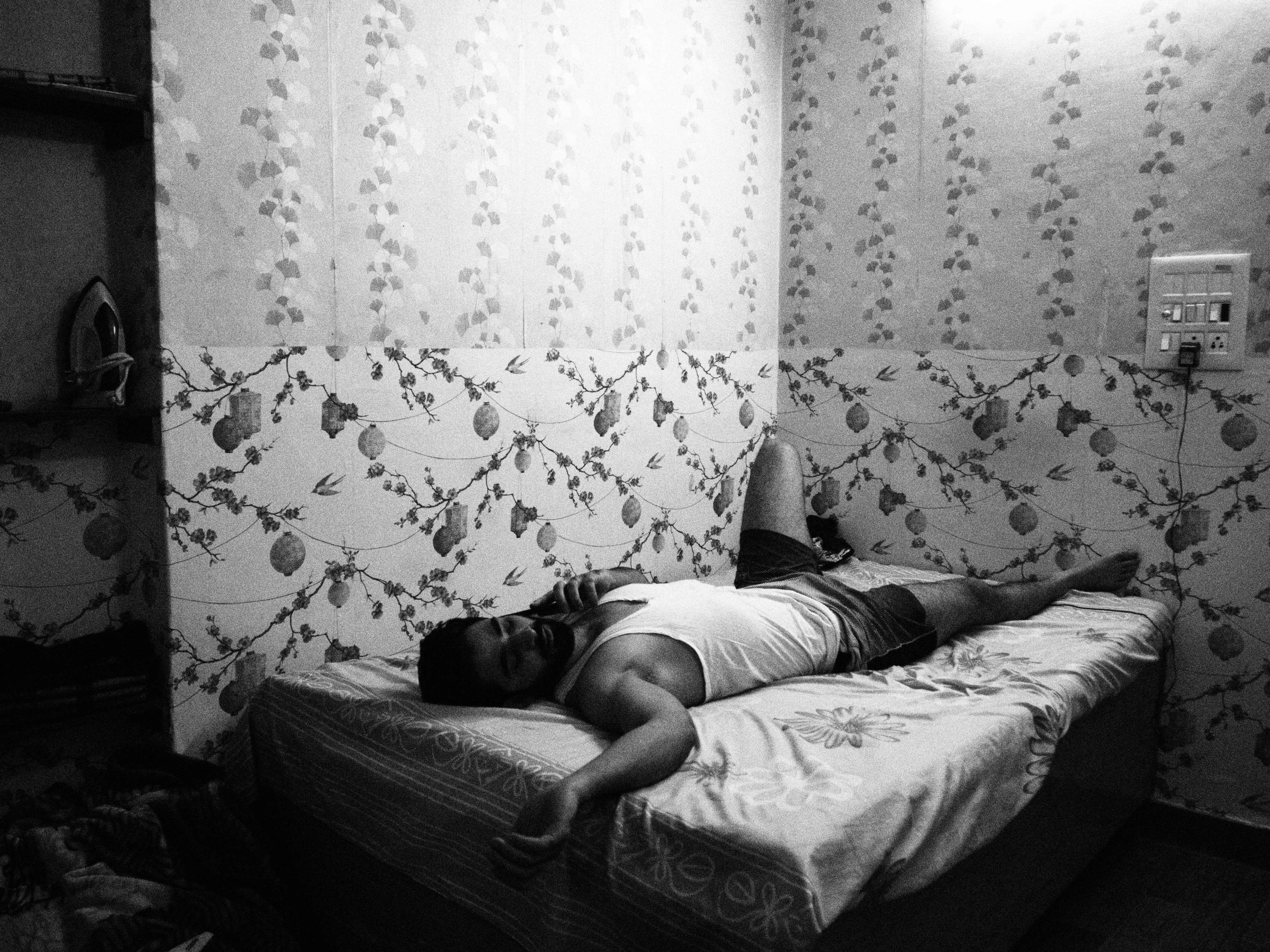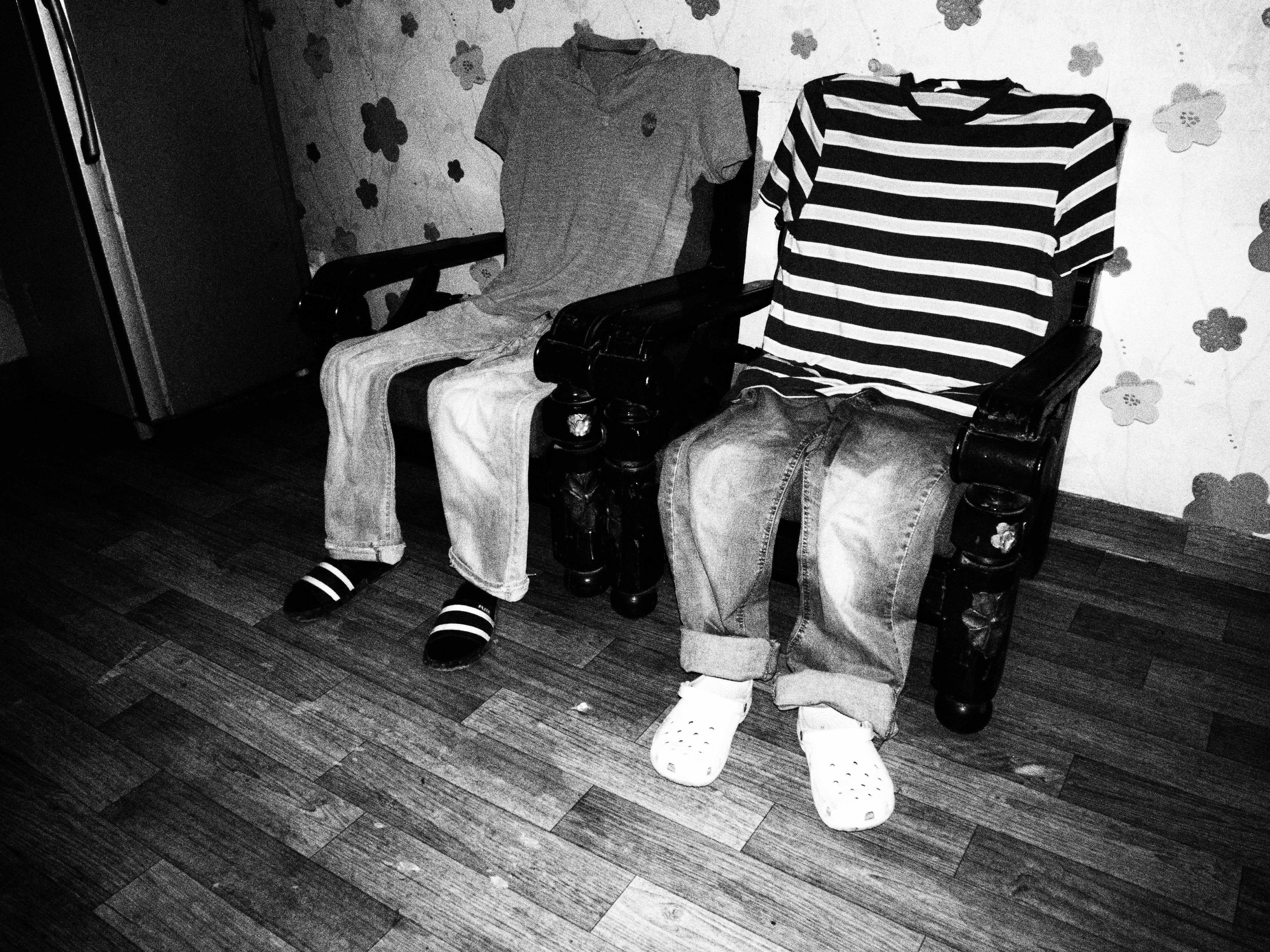


Hawhukh Matzchar/ Maddening Winds: Keep Me Home, in Kashmir
"A photograph can confirm what we implicitly understand but cannot express. In my opinion, the best images are those for which we cannot find words.”
When I said to my friends that I was shifting back to Kashmir, they asked, "What will you do with your life there?" They often describe how there is nothing left to do: no jobs, no gigs, nothing left to build. The jobs that may be available do not pay enough—it is almost like Begar (forced labour). At first, their words hit me like a physical weight, bringing on bouts of sadness that stayed. Soon, I realised that they were right. The mind bugs when it confronts a reality that you do not want to face. It does not let you settle. I began to fear that going back would not help me recollect myself—I would simply be there, as I have always been, struggling against my own shadow.
I sat down and drank a cup or two of chai and tried to not let my mind play tricks. There is a widespread phenomenon here in Kashmir: the feeling of losing everything. Then, with a smirk, I remembered that we have already lost everything there is to lose. What is even left to fear? We are "trust-deficit souls," we people of Kashmir—attuned to the rhythm of a life where something is always bothering us. Our homes do not feel like places you would return to, and yet the words of the fourteenth-century Kashmiri Sufi poet, Sheikh-ul-Alam—also known as Nund Rishi—encapsulate our hearts’ desire:
"گھرِ ونٛدھے گھرِ ساسہ، برِ نیرہے نِہ زانٛہ"
“Ghar’e wandhai ghar’e saasa Barr’e nearhai ne zahn”
(Home, I would sacrifice a thousand houses for you;
I would never wish to step beyond your threshold.)
Last winter made me realise that I have not been happy with my practice. The visual medium has often made me feel frustrated. I constantly feel a disconnect between what I think and what I produce. People might imagine the majestic mountains of the Pir Panjal range as an inspiration or driving force for us. But no, they are just big mounds of earth situated around us, which many a times make us feel claustrophobic—big mountains, big egos and someone on the street to crush them every day. Do people like us even have a choice?
I am constantly reminded of the old saying:
کَمِی کِھیمَو مَگَر غَمِہ رُستَے
Kami khimo magar ghame rustey
(We would prefer to eat less, if only it meant living without tension.)
This sentiment is ingrained so deeply within me that it eventually pushed me back home. They say, “two steps backward is still a step taken,” but the ground has shifted beneath us.
The distress is everywhere—economic, social and emotional. When a place ticks every box on the checklist of crises, you are left with no option but to leave. We are like trees being pulled out by the roots, searching for soil that can offer nutrition. Life is harder than we imagined. The people we grew up with are no longer there—the streets feel desolate, like a jilted lover awaiting the return of the beloved.
We all shared the same dream—of being nestled in the place where we were born, of becoming "someone," doing something in the place where we grew up. We imagined living with the same friends in the familiar place we call “home”…
But the circumstances of that place we call home have pushed us out to avoid the conflict, to survive. Yet, no matter how far we travel to escape it, the conflict shapes us. We carry its weight in our bones, wherever we go. It haunts our dreams.
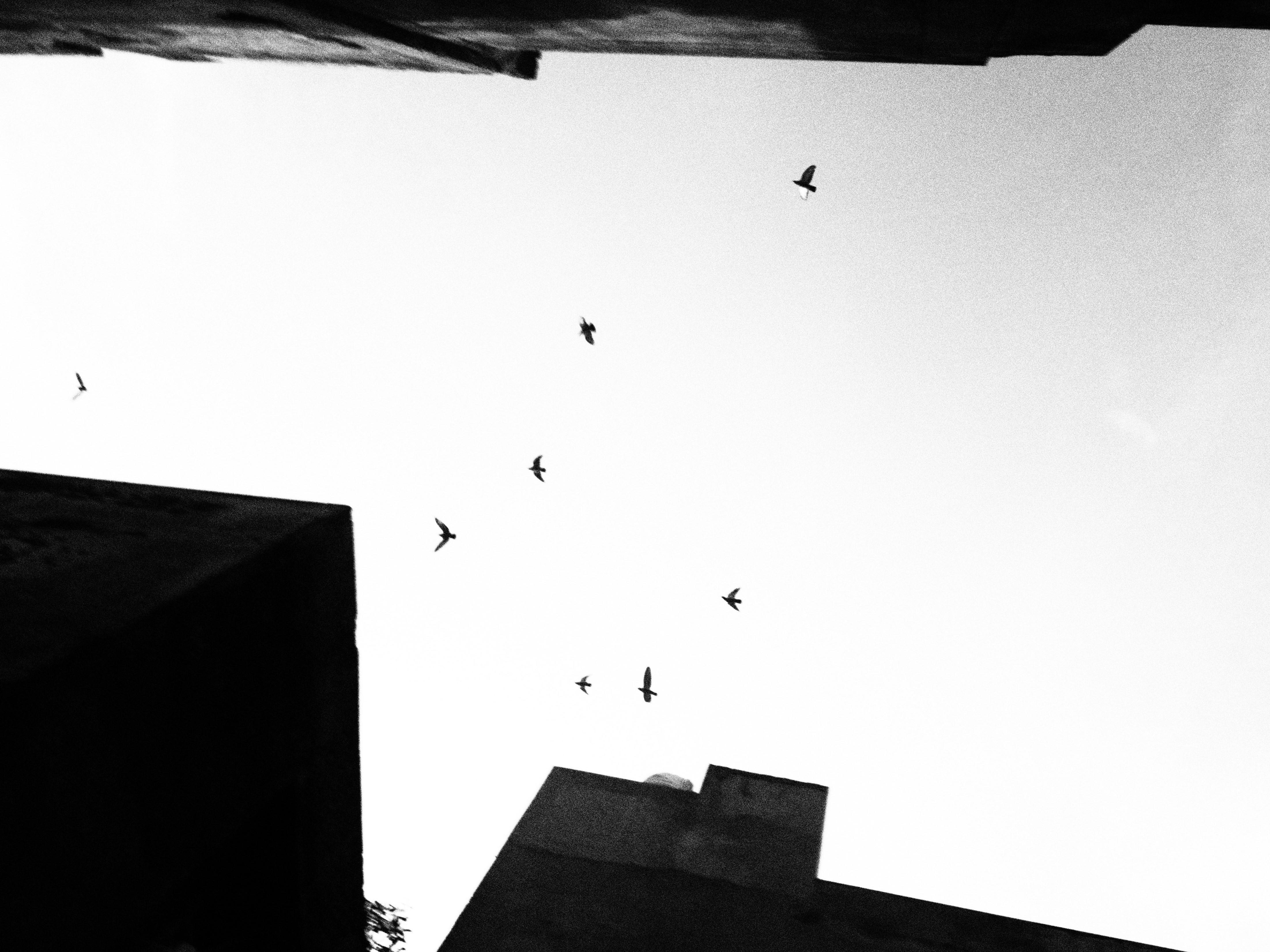
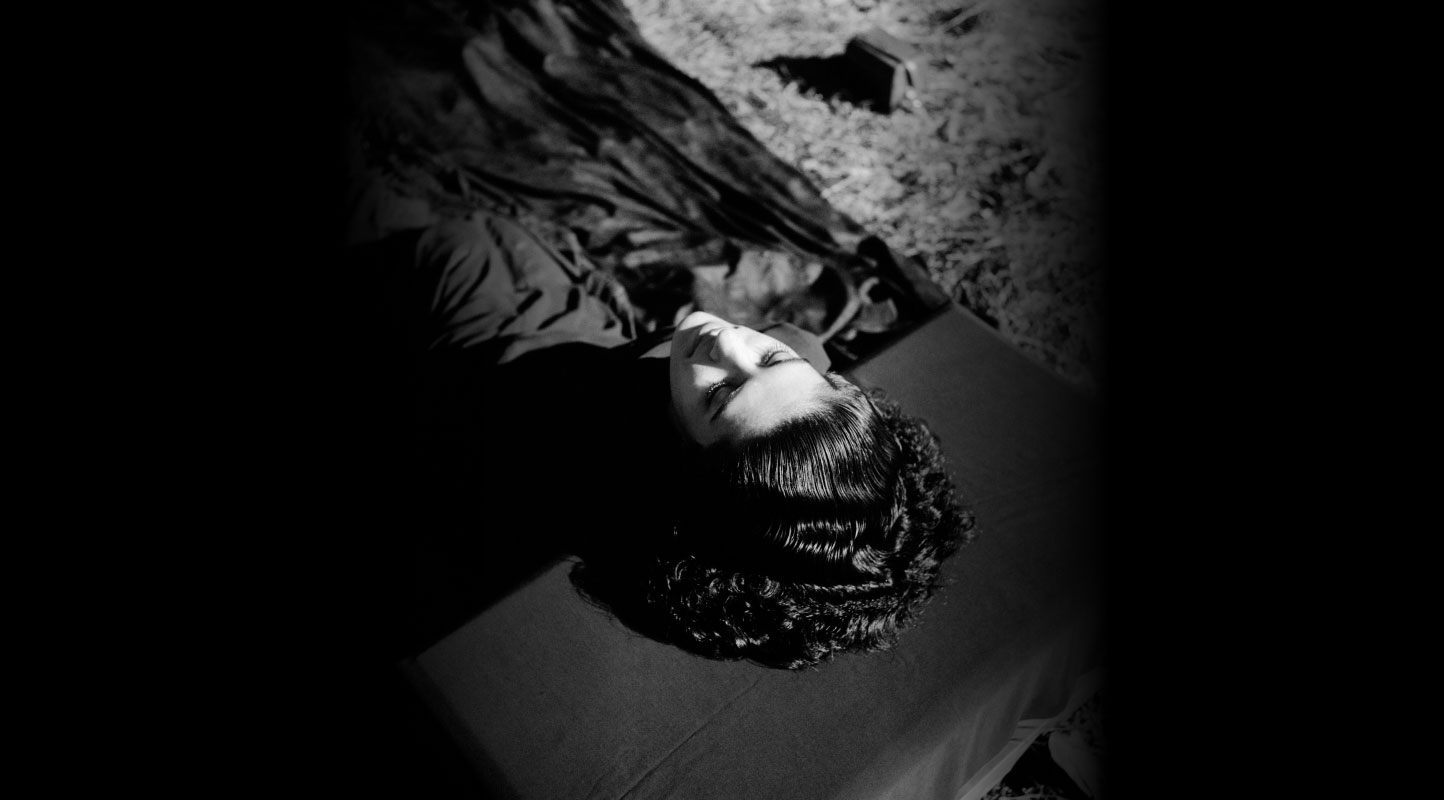
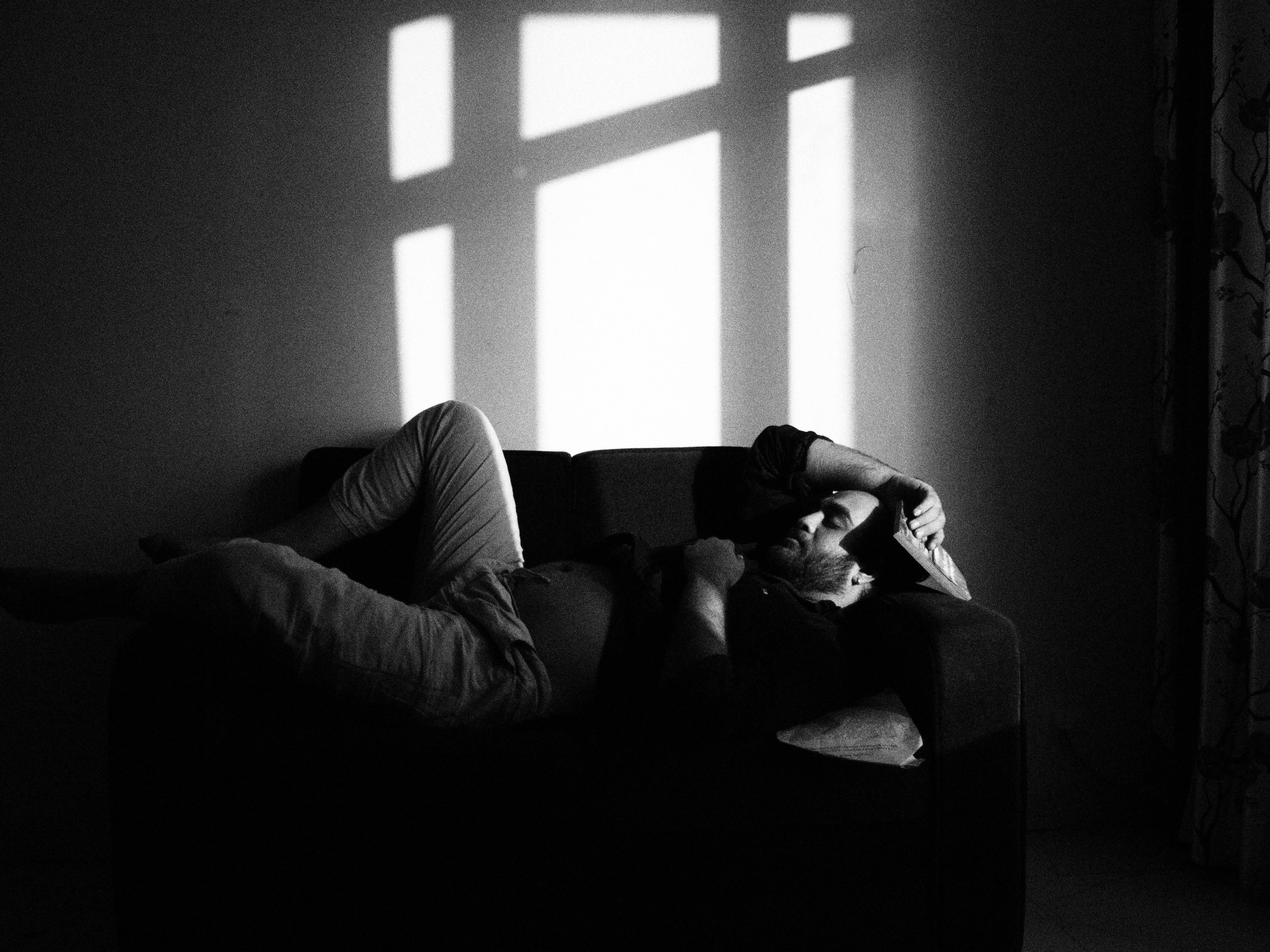
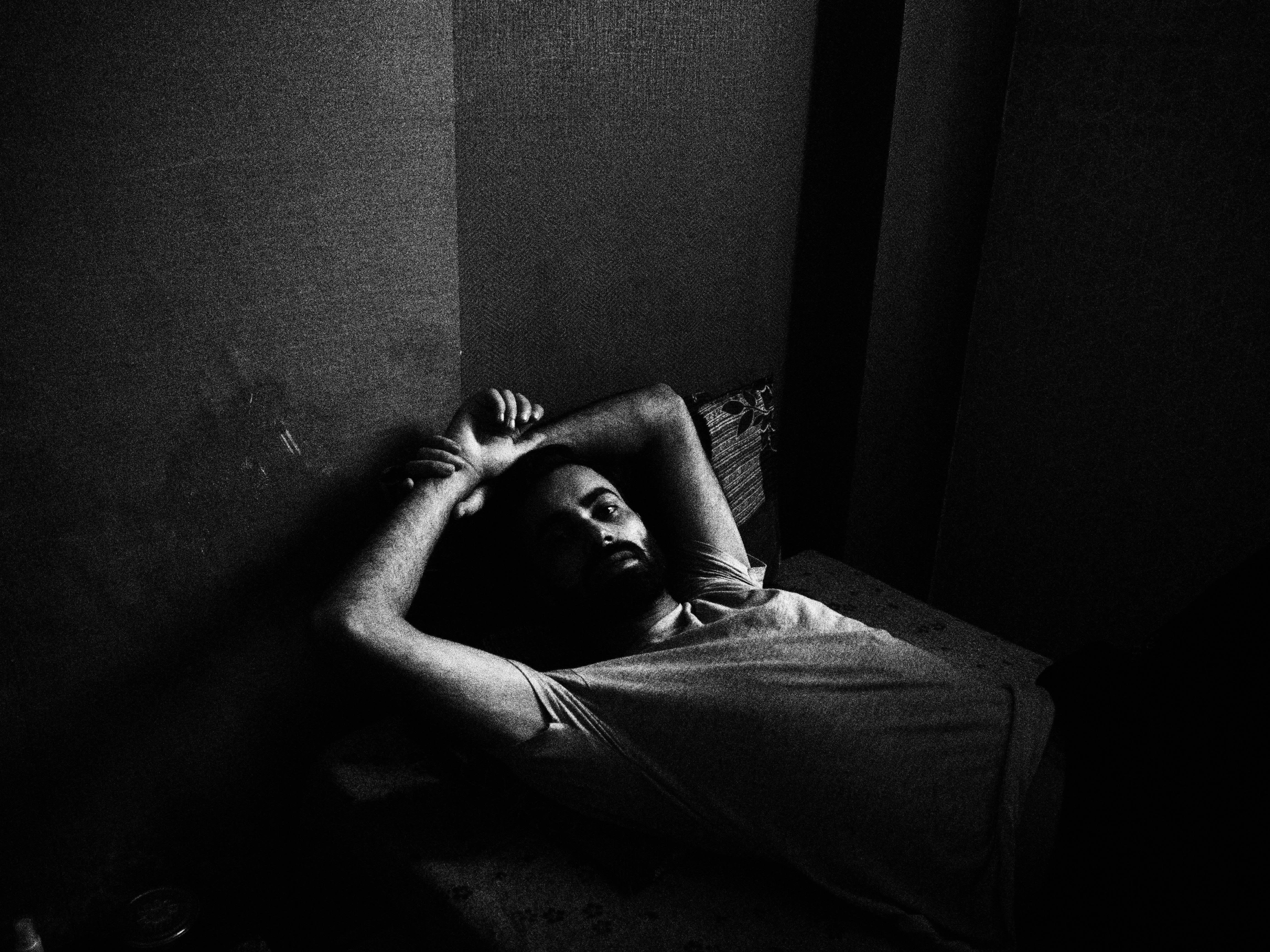
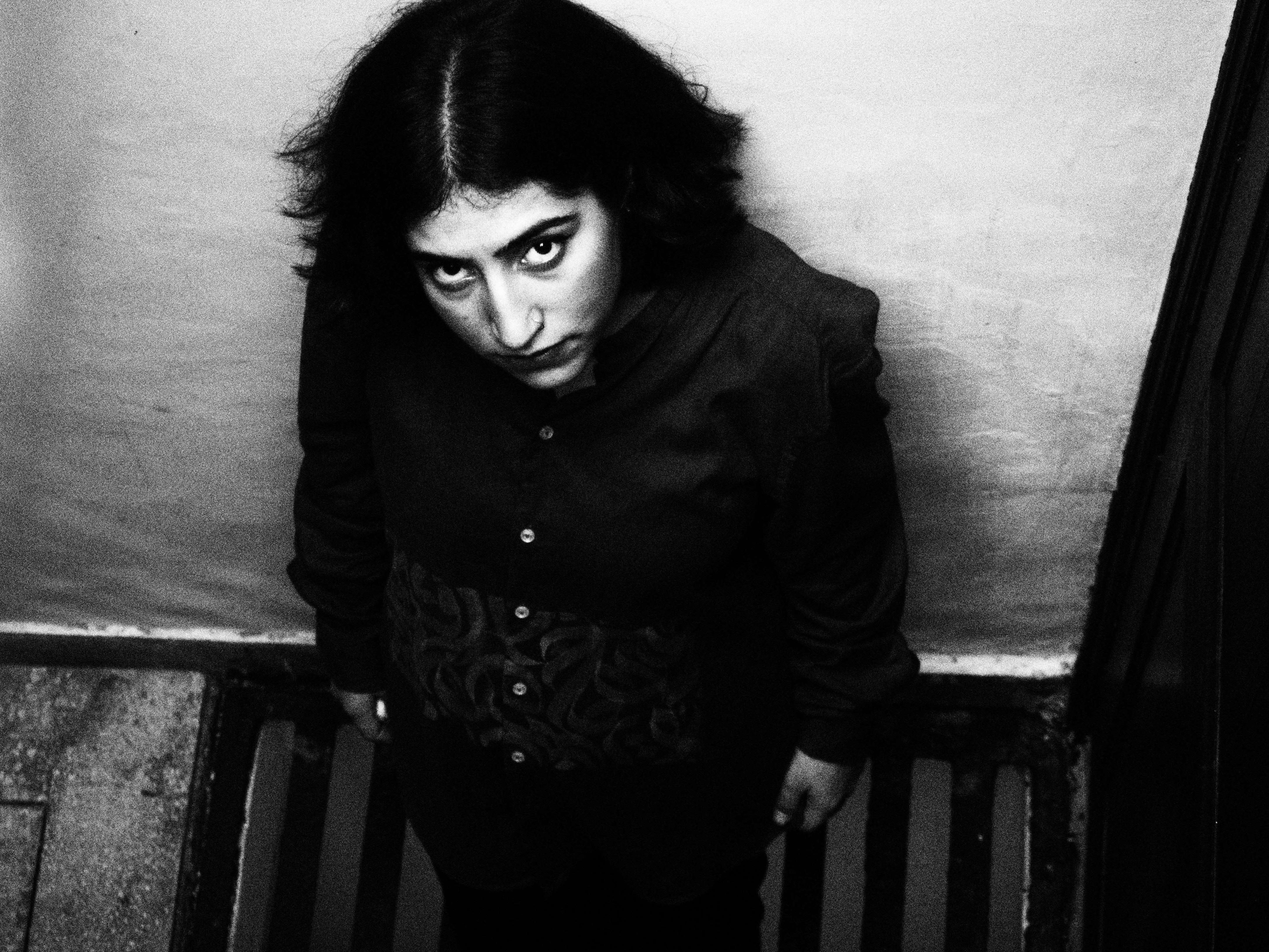
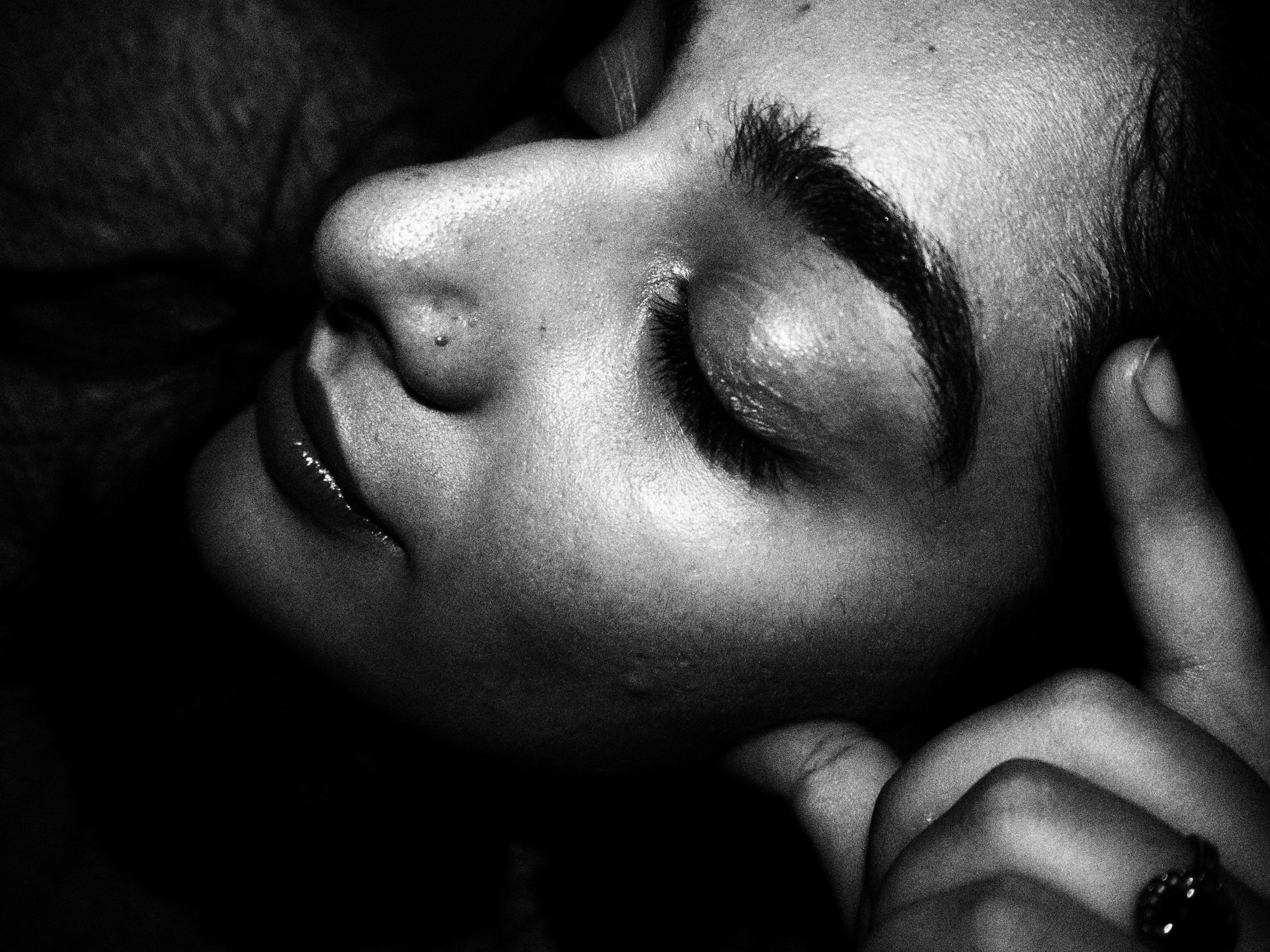
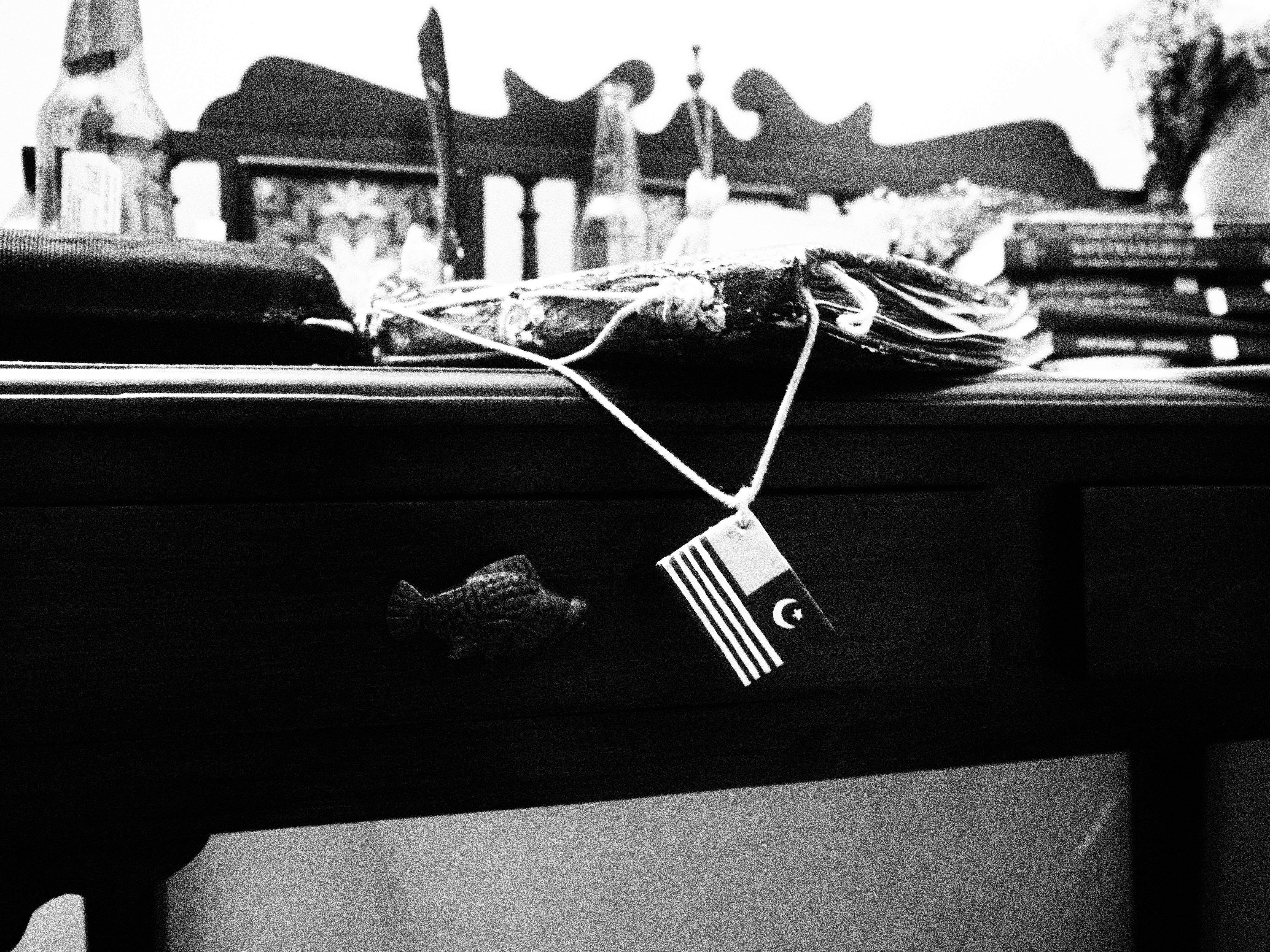
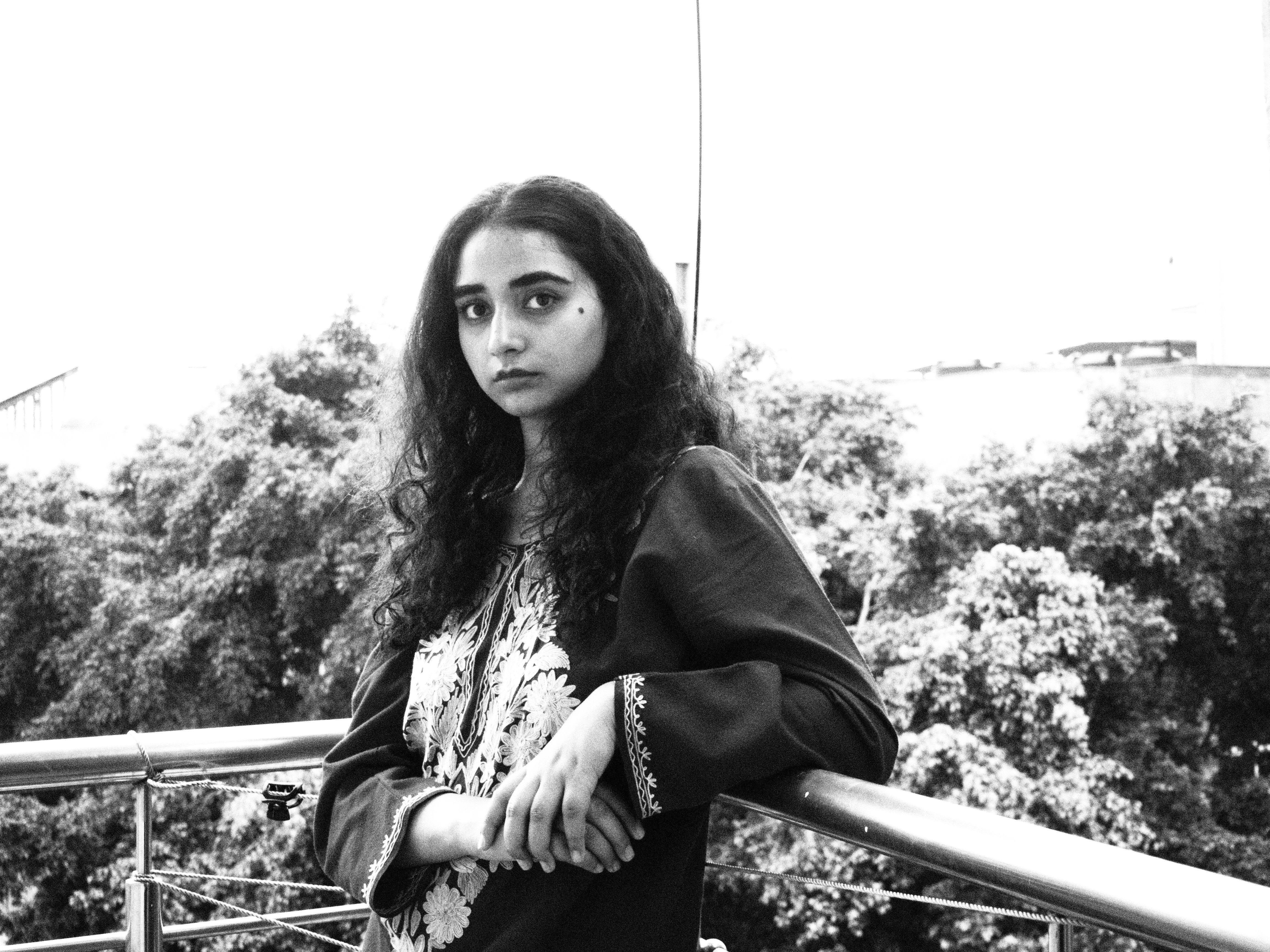
Incidentally, Hawhukh Matzchar/ Maddening Winds—the title for this photographic series—was inspired by something I was moved to write following a vivid dream:
وَرَنڈَس پیٹھ بَہیِتھ، ہَواہُک مژ
وُچھان وُچھان، پیو چھلؠ چھلؠ مِیون مَکان
Verandas pyath bihith, hawhukh matzchar
wuchan wuchan, pyov chehli chehli myun makaan
(While sitting on the veranda,
I watched maddened winds ravaging my house, piece by piece.)
This project has been developed under the mentorship of Srinivas Kuruganti as part of Imagining Narratives, a remote three-month long photography workshop, organised by Serendipity Arts Foundation in 2023.
To learn more about Kashmir through representation of lived experiences, read Ishtayaq Rasool’s essay on Mohamad W. Ali’s Searching for Grandpa (2025), Abdul Basit’s reflections on Iffat Fatima’s Khoon Diy Baarav (Blood Leaves Its Trail, 2015), Zoya Khan’s photo series, Skin of the City (2024–25) and Asim Rafiqui’s two-part essay on Sufi shrines. Also read archival explorations in Mehran Qureshi’s two-part essay Kashmir: "The Poem and the (Impossible) Picture," Sukanya Deb’s conversation with Siva Sai Jeevanantham on family albums of disappeared persons in his series In the Same River (2017-21), Najrin Islam’s curated album of Moonis Ahmad Shah’s series Telegrams to Bollywood from a Mad Landscape Scout (2017), Irtiza Malik’s speculative narrative, Kitna Yaad Thayega? (2022) and Senjuti Mukherjee’s conversation with Alana Hunt where the artist discusses her book, Cups of nun chai (2020).
For more insights into artists engaging with the idea of home, conflict, displacement and precarity through personal histories, read Santasil Malik’s essay on Obaid Mustafa’s Here Is Where We Meet Again (2022), Ankan Kazi’s review of Rajee Samarasinghe’s If I Were Any Further Away I’d Be Closer to Home (2010-16), Ayushi Koul’s reflections on Mritunjay Kumar’s performance The House Blue (2024), Annalisa Mansukhani’s essay on Vikrant Kano’s family archive In Search of Home (1939–2021) and Najrin Islam’s review of Razan AlSalah’s image-making practice.
All images are from Hawhukh Matzchar/ Maddening Winds by Adil Manzoor. Delhi/ NCR, 2023–ongoing. Images courtesy of the artist.
Click on the image to view the album