

Deepa Mehta's Fire: Thirty Years Later
Deepa Mehta’s Fire (1996)—the first film of her three-part Elements trilogy, followed by Earth (1998) and Water (2005)—explicitly challenges the institution of Hindu marriage. It is loosely based on the 1942 short story "Lihaaf (The Quilt)" by Ismat Chughtai, which landed Chughtai in an obscenity trial in colonial India—a charge she fought and won, refusing to apologise. One of Urdu literature's most fearless voices, Chughtai placed female desire, domestic repression and sexuality at the centre of her work at a time when queer desire between women was unspeakable in respectable Urdu literature. That a film drawing on her work would face riots on the streets of Mumbai half a century later reflects the force of her story and, unfortunately, how change has been slow to come.
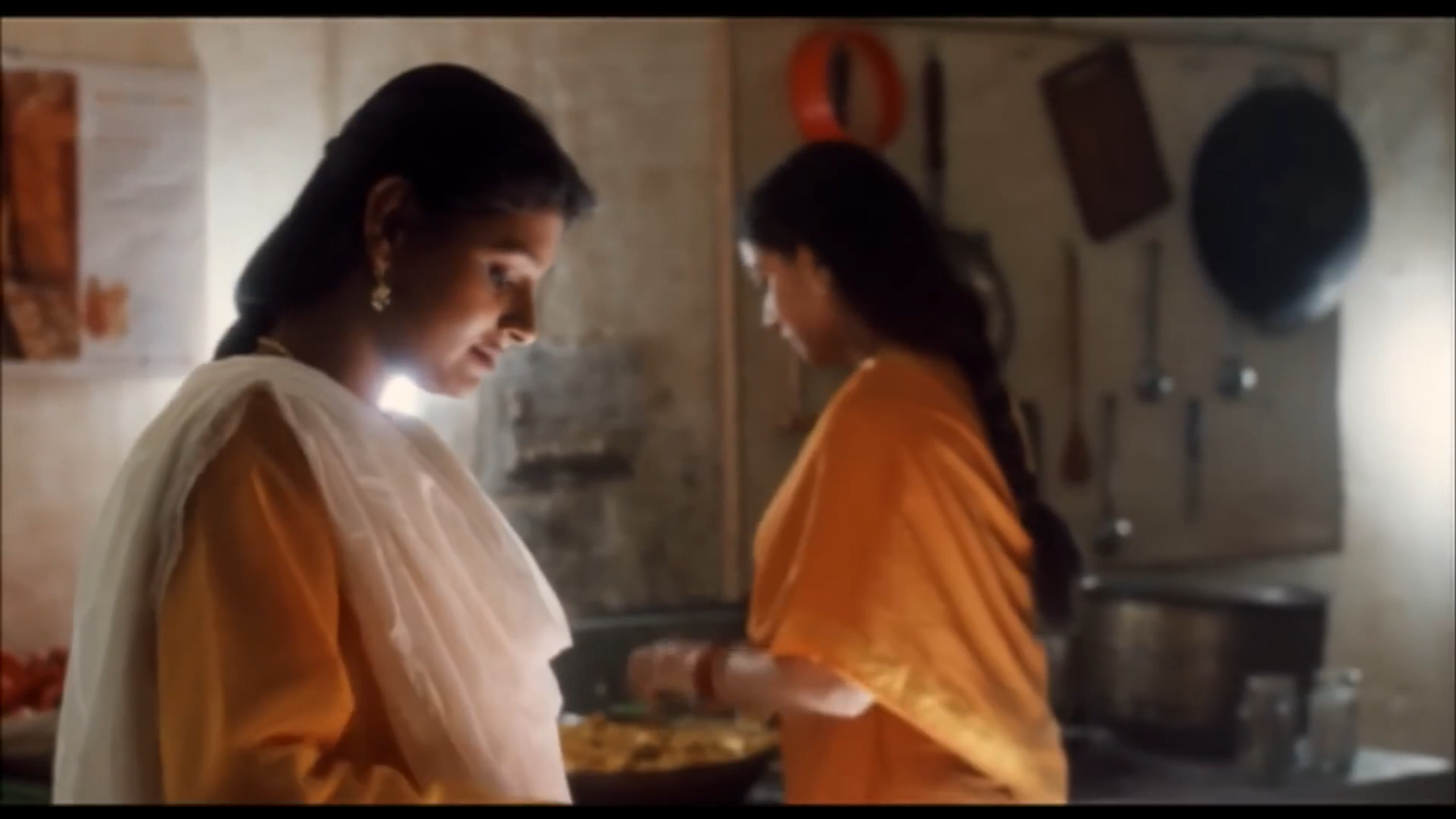
Mehta made Fire just four years after the Babri Masjid demolition (1992) in a country still raw, fractured and deeply polarised from the ensuing violence. Mehta’s decision to name the film's protagonists Radha and Sita—played by Shabana Azmi and Nandita Das respectively—after sacred Hindu figures was not accidental. She was deliberately engaging with symbols that Hindutva had been weaponising; by naming her two protagonists thus, Mehta was constructing a precise theological argument: What happens when the ideal of feminine duty meets the ideal of feminine desire, and both are being failed by their husbands and the patriarchal household?
While Fire premiered at the Toronto International Film Festival in 1996, it was only released in India in 1998 and faced immediate, violent backlash from Hindutva and Shiv Sena groups, sparking a loud public dialogue around homosexuality and the freedom of speech.
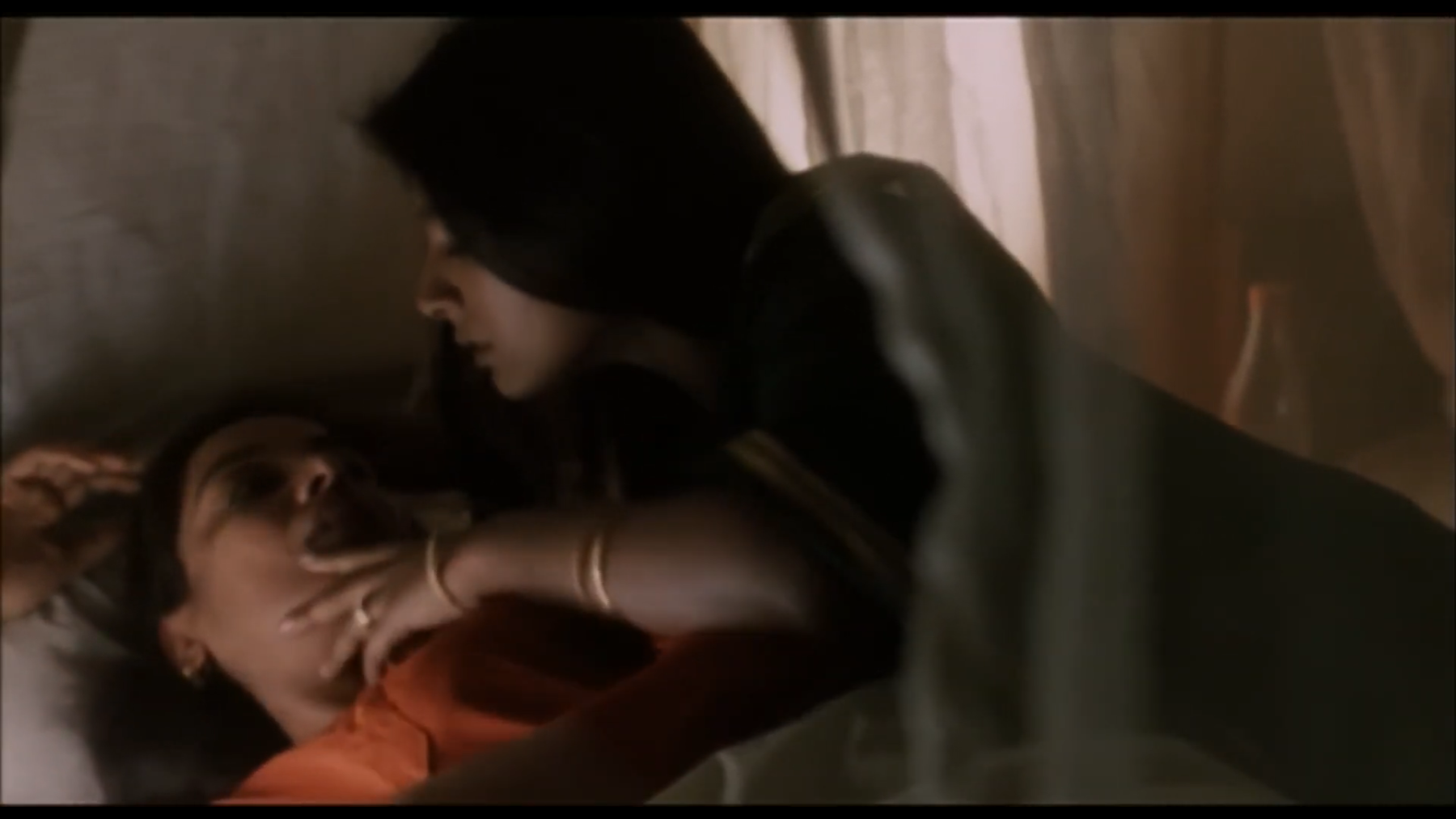
Fire was not just a film about two women falling in love; it was a provocation aimed at the very idea of what "Indian culture" meant at a moment when Hindu nationalists were violently monopolising that definition. The 1998 riots following the film’s release were a continuation of the same street-level Hindutva sentiment that had demolished Babri Masjid six years earlier—this time redirected at a cinema screen. A statement from the Shiv Sena's women's wing declared: "If women's physical needs get fulfilled through lesbian acts, the institution of marriage will collapse, reproduction of human beings will stop."
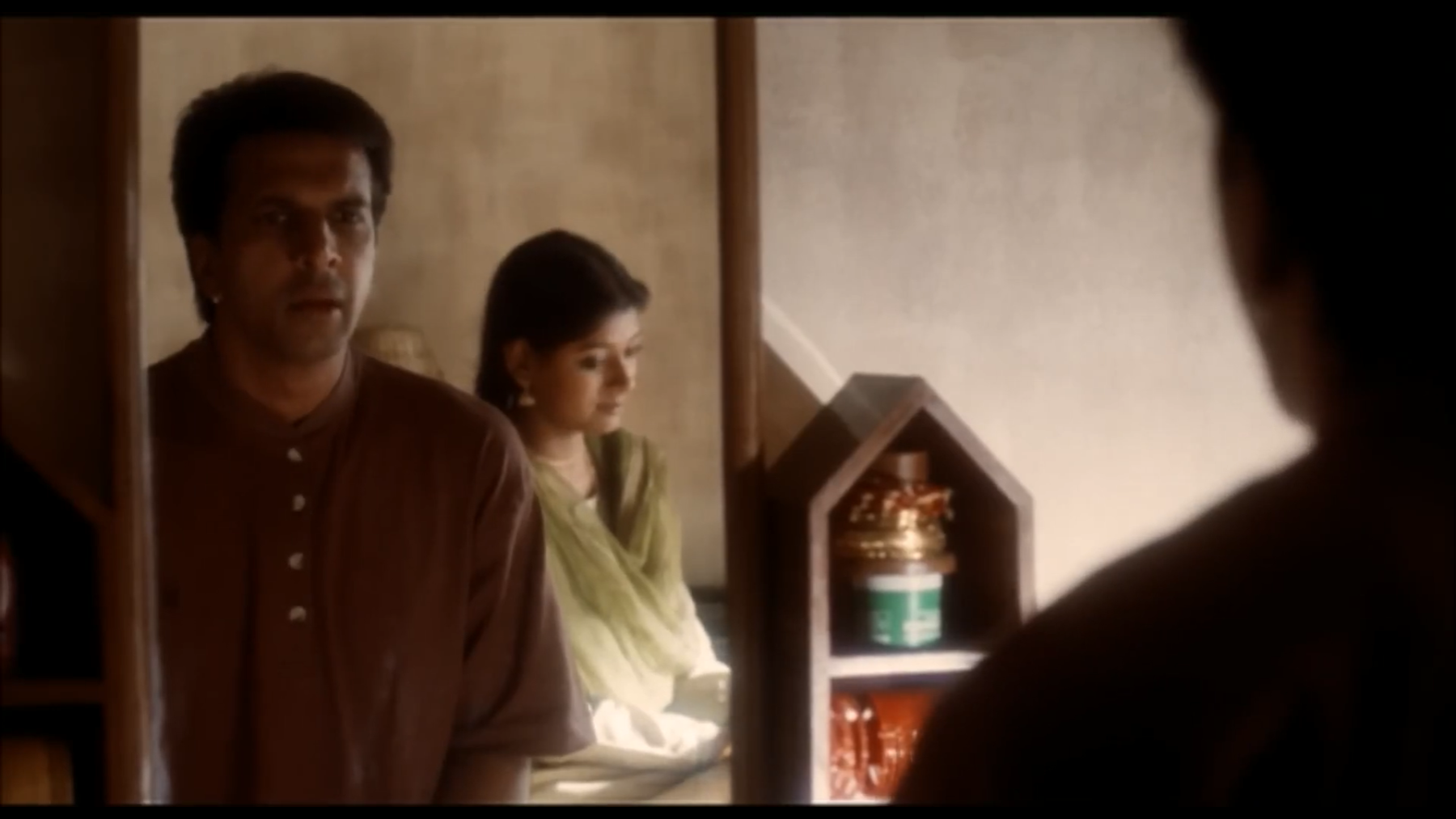
Mehta expressed frustration in interviews that the film was consistently described as a lesbian film. She said lesbianism was "just another aspect of the film" and that Fire was really about "the choices we make in life." In the film, Sita, Radha’s younger sister-in-law, finds the concept of wifely duty almost laughable. She is largely indifferent to her husband Jatin, who has an open affair with another woman. She cries when she first learns of it but quickly moves past it—her complete disregard for the marriage unsettling Jatin more than any confrontation would have.
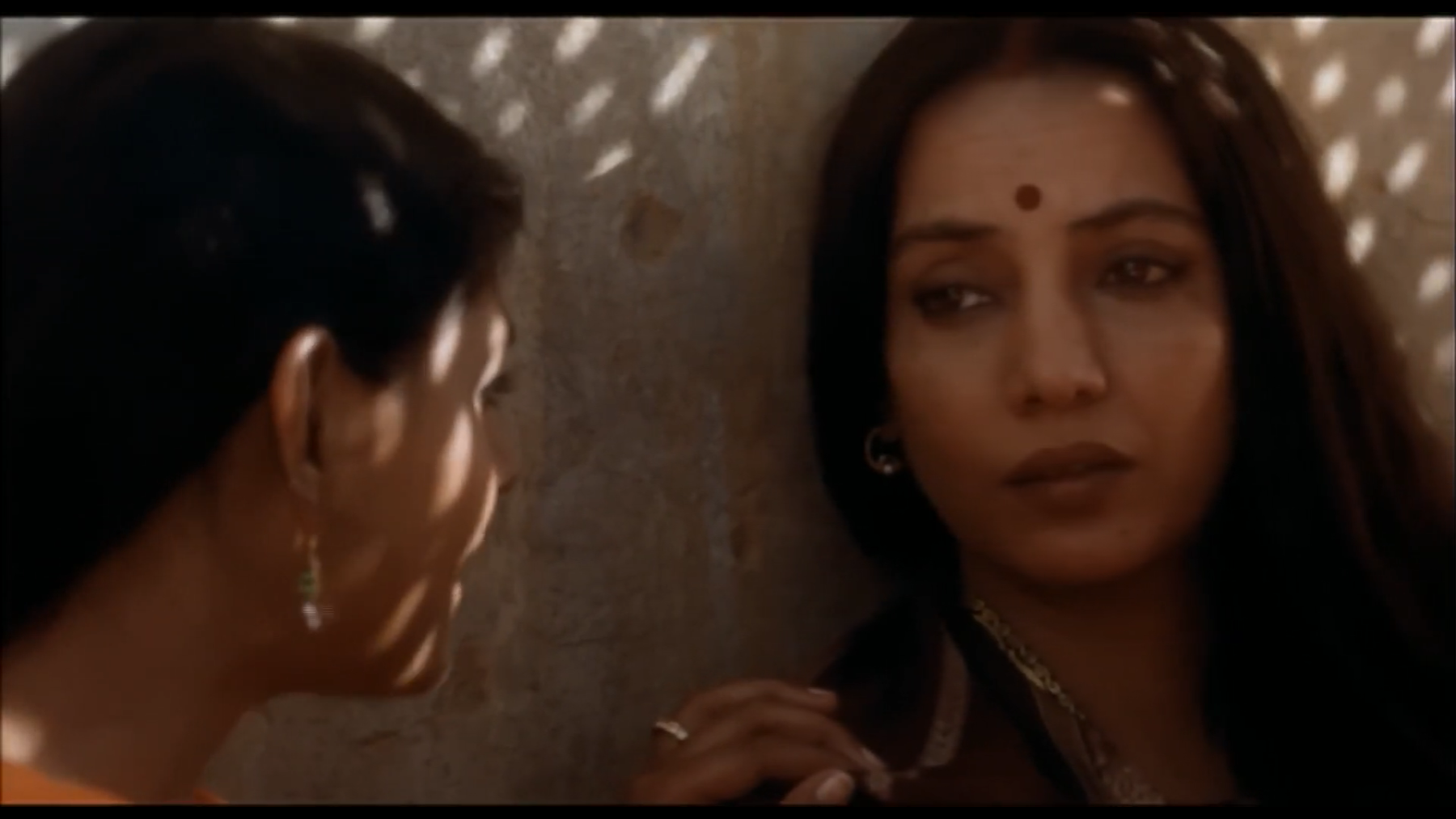
Radha's world is a different kind of trap. Her husband Ashok—at the instruction of a swami (spiritual guide) whose word he treats as gospel—has practiced celibacy for years, channelling all his energy into spiritual discipline. The swami is not a peripheral figure in Ashok's life; he is the authority to whom Ashok has handed over his entire inner world, leaving no room for Radha. On her part, Radha, having carried guilt over her inability to bear a child, has folded herself into the silence of the household. As the househelp Mundu puts it bluntly, "Once you are married, you are stuck like glue. You have no choice but to leave. Sad but true."
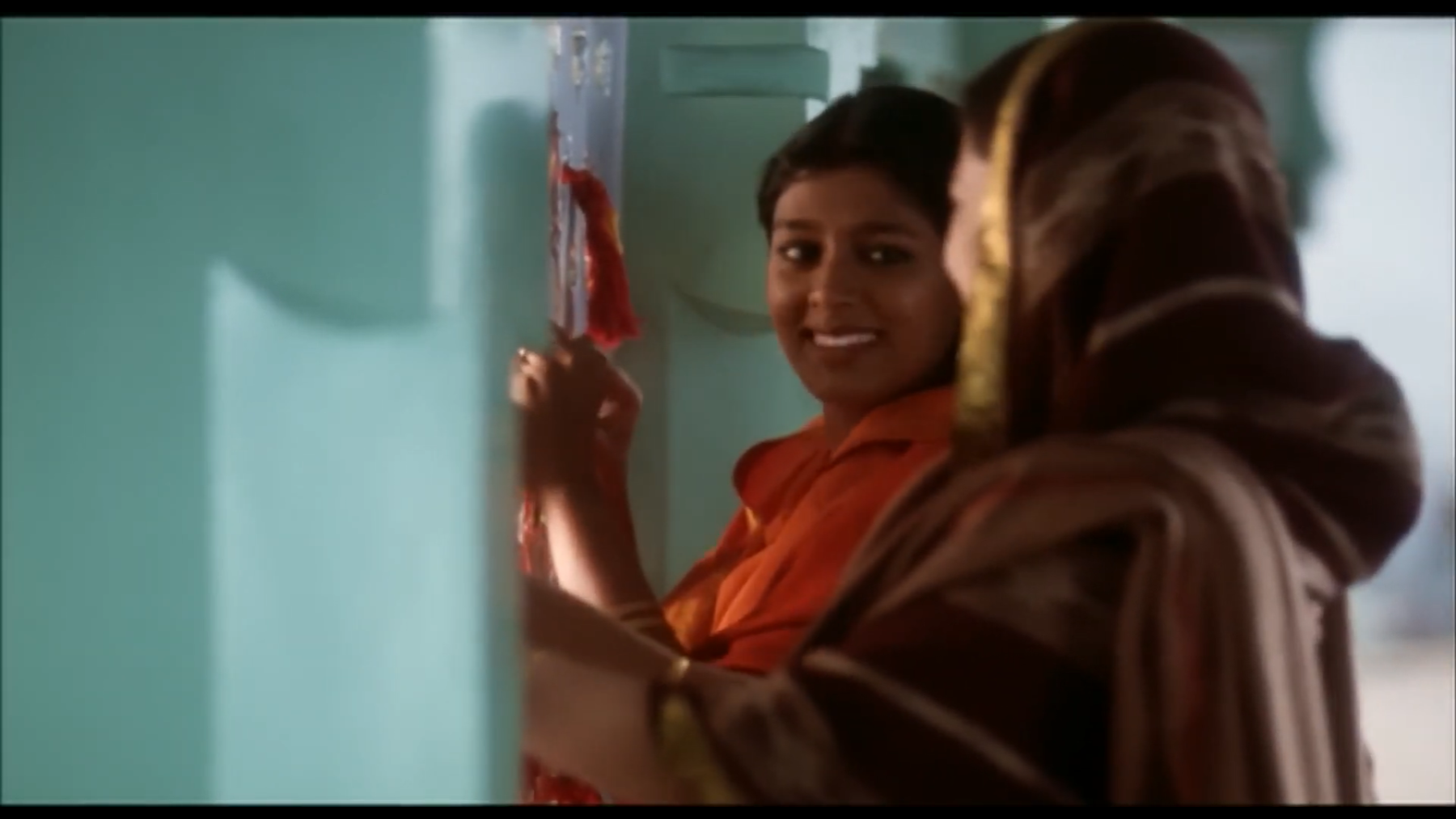
When Sita arrives, she shows Radha the very possibility of a happy life. Slowly, their love begins to bloom. They play games on the terrace. They shut the family shop in the middle of the afternoon to slip away. They visit a dargah (Sufi shrine) together to pray for their togetherness—two Hindu women quietly crossing into a space that was not theirs by tradition, seeking blessing for a love that had no sanctioned name. They were radical in more ways than one.
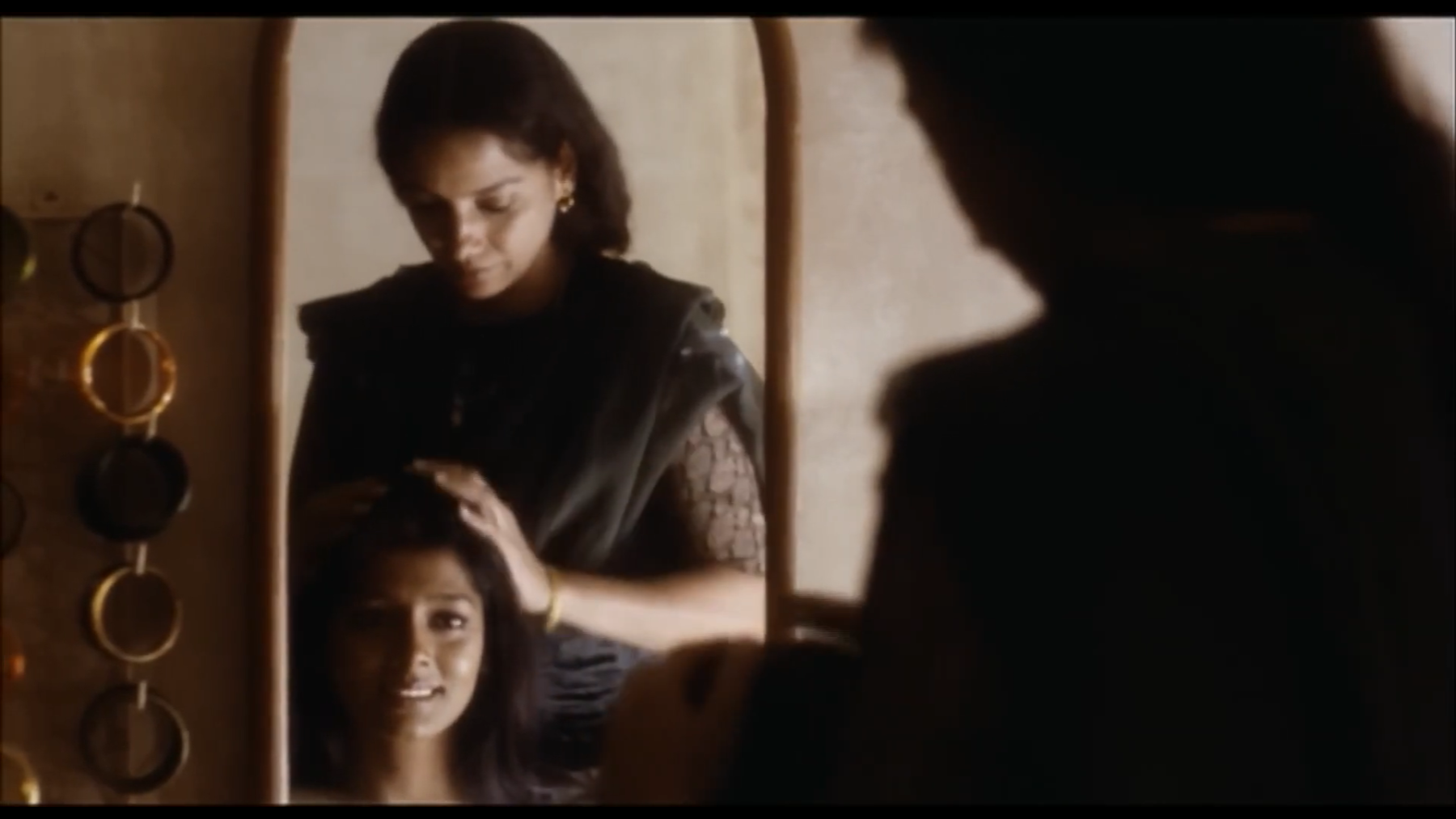
But trouble ensues when Radha catches Mundu masturbating in front of the mute grandmother. She asks Ashok to fire him. In retaliation, Mundu reveals the affair to Ashok, who disbelieves it at first, but eventually witnesses a moment of intimacy between the two women. Radha and Sita decide to leave together and start a life of their own but Radha insists on speaking to Ashok first, asking Sita to go ahead, and promising to follow.
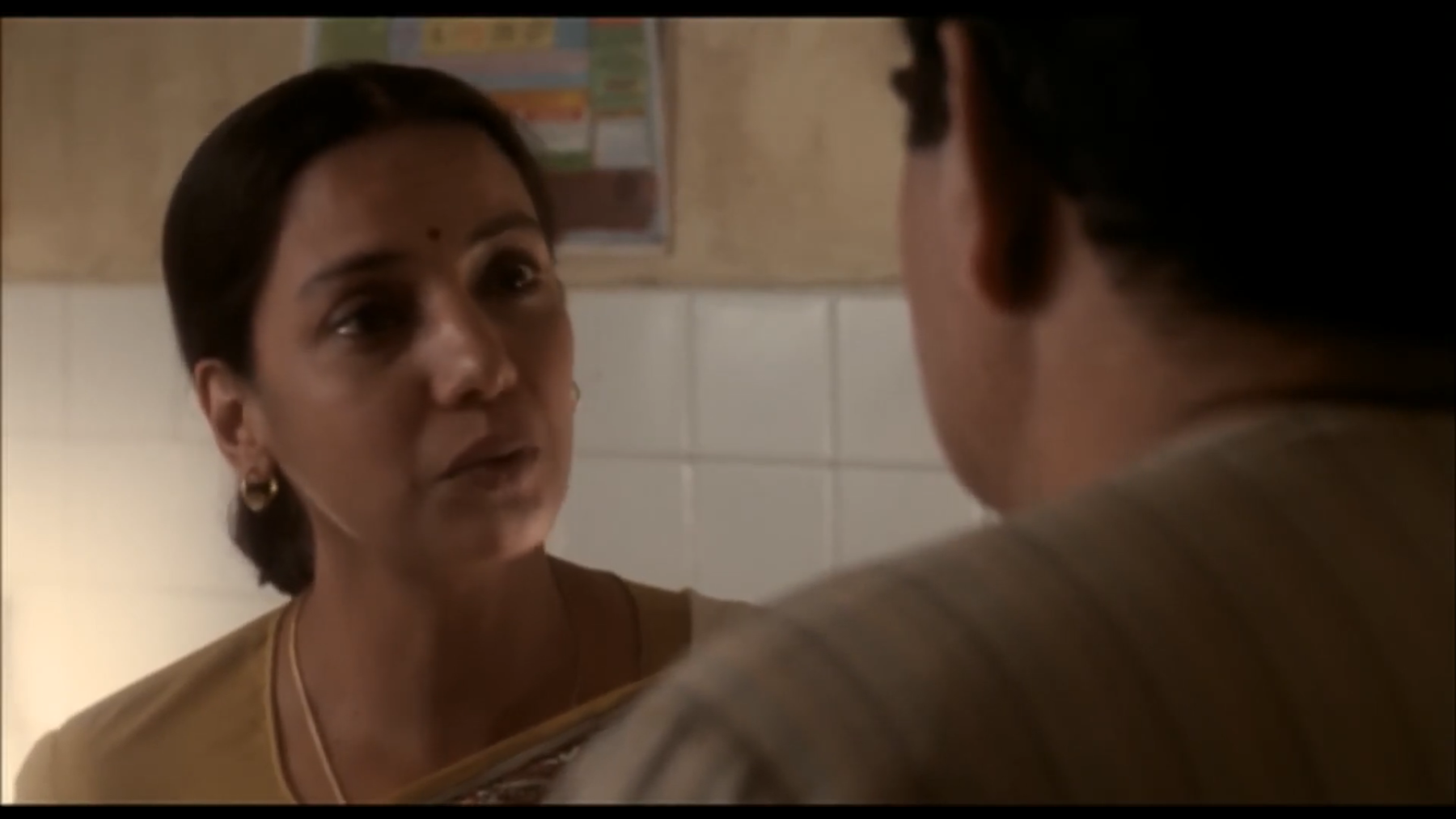
The confrontation that follows is the film's moral centre. Ashok forces himself on her first, exacting submission, then demands that she begs forgiveness for her sin. The central contradiction of his character is laid bare: a man who has, for years, denied his wife all desire in the name of spiritual purity, asserts his dominance the moment his control is threatened. His celibacy was never about transcendence but about control. When Radha refuses to ask forgiveness—when she names her desire out loud and says she chooses Sita—her sari catches fire. Ashok watches her burn without moving to help.
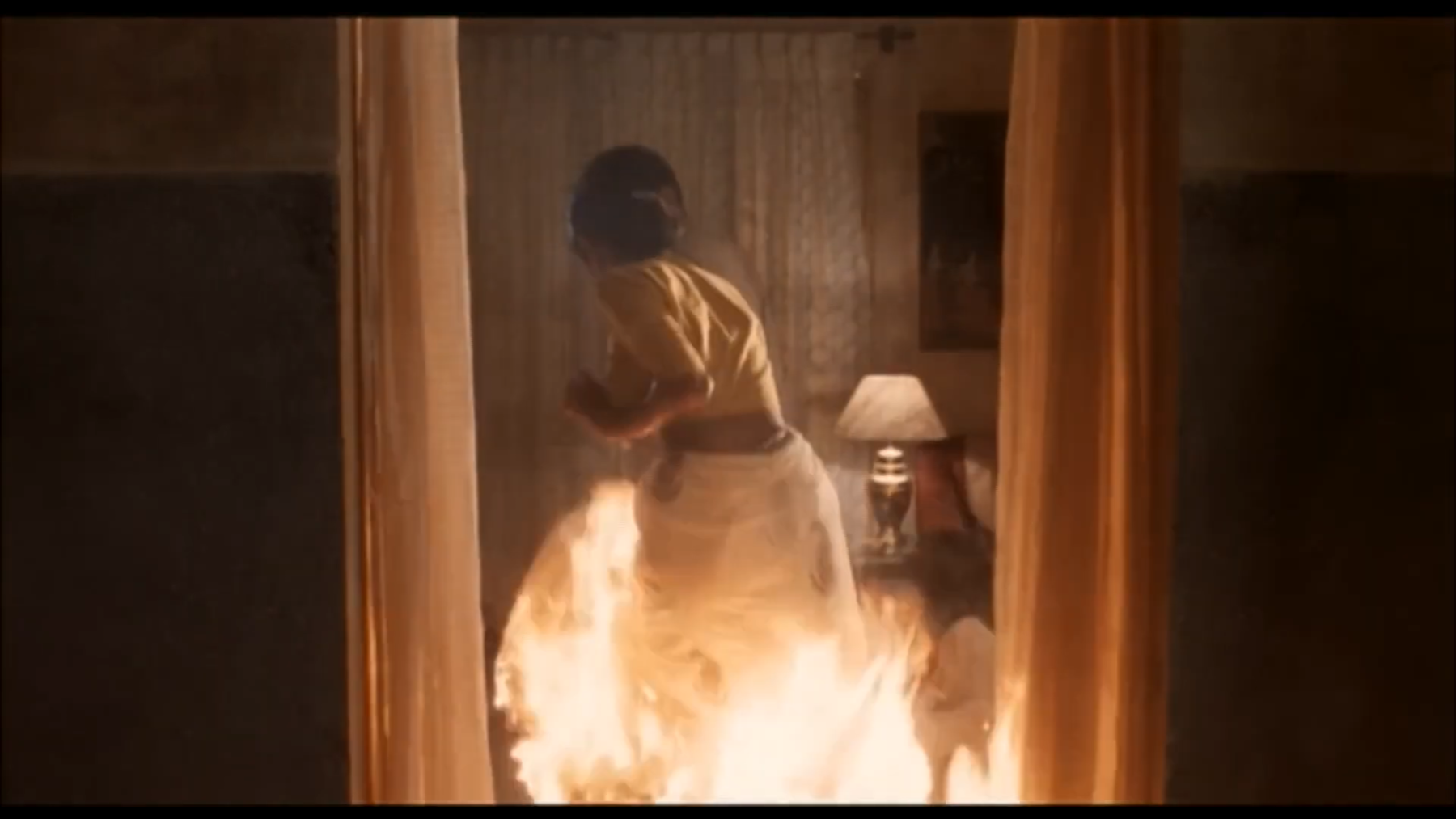
In this moment, she becomes the Sita of the Ramayana, who had to prove her virtue and fidelity by performing the agni pariksha (the moral test of walking into fire). Radha catches fire immediately after declaring her desire—while refusing to deny it. The tragedy of the Ramayana’s Sita is that she fulfilled wifely duty to perfection her entire life, passed the ultimate test of purity and was still discarded. Mehta's Radha refuses the premise entirely. She does not want to be that Sita. The fire does not purify Radha; it frees her, she puts out the flames herself. The agni pariksha, designed to ensure a woman's submission to patriarchal marriage, becomes the moment a woman walks through it and out to the other side—towards desire, towards life.
That Fire could ignite riots on the streets of Mumbai is itself proof of how precisely the film had located the nation's pressure points. At a time when the idea of "Indian culture" was being aggressively redefined, it pushed back against every faultline that definition was built on: gender, duty, sexuality and faith. That collision of theme and moment is why, today, Fire reads less like a film about its era than a record of it—a document of how far a certain kind of freedom could be imagined and resisted in 1990s India.
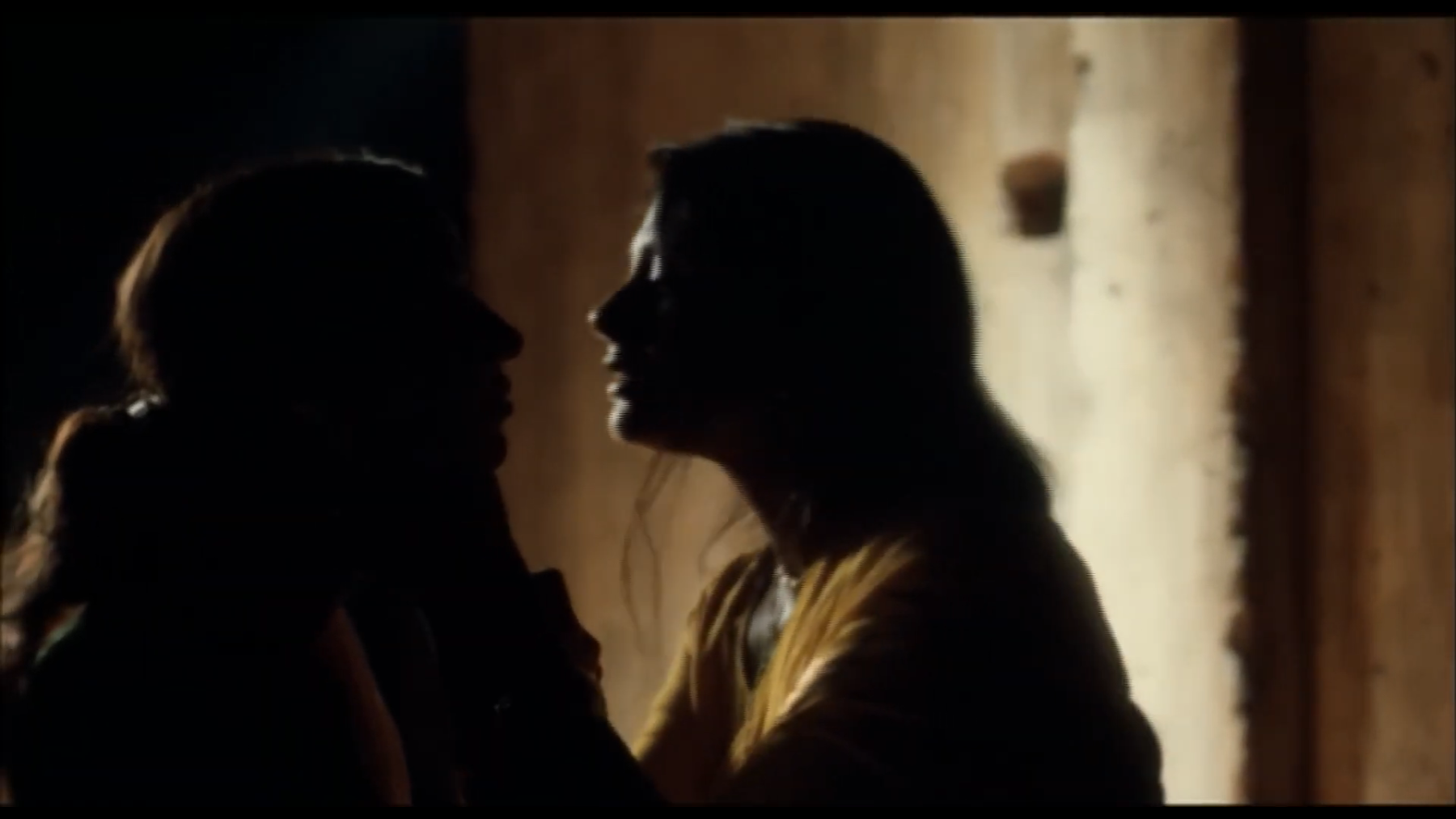
What makes Fire endure is that it was never only about that moment—watching it now, during Pride month, thirty years on from its 1996 premiere, is a way of asking how much distance has been covered since Radha walked out of the fire and how much of that distance is still left for us to walk.
To learn more about artists exploring queer narratives and lived experience, read Upasana Das’ essays on Poulomi Desai’s artistic practice and Charan Singh’s exhibition The Promise of Beauty (2024), Annalisa Mansukhani’s review of Sunil Gupta’s exhibition Come Out (2024) and reflections on Tejal Shah’s video art, Ankita Ghosh’s essay on Naveen Kishore’s Performing the Goddess: The Chapal Bhaduri Story (1999), Kshiraja’s essay on Angelo Madsen Minax’s The Eddies (2018) and Najrin Islam’s review of Saim Sadiq’s Joyland (2022).
All images are stills from Fire (1996) by Deepa Mehta. Images courtesy of the director.