

On Disillusionment and Despair: Sanjay Kak’s Jashn-e-Azadi
As Dante traverses through the realms of suffering to confront moral decay and apathy, Sanjay Kak visits Kashmir to navigate the territory of desire, characterised by melancholia, recollection and disappointment. Kak’s Jashn-e-Azadi: How We Celebrate Freedom (2007) revolves around the theme of disillusionment and despair as it uses sporadic voice-of-God narration to juxtapose Kashmir's historical background with its deteriorating situation at the time of the production of the film.
"...The last Kashmiri king lost power around 1470. Five hundred years of foreign rule followed—Sultans, Afghans, Sikhs, and Dogras…”
-Jashn-e-Azadi (2007)
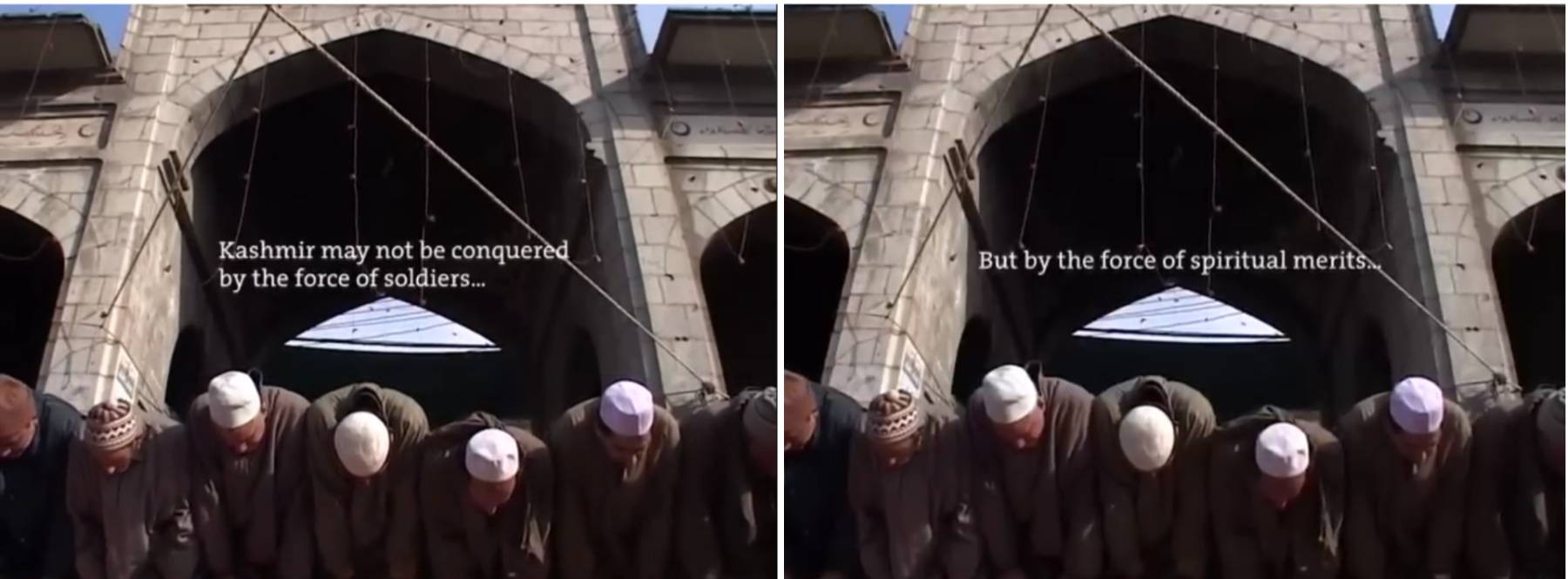
“1947 brought a quick end to the old feudal order where its Muslim peasants had struggled against the oppression of their Hindu king… The next sixty years saw that hope turned into disillusionment to discontent…”
-Jashn-e-Azadi (2007)
The documentary begins with the shot of pheran-clad (a traditional, knee-length, loose-fitting cloak) people running towards the camera, with ambient sounds of the thumping of shoes, shrieks, whistles and gunshots. This initial shot acts as an epigraph, setting the tone for the 138-minute-long documentary.
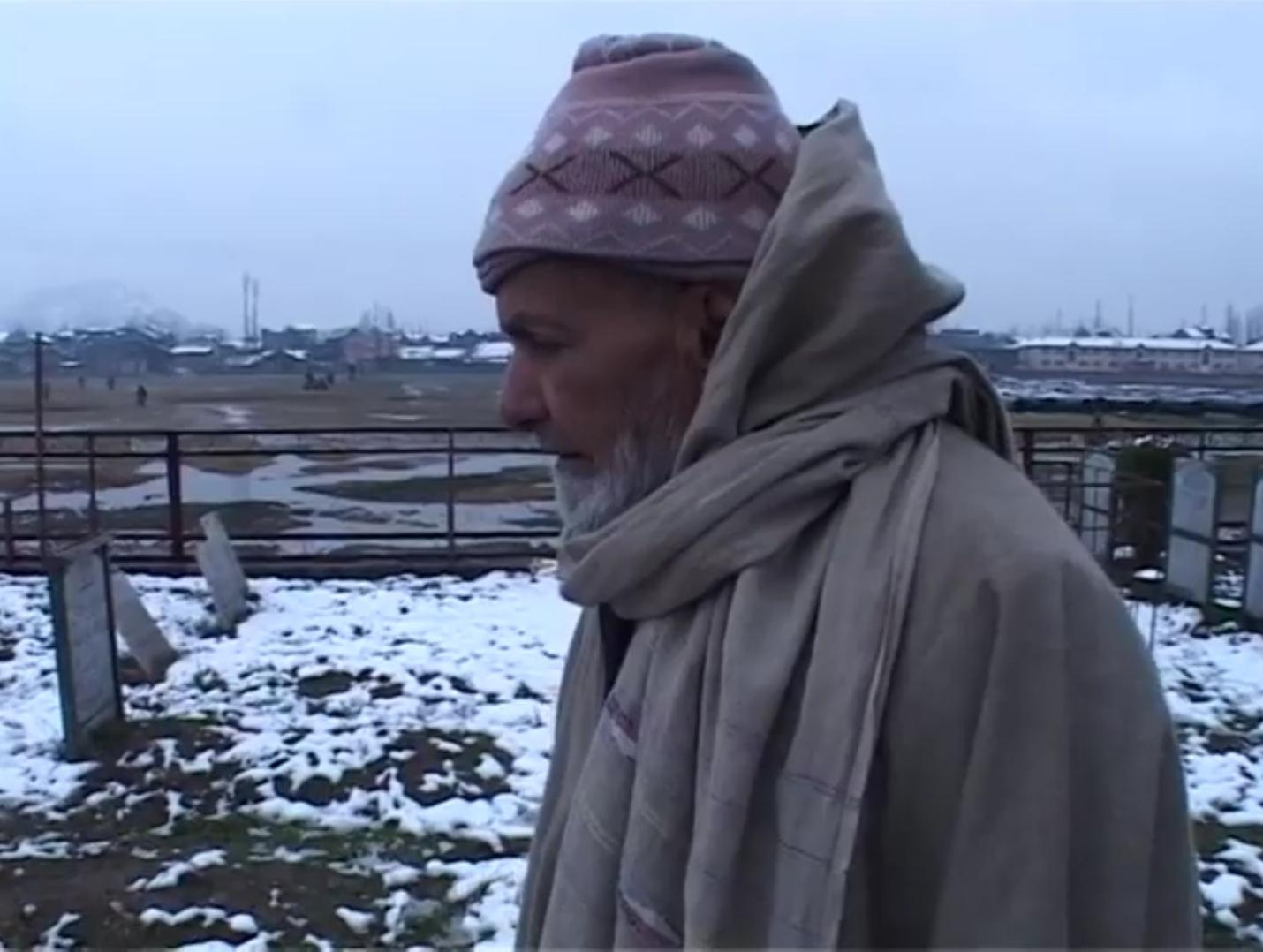
Kak uses dichotomous frames from the very beginning of the documentary, such as an aerial shot of the deserted streets of Lal Chowk on India's Independence Day, which is followed by an elderly father's visit to his son's grave to offer prayers on Eid. Similarly, another sequence consists of the gory details of a body falling from a burning building in an encounter, which is then contrasted with a scene in which a boatman rows his boat on the calm waters of Dal Lake.
Drawing from Kashmir’s rich literary heritage, the film quotes Agha Shahid Ali to evoke the feeling of paradise lost as well as an excerpt from Kalhana's Rajatarangini (River of Kings, 1148) that emphasises Kashmir’s inclination towards spirituality and its long turbulent past. The film thus brings to the fore themes of “tourist and turmoil,” “paradise lost” and “paradise regained” with recurring scenes of army convoys, the frisking of commuters, the graves of unidentified bodies, etc. However, the air of despair and disillusionment remains constant, substantiated by a long queue of patients outside Government Psychiatric Hospital at Rainawari, Srinagar, seeking treatment for Post Traumatic Stress Disorder (PTSD), as they experience hallucinations of their lost loved ones. The theme of despair is also palpable in a Bhand Pather performance—the traditional folk theatre of Kashmir based on the ancient feudal order—at South Kashmir’s Akingam, Anantnag.
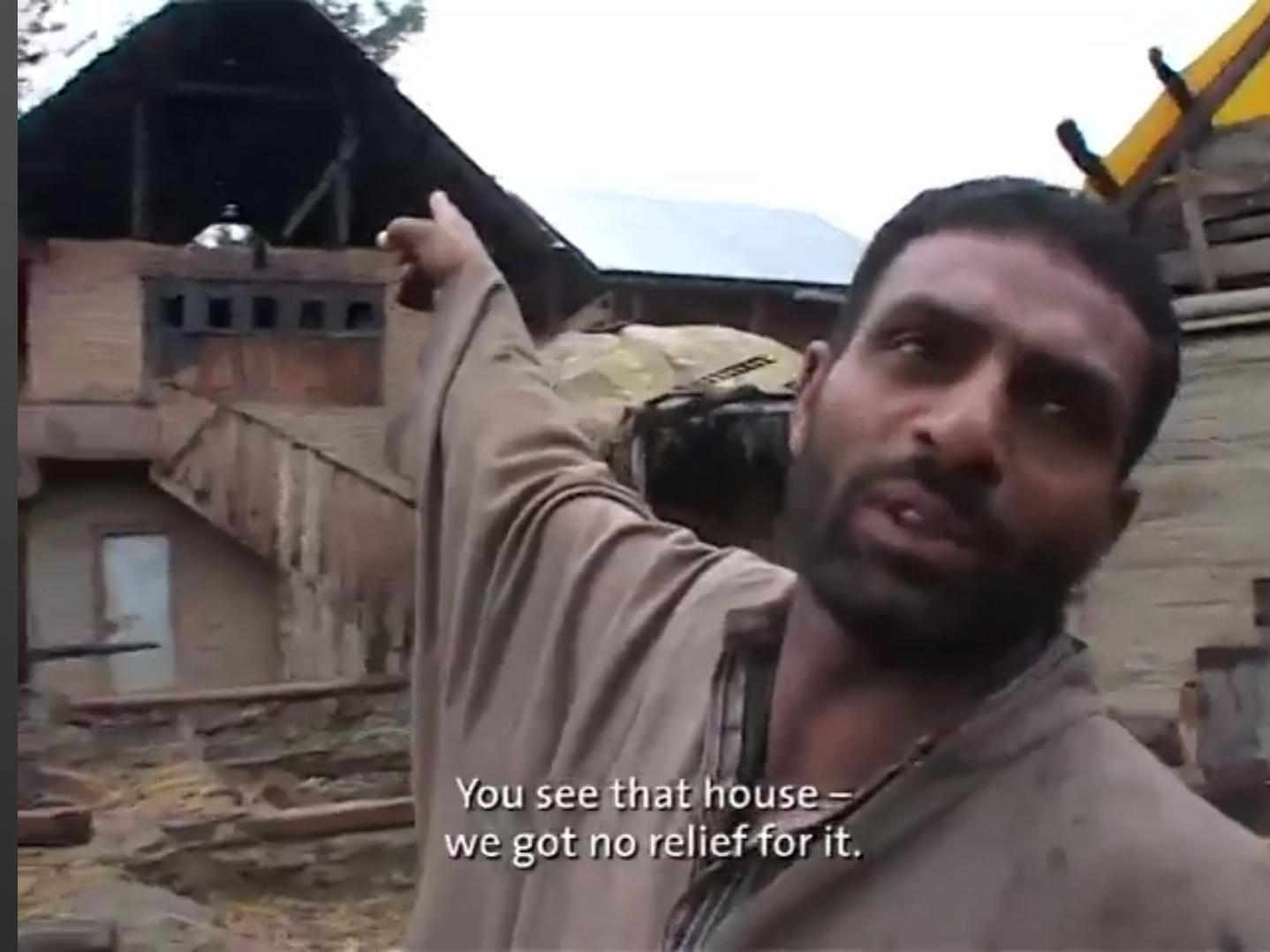
An unnamed person pointing towards his house which was damaged in the conflagration.
Poetry recitations by Zareef Ahmad Zareef and Piarey Hatash also reiterate the overarching sense of disillusionment. Hatash, a Kashmiri Pandit living in exile, expresses a longing for the belonging and lost identity he has been deprived of, while Zareef continues to live a disgruntled life in Kashmir.
“So brothers, our address is lost…
where do we look for our own, that place is lost.
What we gazed upon with love all our years.
That shelter is locked, our home is lost…”
- Piarey Hatash
“My gaze has been silenced
what frenzy is this?
I lost the city of love I had found
What frenzy is this?...
I couldn't read the writing
On floral walls
My lines of fate turned mute
What frenzy is this?”
Zareef Ahmad Zareef
Abandoned houses of Kashmiri Pandits.
Jashn-e-Azadi records the ordeal of people in a Rashomon-effect style, providing a bird’s-eye view of the Kashmir situation. To ensure a diversity of narratives, Kak interviews social activists, separatists, army personnel, tourists, witnesses and victims of the conflict. However, women are almost nonexistent and appear mainly in archival footage as wailing subjects—singing elegies and chanting slogans with religious fervour. The film thus limits the role of women to lamentation and immobility, living melancholic lives within or close to their abodes.
Women walking by the desolated houses of Kashmiri Pandits.
The film provides an encyclopaedic understanding of the Kashmir conflict and its ramifications on the people of the Valley. The title of the documentary Jashn-e-Azadi: How We Celebrate Freedom introduces the dilemma of what emancipation means for a Kashmiri—a question that remains unresolved. It reinforces the idea of Kashmir's glorious past and a longing for its revival while rendering the current generation disillusioned and discontent.
To learn more about Sanjay Kak’s practice, read Senjuti Mukherjee’s conversation with the artist about his photobook Witness: Kashmir 1986–2016: Nine Photographers (2017).
To learn more about filmmakers exploring Kashmir’s political landscape, read Ishtayaq Rasool’s reflections on Mohamad W. Ali’s Searching for Grandpa (2025), Ayushi Koul’s essay on Danish Renzu’s Songs of Paradise (2025) and Abdul Basit’s observations on Iffat Fatima’s Khoon Diy Baarav (2015).
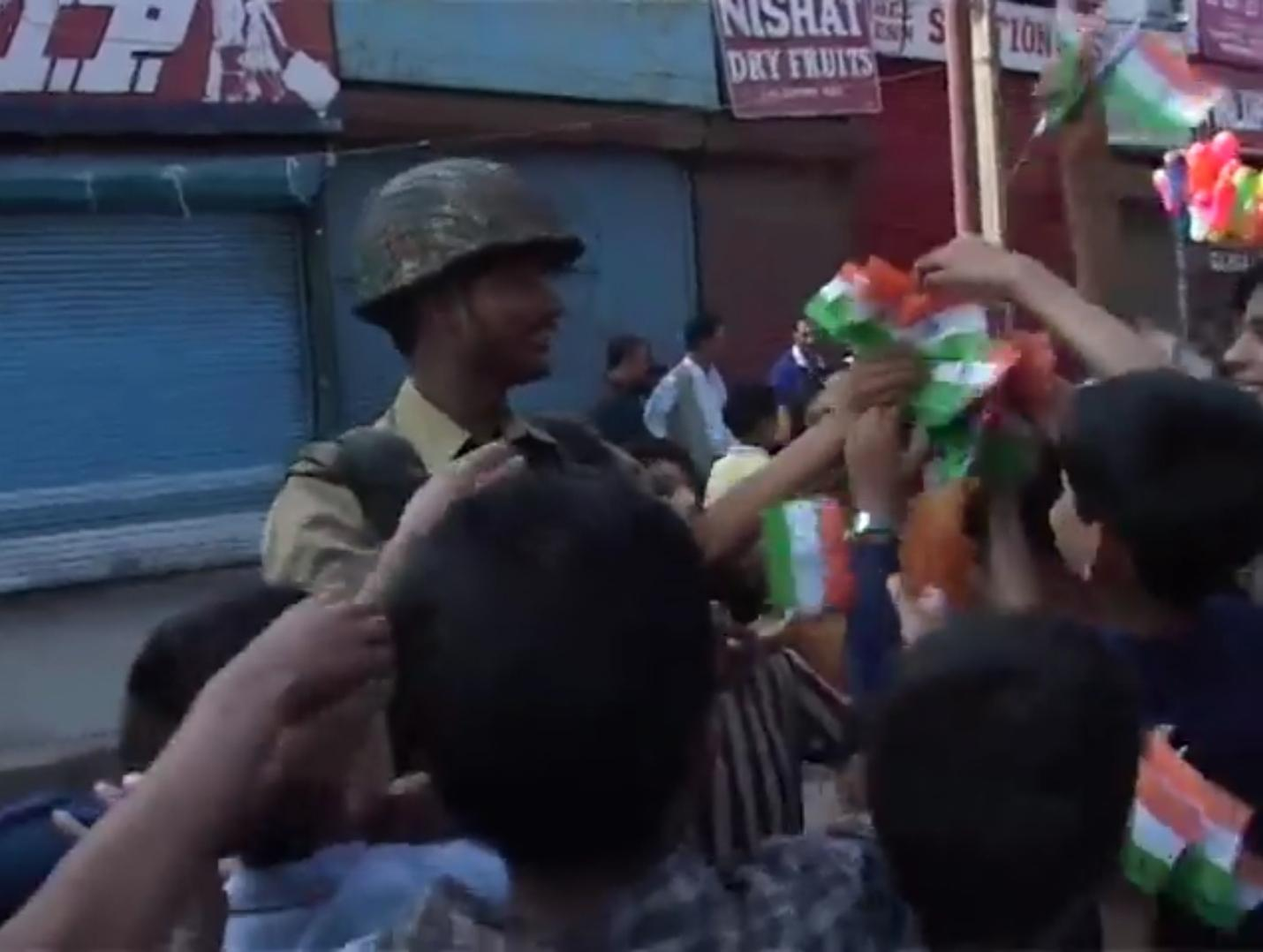
All images are stills from Jashn-e-Azadi: How We Celebrate Freedom (2007) by Sanjay Kak. Images courtesy of the director.