

The Weight of Staying: Yaser Talebi’s Sarnevesht
Directed by Iranian filmmaker Yaser Talebi, Sarnevesht (Daughter, 2022) is a short documentary set in a remote village in northern Iran. A member of the Iranian Documentary Filmmakers Association and director, producer, screenwriter and editor based in Iran, Talebi’s work has been screened at festivals worldwide. His earlier film, Beloved (2018), premiered in the competition section at the International Documentary Film Festival Amsterdam (IDFA), one of the world’s leading documentary festivals.
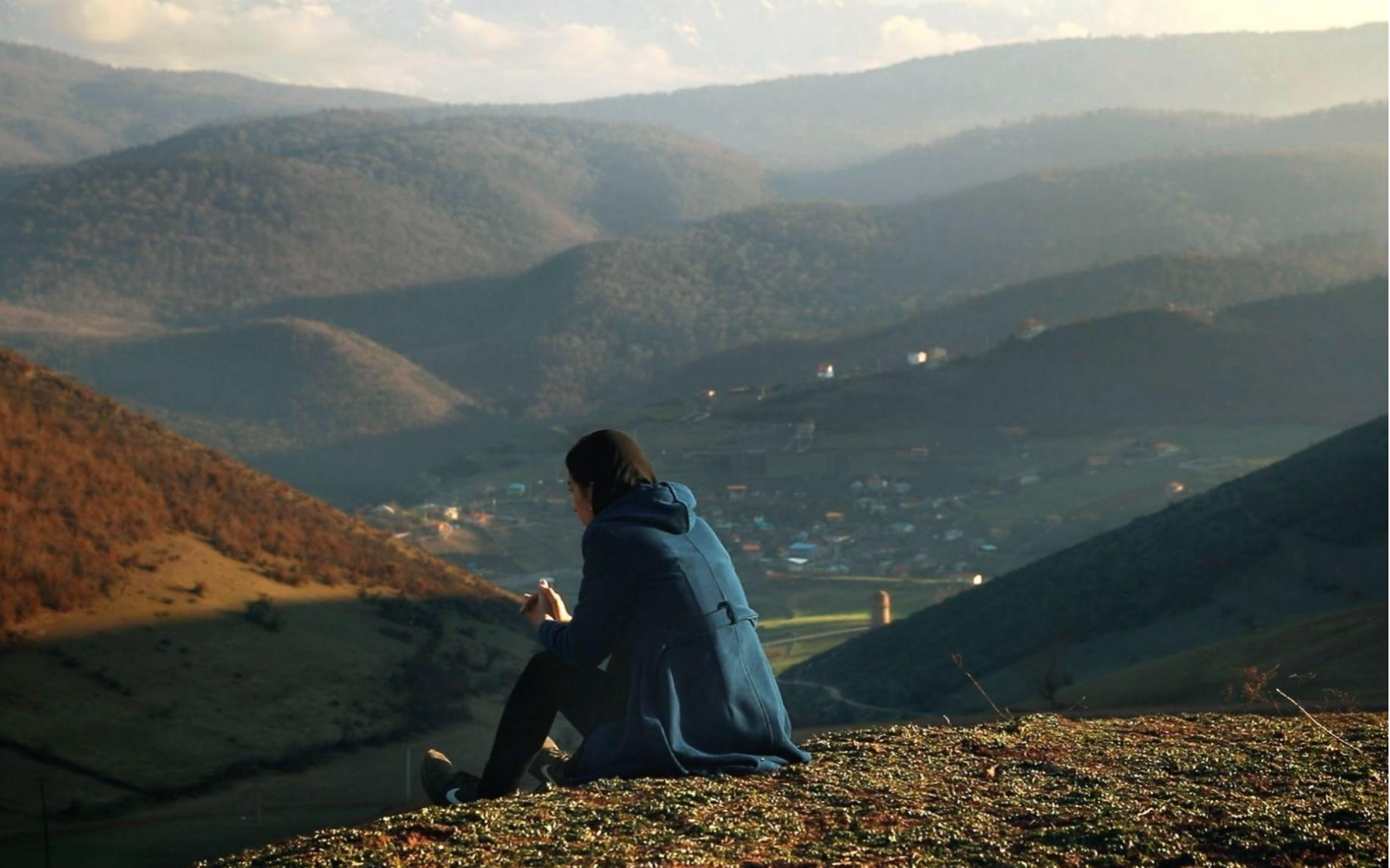
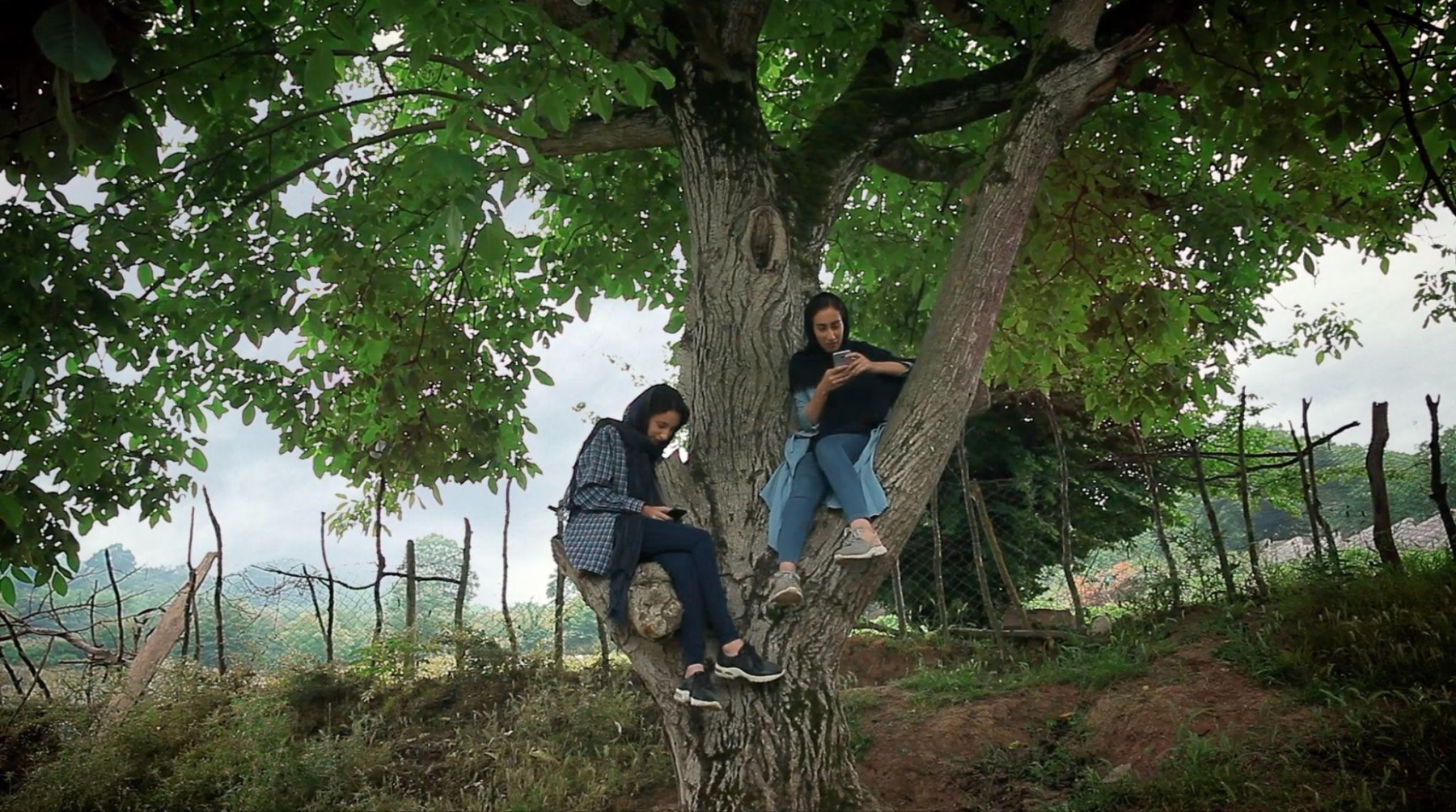
Talebi’s lens reveals patience and intimacy, looking at the structure of everyday life until meaning emerges quietly, without intervention. Sarnevesht follows Sahar, an eighteen-year-old girl living in an isolated mountain village, as she juggles the competing demands of education, grief and family responsibility after the death of her mother. The film looks at her daily life with remarkable intimacy, capturing the emotional and social pressures that shape her future. With stunning cinematography set against the rugged landscapes of northern Iran, Talebi's memorable film blends song, humour and poetry to provide a rare insight into the disappearing world of this unique and powerful woman.
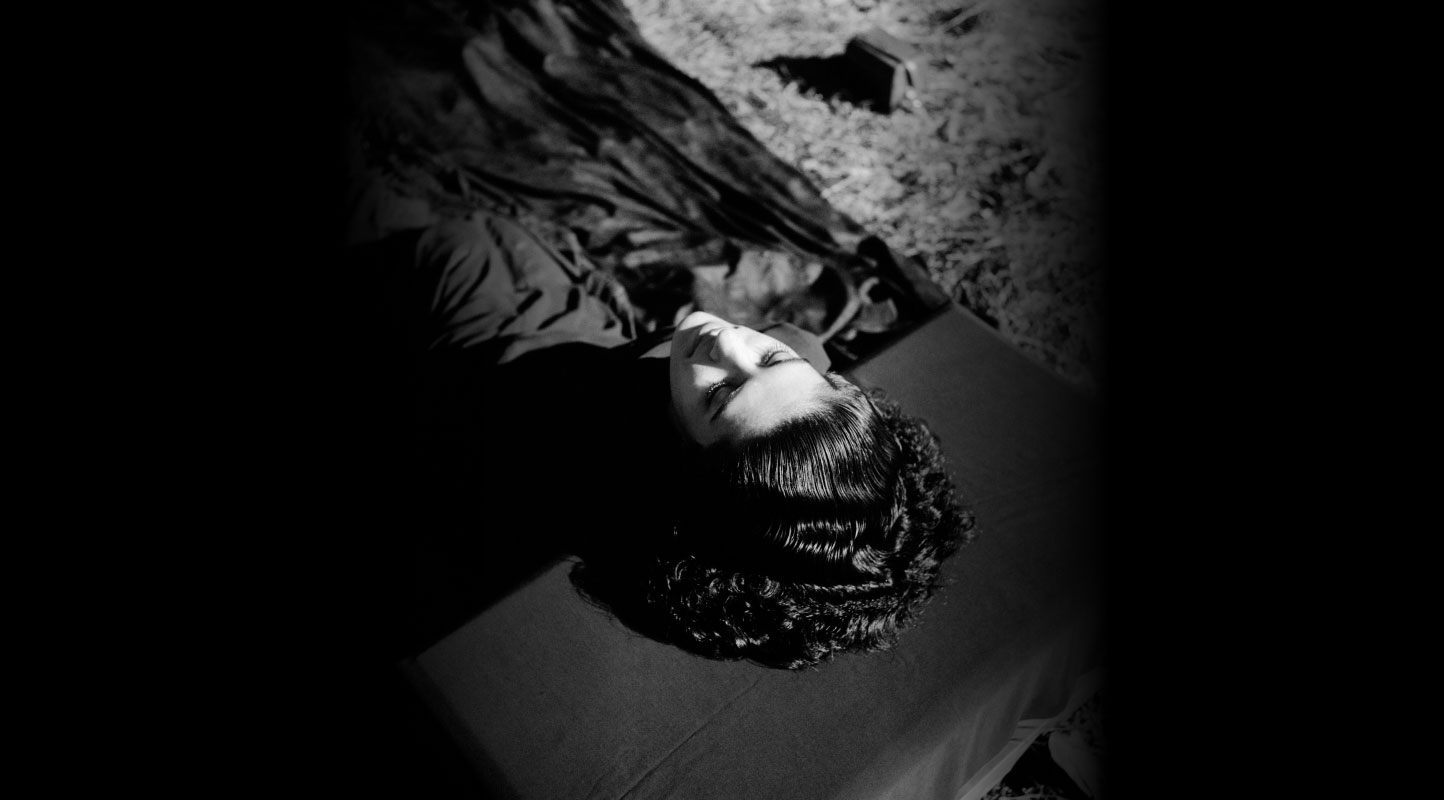
The film opens with a mother's voice, recorded on a cassette tape, playing in a room where her daughter, Sahar, listens alone. It is an apology, a set of instructions and a contradiction: become a doctor and take care of your father.
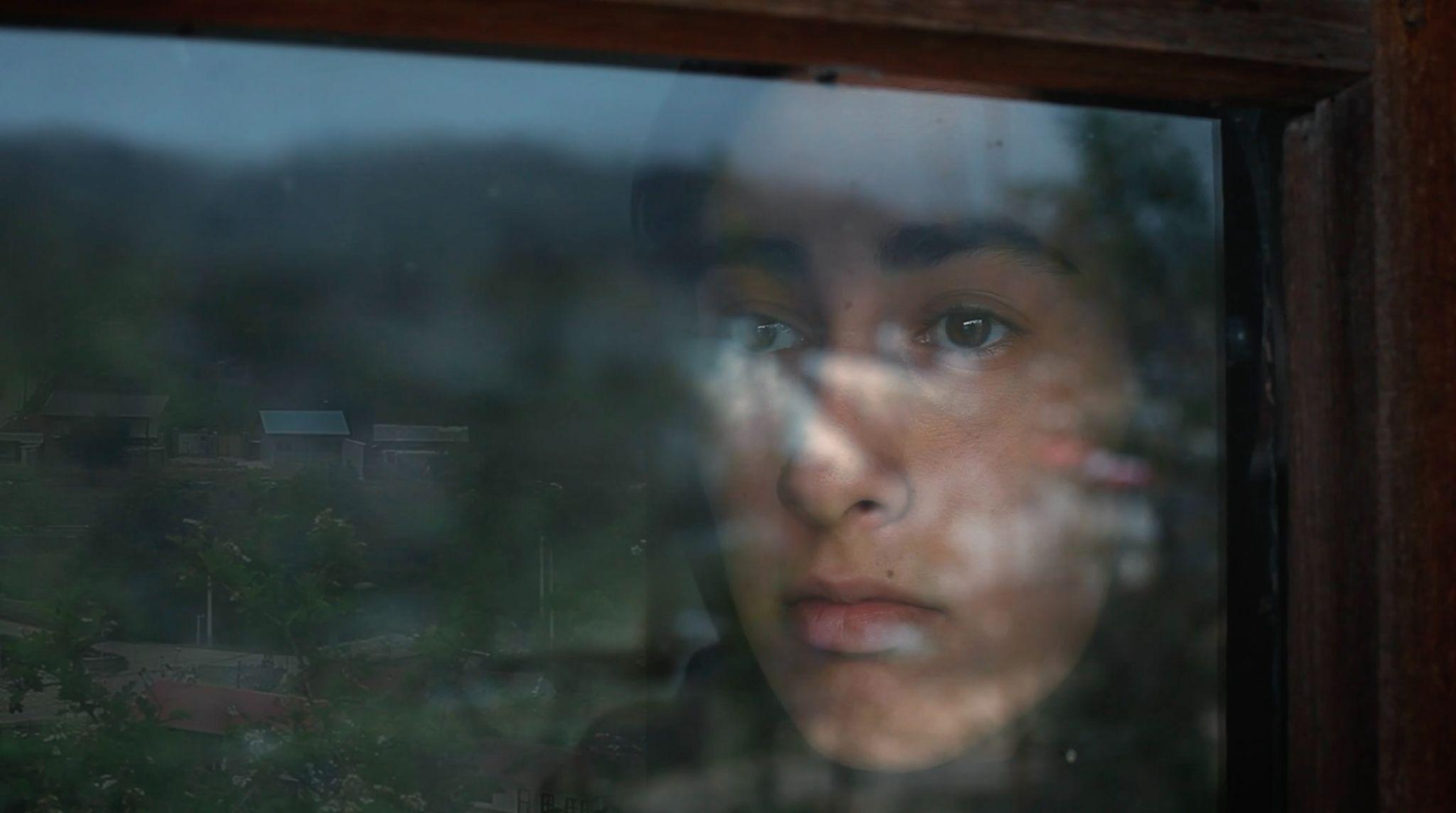
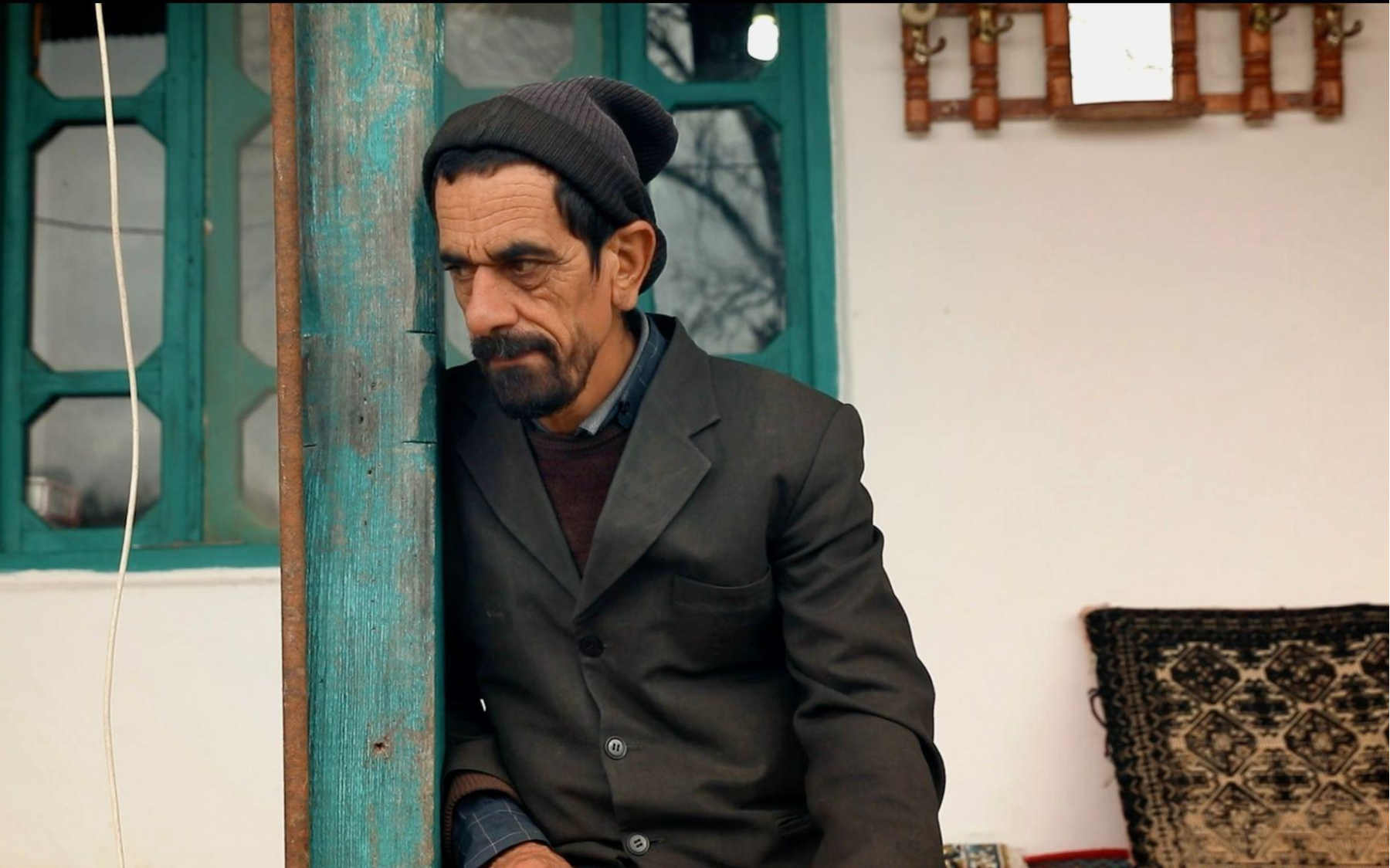
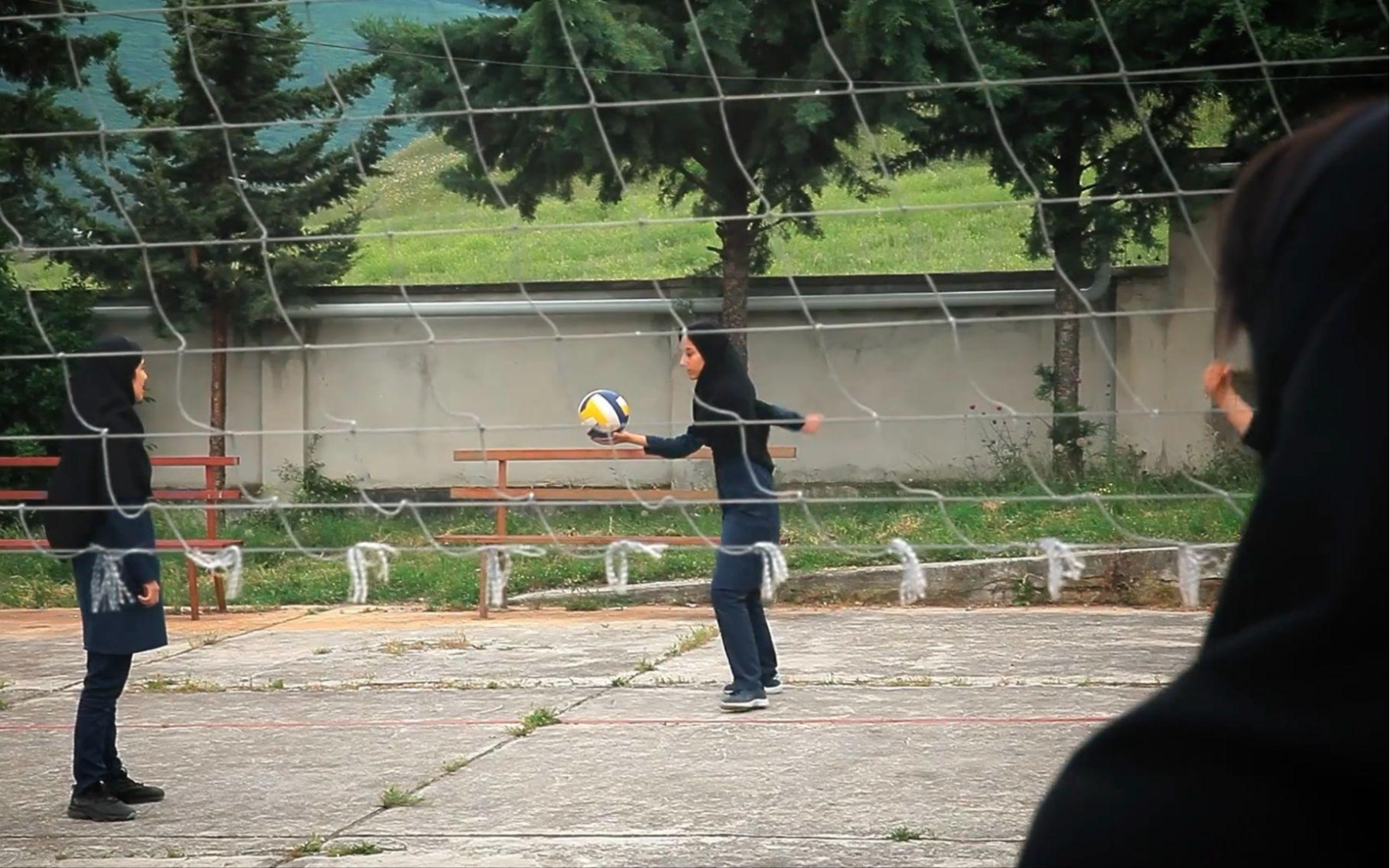
Sahar is at a crossroads that is, in some ways, unique to her and, in others, familiar to many young women in South and West Asia. An excellent student and standout volleyball player, she dreams of studying medicine at a university in the city. But her mother has died of cancer and her father, who is mentally disabled, is dependent on her care. The village and her family—including her aunt, uncle and grandfather—are unanimous in their expectation: she should stay. "I have been studying all these years to go to university," she says. "If not for that, then why should I even study? What has become of those who study?"
Growing up in Kashmir, I recognised something painfully familiar in her exhaustion—the way familial responsibility and circumstance can quietly reshape a young person’s future before they have a chance to choose it for themselves.
And yet, the film refuses to editorialise: the adults around Sahar are not villains—her aunt loves her, her grandfather grieves with her and her teacher encourages her. But the overall pressure they exert is immense. "Study until you get a diploma," her aunt says. "After that, you cannot go anywhere else." In the world depicted in the film, sacrifice has become so commonplace that it barely registers as coercion.
The cassette tape returns throughout the documentary as Talebi circles back to it like a refrain. Sahar’s mother wanted her to become a doctor; she also told her to take care of her father. The two desires are contradictory and neither can be fulfilled without a price—becoming a doctor means leaving her father behind, while taking care of him means giving up her future.
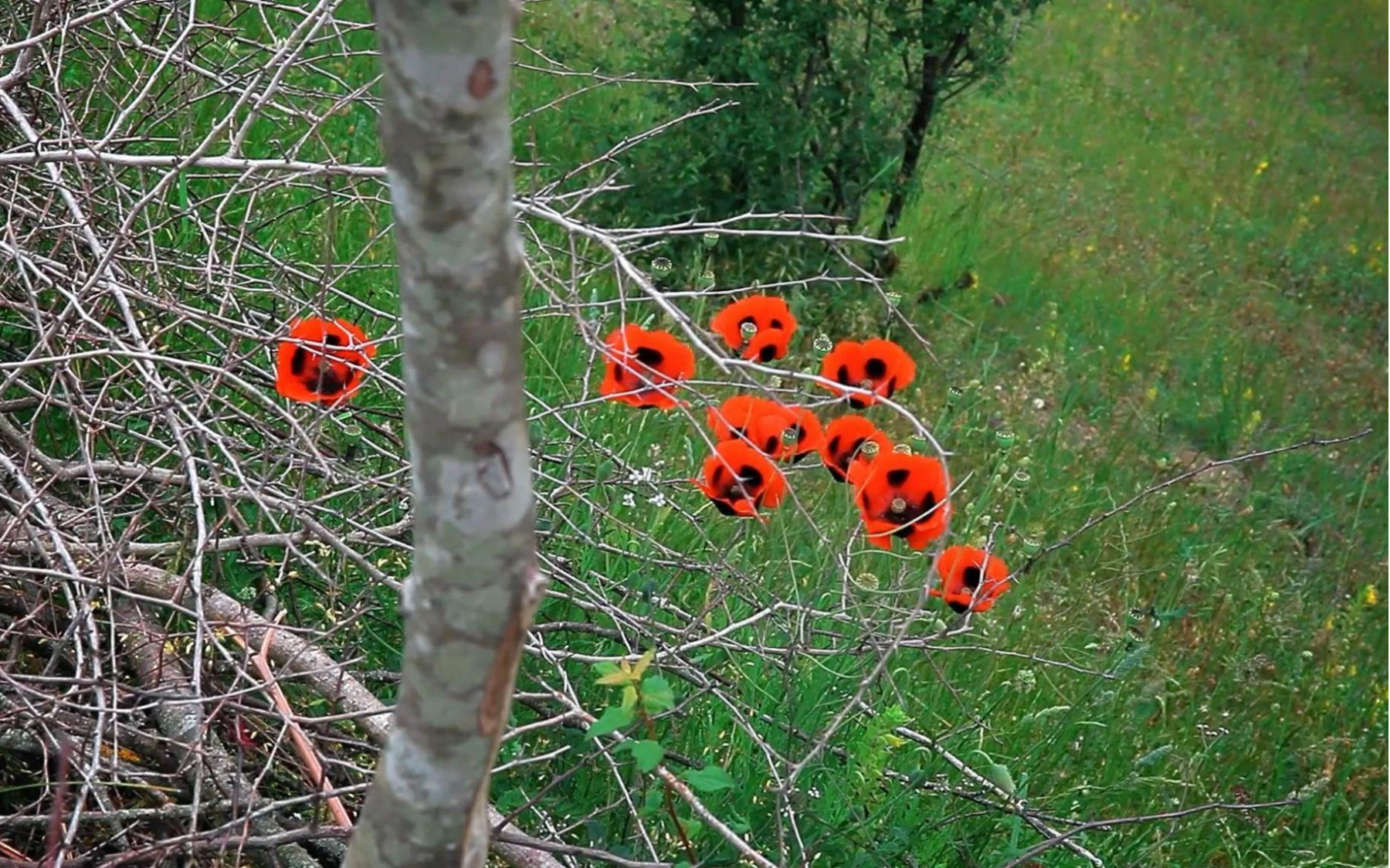
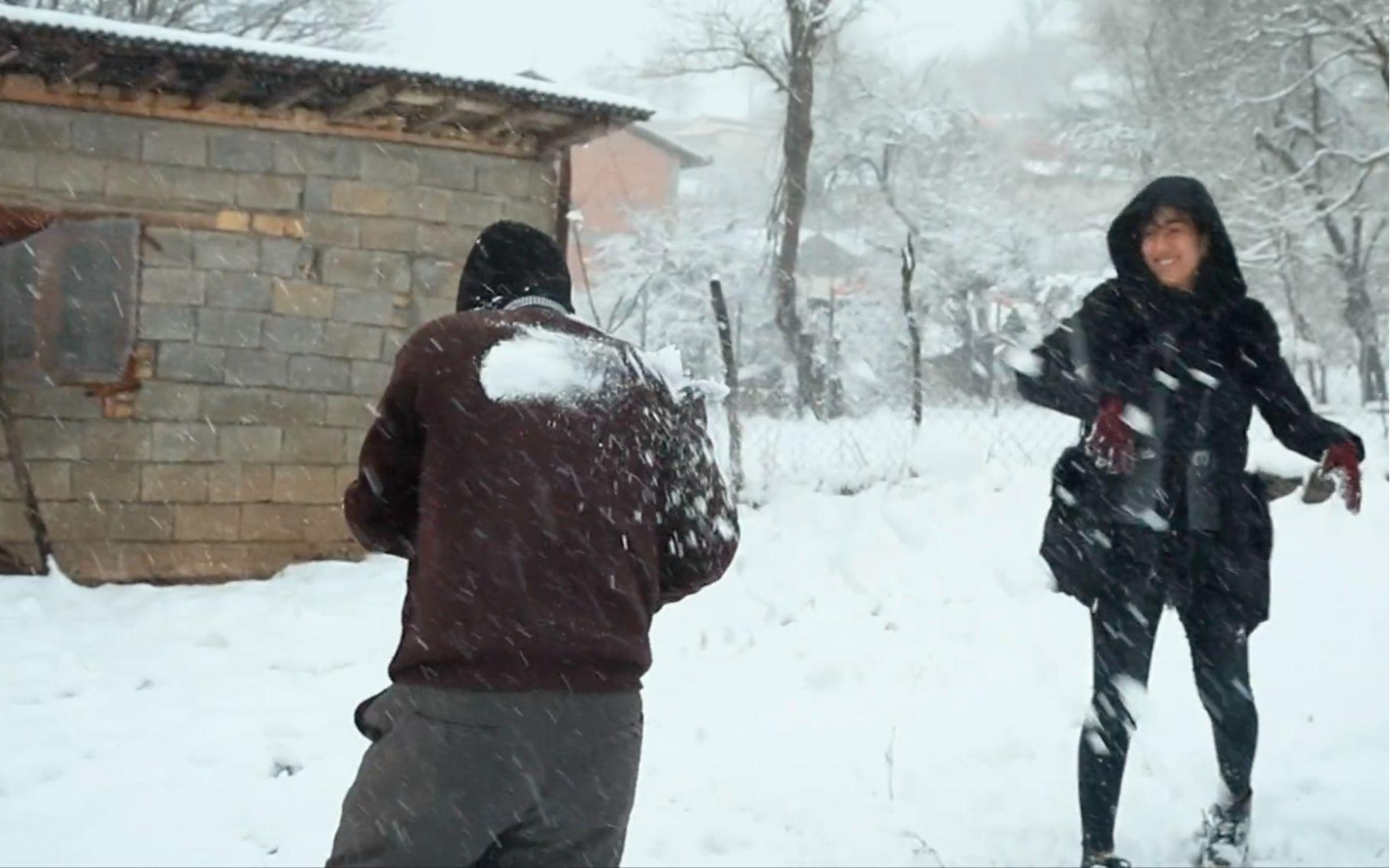
Despite this, Talebi never makes the village a place of mere oppression. There is also gentleness here: joking around with friends, sharing tea in cramped rooms and moments of laughter that break through the grief. In one scene, Sahar and her classmates discuss Instagram and follow university results with the same nervous excitement shared by young people everywhere. Such details question familiar representations of rural Iranian women and demonstrate a more layered existence. Sahar is neither a passive victim nor a simple symbol of rebellion. She exists within contradictions—modern and traditional; ambitious and dutiful; and loving and exhausted at the same time.
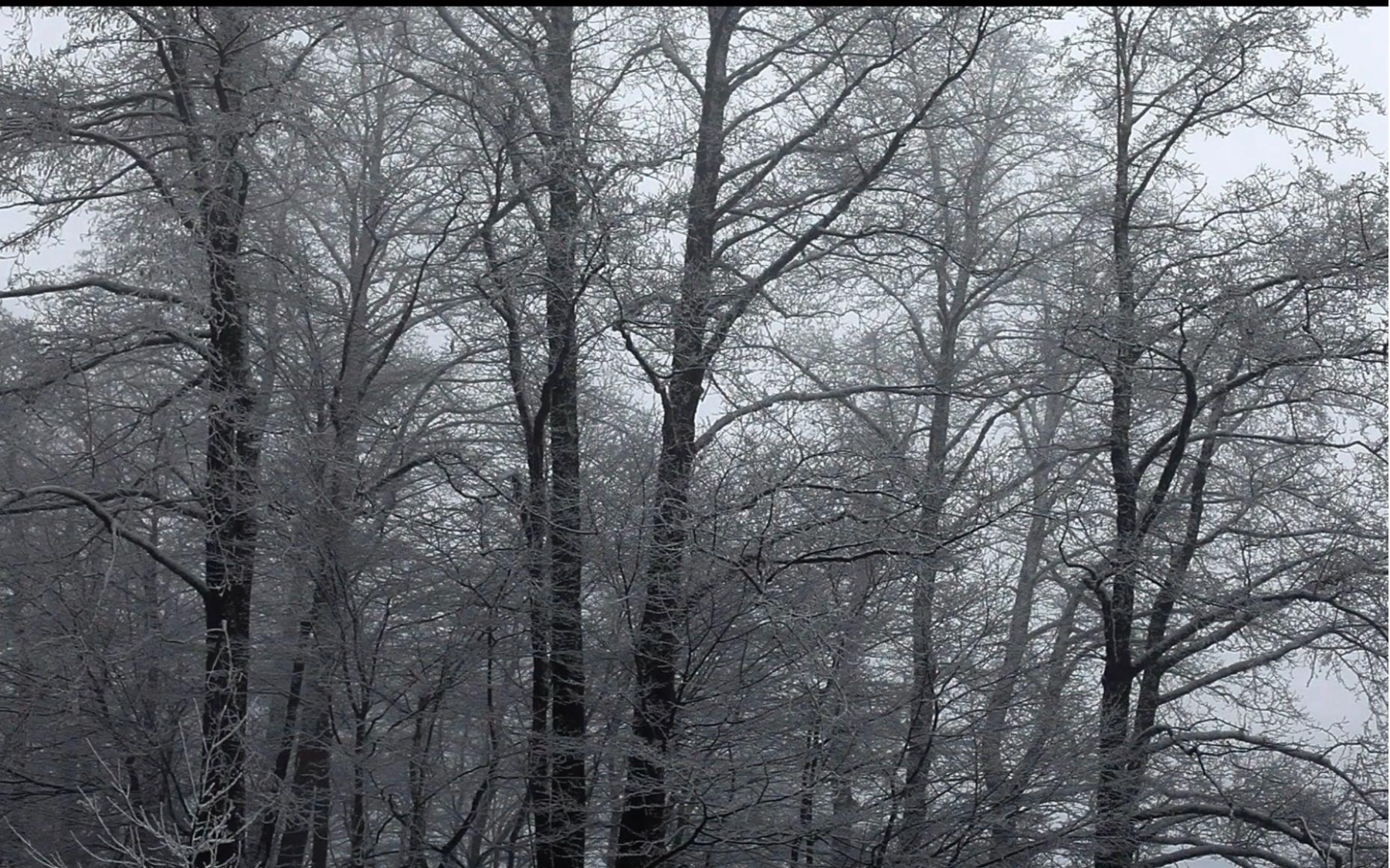
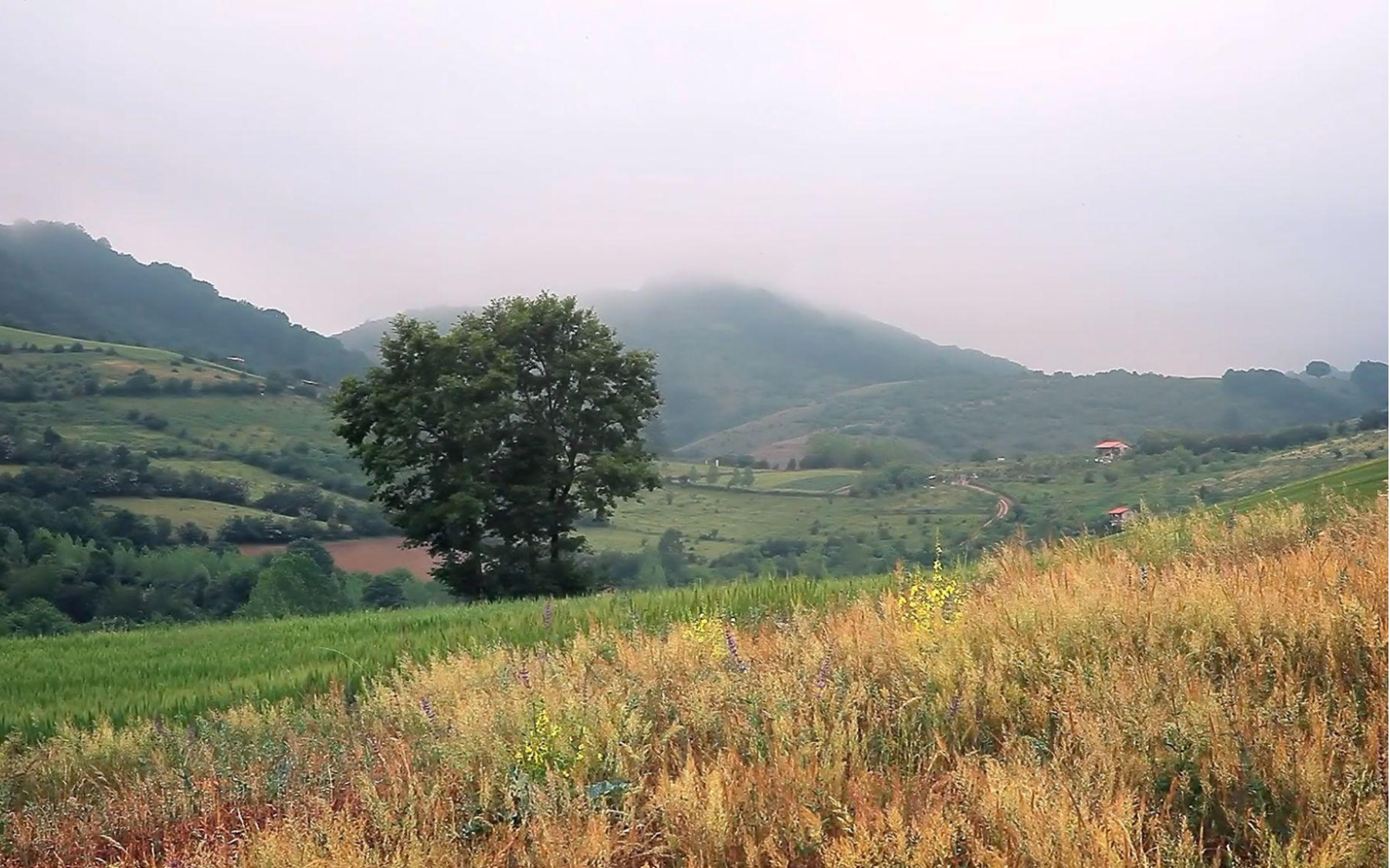
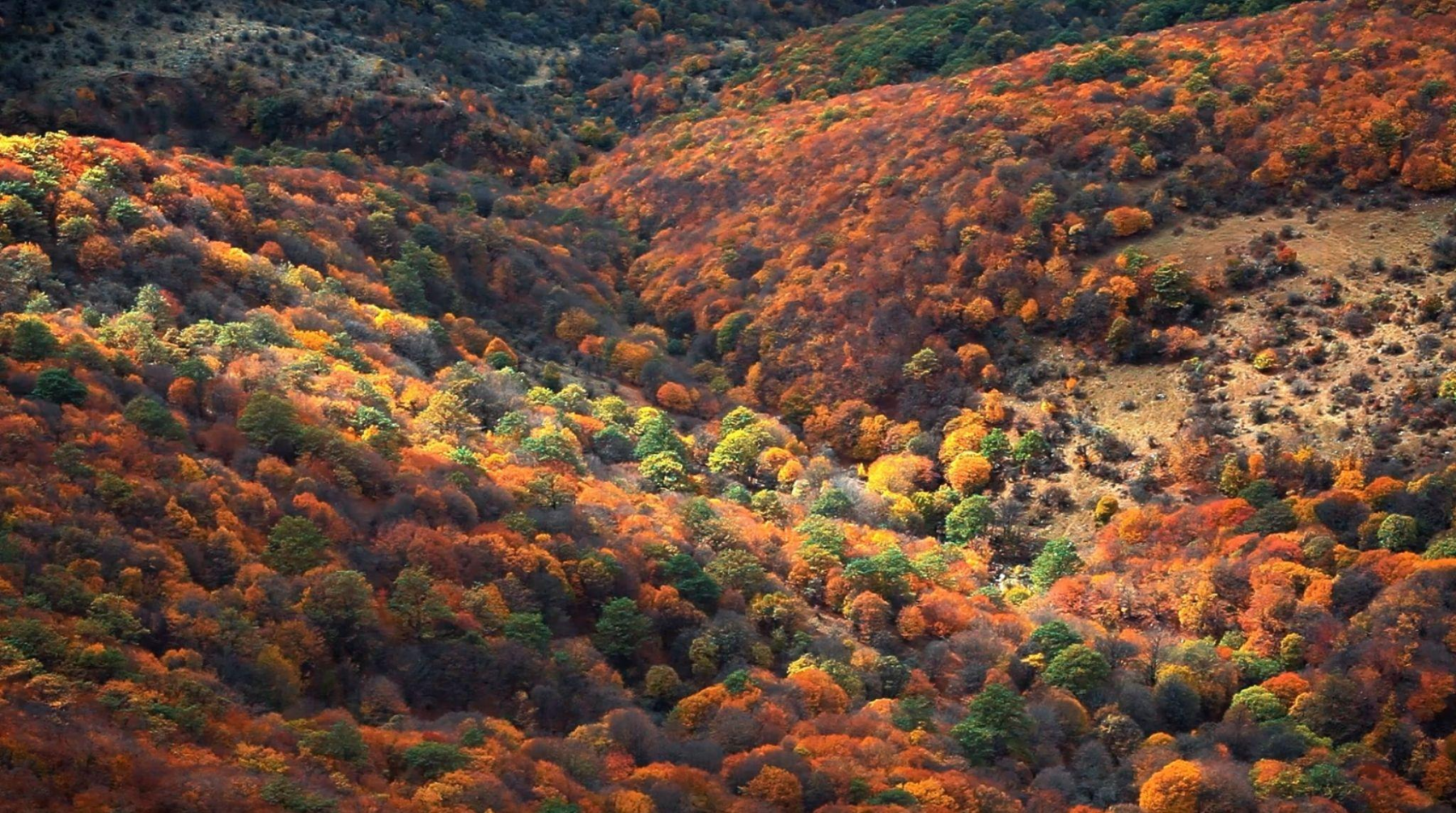
The film's visual language reflects its emotional restraint. The filmmaker lets the changing seasons—depicted through snowfall, autumn hills, summer light and mist-covered mountains—carry him away with the natural world, something his subjects cannot always do. There are no dramatic confrontations or cathartic scenes—not even in the film's final moments, where Sahar's father reluctantly urges her to pursue her studies. He grumbles, cries and insists that she "leave." He says, repeatedly, “Be a doctor.” It lands as a blessing and a burden with a kind of freedom and painful surrender—an admission that love sometimes requires letting go of the person one depends on.
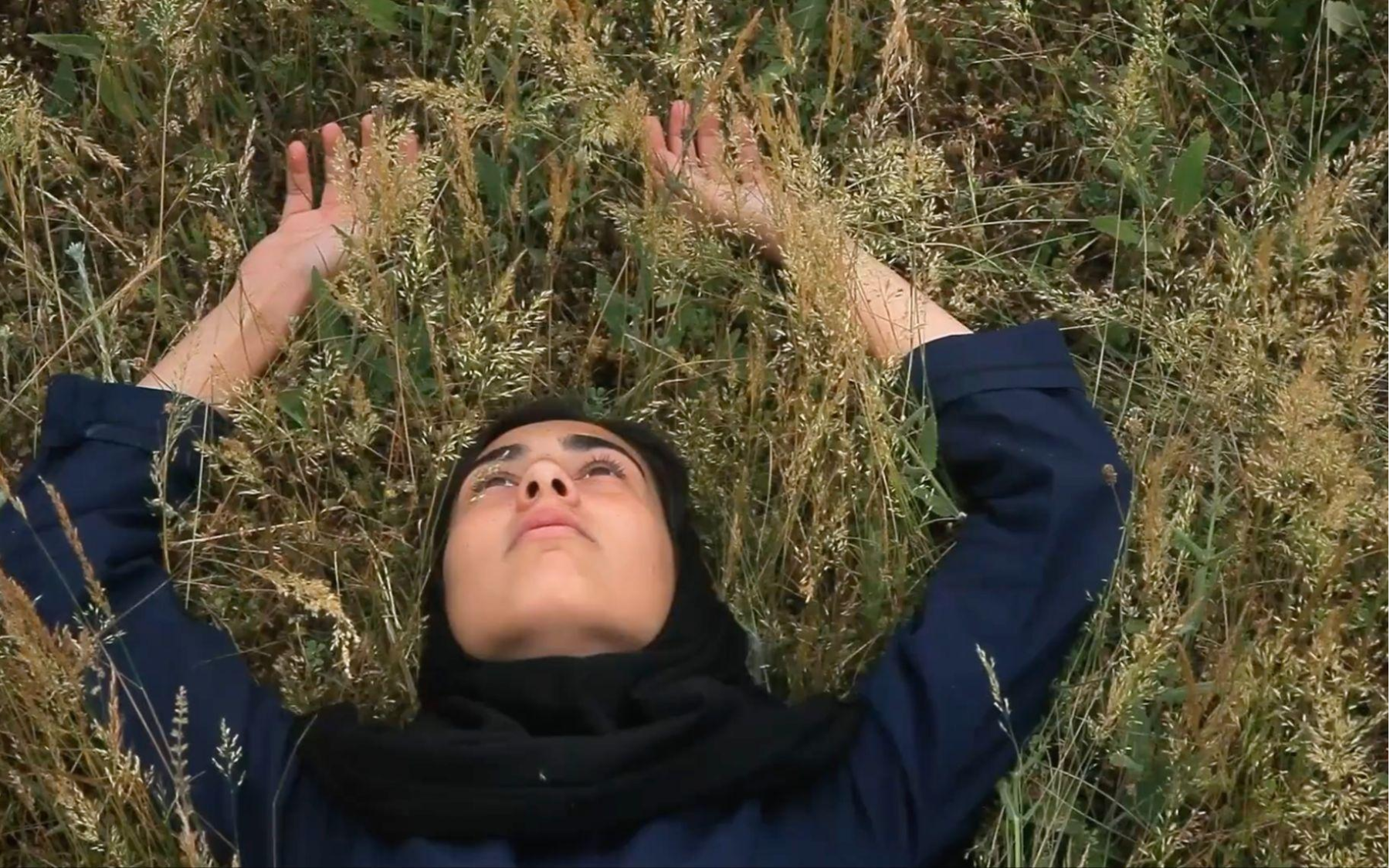
At its heart, Sarnevesht examines the gendered architecture of caregiving in rural life: women are assigned responsibility long before they choose it and love itself can become a form of obligation. The tenderness between Sahar and her father is deeply real but the filmmaker never allows that tenderness to erase the cost it imposes on her future. The two truths remain intact—unresolved and painfully intertwined.
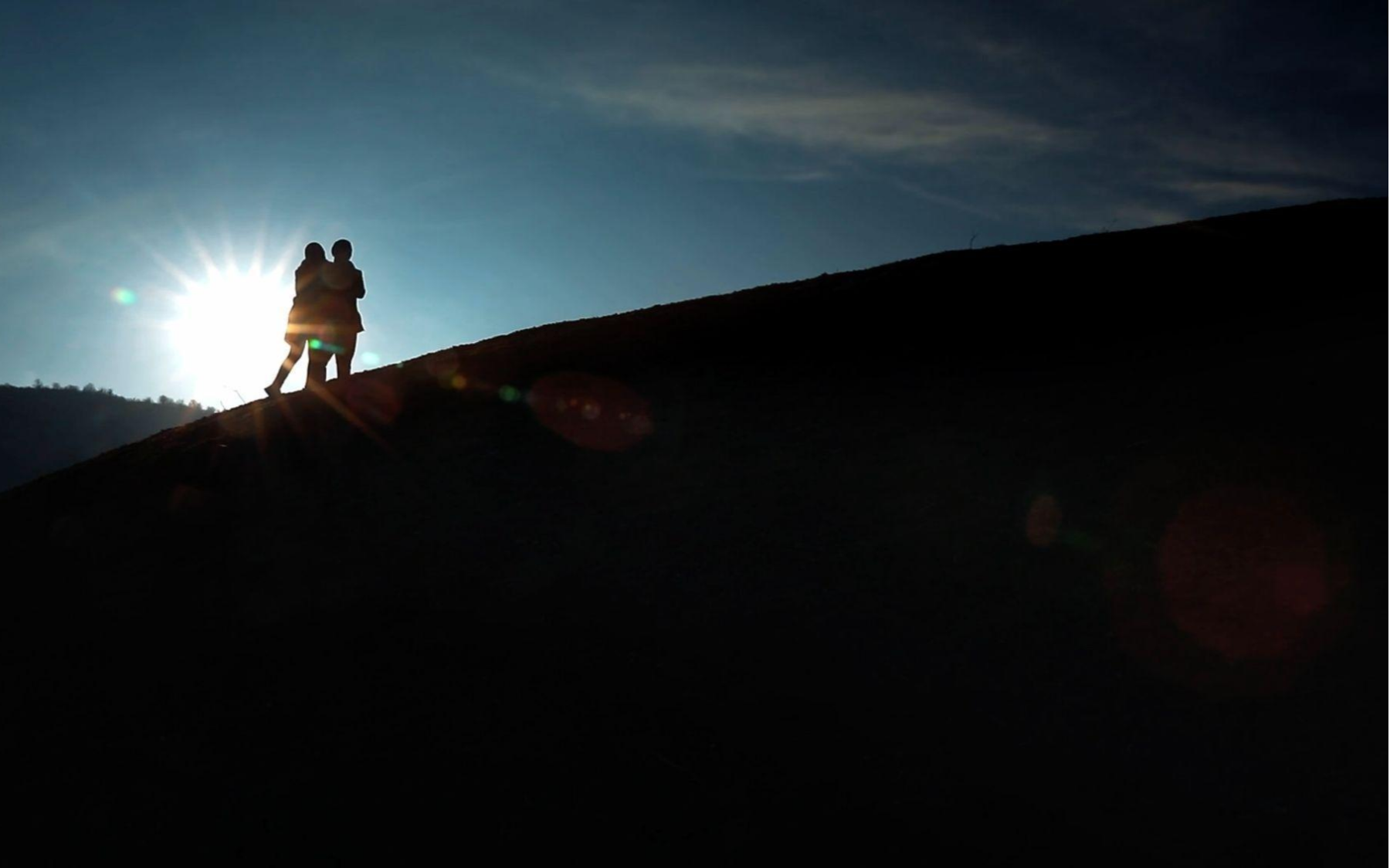
In doing so, Sarnevesht joins a series of Iranian documentaries—patient, observational and deeply focused on women's lives—that have made the country's non-fiction cinema among the most relevant in the world. It carries deep emotional weight while vividly capturing sacrifice, love and the fragile possibility of freedom with remarkable fortitude.
To learn more about Iranian cinema, read Shefali Khan’s two-part essay on how Iranian cinema has responded to its changing political landscape, Upasana Das’ essay on Hooria Ahmadi’s Tehran Youth Diaries, Ishtayaq Rasool’s reflections on Abbas Kiarostami’s And Life Goes On (1992), Radhika Saraf’s two part essay on Samira Makhmalbaf’s At Five in the Afternoon (2003), Samira Bose’s reflections on Firouzeh Khosrovani’s Radiograph of a Family (2020) and Santasil Mallik’s observations on Sreemoyee Singh’s And, Towards Happy Alleys (2023).
All images are stills from Sarnevesht (2022) by Yaser Talebi. Images courtesy of the director.