

Kabaddi Connoisseurs: Playing Between Power and Patronage
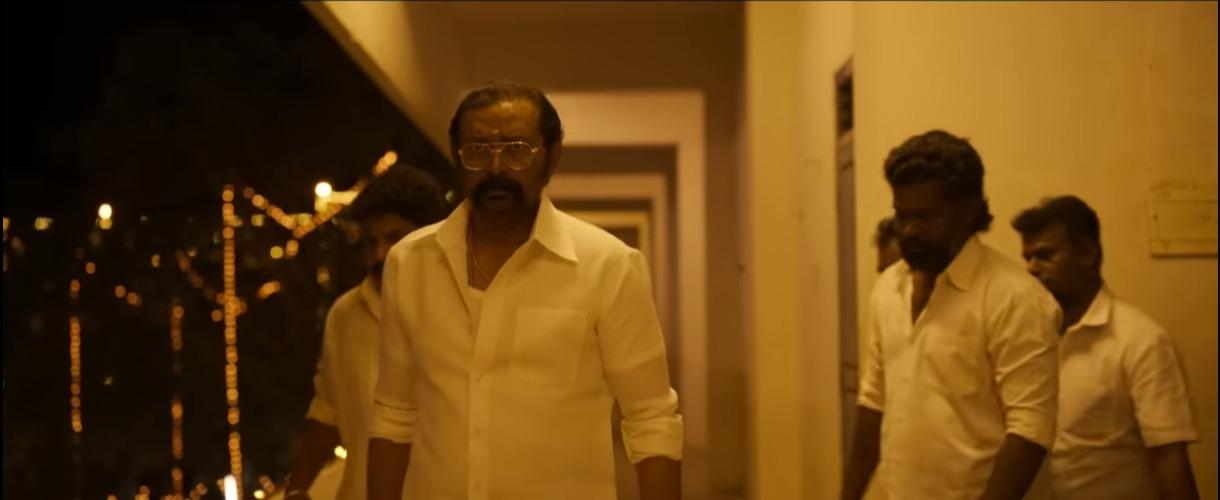
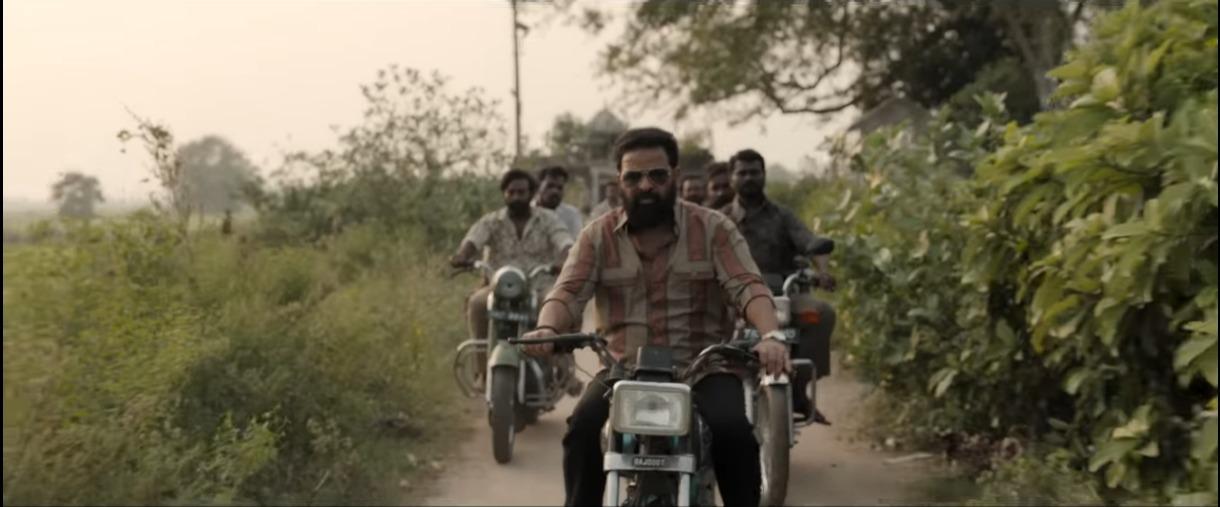
Mari Selvaraj’s Bison Kaalamaadan (2025) is the story of Kittan, a character based on kabaddi veteran Ganesan from Manathi in south Tamil Nadu. The first part of the essay explores the importance of oor or countryside in the film. This part of the essay explores how Mari has taken the sports biopic form as an opportunity to narrate the oppressive and resistive caste forces in the region. Ganesan’s journey as a kabaddi player—that took him from his village to the Asian Games in Japan and receiving an Arjuna Award—runs parallel to the region’s caste tensions, killings and counter-killings of the 1980s. The film captures the deadly conflicts between the Nadars and Dalits, where the latter responds to the former’s violence, with Kittan being caught in this darkness as it tries to lead him astray from his game and dreams. However, Kittan finds a streak of light in the form of Kandasamy (Lal), the dominant caste leader, whose horn is locked with Pandiarajan (Ameer Sultan), the Dalit leader, who Kittan’s fellow villagers and community revere as godly.
Kandasamy’s support for Kittan is strange but not unbelievable. Besides his caste pride and oppressive tendencies, Kandasamy also belongs to a breed of kabaddi connoisseurs in the region, where small-town rich people like him own teams out of passion and pride. Despite being a Dalit, Kittan receives an invitation to be a part of Kandasamy’s team, inviting suspicion and dissatisfaction among the people on either side. Yet both share many warm moments in the film. Be it Kandasamy’s passion to raise a strong team or Kittan’s father Velusamy’s love for a once-famous kabaddi player who lost his life to the sport, Bison is about a lesser-known registry of kabaddi love with fans and players who are farmers and rural youth.
Bison captures the 1980s not through nostalgic fads of the time but by being precise about the society it is set in. For example, Parotta Kadai (an evening bread and curry shop in rural and coastal Tamil Nadu), which was a highly gendered space at that time, is brought on to show the unwritten public eating laws of the time. When Kittan goes to a Parotta Kadai with his PT teacher, the other two diners sitting opposite on a wooden table and bench ask the latter about the former’s caste position explicitly. The scene manages to communicate the southern agrarian communities’ public life involving parotta eateries as third spaces, while also registering that these spaces were casteist and gendered. In another scene, Kandasamy offers Kittan’s party a sack of 300 parottas and twenty-five fried chickens as an expression of encouragement after being impressed by Kittan’s performance in a match. Kittan and his friends' contemplation on whether to accept the parottas or not was symbolic of their confusion in accepting Kandasamy’s patronage itself.
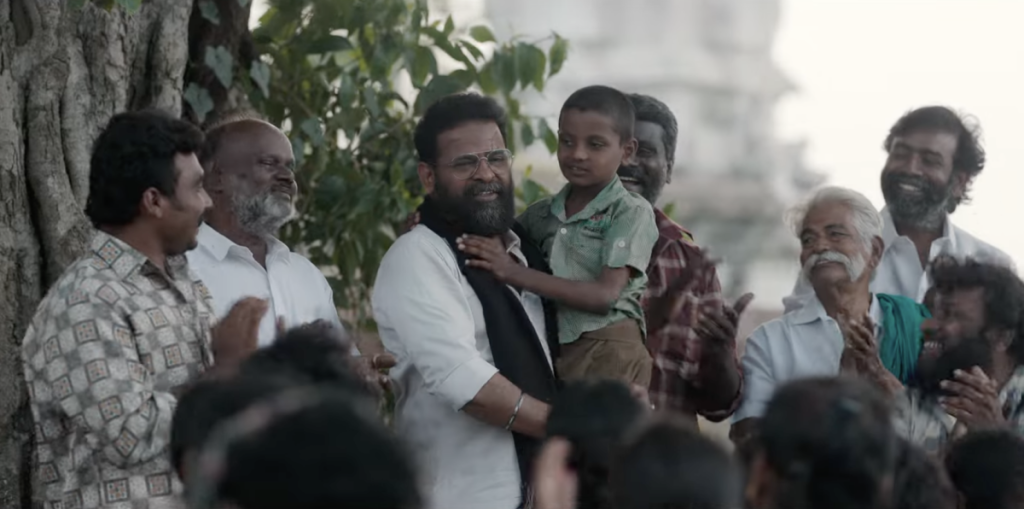
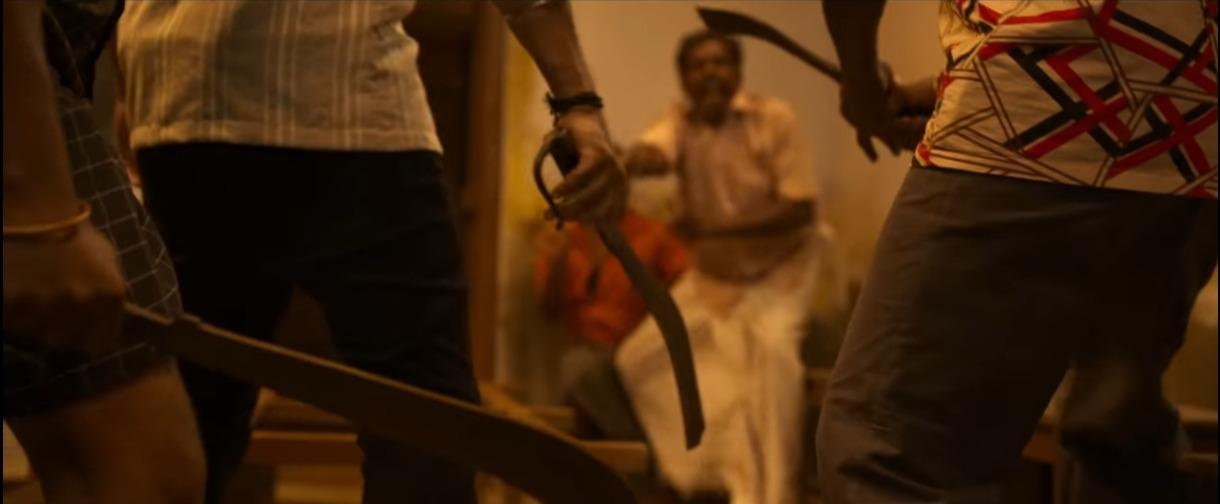
Kandasamy’s men are never off guard in their mission to kill Pandiarajan for being the dominant face of Dalit resistance. Pandiarajan’s loyalists also fight them back strongly. Yet when Pandiarajan’s men’s language begins to border on masculinity and pride, he reminds them: “We have forgotten why we started this battle and behave like our enemies talking about pride and violence.” This is a necessary moment that Mari, as both a creator and an insider from the region, responsibly pushes forward because of the contemporary political context. Agriculturalist Dalits in the region are traditionally called “Pallars,” and the community demanded a name change to “Devendrakula Vellalars” and that they be removed from the Scheduled Caste category. In 2021, their demand for a name change was fulfilled by the AIADMK-BJP alliance. It is also important to note that in a brutal incident in June 2024, a group of Devendrakula Vellalars killed a Dalit man, Azhagendra, who was in his twenties and belonged to the Arunthathiyar community, for getting into a relationship with a woman from the Devendrakula Vellalar community, as they believe that they are of a superior rank to the Arunthathiyars. Addressing this complex political present, the film is right to call out the overt macho and oppressive tendencies that the community fashions itself around lately. On another note, when Bison was released, there were hoardings and life-size posters of Dhruv Vikram, who plays Kittan, in towns and villages across Tirunelveli district praising him as "the pride of the Devendrakula Vellalars," sponsored by the youth of the community. By using Pandiarajan from the 1980s as a responsible leader, Mari conveys to the contemporary community a dire message.
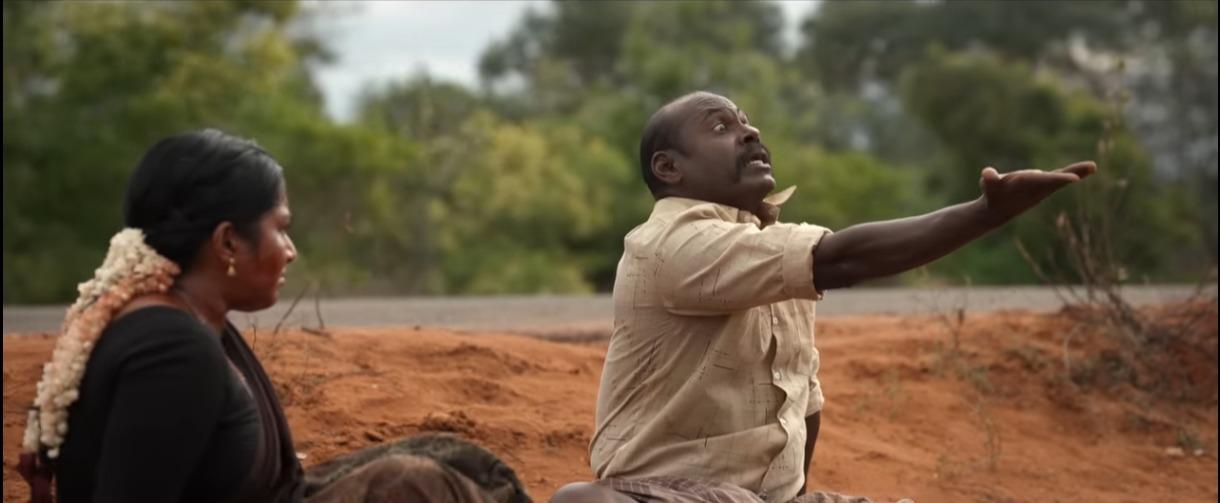
It is not only the messaging, but also the pain of shame that makes Bison compelling. The most unseeable yet striking event unfolds in the sequence when the family—Kittan, Velusamy and his daughter, i.e., Kittan’s older sister, Raaji (Rajisha Vijayan)—take a bus ride from their village to visit another distant village deity for an animal offering. The aerial shot of the moving bus in the red sand terrain of Therikadu, where nothing of life grows or lives, announces the shift of landscape, indicating the shift of mood from passive violence to active and preparing us for a larger terror. Right then, the goat that they have been pampering for months before ritual slaughter, standing garlanded and petted, pisses over the feet of a co-passenger, a dominant-caste man. After a few cold exchanges between the man’s party and Kittan’s family, matters go out of control, resulting in Kittan thrashing them. Then, the dominant-caste men, in their wild fit of rage, cut the animal with tens of gashes, even as it bleats for dear life, and throw it out of the bus window. The animal to be sacrificed to the god is seen as god itself in agrarian societies. The scene expresses the scale of power imbalance between the dominant caste people and the oppressed, as the former could even destroy the Dalit gods. The family are left there, deserted in the bare red sand, sobbing together. Velusamy, who is ever-forewarned of the violence in offing as a Dalit in the region, tells his children, as though imparting ancestral native wisdom, about the fragility of their lives: “Our life is like this. We know nothing about them, but now it has become an eternal feud between us and them. This is why I don’t want you to play kabaddi and strengthen your body. This is our fate.”
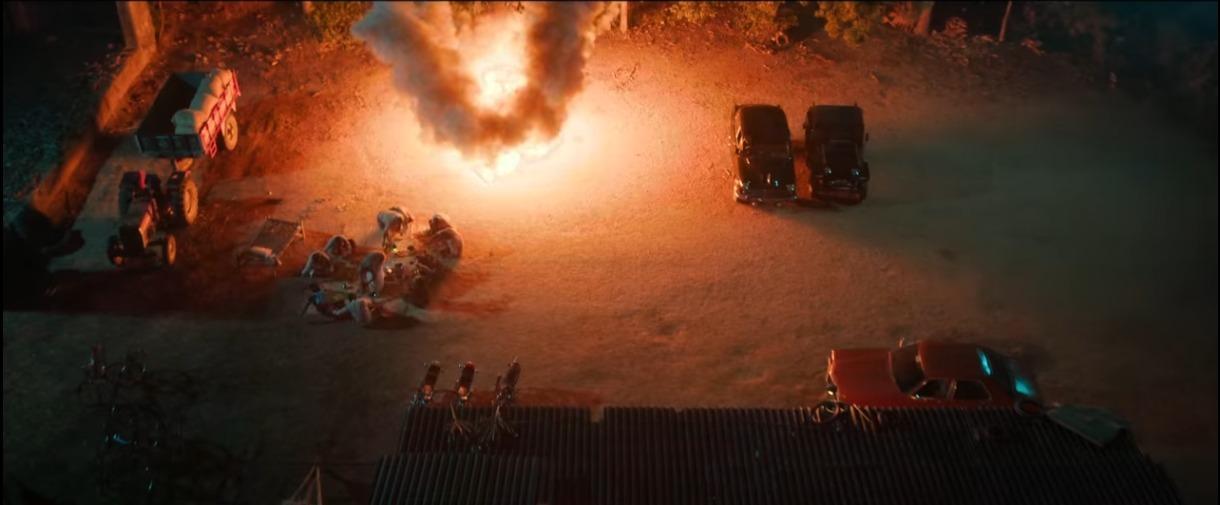
However, the older sister Raaji is pivotal in Kittan’s life in that she often intercedes for him with their father to let Kittan pursue his dreams. The character of Raaji feels like a crossover of the character of akka (older sister) from Mari’s Vaazhai (2024), which in turn represents his own akka from real life whom he lost in a fatal lorry accident. Unlike Vaazhai, it was such a relief to see the akka in Bison live to see her brother shining without dying tragically early on. The death of Nithin, a dental student in Kerala, due to caste-based discrimination is the most recent instance of the brutal reality that Dalit communities have had to face not only historically but also in the present. Will the early death of a Dalit youth ever stop? Occupational hazards, systemic violence and institutionalised discrimination kill many Dalit lives early on, turning mourning into a permanent state. Perhaps, Mari also created Raaji from the edge of his grief.
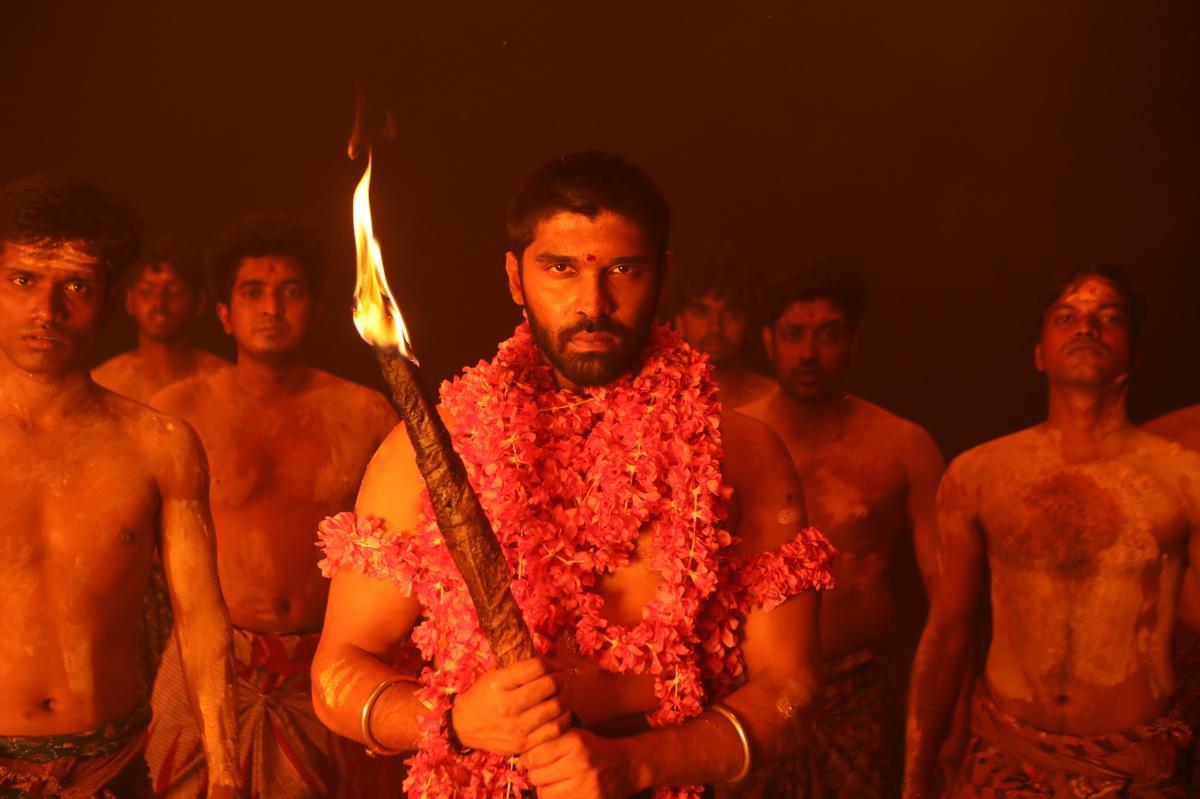
In case you missed the first part of the essay, read it here.
To learn more about films exploring social dynamics through sports, read Sujaan Mukherjee’s essay on Bani Singh’s Taangh (2021) and Vishal George’s reflections on Mohammed Jassim’s Bar Saar (2023).
To learn more about caste dynamics in South India, read Steevez’s essay on Tamil cinema as a tool for social justice, an episode of In Person featuring Mahishaa as he discusses his film Babasaheb in Bengaluru (2024) and Stephi Saleth's reflections on the panels hosted at "Verchol," a Dalit Literature Festival organised as part of the Vaanam Art Festival 2025.
All images are stills from Bison Kaalamaadan (2025) by Mari Selvaraj. Images courtesy of the director.