

On “Difficult Children”: In Conversation with Kanu Behl
The volatile space of the home, the “hellhole” that Titli (Shashank Arora) was desperate to crawl out of in Kanu Behl’s debut feature of the same name more than ten years ago, has turned into an inescapable, noxious architectural battleground in the director’s second Cannes-premiering feature, Agra (2023). The house at the film’s centre has, in some ways, produced its protagonist’s manic state (Guru’s father, we learn, would lock him in a bathroom for hours as punishment). The house also comes to be at the receiving end of his frenzy. At one point, desperation leads him to lash out in and at an open terrace (a highly contested space in the film)—highlighting architecture that has caused and is, in turn, shaped by human trauma. This cycle of violence between man and concrete repeats itself in the film, and sex becomes the twisted means by which the occupation and ownership of living space are negotiated.
It is almost ironic that Agra’s battle for space found an echo in the conversation that erupted online after the film’s release on 14 November 2025 around theatrical allotment (and space) for independent films. In this interview, Behl discusses the next steps towards achieving exhibition parity between commercial and independent films, a mature audience’s need for a more grown-up cinema and the lessons our “difficult children” teach us.
Kanu Behl was assistant director on Dibakar Banerjee’s Oye Lucky! Lucky Oye! (2008). In 2010, they co-wrote LSD: Love Sex Aur Dhoka. His debut, Titli, premiered in the Un Certain Regard section of the 2014 Cannes Film Festival. Behl’s other directorial projects include Despatch (2024) and the short film Binnu Ka Sapna (2019).
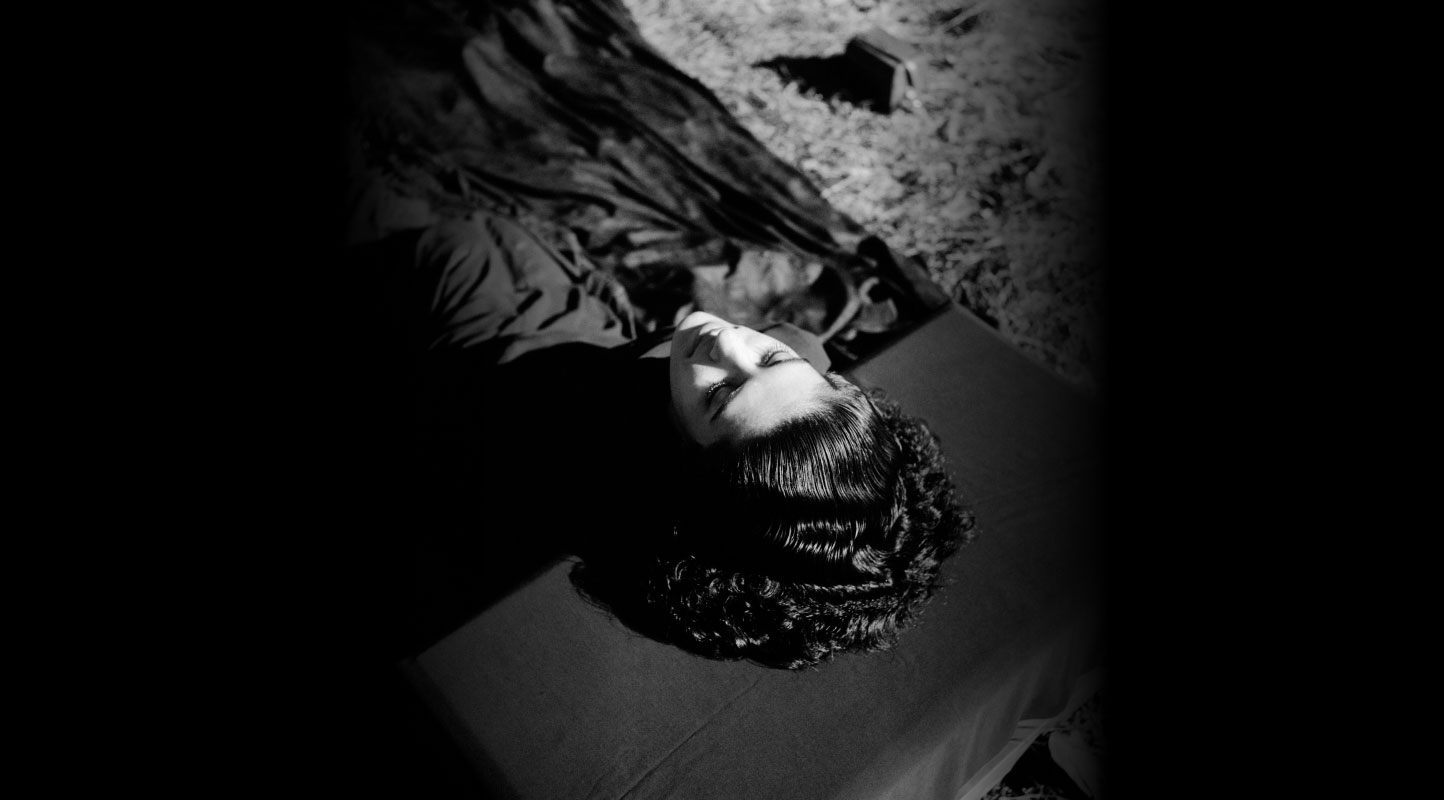
(Featured Image: Still from Agra (2023) by Kanu Behl. Image courtesy of the director.)
Recorded on 27 November 2025.
To learn more about independent films that have struggled with commercial release, read Dev Saraswat’s essay on Dibakar Banerjee’s Tees and Najrin Islam’s reflections on Saim Sadiq’s Joyland (2022).