

Violence of Doubt: How Taste Classifies and Who It Refuses To Believe
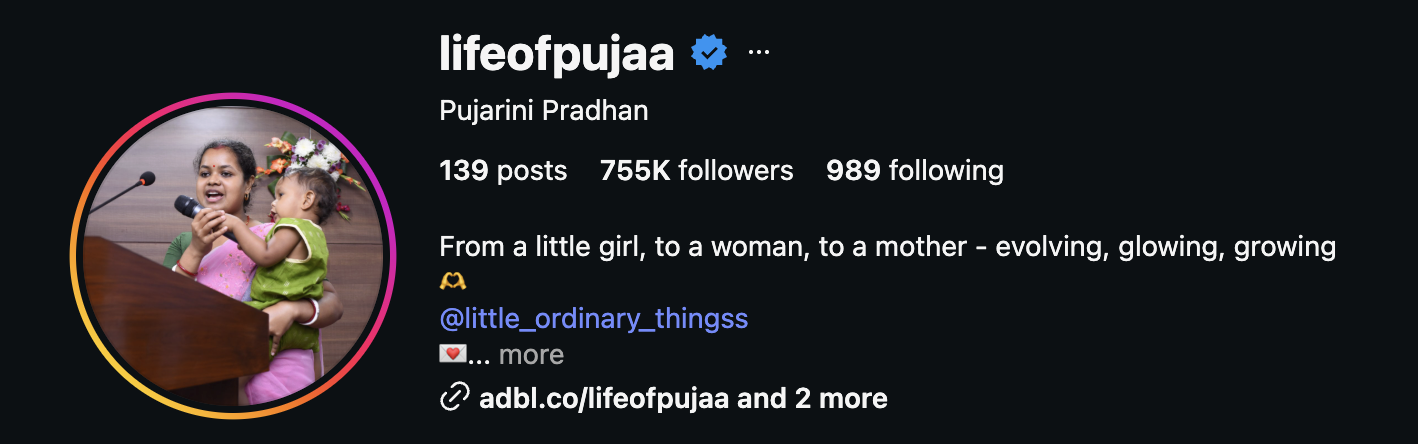
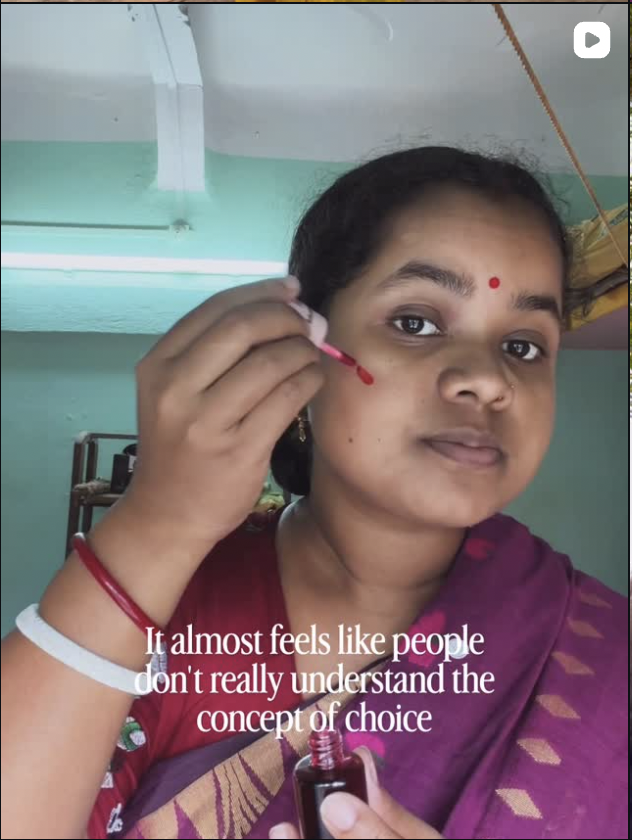
There is something disarmingly simple about the way Pujarini Pradhan speaks to the camera. No dramatic lighting, no visible performance of effort, no exaggerated markers of relatability. A saree, a modest interior, a steady gaze. She speaks in English with clarity and ease, moving between ideas with a composure that feels neither rehearsed nor apologetic. Nothing about her breaks. And that, perhaps, is precisely the problem.
Because almost immediately, her presence has been met not with curiosity, but with suspicion. When Niharika Jain publicly questioned the authenticity of her persona, the language of critique did not revolve around disagreement or interpretation. It revolved around plausibility. She was described as “too polished,” “too coherent” and “too quickly successful.” In some corners, the accusation was made more explicit. She was called an “industry plant,” as though her presence required an invisible machinery behind it, something engineered rather than lived. These are not claims built on evidence. They are expressions of discomfort.
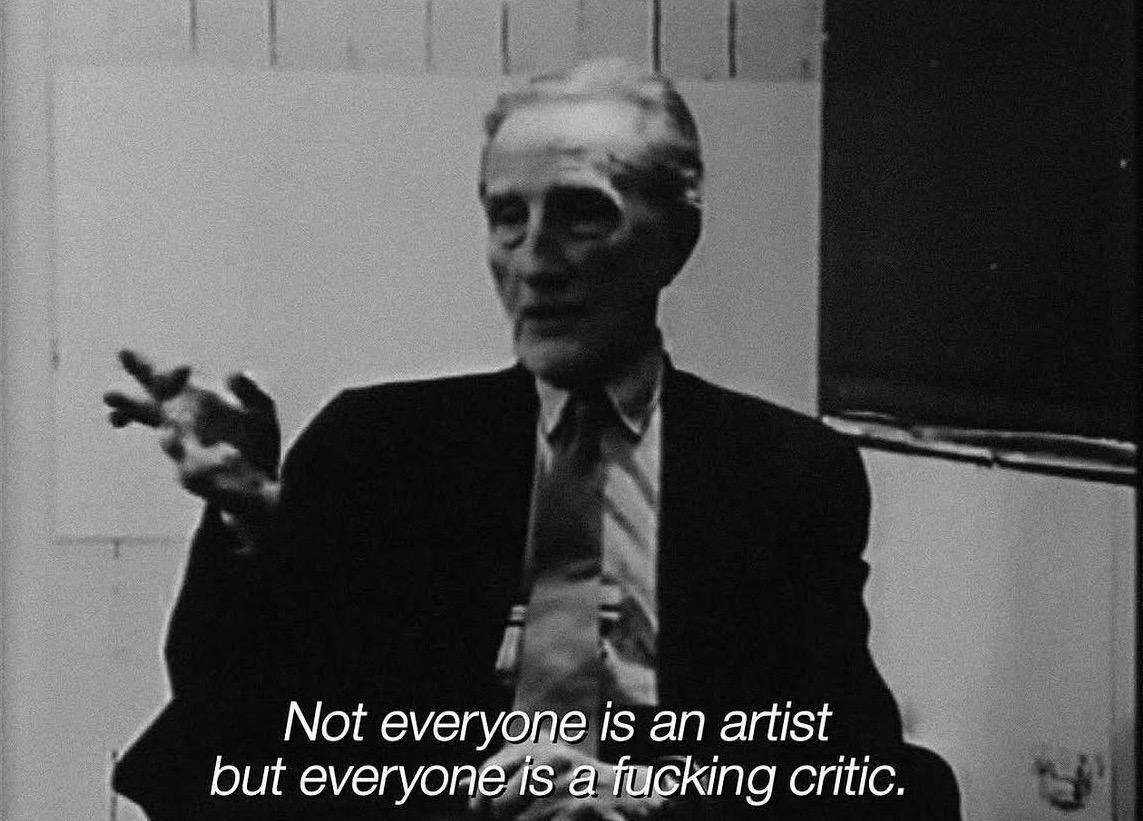
The contemporary internet prides itself on its ability to detect fabrication. It is trained to recognise filters, edits, scripts and performance. But in this heightened state of vigilance, coherence itself begins to look suspicious. When a person appears fully formed, without visible traces of struggle or transition, the response is not admiration. It is doubt.
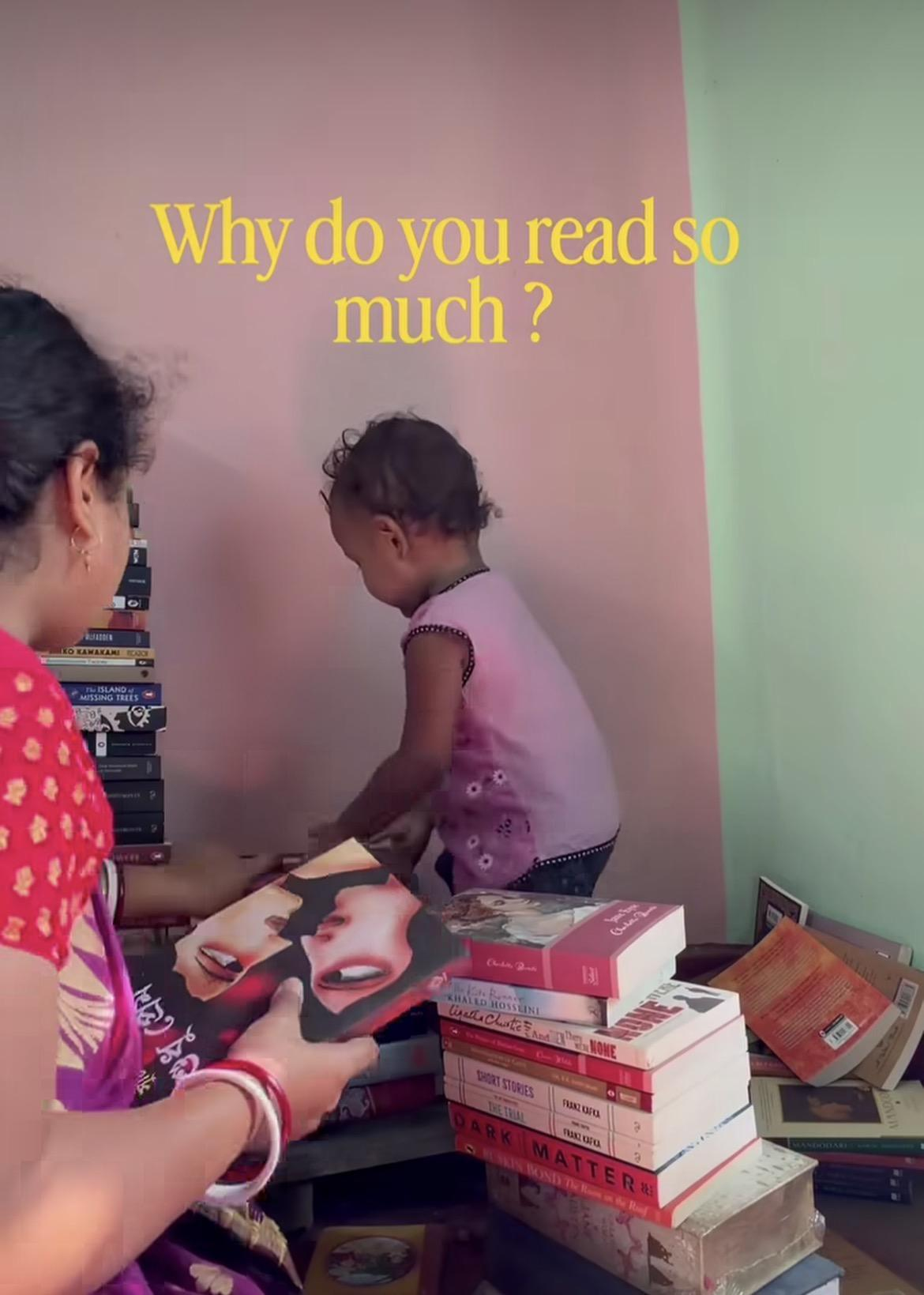
What troubles viewers is not just how she speaks, but what she speaks about. References to European cinema, literature and ideas that are often coded as intellectual do not sit, in the public imagination, alongside her visual context. There is an unspoken boundary around who is expected to engage with such material. Conversations around foreign language films, literary analysis or political thought are often assumed to belong to a certain kind of woman: urban, English-educated, visibly upper-class and culturally initiated in recognisable ways. These associations are rarely stated outright, but they shape perception.
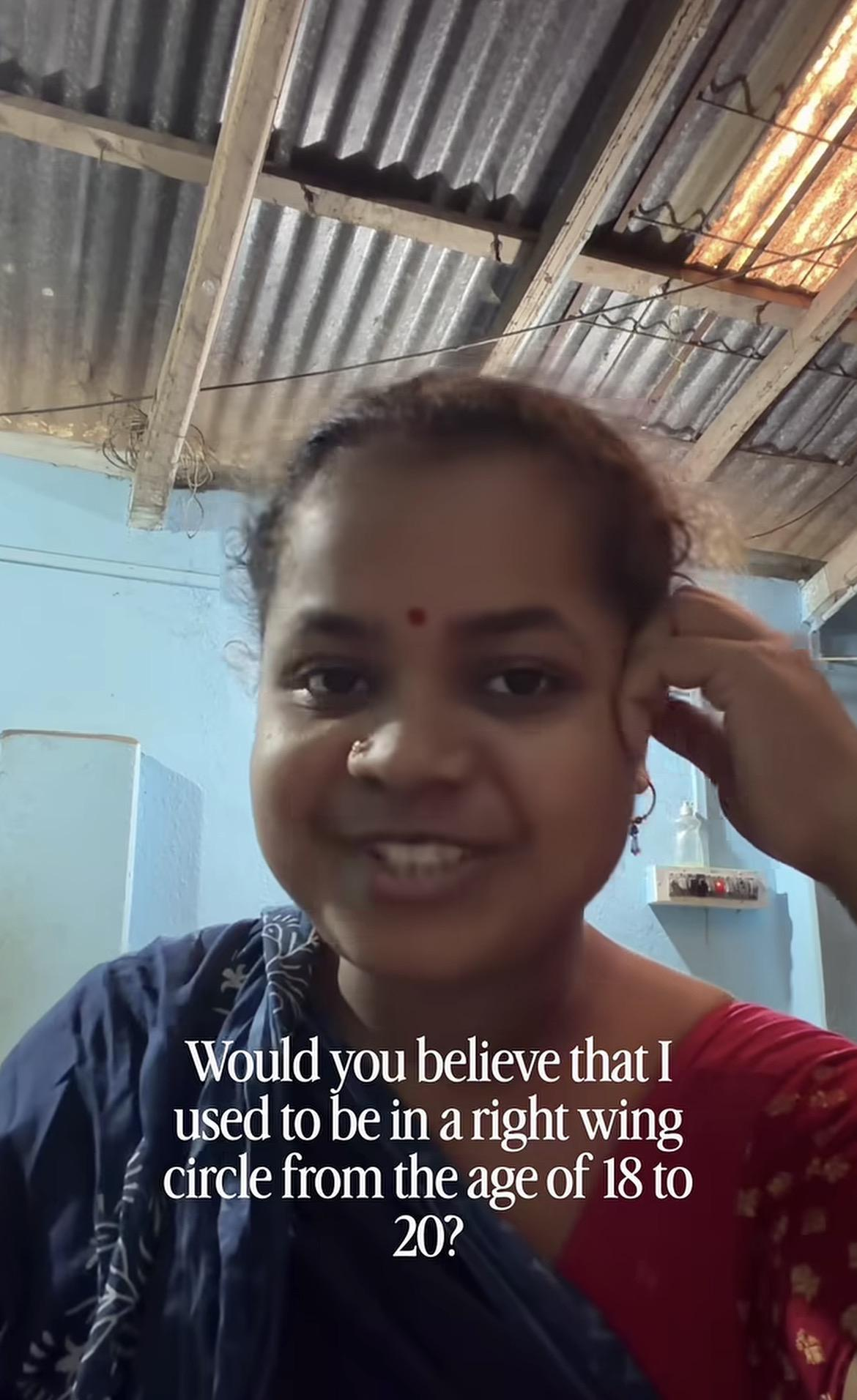
In one of her videos, she speaks about feminism not as something she has always inhabited, but something she has arrived at. She acknowledges having once moved within more conservative, religious frameworks, where patriarchy was not questioned so much as lived through. What altered that position, she notes, was exposure to literature, to ideas, to ways of thinking that allowed her to see her own life differently.
The question is not asked directly, but it lingers beneath the surface: How does she know this? Where did this come from? Who taught her to speak like this?
What is being guarded here is not knowledge itself, but the legitimacy to inhabit it.
What emerges is a familiar unease: fluent, composed, legible, yet not anchored to the background where such traits are expected to originate. It is the discomfort of encountering a presence that does not approximate and yet refuses to be placed. The tension lies not in her incompleteness, but in the failure of recognition.
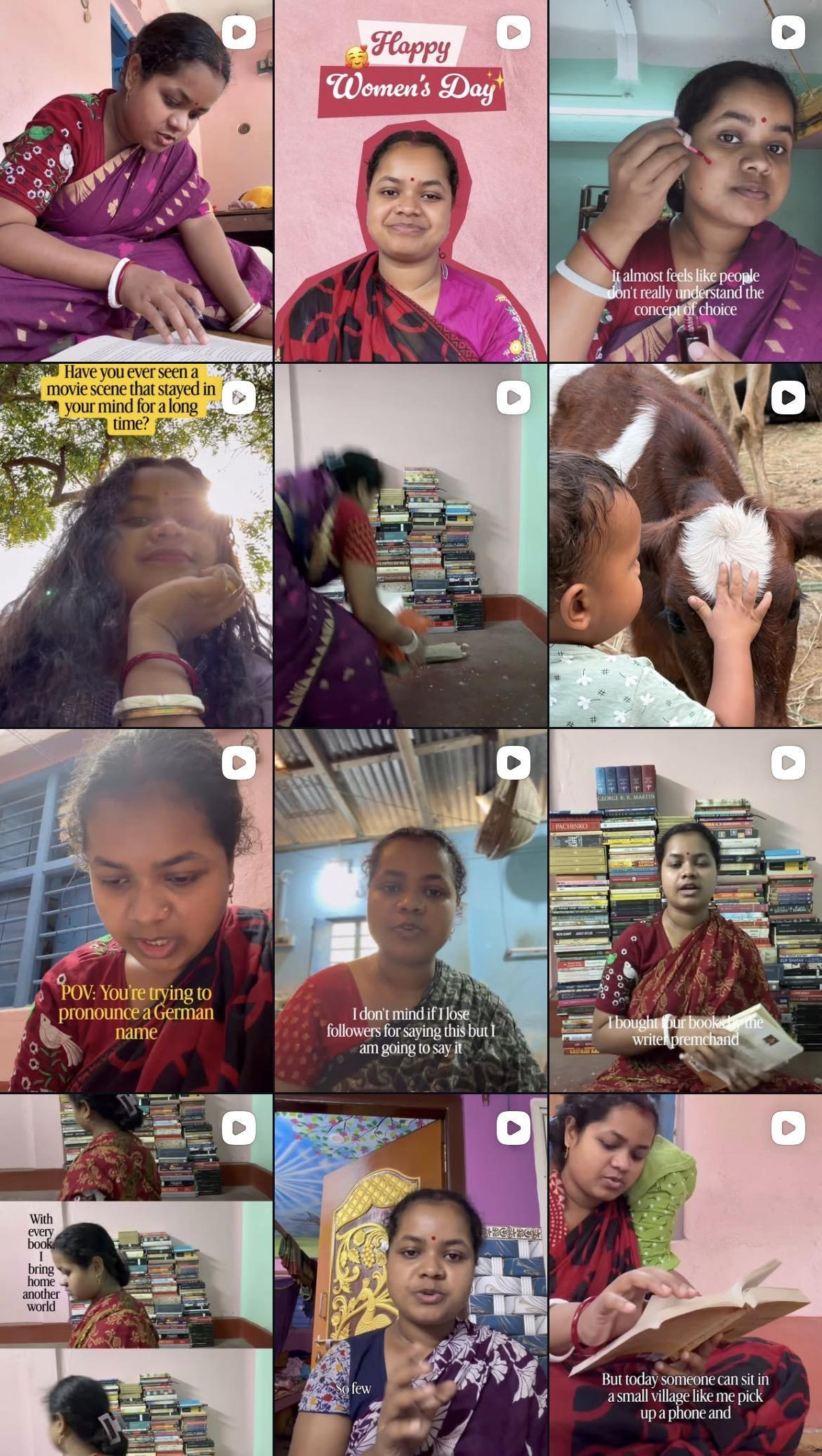
Long before accusations of being constructed or strategically positioned, Indian internet culture developed a simpler mechanism of dismissal: the word “Chapri” across India, and “Pullingo” in Tamil Nadu. It circulates casually, often humorously, and is used to describe something excessive, unserious or aesthetically crude. But its function is more precise than it appears. It flattens. Once something is labelled as such, it is no longer required to be understood. Its context, intention and complexity are stripped away. It becomes noise, something to be scrolled past, laughed at or ignored. Platforms like TikTok were filled with creators who were frequently subjected to this label. Their performances, rooted in specific cultural and linguistic contexts, were dismissed as lacking sophistication. As those spaces disappeared, so did the informal archive that might have made her legible.
As Pierre Bourdieu observed: “Taste is first and foremost distaste, disgust and visceral intolerance of the taste of others.” What appears as aesthetic judgement often carries within it a deeper refusal. “Chapri” is not a description. It is a refusal to engage. But what happens when something cannot be so easily dismissed? What happens when the aesthetic codes that might invite mockery are accompanied by articulation that demands attention?
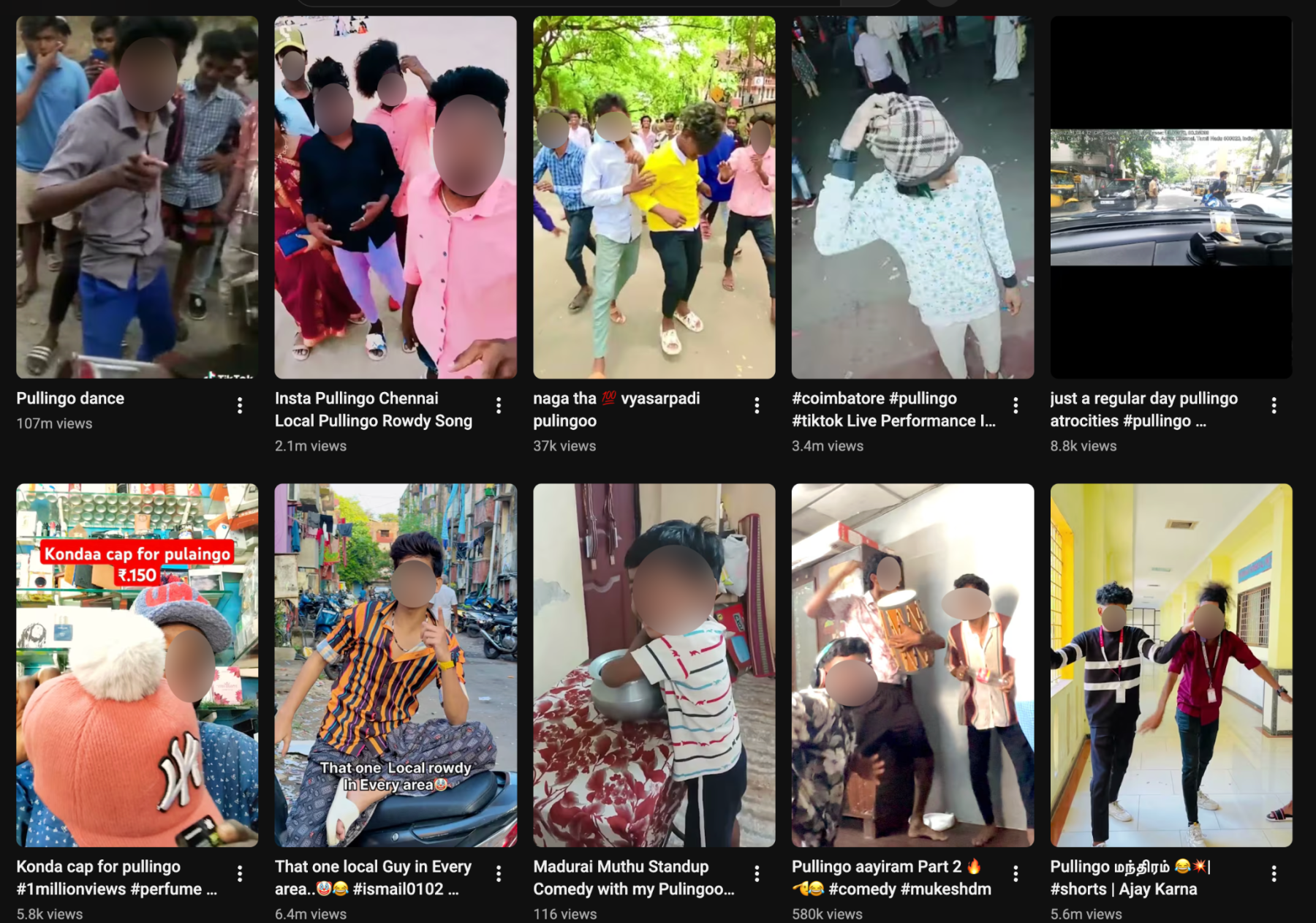
When dismissal fails, suspicion begins. Pradhan does not offer the visible labour of becoming that audiences have learned to trust. And it is precisely this lack of adjustment that invites interrogation. Others pass through by aligning with expectation. She is stopped because she does not.
Dismissal, however, is rarely the objective; it is often only the first step before extraction. Across platforms like Instagram, creators outside dominant cultural centres create trends; these carry specific textures: regional dialects, local humour, particular rhythms of speech and gestures. A clearer example lies in the street food vendor documentation format: close-ups of hands and process-led videos built around ambient sound, often produced by vendors and their immediate communities to document their own labour. As this format gained visibility, it was taken up more prominently by urban food creators who reproduced its grammar, with no presenter, process-led focus and natural sound, while adding clean editing, English captions and brand integrations. In this shift, the maker disappears. The format travels, but the author does not. What is retained is the aesthetic; what is removed is the context, the labour and the origin. The gains, visibility, legitimacy and monetisation benefits accrue not to those who produced the form, but to those who recognised its value and made it acceptable. However, what gains traction is often not the original expression, but its recreation.
The recreated version is cleaner. The lighting is better. The language is neutralised. The references are broadened. The content is not copied outright. It is translated into acceptability; the discourse is repackaged, the discomfort made legible and circulated by gatekeepers who do not always hold formal power but shape perception. This can be seen most clearly in the proliferation of reaction videos, where Pradhan’s content runs in the foreground while others emote, critique or pass judgement in real time, generating engagement through proximity rather than transformation, positioning themselves alongside her visibility rather than reworking it. They decide, often implicitly, what counts as “thoughtful,” what feels “authentic” and what appears “excessive” or “out of place.” Their authority is built not just on knowledge, but on familiarity with certain worlds.
And this is precisely the pipeline that Pradhan disrupts. There is no waiting to be translated, no separation between origin and articulation. Both arrive at once. Not raw material waiting to be refined, but someone who is already formed. As Bourdieu suggests, taste does not simply classify; it exposes the one doing the classifying.
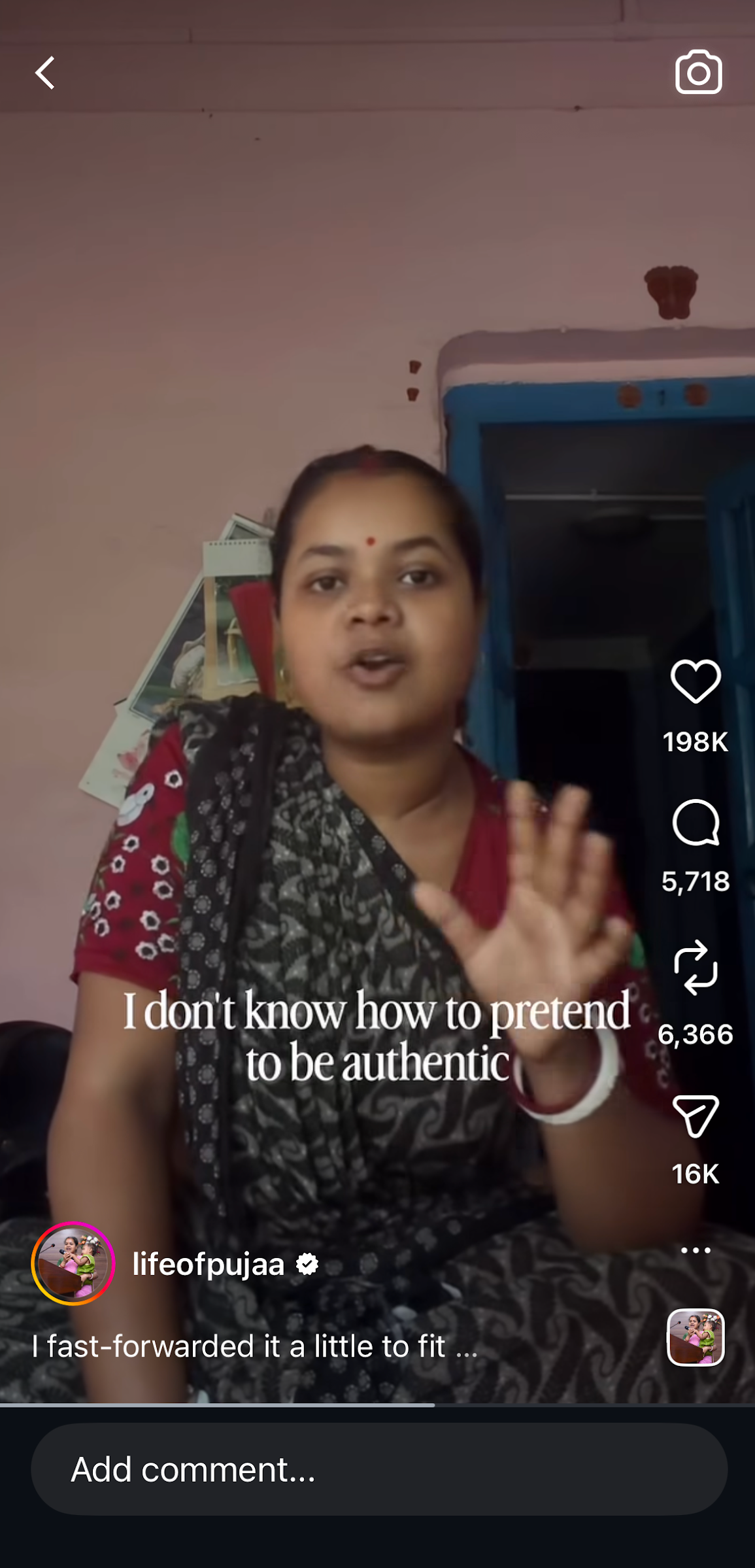
In attempting to place her, her critics reveal the very boundaries they are trying to protect. We distinguish ourselves by the distinctions we make, and the refusal to recognise her becomes a way of maintaining those distinctions. What cannot be recognised is often rewritten as artificial.
This is where privilege reveals itself, not as excess, but as the absence of doubt. The absence of scrutiny. The absence of having to explain how one came to be. For some, authenticity is assumed. For others, it must be proven, repeatedly, under watch. The backlash against her is often framed as a question of truth. Is she real? Is she performing? But perhaps the more unsettling question lies elsewhere. Why does reality, in this form, demand verification? The ability to recognise someone as real is not neutral. It is shaped by caste, class, language and familiarity. It depends on whether a person fits into the categories we already understand. When they do not, we do not always expand our understanding. We question the person.
And so the problem is not that she is “too polished,” “too articulate” or “too composed.” The problem is that she appears without permission, without translation, without first being purified into acceptability. She is not failing authenticity. She is exceeding expectations. When some women can no longer be dismissed, they are investigated.
To learn more about influencers and stardom within the social media space, read Sagorika Singha’s essays on Dimpu Baruah and Hero Alom.
All images are screenshots from lifeofpujaa’s page unless otherwise mentioned. Images courtesy of the artist.