

In Person: Yazid Anani on Buried Histories
The international symposium Image Worlds: Approaching the Bicentennial of Photography—supported by PhotoSouthAsia and co-presented by Alkazi Foundation, Offset Projects and Maze Collective—was held at the India International Centre in New Delhi on 25 and 26 July 2025 to think through “expanded image spectra, interdependent aesthetic genealogies and the networked cultural politics of our time.” As part of the panel titled “Sightlines,” Yazid Anani interrogated the nature of image production and circulation during the ongoing genocide in Palestine, given the collapse of the ethical and moral structures that sustained the meaning of image-making practices. In this edited conversation, Anani takes us through “colonial imagery” and its dependence on absence: empty land, land without people, landscapes cleansed of Palestinian presence. These images do political work—they legitimise ownership and authority while denying the same rights to the colonised. The colonial project, as Anani frames it, is not just territorial but visual and epistemic, deciding what can be seen, named and remembered. Reminding us that what we inherit is not neutral space, but a city shaped by colonial logic, military control and selective memory, he shows us how to dig into a city’s buried histories and insists on looking at the dark movements in cities: how power circulates through streets, architecture, surveillance and absence. The question he raises is urgent: What happens when history is excluded from the present?
Yazid Anani is senior curator at the Hayy Jameel cultural centre in Jeddah. Trained in architecture, he was a professor at Birzeit University, Ramallah, from 2007–16, teaching architecture and urban planning. He concurrently taught at the International Academy of Art Palestine, Ramallah. He served as head curator and director of public programming at the AM Qattan Foundation in Ramallah from 2016–24. He has curated and co-curated numerous exhibitions, and has lectured and published widely on architecture and urban transformations, colonial spaces and power relations, public art and public spaces, and art education.
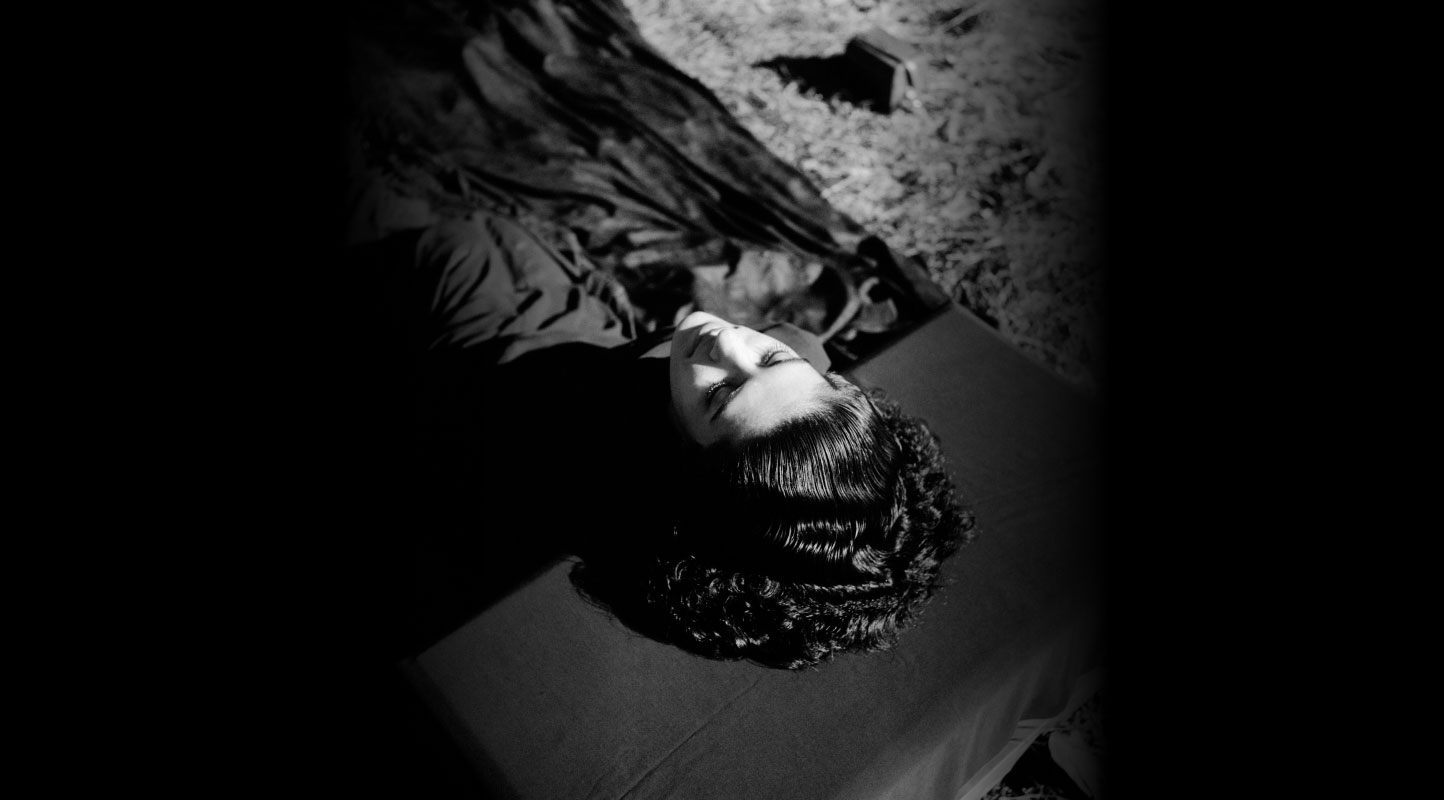
(Featured Image: Video still from Destruction and Return in al-Araqib [2017] by Forensic Architecture. Image courtesy of the artist.)
Recorded on 26 July 2025.
In case you missed the previous episodes of In Person, watch the conversations from the Emami Art Experimental Film Festival including Richard Tuohy and Dianna Barrie as they discuss their work with Nanolab, Karthik Subramanian on his film Sleepwalker Archives (2024), Ketan Dua about his film Rafique Raat Ki Baahon Mein (2025), Mahishaa on Babasaheb in Bengaluru (2024) and Asmita Pal on A Very Clear Sunrise (2025).