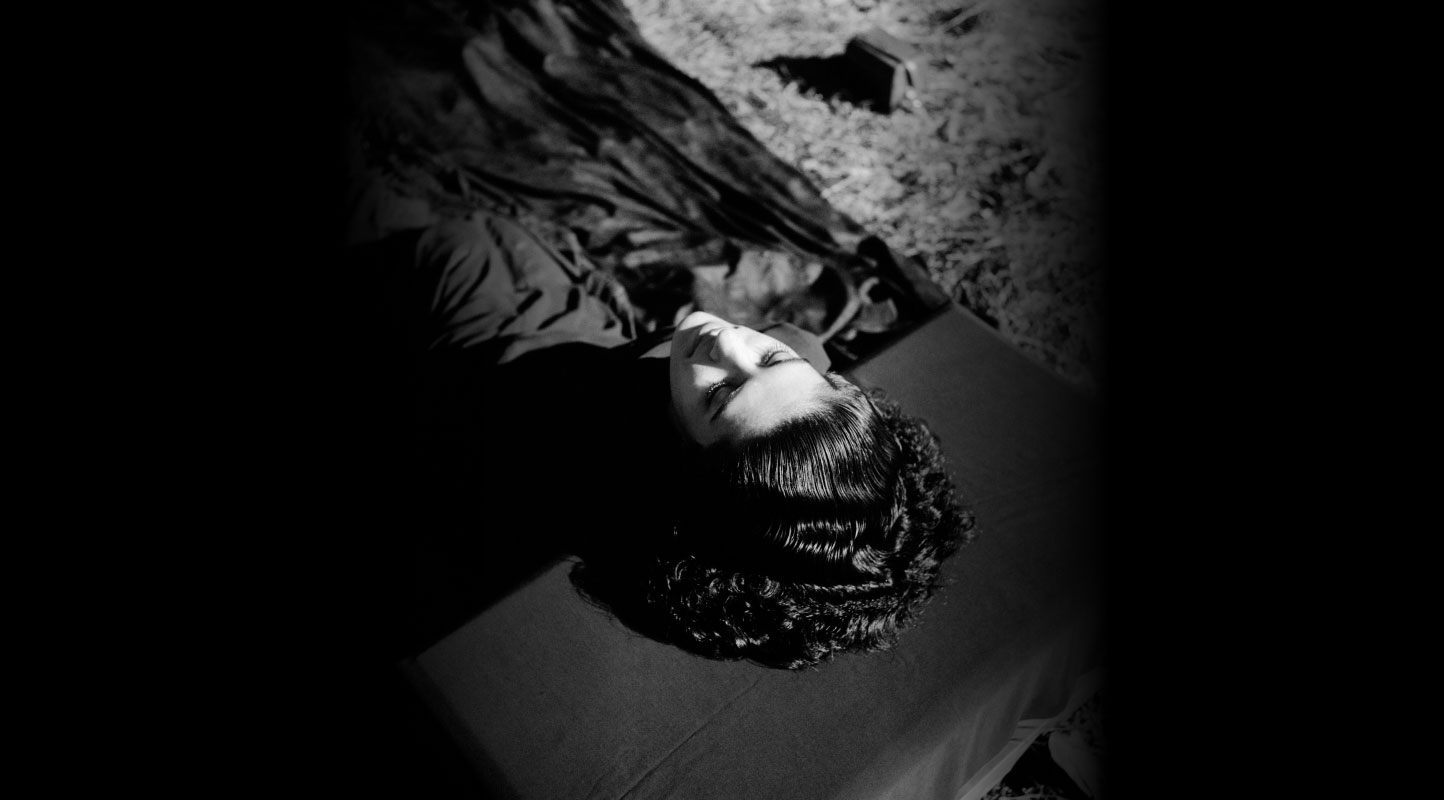


The War at Home: Jacob Jeroshan’s The Last Endless Night
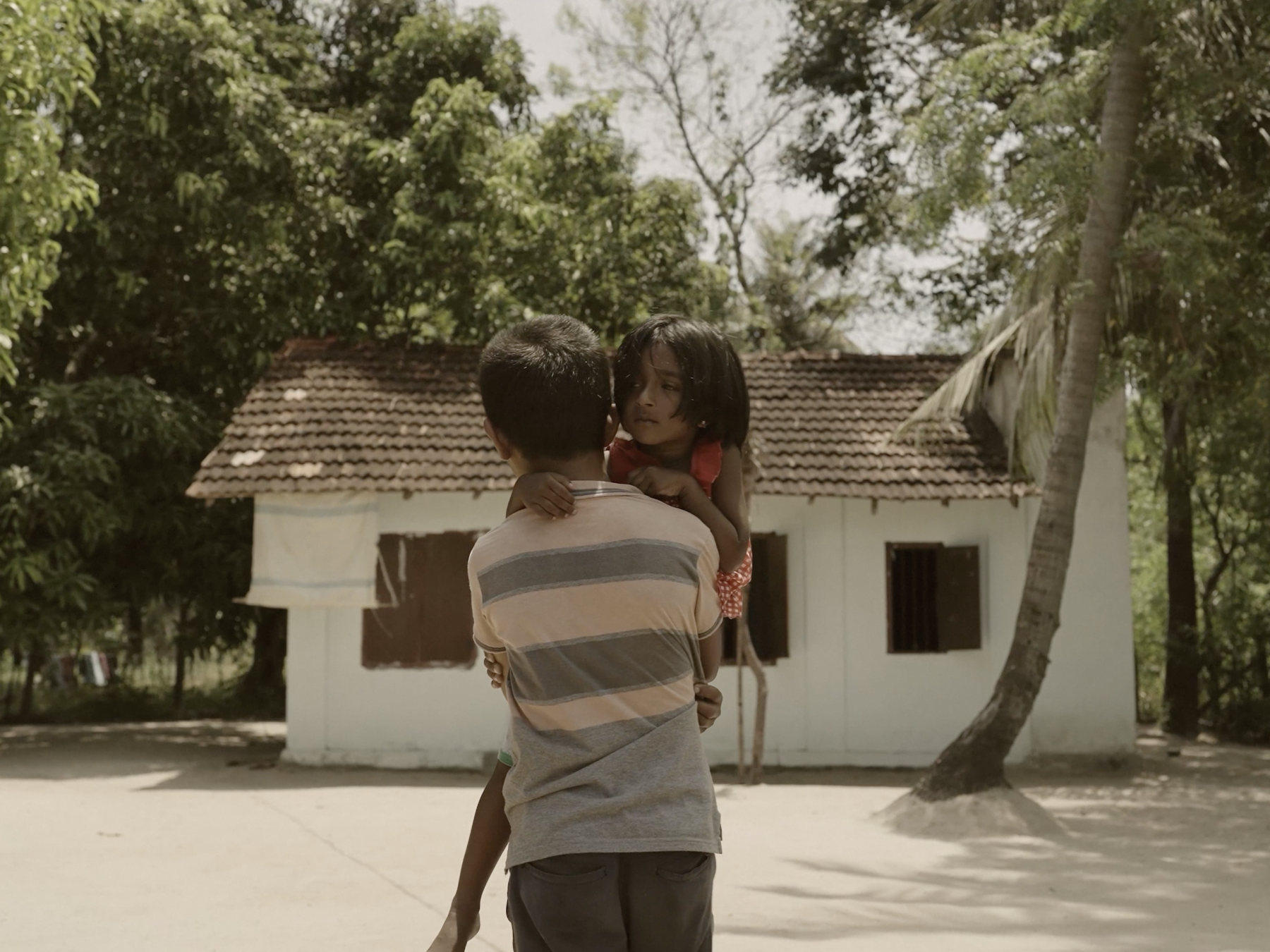
Recently screened at the Dharamshala International Film Festival (DIFF) 2025, The Last Endless Night (Neelum Oor Kadaisi Iravu, 2025), a 19-minute fiction film by Sri Lankan Tamil filmmaker Jacob Luke Jeroshan, is a moving exploration of how war seeps into the smallest crevices of private life. Set at the height of the Sri Lankan civil war, the film uses the dysfunctionality of a patriarchal family to shed light on the devastating, pervasive effects of a wider social and political conflict.
Deeply shaped by his childhood amidst war, Jeroshan approaches cinema as a sensory archive. For him, film is a language of fragments consisting of visual cues, gestures and silences, through which the audience must collaborate in meaning-making. Perhaps his most personal work, "this film," he says, "is not fiction. It is a memory that chose me long before I became a filmmaker."
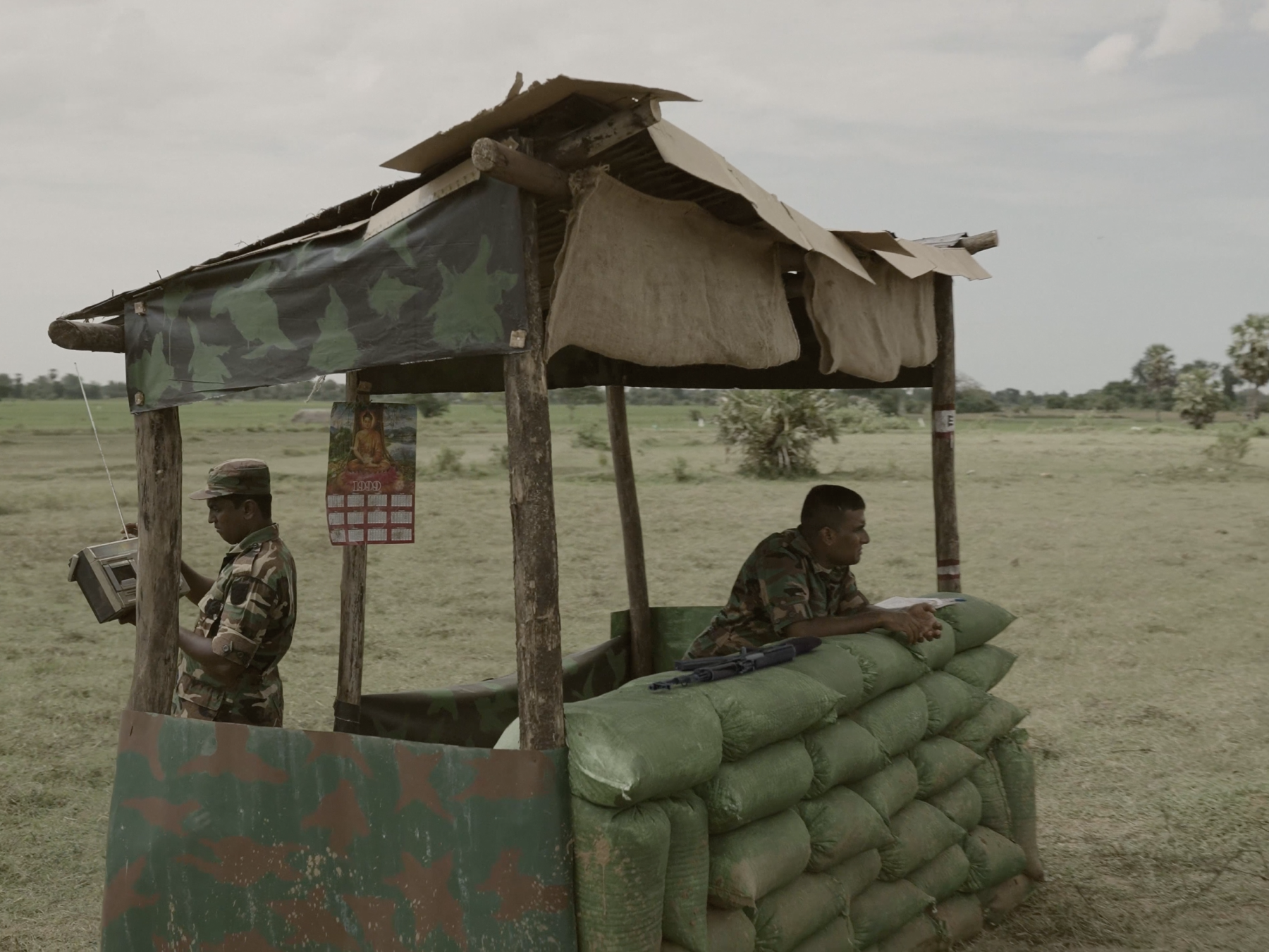
Through the child protagonist, the filmmaker revisits an incident he witnessed when he was nine years old—a moment that became the emotional centre of this film. By 1999, the conflict between the LTTE (Liberation Tigers of Tamil Eelam) and the Sinhala-dominated government had reached its most violent peak. Tamil women travelled every day fearing rape, humiliation or disappearance; men were often kidnapped or killed without explanation; roads were barricaded; and villages were reduced to places of suspicion due to the presence of soldiers and landmines. Nothing was free from surveillance—not family, not intimacy, not childhood.
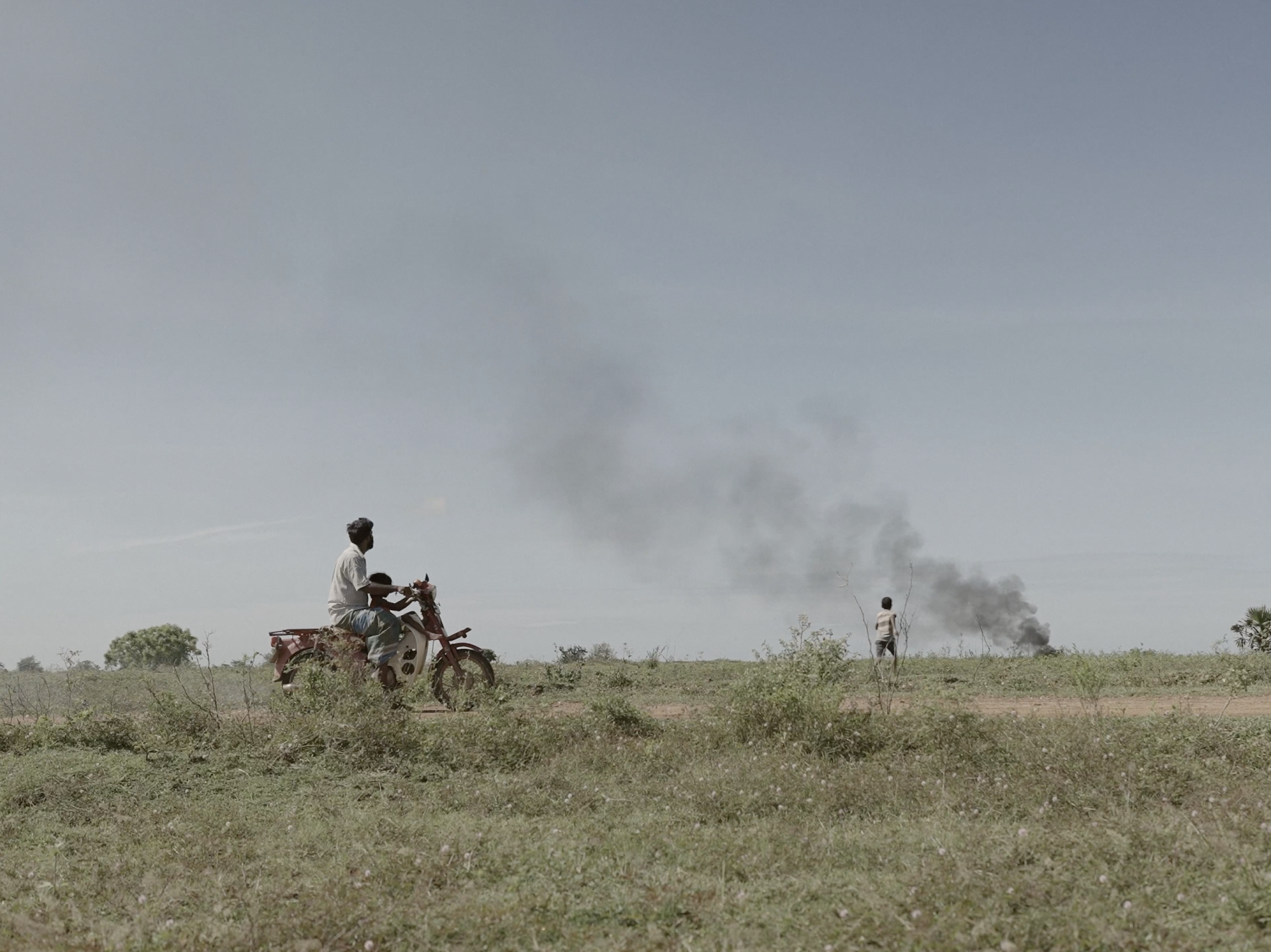
The film opens with the army sentry moving a tyre toward the checkpoint, followed by a long, uninterrupted shot inside the family's house. The opening sequence establishes the strained family structure—as the jobless husband, dependent on his mother's meagre income, argues with his wife who confronts him about his failure to provide. The family unit in the film is defined by intense internal friction and rigid patriarchal authority. At the core of the conflict are the husband and wife, whose tense relationship is constantly mediated by Raasu (the husband’s brother), who acts as a reluctant peacemaker along with Veena, another relative. It is the grandmother/mother-in-law, however, who wields authority even as she remains excluded from the immediate emotional turmoil.
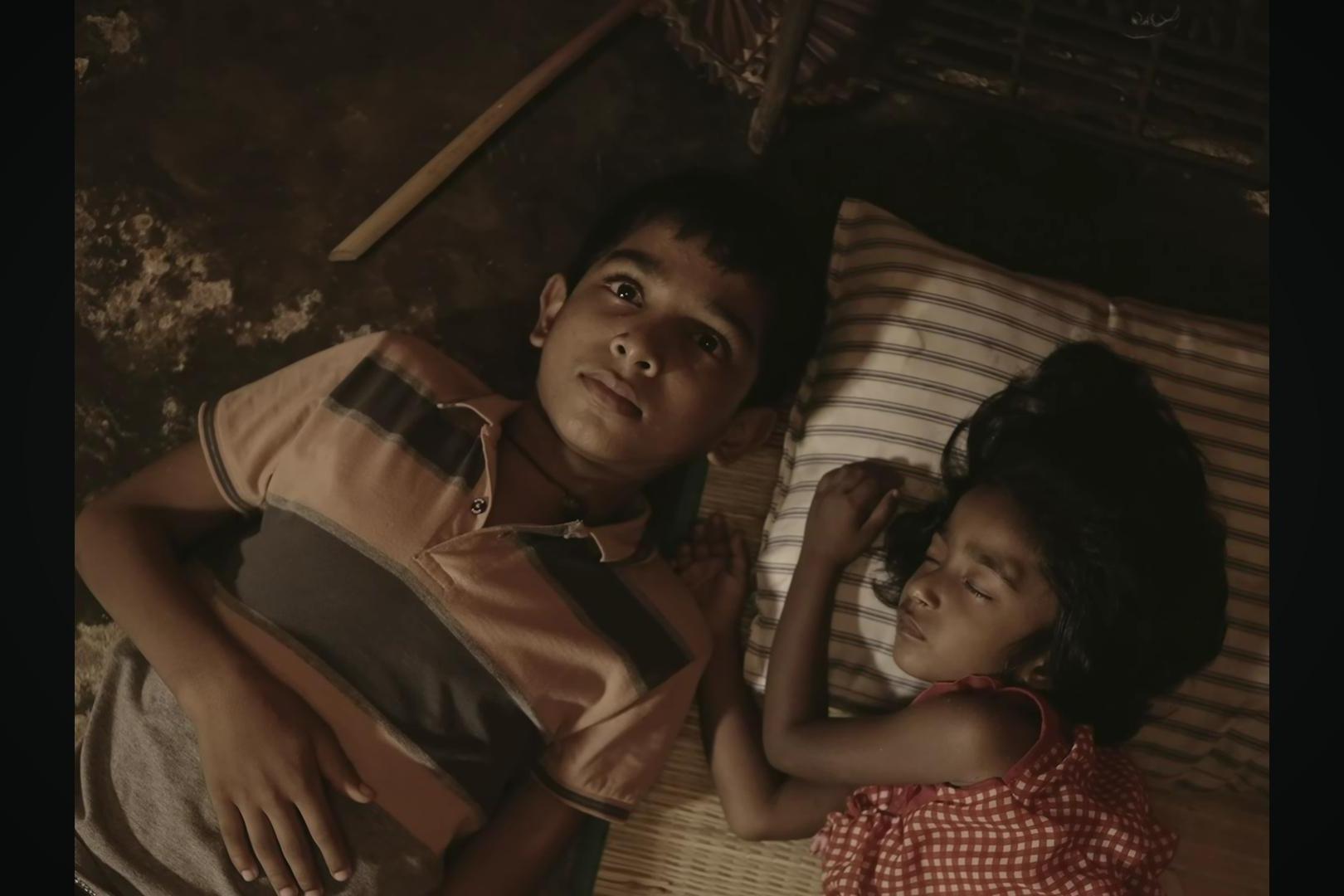
The film draws the viewer into this unfolding domestic drama through the eyes of young Vendan, who witnesses the furious fight between his parents. The film powerfully explores the double marginalisation of women within this harsh environment. The mother's heartbreaking yet rational questions about the marriage and the future of their children are met with immediate dismissal. She is branded as "uncivilised" and “difficult,” and later even given the label “whore.” The climax of this internal conflict sees the husband physically close the door on his wife, preventing her from taking her children with her to her mother’s house—a cruel symbol of his absolute control. The depth of her despair is revealed in her preference: Veena cautions her aunt that it is not safe to go at this time of the night, but she bitterly states it would be "better to be tortured and killed by them than to live with him."
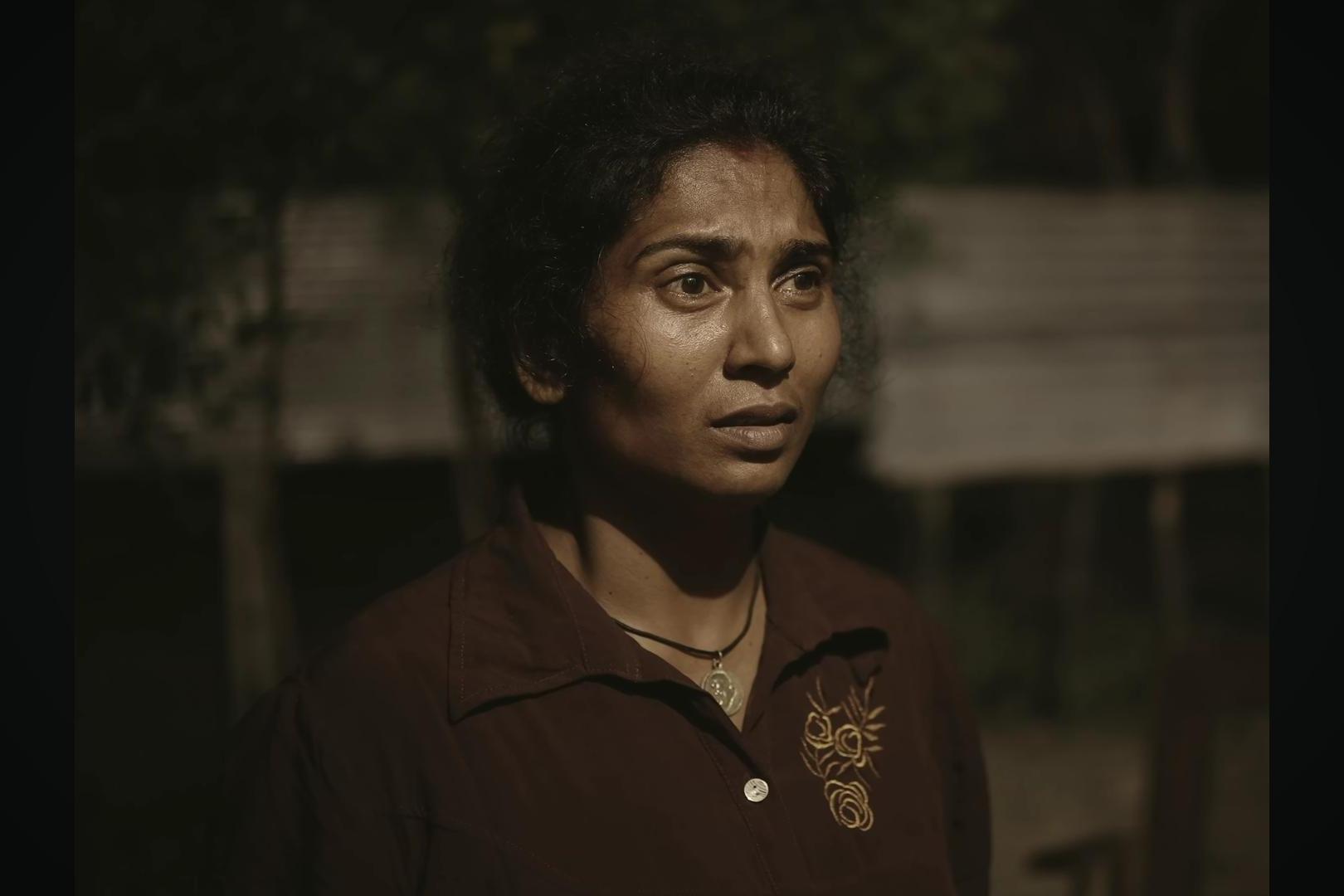
The film thus mirrors two distinct but interconnected conflicts: the larger, overarching political strife, and the intensely personal family conflict within it, where the mother and her children are on the receiving end. The woman's mounting frustration, however, soon outclasses every other trouble. She demonstrates a profound resilience and simultaneously an overwhelming desperation, choosing to leave her husband's home, disregarding the danger of the conflict. Her departure is followed by the sound of the glass bottle shattering, which she had earlier pointed out as a means to kill herself.
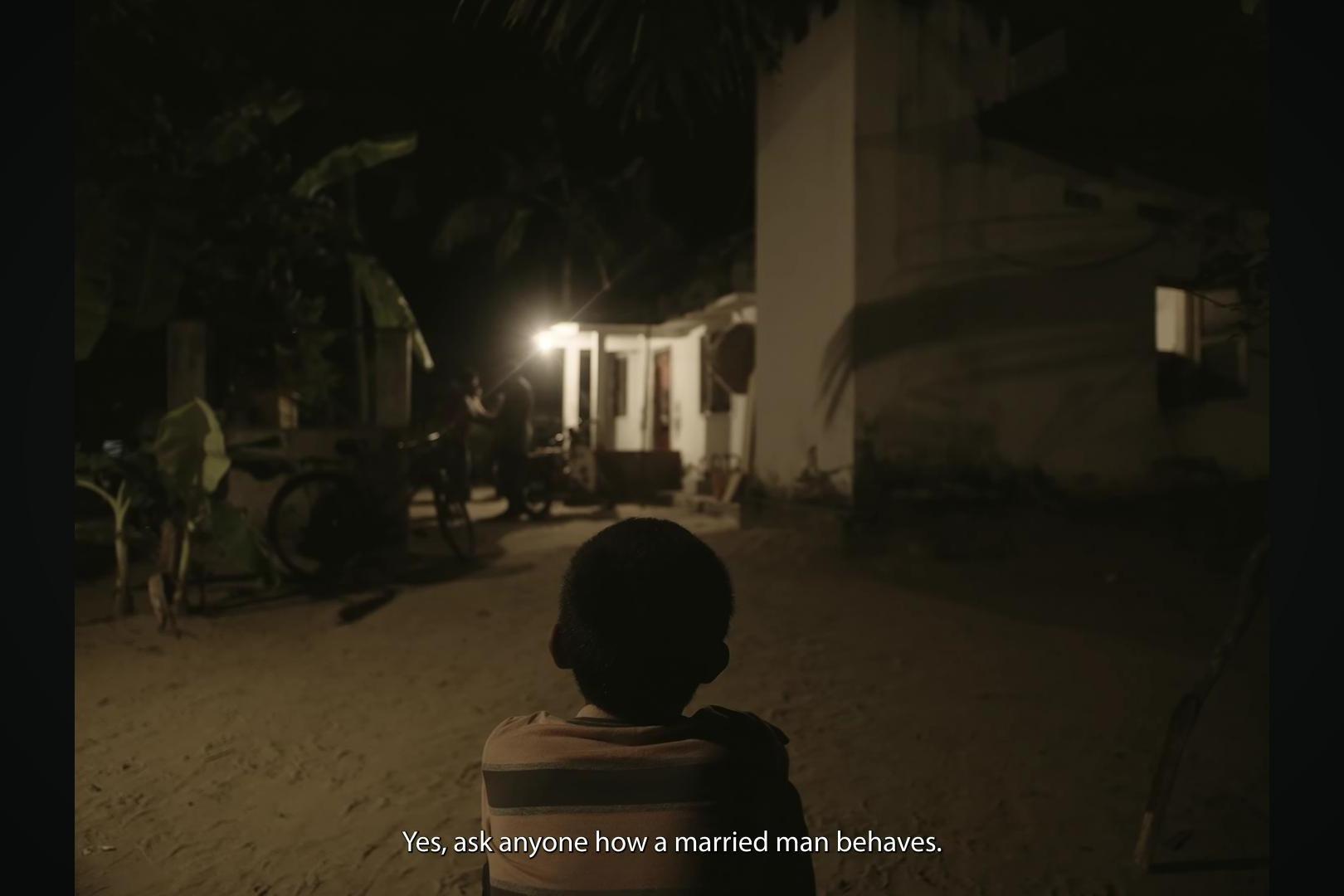
The grandmother/mother-in-law however quickly reinstates the patriarchal order by publicly disowning the wife, declaring, "She's not part of us anymore; let her deal with it on her own." This command instantly halts any attempt by the men to track the woman, sealing her fate and illustrating how traditional power structures maintain control and reinforce the woman's isolation. This return to domestic cruelty is further strengthened by the grandmother/mother-in-law as she immediately begins considering a replacement wife for her son.
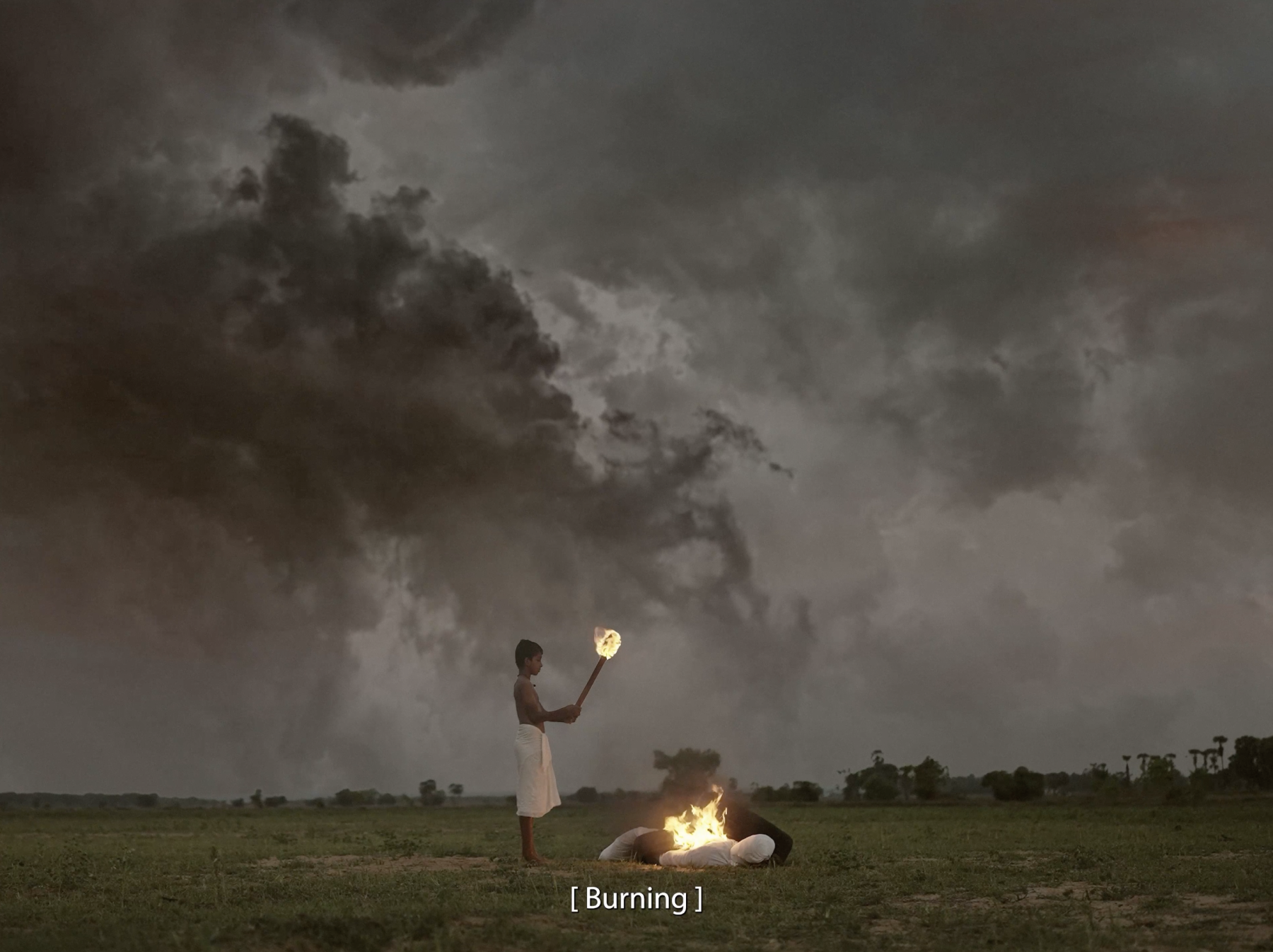
The narrative then shifts into sorrowful visual poetry. Vendan’s sleepless night is interrupted by a dream of him burning a pyre along with a tyre, which foreshadows the dreadful possibility of his mother’s death. The next day, when his father asks Raasu to take the children to their mother, the landscape itself becomes a clue. The journey through military checkpoints and land riddled with mines is punctuated by the director's subtle visual clues: pieces of the mother's belongings strewn along the path. Despite Raasu’s hollow assurance to Vendan, "Your mother is fine," the powerful visual evidence of her fragmented journey and the constant threat of the conflict hint at a tragedy the boy is forced to bear. The open-endedness of the film stays with the viewer long after the credits roll.
For the young child, the primary antagonist is not the war; it is his father. There is no emotional safety or affection at home, and he loses his only refuge. With nowhere safe to turn, Vendan is left holding onto sadness and fear. As the director states, “I am not only recreating what I witnessed, but also representing my entire minority community through the protagonist.”
The film's deliberate lack of hope can be emotionally difficult to handle, yet it takes us back to the stark reality of its title: The Last Endless Night. The trauma endured by these child is a profound metaphor for the innocent people thrown into a suffering that will indeed be endless. Even after the war and the family conflict, there is only a vague, open-ended suggestion of hope: what if this resilient woman somehow manoeuvred her way home safely? It is a question to which even the narrative refuses to provide an easy answer.
Watching this film, I realised there is immense similarity to the place where I come from—Kashmir, which is also knocked down by conflict. There are always deeper conflicts within the major conflict. As we grow up from children to adults, nobody teaches us whom to fear or what to question; those lessons are learned through experience itself. As things unravel in our lives, we become mute spectators, much like the young Vendan—a reminder of the Kashmiri proverb, "Remember it, but don't say it to the face."
To learn more about artists engaging with Sri Lanka’s civil war and its aftermath, read Ankan Kazi’s conversation with Sinthujan Varatharajah on reclaiming repressed histories of displaced communities, Pramodha Weerasekera’s essay on Sumathy Sivamohan’s film Sons and Fathers (2017) and Annalisa Mansukhani’s reflections on Leena Manimekalai’s White Van Stories (2014).
To learn more about films screened at this edition of DIFF, read Upasana Das’ essays on Shaheen Ahmed’s Naz̤ar: A Diary (2025), Azeem Rajulawalla’s More Punk than Punk (2025) and Rich Peppiatt’s Kneecap (2024). Also read Mallika Visvanathan’s conversations with Suhel Banerjee on his film Cycle Mahesh (2024) and Sruthil Mathew on his film Dinosaur’s Egg (2024) as well as the episodes of In Person featuring Surabhi Sharma on her film Music in a Village Named 1PB (2025) and Sivaranjini on her film Victoria (2024).
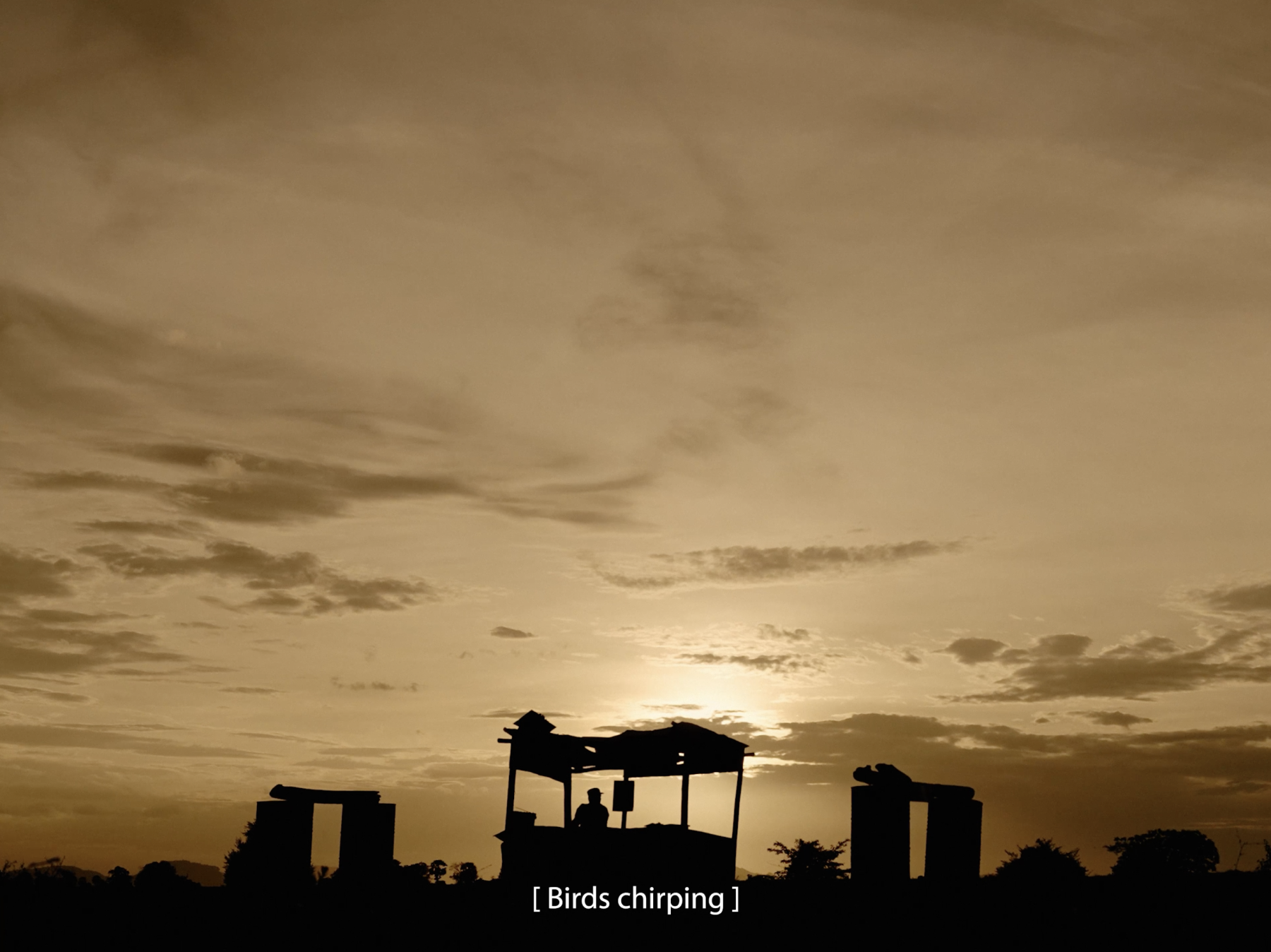
All images are stills from The Last Endless Night (Neelum Oor Kadaisi Iravu, 2025) by Jacob Luke Jeroshan. Images courtesy of the director.