
Between Research and Ritual: In Conversation with Isadora Romero and Tanvi Mishra
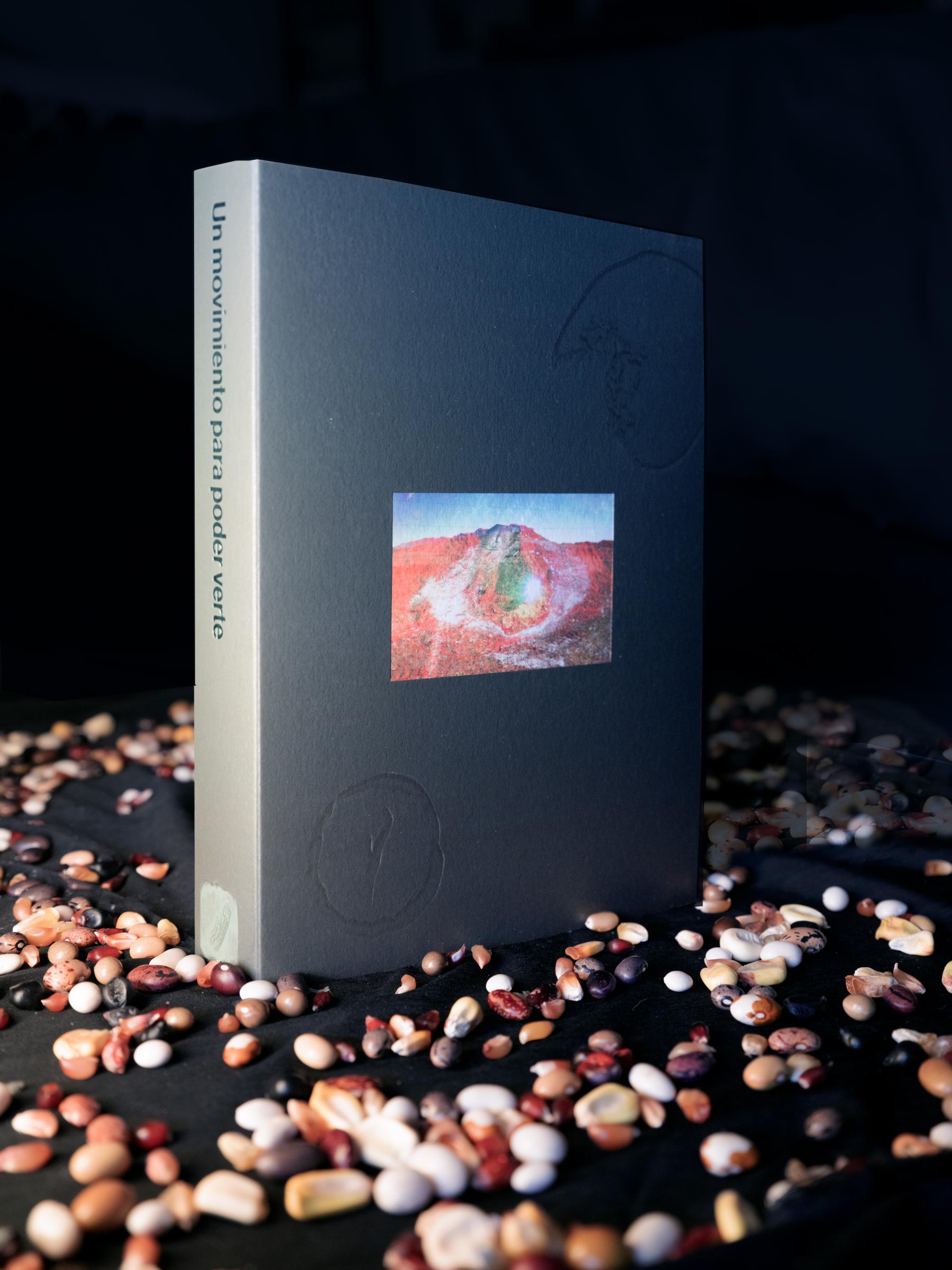
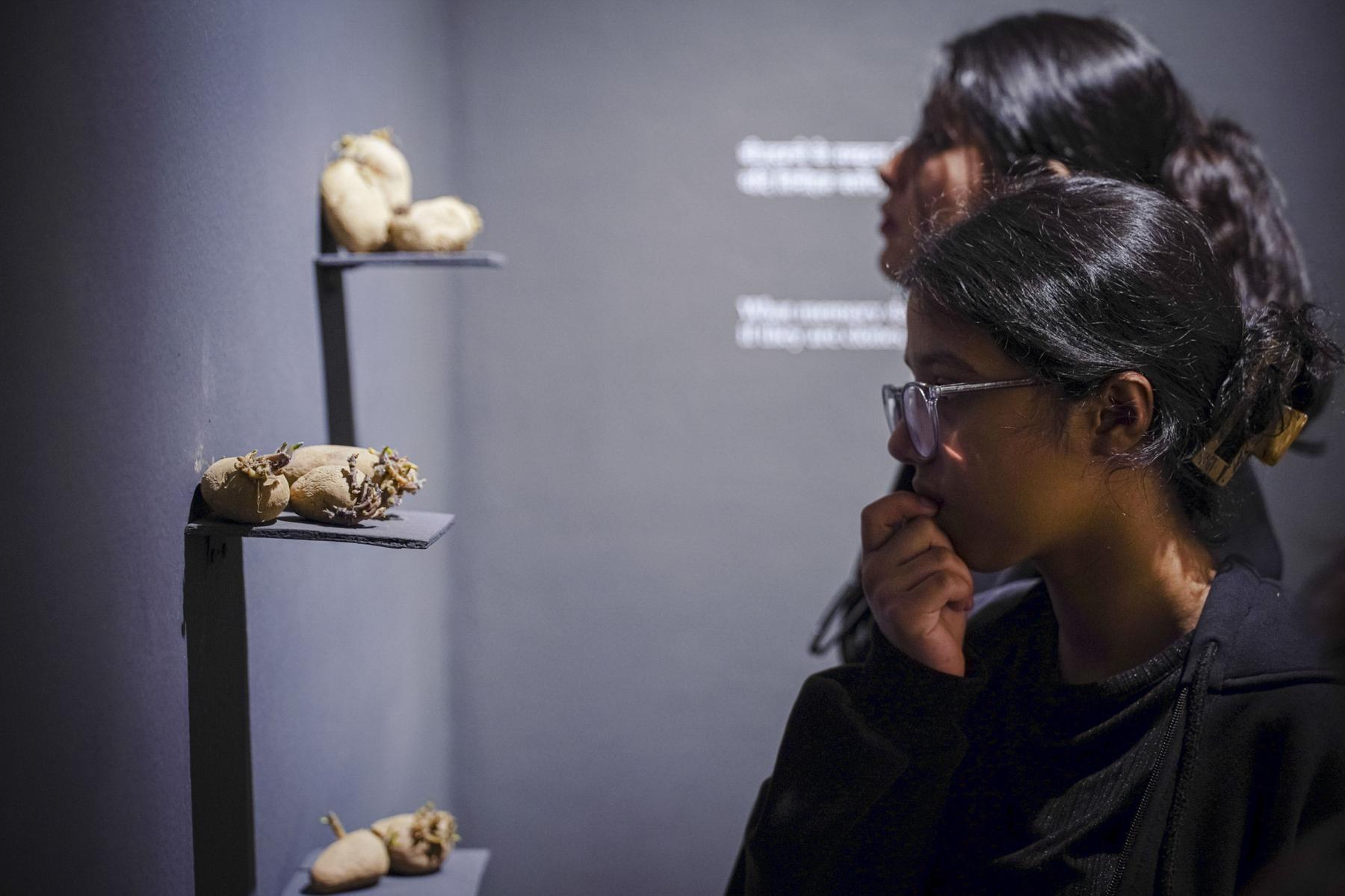
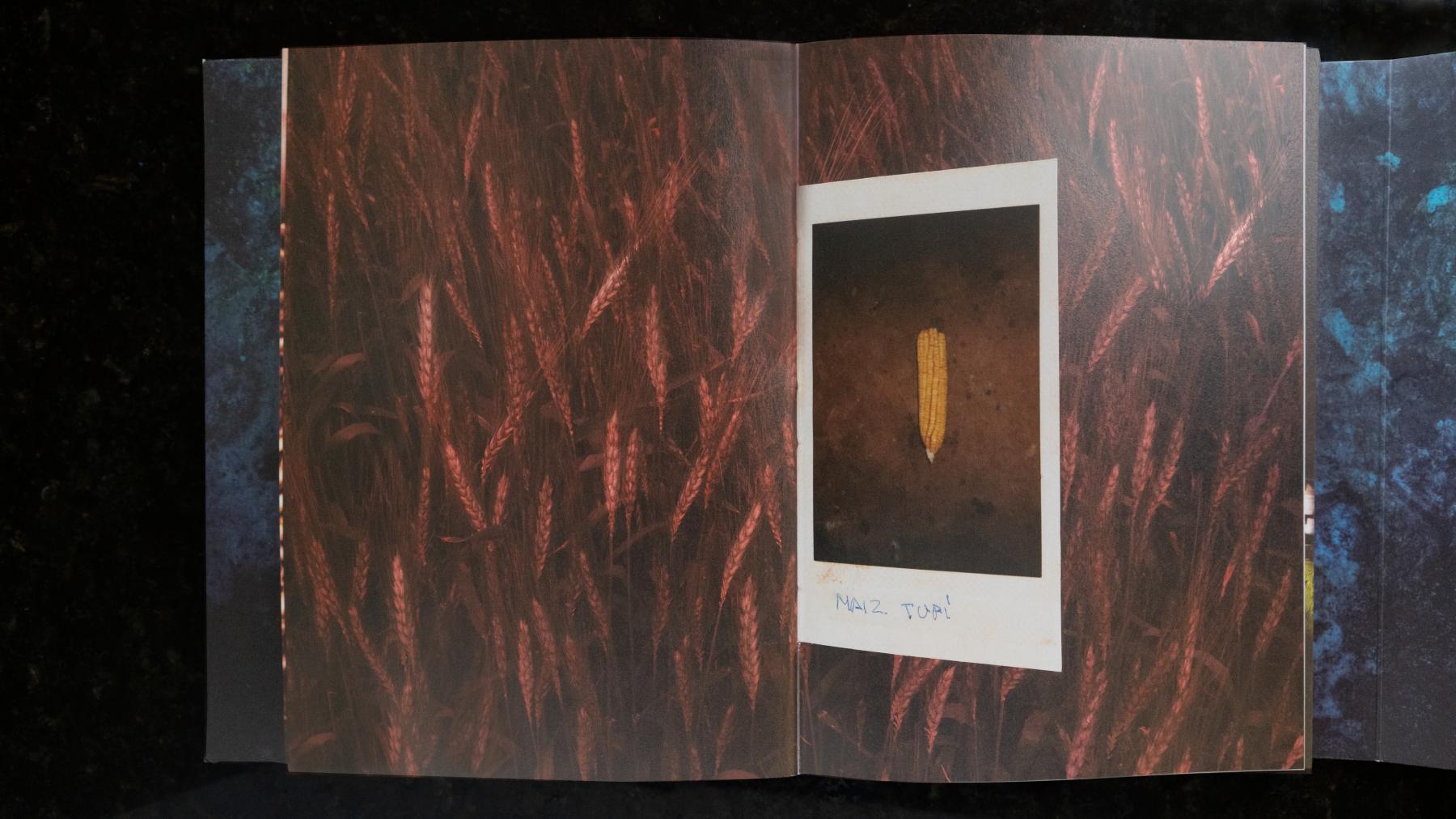
In the first part of the edited interview with Isadora Romero and Tanvi Mishra, the artist and curator spoke about the nature of their collaboration for the series Humo, Semilla, Raíz (Fume, Root, Seed), currently on display at the ongoing PhotoKTM6. Given that the theme of PhotoKTM this year is Global South solidarities, Mishra’s curation of the Ecuadorian artist is a specific manifestation of the ways in which practices from the Global South are in conversation with one another. Apart from the exhibition at the Nepal Art Council, the work is also part of the curation at the Reading Room. The book is structured around a recurring photograph of Fulgencia, Romero’s great-great-grandmother, and letters that the artist writes to her in an attempt to share her anxieties about the world that arise as a result of her research. The exhibition, on the other hand, presents the four chapters of the work in a more informative manner, interspersed with anthotypes, samples of actual corn and potatoes, photographs, notes from peasants and activists as well as a video work that Romero made with her father. Both these forms provide two different entry points into the work, where the book allows an intimate reading into Romero’s personal journey through the process, and the exhibition invites a more formal yet comprehensive understanding of the seven years of research. In this second part of this edited conversation, Romero and Mishra speak about circulation and the different forms the work has taken.
Prabhakar Duwarah (PD): With seven years of research and data, I am curious about when you started thinking about circulation?
Isadora Romero (IR): When I am working, I almost never think about circulation. During the production phase of Humo, Semilla, Raíz, I ended up making work in so many different forms. Like for the video work, Blood is a Seed—I wrote a lot but I did not know how to say everything that I wanted and images did not feel sufficient. This predicament naturally led to a video piece. The process was similar for arriving at what we call the conceptual pieces: the cyanotype tlayudas, the polaroids and the anthotypes. These condense the research and the specific concerns of each chapter into visuals. So finding another language that addressed these particular concerns was a natural but necessary outcome. What Tanvi said in our programmed talk, “Memory is an Inaccurate Place: Dialogues Across Time, Territories, and Histories,” is true. While the work is based on research and data, and speaks about an urgent, contemporary issue, it does not easily find a home in mainstream publications like newspapers, magazines, etc. At the same time, I also have a bit of conflict with the art scene because it is not accessible for everyone. Because of its multiple forms—both documentary and beyond—the project can adapt to different instances. For example, we presented the book and the letters in it as a performance during the launch in Quito. But it was really when we were ideating on the exhibition in Neimënster, Luxembourg, that we thought about how to put the entire work together in a physical space for the first time. The sheer amount of material we could bring to the table was huge. At this point, Tanvi came in to see how to condense it and put everything in a space and in dialogue with each other.
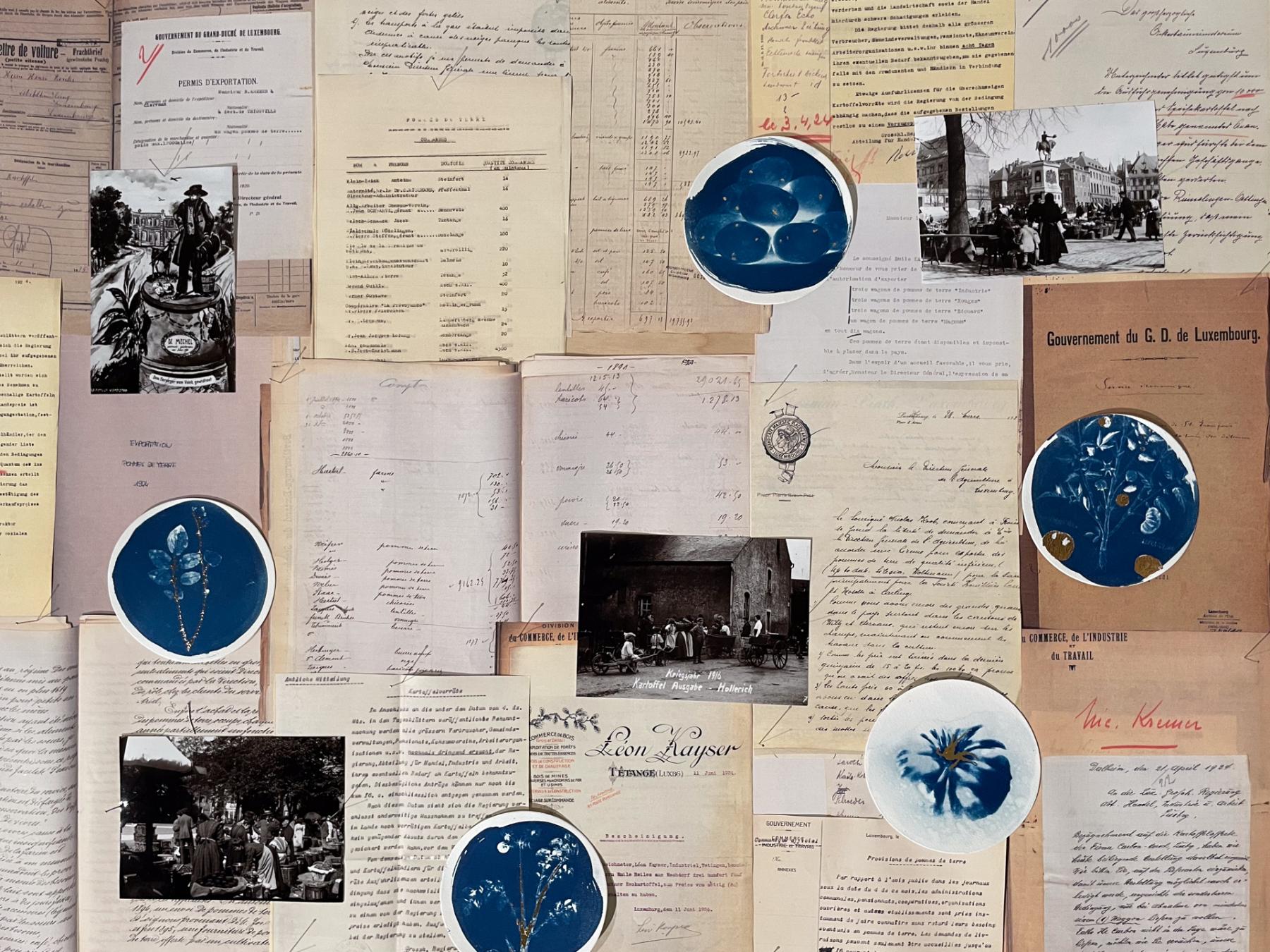
Tanvi Mishra: I have always worked with artists in a way where I ask to see a wider range of material because I am interested in building my own understanding of their work in addition to what they may be used to putting out in the world. It helps me understand both the work and their process—of thinking as well as making. For Isadora, I had already seen a slightly larger archive than we could exhibit at Arles, where I curated her work as part of a group titled Moving Definitions (2023). And so, naturally, as I learned more about her and her process, I was curious to engage further with the parts of the work that had not been exhibited. It was then that we started talking about the prospect of working on a book together. Then, in 2024, she applied for this grant (the Premio de las artes Mariano Aguilera, awarded by the municipality of Quito). There is a certain politics to working with a grant from a local governing institution—there are both the merits of being acknowledged in your local scene, and there are some similar bureaucratic pitfalls to those that we have in India. I admired that she chose to go down that route instead of through the European photobook industry, despite the challenges that arise as a result, particularly to do with production resources and distribution. Isadora was very clear from the beginning about the publisher also being local—Severo Editorial. Since they had not made a photobook before, I was initially a bit unsure if we would be able to achieve the production quality that a photobook demands. However, I soon learned their expertise as literary publishers brought valuable insight into the project and was a great learning experience for me. If we look at the Indian photobook ecosystem, there are very few publishers that specialise in this form. And those that do, like Yaarbal Books, have published very few titles under their imprint. However, I realised that with my skepticism, I could be limiting myself at an early stage of this exciting project. So, Severo came on board. While working on the book, Isadora asked if I would curate her solo at Neimënster, in Luxembourg. Since I was already neck deep in the material, the Luxembourg show came together fairly smoothly, perhaps because by then we had been in dialogue for three years and I was beginning to understand the full contours of the work and Isadora's methodology.
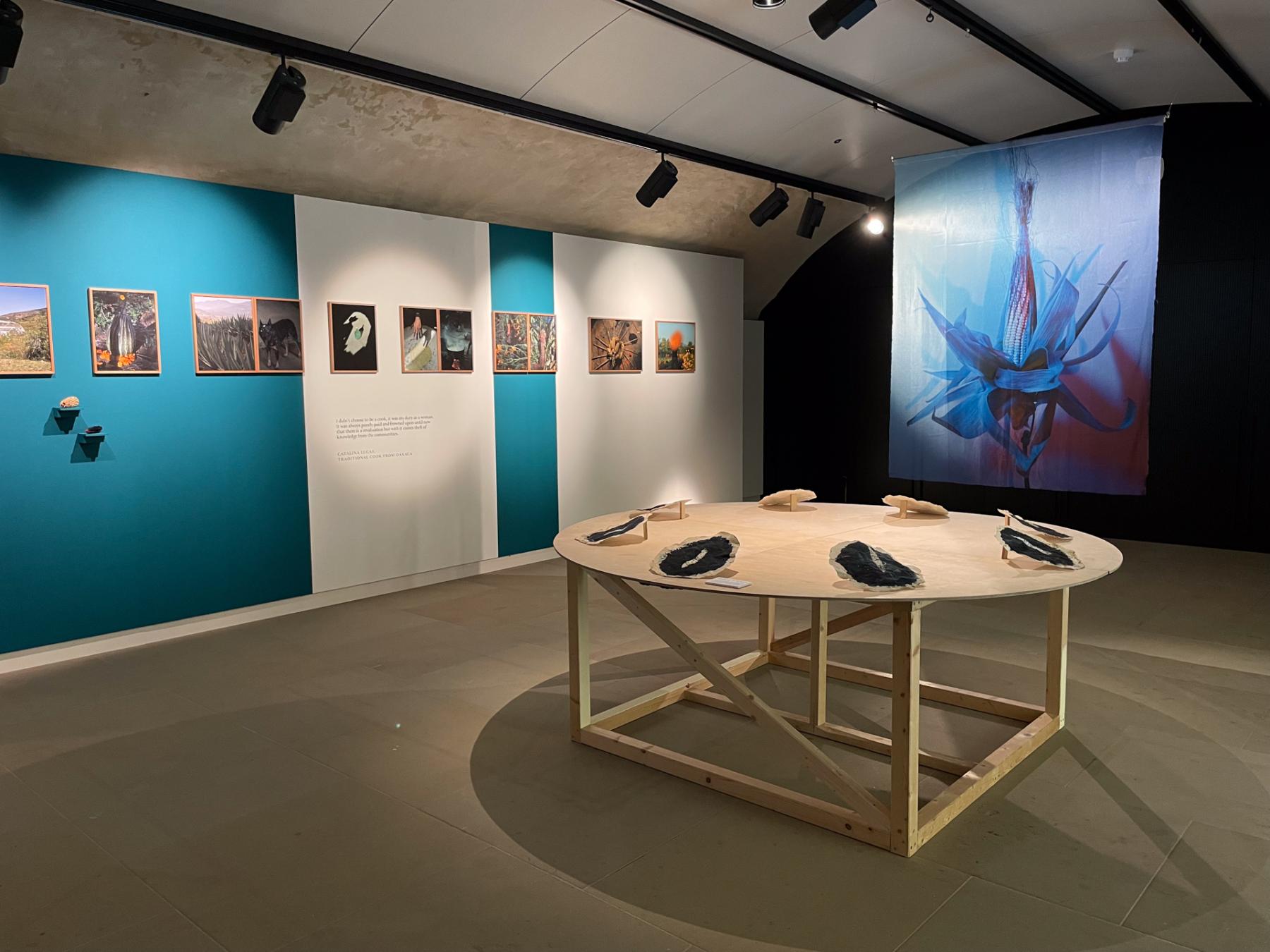
PD: The book is where your collaboration with your family comes out the strongest, anchored on the picture of your great-great-grandmother and the letter you wrote to her. While the exhibition feels like a more informative division of the four chapters of the work, the book feels more affective and personal. Can you talk about the form of the book and how it differs from the physical exhibition?
IR: When we were thinking about the book, one of the big concerns for me was which voice should lead through all the chapters because I had this personal part of the research, and as you said, this other more, informative part. In the video, I had already addressed so much of my personal journey; I was not quite sure of that form of narrativisation for all the chapters. There are many approaches to this research—from the informative aspect or even the scientific aspect to the activist aspect and so on. But for me, what stuck when I was collaborating with all these people was the care that is involved in the process of keeping and saving seeds. And I told Tanvi that I think this is the word that is going to define the book.
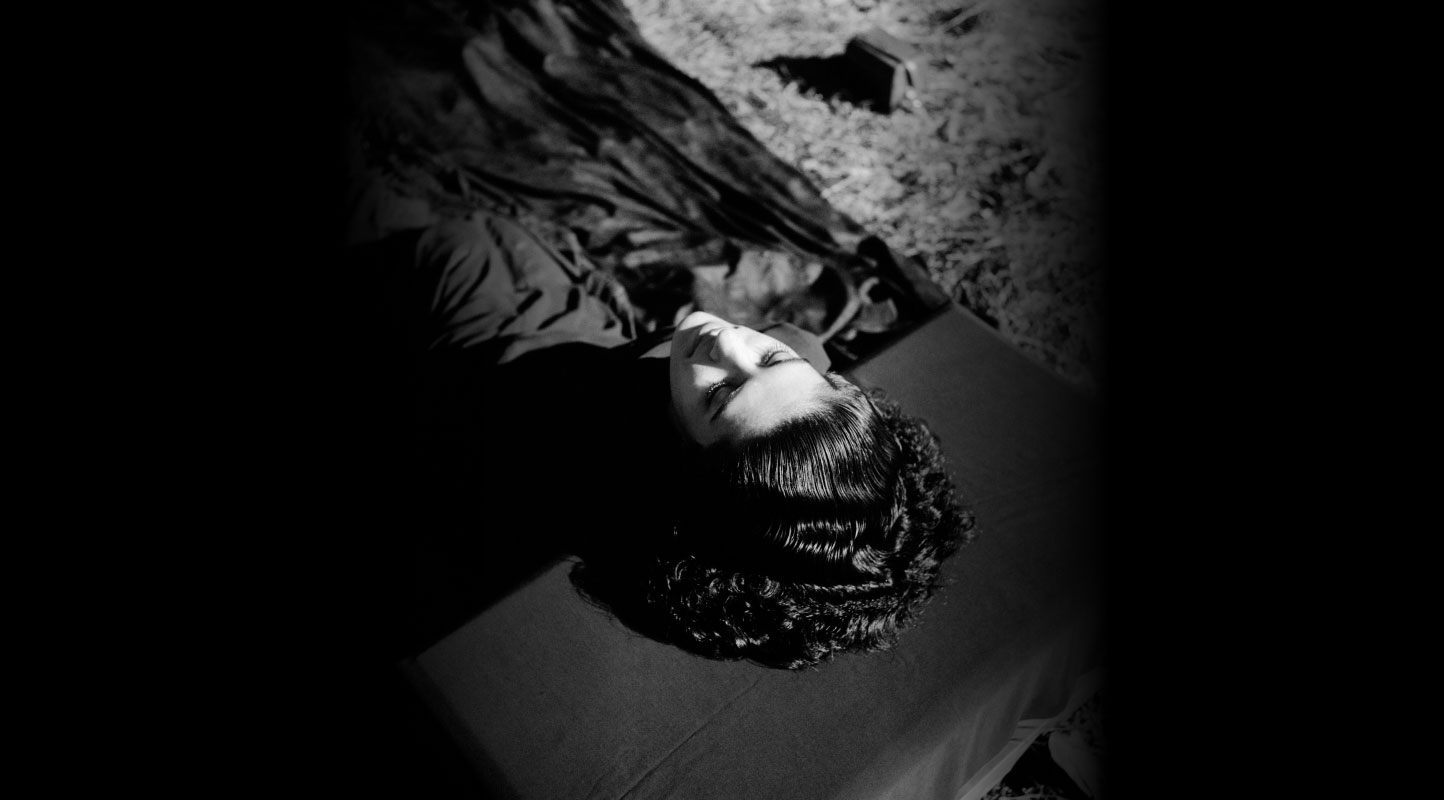
TM: I was quite convinced that the book had to have a material element. Having worked with the physical artworks—the polaroids and cyanotypes particularly—I was curious to ideate on how to bring that into the book. I kept thinking through this idea of care, and if we could find an answer within the materiality. And since I really like to engage with the entire archive of the artist, I kept asking her, "Is there anything more? Just send it to me." Her archive contained a range of material. In addition to the photographs and the "conceptual outputs" that we are exhibiting, there were also a lot of diary entries with both written and illustrated elements. The diary entries which are placed on the anthotype table were initially supposed to be in the book. Our first idea was that the book would be threaded together through these "notes," foregrounding Isadora's voice which is both tentative and contemplative in these fragmented musings. We had to find something that connects these four geographies—Paraguay, Mexico, Ecuador and Colombia. Even Fausto, founder of Severo, was convinced. But when we began the actual process of editing, it was quite hard to incorporate them. While going through the material, in one of the folders, there was a letter that was addressed to Fulgencia, Isadora's great-great-grandmother. I remember seeing this for the first time and calling her, saying, "What is this letter? Why have we never seen it before?” And she very casually mentioned, "Oh, this is from when I was with my collective Ruda and we were doing this exercise of writing to our ancestors." The casual nature of that statement was reflective of a facet one often finds in an artist's archive—there is material, whether research or note-making, that is not often regarded as artistic output. From this point on, we encouraged Isadora to expand on this imaginary dialogue with Fulgencia and the letters emerged from this initial accidental encounter.
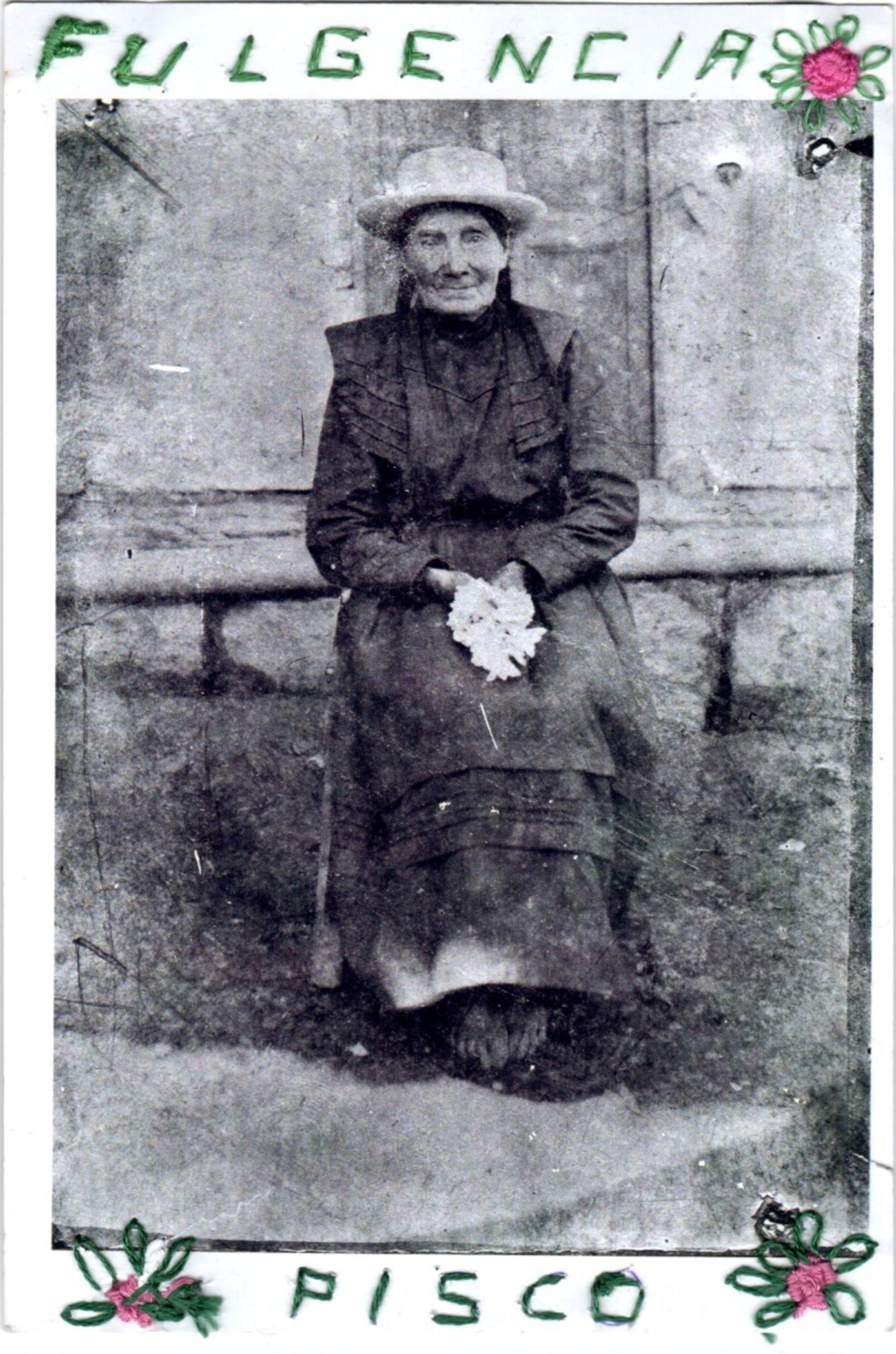
IR: I wrote the letter before I found the only picture I have of her. When I was grabbing all the archives to send to Tanvi, I found the letter. I cried because it felt like I had asked for her to appear, and then she did. It was as if she really wanted to be here and to be seen.
Then when I started the process of extending the letter, I remembered my conversations with my aunt, who is ninety-four-years-old now. She always wanted to have a small cup of coffee—they call it tintico. "Let's have a tintico and just talk." And that tintico would go on to two, three, four tinticos, and countless stories. When I was talking to her, I knew that was the kind of voice I wanted to use to talk to Fulgencia, in a slow, lingering dialogue. Because, of course, I did not know her in real life. So, I made a ritual out of it, as if I were telling her what I have found through the entire process of making this work.
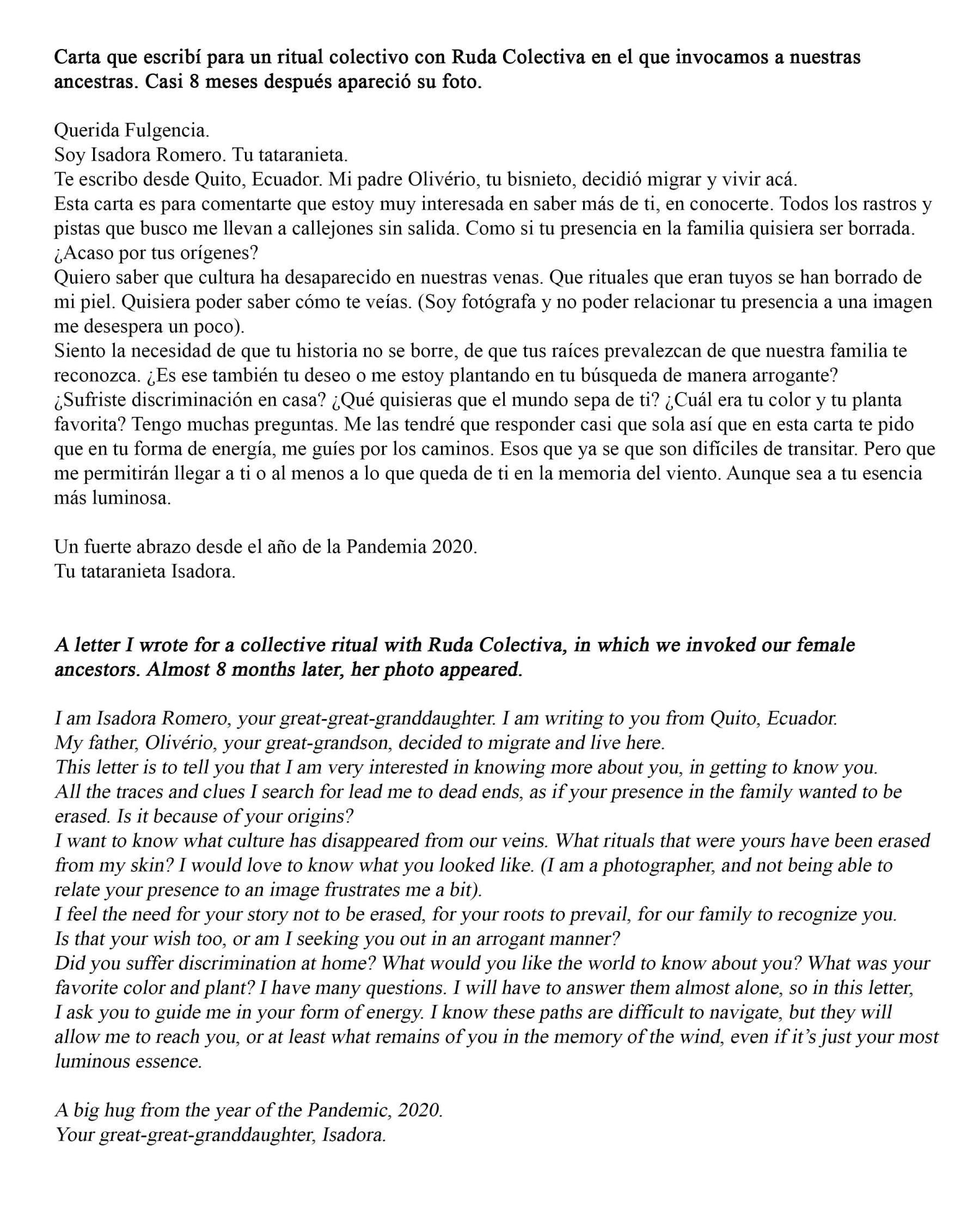
At that point, we knew we were not going to use the diaries, so we decided to incorporate some of the important elements that were in the diaries into the letters. Fausto is a literary editor who works with words with a lot of care. That is his world. So then we edited them together, refining a little bit of the tone. And that is how the letters came to be.
TM: The drawings on top of Fulgencia's portrait are something very unique to the book. Each one of them has been made by one of Isadora's family members. This element does not exist in the show yet. Eventually, this dialogue with Fulgencia became the spine of the book. It gave it the structure that this form needs. It is interesting that you said that the show looks like it is going from chapter to chapter, but the book is as if moving through a personal journey. We have constantly talked about this—how do we bring out each unique story relevant to each country, but not build hard chapters with titles, etc.? The interventions on the image of Fulgencia helped us avoid harsh separations and weave a more fluid, continuous sequence instead.
In case you missed the first part of the conversation, read it here.
To learn more about the ongoing PhotoKTM6, read Mallika Visvanathan’s interviews with yasmine eid-sabbagh about her work Possible and Imaginary Lives and Diwas Raja KC on the approach of the curatorial team as well as Birat Bijay Ojha’s reflections on public talks by Sasha Huber and Siona O’Connell.
To learn more about artists included as part of Moving Definitions curated by Tanvi Mishra at the Rencontres d'Arles in 2023, read Sukanya Baskar’s reflections on Riti Sengupta’s Things I cannot say out loud (2020–Ongoing), Sukanya Deb’s conversation with Vishal Kumaraswamy on his work ಮರಣ Marana [Demise] (2022‒2023) and Annalisa Mansukhani’s conversation with Soumya Sankar Bose on his series A Discreet Exit through Darkness (2020–Ongoing).