
The Place of the Image: In Conversation with yasmine habib
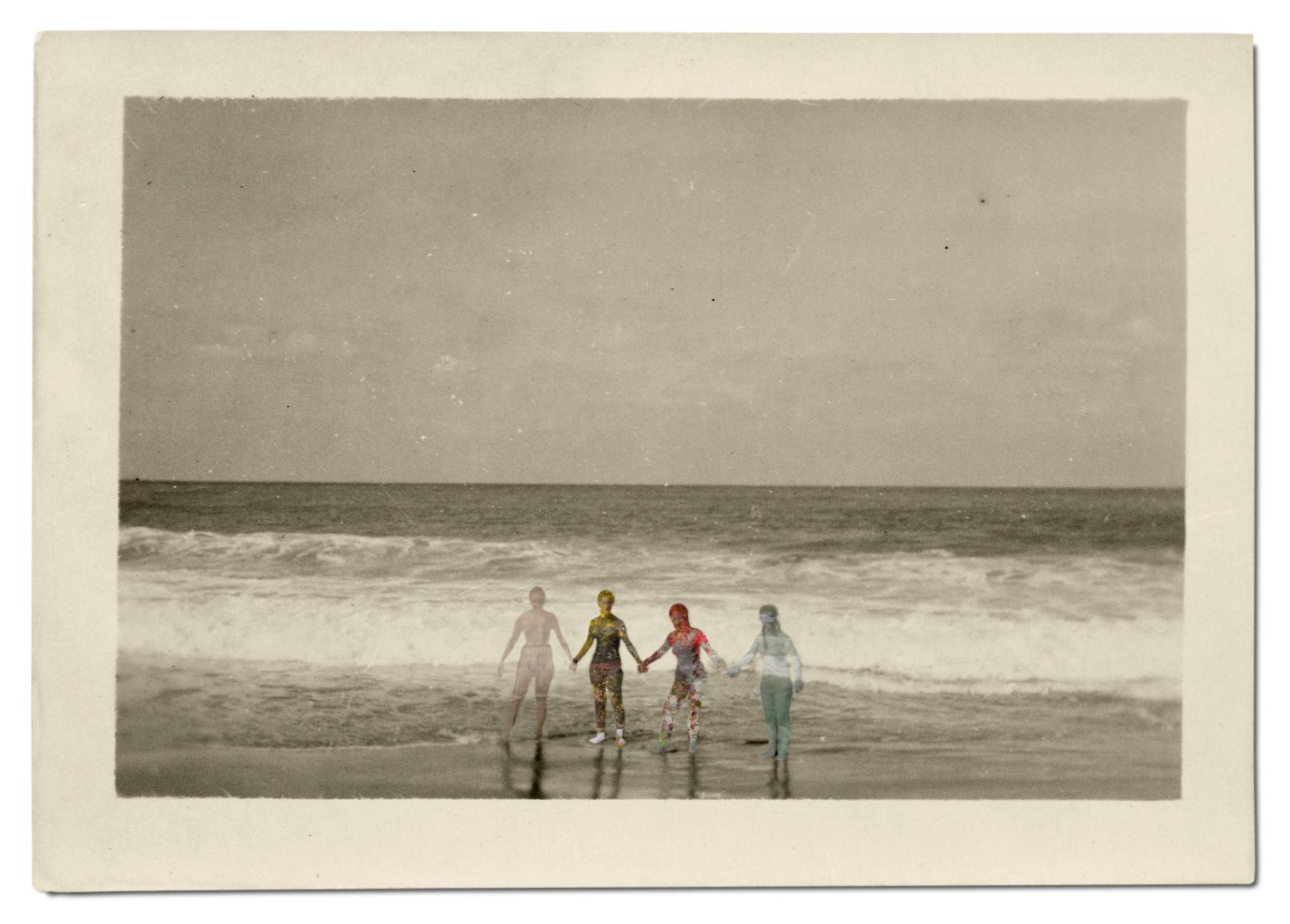
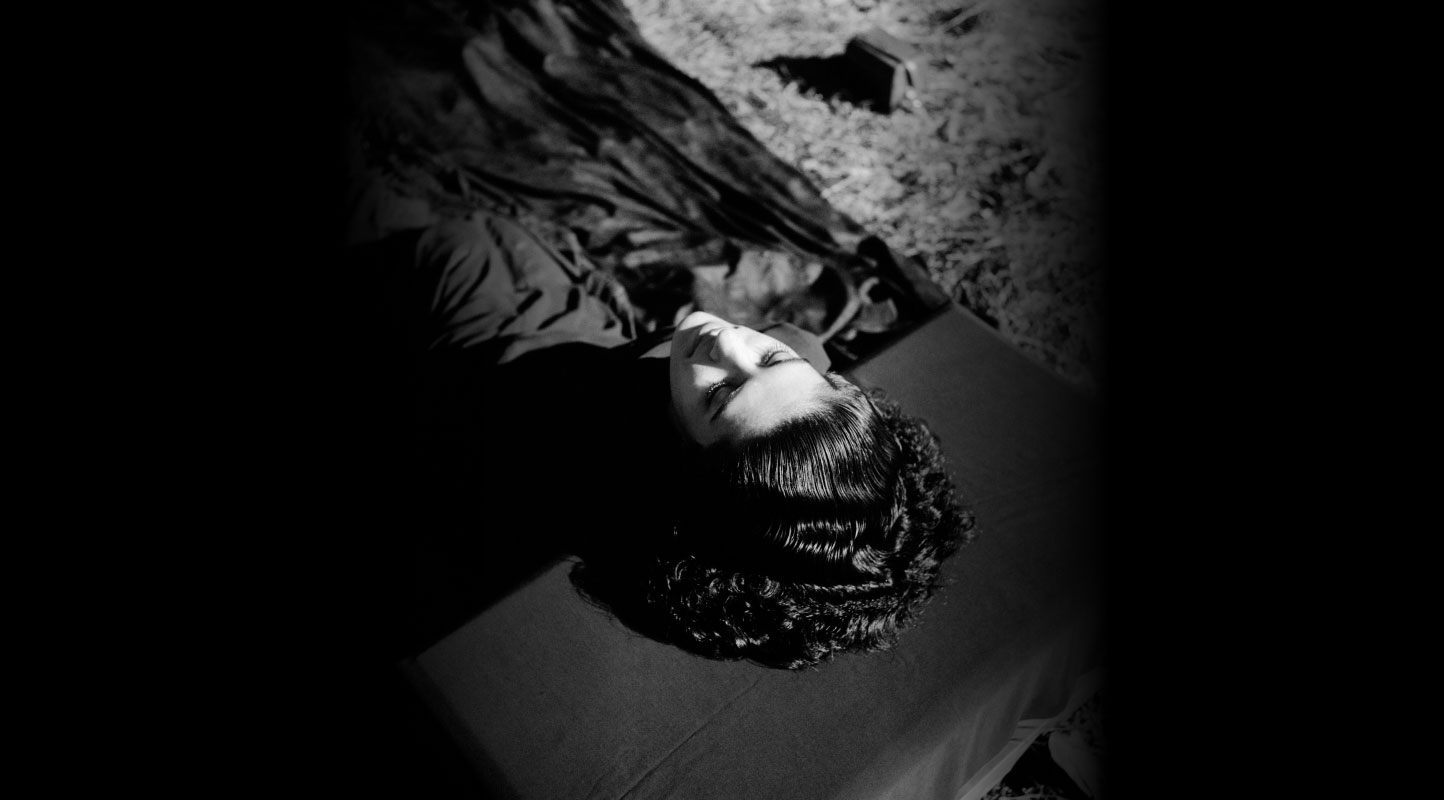
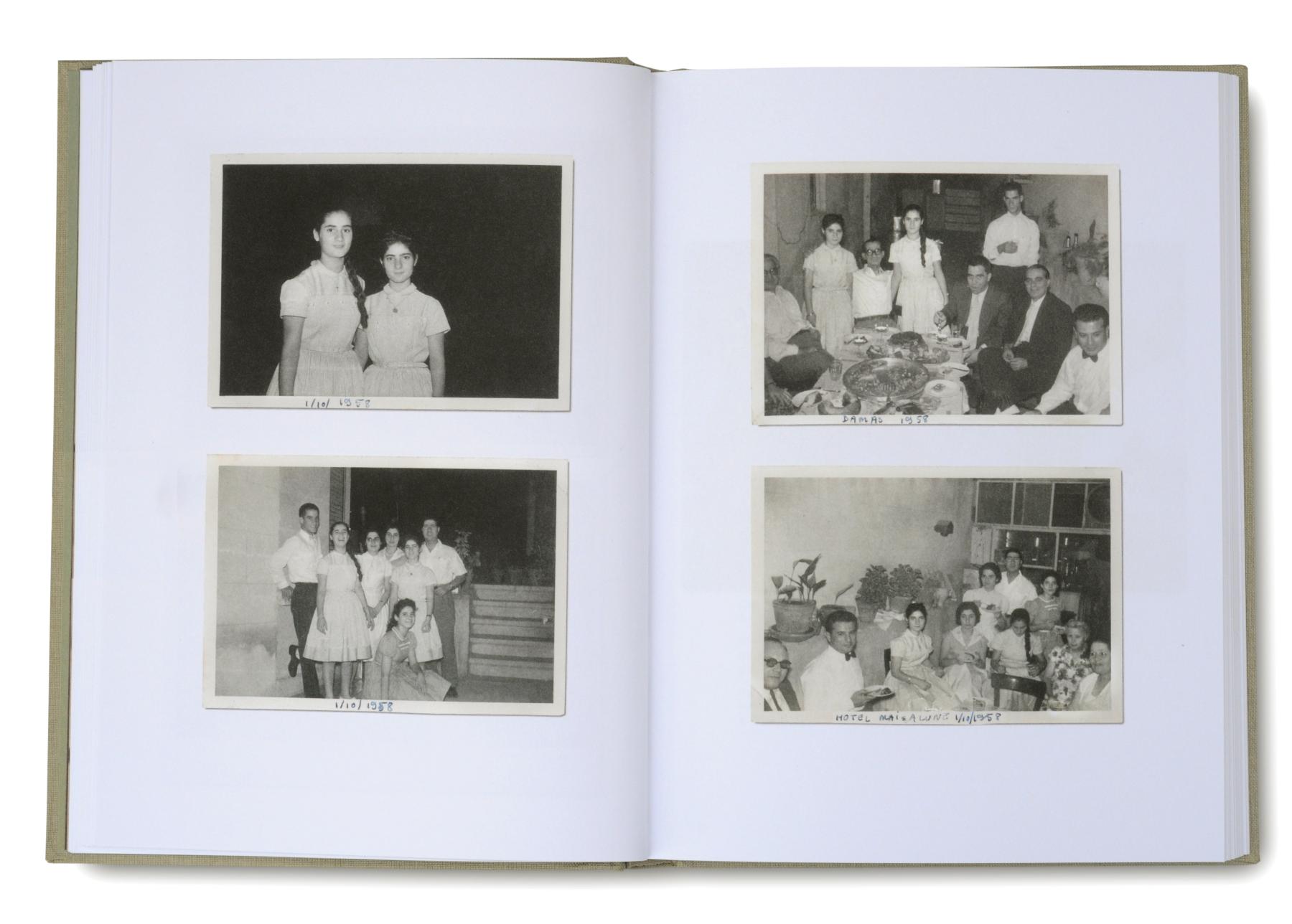
Currently on view at PhotoKathmandu (PhotoKTM6), Possible and Imaginary Lives by yasmine habib and Rozenn Quéré examines the lives and memories of a Palestinian-Lebanese family across the twentieth century. Exploring the space between lived reality and fiction, the exhibition consists of audio recordings of conversations with four sisters—Jocelyne, twins Graziella and Stella, and Frieda—accompanied by two carousels projecting images from their archives as well as framed photographs. In this edited conversation, habib speaks about the place of photography and images in the world today, the language one uses while cataloguing and archiving, and questions around solidarity discussed as part of the PhotoKTM Assembly, which gathered together cultural workers, communities and collectives from across the world.
Mallika Visvanathan (MV): In Possible and Imaginary Lives, you explore the place of the photograph as a personal family album and a collective archive. Here you also work with the idea of fabrication to address larger absences. The photograph is contested, when, for instance, one of the sisters is convinced that the photograph could not have recorded her at a wedding because she was not there. Can you tell us about this project and how you arrived at this form with your collaborator?
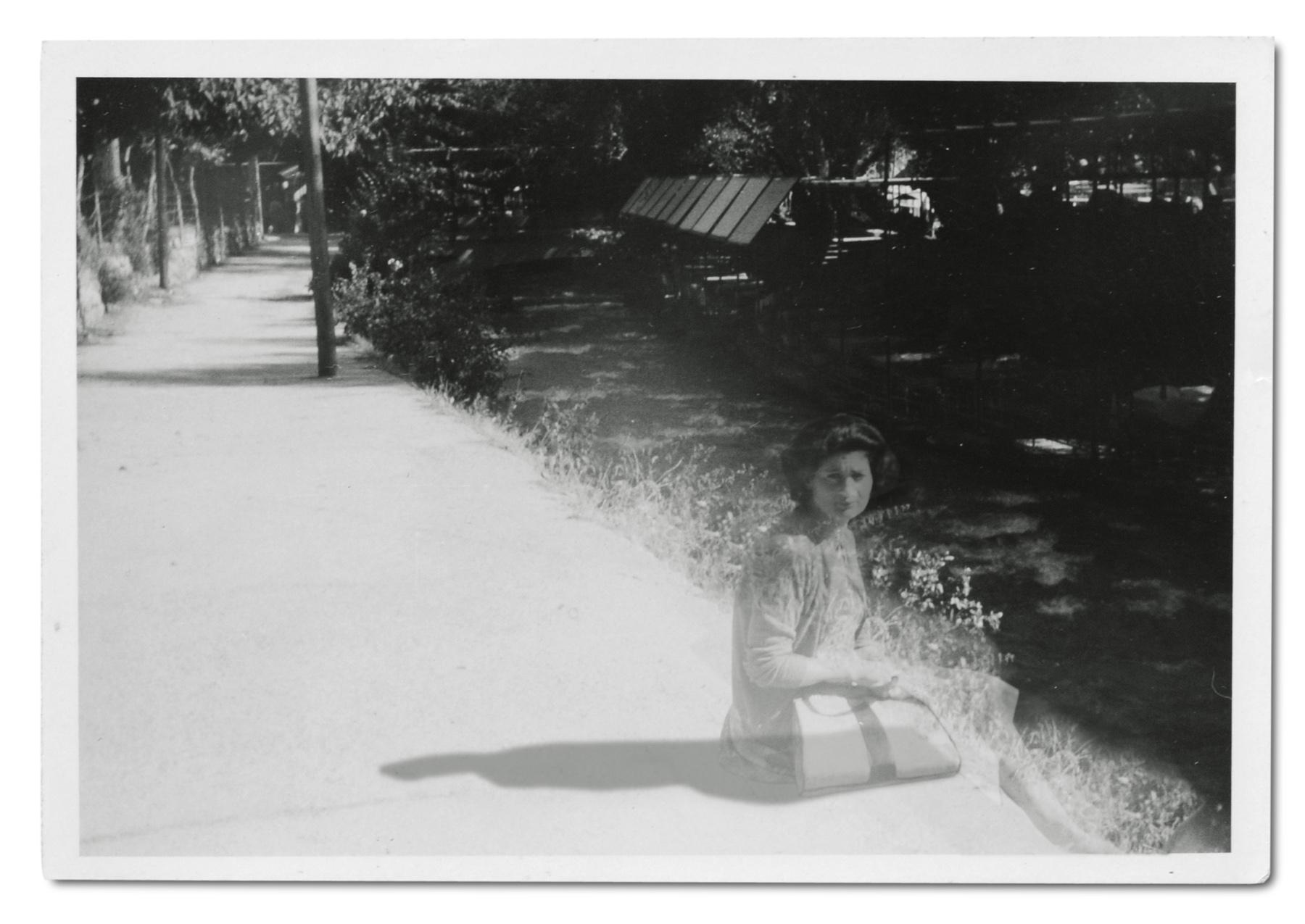
yasmine habib (yh): For the work, we went to visit the four sisters to talk about their personal archives. They would gather all the photographs they had at home, and we would look at them. And the funny thing was that sometimes they were speaking about a photograph with conviction but were surprised by its absence. They knew a particular image existed, and still they would not find it. And then there were other photographs that they would see, but were like, no, this is not possible. And this happened a lot.
Our protagonist could be seen as delusional, maybe. But after the life they lived—being born into war, being displaced so many times and facing wars wherever they were going—this affects your way of being in the world, and probably or maybe delusion then is a form of saving yourself from this cruel reality. For this reason, we wanted to give delusion a different attention, and write their myth.
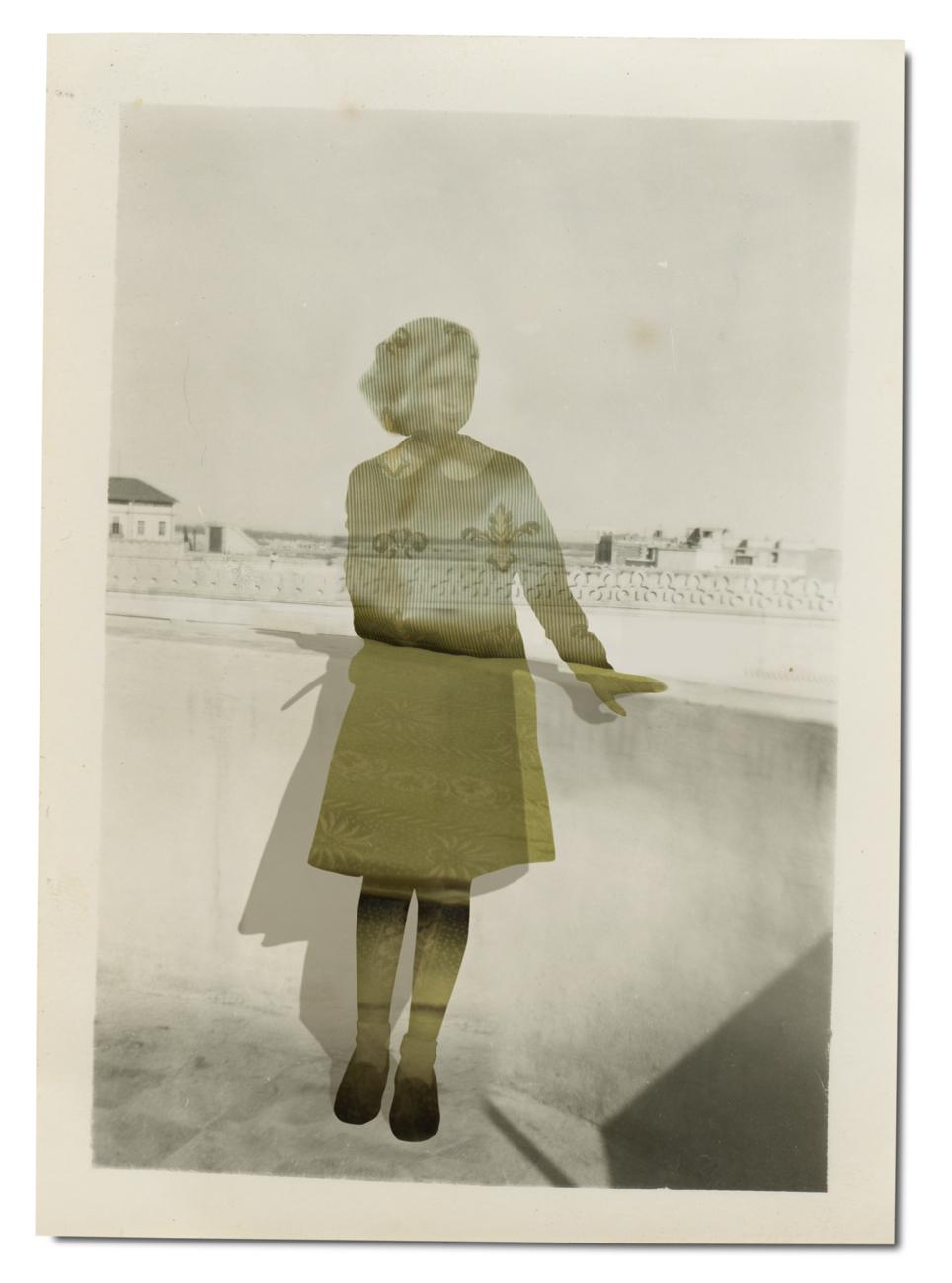
The sisters would tell different stories when speaking about the same photographs. It was important for us to make visible that photography is not an object of truth but a support for our memory. It can play against or in favour of these memories that we have. What is memory? Is it a memory of a real event? Is it a memory of an imagined event? Is it a memory of a wished event that never took place? We wanted to value and cherish the memories that these women had, no matter if they were fabricated or not.
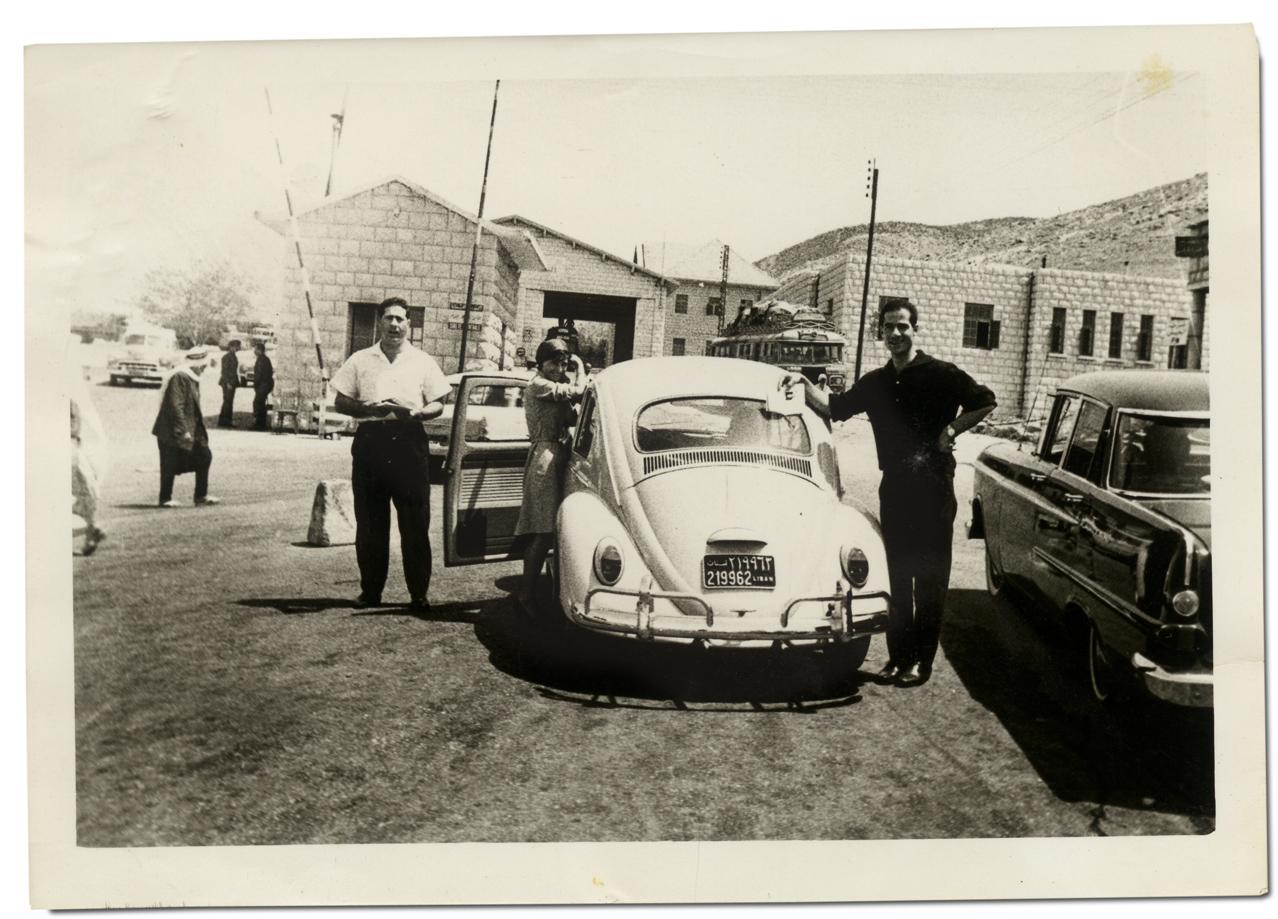
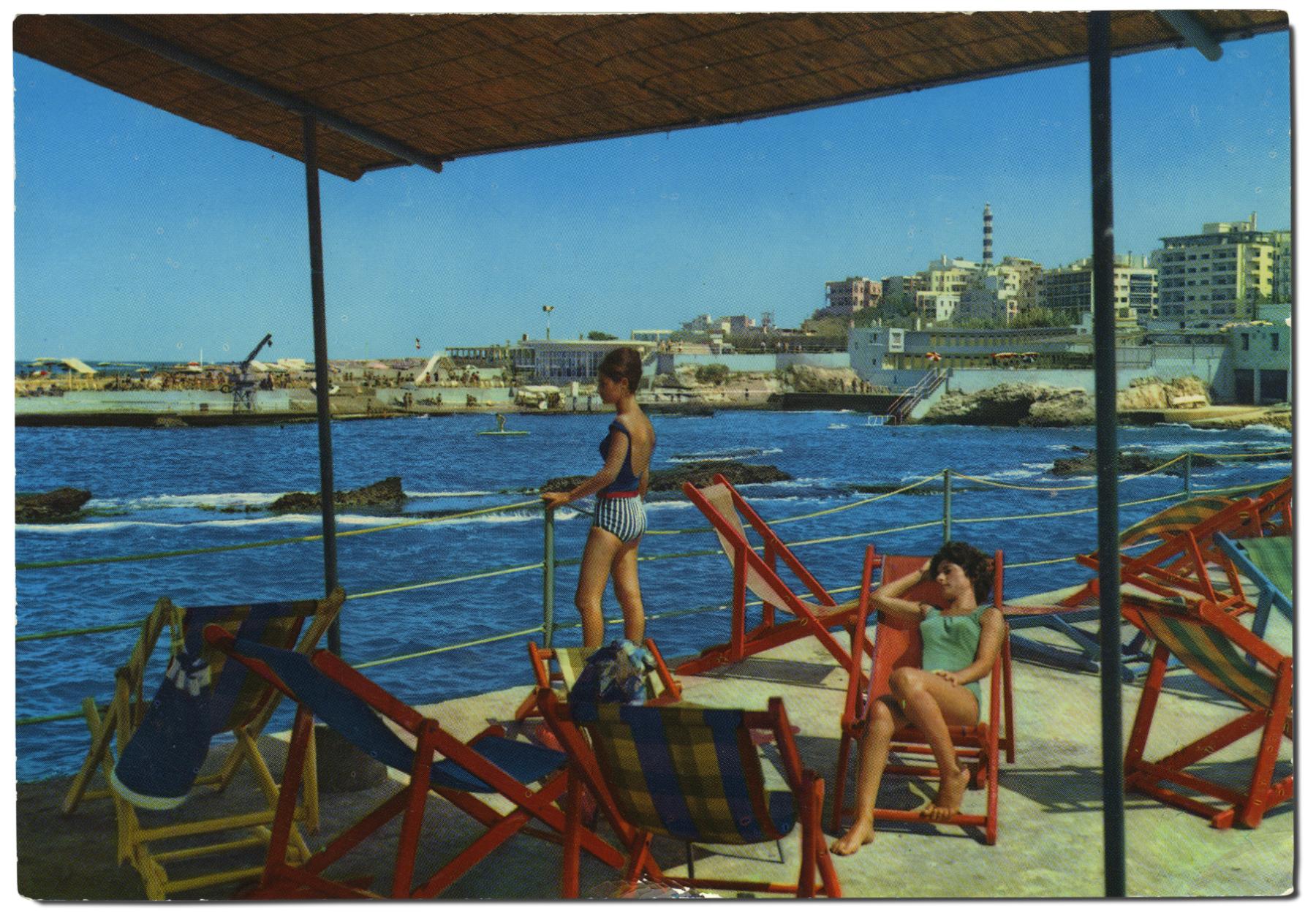
MV: The sisters speak about how they are photographed by some German men, which then becomes a postcard. And later how they wish they had that postcard. It made me think about the lives or afterlives that this exhibition itself has taken, because I believe this work was shown in Arles in 2013, and now it is on display at PhotoKTM6 in 2025. Are there changes to the work? How does it take on different lives of its own?
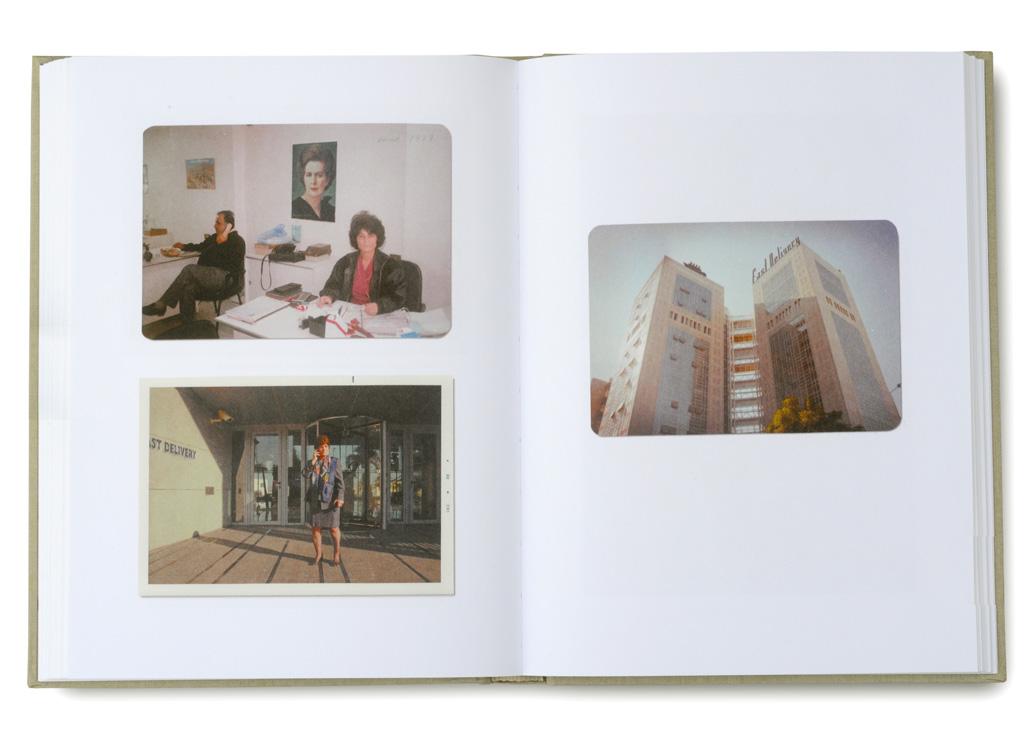
yh: The first version of this work was shown in Vevey in Switzerland in 2012. We had received the International Photography Award in Vevey, which is a production prize, and so this is how the work was produced. After that, it was shown in Arles in 2013. Initially, it was a book, which consists of a script articulated with the photographs. And the exhibition form evolved in 2013–14, where it took its final form, which is how it is shown today. It has been shown throughout this period. The last time it was shown was in 2021 or 2022.
I was surprised when the curatorial team of PhotoKTM6 told me that they really wanted to show this work. Yet it takes on a new relevance in the present after 7 October 2023. This history of violence, displacement and ethnic cleansing started in the 1920s. The first major massacres took place in Haifa in the 1930s, which is where the family shown in the work lived. It is also mentioned in the work, in a very subtle way though, and there are photographs from Haifa from when the siblings were quite small. After that they moved to Jerusalem and Ramallah, and then from there to different parts of the world. So, I guess that is what gives it yet another life.
MV: In your talk about your work at the Arab Image Foundation, you referenced working with the dictionary of unnameable violences and how we also must reassess the language or terms we use while archiving. Can you share more about your approach?
yh: When we work with image archives, we are primarily working with photographs. But as we know, photographs show an excerpt of a moment which refers and relates to a much bigger frame that is not in that smaller frame. In order to describe and situate photographs, we need language. Also, if we work with databases—be it on paper like old versions, or digital databases—then the mechanism that really allows us to access an image is the language that we use to describe these images.
When we were working on reviewing the metadata of the archive of the Arab Image Foundation, we were working with Sharon Mizota, a metadata specialist who tries to work in a way that is anti-discriminatory and inclusive. And so, we were looking at the glossary we were using and Mizota explained how controlled vocabularies are built and organised in different sections like location, political events, political figures, gender and so on. We have photographs from Lebanon and the region, a geography that has been and continues to be tormented by wars and lots of violence, and we noticed that we were lacking the vocabulary to speak to these moments of brutality. We ended up deciding that we would create a new section that was called “Forms of Oppression,” where we could situate certain very specific forms of violence that the region has been confronted with in order to describe the photographs and situate them.
MV: There has been a shift post-7 October in the way the world recognises what has happened to Palestine and what is continuing to happen. Yet when confronted with so many images, people have unfortunately become desensitised. As image makers or as archivists, what kind of conversations can we have? What is the place of the image now?
yh: I have no hope in the image. In the sense that—and this is not due to the image itself—but I think we are at a point where we live in a society of overstimulation, and while visual overstimulation is specific, it is similar to general forms of consumption. Through this reality of the screens we have in our lives, we have become blinded by this constant bombardment, not of images themselves, but everything being visual stimuli. Then images become irrelevant, and that is what we are seeing. And sometimes you even wonder if one goes with the other, because clearly the fact of keeping people busy with consumption and futilities in their life, about which brand they will use for this or that, makes them insensitive to what is happening. But the biggest problem we have in all this conflict is impunity. Nobody is ready to stand up and to say, no, this is not possible.
At some point in history, it was said, that everyone agreed that this should not happen again. Even this is a myth. The idea of never again was clearly only for the selected few, but not for everyone. So, this has now become clear. And yet, what we have gained in these past two years is clarity. And clarity is also something that we refer to as something visual. We must think about what we must do with this clarity and I am not sure if images are what will help us. What is needed is action over images.
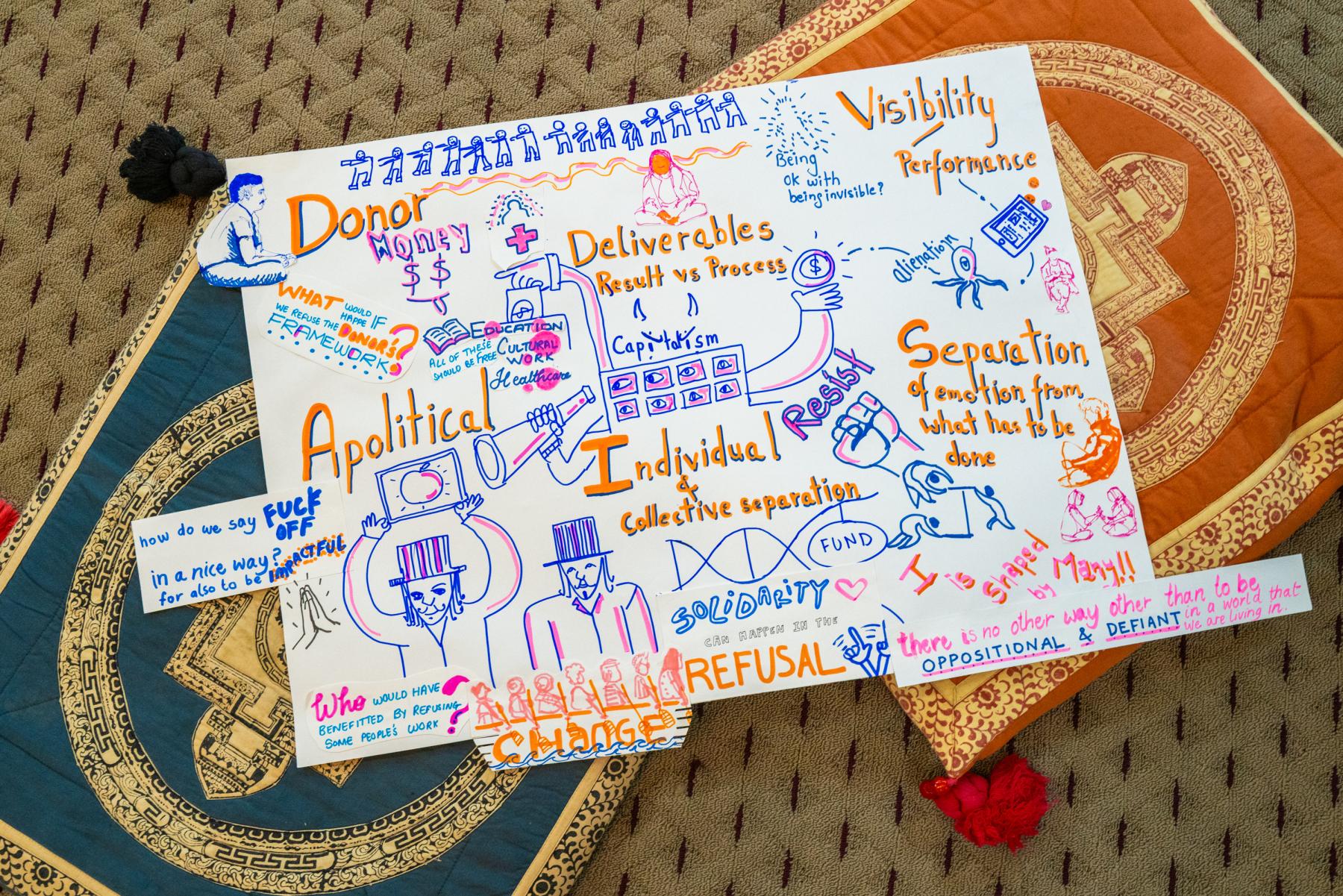
MV: You participated as an interlocutor at the Assembly, which sought to focus on thinking about forms of solidarity. Can you please share your experience?
yh: When NayanTara (Gurung Kakshapati) and the curatorial team invited me to join them, I told them that I am not a curator, so I did not want to have the title of a curator. But I was happy to be their interlocutor and to think together what could be meaningful in the context in which we are today. PhotoKTM is a special kind of moment in space to meet and to discuss so many aspects of cultural work and art these days.
One of the things we have been talking about is that one thing is to produce these images. But for me, the images themselves are not what is most important. What is important—be it with photography or other forms—is that they gather people together and create communities and a certain collective agency. We thought that it was important to use this moment where image makers and cultural practitioners can come together to think how we can enable each other to continue doing the work we are doing. What we have been confronting in these two years is not only the violence that Gazans are facing, and that is obviously trickling down on us in a psychological way. We are all closer or a bit farther from persons who are in Gaza or directly related to what is happening. But it affects us all, no matter if we are Palestinians or not. And with all the censorship that has been happening, people are losing their work for speaking up. For instance, PhotoKTM lost funding for being vocal, not only about Palestine but also about Bangladesh, and about indigenous people in Nepal that are being displaced, or even the most recent events with the Gen Z revolution.
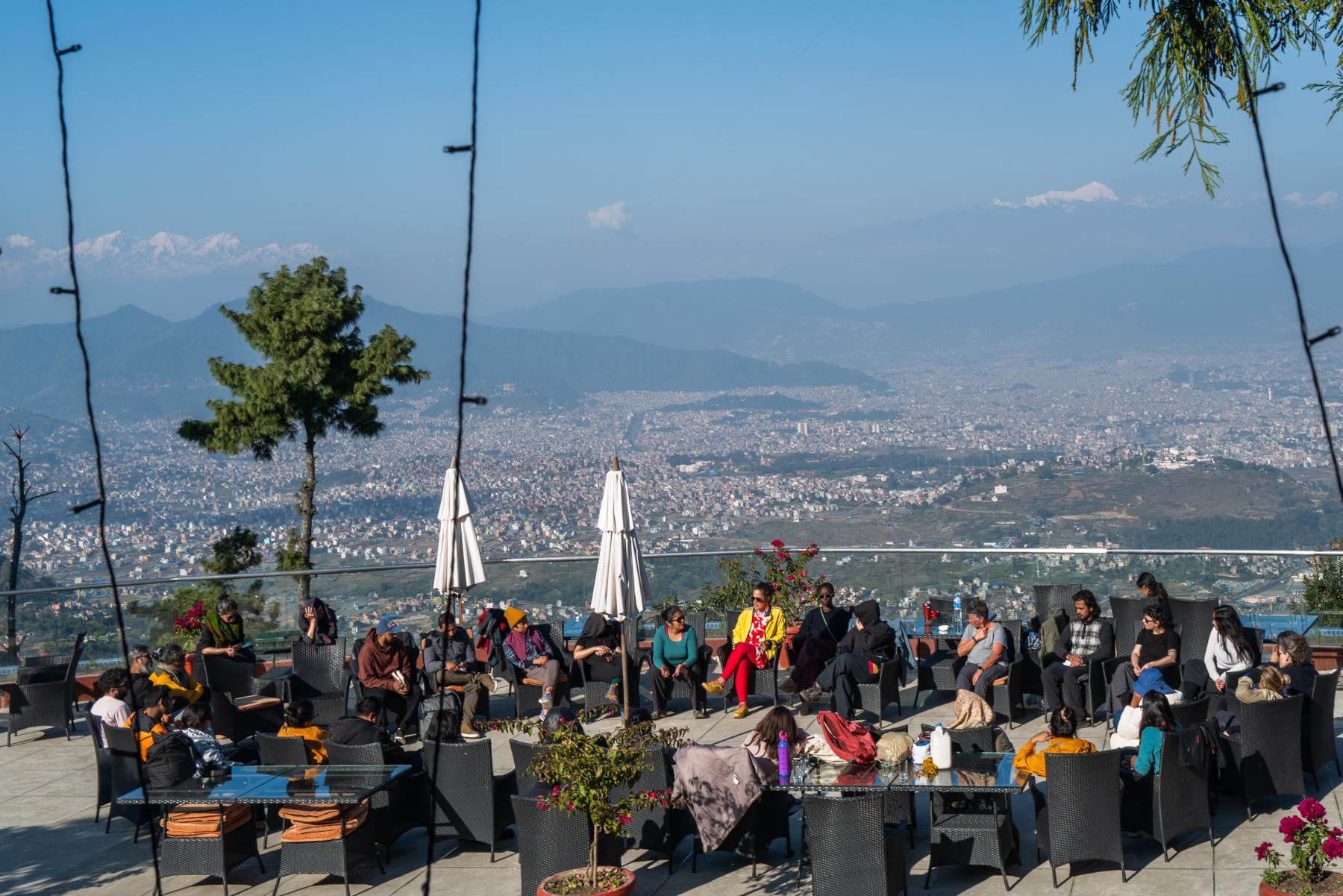
It was really important for us to realise that in order to continue to do the work we are doing, we have to start to organise better and build networks to be able to support each other. Because this violence that is now unleashed on Palestinians will soon be unleashed on someone else. The impunity is accepted and this creates precedents. We are seeing how a population that owns a piece of land that someone else wants can simply be disposed of. And this is what we should not accept. So, the idea of the Assembly was really to work around these questions: What is solidarity? What is embodied solidarity? How can we be in solidarity? What does it mean to assemble and to each take responsibility, and trust that we have agency in order to contribute to bigger processes? And then how can we organise to enable our work, not only by caring for each other, but also by finding strategies for sharing resources, knowledge and support. It was a very intense and fruitful week. We dug into certain questions in depth simply to unpack what certain things mean. The Assembly became much bigger than what we had planned initially—we were around forty people. Obviously, we did not produce solutions, but we shared a lot of methodologies. By spending this intense week together, we connected in a more profound way, which I hope will be useful for now and in the future. It was a first step, but we all have much more work to do.
To learn more about PhotoKTM6, read Mallika Visvanathan’s interview with Diwas Raja KC on the curatorial team’s approach to Global South solidarities and Birat Bijay Ojha’s reflections on two panels discussing the politics of memory featuring Sasha Huber and Siona O’Connell.
To learn more about previous editions of PhotoKTM, read Shranup Tandukar's reflections on Pooja Gurung and Bibhusan Basnet's films and Arundhati Chauhan's conversations with Mónica Alcázar-Duarte, Ganga Limbu and Kishor K Sharma from the KTK Belt Project and the artists in residence at the Jatayu Vulture Restaurant.
All images from Possible and Imaginary Lives by yasmine habib and Rozenn Quéré unless otherwise mentioned. Images courtesy of the artists.