

On Cycle Mahesh: In Conversation with Suhel Banerjee
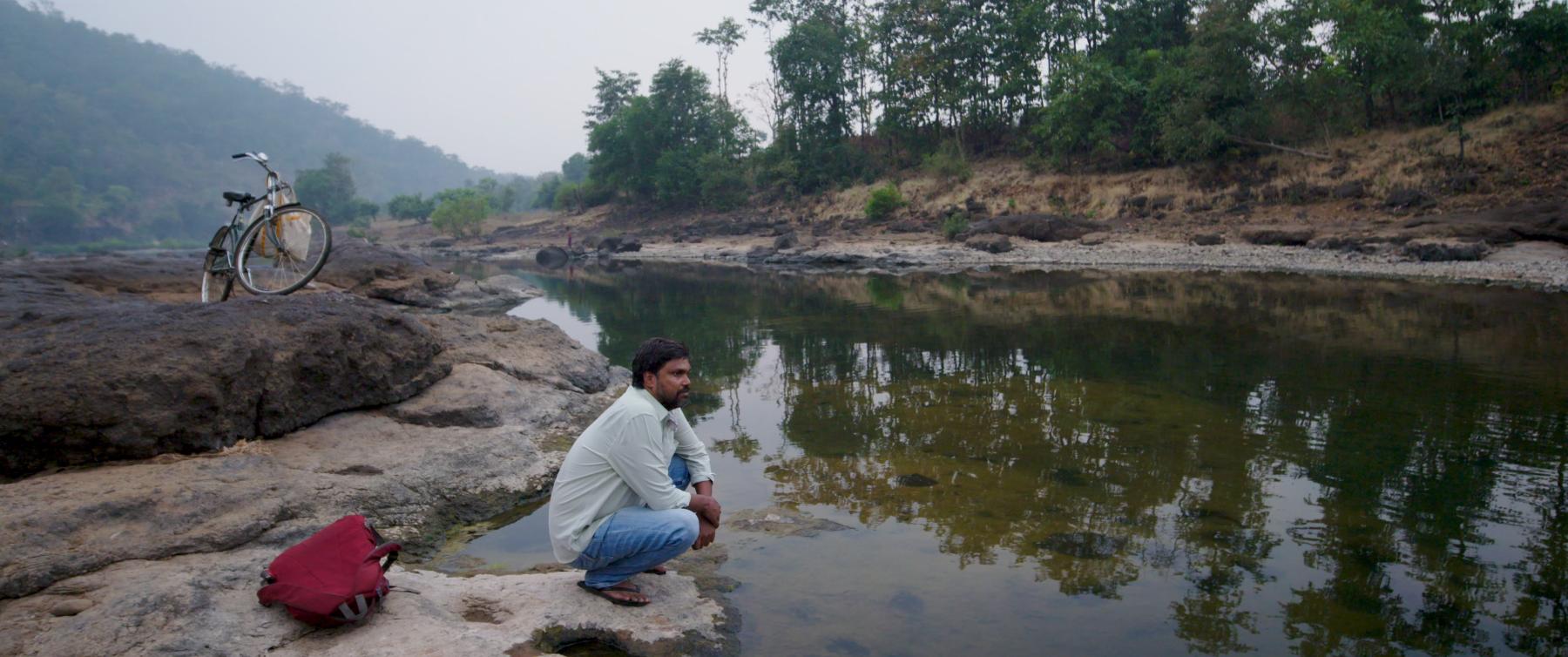
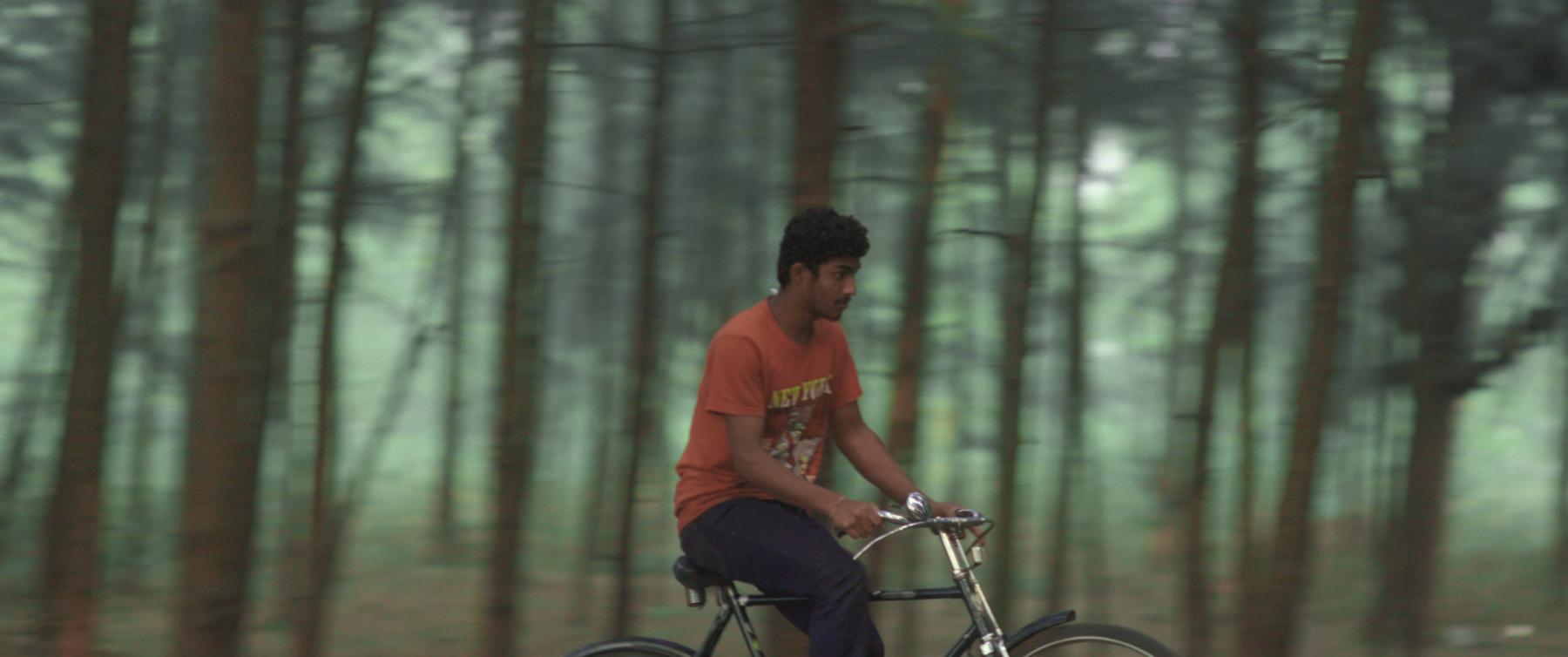
Recently screened at the 14th edition of the Dharamshala International Film Festival (DIFF), Cycle Mahesh (2024) by Suhel Banerjee retraces the journey of Mahesh Jena, who travelled by cycle from Maharashtra to reach his home in Odisha over seven days when the nationwide lockdown was announced in March 2020. A hybrid documentary, the film takes recourse to various formal interventions to reflect on the notion of development and the alienation of labour in cities. In this edited conversation, the director speaks about his need to make this film, thinking through the medium of cinema and the influence of theatre.
Mallika Visvanathan (MV): Would you like to start by telling us what inspired you to make this film?
Suhel Banerjee (SB): I think it started when I read an article on Mahesh in The Hindustan Times, which is referred to in the film. It was a full page spread written by two journalists, one from Delhi and one from Odisha, on their conversations with him while he was in quarantine. The article was very well written, and it was full of images. At that time, I was living at the edge of Mumbai, which is a gateway into Palghar and then Gujarat. A lot of migrants were leaving the city and I could see them trooping every day under my window. It was too difficult to ignore. Like many other city dwellers, we helped them however we could—with water, food, etc. The third thing that happened was that I was really desperate to make a film. I was working on twenty different things at the time but it seemed to me that I had to make this film.
MV: You talked about being inspired by the news article, but there is a way in which the film also comments on how media can be quite fickle—there is coverage of a story, but then the news cycle moves on. I was wondering if you want to reflect on how your film deals with recording this moment that is not reckoned with in the same way now?
SB: Part of it is, of course, built into the medium of news or cinema, especially when it deals with a major current event. Obviously, people will move on. I understand that, but it does not stop me from critiquing it. There is a critique of cinema as well in the film. There are two types of films that could have been made. And both of them have been made. One is that you take a camera and you observe through a non-fictional approach. By making the journey, the filmmaker might feel that they have been a participant in a historical event. By the virtue of the camera being with them, the filmmaker might feel that a certain amount of truth or verité is being offered. And at the other extreme is the fictional recreation where actors will play the people, but these actors will be city-bred, English speaking, upper caste actors. At that time, I was tired of both these approaches. I still am. I believe that the filmmaker or camera walking with them does not do anything. It is the same as the filmmaker sitting at home and doing it. And for somebody in Mumbai to make a film with actors who do not look the part, do not speak like them, is just a travesty. Walking is just a metaphor for the worker. His whole life is like this. It is not a one-off event. I also think film, in particular, has to answer these questions about representation. So I wanted to critique the gaze of the filmmaker and the camera. And of course, the audience or the people who look at it. It was these thoughts from which the form emerges.
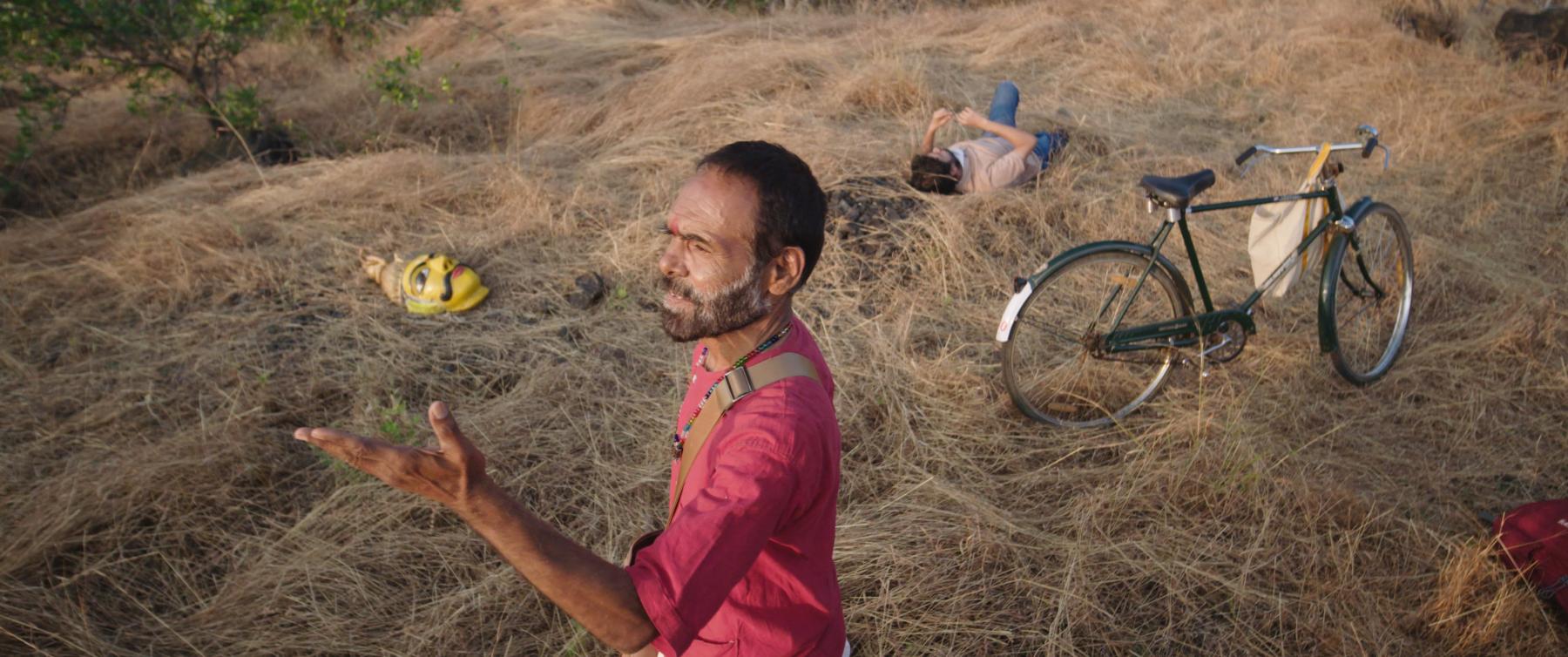
MV: Speaking of form, the film has a hybrid treatment and one can see different theatrical or performative influences including Brechtian interruptions. Would you like to share your process of research and scripting, or the inspirations which you have woven into the film?
SB: Between my time and Brecht’s, there is the work of Jean-Luc Godard and Abbas Kiarostami and a number of other filmmakers who are taking the idea of alienation and disruption and removing the narrator and playing with these ideas. So, we are all coming out of Brecht's stage, in that sense.
My wife has been doing theatre all her life. And I have obviously been a part of that. So these things have also fed into the film. Something that I am still trying to answer is the question of how can theatricality be transposed to the screen? For instance, on stage, if you have three different actors playing one character, you do not bat an eyelid. Or if you have one actor playing three different characters, you do not bat an eyelid. So I was trying to take these ideas from the theatre.
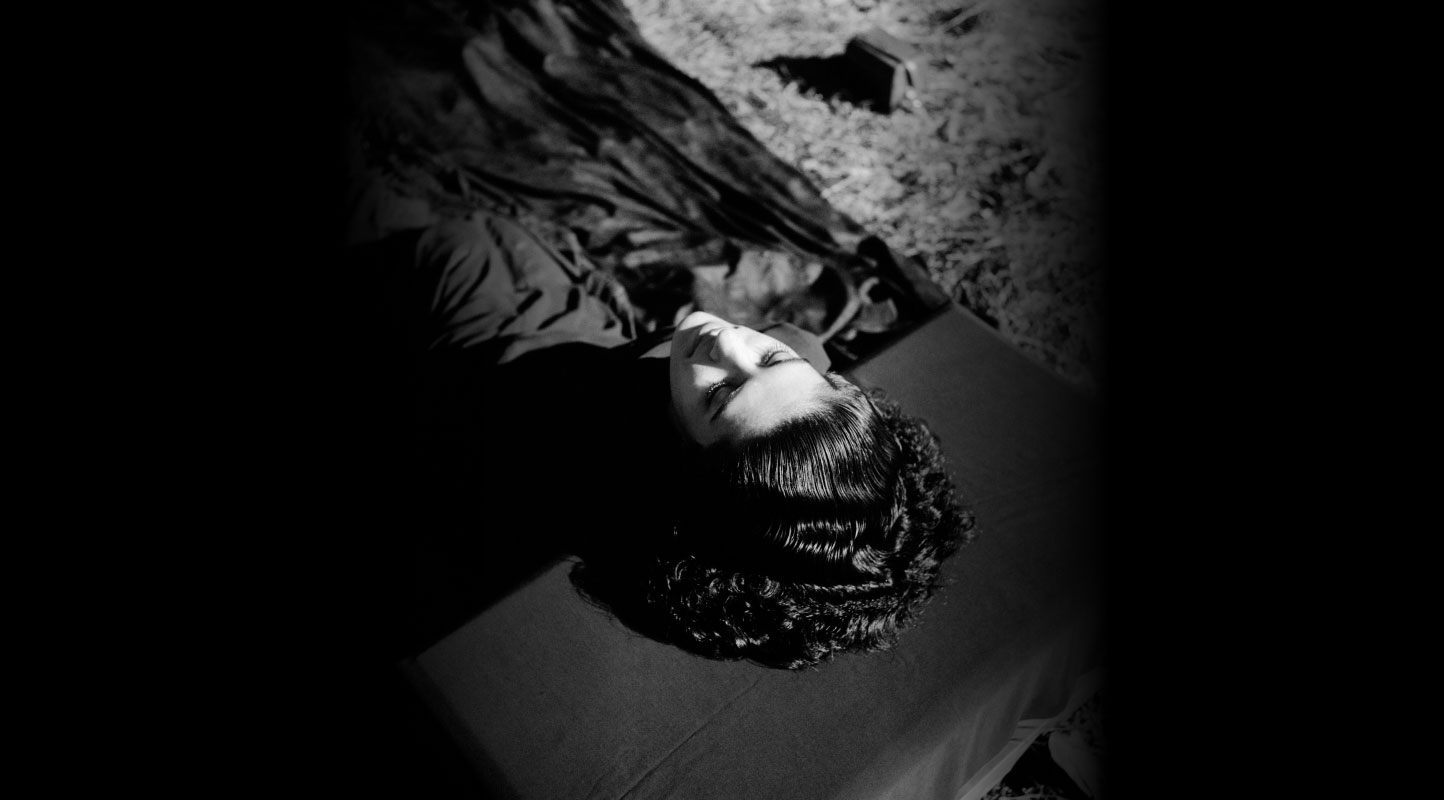
The film begins with a staged show of The Hunger Artist, which my wife directed and which is an adaptation of Franz Kafka's short story by the same name. It is the story about this man who fasts in a cage, and people come to watch him. And the longer he fasts, the more interest there is in people watching him. And then people move on, because they have other things to see. So this guy starts fasting more and more, 30 days, 40 days, until he dies. But nobody comes to see. And then he is replaced, his body is thrown, and he is replaced by a panther, who eats everything that is thrown at him. Again, the crowds come back.
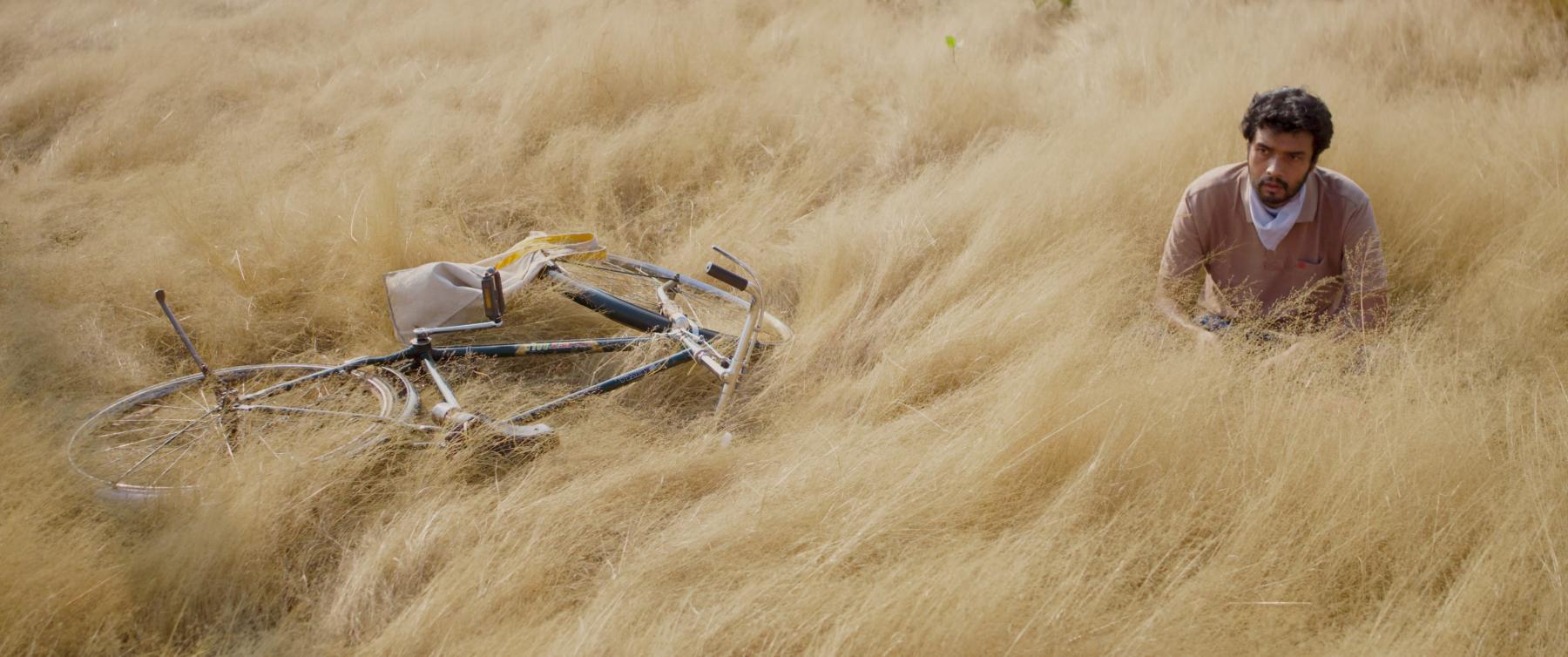
I was taking these ideas, and I wanted the audience to feel the disruptions. In my head, these disruptions and the alienation comes from the idea that sometimes when the audience sees a very emotionally charged story of sadness, through the process of crying or some other act, they are able to feel some catharsis. In this way, they feel that something has been resolved. As if when watching a film about a poor guy, and you start crying, and then you feel like you have done something for him. Though that is not true. I didn't want the audience to feel cathartic until I have defined the rules of what is happening right now.
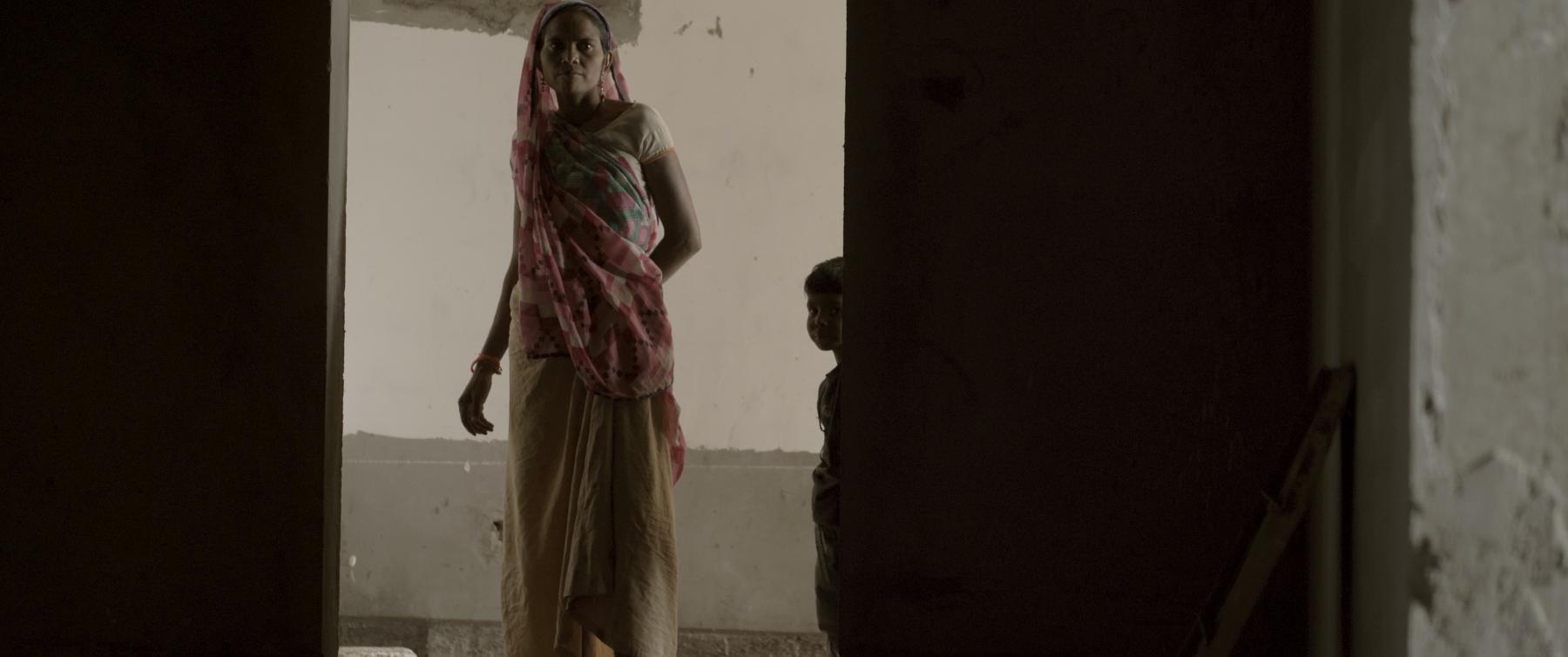
MV: Do you want to talk a bit about Mamata's character or Mamata in the film?
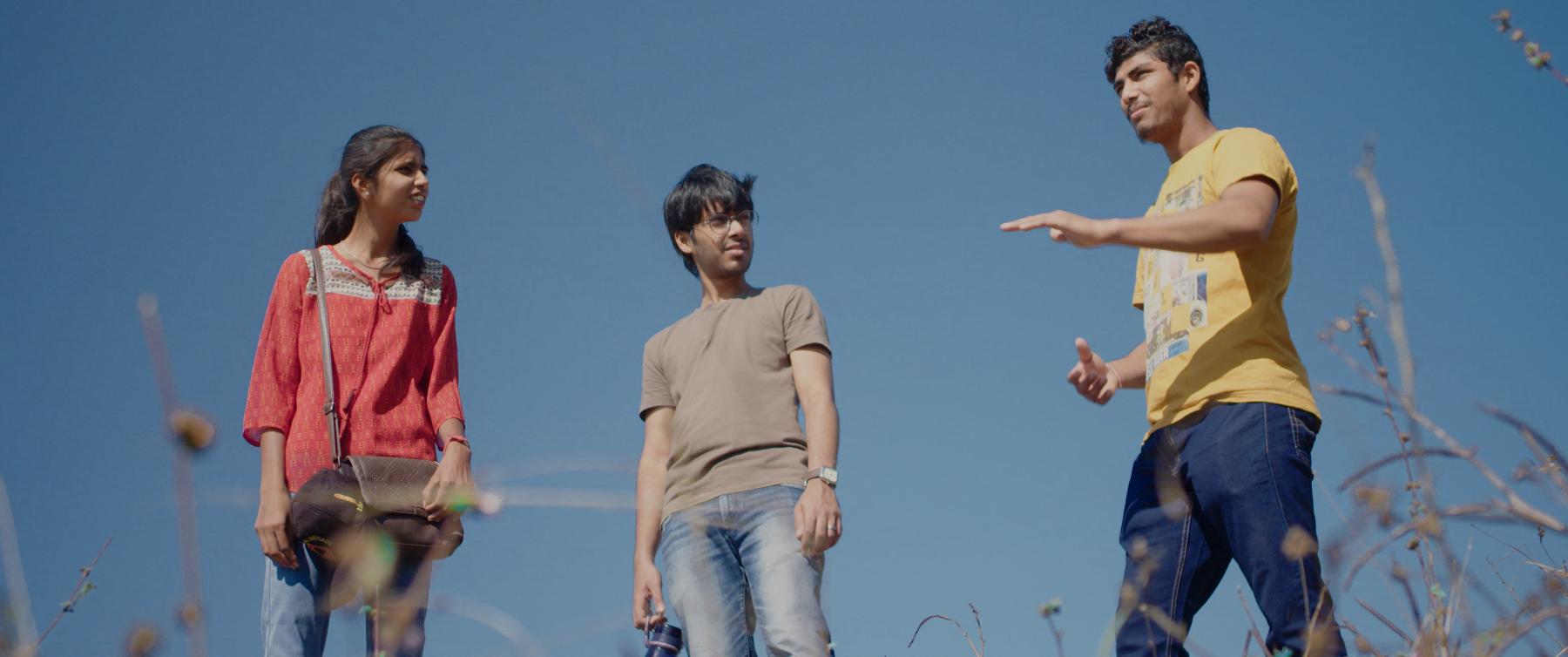
SB: The whole film has been shot on one road in Palghar. We did not go anywhere because I was working with the principle that India is so huge that any corner of India can be the whole of India. I wanted to shoot in Palghar and Mamata had worked as a journalist with People's Archive of Rural India as well as Citizens for Justice and Peace. So I got in touch with her. We were discussing the film and when she started talking about migration, I realised that this is a very common story. It is not just limited to Odisha. It happens at micro levels. So I thought that why not show Palghar and use it as a reflection of what happened to Mahesh. In this way, Mamata became another Mahesh. She talks about displacement and feeling the need to leave home as a young person. And she was as ambitious as Mahesh, as ambitious as any of us. The film is dedicated to her.
To learn more about films screened at this edition of DIFF, revisit Mallika Visvanathan’s conversations with Surabhi Sharma on her film Music in a Village Named 1PB (2025), Sruthil Mathew on his film Dinosaur’s Egg (2024) and Sivaranjini on her film Victoria (2024). Also read Upasana Das’ reflections on Kneecap (2024) by Rich Peppiatt.
To learn more about the previous editions of DIFF, read Mallika Visvanathan’s interview with the founders Ritu Sarin and Tenzing Sonam and watch the previous episodes of In Person with Udit Khurana as he discusses his film Taak (2024), Jhansy Giting Dokgre Marak on her film Chaware (2023), Gavati Wad on her film O Seeker (2024) and Vani Subramanian on her film Cinema Pe Cinema (2024).
All images are stills from Cycle Mahesh (2024) by Suhel Banerjee. Images courtesy of the director.