
Nemahsis: On Music, Memory-Work and Palestinian Witness
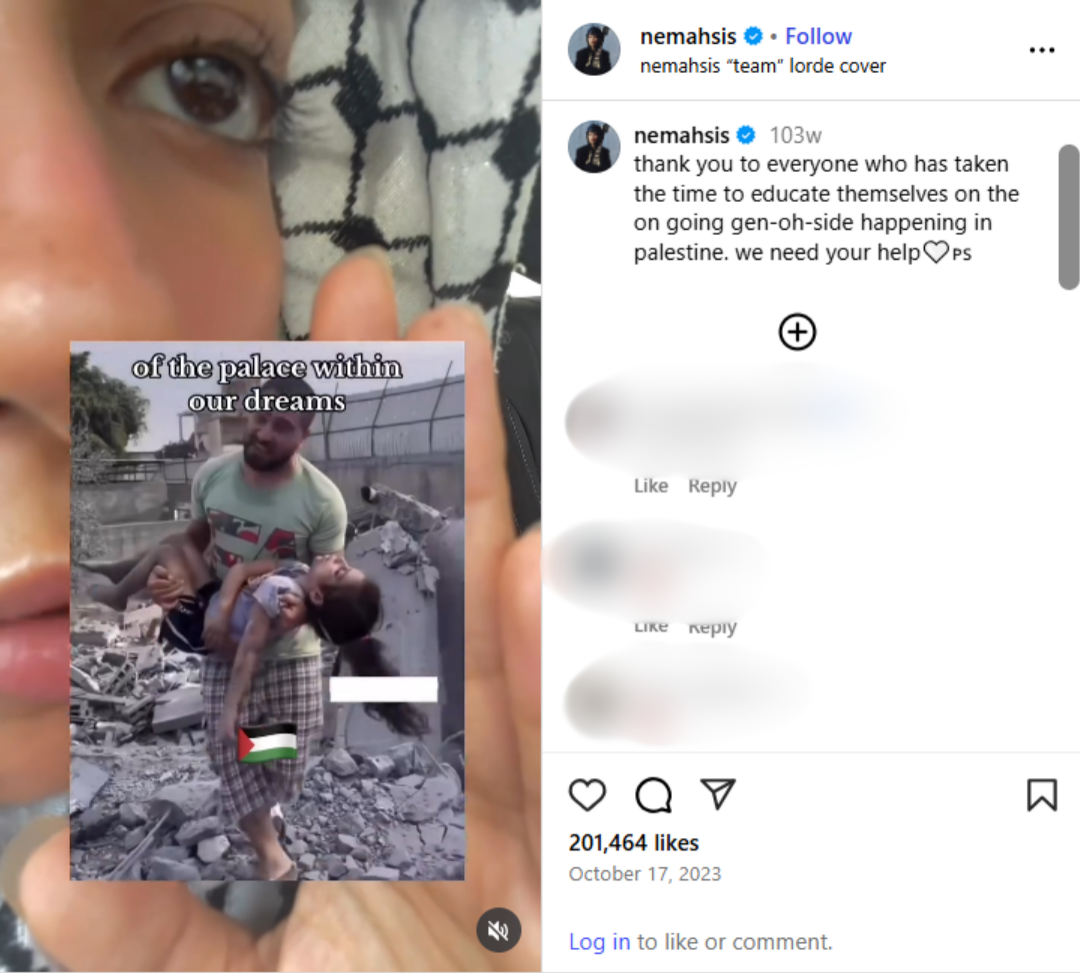
Ten days after 7 October 2023 and the beginning of the genocide in Gaza, a haunting rendition of Lorde’s “Team” began circulating online, layered with images of shattered buildings, burning skies and children pulled from the rubble. Within hours, the clip went viral, turning what began as an elegiac cover into a lament for her homeland and those enduring unimaginable loss. The voice behind it was Nemah Hasan, known by the moniker Nemahsis, a Palestinian artist based in Canada.
However, in a TikTok video posted on 12 October 2024, Hasan shared, “My label just dropped me, a Palestinian artist, for being pro-Palestine." Hasan recalls that after she spoke up, her connections in the music industry vanished overnight. “I was fully ostracised,” she told Power, adding, “I did not think there was going to be a future in music.” Nemahsis had been creating content since March 2020, recording solo performances in her bedroom during lockdowns and later collaborating with her friend Maha on fashion-inspired videos and soulful renditions of tracks by Adele. Yet, it was not her years of steady work that brought her recognition, but a cover of another artist’s song. Her voice, long building in quiet persistence, was finally taken notice of as it emerged from the rubble of a homeland under siege.
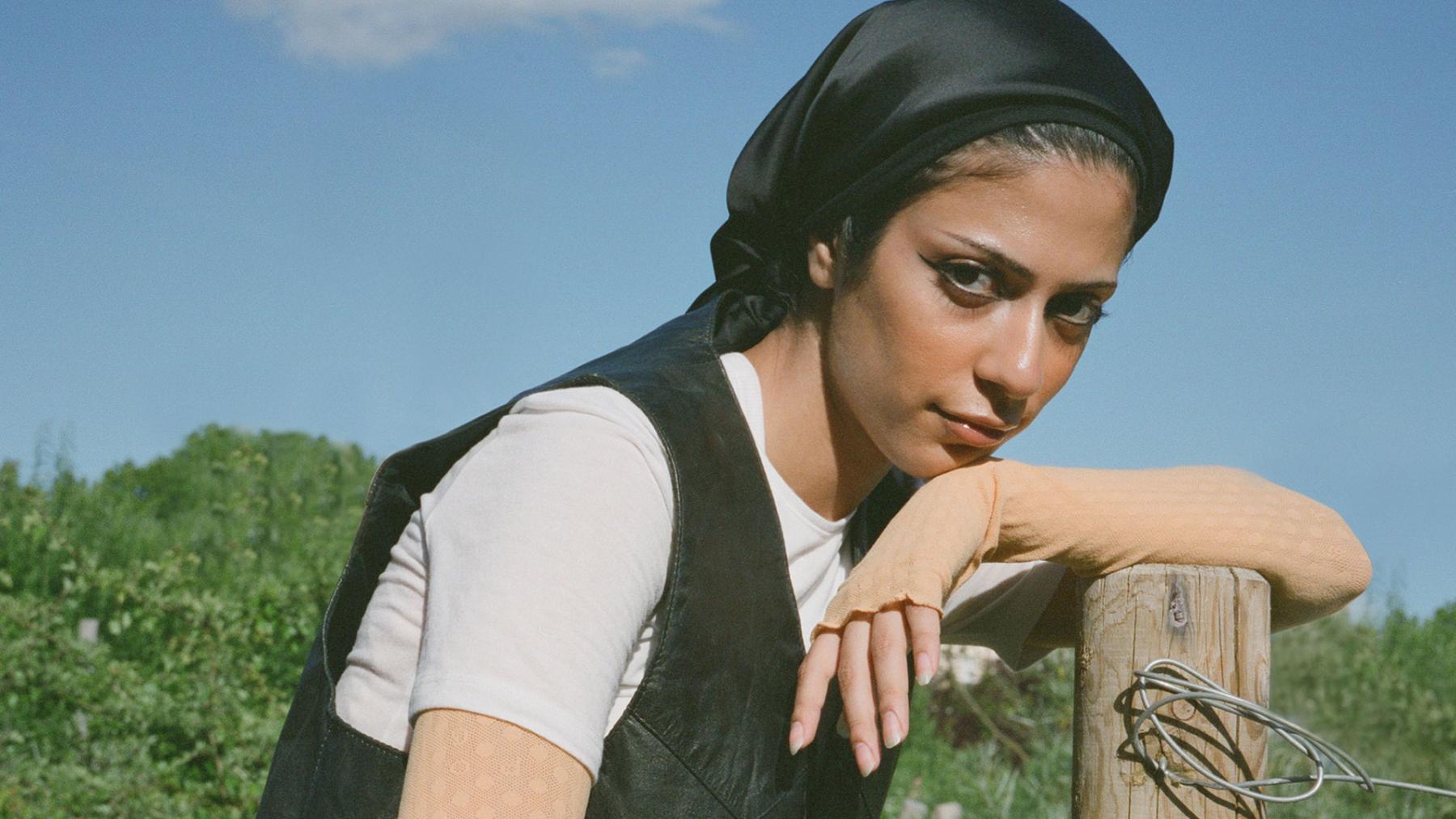
Born in Ontario, Canada, Hasan was raised on a farm in Milton, the daughter of Palestinian immigrants and Bedouin on her father’s side. In 2021, she released her first music video on YouTube, a track born from her being asked to remove her hijab for a photoshoot. That request became the spark for her art, the emotional seed from which everything grew. As a kid, her parents kept her from wearing the hijab out of fear she would be bullied. She hid it in her backpack, slipping it on only at her bus stop. Today, through her music and videography, the hijab is being reclaimed as a symbol of choice, heritage and empowerment. “I’m not going to be anybody’s token hijabi girl,” she declares, a line that hits like a manifesto. It is not just a personal stand; it is a refusal to let anyone define her story.
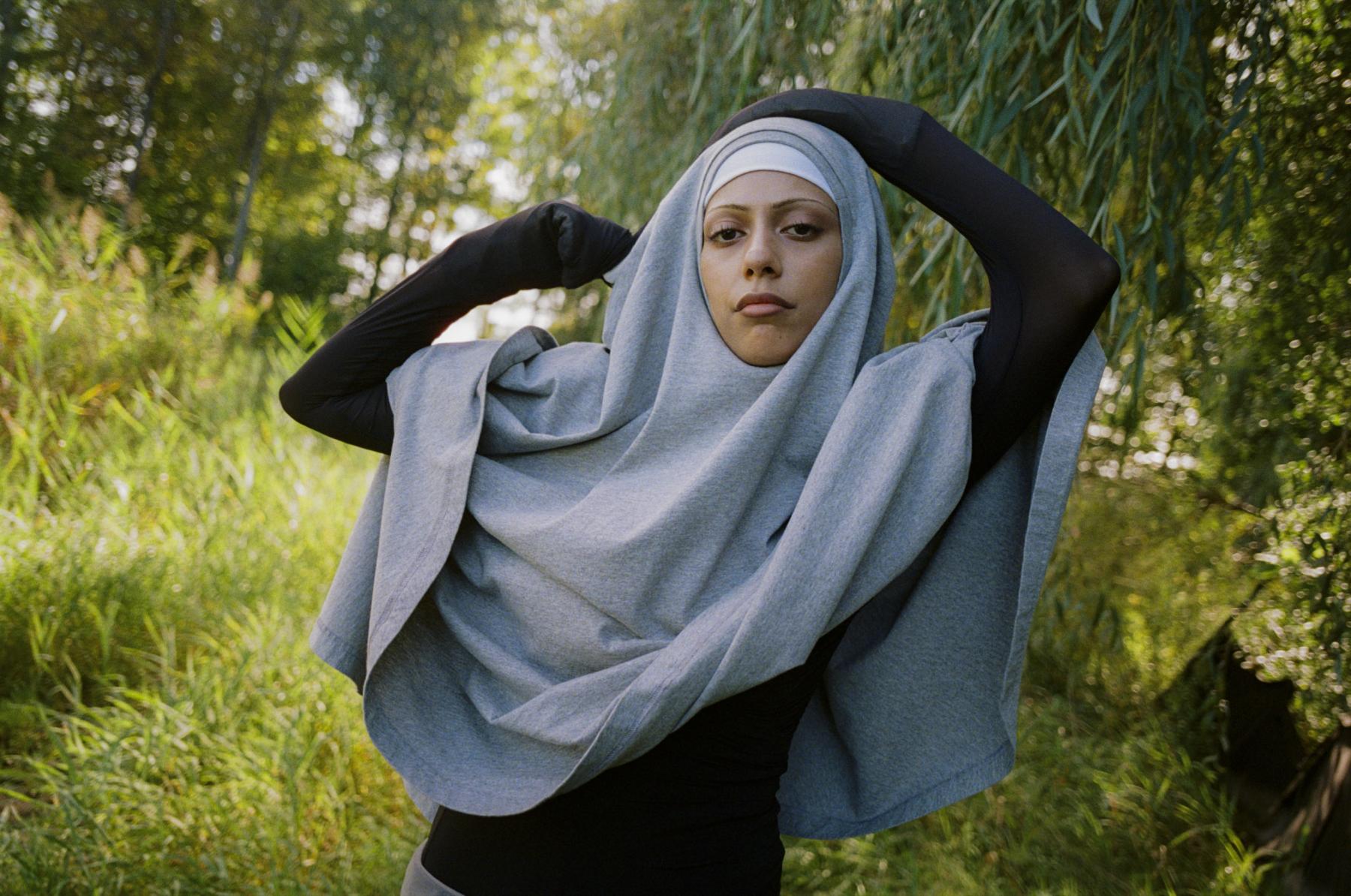
For Nemah, the hijab carries the added weight of being visibly Muslim in a post-9/11 West, where it is often read as a marker of danger, with Islamophobia only deepening over the years. To wear it as a Palestinian woman adds another layer of meaning, particularly in the context of the global politics of Muslim visibility. Her work thus illuminates the disconnect between the diversity the industry markets and the diversity it truly embraces. Diaspora artists often find that their talent, ambition and dreams can get buried under a gaze obsessed with symbols—and in the West, that is often the hijab. Hasan has said her songs might have been “masterpieces” if sung by someone else. But she chooses to own them, unapologetically. Each verse, each video, is a claim: I exist. I speak. I am not yours to sanitise.

It is this tension between visibility and vulnerability, between belonging and resistance, that makes her work resonate. Hasan’s music is more than sound; it is a reckoning, a mirror held up to a world that rarely wants to see her fully. As her voice rises over beats, visuals and the scars of experience, it asks a question we cannot ignore: if art is meant to speak truth, then whose truth are we listening to and whose are we still silencing?
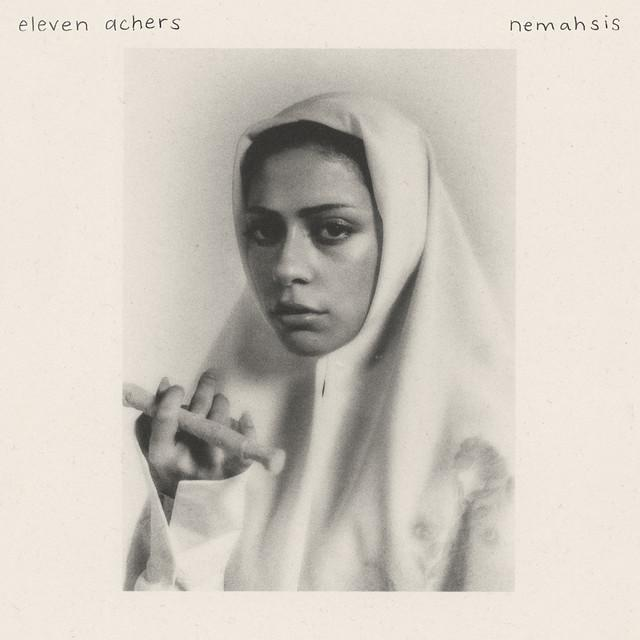
On her debut EP, eleven achers, released on 11 March 2022, Nemahsis moves seamlessly between personal introspection and political testimony, each track building on the last.
“Paper Thin” sets the tone, with lyrics urging her not to cry because “they won’t love you till you start loving yourself.” It is a moment of quiet charge, asserting agency over her own emotions and narrative. That thread continues in “The Dollar Sign,” where the line “I’m not a product to be sold” confronts the reduction of artists to profit potential, reading as a statement about feminism, minority representation and the demand to be seen as a person with complexity rather than a stereotype.
In “I’m Not Gonna Kill You,” Nemahsis turns inward with the line, “You like me better as an Emma,” a quiet confession about the shaping of identity under other people’s gaze. As a child, teachers often stumbled over her name, and she would gently correct them: “It’s Emma, but with an N in front.” Yet her words were lost in the noise. That memory—of a name softened for convenience, of identity reshaped without consent—becomes a poignant echo in her art, a reminder of how names, like selves, can be quietly rewritten.
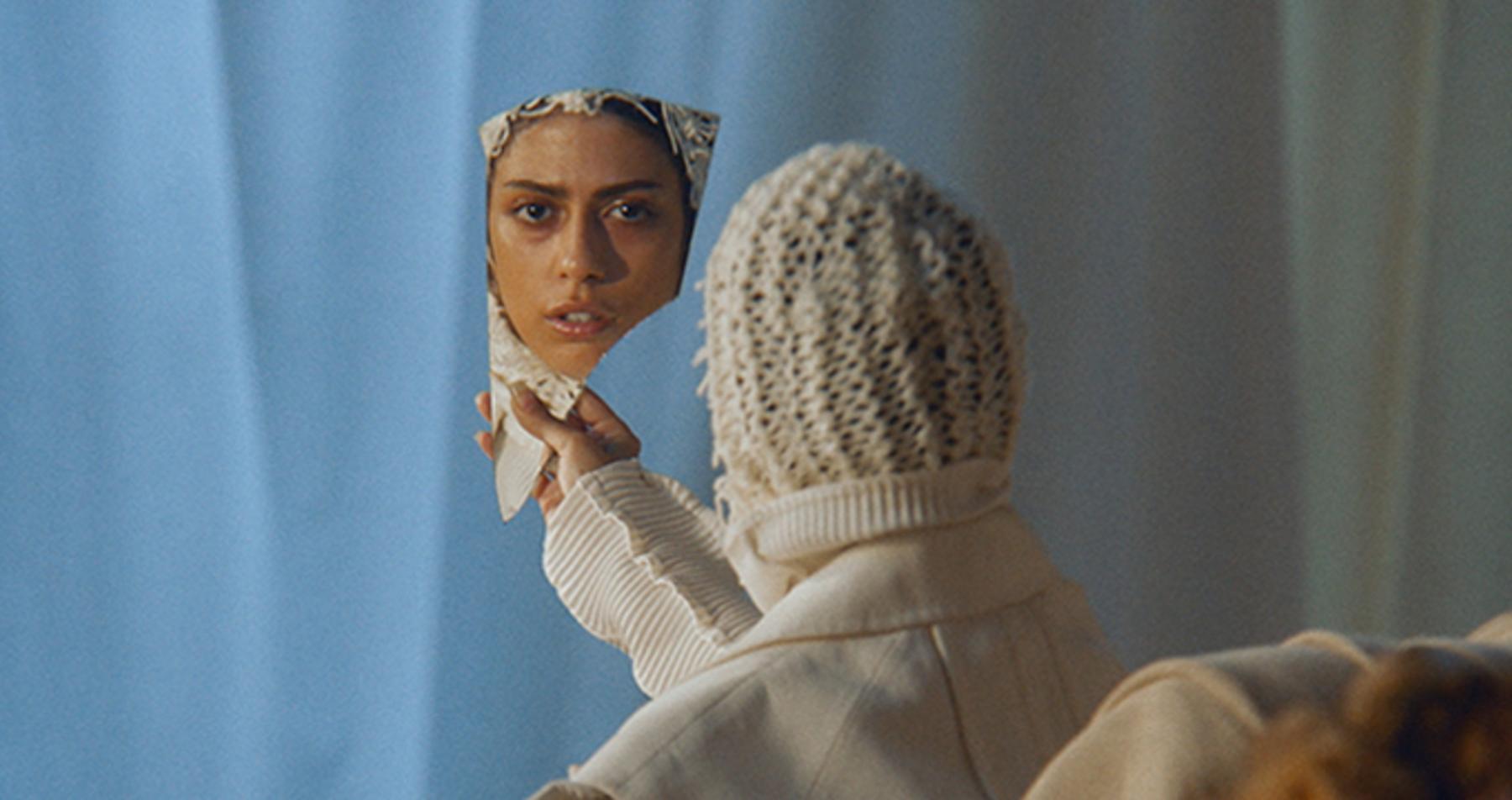
On “Suicide,” the line “I am a triple threat, three nations want my head” comes within a deeply personal, confessional moment, reflecting how her political identity and emotional state are intertwined. Across these tracks, Nemahsis consistently weaves intimate storytelling with political testimony, turning personal experience into a vessel for collective truths and creating a discography that balances vulnerability with defiance.
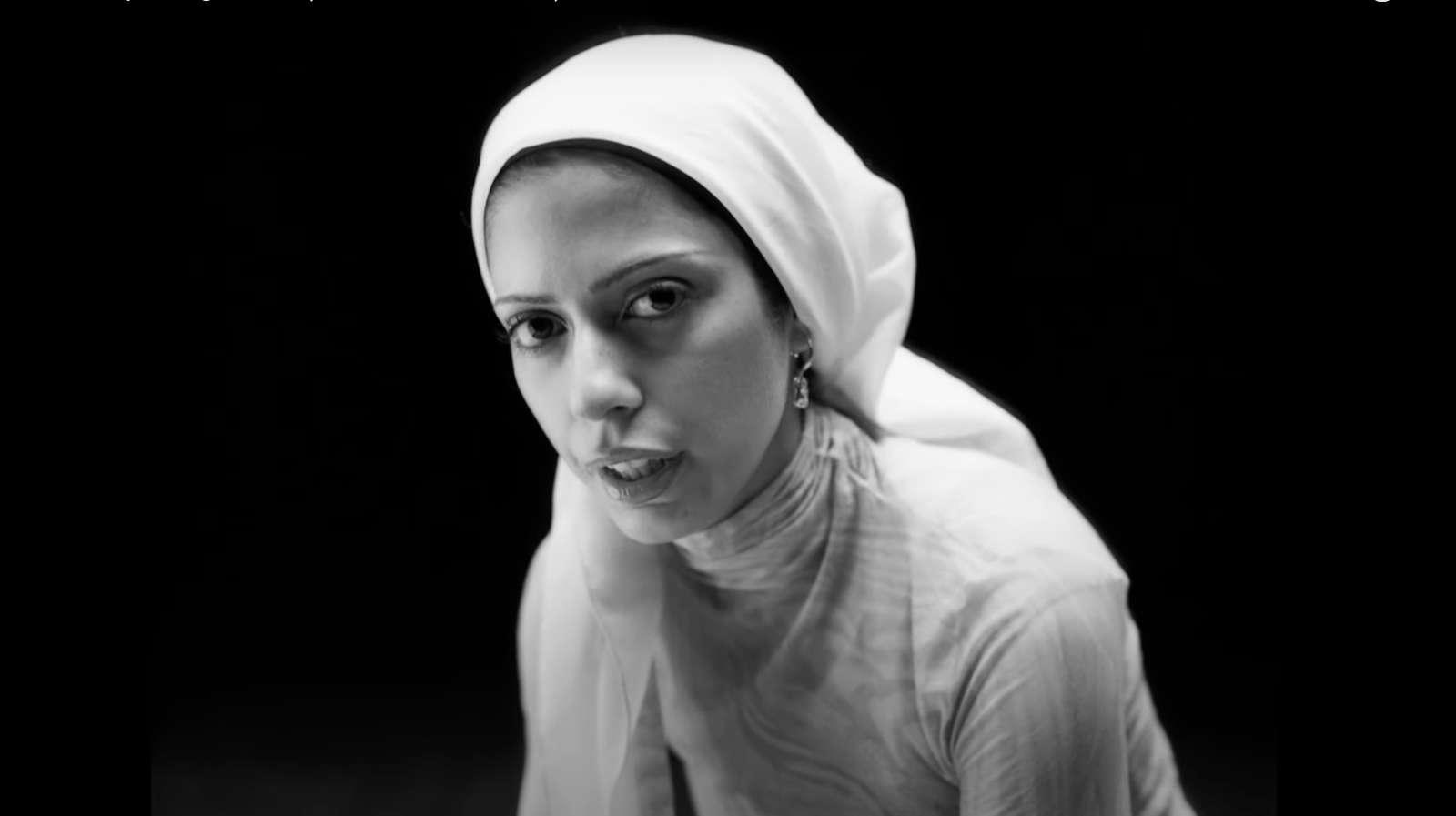
After a gap of more than a year, she posted a video titled Why the Cheque Didn’t Clear on YouTube in May 2024. In the video, she recounts exactly what happened on 10 October 2023, the day her label dropped her. She then released the song “I Wanna Be Your Right Hand,” a move toward agency, framing emotional labour and personal identity on her own terms.
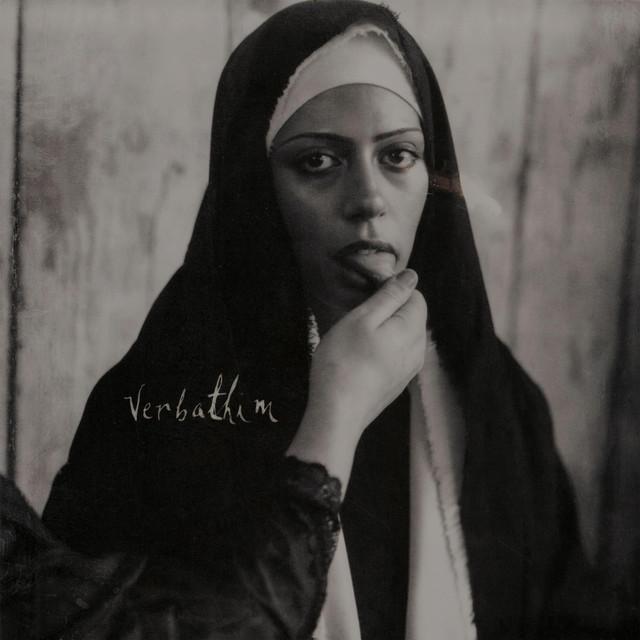
Despite being dropped by her label for her outspoken support for Palestine, Nemahsis released her debut independent album, Verbathim on 13 September 2024. In an interview with Teen Vogue, she explained that the title was “just the word ‘verbatim’ except someone is grabbing my tongue,” a metaphor for the censorship she has faced in the music industry. “Stick of Gum,” one of the standout tracks from Verbathim, was accompanied by a music video shot in Jericho, Palestine. The video reflects the album’s overarching themes of self-expression, cultural memory and resistance. Nemahsis intentionally chose to film in her ancestral home, bringing her family and community into the video. In the YouTube description, she writes, “‘Stick of Gum’ is a love song. So rightfully, what more can I care for than where I come from and who I come from?” Nemahsis was in Jericho visiting family during a period of escalating violence in Gaza, seeking to reconnect with her roots and community. While there, she decided to film “Stick of Gum” with her creative team, drawing on her surroundings and featuring family and locals in the video. The video stands as a powerful act of resilience, a deliberate, monumental act, her first major statement as an independent artist and a carefully wrought attempt to speak about homeland. It is a piece of “memory work”: a weaving of family history, place-attachment and cultural preservation into art, making it more than music. It is a declaration that memory itself is a form of resistance and that art can be a living archive, a vessel to preserve what might otherwise be erased.
Where “Stick of Gum” anchored resistance in the memory of a homeland, “You Wore It Better” brings that resistance into the everyday, folding questions of identity and belonging into a deeply personal moment. One of the most striking images in the You Wore It Better video is Nemahsis wearing a Niagara Falls sweatshirt emblazoned with the word “Canada.” This is far from a casual wardrobe choice. Niagara Falls is not only one of Canada’s most iconic landmarks but also a powerful emblem of constant flow, change and erosion. In the context of the song, it becomes a metaphor for emotional movement—a cascade of feelings, unstoppable and transformative.
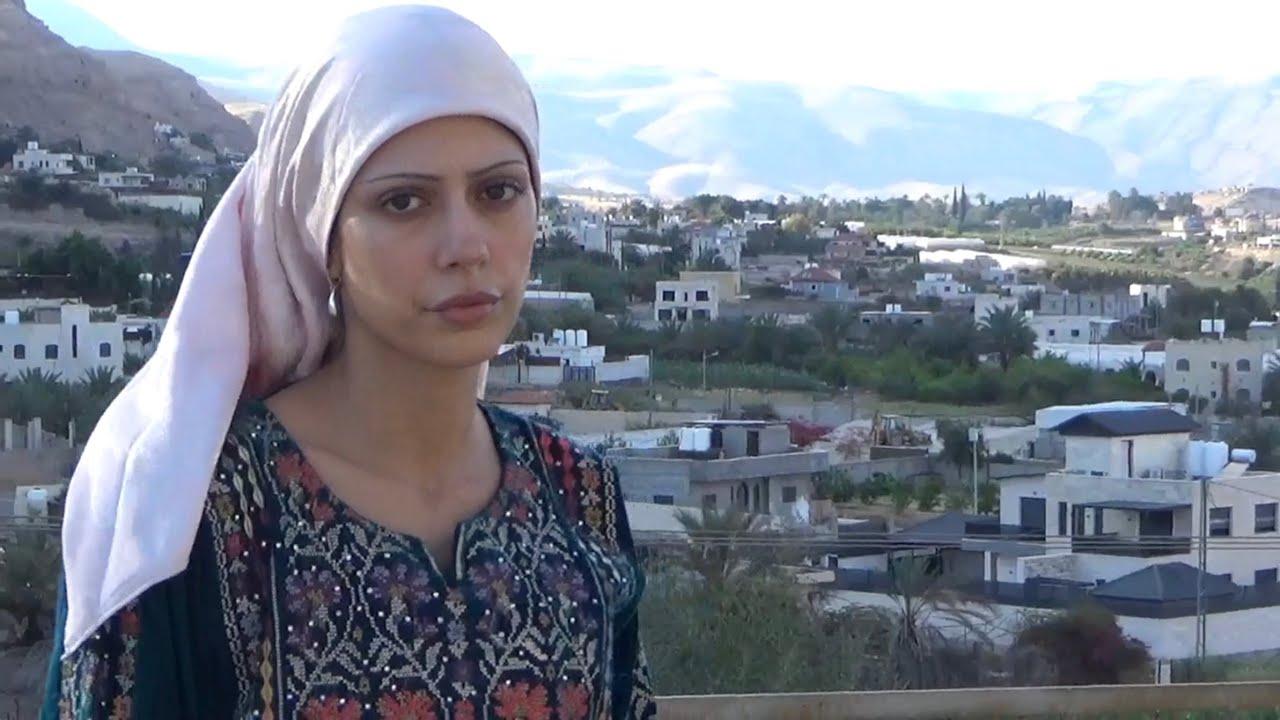
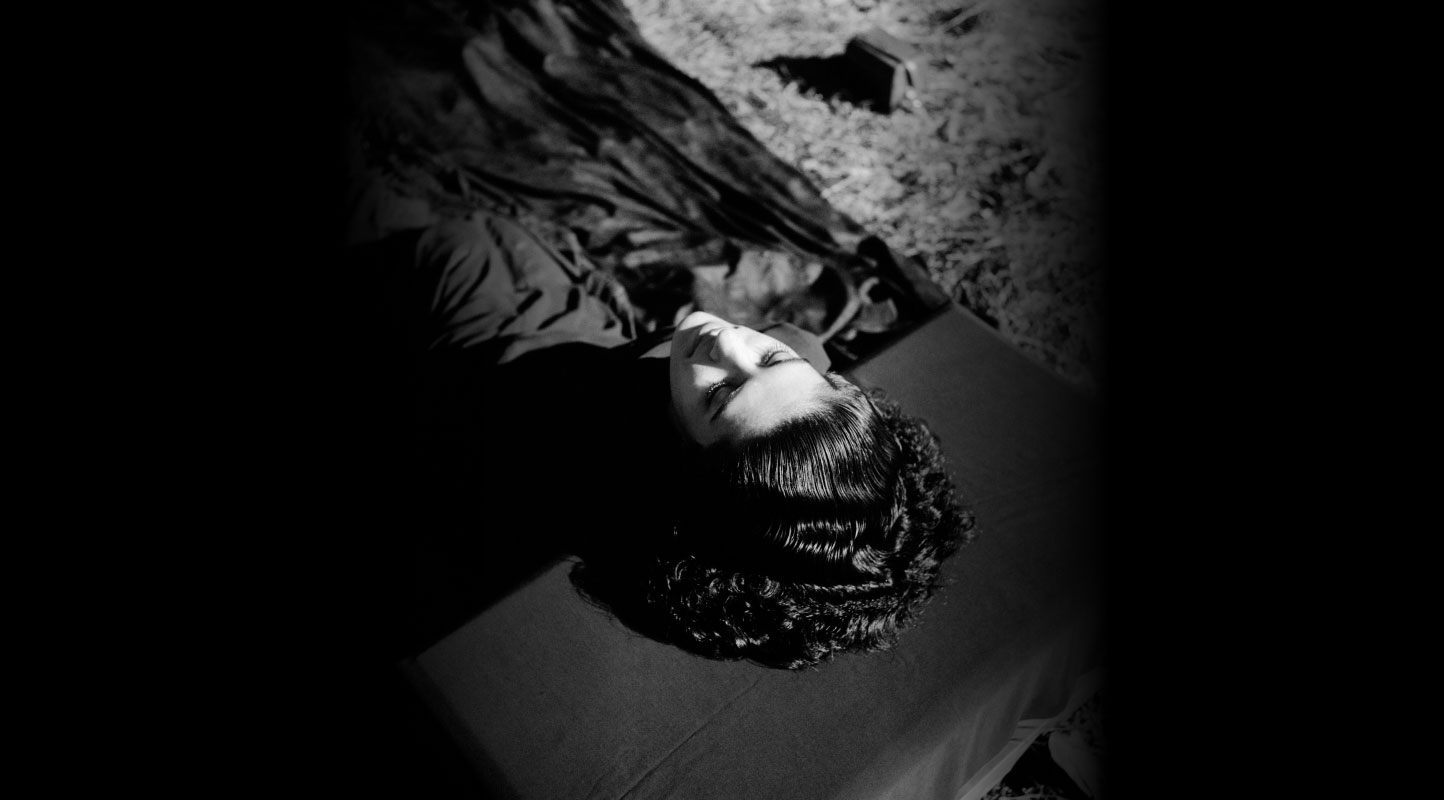
But it is in “Miss Construed,” where emotional vocabulary expands into a statement about misinterpretation, showing how identity, art and intent often collide in the public gaze. The music videos for “Stick of Gum” and “Miss Construed” were both filmed in her homeland, the West Bank, Palestine. In “Miss Construed,” Nemah appears in her Eid attire, standing in her house against the backdrop of a devastated land. The image is arresting, immediately setting the tone of the song—a plea to fellow artists, creators, and people from her region to be mindful of words that might be misconstrued by the world. By reclaiming that title of being misconstrued, she makes it clear that she is willing to bear the weight of her words, her voice, and her very existence, no matter how the world interprets them.
The song itself is a request for care in expression, to understand how easily words can be twisted once they enter a world ready to misread them. Yet “Miss Construed” is not a retreat into silence; it is a reckoning with the inevitability of being misunderstood. In calling herself “the biggest misconstrued,” Nemahsis names the wound and reclaims it.

Nemahsis has said that she hopes her music will not resonate in quite the same way in the future. “I hope that when people hear about me, they are like, ‘There is nothing controversial about that,’” she explains. “It means that we have normalised and humanised Palestinians. Then I have done my job.” Her music is not just about telling a story; it is about rewriting history, breaking cycles and ending the need for these stories to be told over and over again.
In a time when silence often feels easier than speaking the truth, voices like Nemahsis’ remind us of the courage it takes to bear witness through art. Her music moves beyond geography and genre, crossing borders and oceans, carrying the ache of displacement alongside the defiance of remembrance. Every note, every lyric, becomes an act of reclamation, a refusal to let memory fade into abstraction.
Palestine, through her work, is not just a headline or a map; it is a living, breathing story, told by those who refuse to let it be ignored. Artists like Nemahsis do more than sing; they preserve history, demand empathy, and ensure that somewhere, amid the noise of the world, the voices of a land struggling to be heard continue to rise and soar. In listening to her, we are reminded that art is not just expression; it is a lifeline, a vessel of resilience, and a call to humanity that cannot and must not be silenced.
What resonates most deeply about Nemahsis' work is how it refuses to perform pain for external validation. There is an interiority to her music, a turning inward that feels both protective and defiant. For me, as a Muslim woman in India, that inward gaze feels profoundly familiar: the need to hold your truth close in a world eager to define it for you.

When Nemahsis stands in her ancestral home in Jericho, or wears her hijab without apology, she is not performing resistance; she is living it. Her art insists that tenderness and dignity can exist even under siege, a lesson that resonates in South Asia as well, where being visible, complex and unyielding is itself an act of defiance. In “Stick of Gum,” when she turns the camera toward her family and community, she reminds us that remembrance can be a form of resistance and a means of belonging, a kind of protest.
In her insistence on defining herself lies the echo of the quiet negotiations many make each day—between faith and freedom, identity and safety, love and survival. Though rooted in Palestine, her music speaks to all who live with both pride and precarity, reminding us that to keep creating and remembering is to resist erasure—and that, too, is a form of resistance that cannot be silenced.
To learn more about artists responding to the ongoing genocide in Palestine, read Santasil Mallik’s review of Maha Haj’s Upshot (2024) and his observations on Gaza Lives as part of Filmworks for Palestine in Toronto, Kamayani Sharma’s conversation with Palestinian photographers Maen Hammad and Dina Salem about their work Against Abstraction and Anoushka Antonnette Mathews’ reflections on Abdel Salam Shehada’s Ila Aby (2008).
All images courtesy of Nemahsis unless otherwise mentioned.