

In Pursuit of the Street: Aashim Tyagi’s Archive of India’s Typography
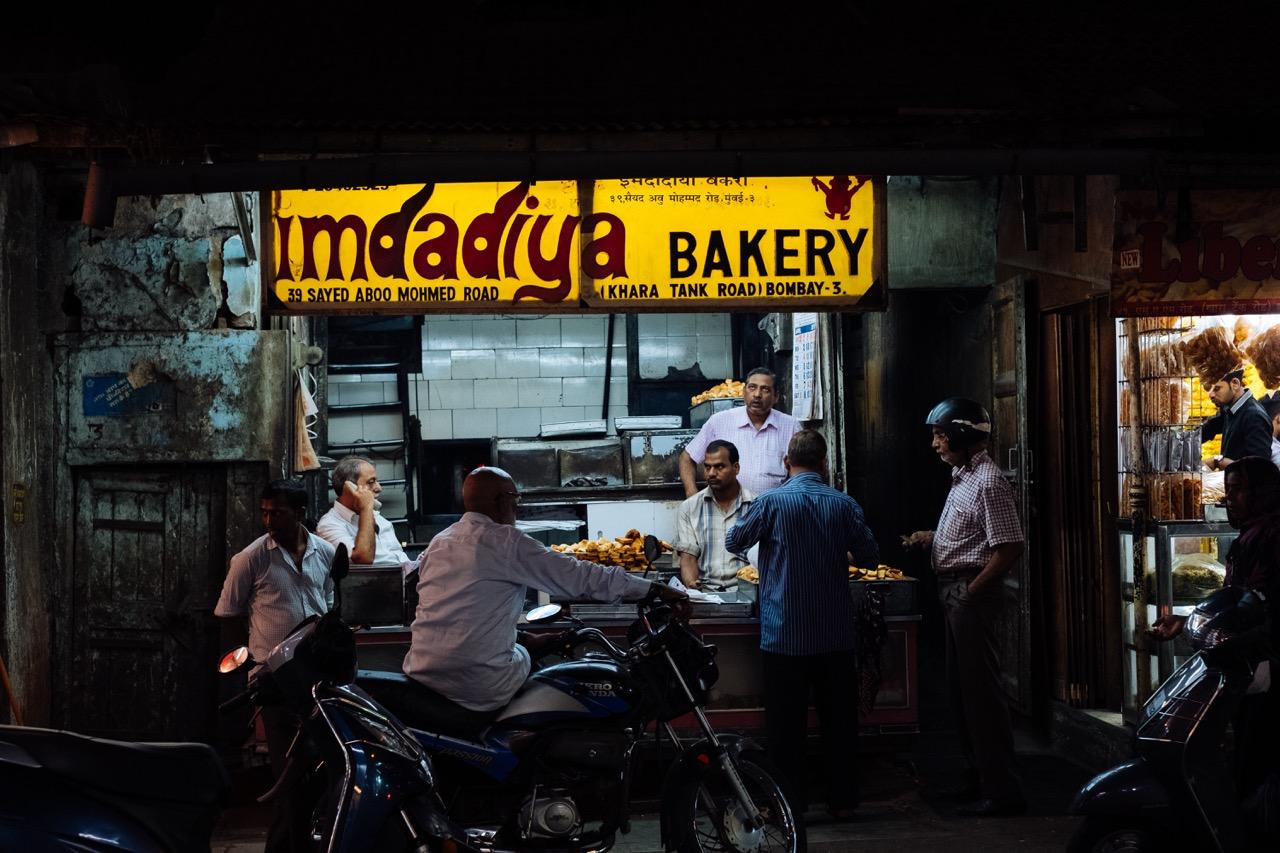
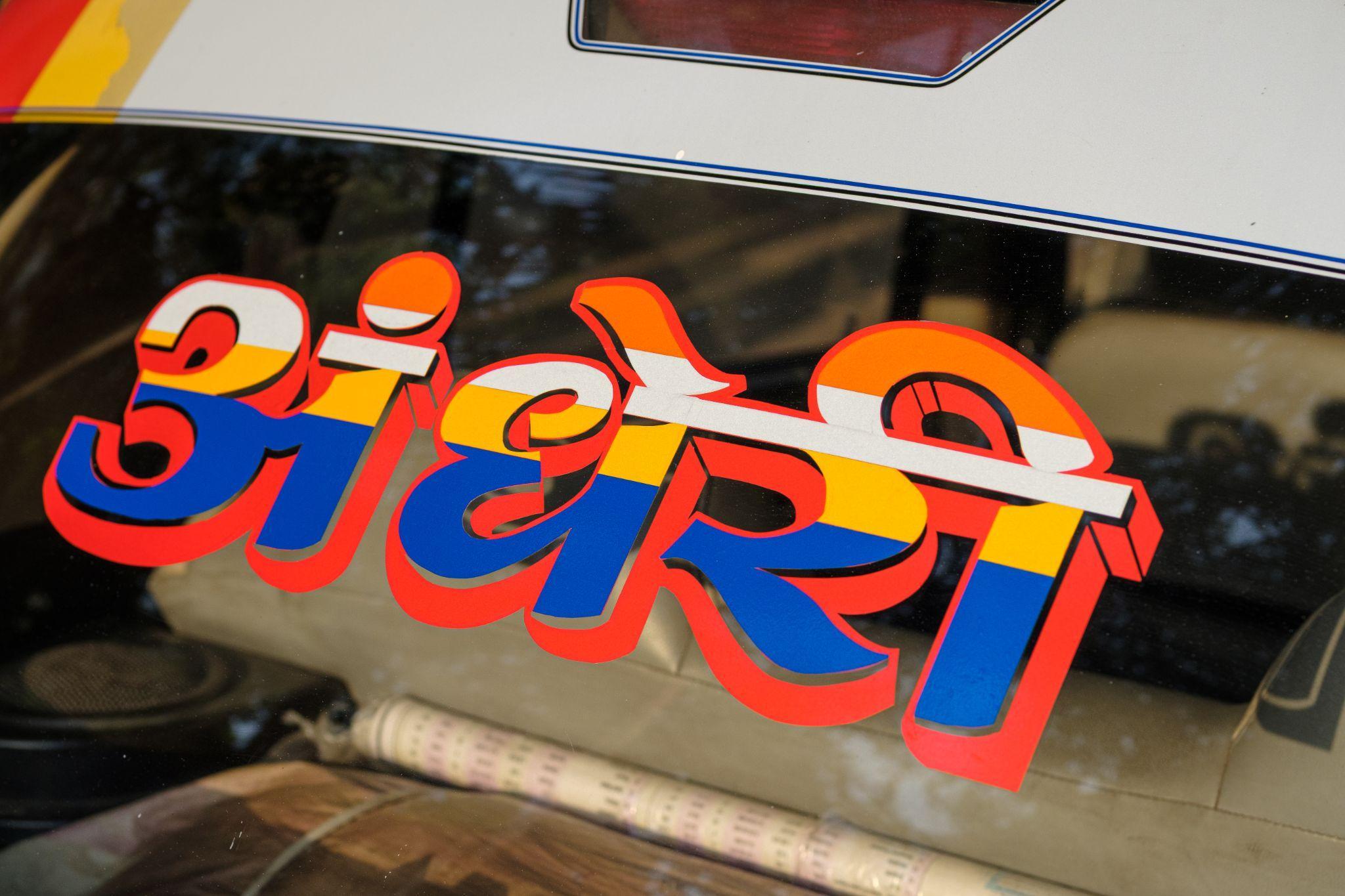
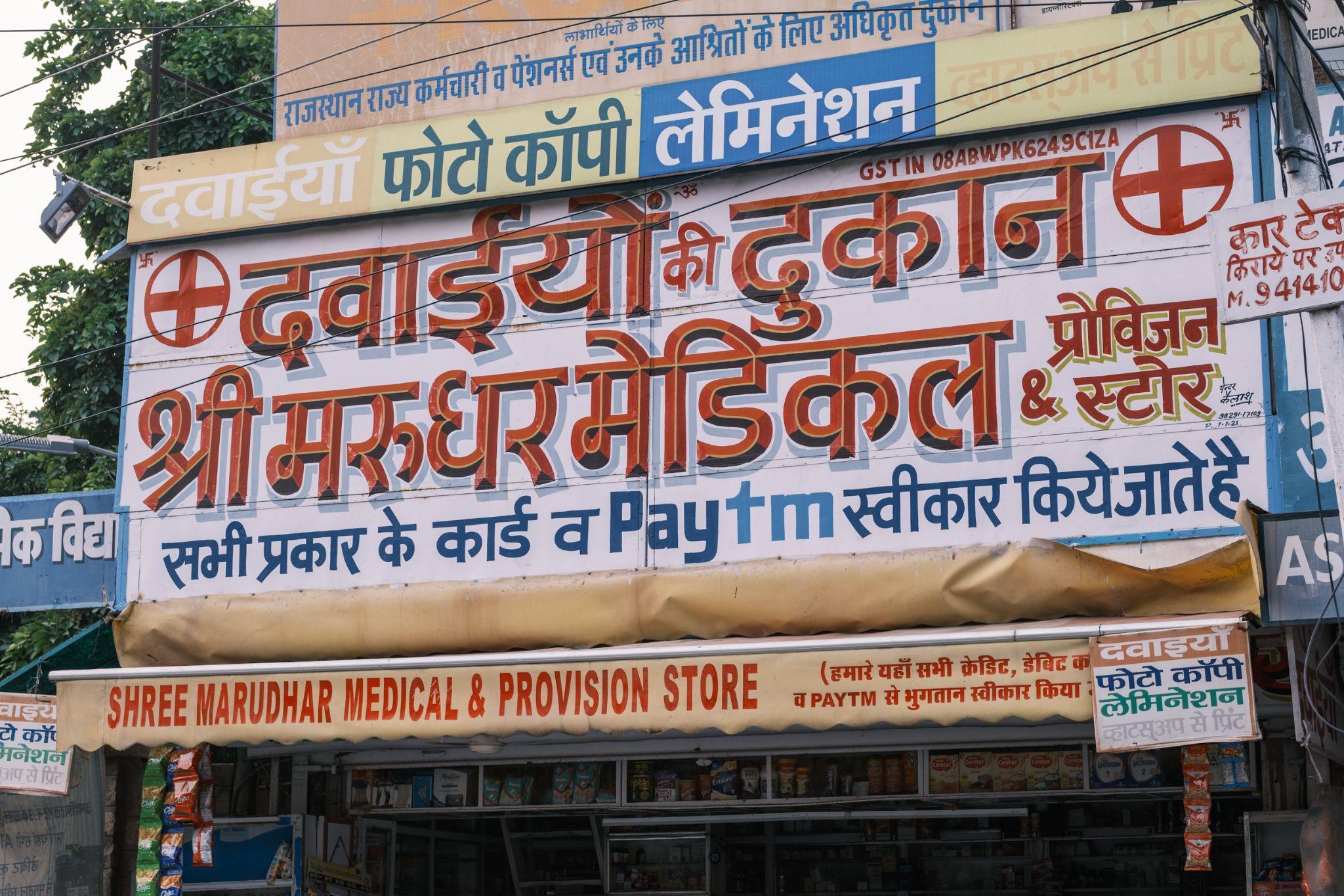
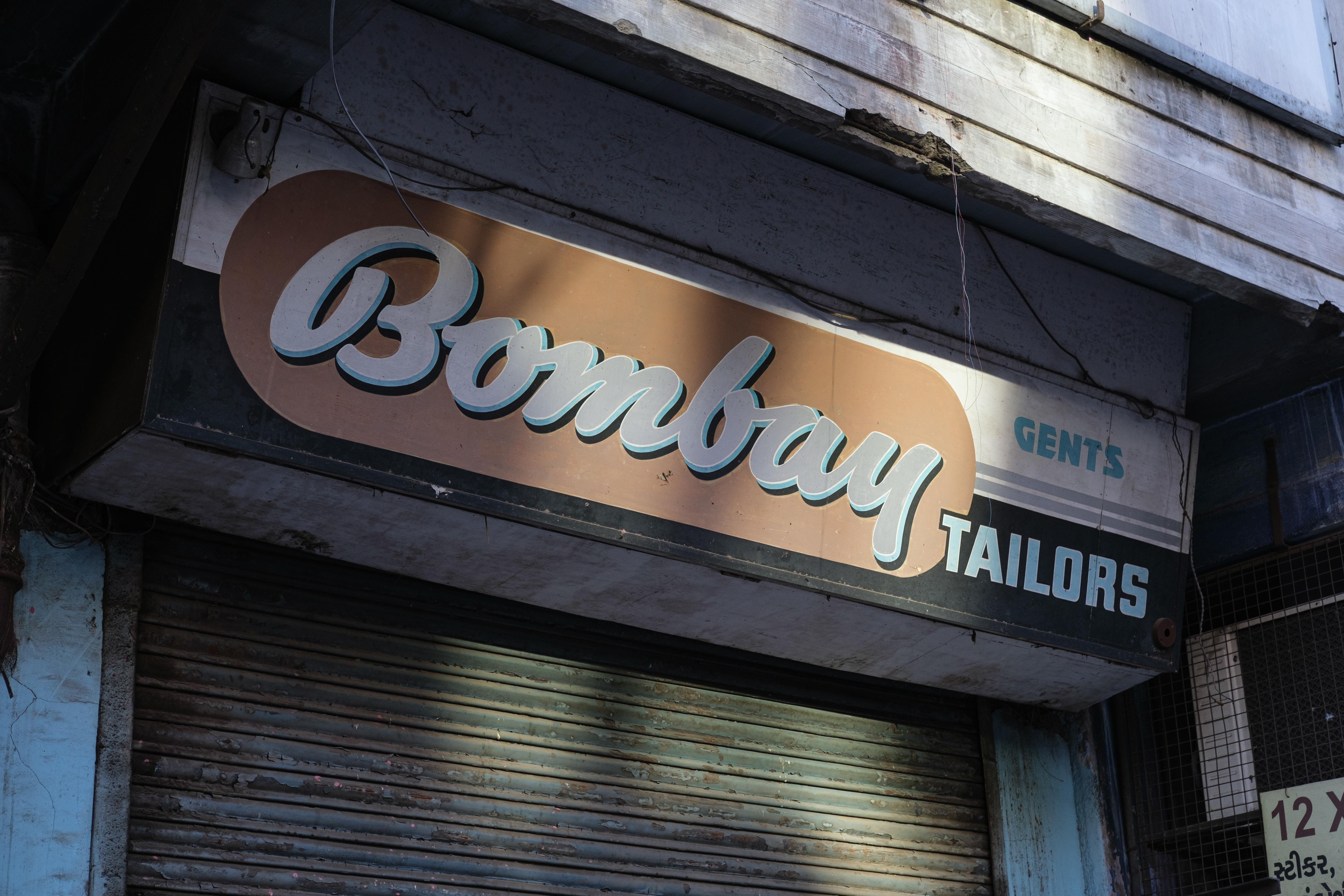
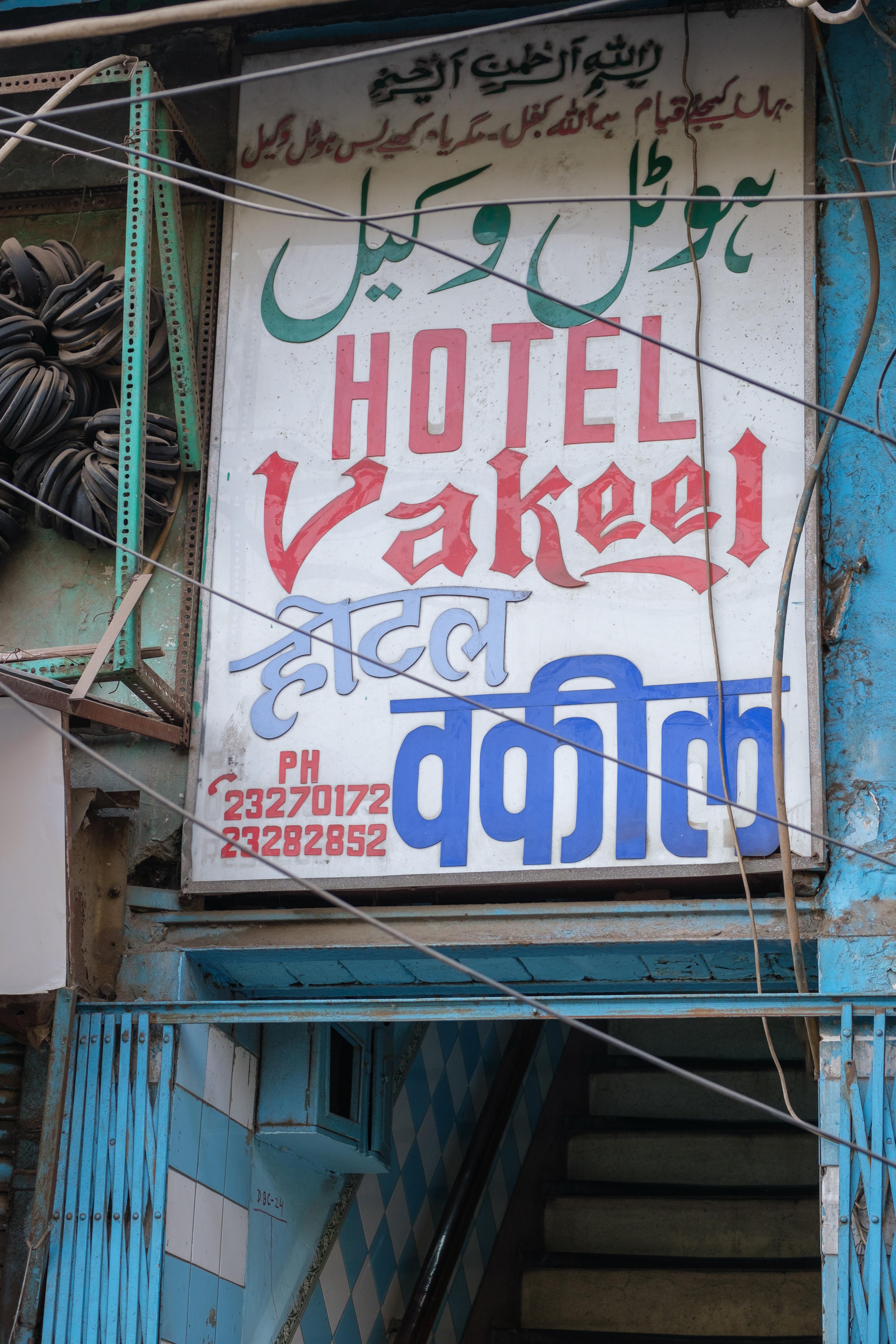
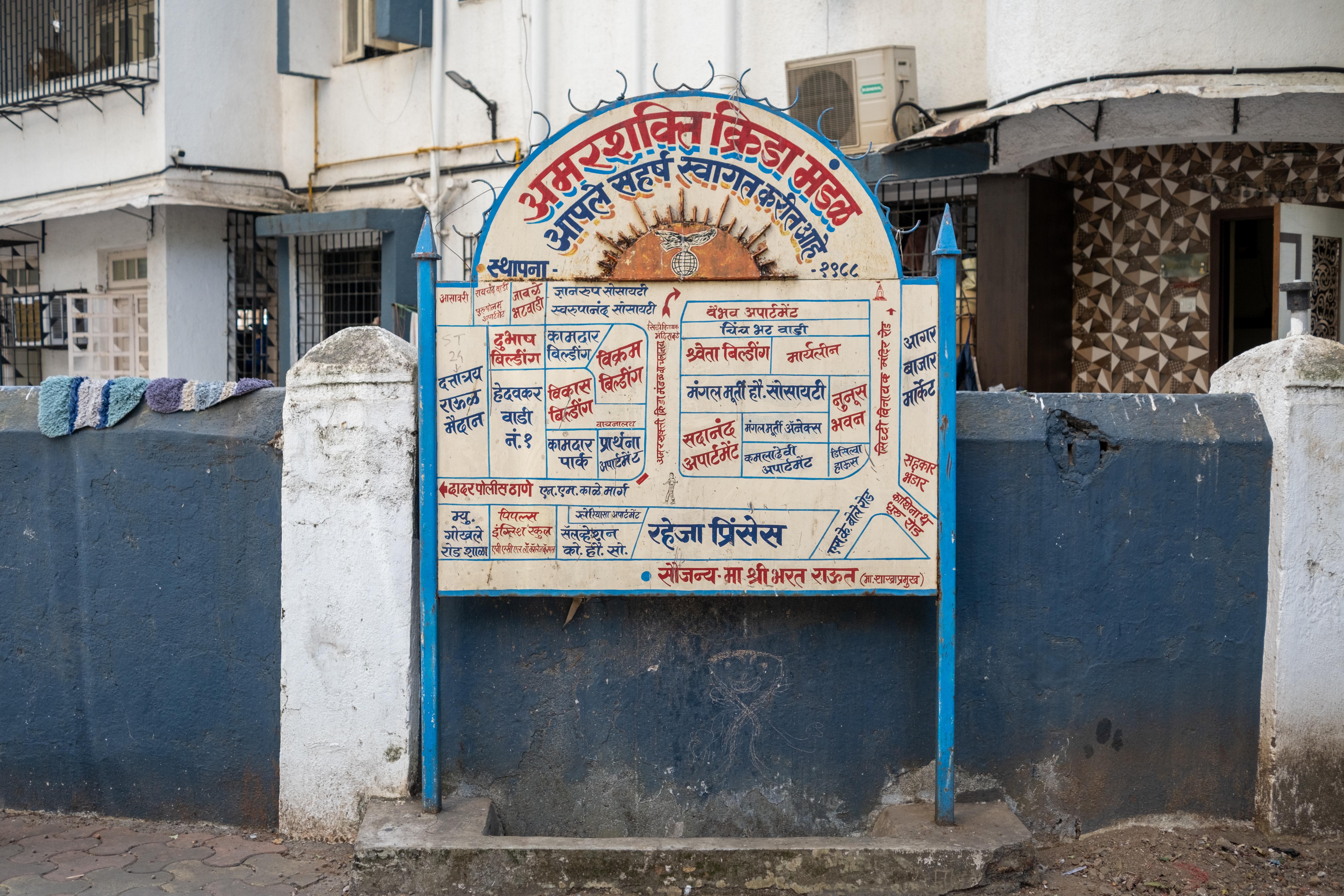
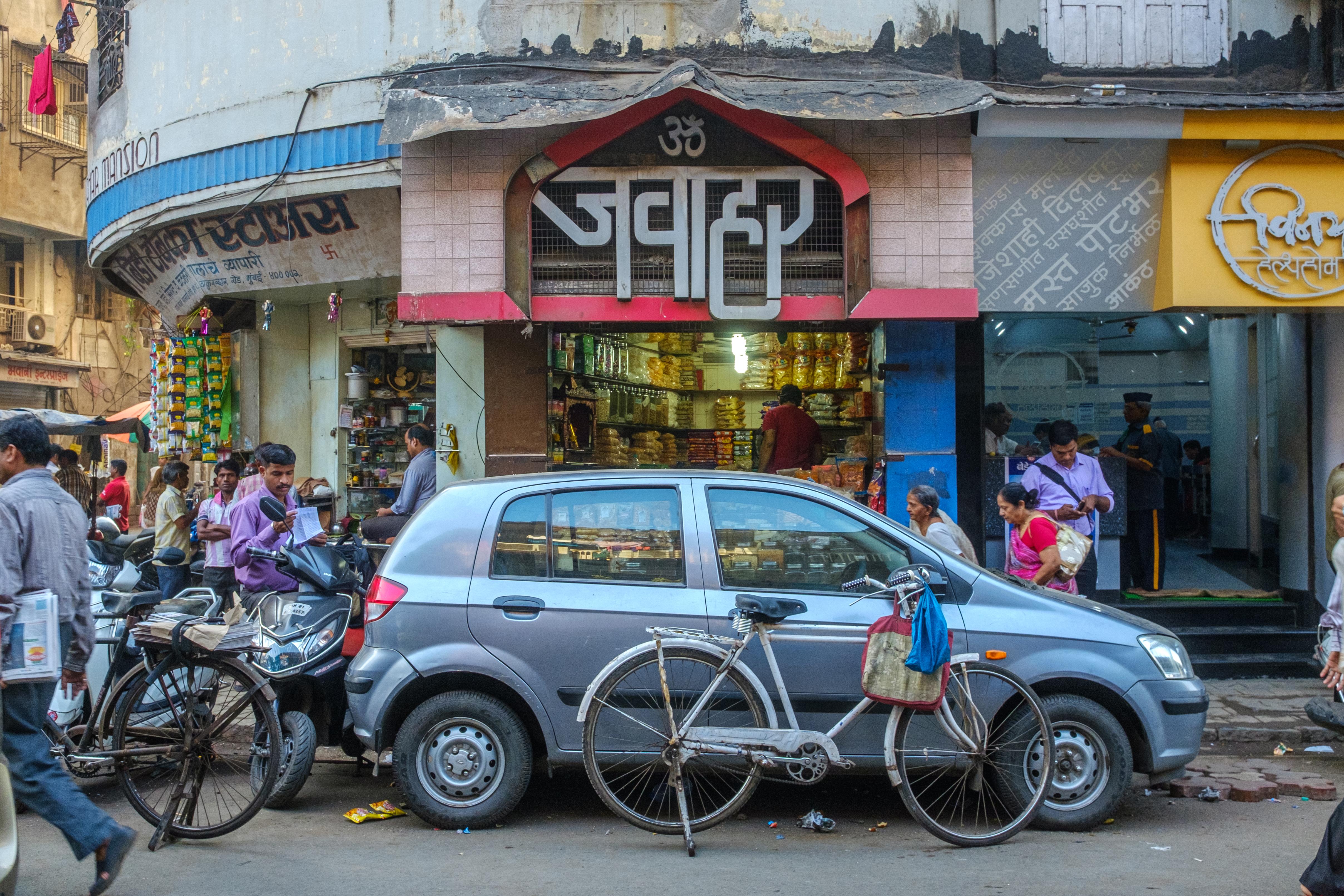
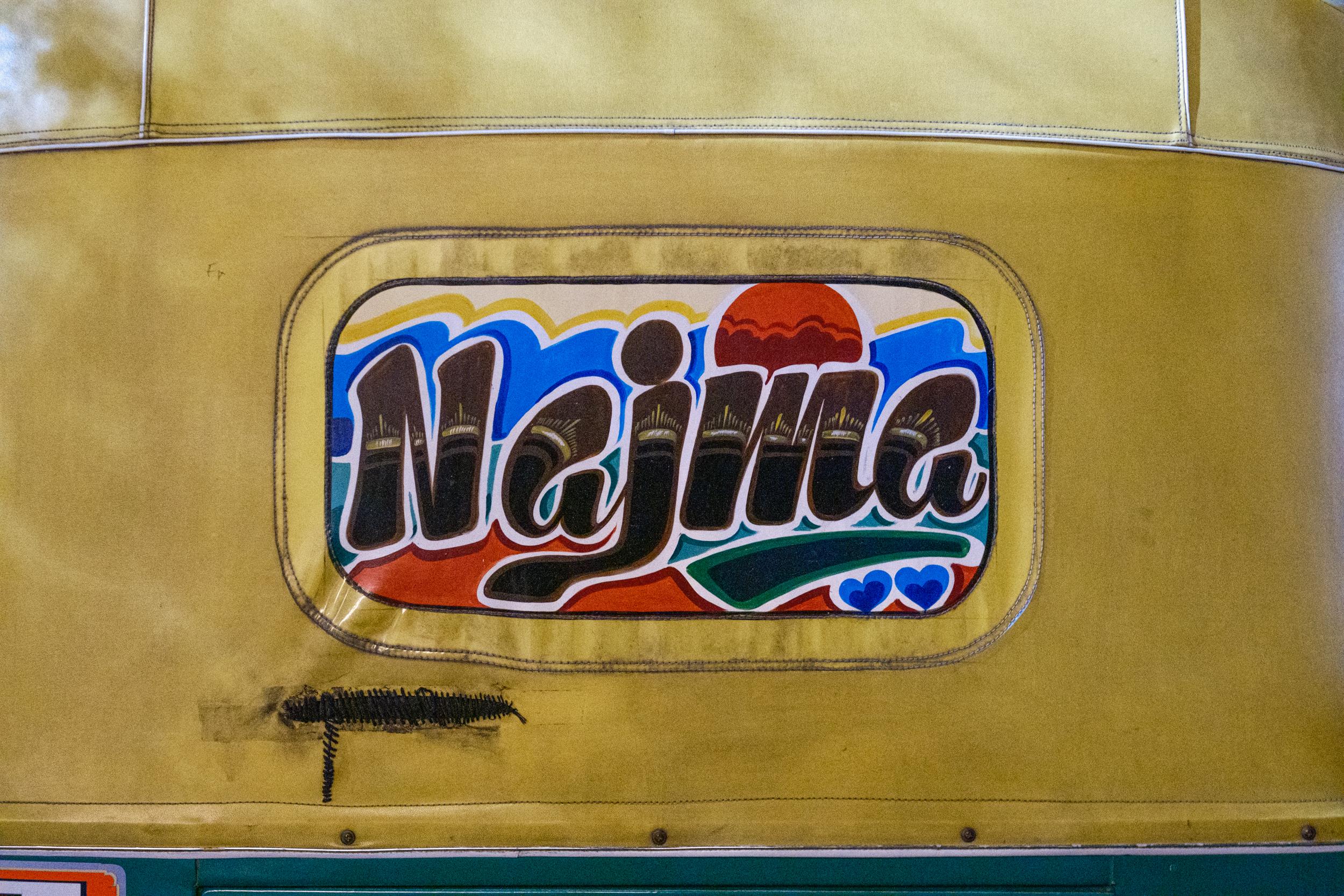
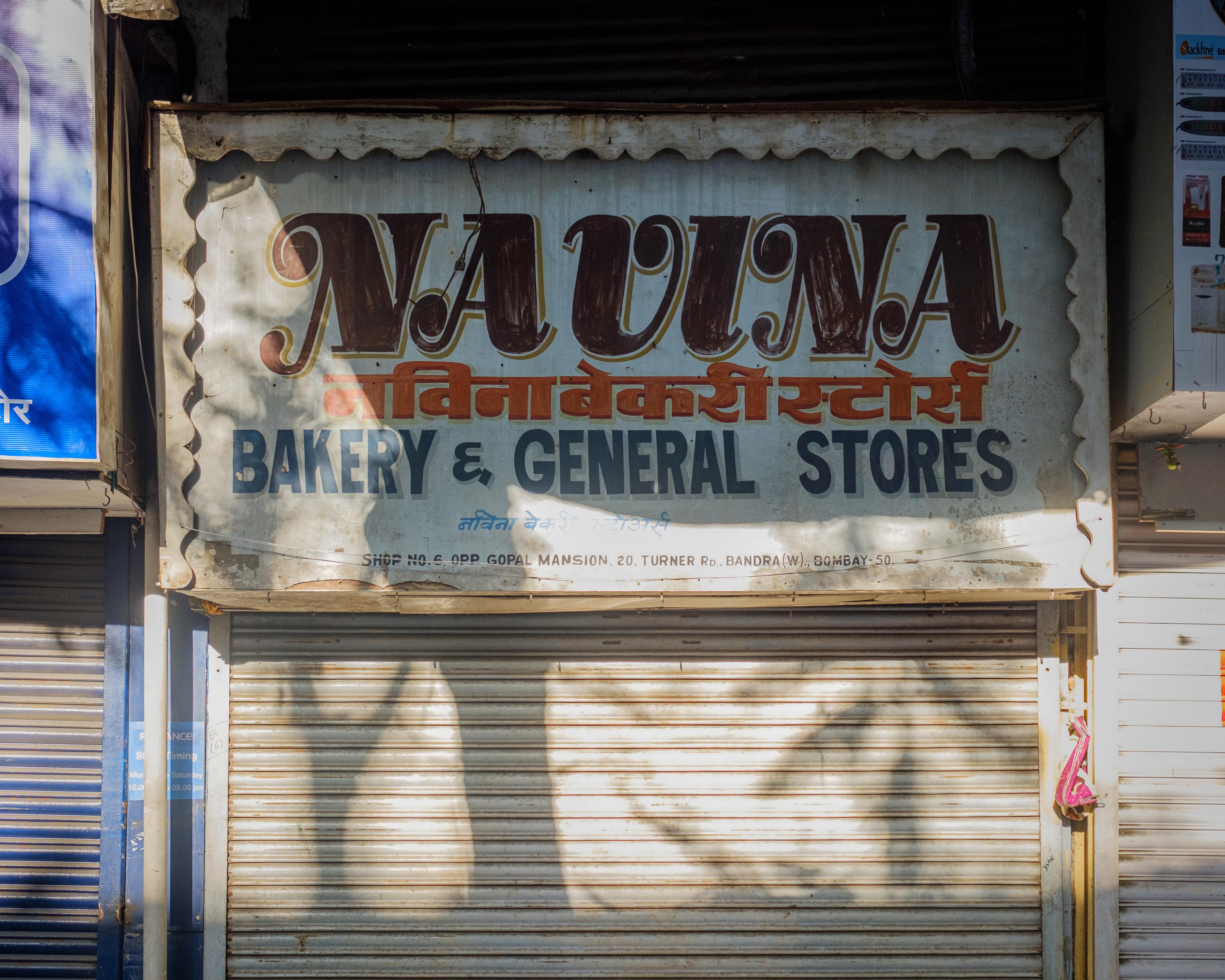
Street signage has evolved over decades from hand-painted wooden boards on provision stores to metal signs, vinyl prints and now the glimmer of digital screens. Many of these mediums merge in Indian cities and small towns, presenting a uniquely local yet cosmopolitan style of typography and architecture. Reflecting on signage as a product of the technology of its time and as a marker of transition in local cultures and economies, photographer Aashim Tyagi’s Street Type Archive documents an eclectic mix of materials, colours and influences expressed through diverse forms of typography and signage across India.
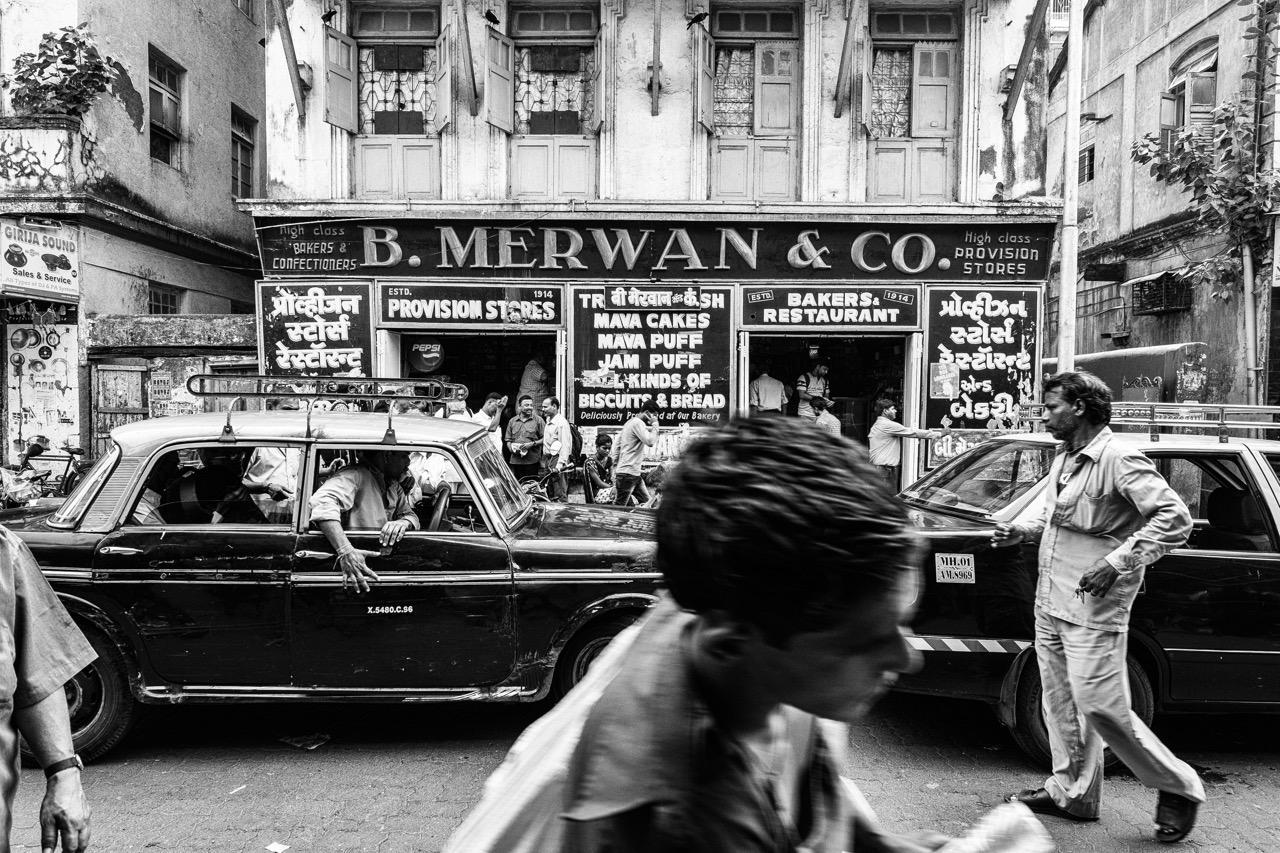
Tyagi studied art at the University of Oregon and later dabbled in graphic design, where he developed a keen interest in typography. Back in 2009, captivated by the dazzling array of typography lining the chaotic market streets, the artist began documenting signage in Fort in Mumbai. One such fascinating example is the diverse range of typography that he came across at the famous Irani restaurant, B. Merwan & Co., in South Mumbai, which caters to local residents. Given its proximity to the Grant Road train station, the bakery also became a frequent stop for travelling workers and small business owners. As a result, Merwan displays a variety of languages on its signage, including English, Gujarati and Hindi. Tyagi says,
“Beyond just the people, the text and the space that it occupies, the bakery signals different kinds of languages and styles. It shows us a sense of the passage of time and history that this place holds. It begins with high-class provision store signage and includes hand-painted Gujarati and even Latin.”
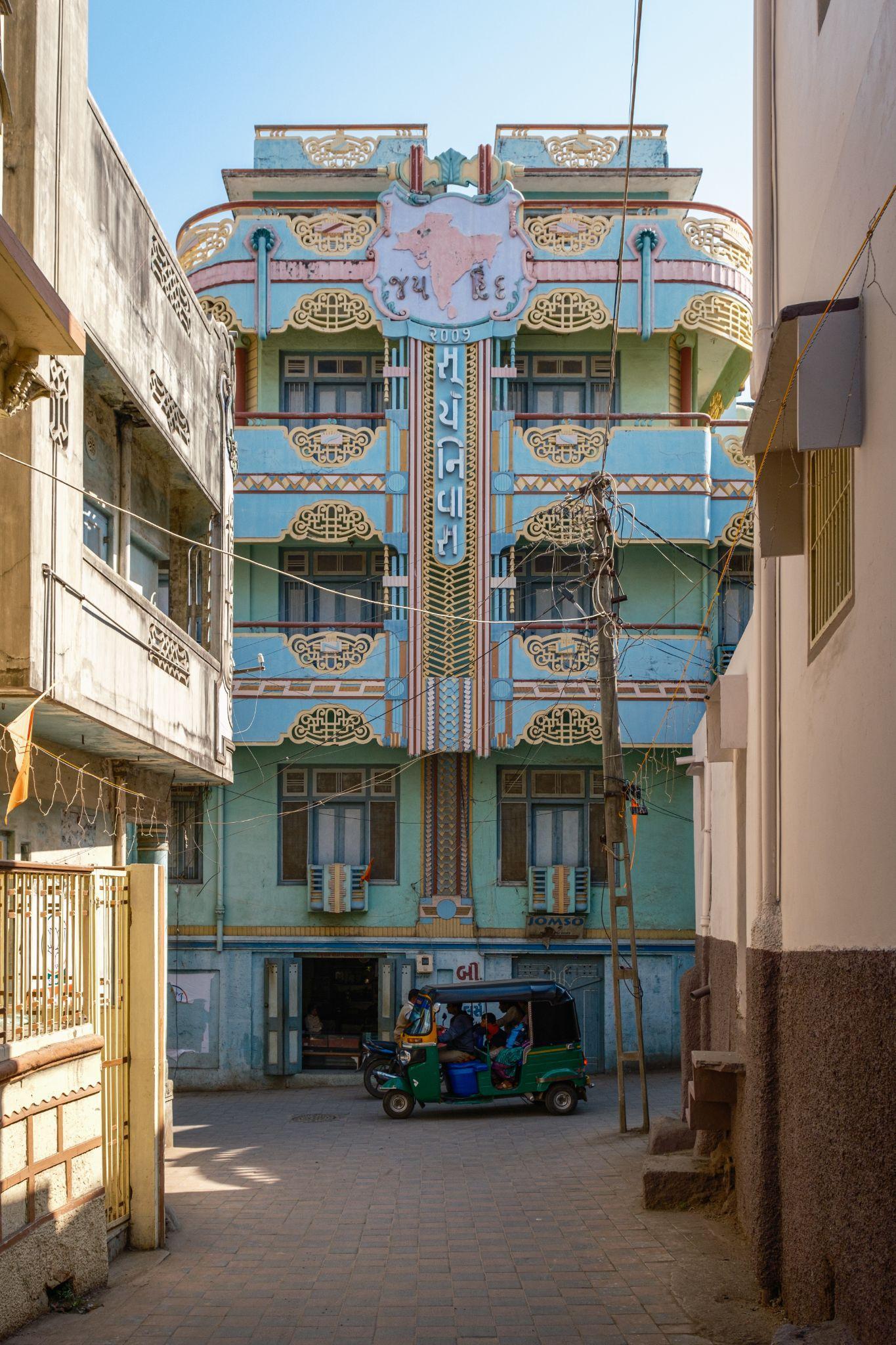
In this manner, signage can be a form of self-expression or simply a functional marker, reflecting the subcultures of cities and small towns in India, with each context producing unique styles of its own. The influence of the Art Deco movement, which took hold in the 1930s, can be seen across the country, from Mumbai to the small trading town of Balasinor, then a princely state in Gujarat. The Indo–Art Deco movement then emerged as an assimilation of Indian elements, where bright colours and imagery of elephants, gods and goddesses, as well as Indian scripts, were enmeshed with the ideals of the Swadeshi movement, finding expression in both architecture and typography during the freedom struggle. This blend shaped towns like Balasinor, where such styles were adopted by local architects. Today, Balasinor stands as a testament to how diverse influences fused together to create something both local and cosmopolitan in flavour.
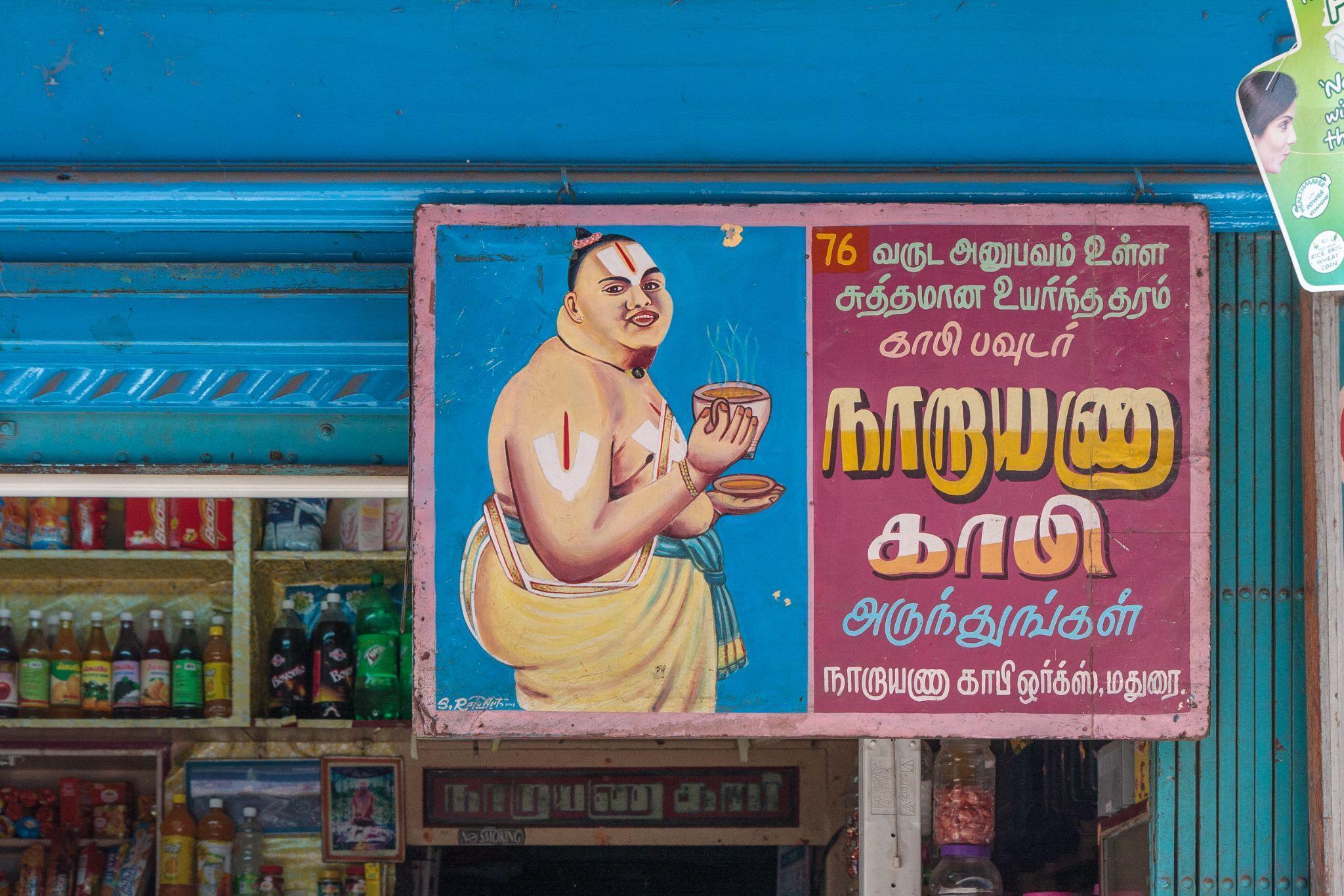
Tyagi has also extensively photographed Madurai, where typography takes a new turn. The Meenakshi Temple in the middle of Madurai is the centre of activity around which the town economy flourishes. The palette of pinks and blues, inspired by temple art, can be seen all around the town. Here, film culture influences have mixed with the colours and contours of temple art to produce distinct typographic styles and designs.
Earlier, local painters played a big role in hand-painting signs, sometimes reflecting the personal tastes of shop owners and at other times drawing on local trends. Tyagi shares how the typography is now moving towards the digital screen and how local kirana (grocery) shops are vanishing to be replaced by quick delivery services. He notes, “I think there is a disappearance of handcrafted expertise. There is a reason we see a lot of flex printed vinyl signage everywhere, because it is the cheapest technology available. It is the pursuit of doing something which is compliant and cheap, rather than something which is rooted in art.”
Through his photographs, Tyagi’s pursuit of typography is a testament to signage as carriers of history and the ways in which they can inform us about the passage of time. Like Merwan’s, whose signage is now somewhat a signature of an era gone by, signages can be seen as facets of everyday history embedded on the street.
To learn more about art on and of the streets, read Reem Farah’s reflections on the exhibition No Trespassing at the Ishara Art Foundation (2025), Arushi Vats’ essays on Chirodeep Chaudhuri’s photographic project documenting the public clocks of Bombay and on the work of the Sahmat collective, Annalisa Mansukhani’s observations on the exhibition The Passerby (2022) and Gulmehar Dhillon’s curated album from Gauri Gill’s series Nizamuddin at Night (2005–Ongoing)
All images from the Street Type Archive (2009–Ongoing) by Aashim Tyagi.
Click on the image to view the album