

Builder Raj: The Perils of Homelessness in Jai Bhim Nagar
Aaj ki raat bohot garm hava chalti hai
Aaj ki raat na footpath pe neend aayegi
Sab utho, main bhi uthun, tum bhi utho, tum bhi utho
Koi khidki isi deewar mein khul jaayegi.
"Tonight, a hot breeze blows
Tonight there will be no sleep on the footpath
Let us all rise, me, and you, and you too
Some window in this wall will be forced to open."
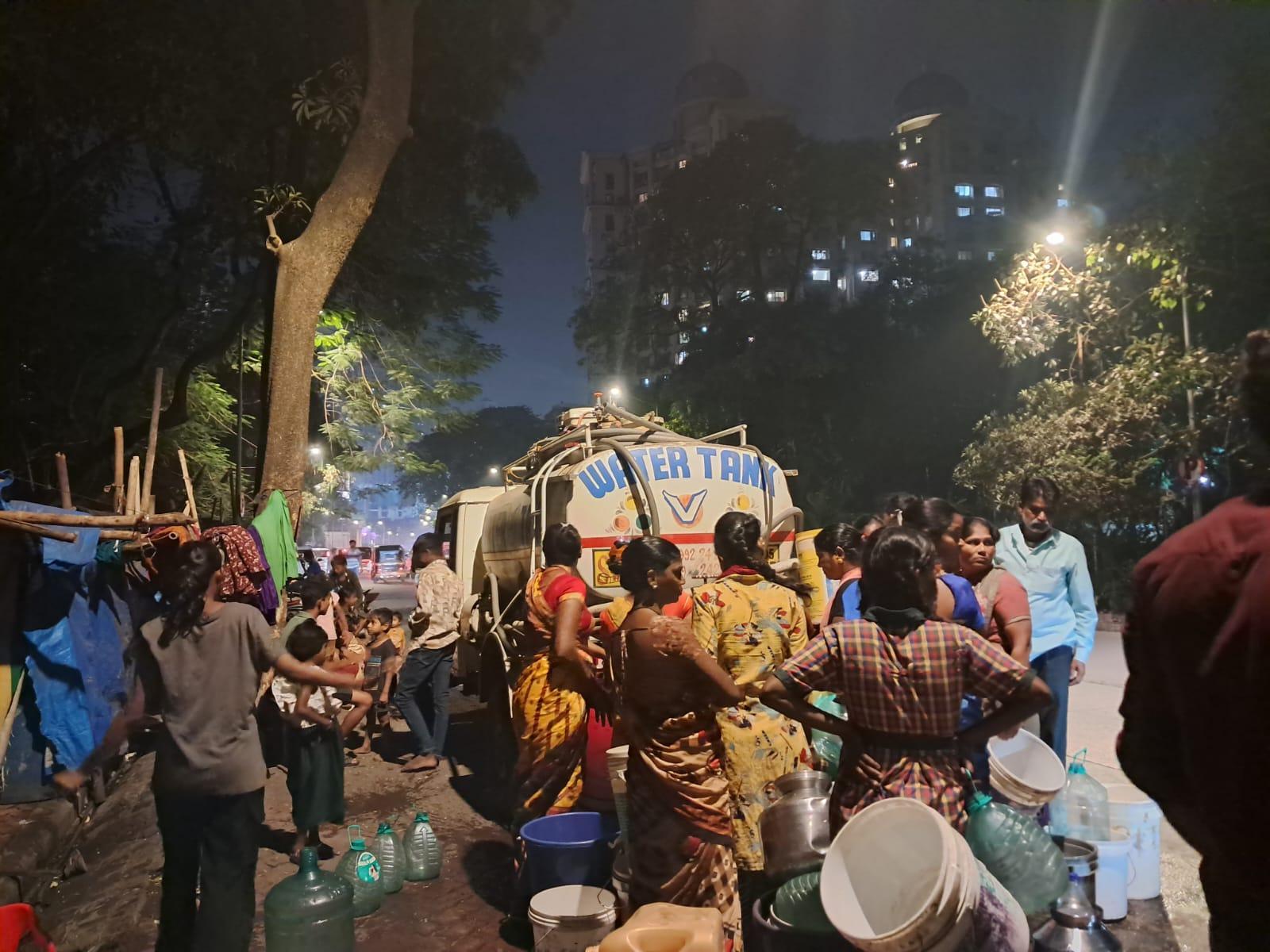
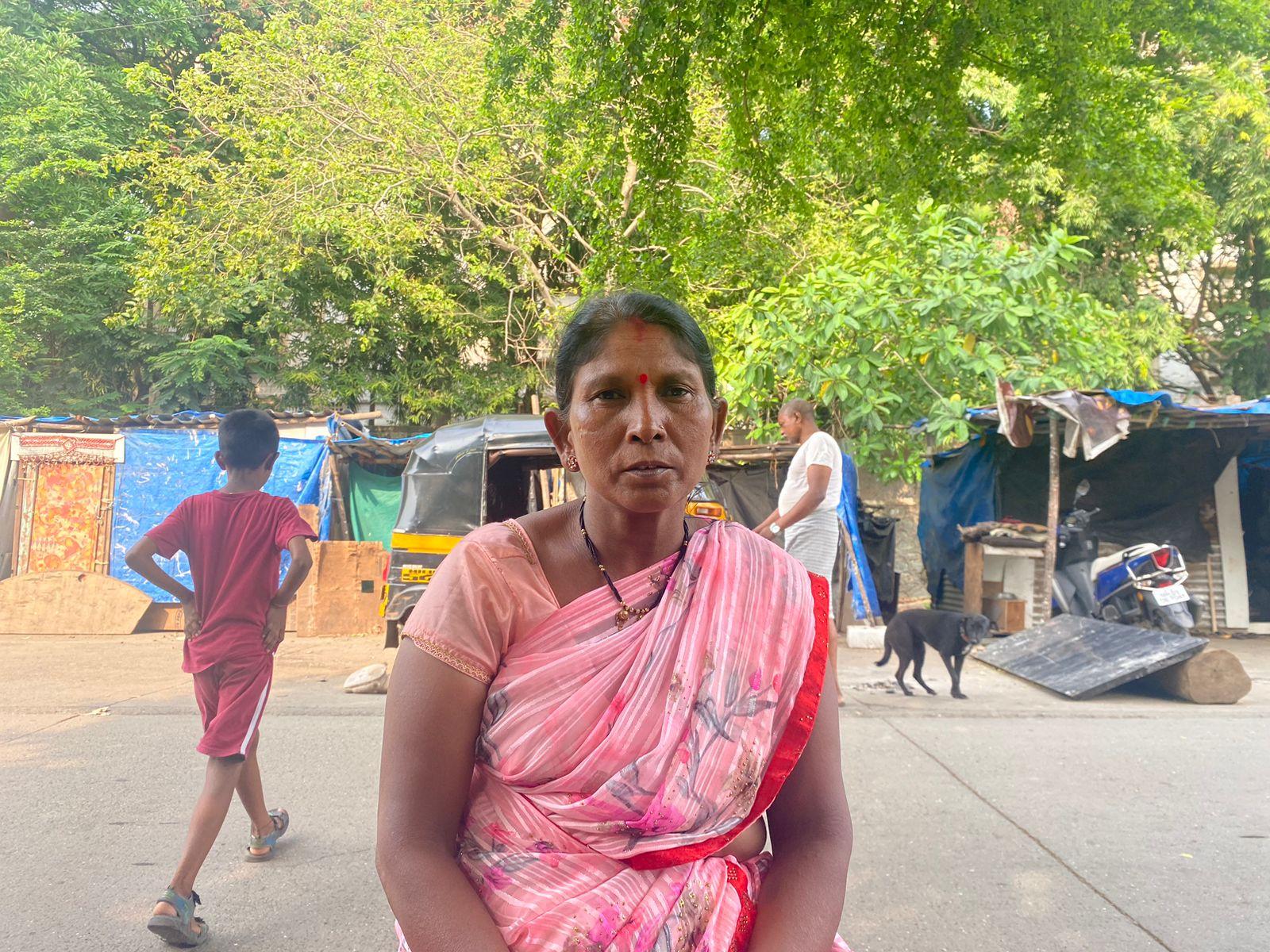
About eighty years ago, Urdu poet laureate Kaifi Azmi aptly captured the desolate state of misery, displacement and homelessness in the harrowing words of his poem “Makaan” (“House”). The piercing sentiment lives on today in what has become—in Mike Davis’ words—a “planet of slums.” The growing homelessness faced by residents of Jai Bhim Nagar in the Powai suburb of Mumbai is an exemplary case of how the working class has been shovelled into the cracks of post-1990s liberalisation as collateral damage for ‘Free India,’ even as brightly lit skyscrapers were projected as the ‘dream city.’ More than half the population of Mumbai lives in slums which are deprived of basic civic amenities such as water, sanitation, electricity, gas, etc. Despite living in the Jai Bhim Nagar for more than three decades, its residents have had to struggle to access these amenities and have been crushed brutally. After building the city for decades, Jai Bhim Nagar’s residents—mostly workers originally hailing from states like Maharashtra, Uttar Pradesh, Bihar, Karnataka, Jharkhand, West Bengal and Odisha—now find themselves being discarded as their bastis (settlements) are being targeted increasingly by a complex phenomenon produced by Builder Raj. Yet, their struggle continues, aided by the efforts of the Sabki Library collective.
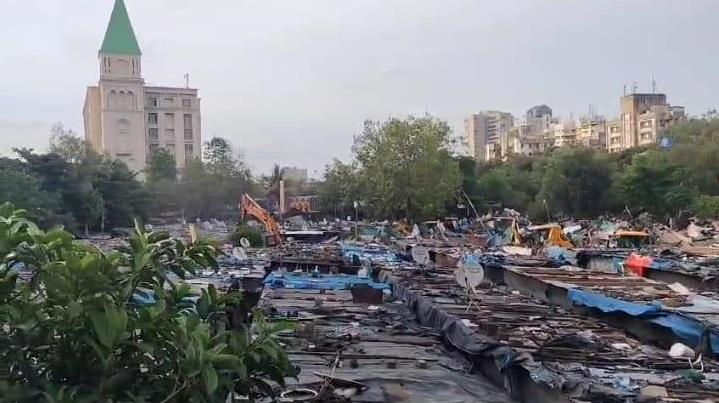
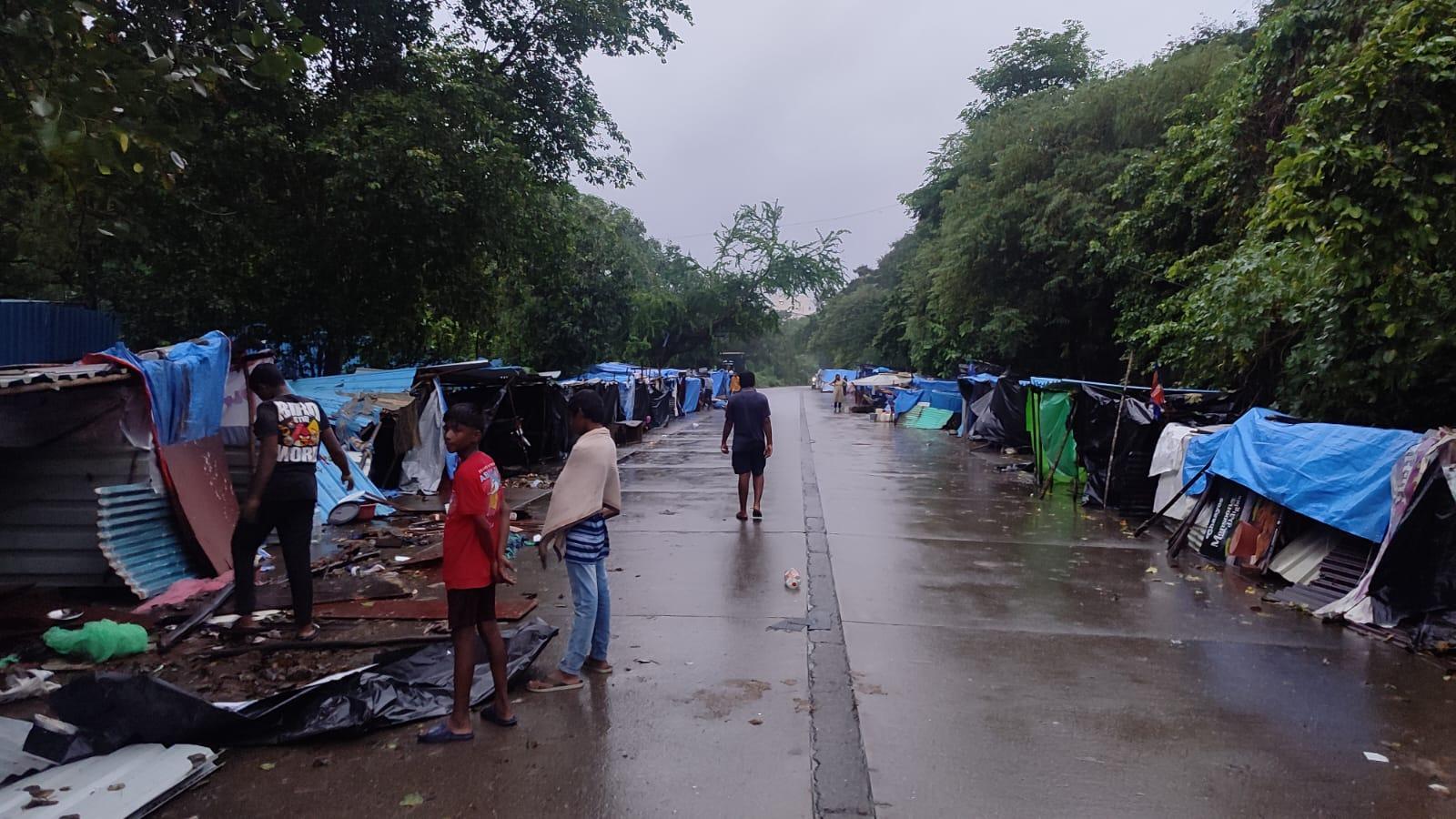
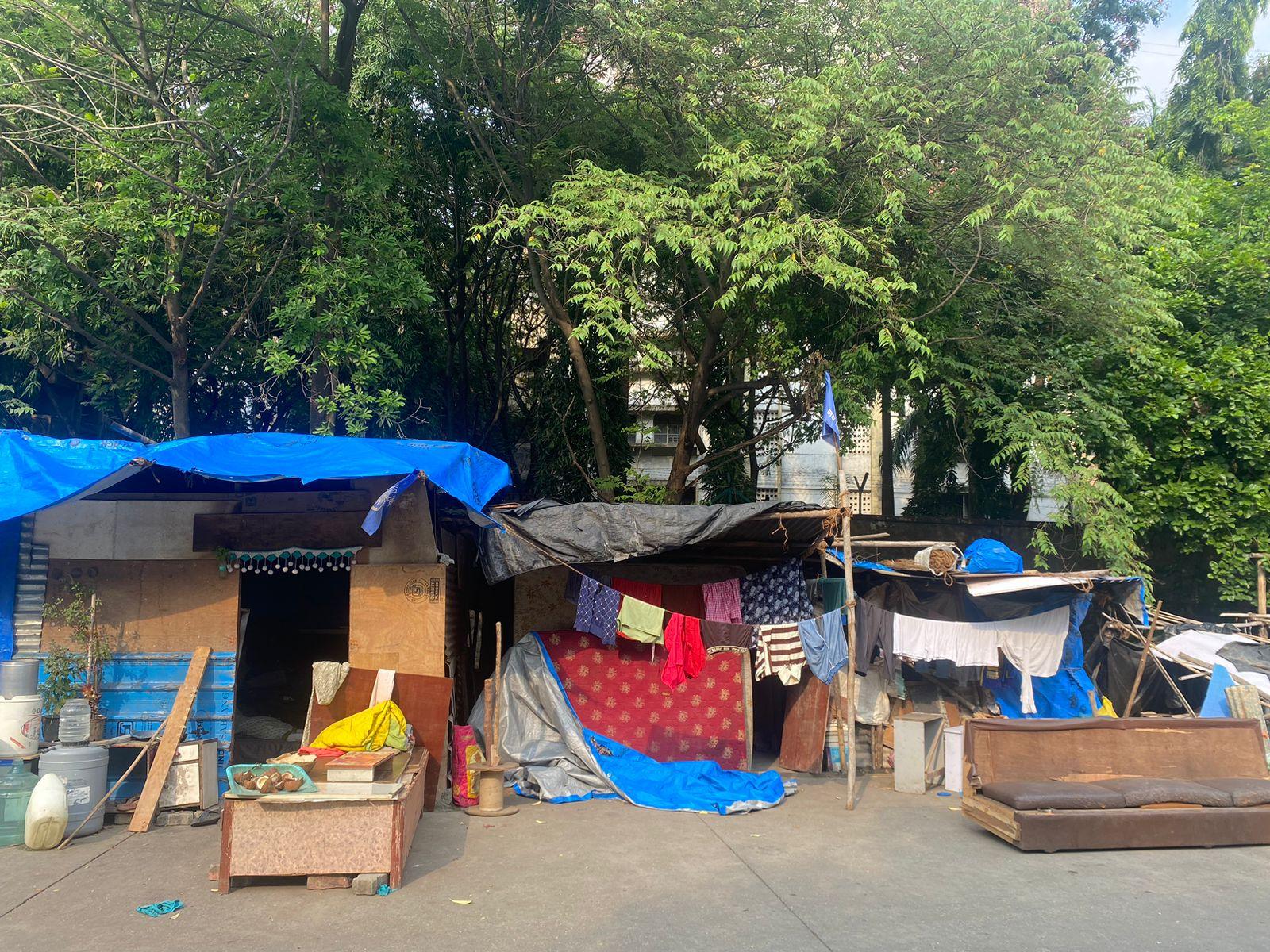
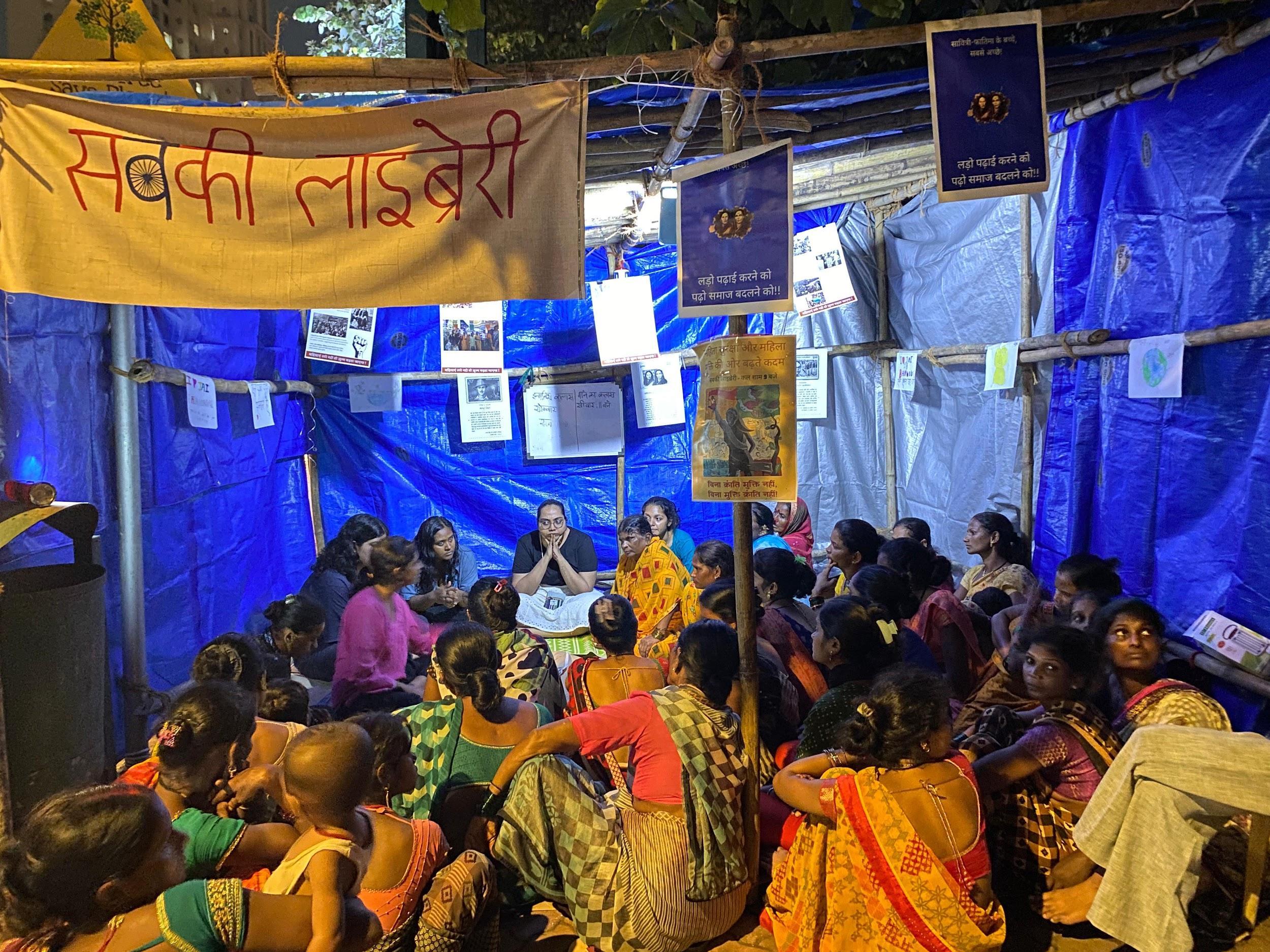
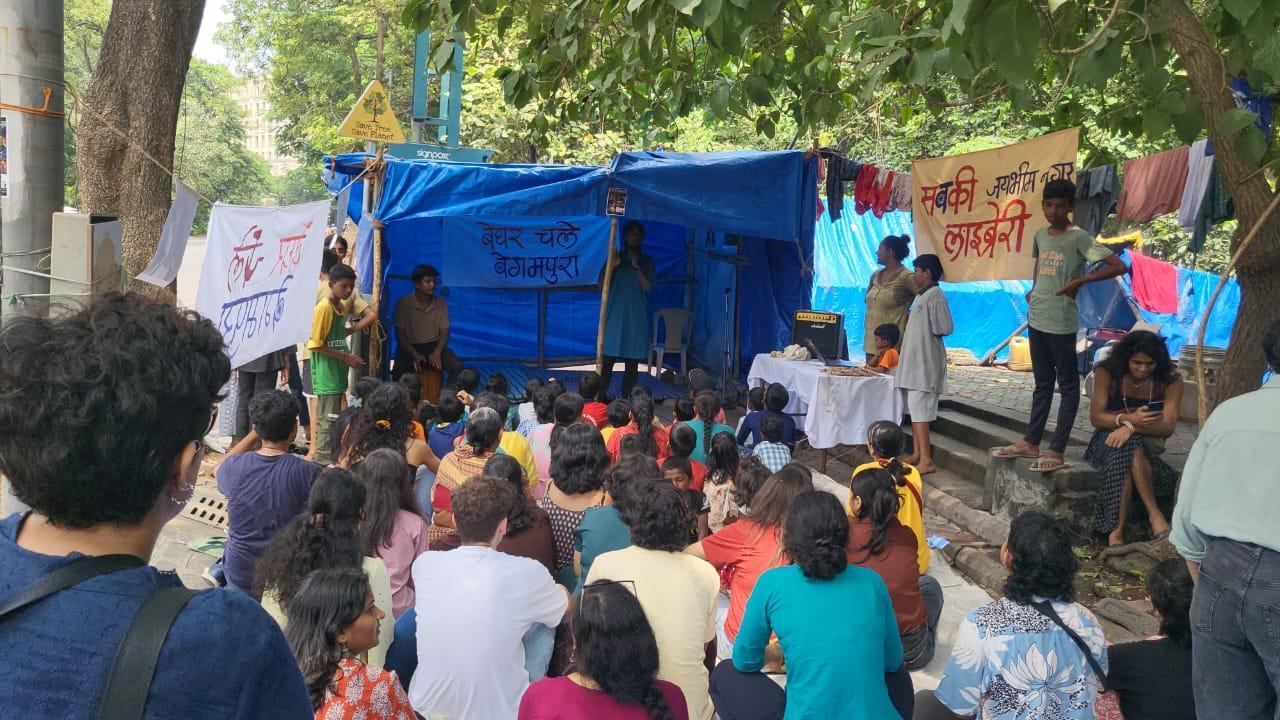
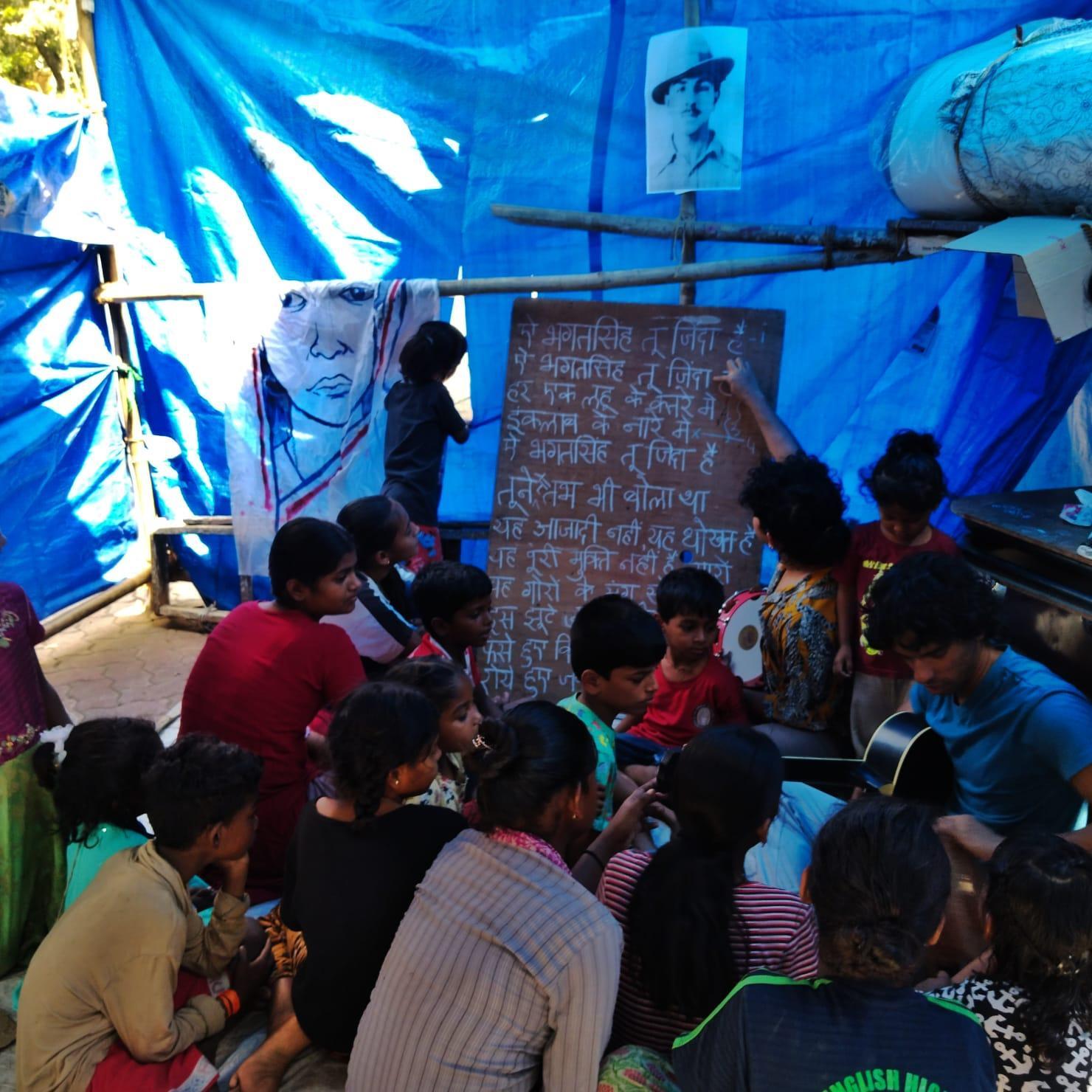
The struggle of Jai Bhim Nagar’s residents against the builder Hiranandani, who has claimed to own the land, dates back to 2007 when their basti was set ablaze. Seven years later, in 2014, the masses were subject to eviction attempts, which picked up pace again in 2023. By June 2024, the Brihanmumbai Municipal Corporation (BMC) had demolished the settlements, leaving the residents homeless overnight in the withering monsoon. The ‘world-class life’ of Hiranandani was built on the blood, sweat and tears of the same people who are sidelined today with such nefarious epithets. It has been firmly established by the SIT (Special Investigation Team) report that was ordered by the Bombay High Court that the demolition was carried out illegally, and yet there is no relief in sight for those protesting on the footpath, in utterly inhumane conditions. Constant pollution and unhygienic conditions due to lack of sanitation and clean water, as well as the risk of injuries due to heavy traffic and no street lights have led to various health issues and dangers. These have been documented in the medical report published by the Sabki Library team, a community initiative by the collective effort of Mumbai’s student youth. The report has been submitted to the BMC, but it fell on deaf ears. Yet resistance persists through the consistent efforts of the Sabki Library and Jai Bhim Nagar’s resilient families as they continue to organise protests against the Builder Raj, screen movies that portray people’s struggles, celebrate occasions such as Ambedkar Jayanti and the birth anniversary of Savitribai Phule, and organise regular study sessions and art workshops with the basti’s children.
To learn more about documentations around questions of labour rights and lived experiences of workers, read Sumaiya Mustafa’s two-part essay on Samuvel Arputharaj’s Manjolai (2024), Babasaheb Kambale’s essay on his father’s life as a textile mill worker in Mumbai and Nithya K’s essay on fisherwomen's struggle for dignity in Puducherry. Also read Kshiraja’s reflections on Sara Saini’s In the Wake of Remembering (2024).
All images courtesy of the author.
Click on the image to view the album