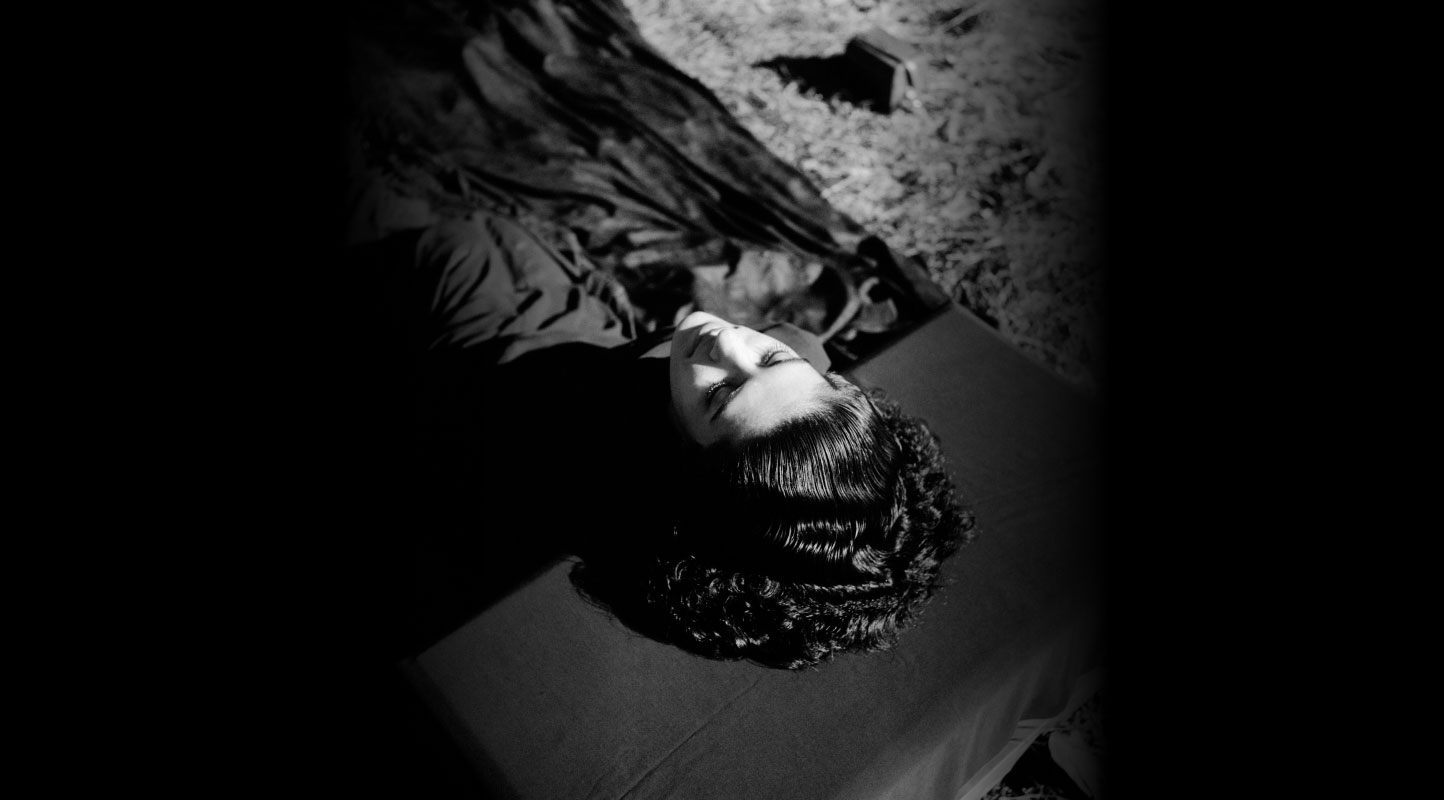


Hun, Hunshi, Hunshilal: Mosquitoes and Manufactured Enemies
Recently screened at the Kolkata People’s Film Festival, Sanjiv Shah’s Hun, Hunshi, Hunshilal (1992)—an NFDC-financed Gujarati (with some Hindi) language film—defies conventional formulas in mainstream cinema. Instead, it offers a biting commentary on authoritarianism, bureaucracy and societal paranoia through absurdist storytelling and deadpan irony. Its English title—Love in the Time of Malaria—is a nod to its own magical realism, perhaps. However, if present in the film is García Márquez, there is also Brecht, not to mention Godard and Buñuel, and indeed much of the Indian New Wave. Shah weaves these influences together, in an entirely original way, to create an absurdist, musical, political and satirical masterpiece of cinema (that is not simply Gujarati or Indian).
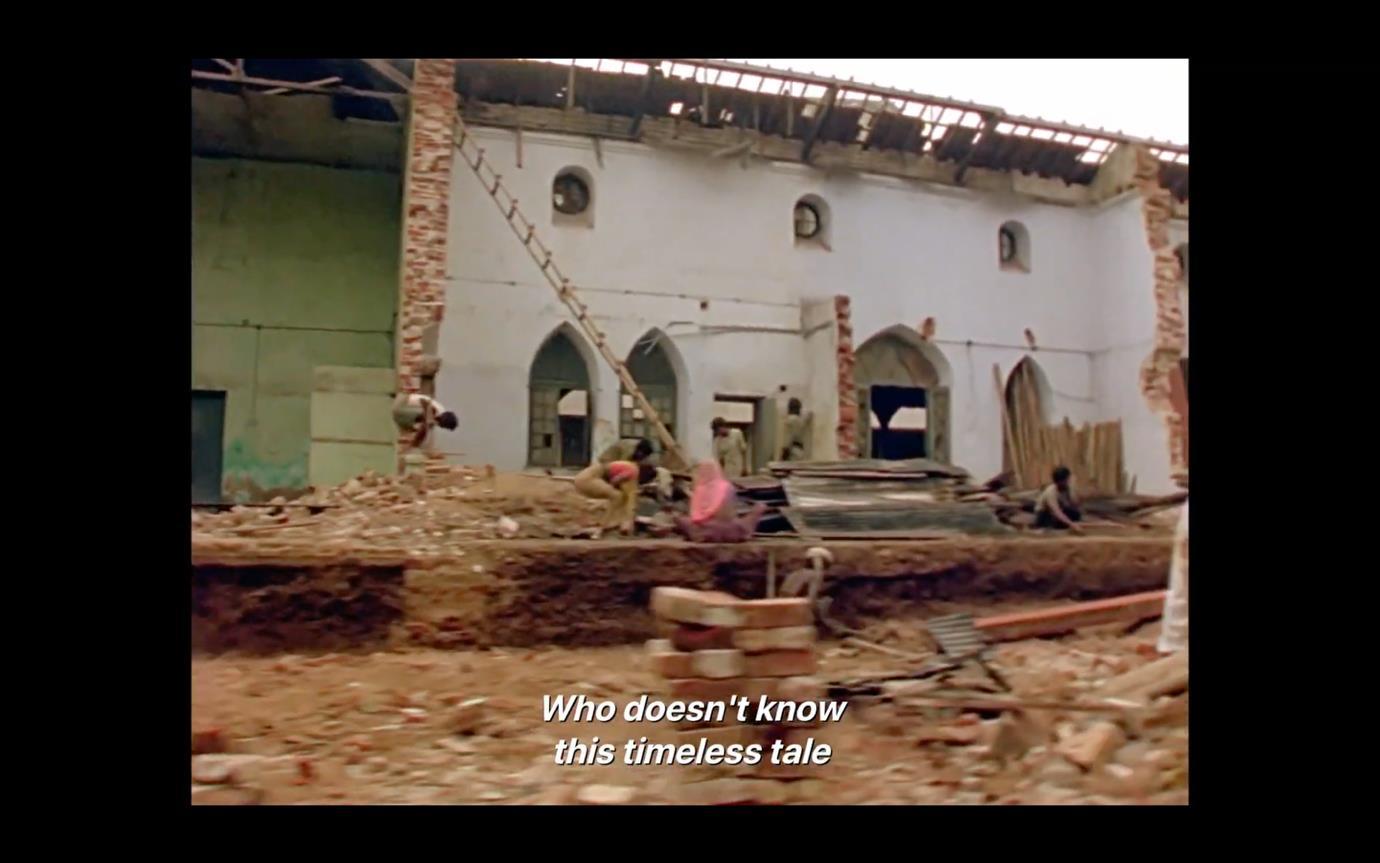
The film is layered with magical realism, suggestion, allegory and subtext. Hun, Hunshi, Hunshilal is set in the land of Khojpuri, which has been ruled in succession by authoritarians Bhadrabhoop I and II (read Indira and Rajiv Gandhi). They are, of course, elected to power but their authority is maintained through an extensive bureaucracy and surveillance system. The Bhadrabhoops are comical yet disturbing, extinguishing any hint of dissent or criticism. Theirs and, as a result, Khojpuri’s primary obsession is the extermination of dissenting "red hot" mosquitoes who go around biting people, leading those who have been bitten to become “fanatics” and do the unthinkable, i.e., challenge and protest. The people are told that the mosquitoes are “enemies of the nation.” They “attack not from outside but from within the nation” and the only solution is to “exterminate them” or “squash them.”
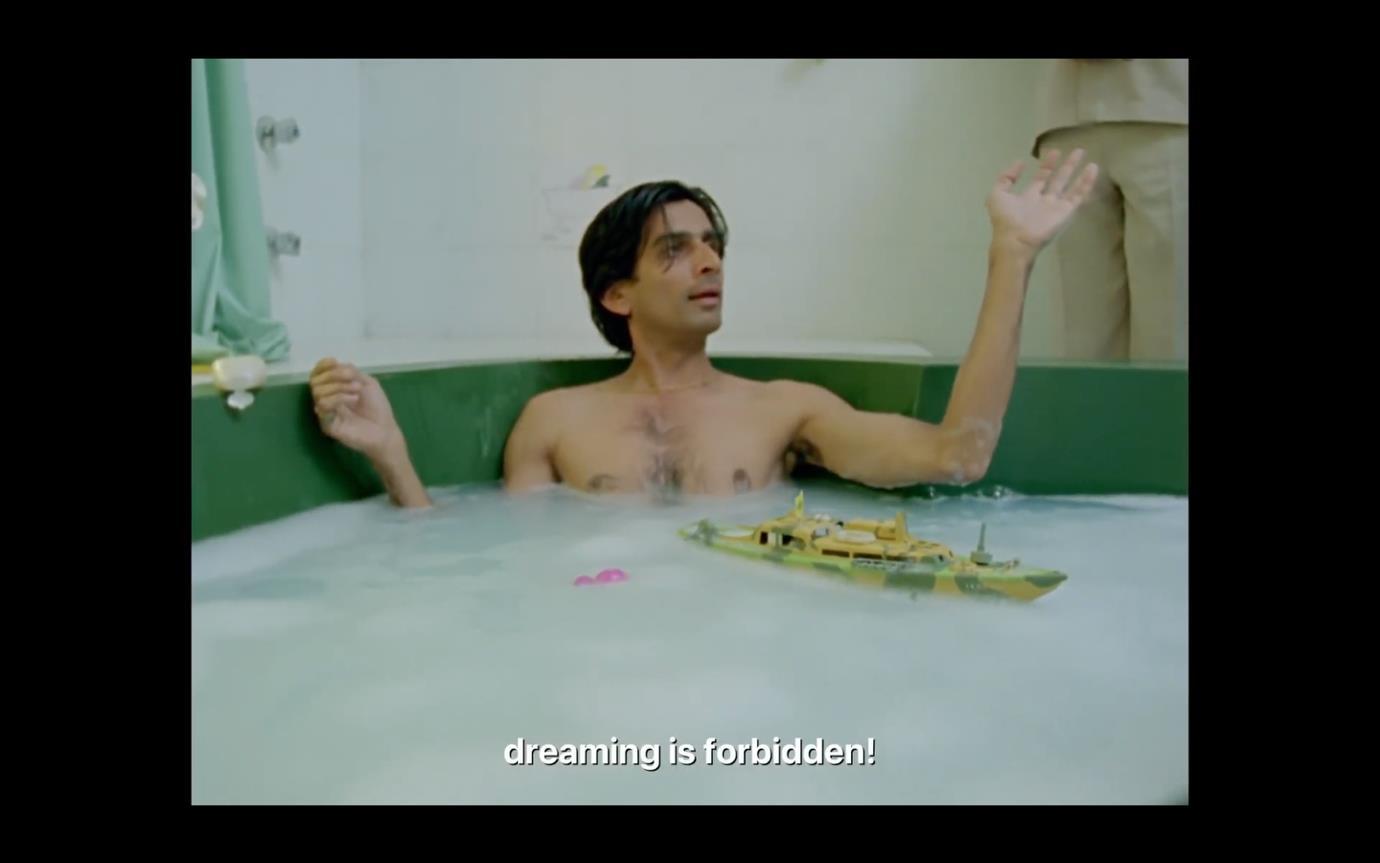
Then there is Hunshilal—the educated, obedient and hardworking citizen who works in the government’s Queen’s Laboratory at the subtly named, Khojpuri Moral Science Institute. Hunshi, himself a gentle person, discovers the formula to kill the mosquitoes. Soon his discovery gets converted into a mass-killing machine. Hunshi, seduced by career success, is easily assimilated into the system’s cruelty. His transformation is not sudden but disturbingly banal. Hunshilal represents the educated middle class, the backbone of modern authoritarian regimes. His gradual absorption into the machine mirrors how this class often rationalises or internalises State narratives. The portrayal feels hauntingly close to today’s reality, where silence, selective outrage or nationalistic fervour have become markers of “good citizenship.”
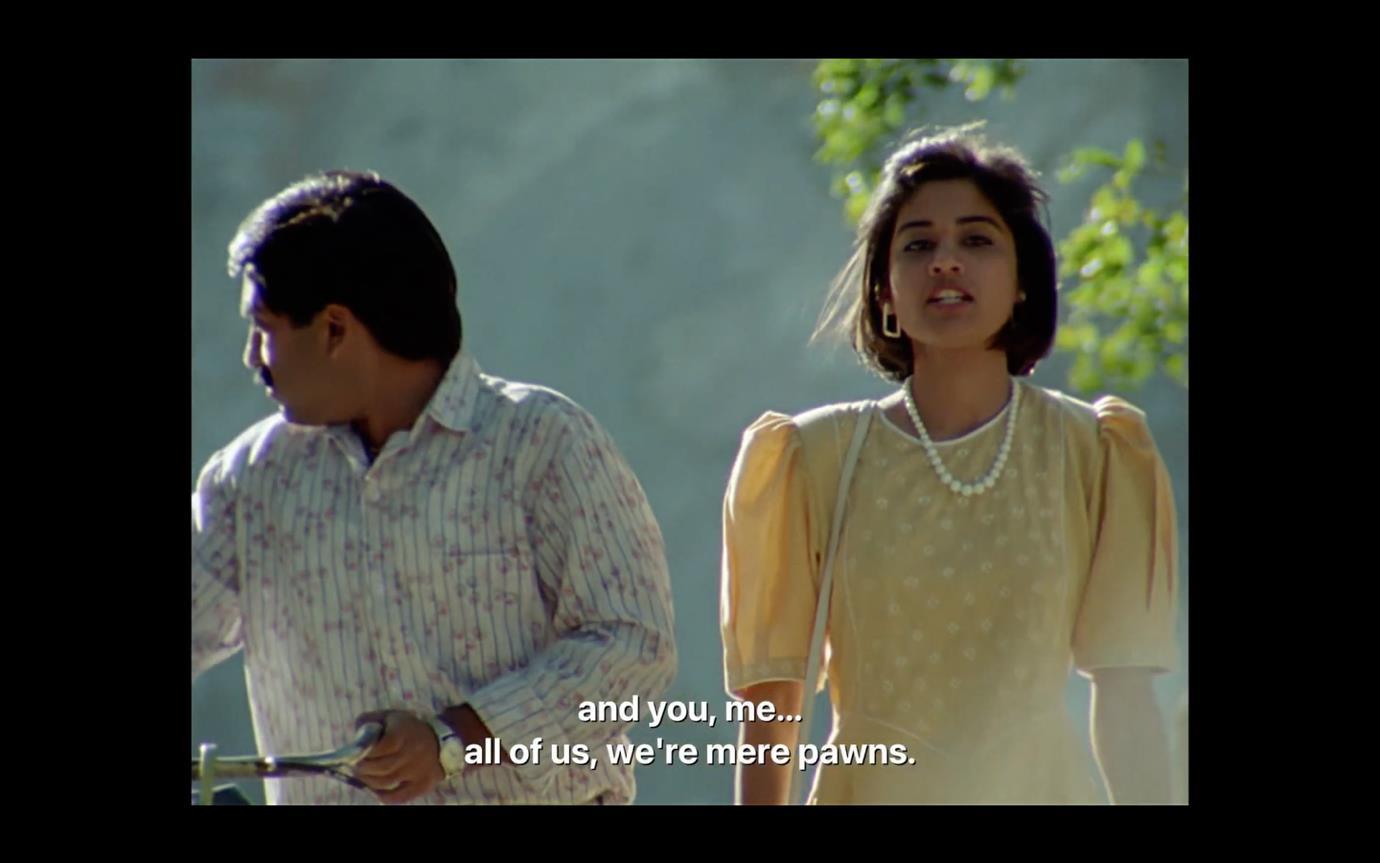
Hunshi’s life begins to change when he meets and falls in love with Parveen. Through his relationship with her, Hunshilal gradually begins to question the State's doctrines and his own blind obedience. Parveen is the most complex and crucial character in the film, serving as both a romantic interest and a political awakening force for Hunshilal. She is not from Khojpuri but from the “Black Hills,” where the mosquitoes live. She is a rebel, an insurgent who steals the “Red Diary” (no marks for guessing the reference) to bring it back to the Black Hills. With Hunshilal, she does not directly preach rebellion but instead asks probing questions that force him to examine his assumptions. Through intimate conversations, she gradually reveals an alternative way of seeing the world. Parveen, and her impact on Hunshilal, stands for love and genuine human connection as inherently subversive to the conditioned existence within totalitarian systems.
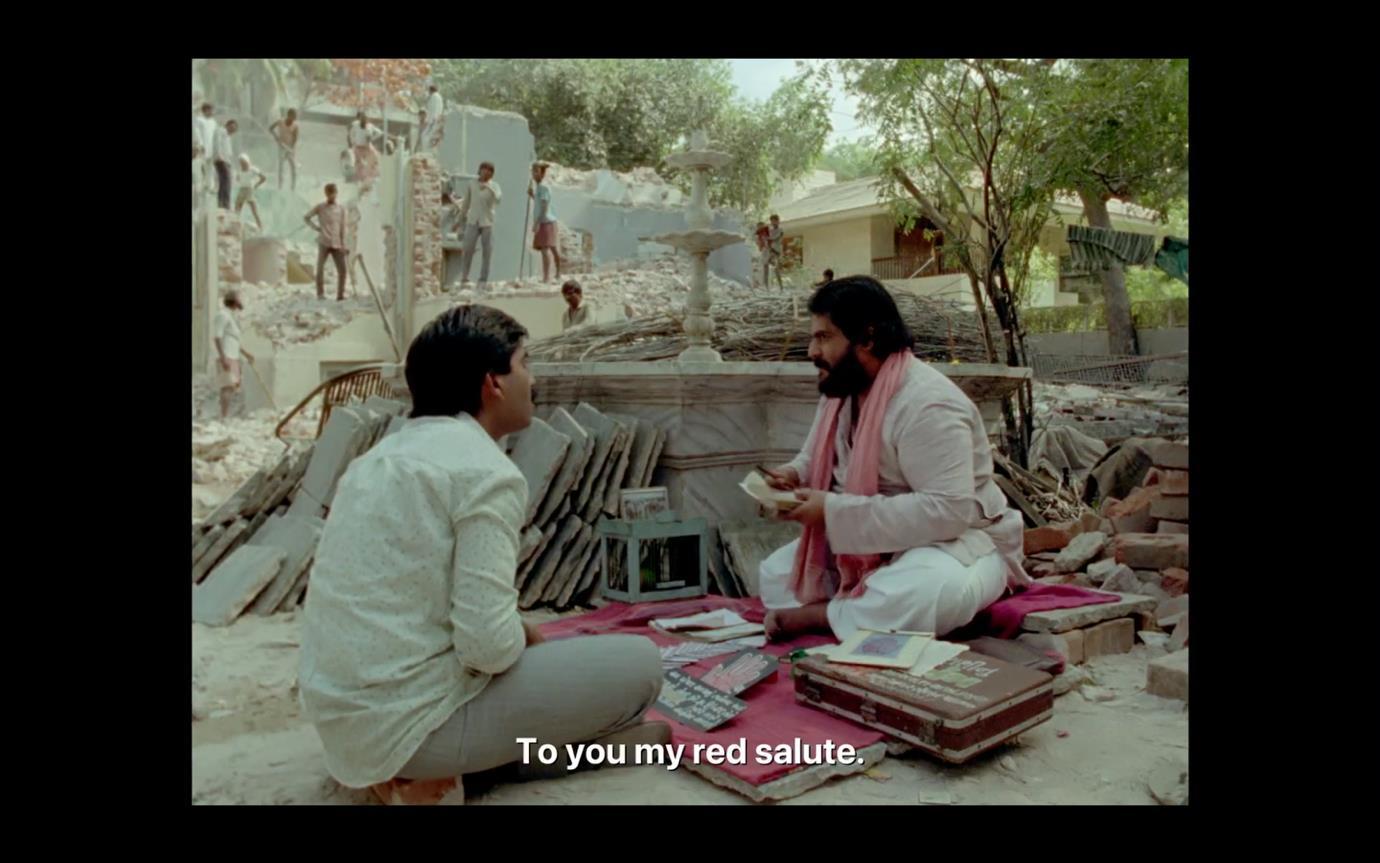
The film distinguishes itself not only with its absurdist narrative but also through its music. The soundtrack is not just for entertainment; the songs are the narrative, pushing the satire into theatrical, Brechtian territory. Often humorous and ironic, they serve as commentaries on love, power, conformity and resistance.
As Hunshi develops a more critical consciousness, he starts noticing the absurdity of the government’s obsession with mosquitoes and the oppressive nature of the regime. He goes from being a passive citizen to an active rebel who challenges the established order of Khojpuri. He is ready to go to the Black Hills with Parveen. However, seeing a group of protesters being dragged away by the police for setting alight an effigy of Bhadrabhoop II, Hunshi cannot but protest. He is then taken away by the police and driven off to a medical facility, where to "cure" him, he is lobotomised. Hunshi is lost and Parveen is left waiting.
While Hunshi might be gone, the film urges us to raise our voice, to revolt.

While emerging from a specific historical-political context, the satire is ultimately universal and equally applicable to the contemporary. For instance, science in Khojpuri is not an objective pursuit but a tool of the State. Researchers are not solving real problems but inventing solutions to ideological fears. As much as it is a critique of Rajiv Gandhi’s technocracy, it can very well also be applied today as Modi’s government uses technology, data and bureaucracy to control populations, monitor dissenters and manufacture enemies within. The questions that the film raises—of GMO crops, big dams and rehabilitation and slum clearances for ‘beautification’—all remain pertinent today.
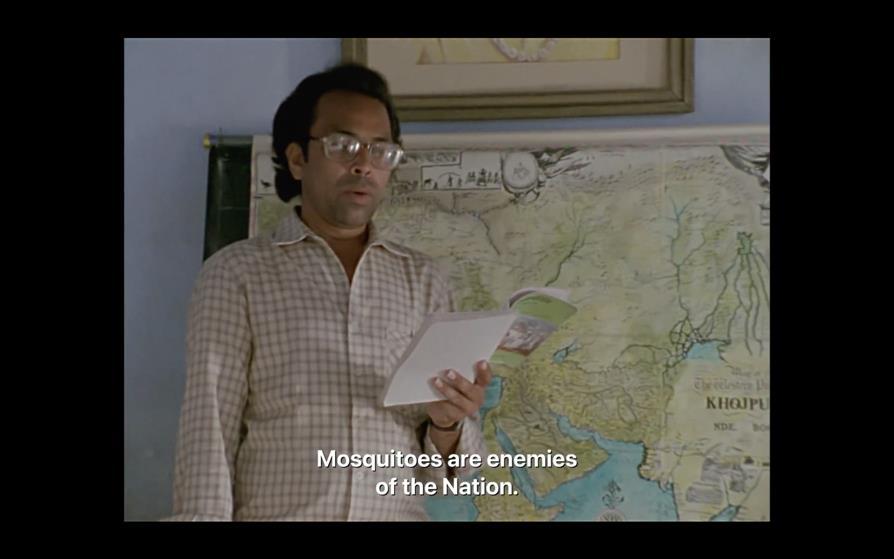
At the heart of the film, however, is a State obsessed with eradicating and exterminating any and all forms of dissent, protest and criticism, nay, all dissenters, protesters, and critics—“mosquitoes.” This metaphor translates seamlessly to Modi’s India, where the process of creating, hunting down and exterminating mosquitoes—the enemies within—continues ceaselessly. Rohingyas, Kashmiris, Muslims, Naxals, protesting students, striking workers, marching farmers, tweeting academics and many more are mosquitoes who need to be “squashed.”
Hun, Hunshi, Hunshilal’s absurdity no longer seems that absurd. The warnings have materialised and, in an India marked by authoritarianism, cultural homogenisation and the normalisation of persecution, the film is less about the past and more about what we are living through now. The authoritarians and their wildest actions in the film seem benign compared to the authoritarians we encounter today, thirty years on. The exaggerated satire from 1992 is now a grim reality in 2025.
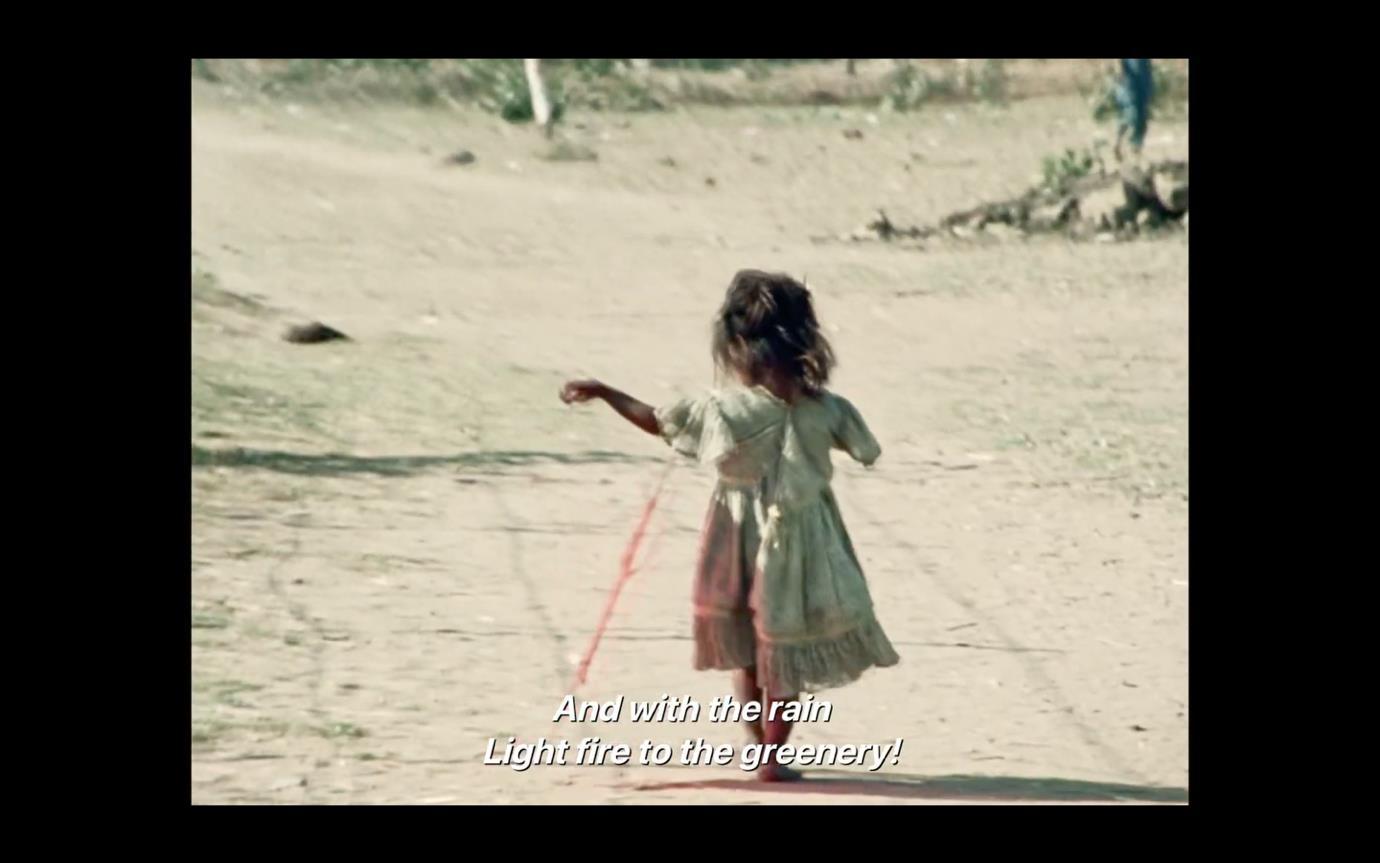
To learn more about crackdowns on critical thinking, please read Silpa Mukherjee’s piece on censorship during the Emergency, Radhika Saraf’s article on Ravish Kumar’s dissent against “Godi Media” and Nikita Jain’s photo-essay on repercussions of Adivasi resistance in Bastar.
All images are stills from Hun, Hunshi, Hunshilal (1992) by Sanjiv Shah. Images courtesy of the director.