


City of Saints: Ayodhya’s Sufi Dargahs
The dargahs (Muslim shrines) of Ayodhya are easy to miss. Not only are they relatively simple structures—often no more than a few graves surrounded by stones to demarcate an area of worship—but they are obscured by the many dominating and magnificent mandirs (temples) that define the city's landscape. So it was easy to walk past them entirely as I travelled to Ayodhya in 2010 and photographed the city. It was not until I met a Hindu man who pointed out that there were dozens of Sufi shrines in the town and its outskirts alone that I began to take notice of them. He told me that at some point, this city had nearly eight Sufi dargahs, which were considered the third most important Hindu pilgrimage sites after Varanasi and Mathura. Some were destroyed during the Babri mosque riots, but many still exist. They were protected by Hindus and Muslims alike.
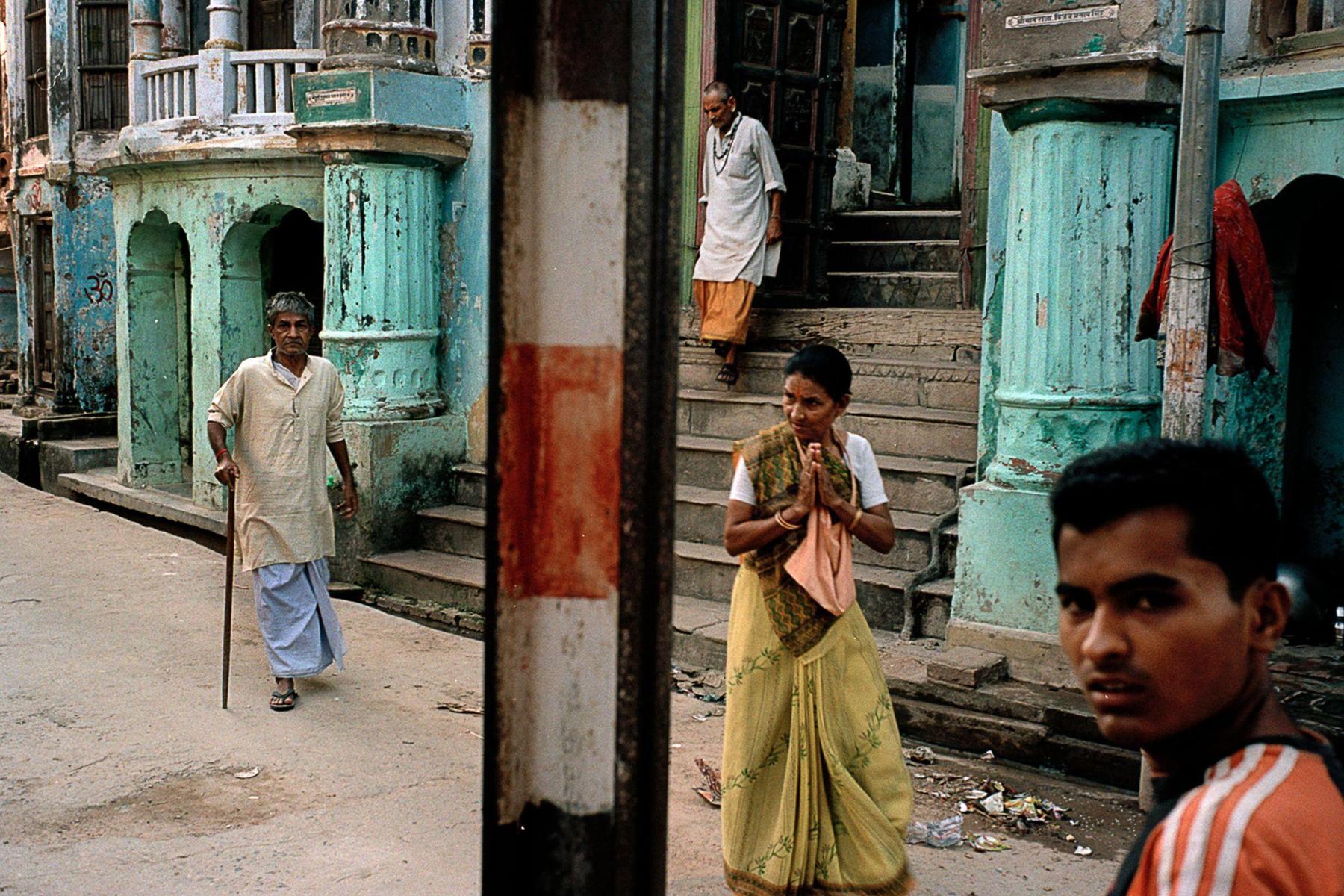
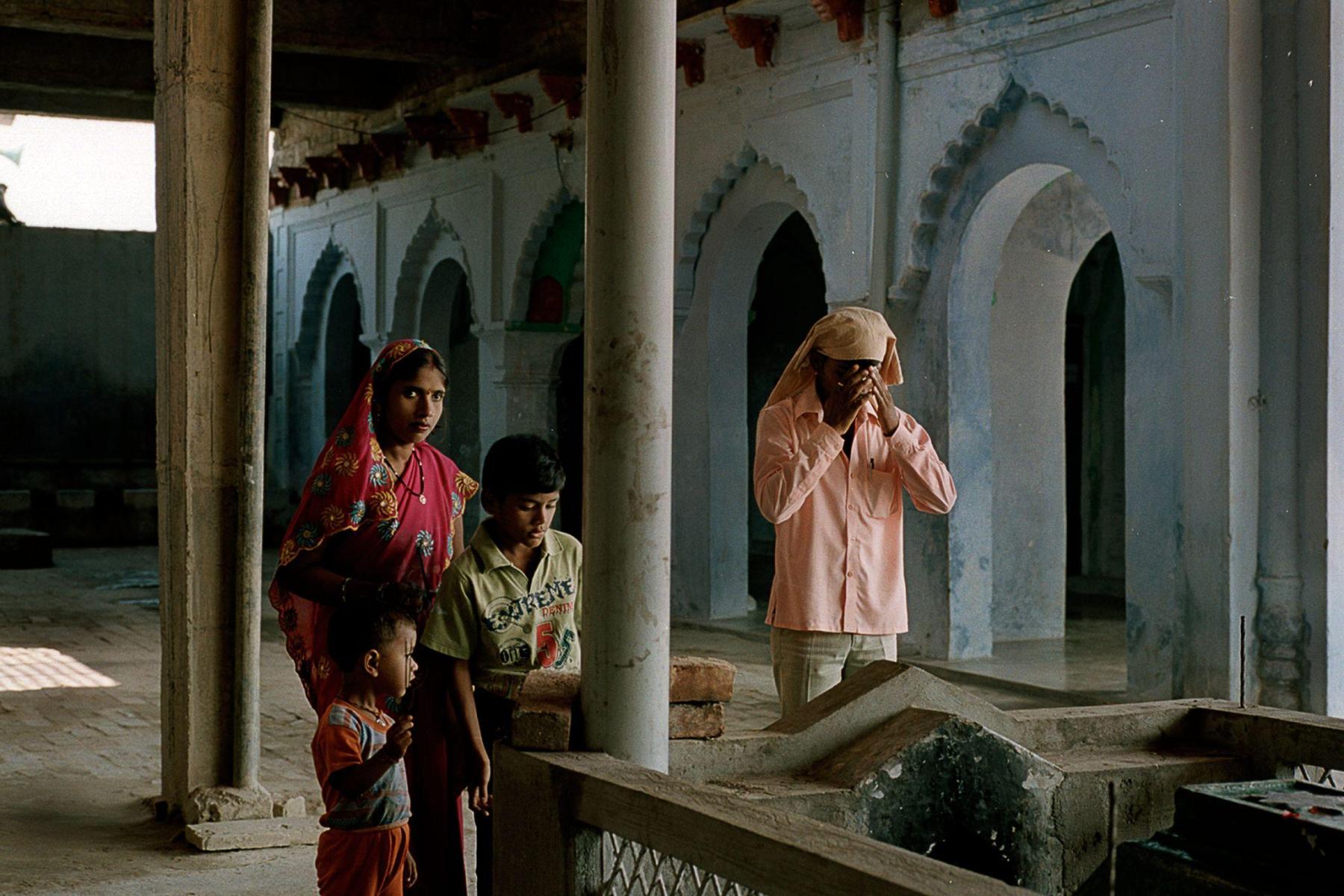
The first shrine I went to see was that of Syed Ibrahim Shah. I was led there by a Hindu man, a local journalist, whom I met at a tea stall and who happened to live adjacent to the shrine. Located in a Hindu neighbourhood, it was frequented by people of both faiths who turned to the saint for blessings and prayers. Thursday evening, known as Shab-e-Jumaa, a blessed night according to Islamic Hadith, is traditionally a popular day to visit a dargah. I watched as Hindu families walked through the gates of Syed Ibrahim Shah's dargah and sat to listen to the qawwals (musicians that perform Sufi devotional songs). Others would quietly enter and place incense sticks on the tombstones, press their foreheads to the cloth covering it, and remain prone for minutes, offering prayers and asking for blessings. Some would use the music to dance and hurl themselves into a light trance.
The words and devotions of Sufi mystics helped accommodate Islam to different regional environments in the country. This—more than conquest or political power—was the primary source of the spread of Islam in the subcontinent. Sufi mystic thought mingled comfortably with bhakti devotional practices and made the message of Islam accessible to a wide range of people. The orthodox consider shrines un-Islamic. Many Muslims I met in Faizabad refused to visit them. But the dargahs of saints, both men and women, are central elements of religious devotion in South Asia and have offered access to people of all faiths. For example, the twelfth-century Muslim mystic Baba Farid, who hails from Pakpattan in present-day Pakistan, where a large shrine is in his name, remains a revered figure in the Punjab region on both sides of the border. Such syncretistic ideals are prevalent in Farid's works:
Since the Lord dwells in every heart
I have renounced to be either a Hindu or a Turk.
Across the border in India, Baba Farid’s shrine in Faridkot is an important site of devotion and pilgrimage for Sikhs everywhere. He has been incorporated into the holiest of books of the Sikh religion, the Guru Granth Sahib.
Ayesha Jalal, in her seminal work Self and Sovereignty: Individual and Community in South Asian Islam Since 1850, points out that
As the final resting place of the believer, the tomb evokes the organic unity of being, covering the spiritual and secular realms. This facilitated borrowings from regional traditions… permitting the emergence of what has been variously described as Indo-Persian or the Indo-Islamic style of the arts.
Muslim devotees refer to Ayodhya as “Khurd Mecca” (small Mecca) or even as the “Share-e-Aulia” (the city of the saints), suggesting its historical importance to the region's Muslim community. The city’s dargahs—outwardly unimpressive in architecture and scale—are surrounded by incredible legends. One of the city's most essential and revered shrines is to a woman saint named Badi Bua or Badi Bibi. She was not only considered one of the most beautiful women in the city but also created enemies amongst the local clergy by refusing to marry and instead devoted her life towards the worship of God. Her shrine lies on the city's outskirts, amongst a small but dense forest of trees, surrounded by the decaying graves of local aristocracy. Every hour or so, an individual arrives and sits in quiet meditation, speaks to her, and cleans the leaves, dead flowers and dust from the tombstone. Unlike a mosque, a shrine is often a place for individual devotion.
And there are more. The shrine to Sheesh Pagiamber is built around a nine-metre-long grave, which the caretaker claims is how tall the saint was when he died here. He is believed to be the son of Adam, who died in Ayodhya. Or the sixteen-metre-long tomb to Nuh Aleihi Salaam, believed to be Noah himself, and the grave is said to be the Ark! Remarkable and fantastic stories surround almost every tomb you visit, a veritable encyclopedia of the great and fantastical.
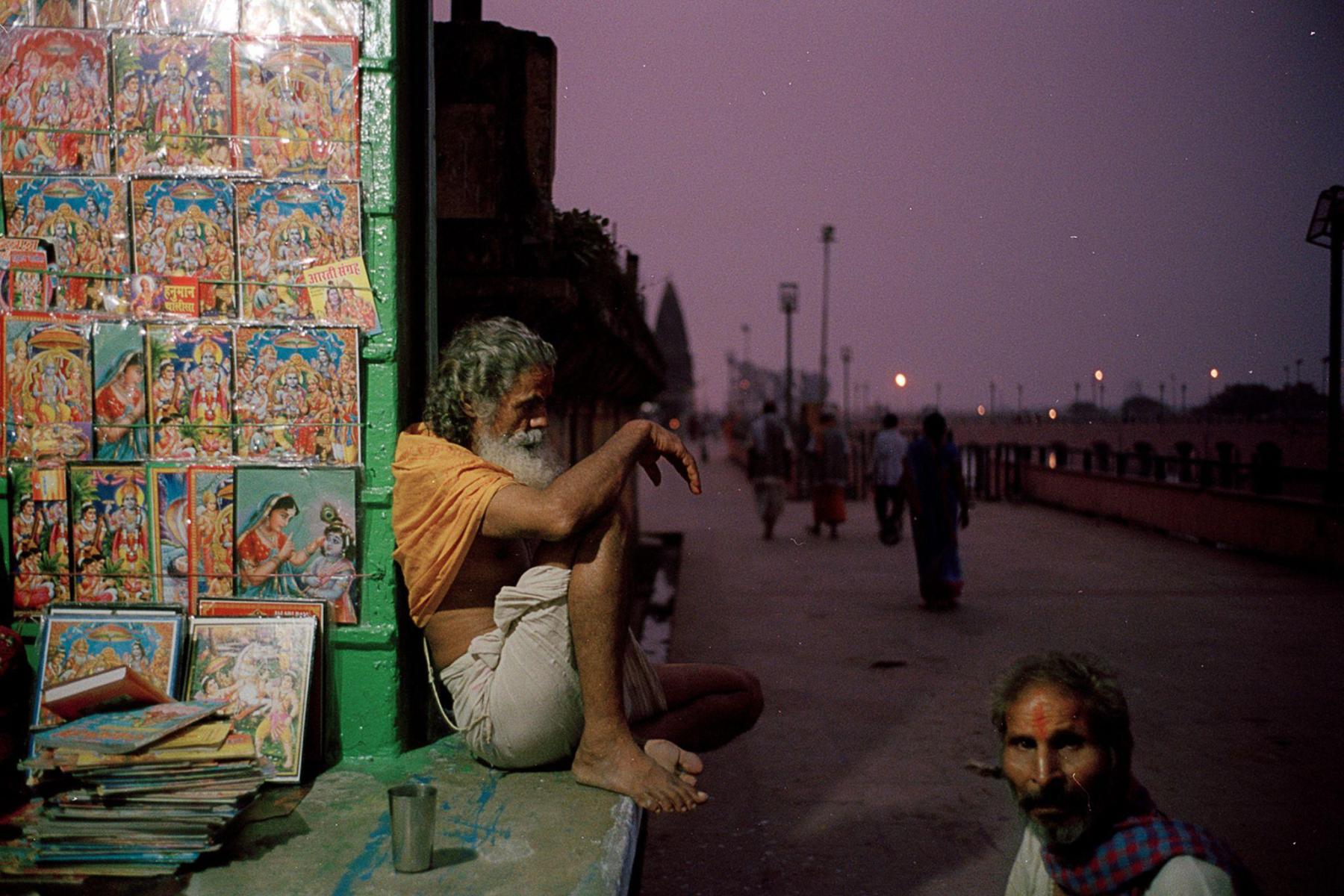
To the Hindutva, Ayodhya is only the birthplace of Ram and must be cleansed of its other influences. But these dargahs remind us of a past that is in the process of being erased. In the hysteria that led up to the destruction of the Babri mosque and the recent construction of the Ram temple, Ayodhya’s pluralist heritage has been forgotten. A city that reflects the syncretic historical experience of India’s Hindu and Muslim communities has been transformed in the minds of the majority into a centre of conflict and hate. The further one walked away from the Ram Janmabhoomi complex, the tract of land claimed by the Hindu fundamentalists for the construction of the Ram temple—with its protective walls, metal gates, armed police guards and conspicuous intelligence operatives on street corners—the more prevalent the city’s own culture became.
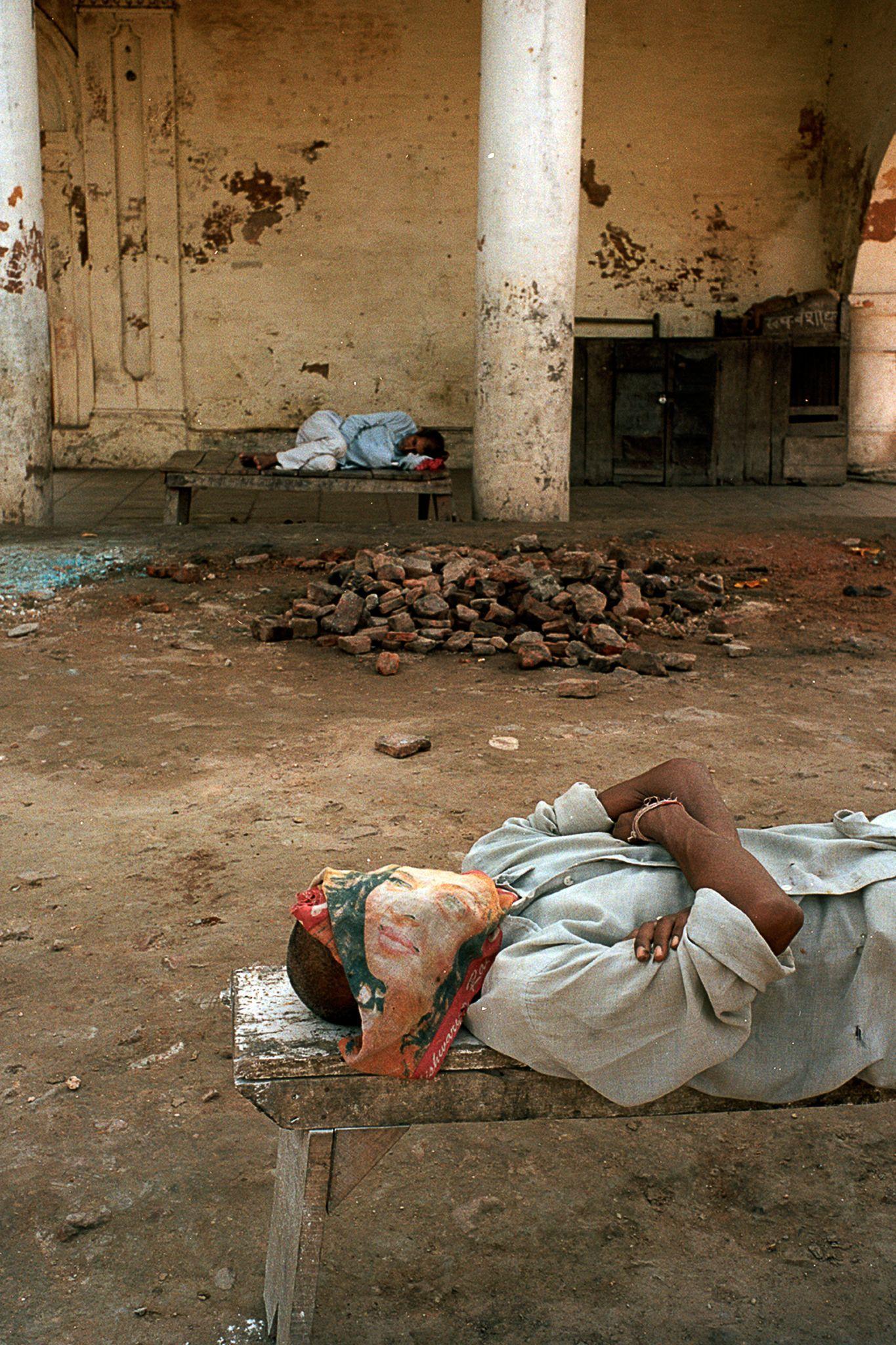
I was often met with a gentle curiosity and generous hospitality in Ayodhya’s old neighbourhoods like Shahi Qila. In such localities, I felt comfortable speaking about myself, my background and the reasons for being there. One afternoon, I met Ram Janam Das, a sadhu (ascetic), who offered me his cot to rest. He laughed when I asked if he did not worry that it would pollute his place of worship. “You are a child of God,” he told me, “Call him what you want—Ram, Allah, or anything else—it matters not. So rest.” A few days later, I found myself in the company of a dissident Hindu priest who had a reputation for his opposition to the destruction of the mosque. Mahant Shastri gave me an enthusiastic but short tour of the dargahs and Sikh temples in the neighbourhood and then walked with me to his home, where I joined him for lunch.
In meetings like these, in the old town, amongst the centuries-old streets and crumbling brick buildings, there emerges some semblance of a way of thought and spirituality that saw past rituals and rules and into the heart of what spiritual philosophy could be: humanity, dignity and compassion. And such was the message of the Sufi saints whose words and poems mocked orthodoxy, ritual, clerics and their attendant finery. Like the bhakti saints, they instead preached a message of love and compassion, insisting that the path to the divine was neither through worship nor rules, but only through love.
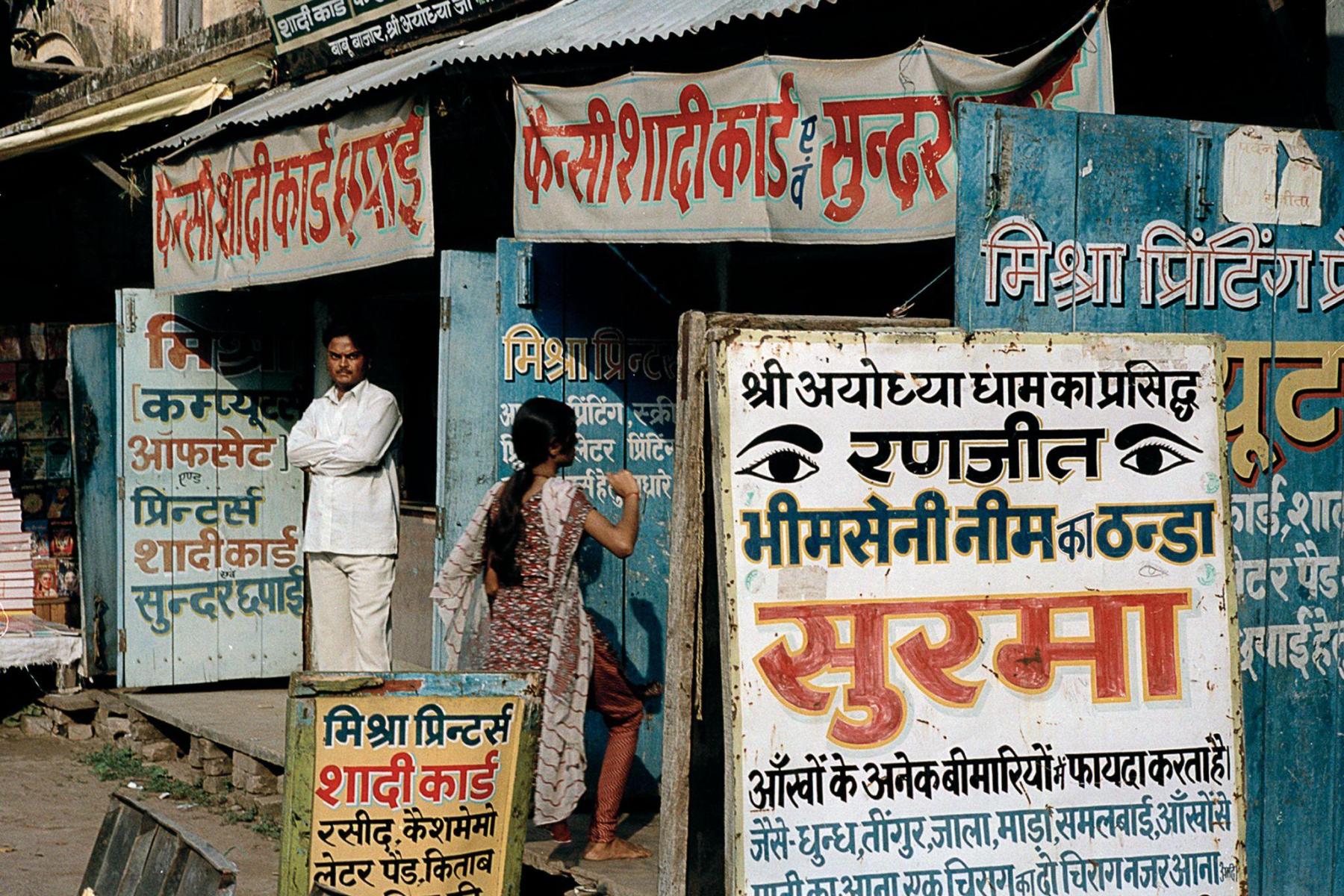
But conversations with locals would often deteriorate into angry denigration of Muslims or India’s Muslim heritage. Some thanked "Ram for allowing the British to rule India and save her from the Muslims." Others dropped comments about "not enough Muslims being killed in 1992." Some referred to Pakistan as "a lunatic asylum, what with all those Muslims living together."
Amitav Ghosh argued that “It is a simple fact that contemporary Hinduism… would not be what it is if it were not for the devotional practices initiated under Mughal rule.” Ayodhya’s Hanumangarhi temple was constructed from funds provided by the Nawabs of Awadh. One of Bengal’s most outstanding Vaishnava leaders, Chaitanya, considered an incarnation of Krishna, flourished during the Mughal reign, as did the Bengali poet Chandidas. The Panchatantra was translated into Arabic, as was the Mahabharata and the Ramayana. Elaborately decorated translations of the Harivamsha were produced, and the Mughal prince Dara Shikoh himself translated the Yoga Vasishtha. Brajbhumi, a region central to Krishna bhakti, flourished during the Mughal reign, with most of its most essential temples constructed with the support of revenue and land grants from the Mughal court.
Something beautiful has indeed slipped away in Ayodhya. Perhaps the days were not far when we would have danced our last dance alongside the spirits of the Sufi saints, who eventually failed to intercede and save their city.
To learn more about the visual and cultural politics resulting from the demolition of Babri Masjid, read Prabhakar Duwarah’s article on Prashant Panjiar’s photographs, Arushi Vats’ essay on the Sahmat Collective and Najrin Islam’s reflections on Ritesh Sharma’s Jhini Bini Chadariya (2021).
All images were taken at Ayodhya in 2010. Images by and courtesy of Asim Rafiqui.