

Underground Music: The Sounds of Protest in Hind Meddeb’s Cinema
Mahraganat performer MC Sadat’s house was plastered with stickers and posters of himself—all announcements of when he would be performing at a wedding. However, when he and his friends lead the filmmaker Hind Meddeb into his room, we are made privy to an inner sanctum adorned with cut-outs of Bob Marley and Tupac Shakur. These musicians were among other rap and hip-hop stars who influenced a generation of young, working-class Mahraganat performers in Egypt to mix “shaabi” music—which arose from the streets and then came to be performed in weddings—with electro music from the 1990s and early 2000s on pirated software downloaded on shared computers. In 2013, Meddeb was the first journalist to uncover this music phenomenon, following those who would later become stars of what would be called electro-chaabi, like Oka and Ortega. Through her film Electro Chaabi (2013), we are taken through her interactions with the musicians, whether as part of high-energy weddings on the street or discussing their struggles to profit from their music and strife within the group when two of them “sell out.”
In Sudan, Remember Us (2024), which was filmed during the time of the Sudanese Revolution in Khartoum in 2019, Meddeb visualised protest through collective singing. A striking visual that went viral from the moment was of Alaa Salah as she stood atop a car and chanted words by Sudanese poet Azhari Mohamed Ali; these words were then circulated back by a young Sudanese female protestor late into the night. Protest music is often ephemeral—their words, rhythms and gestures fading after the revolution, unless recorded—and Meddeb attempts to extend the act of remembering the moment that young people compelled the fall of the authoritarian leader Omar al-Bashir and exposed the crimes of the the regime through forms like graffiti of the murdered revolutionaries and victory videos shot by the police. These two films were screened at Colomboscope: Rhythm Alliances earlier this year, and in this podcast Meddeb delves into how friendship frames her making of these films and the acts of care that have continued on the protest ground and beyond, years after the revolution.
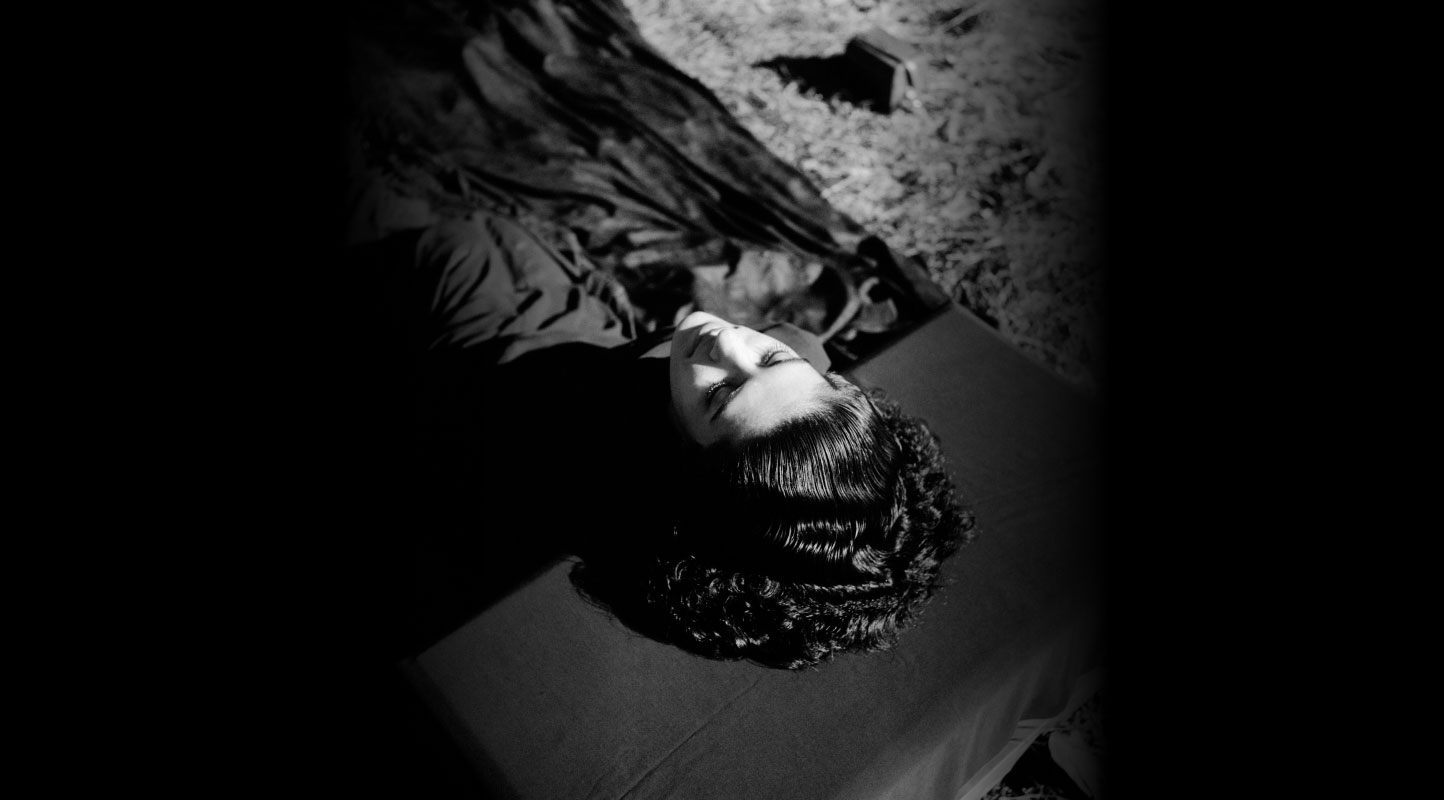
(Featured Image: Still from Sudan, Remember Us. [Dir. Hind Meddeb. 2024. Image courtesy of the director.])
To learn more about Colomboscope: Rhythm Alliances, read Upasana Das’ two-part essay on Sameer Farooq’s The Silk Road of Pop (2013), Radhika Saraf’s two-part interview with Mekh Limbu on Chotlung: traversing spirits, redemptive songs (2025) and an episode of In Person featuring Basir Mahmood as he discusses his film A Body Bleeds More Than It Contains (2026).
To learn more about documentaries exploring music as resistance, read Upasana Das’ essay on Azeem Rajulawala’s documentary on Aki Nawaz titled More Punk Than Punk (2025), her reflections on Rich Peppiatt’s Kneecap (2024) and her conversation with Shahbano Farid on the film Karachi at Night (2024). Also read Natasha Gasparian’s essay on Johan Grimonprez’s Soundtrack to a Coup d’État (2024) and an episode of In Person featuring Surabhi Sharma as she discusses her film Music in a Village called 1PB (2025).