

It’s Uyghur Music, Google It: Unpacking The Silk Road of Pop
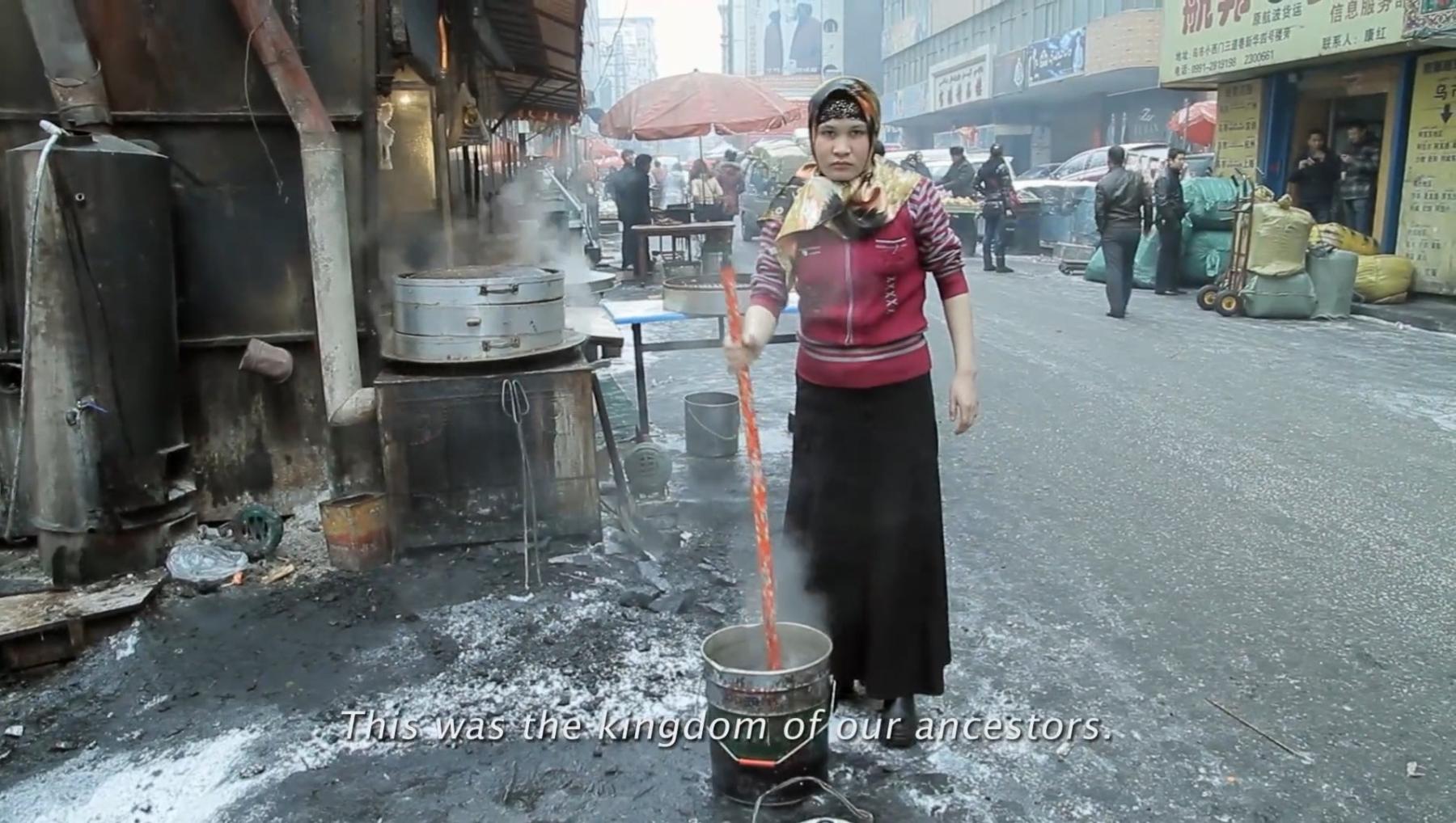
“Who knows about Uyghurs apart from China?” queried a member of the Uyghur band Six City directly to Sameer Farooq as he sat filming The Silk Road of Pop (2013), which screened at Colomboscope: Rhythm Alliances earlier this year. The film was shot in the late 2000s at a time when a generation of young Uyghur musicians were chafing against the primitivist stereotypes levied against them by China and looking to express their anger and despair through sounds with a track record of rebellion like rock and hip-hop. “Inner Chinese people who never came here think Xinjiang is a desert,” retorted another member, as yet another did not bat an eyelid at immediately confirming this assertion by asking Farooq, “Did you not think the same?”
Inside Xinjiang, the residence of the Uyghurs, Kashgar seems to be an island following its own time zone separate from China, paired with a deep resentment towards the Han Chinese who have been moving into Xinjiang in a state-controlled attempt to dilute the Uyghur population along with other Muslim minorities. In 2021, an unofficial UK-based tribunal confirmed the genocide of Uyghurs by China, with the presiding chair, Sir Geoffrey Nice, asserting that:
"The only basis upon which genocide could be proved was in respect to (the People’s Republic of China and the Communist Party) preventing Uyghur women from having children—which they did by forcing them to have irremovable or effectively irremovable uterine devices, by having abortions, by having their wombs removed, whether they liked it or not.”
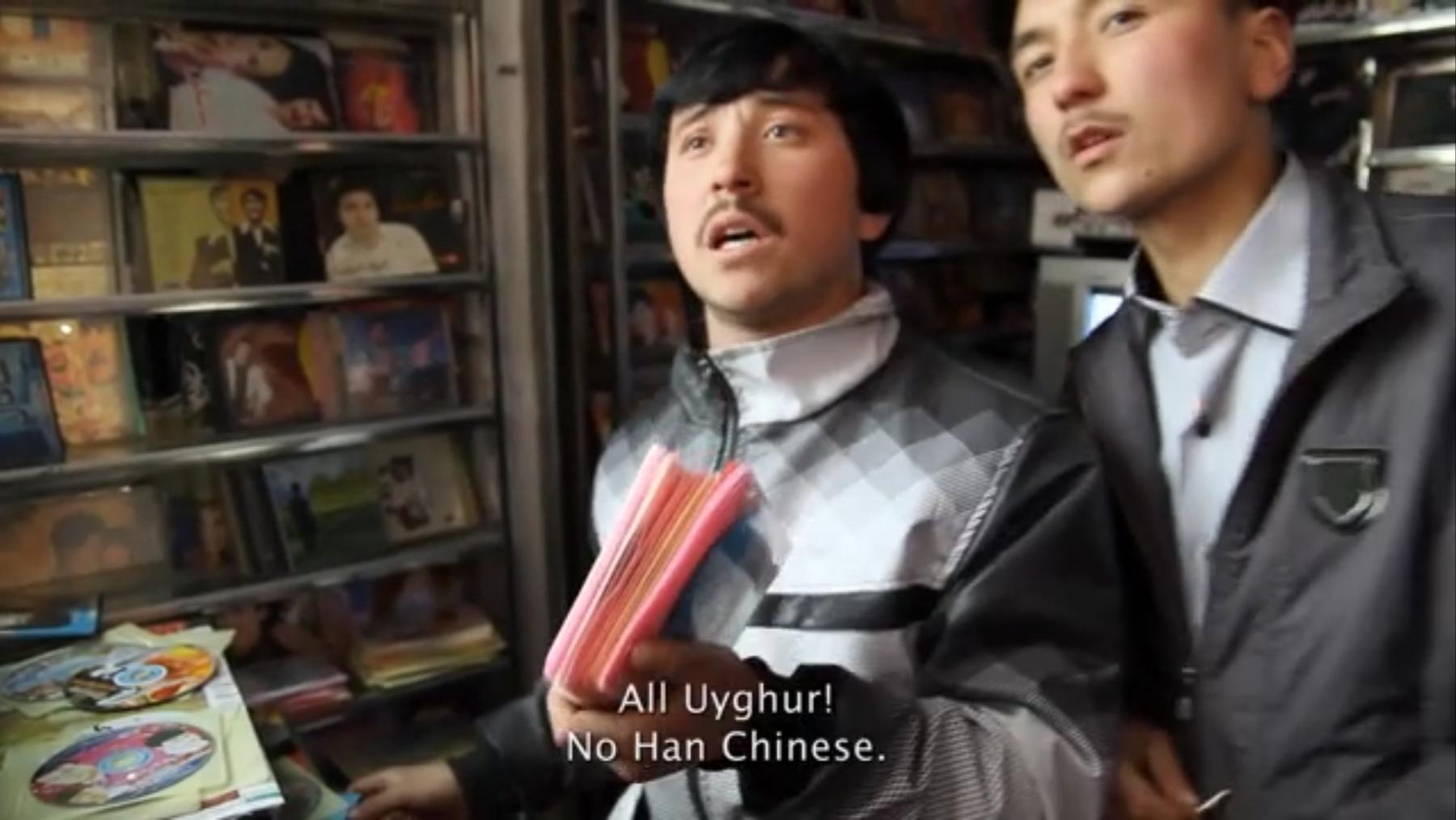
A record store owner in Kashgar says he only collects Uyghur music. The walls of his shop are lined with traditional Uyghur recordings—and Arabic dubs of Hollywood series like Prison Break (2009) which flooded the early 2000s pirated circulation market in South Asia as well, throwing in Bollywood films like Race (2008) and others too far away on the walls to discern beyond the figures of Anil Kapoor and Amitabh Bachchan. The tribunal’s judgement came too late considering China had been operating concentration camps—or “re-education” camps, as they termed it—for ethnic minorities since 2017, as the state saw Islam as an “ideological illness” to be cured through punitive measures, doling out brainwashing programmes for children.
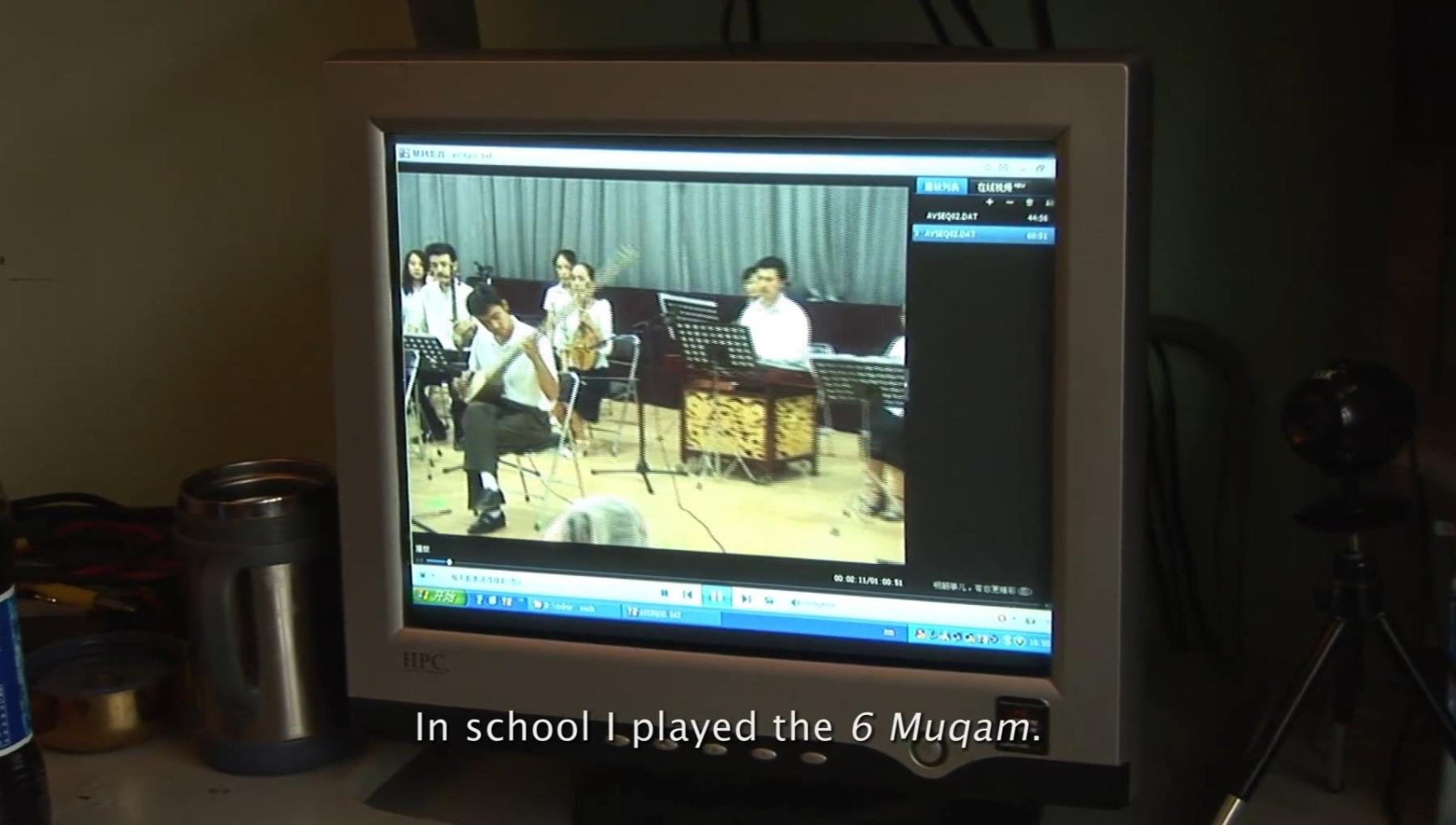
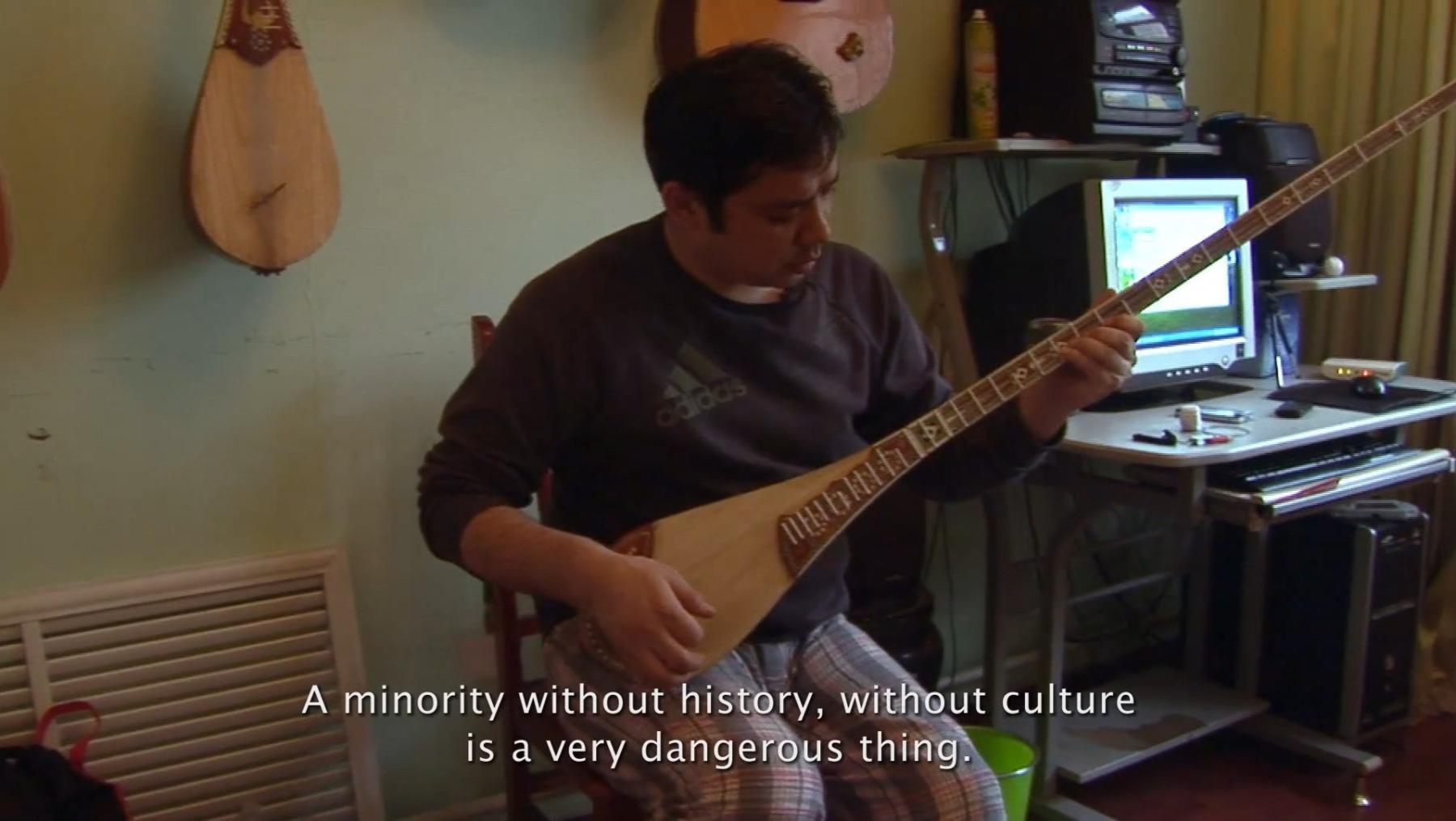
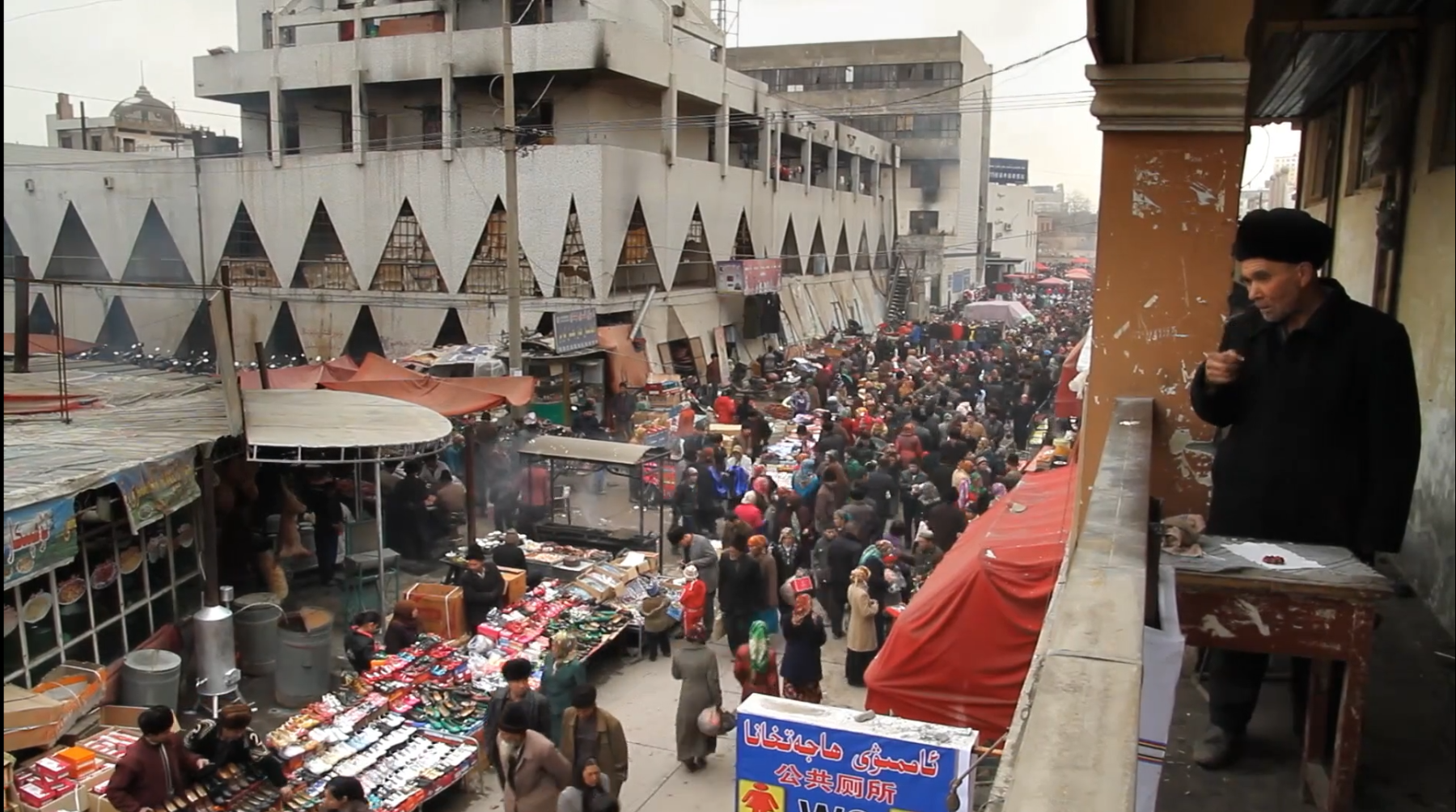
Perhaps it was also foreseeing this official mandate to erase Uyghur history that dutar player Mahmut Mehmet held on to the exhaustion of performing the traditional hours-long Muqam (traditional Uyghur music) holding on to the paternal musical lineage of his forefathers for whom Muqam was a community celebration. “(When I play) I remember which minority I belong to and where I am from,” he retorted, not without sardonic bitterness: “Then I will not forget who I am.” It is this desire to remember which seems to have made him carefully preserve recordings of playing the dutar in school—or beyond, the presence of traditional Uyghur instrument shops lining the markets in Kashgar or someone clipping a live performance of “Yighlima Kara Koz” originally sung by the Eysabeg Mamut—in the beginning of the film, which Farooq likely sourced from the record store owner.

Farooq dubs Mehmet’s song over Six City’s hip-hop performance in the opening, its visual lip-sync incongruence immediately highlighting the discord between two generations of Uyghurs—the older of which cannot comprehend the younger replacing tapings of traditional music with posters of Slipknot and The Beatles plastered all over in their room. Even near the ceiling fan, like Adil of rock band Karhan (formerly Laji Dang or Stop the Garbage) had done, as if he could not bear to look away from his idols even before succumbing to sleep. Much like the alternative music scene in regions like Iran and Karachi, this music scene exists underground in Xinjiang, policed and scraping through the lack of support structures. The next segment of this essay examines how Farooq explores how the scene manages to survive amidst it all.
To learn more about documentaries exploring music as resistance and alternate sites of expression, read Upasana Das’ essay on Azeem Rajulawala’s documentary on Aki Nawaz titled More Punk Than Punk (2025), her reflections on Rich Peppiatt’s Kneecap (2024) and her conversation with Shahbano Farid on the film Karachi at Night (2024). Also read Natasha Gasparian’s essay on Johan Grimonprez’s Soundtrack to a Coup d’État (2024) and an episode of In Person featuring Surabhi Sharma as she discusses her film Music in a Village called 1PB (2025).
To learn more about this year’s edition of Colomboscope: Rhythm Alliances, read Radhika Saraf’s two-part interview with Mekh Limbu on Chotlung: traversing spirits, redemptive songs (2025) and an episode of In Person featuring Basir Mahmood as he discusses his film A Body Bleeds More Than It Contains (2026).
All images are stills from The Silk Road of Pop (2013) by Sameer Farooq. Image courtesy of the director.