

Culinary Cosmopolitanism in Tamil Nadu: In Conversation with Sumaiya Mustafa
Sumaiya Mustafa’s Culinary Cosmopolitanism Through Parotta Shops of Rural and Coastal Tamil Nadu (2025) traces the emergence of the parotta in the culinary landscape of the state. Conceived as part of the Serendipity Food Matters Grant in 2024, the work was on display at the tenth edition of the Serendipity Arts Festival (SAF), held in Goa from 12–21 December 2025. Mustafa is a food ethnographer who has written extensively on food cultures with a specific focus on the relationship between culinary items and coastal ecologies. In the first part of the conversation, Mustafa shared some of the questions that spurred her to explore the emergence of the phenomenon and her process of research. In the second part, Mustafa discusses the term “culinary cosmopolitanism,” the curious case of maida (refined wheat flour) in a predominantly rice culture and navigating the gendered space of the eatery.
Mallika Visvanathan (MV): You use the term “culinary cosmopolitanism” in the title of the project. Can you please share a bit about how this plays out?
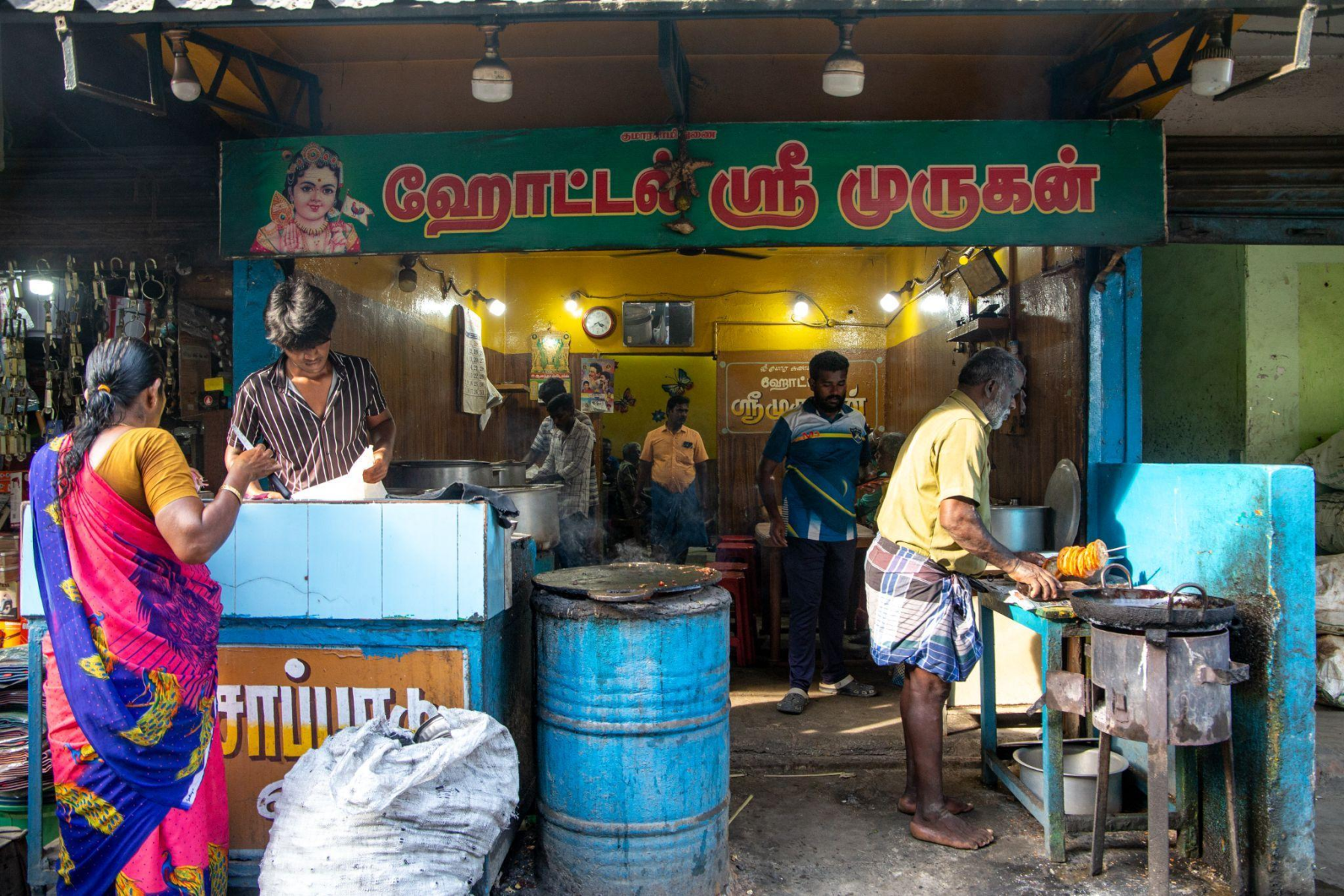
Sumaiya Mustafa (SM): The term “culinary cosmopolitanism” is essential here because Tamil Nadu is usually associated with idli, sambar, medu vada, etc. However, the rural and coastal parts of the state, such as the regions that I have looked into for this project—Thoothukudi and Ramanathapuram—have other culinary metonymies than what people understand as “Tamil food.” It is very cosmopolitan in nature here.
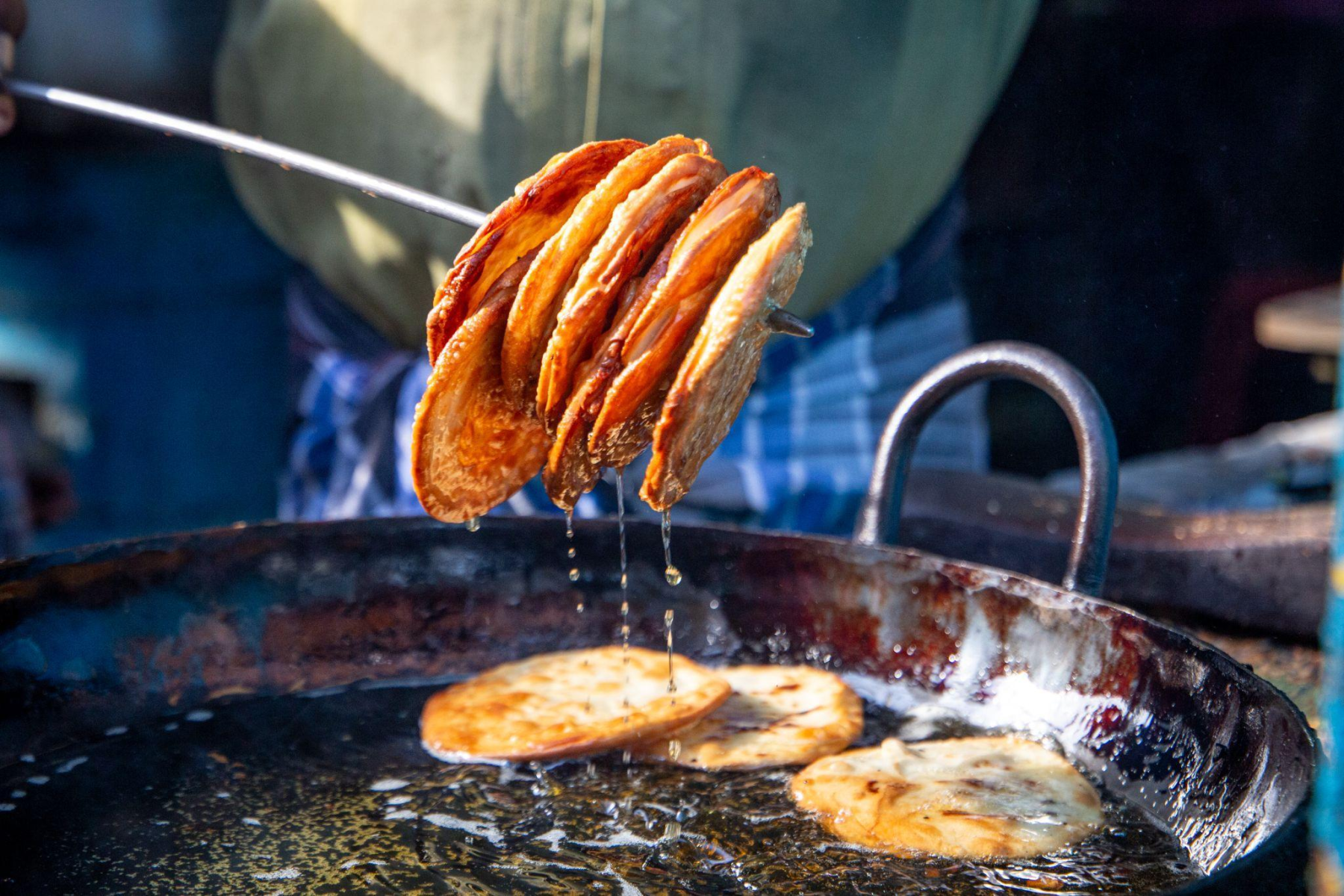
The technique of making parotta itself is interesting to think through because it is not conventionally or inherently Tamil. Traditionally, this community has not used a belan (rolling pin) but uses their hands to make the parotta. The round form is attained through hand shaping alone. However, in a parotta eatery in a Tamil settlement in Dharavi, Mumbai, where migrant labourers from UP are making it, they were using both the belan and their hands. That was the first time in my life that I saw someone using a belan to make parottas. For the Tamil diaspora, this is a new method of preparing food and it is a sign of culture that is inevitably diffusing. This is how culinary cosmopolitanism plays out in the everyday. My project sought to look at not just the history of the food, but what it means within the present.
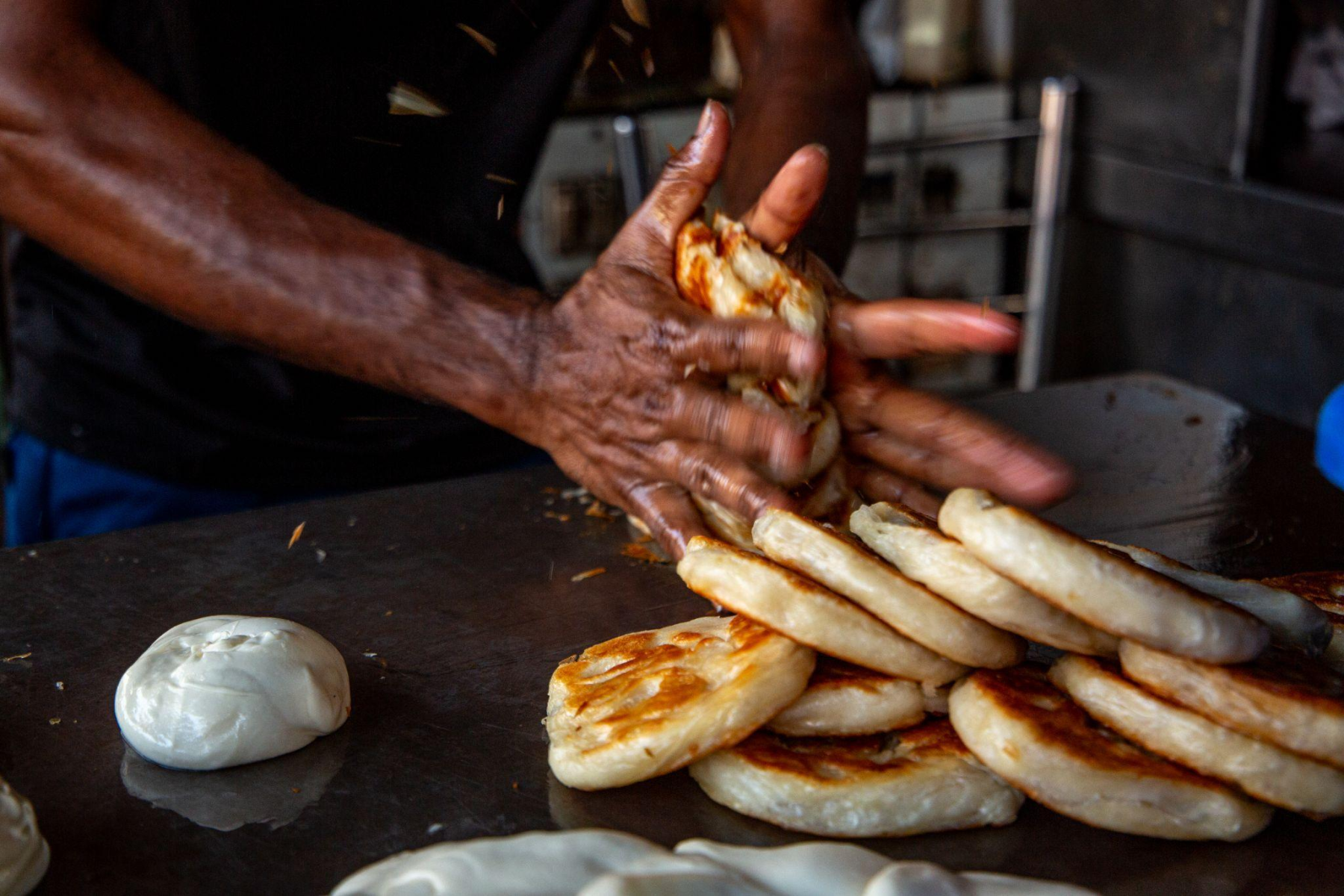
Another aspect is the use of maida. I realised that, for the longest time, maida was not available in retail shops in Tamil Nadu. For example, you would not find maida as part of the monthly grocery supplies of a Tamil household on an average day in the 1960s. During Karunanidhi’s term in the 1970s, when public distribution systems attempted to give maida in order to cut down on rice, there was collective frustration. The first maida production factory was started in southern Tamil Nadu, in Gangaikonda, near Tirunelveli, by this brand called Kuthuvilakku. It continues to be one of the top-selling brands in Kerala and Tamil Nadu. They did not cater to the general public initially but were focused on retail marketing, primarily to businesses such as biscuit factories and bakeries. After 1965, once parotta eateries began to pick up, they too directly procured their maida from them.
For the most part, people were not initially receptive to maida. As part of my research, I looked into early food surveys from Tamil Nadu dating back to the 1960s. P.K. Nambiar’s “Food Habits in the Madras State” (1961), conducted as a part of the census survey, revealed that there were quite a few communities that were not fully rice-eating in Tamil Nadu. It was also the era that many millet-eaters were switching to rice for their daily eating. So it bears noting that this image of Tamil Nadu as a fully rice-eating state is not completely accurate. There were cultures of consuming various other millets and grains even as late as the 1960s and these varied from district to district. This was likely the time when there was a shortage of rice. Thus, the parotta’s arrival also coincided with the era which drew the agrarian communities—and working class in general—to these parotta eateries after a long day of work, rather than looking for rice. It was also very pocket-friendly initially.
MV: Given that these spaces are gendered, I was curious about how you navigated them?
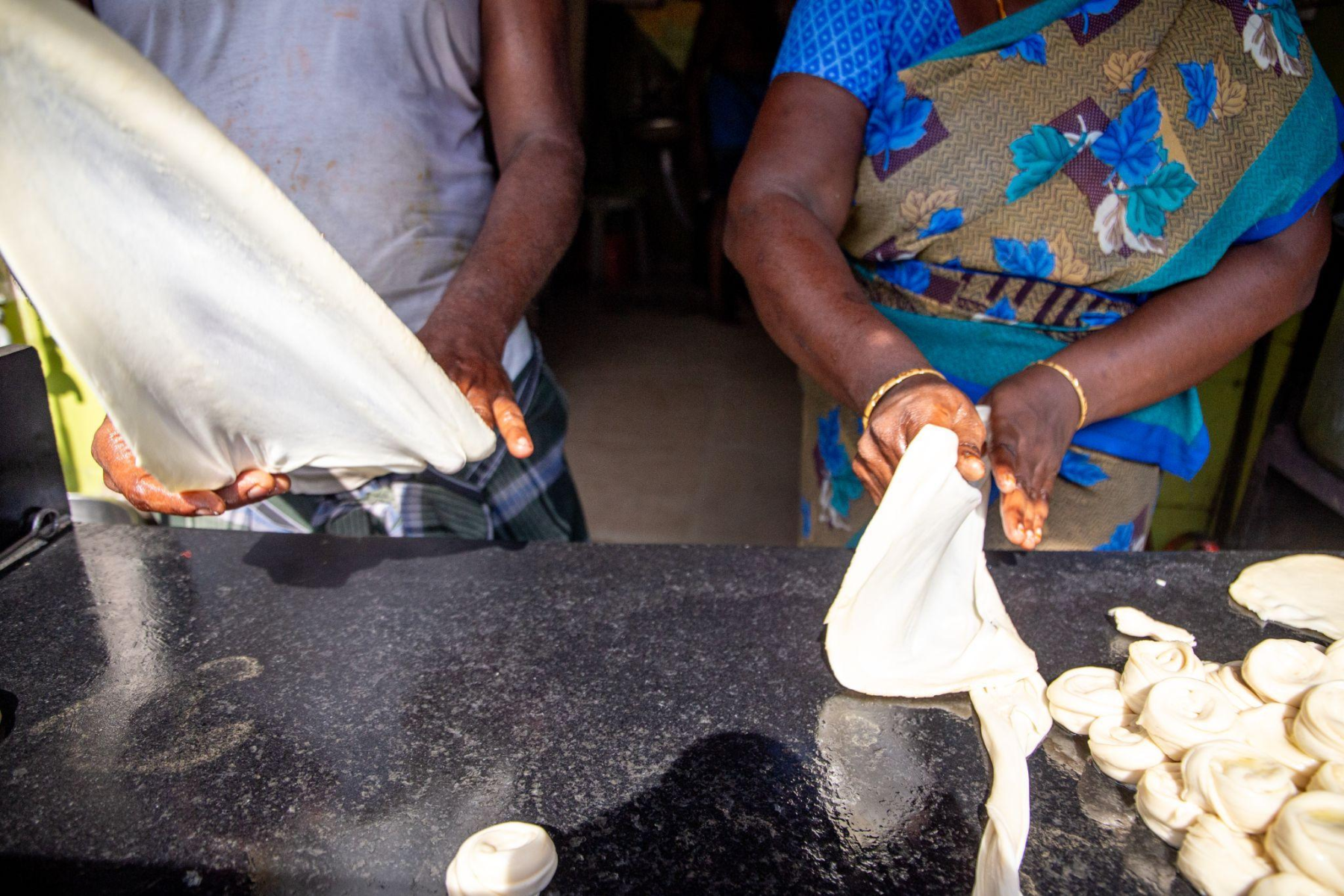
SM: It was quite tough. Initially, I reached out to certain parotta masters through my networks and relatives. However, these indirect routes failed. So I simply decided to show up, stand there and start chatting with the parotta masters to make them comfortable. Most of the parotta masters I approached agreed to speak with me. Initially, everybody would say they were busy and could not talk. So then we went either in the mornings when the shops were shut or in the late afternoon when they were prepping. This meant that we managed to take images of them working.
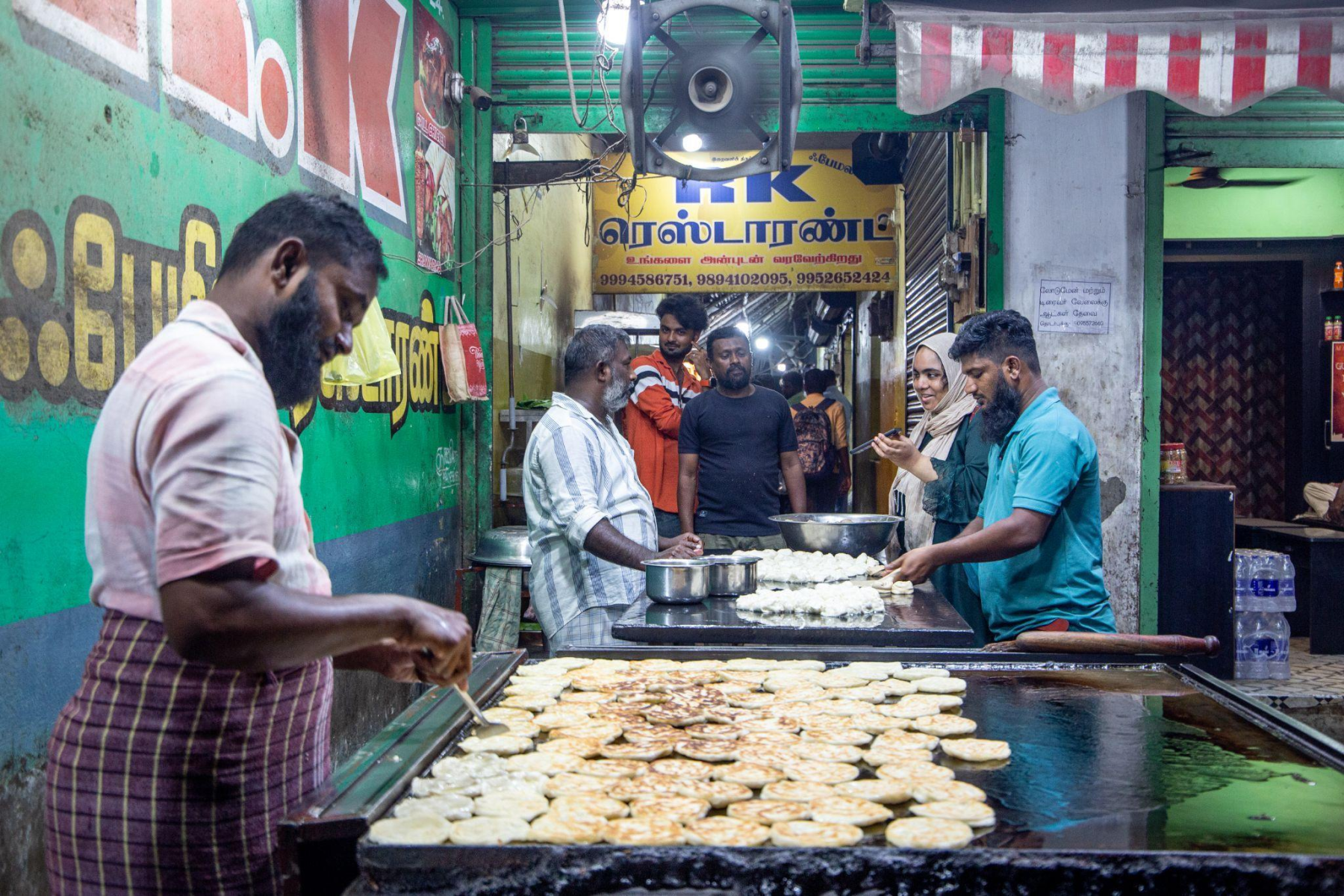
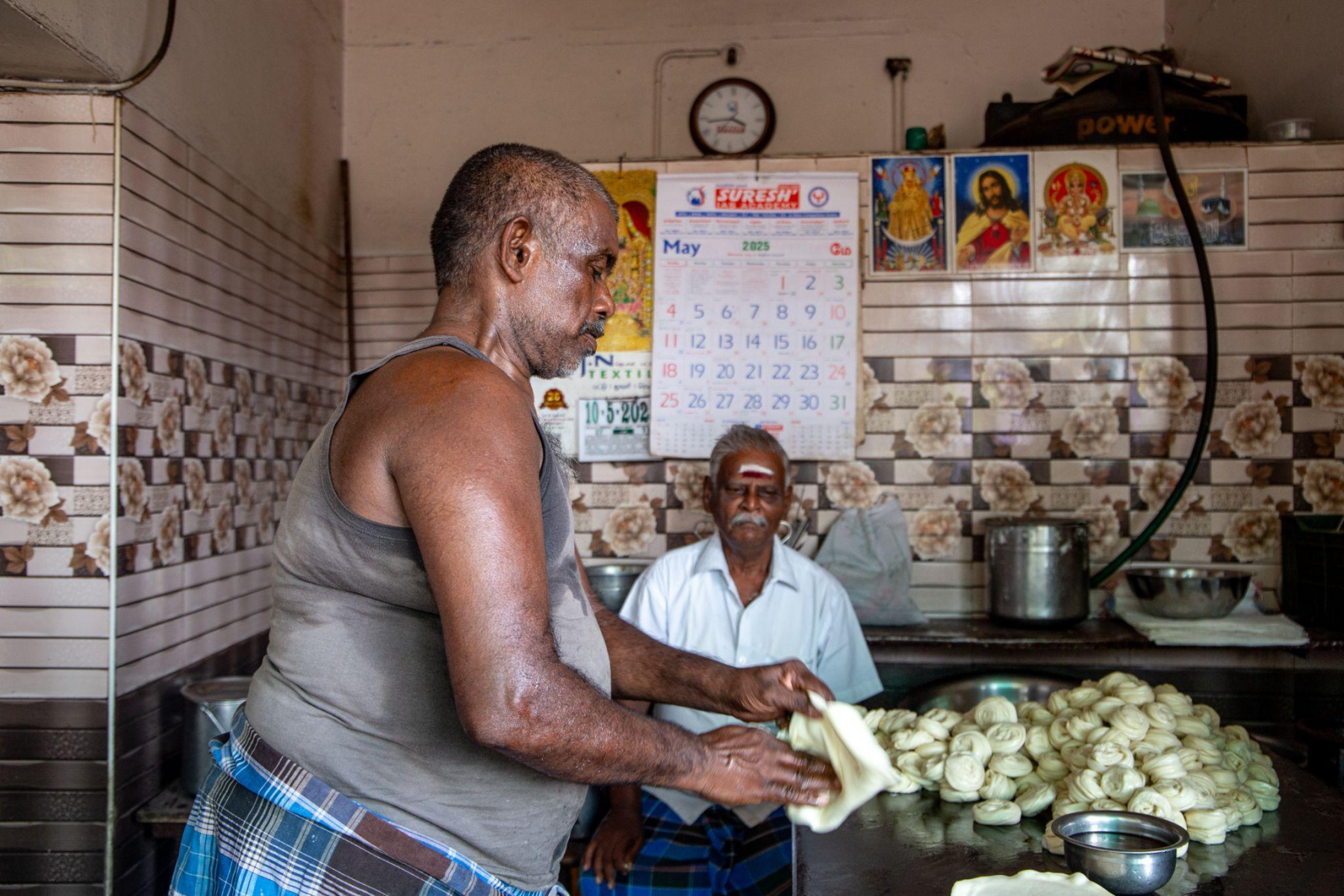
While it is a gendered space, it is important to remember that women are also participating. It is on the cusp of transition as women are increasingly coming to sit there to eat. However, parotta as a street food manages to level other differences—such as class and caste—because of a shared fondness for the taste. It is available only at these eateries, so irrespective of your caste and class, you have to go to that place only. Through the images that we collected and displayed on the wall at Serendipity, we wanted the visuals to radiate that all kinds of faiths were accepted within such spaces. In these parotta eateries, you will find photos of Christ, Bible verses, photos of Hindu gods, photos of Kabah, Mecca and photos of Quranic verses. Religion was not used as a sign of exclusion anywhere, especially at the time when food was being used to exclude communities and weaponised against people under the pretext of culture. The project has multi-directional questions and I wanted to bring out some of the complexities of this space through the images.
In case you missed the first part of the conversation, read it here.
To learn more about the tenth edition of the Serendipity Arts Festival, watch an episode of In Person featuring Shaima Al-Tamimi as she discusses her film Don’t Get Too Comfortable (2021), which was featured as part of the show Displacement curated by Rahaab Allana, and engage with an album from Kunga Tashi Lepcha’s series Children of the Snowy Peak (2019–ongoing), which was featured as part of the show Murmurations curated by Ravi Agarwal.
To learn more about artists exploring culinary histories, read Kshiraja’s conversation with Sudha Padmaja Francis about her film Ginger Biscuit (2024), Sumaiya Mustafa’s reflections on the cookbook Neidhal Kaimanam (2025), Annalisa Mansukhani’s observations on Reliable Copy’s exhibition at the kitchen table (2021) and Radhika Saraf’s conversation with Dayananda Nagaraju and Niranjan NB about their project The Everlasting River (2024).
All images are from the project Culinary Cosmopolitanism Through Parotta Shops of Rural and Coastal Tamil Nadu (2025) by Sumaiya Mustafa, with photographs by Noor Nisha. Images courtesy of the artists.