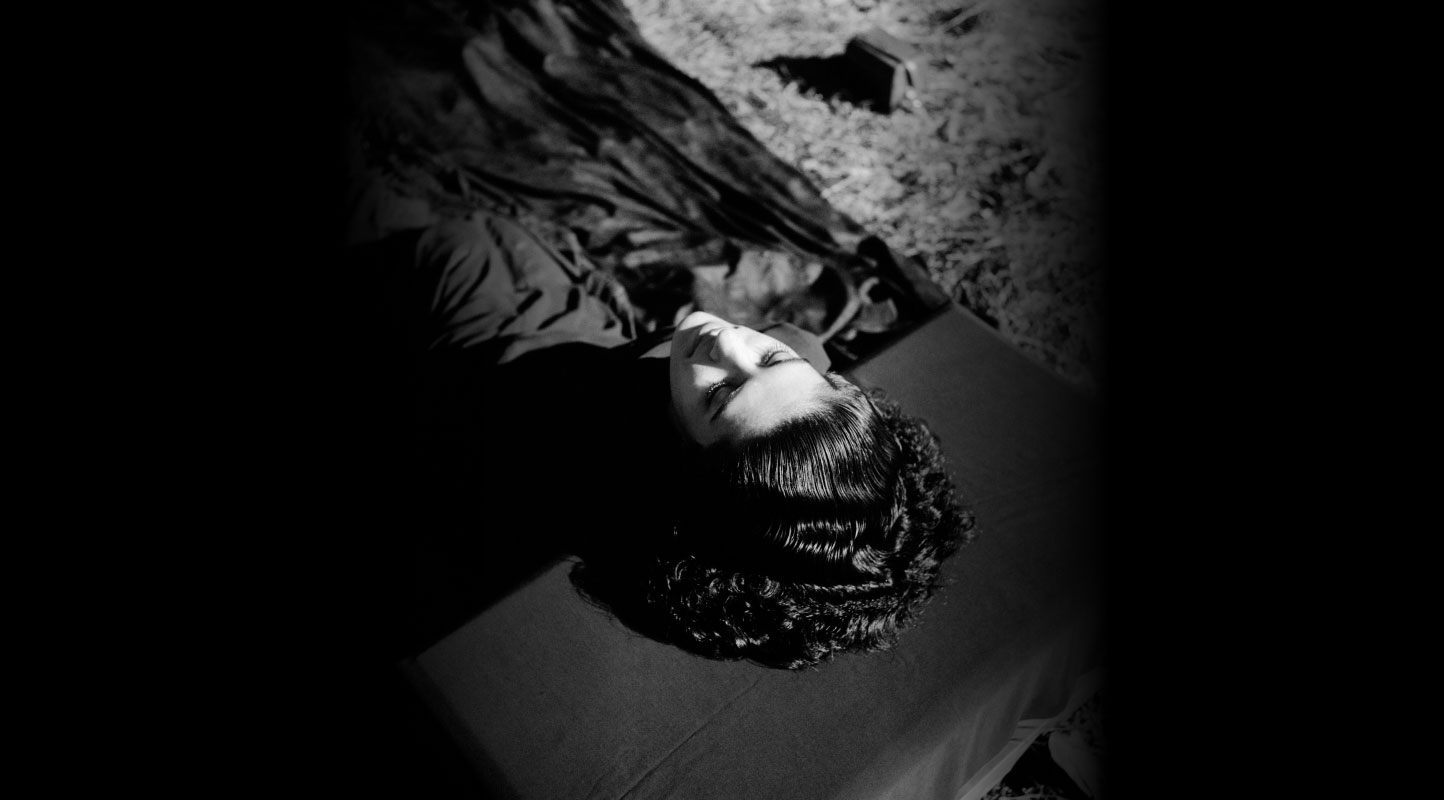

The Inaccessibility of Home: Ahlam Shibli’s Photography
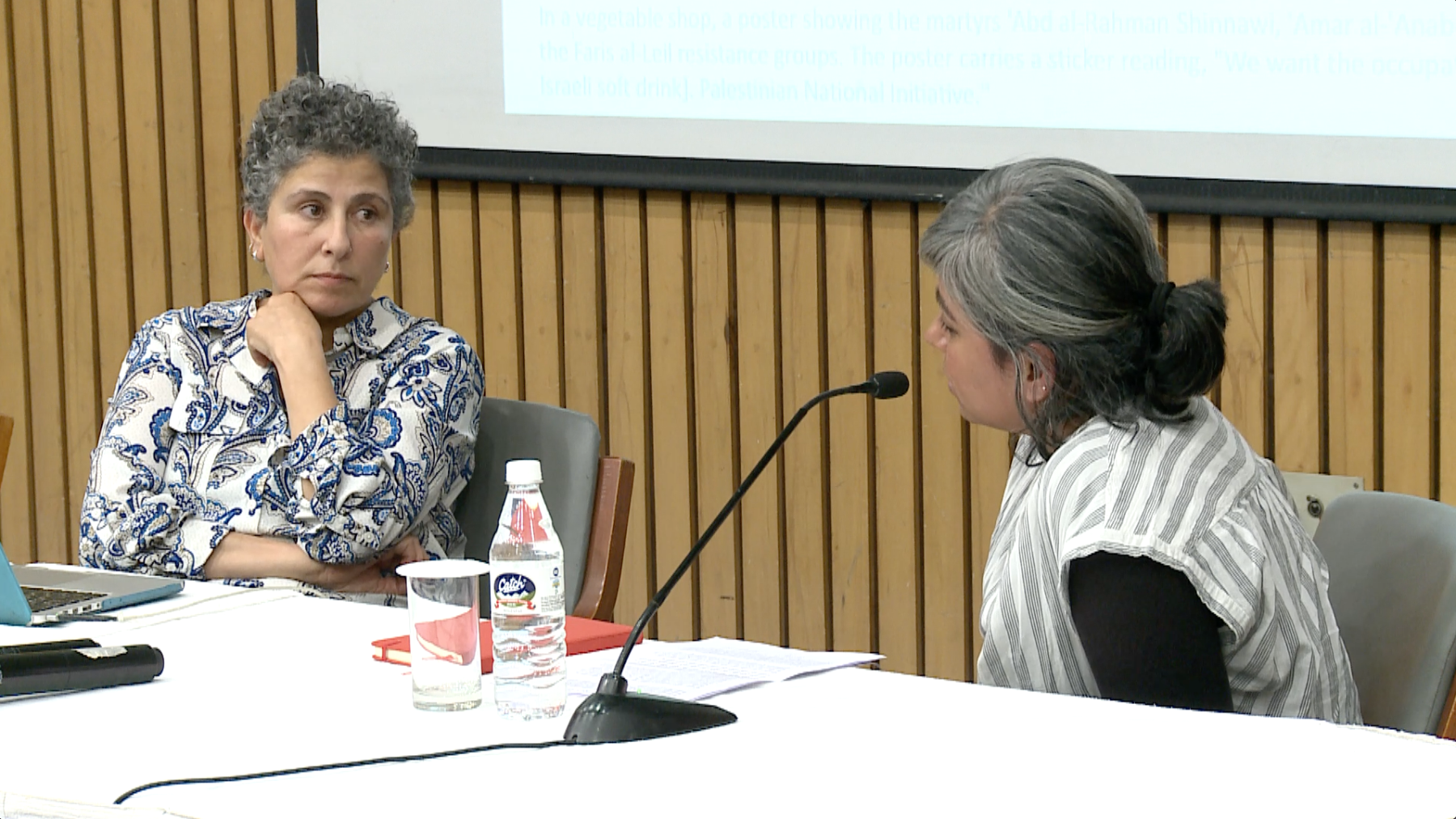
Instituted by the Sher-Gil Sundaram Arts Foundation, the Umrao Singh Sher-Gil Grant for Photography saw its eighth iteration on 23 November 2025, with Palestinian photographer Ahlam Shibli, Indian documentary filmmaker Sanjay Kak and Indian photographer Gauri Gill as the jury members. The award ceremony also included a special annual lecture delivered by Shibli titled "The Inaccessibility of Home," moderated by curator Tanvi Mishra, on the visual capture of spaces impacted by political violence, war and social unrest.
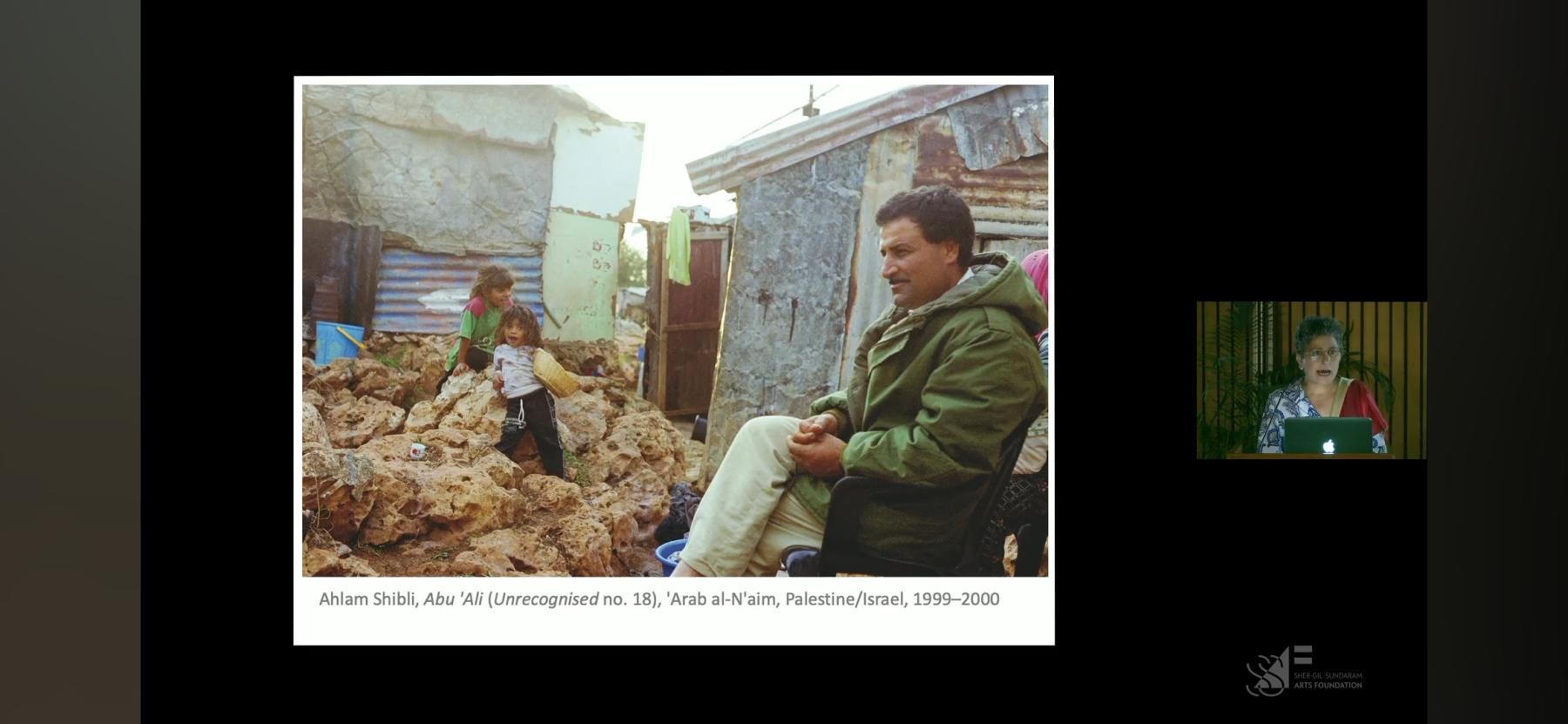
Shibli’s documentary aesthetics deal with contradictory implications of the loss of home and the fight against that loss, along with the limitations that the idea of home imposes on individuals and communities marked by repressive politics. Since 1996, her lens has been devoted to documenting the lived experiences of people who reside in politically charged and historically fraught territories. Shibli prioritises the importance of a series of photographs over isolated images, where multiple images interact with each other through the visual complexities of their subjects. This enables the artist to live in these environments for long periods of time—often years. By curating images from the vast archives of photographs, Shibli believes in constructing an evolving alternative narrative about the question of home in a continuously shifting world.
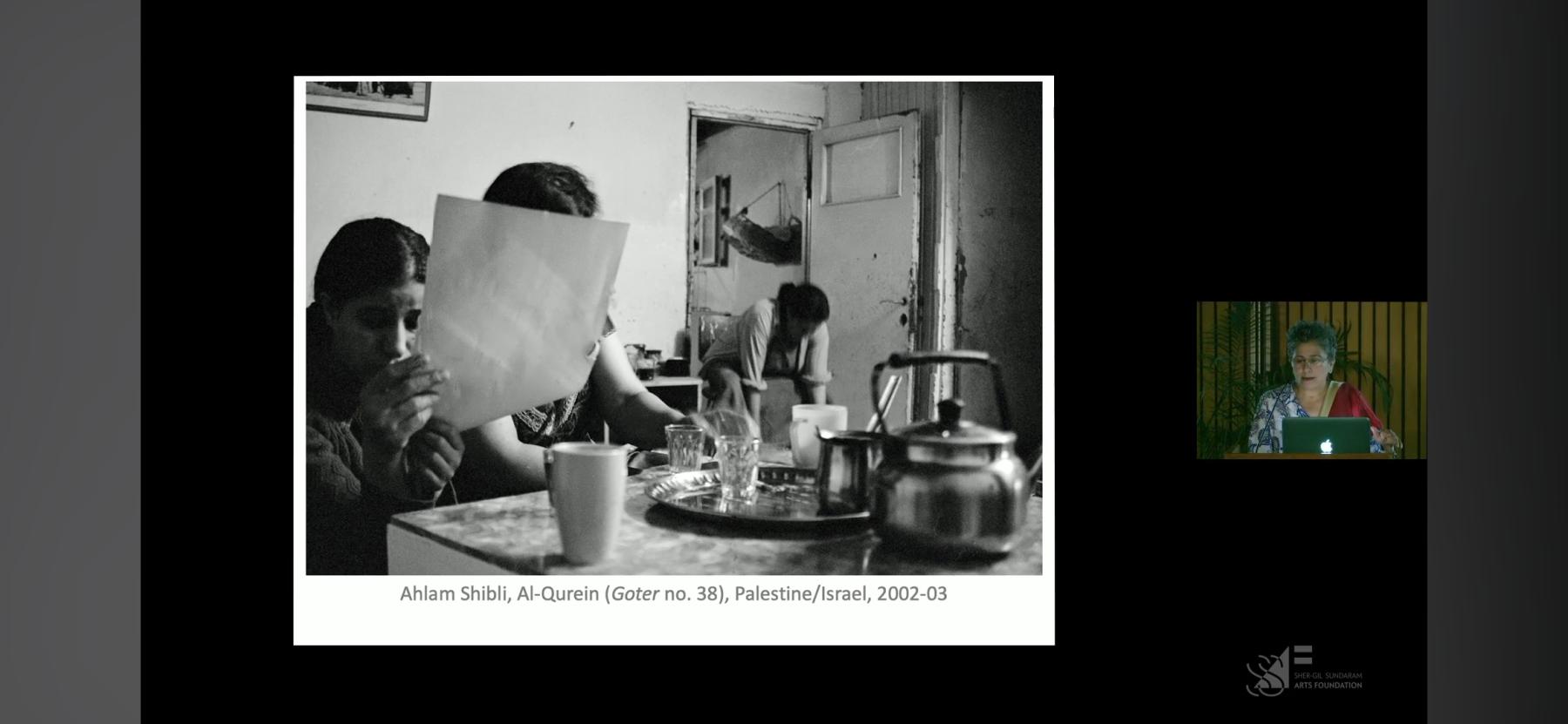
Shibli’s series Goter (2002–03) documented the lives of the Palestinians living in the Naqab (Negev) region of Occupied Palestine. In the series of forty-four silver gelatin prints which depict state-imposed restrictions against rural Palestinians building homes, Shibli focuses on the contradiction between house and home—the former being a physical infrastructure destroyed or denied and the latter being an idea or sense of belonging that persists in the hearts of the displaced. The physical erasure of the settlements finds a reversal by residing in Shibli’s images and being shown to the world.
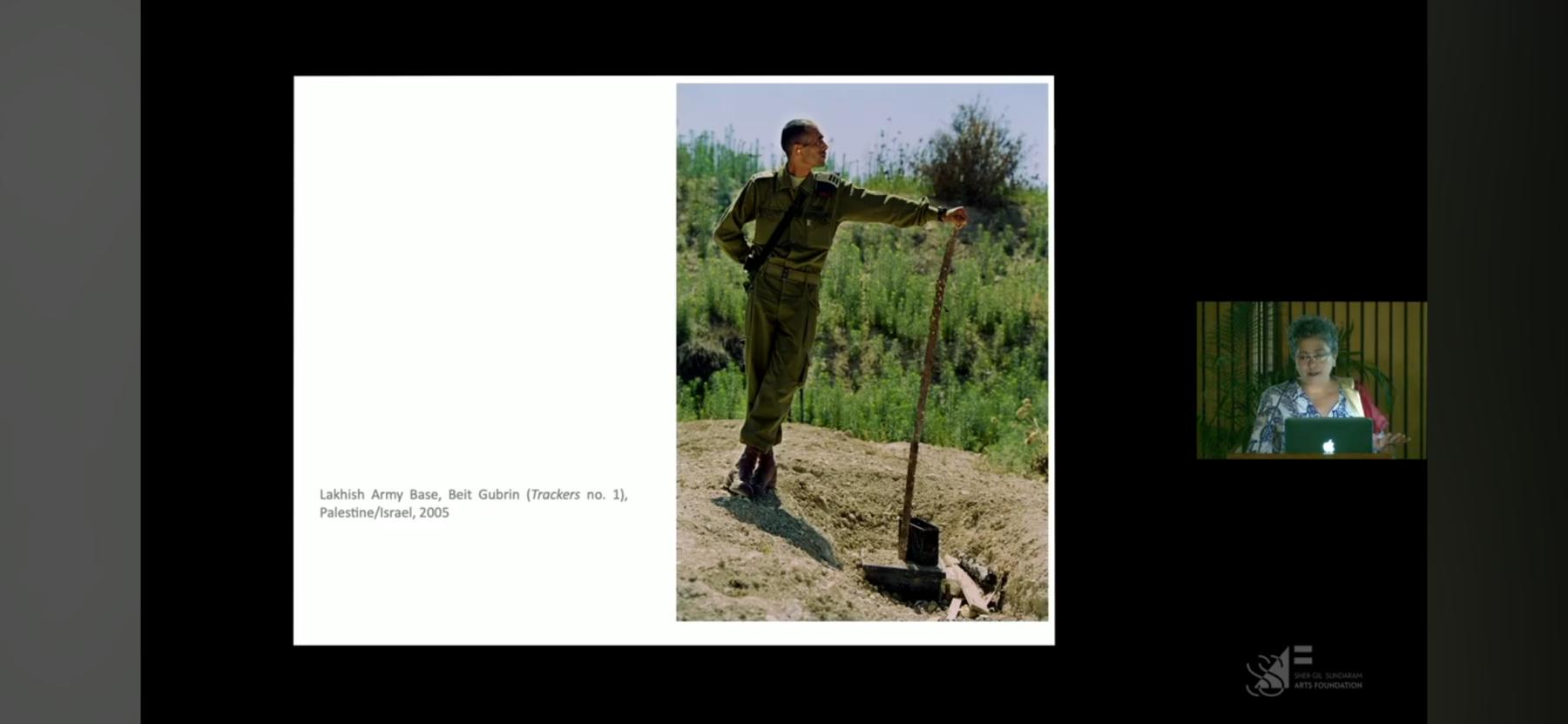
In Trackers (2005), Shibli addresses a more controversial aspect of Palestinian society: the Palestinian volunteers who serve in the Israeli military hoping to secure their future and escape their harsh lives. Images of these soldiers training, cleaning weapons or relaxing together seem to affirm the mundanity of life while also highlighting the tension between personal survival and political resistance. Thus, the body and its tense relationship with home are situated on shaky grounds of morality, where the attempt of finding shelter leads to participation in the very systems of oppression that deny it to others.
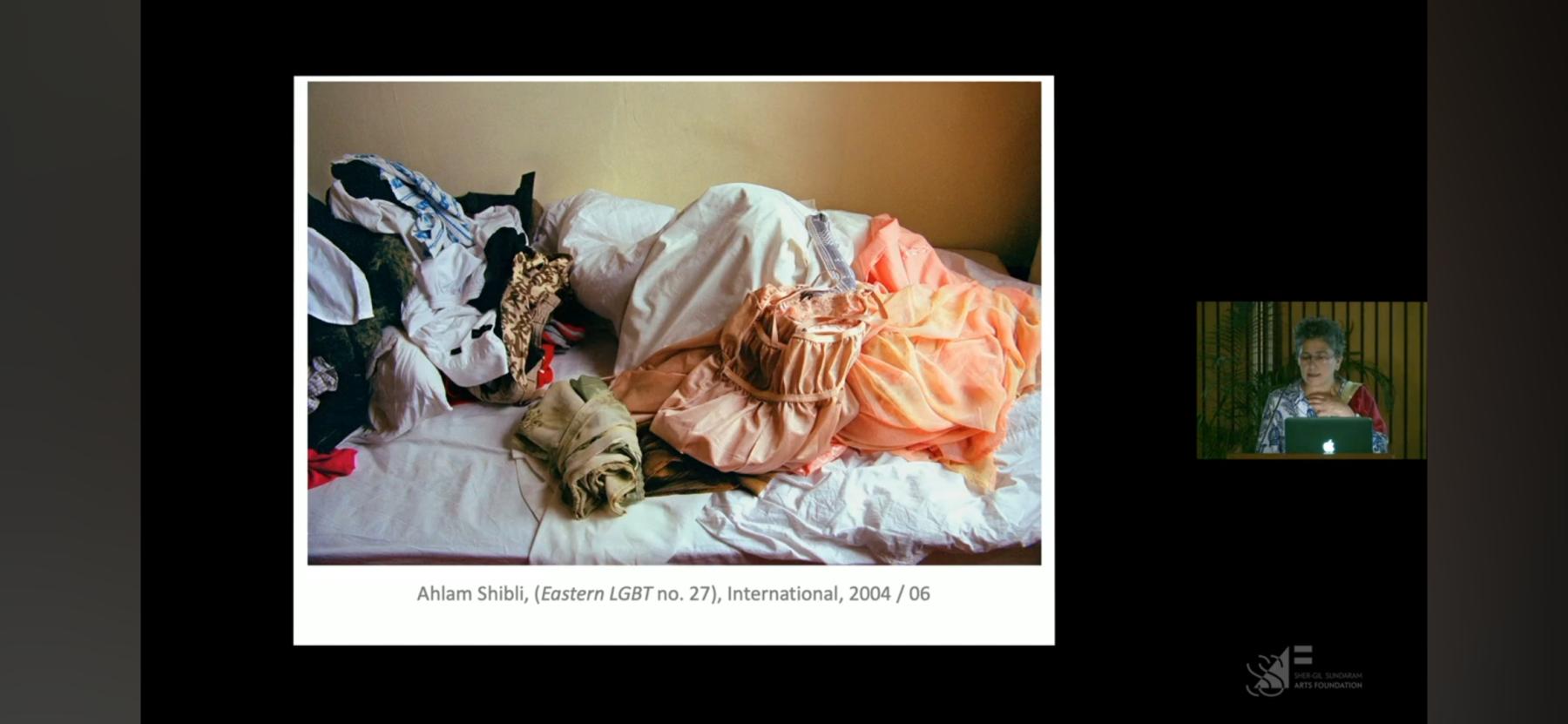
Shibli’s work also expands itself to other fronts of cultural expression and marginality. Her remarkable series Eastern LGBT (2004–06), consisting of thirty-seven photographs, frames LGBTQIA+ individuals from the Arab world, South Asia and other Muslim-majority nations in a variety of striking visuals. Against the persecution at their home countries, a search for refuge in foreign lands gets magnified in the fragmented objects and bodies posing for the camera.
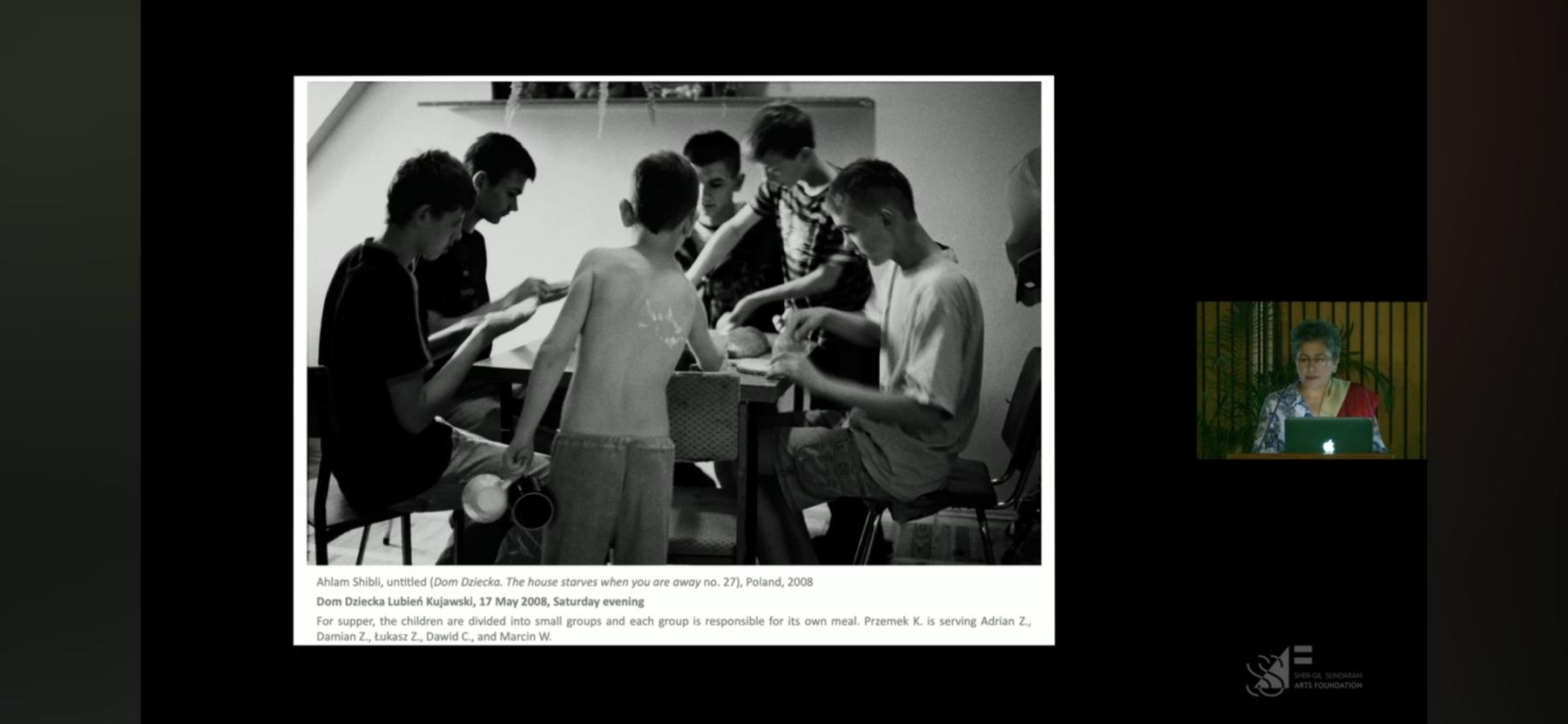
In another series titled Dom Dziecka: The House Starves When You Are Away (2008), the artist shifts her gaze towards children growing up in Polish orphanages. These children negotiate their concept of “home” with the surroundings and facilities they are offered in orphanages, even as the lack of intimate family bonds lingers over them. In black-and-white as well as bright, colourful tones, Shibli frames these children against the walls of their residences, engaged in daily activities, putting the naturalised idea of home into question and illuminating alternative forms of sociality that challenge normative family structures and nationalist imaginaries.
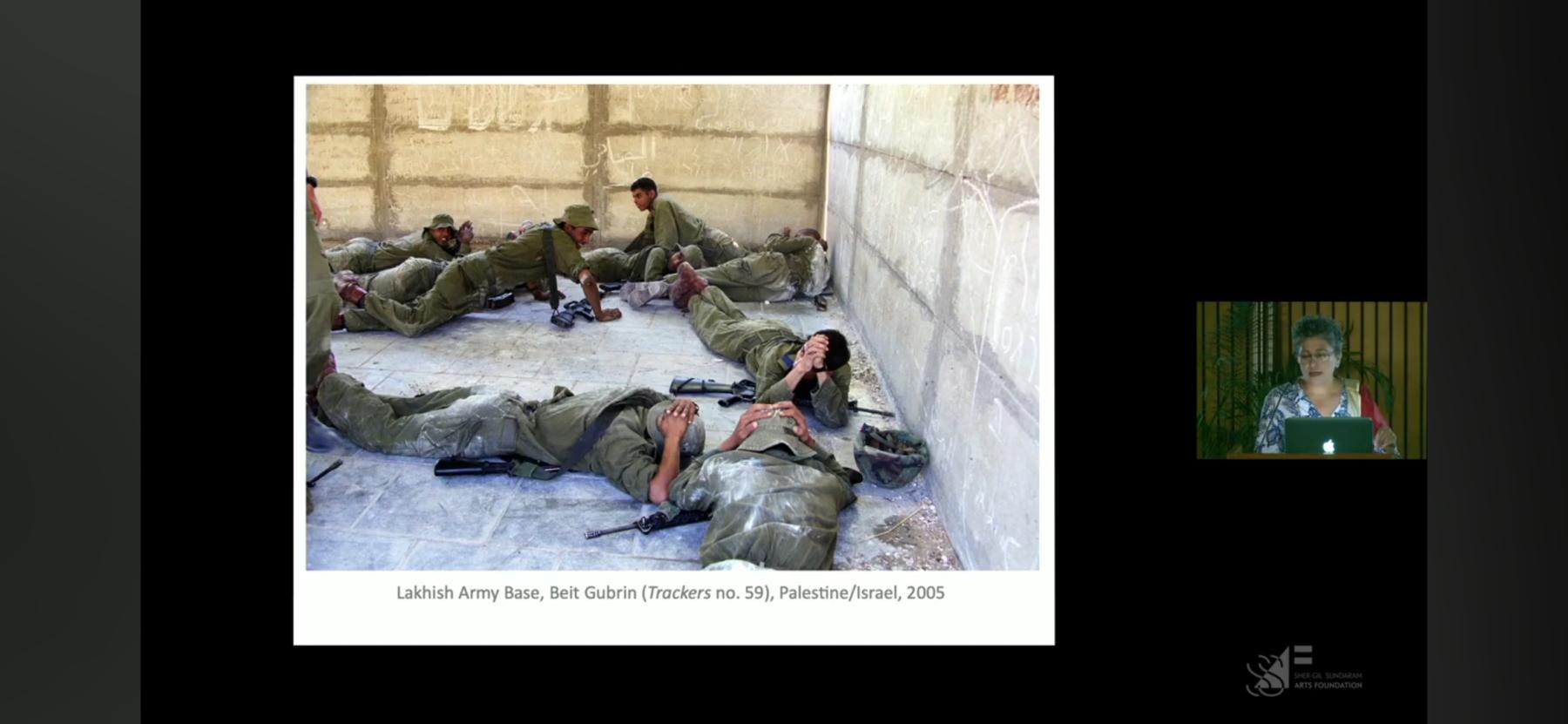
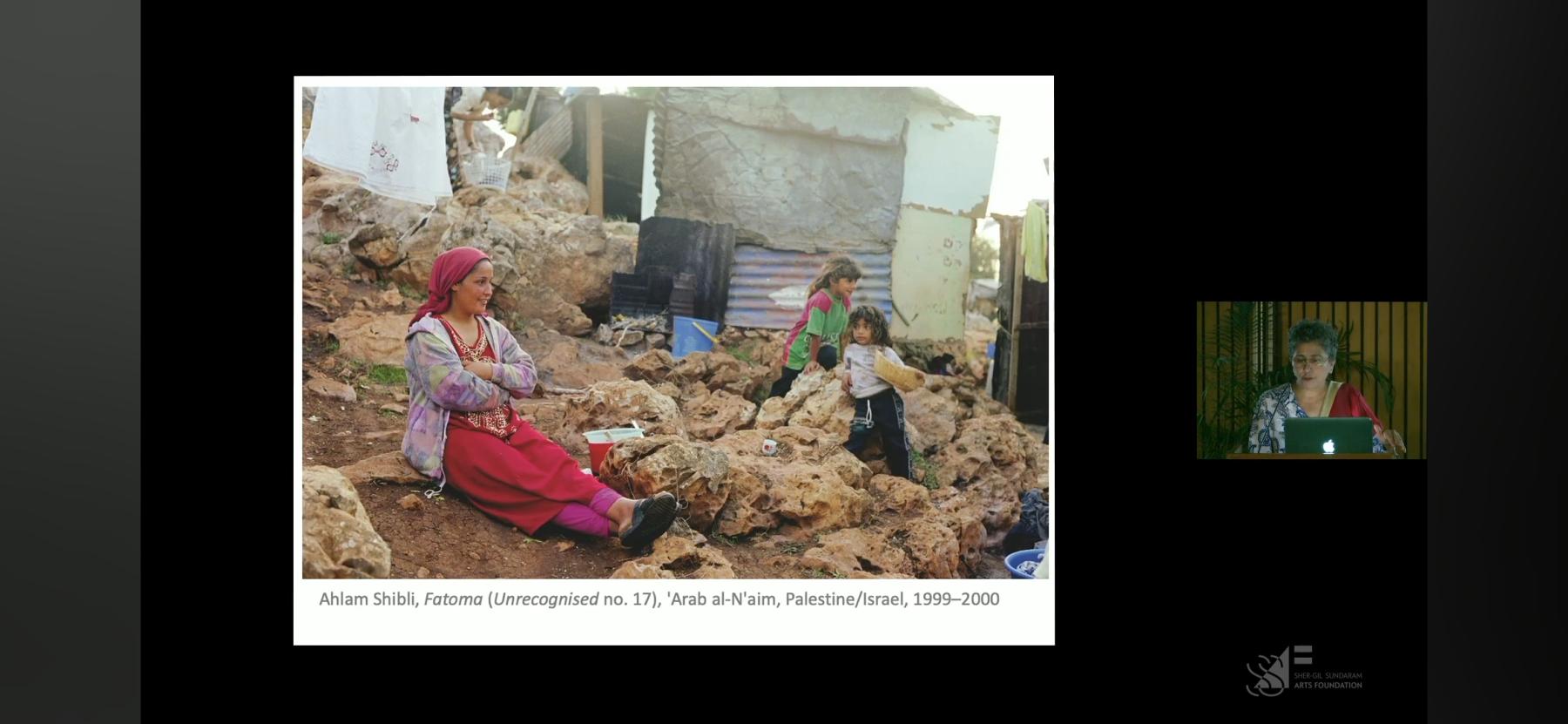
The discussion around Shibli’s presentation revolved around three key thematic clusters: witnessing and the ethics of visibility; the unstable positions of victimhood and complicity under colonial power; and the contested idea of home, nation and belonging. In the context of political violence and geopolitical clashes, she stated that documenting violence itself becomes an act of resistance against the annihilation supported by global war trade and imperial powers. For her, the transnational solidarity built in these times is no less than a form of affective and political power, underscoring the significance of global spectatorship, protest and attention in the project of documenting atrocities. Returning to her photographic series Trackers, Trauma (2008–09) and Death (2011–12), Shibli emphasised her engagement with the duality and reversibility of victim and oppressor, underlining how colonial and military systems produce moral and political ambiguities. The artist concluded her thoughts on an open note by underscoring photography's capacity to render political contradictions visible, relational and ethically demanding.
To learn more about Palestinian photographers, read Prabhakar Duwarah’s notes from a discussion between Ahmed Alaqra and yasmine eid-sabbagh on the work Between Us, A Thread, Mallika Visvanathan’s conversation with yasmine eid-sabbagh, Kamayani Sharma’s conversation with Maen Hammad and Dina Salem, Santasil Mallik’s review of Against Erasure: A Photographic Memory of Palestine before the Nakba (2024) co-edited by Sandra Barrilaro and Teresa Aranguren and Anoushka Antonnette Mathews’ essay on Abdel Salam Shehada’s Ila Aby (To My Father, 2008).
To learn more about artists exploring the idea of home, read Ayushi Koul’s reflections on Mritunjay Kumar’s House of Blue, Annalisa Mansukhani’s curated album from Vikrant Kano’s series In Search of Home (1939–2020) and Soniya Pondcar’s documentation of the fight against homelessness in Mumbai.
To learn more about Umrao Singh Sher-Gil, read Pronita Tripathi’s reflections on the exhibition A Hungarian-Indian Family of Artists: Master and Disciple (2025).
All images are screenshots from the annual lecture for the Umrao Singh Sher-Gil Grant for Photography 2025, titled "The Inaccessibility of Home," by Ahlam Shibli. Images courtesy of the Sher-Gil Sundaram Arts Foundation.